7 min read
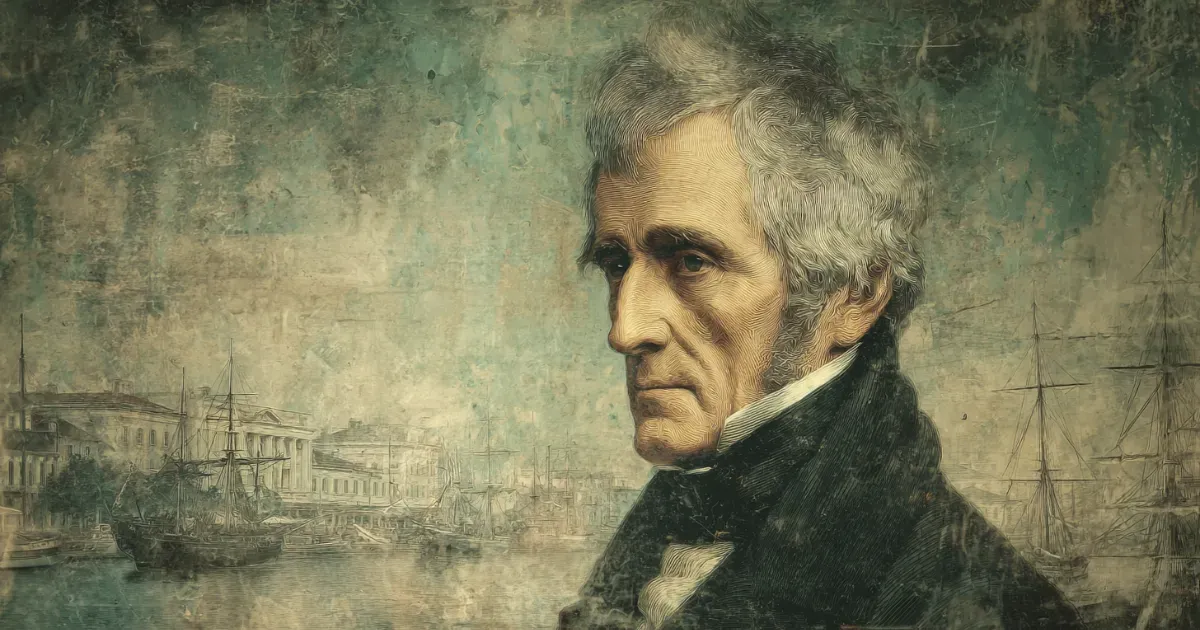
Andrew Jackson was an orphan, a killer, a war hero, and a man of contradictions. He paid off the national debt while authorizing ethnic cleansing, who adopted Native American children while signing their people’s death warrants.
THE BRITISH SCARRED HIM AT FOURTEEN
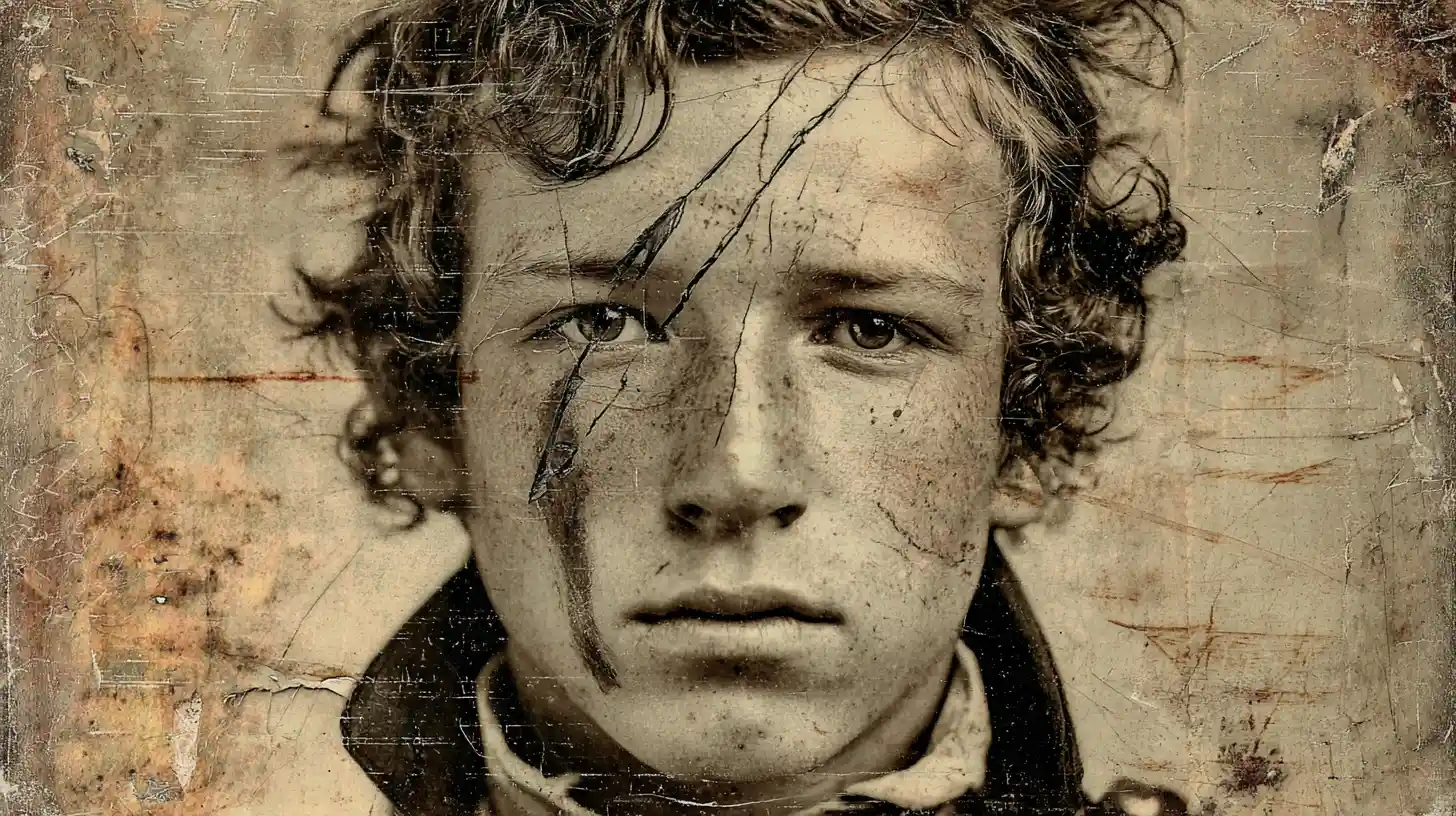
Revolutionary War soldiers captured Andrew Jackson in 1781.
A British officer demanded he polish boots. Jackson refused.
The officer slashed his face and hand with a sword. The scars stayed forever. His mother died nursing prisoners. His brothers died in battle. At fourteen, he was alone and consumed by rage against aristocrats.
That fury drove everything he did later.
HE CARRIED A BULLET IN HIS CHEST FOR 39 YEARS
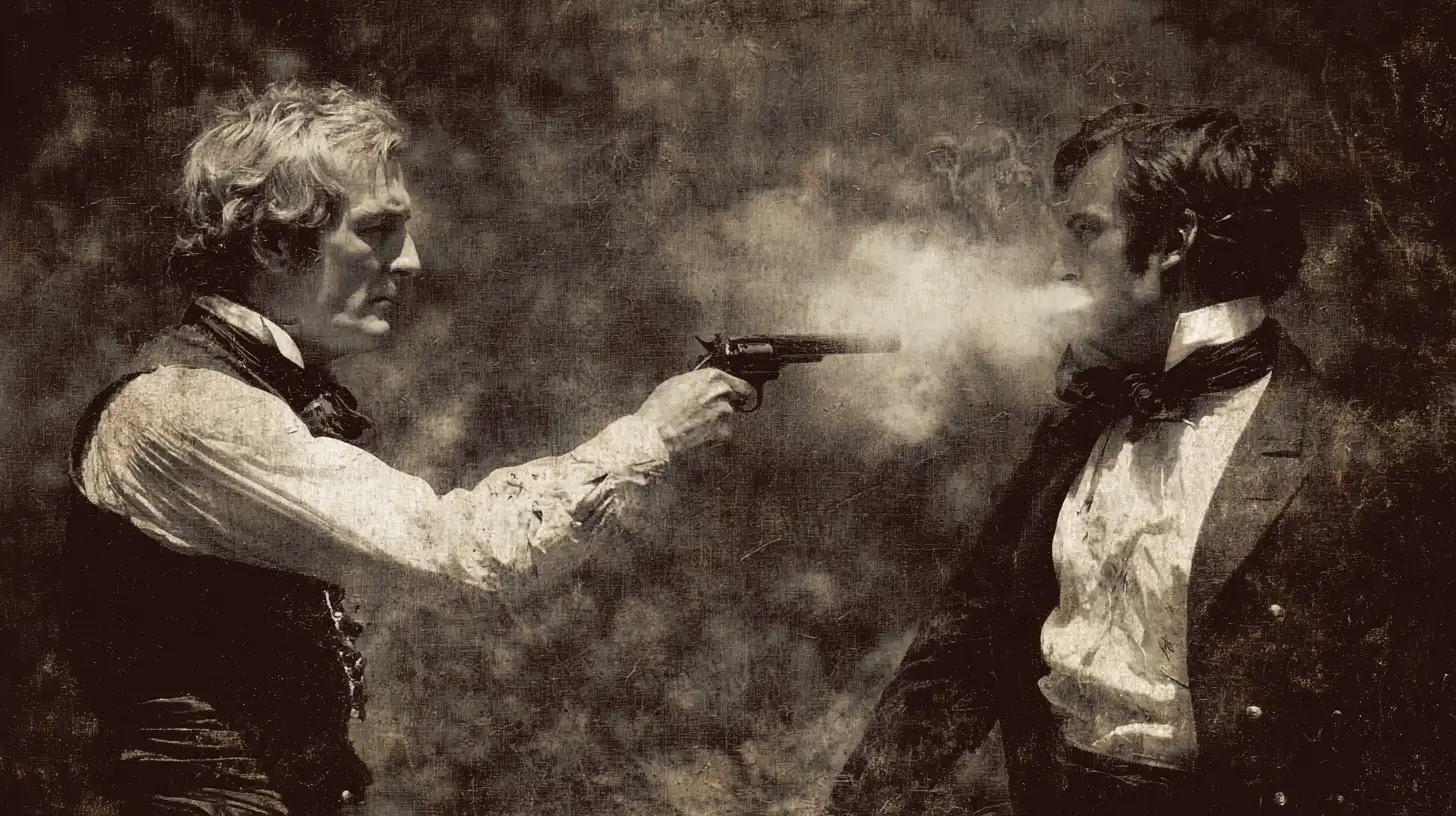
Charles Dickinson insulted Rachel Jackson in 1806. So Andrew Jackson challenged him to a duel.
Dickinson fired first, hitting Jackson in the chest. The bullet lodged near his heart.
Jackson steadied himself, returned fire, and killed Dickinson. Surgeons never could remove the bullet. Jackson lived with it for 39 years.
Another bullet from a tavern brawl sat in his shoulder for 20 years.
He endured constant pain, but never apologized.
ANDREW JACKSON WON THE MOST LOPSIDED BATTLE IN AMERICAN HISTORY
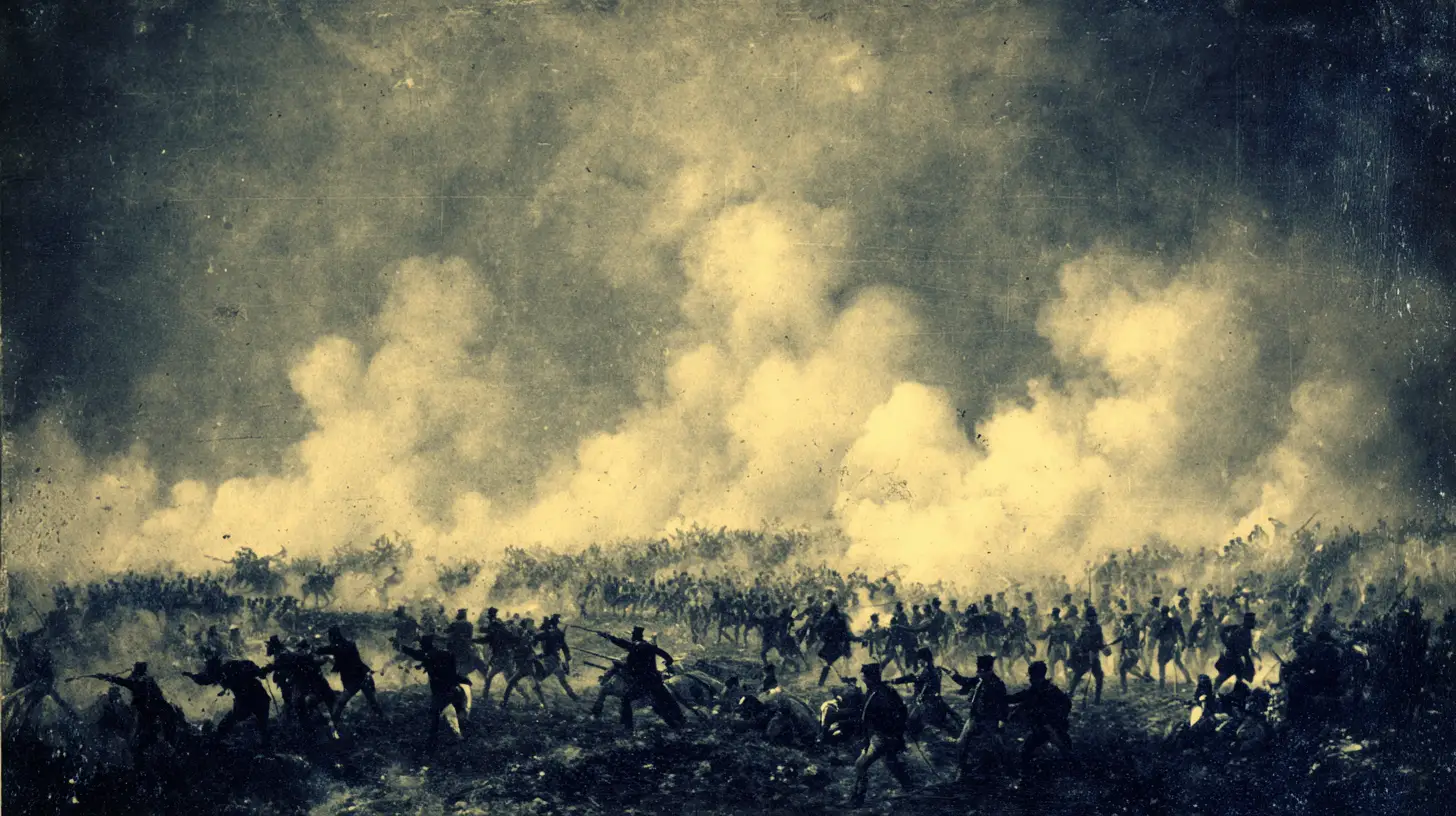
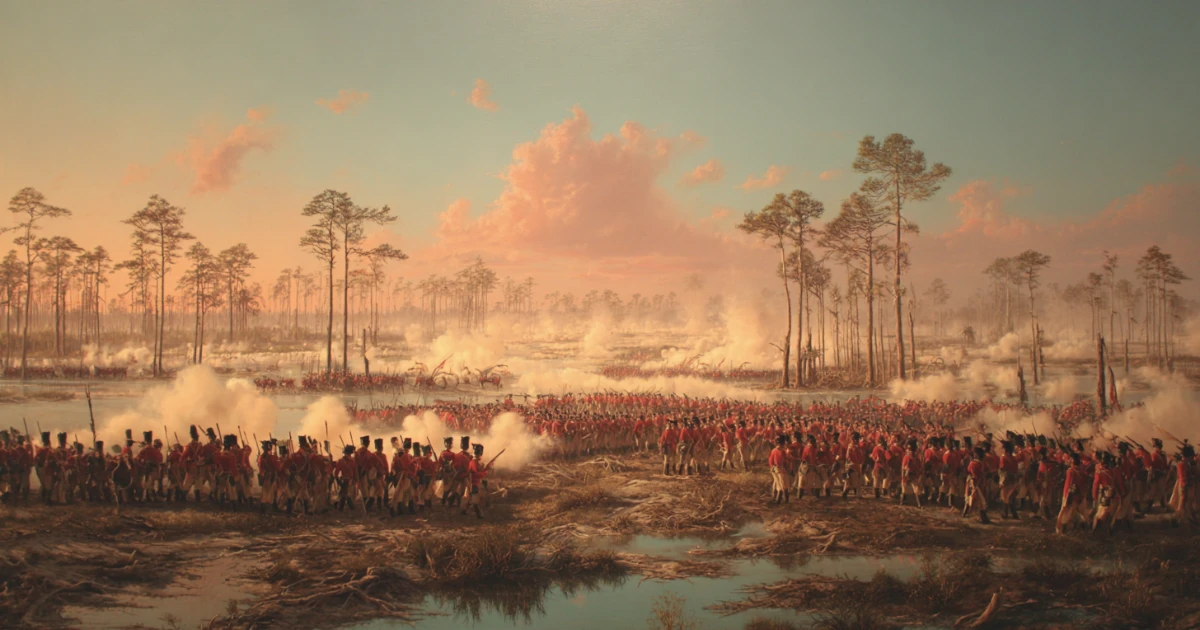
British forces attacked New Orleans on January 8, 1815 during the War of 1812.
10,000 veterans from the Napoleonic Wars marching against Jackson’s 5,000 pirates, militiamen, and volunteers.
The British advanced in formation across open ground.
Jackson’s forces cut them down from behind earthworks.
The British had over 2,000 casualties.
While the Americans had just 71.
But the battle was pointless.
The war had ended two weeks earlier, but news traveled slowly. The victory turned Jackson into a national hero overnight.
HE KILLED THE NATIONAL BANK
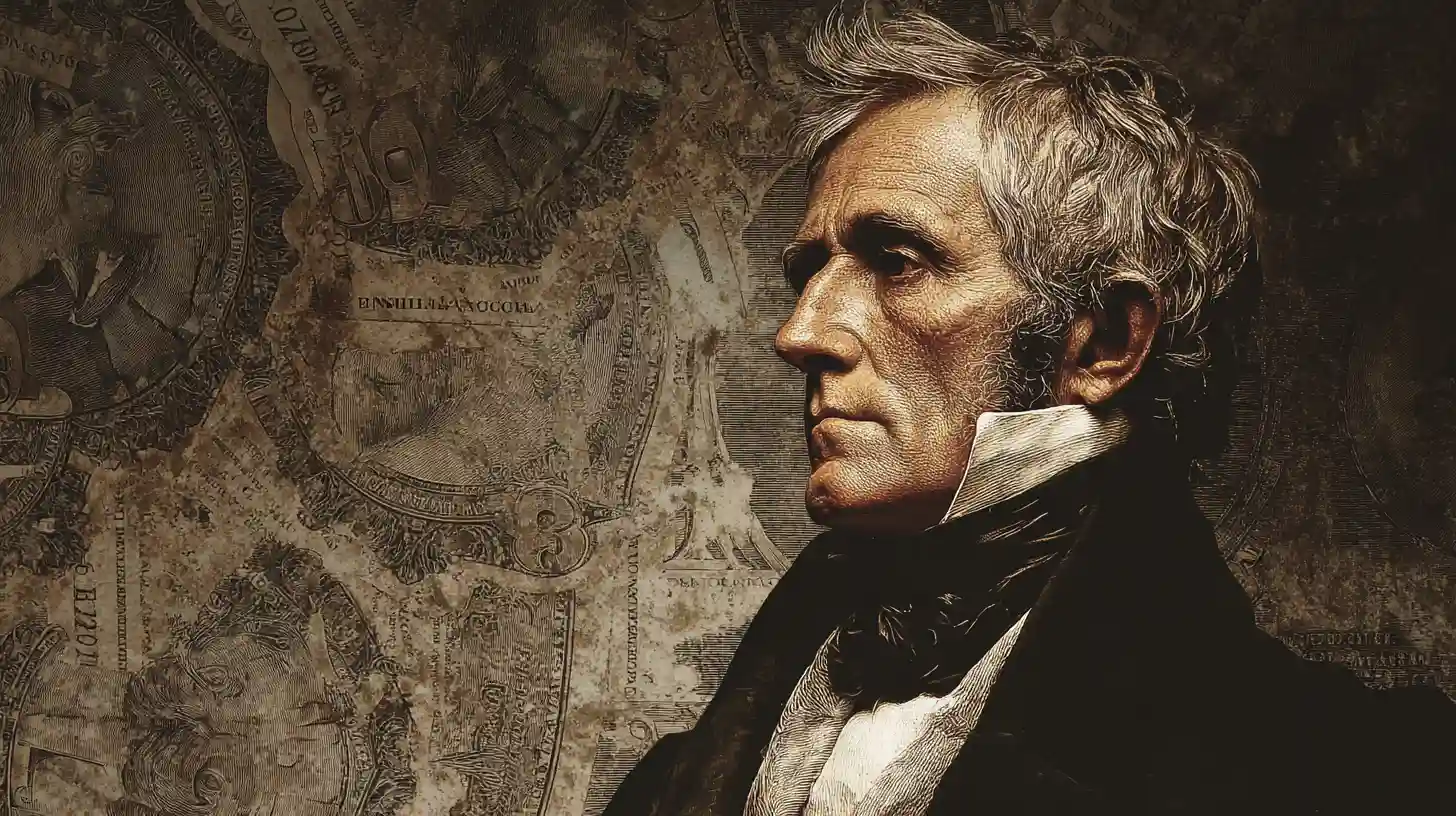
Jackson hated the Second Bank of the United States.
He saw it as a tool for the wealthy to exploit farmers and workers.
Congress passed a bill to renew its charter in 1832. Jackson vetoed it.
“The rich and powerful too often bend the acts of government to their selfish purposes,” he wrote.
He withdrew federal deposits, moved them to state banks.
The National Bank died.
Some historians link his actions to the Panic of 1837, a six-year depression.
HE PAID OFF THE ENTIRE NATIONAL DEBT
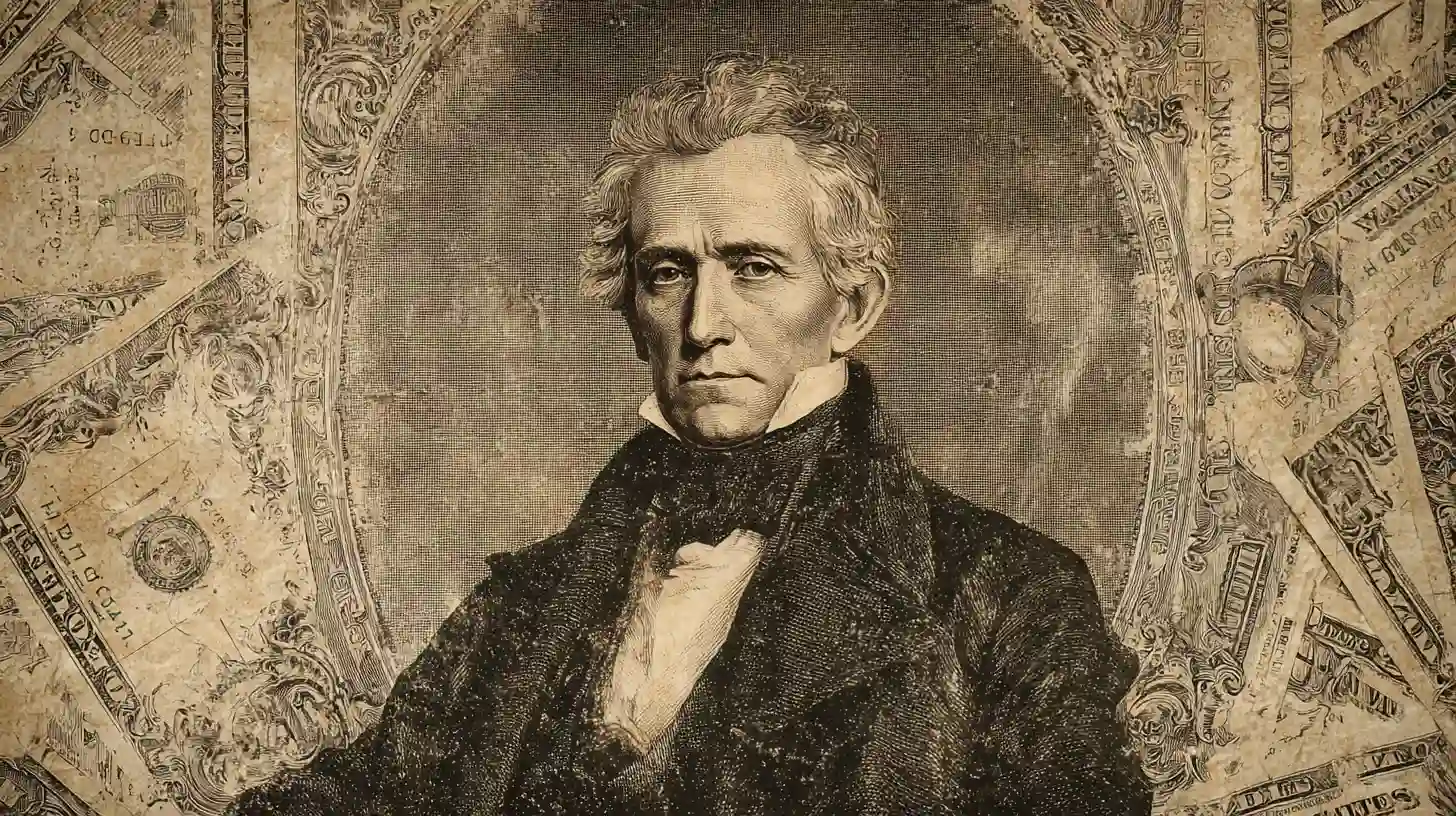
In January 1835, Andrew Jackson eliminated all federal debts.
No president before or since has ever gone close to balancing the budget to zero.
He used tariff revenues, controlled spending, and sold 63 million acres of public land.
The government ran a surplus.
Jackson distributed excess funds to states. It lasted one year before the Panic of 1837 brought debt back into the national picture.
HE BEAT HIS WOULD-BE ASSASSIN WITH A CANE
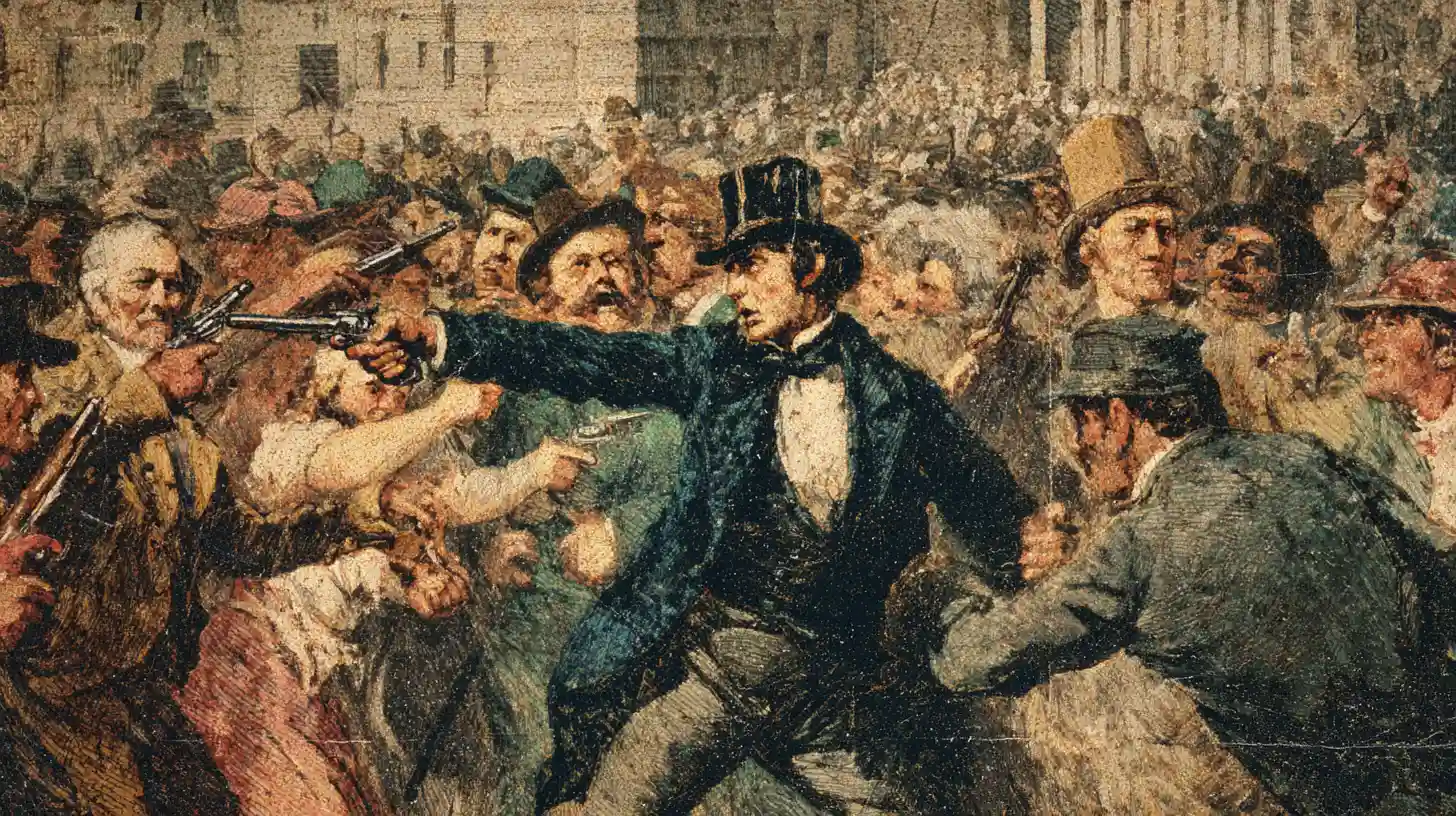
Richard Lawrence fired a pistol at Jackson outside the Capitol on January 30, 1835.
The gun misfired.
Lawrence pulled a second pistol.
It misfired too.
Jackson, 67, rushed at Lawrence and beat him with his cane until others intervened.
Later tests showed both pistols worked perfectly.
The odds of two consecutive misfires in humid weather: roughly one in 125,000. Lawrence was declared insane.
It was the first assassination attempt on a sitting president in American history — and one of the ten questions in our US presidents quiz.
THE TRAIL OF TEARS DEFINES HIS LEGACY
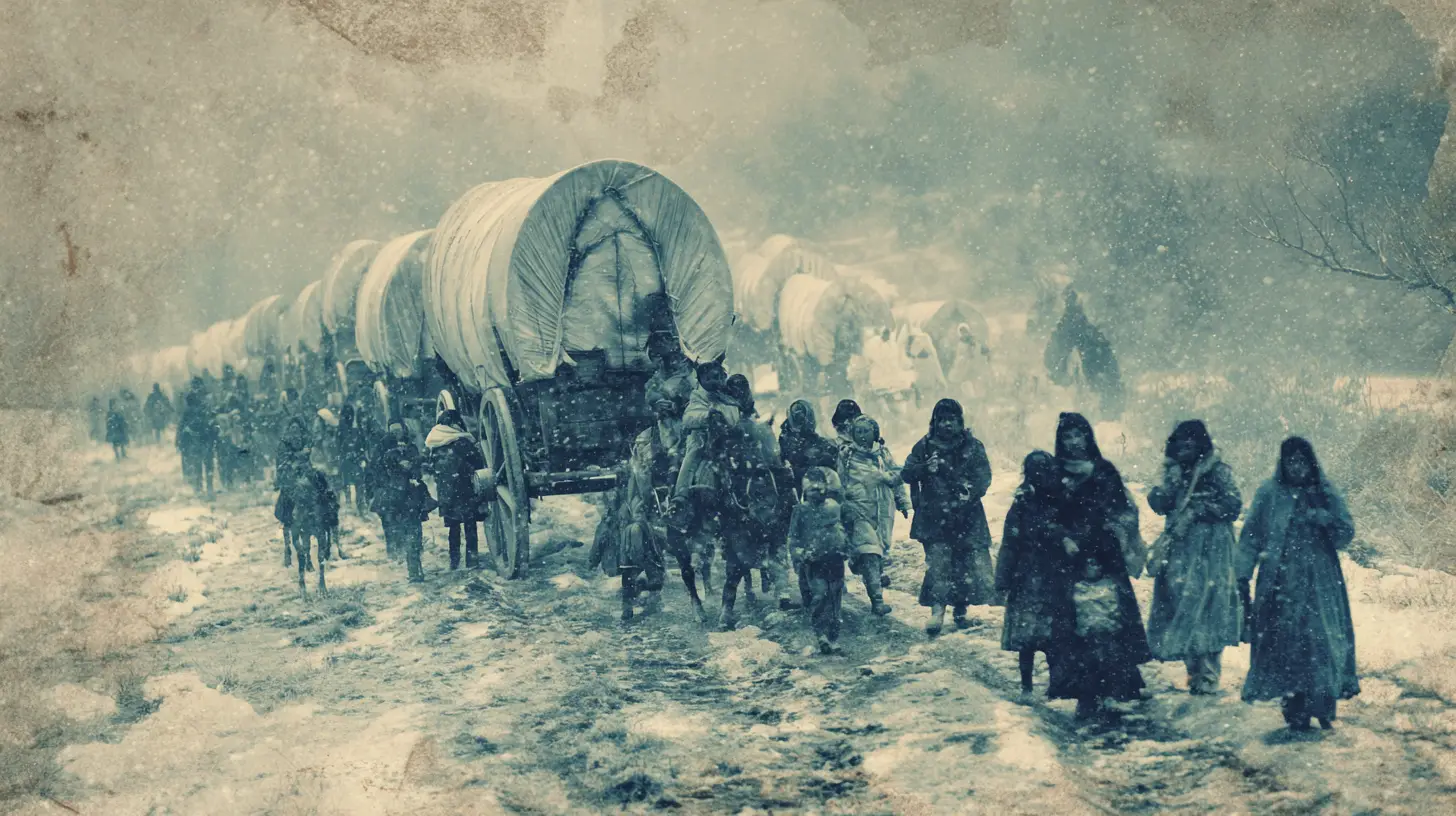
Andrew Jackson’s most infamous act was the signing of the Indian Removal Act in 1830.
It forced 70,000 Native Americans from their lands.
The Cherokee, Creek, Choctaw, Chickasaw, and Seminole nations marched west.
Thousands died from disease, starvation, exposure.
The Cherokee removal killed 4,000 people.
They called it the Trail of Tears.
Jackson claimed he was protecting Native Americans from settlers. History sees it as ethnic cleansing. Today, scholars debate whether it was genocide.
HE RAISED NATIVE AMERICAN SONS
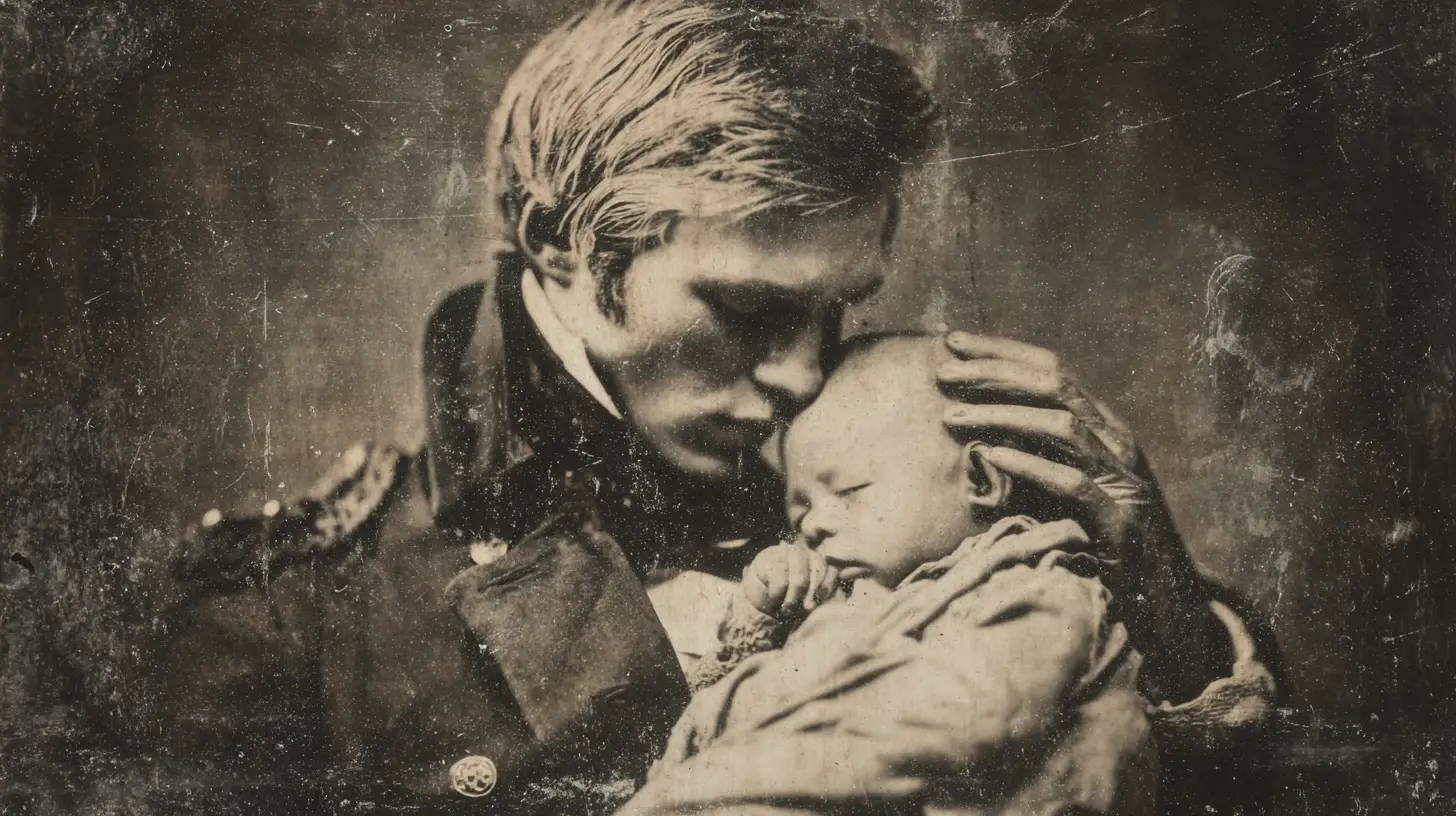
Andrew Jackson adopted three Native American boys.
Lyncoya was a Creek infant found clutching his dead mother on a battlefield in 1813. Jackson sent him to the Hermitage, paid for his education, and raised him as a son.
He also took in Theodore and Charley. Lyncoya died of tuberculosis at sixteen and Jackson wept.
HIS PARROT SWORE AT HIS FUNERAL
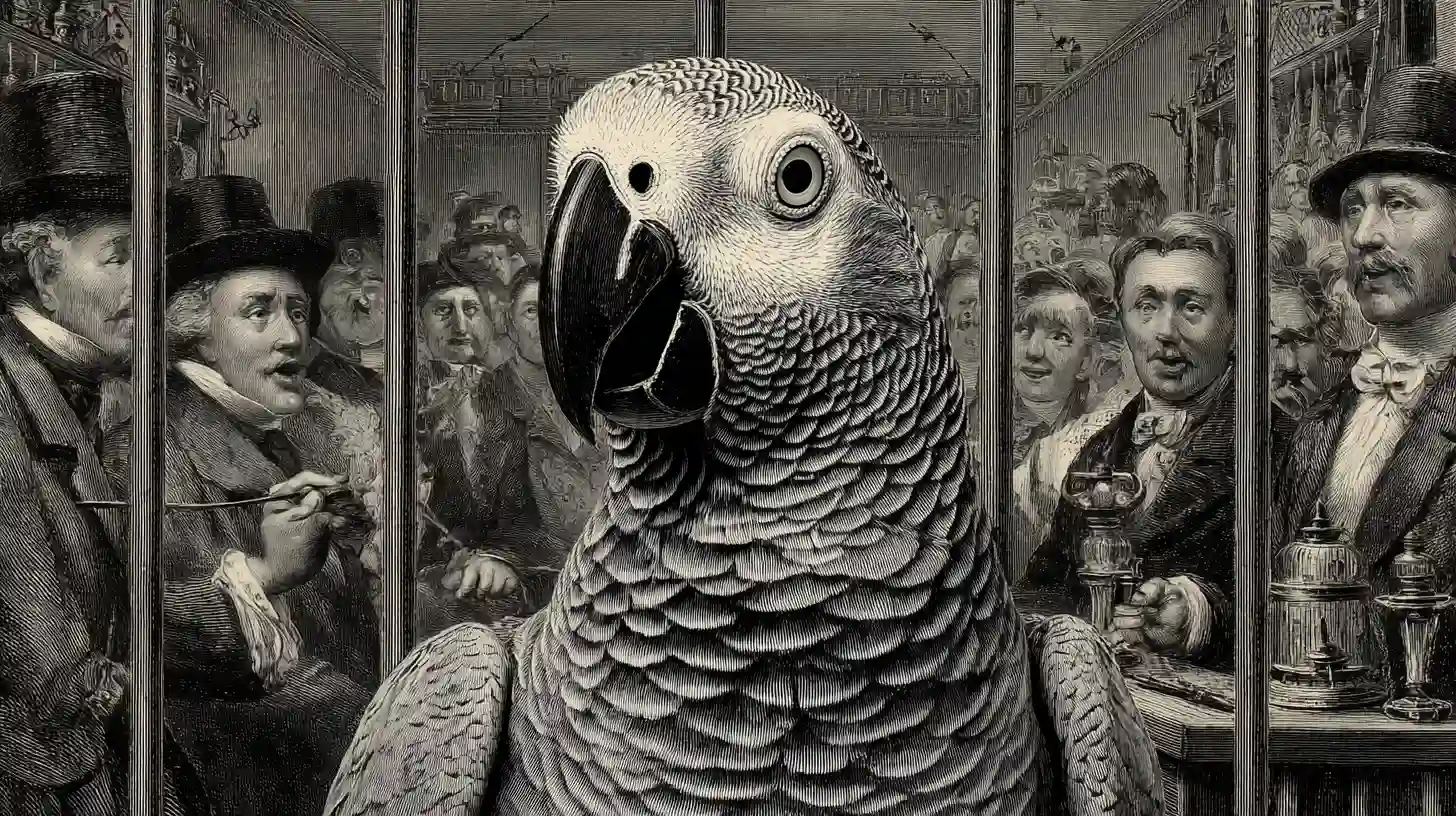
Andrew Jackson owned an African grey parrot named Poll.
He taught it to say swear words.
At Jackson’s 1845 funeral, Poll sat with mourners. The bird cursed so loudly attendants removed it from the service.
The Presbyterian minister said he’d never heard anything like it.
Poll outlived Jackson, still cursing.
HE NEARLY HANGED FOR TREASON
In 1806, Andrew Jackson joined Aaron Burr’s scheme to create an independent nation in Spanish territory.
Jackson supplied boats, believing they’d defend American honor.
President Jefferson ordered Burr arrested for treason. Jackson barely escaped charges. His paper trail saved him.
If luck had turned, the future president would have been executed.
HIS RAGE WAS CALCULATED
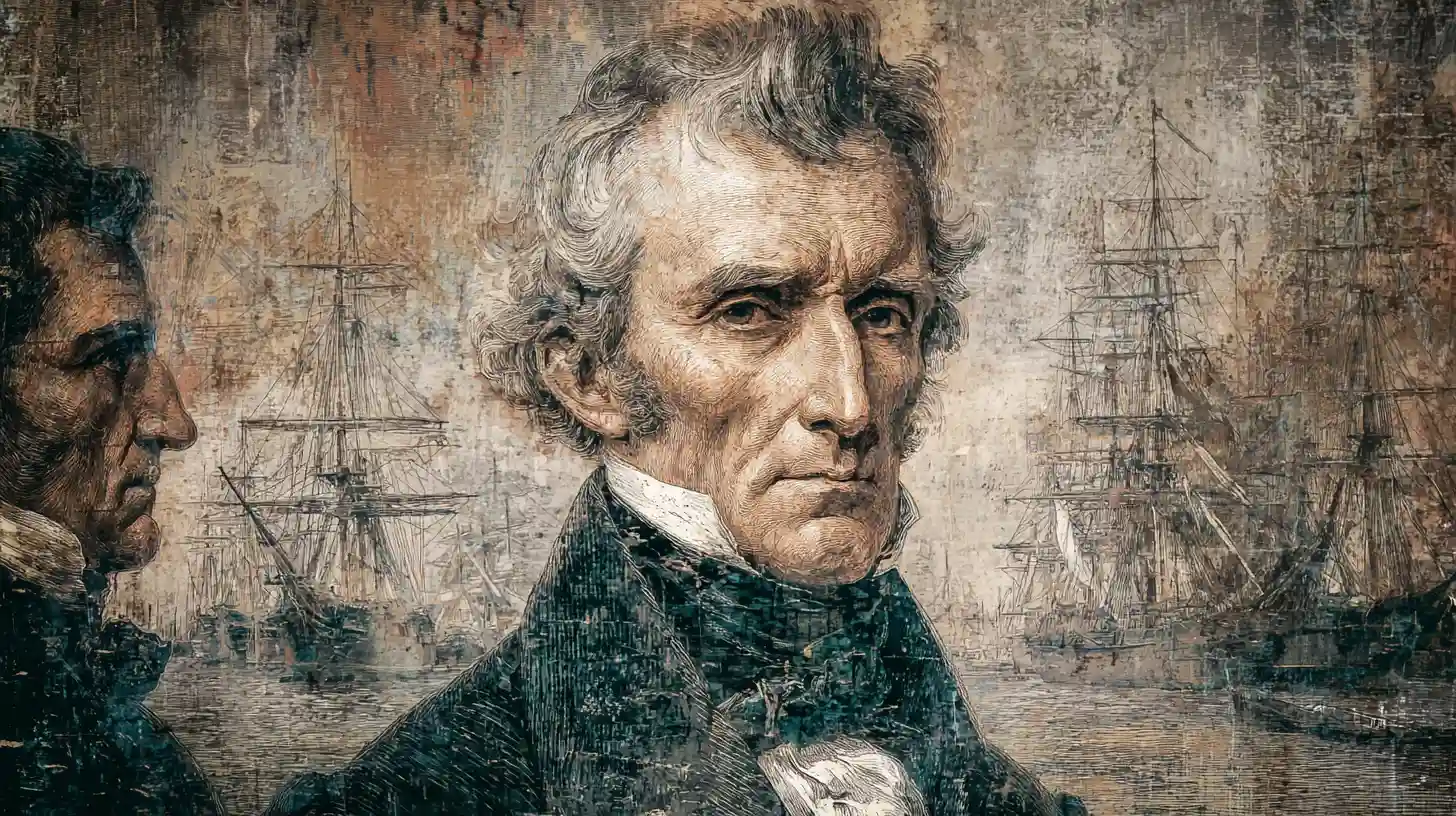
Andrew Jackson’s temper was partly real, partly theater.
He weaponized his violent reputation.
When South Carolina threatened secession in 1832, Jackson sent warships to Charleston and threatened to hang secessionists. “I will hang the first man I can lay my hand on engaged in such treasonable conduct, upon the first tree I can reach,” he said.
South Carolina backed down. But Martin Van Buren said Jackson controlled his temper when needed.
HE OWNED 150 SLAVES
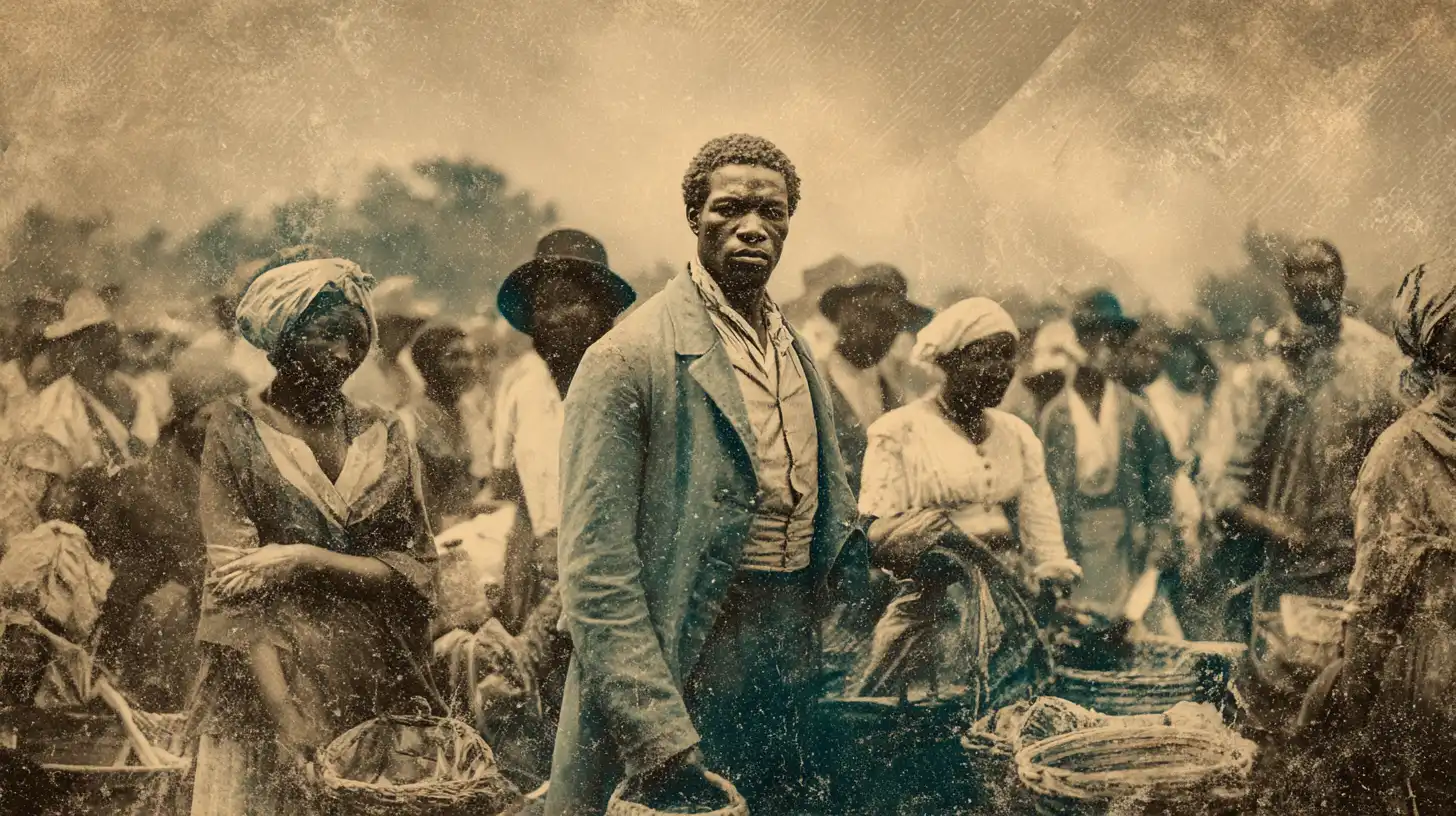
Andrew Jackson enslaved over 150 people at his death in 1845.
Over his lifetime, he owned roughly 300.
He traded slaves for profit.
In 1804, he advertised for a runaway, offering “ten dollars extra, for every hundred lashes any person will give him” up to 300 lashes—likely fatal.
He claimed slavery was acceptable if slaves were treated “humanely.” In practice, he used harsh punishments and profited from forced labor.
HE TRANSFORMED DEMOCRACY
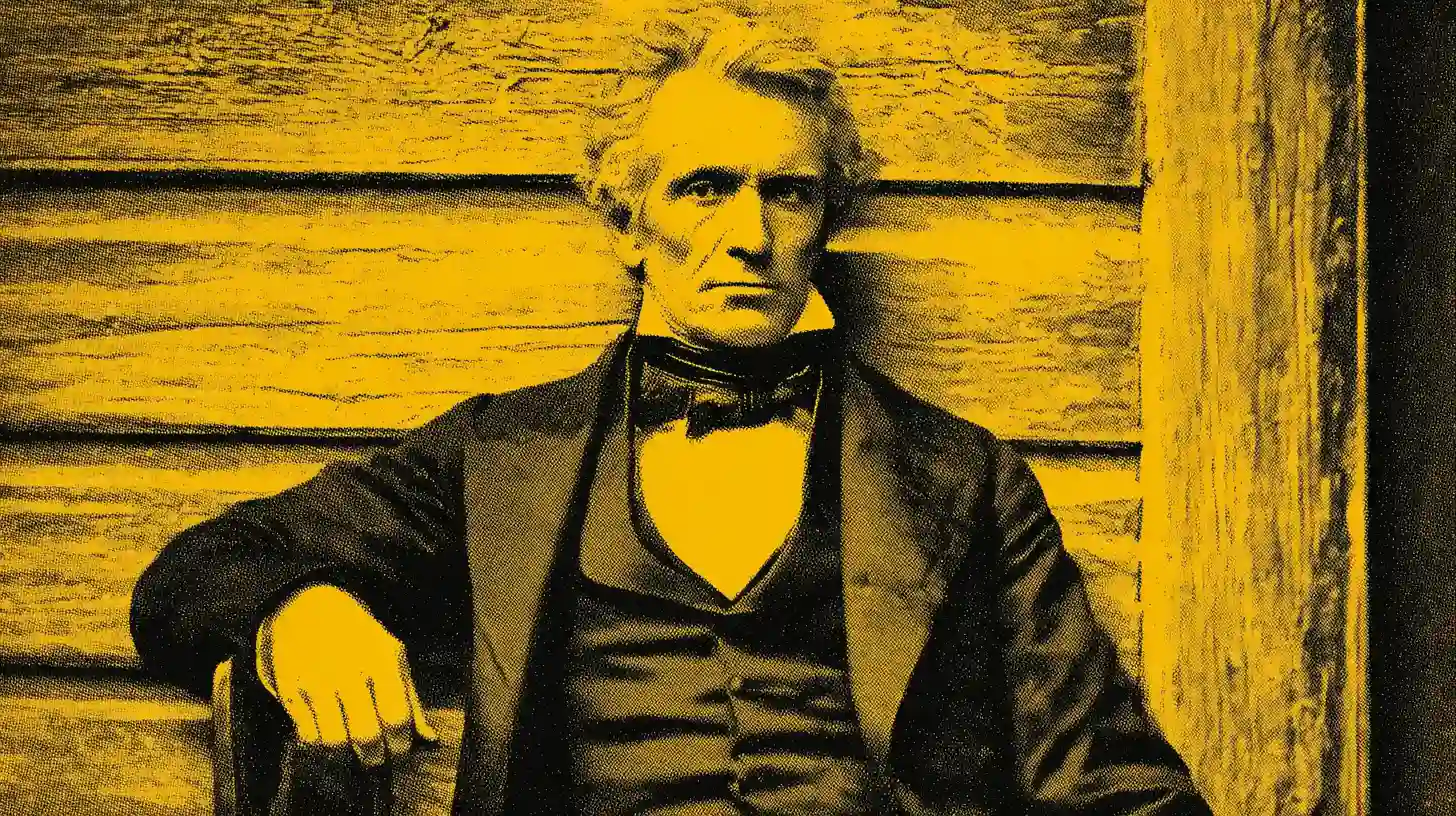
Andrew Jackson was the first president born in a log cabin, the first from the western frontier, and the first without college education.
His election shifted power from the aristocratic East to the expanding West.
He expanded voting rights for white men. He introduced the spoils system. He used veto power more than all previous presidents combined.
Jacksonian democracy reshaped politics.
But it excluded Native Americans, Black Americans, and women from “the common man.”
HIS LAST WORDS REVEALED EVERYTHING
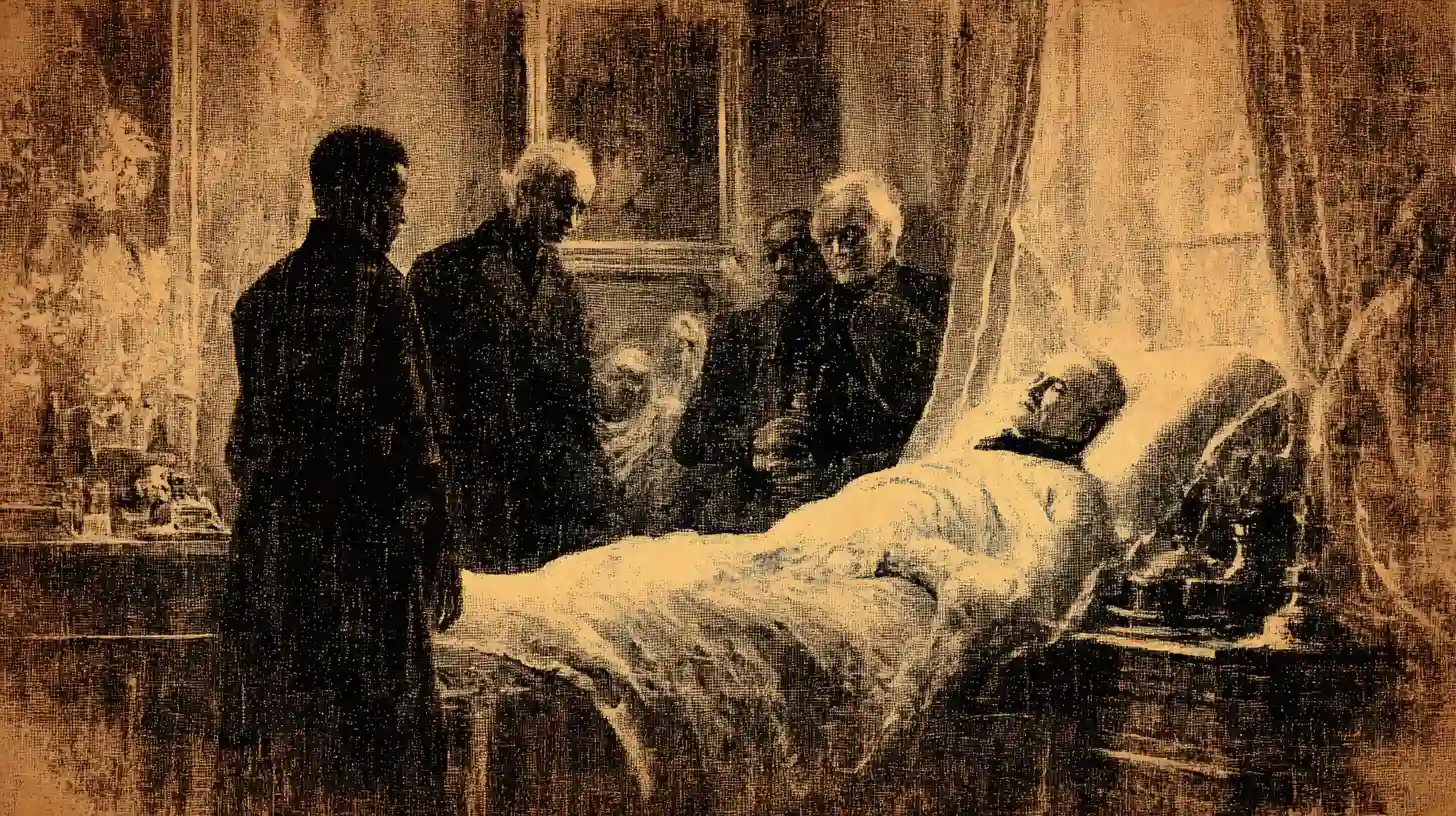
June 8, 1845. Jackson died at the Hermitage, surrounded by family, friends, and enslaved people.
His last words: “Do not cry; I hope to meet you all in Heaven—yes, all in Heaven, white and black.”
He was 78.
He’d survived bullets, disease, duels, assassination attempts, battles.