6 min read
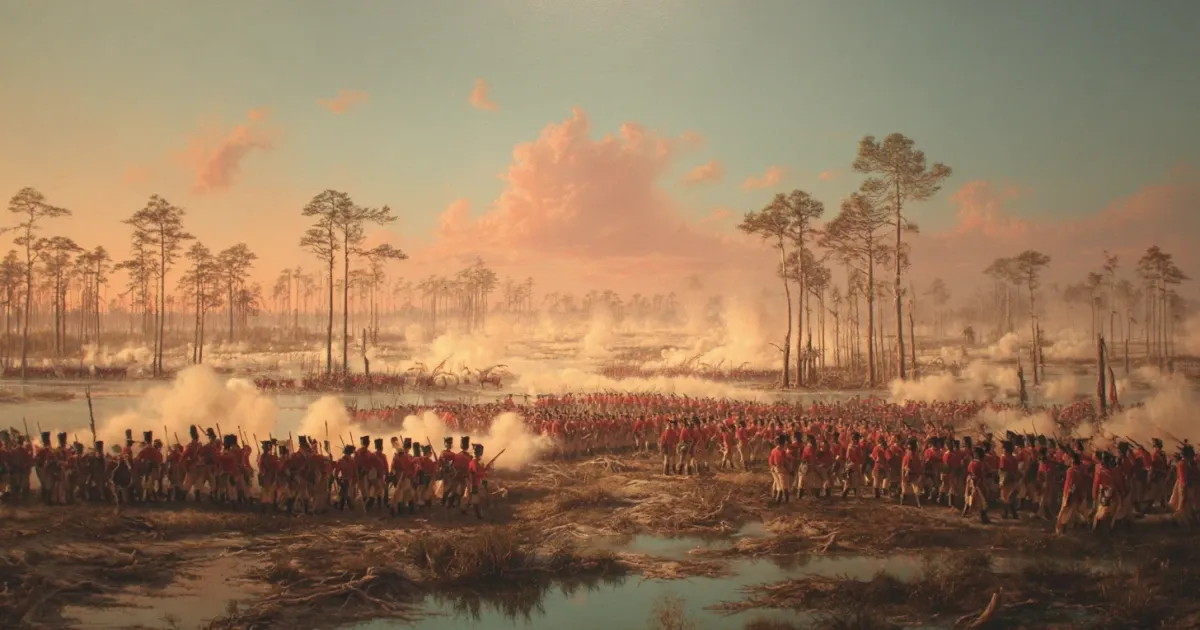
On January 8, 1815, over 2,000 British and American soldiers became casualties fighting over the War of 1812 that had officially ended two weeks earlier. Nobody told them. The peace treaty sat in a ship somewhere in the Atlantic while men died in a Louisiana swamp.
This battle featured pirates fighting alongside militiamen, soldiers showing up without guns, dead generals pickled in rum barrels, and a 30-minute bloodbath that changed American politics for a generation. The British had better training, more experience, and superior numbers. They lost anyway.
What follows are the details history books often skip—the strange, brutal, and occasionally absurd facts that made the Battle of New Orleans one of the most consequential half-hours in American history.
THE BATTLE OF NEW ORLEANS DIDN’T NEED TO HAPPEN
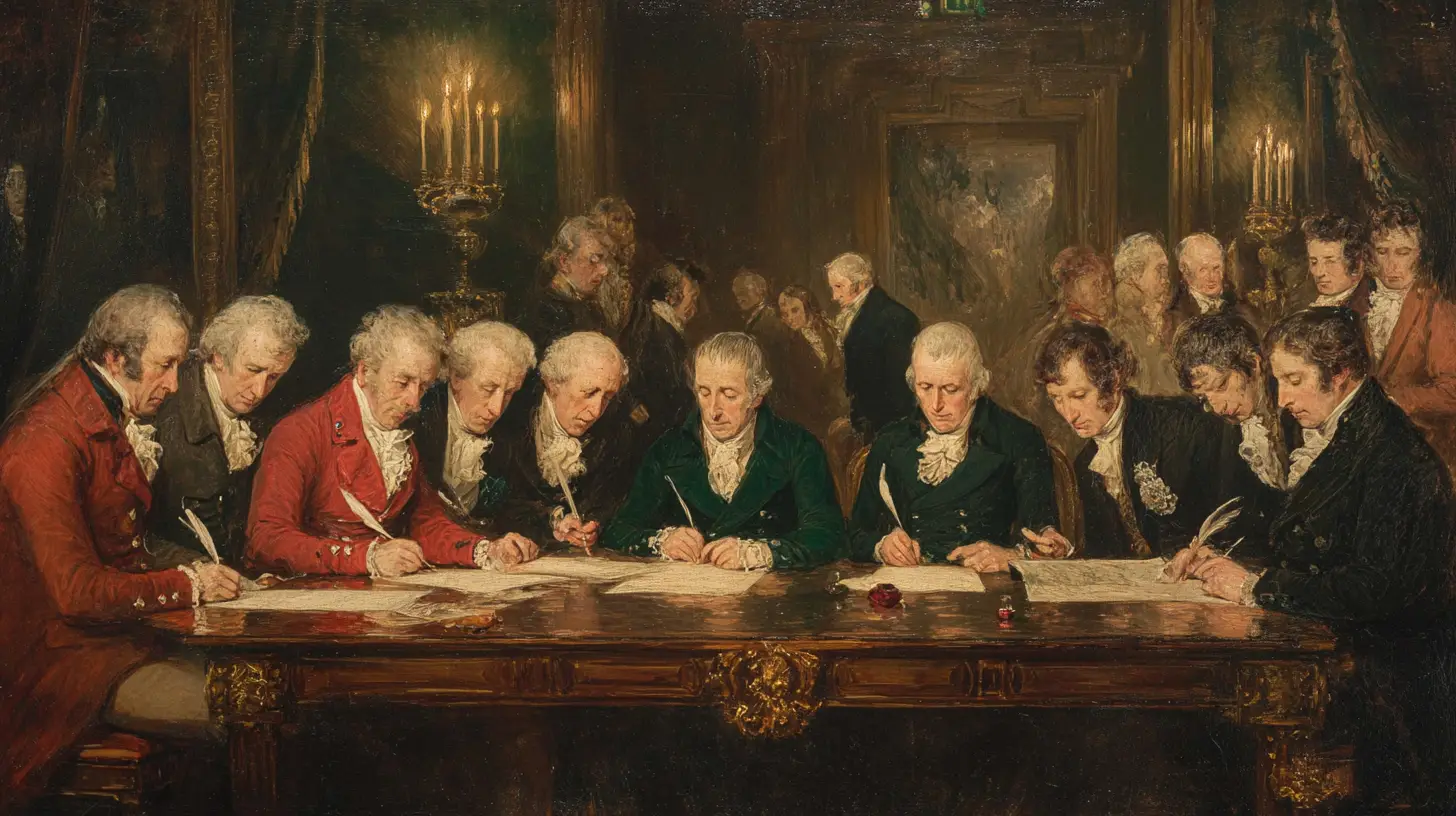
The entire bloody affair took place two weeks after Britain and America signed a peace treaty. The Treaty of Ghent was inked on December 24, 1814. But news traveled at the speed of sailing ships back then, so on January 8, 1815, thousands of men lined up to kill each other over a war that was technically already over. Talk about awkward timing.
ANDREW JACKSON’S RAGTAG ARMY OF MISFITS
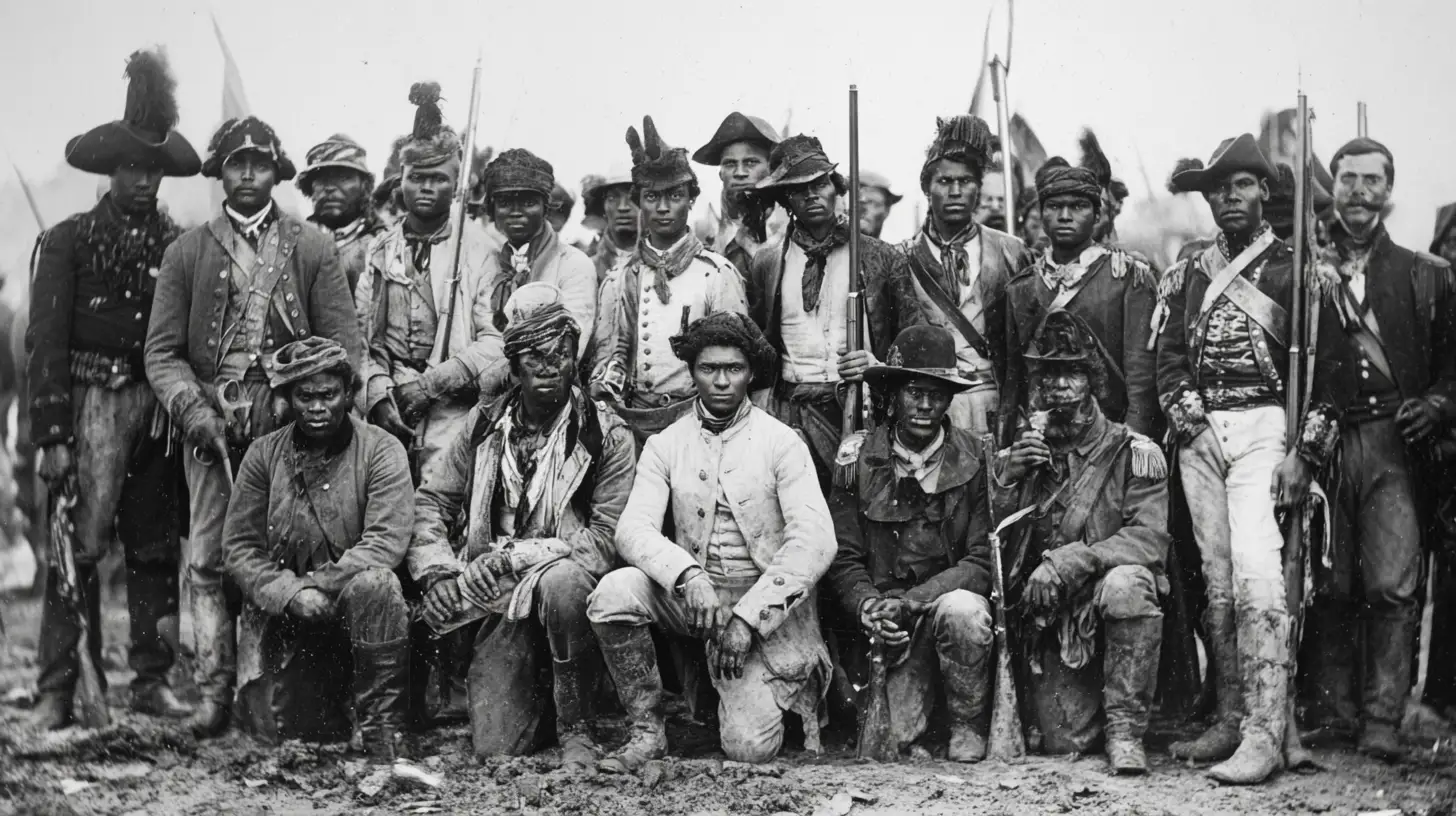
Andrew Jackson commanded what might be history’s most eclectic fighting force. His defensive line included Kentucky frontiersmen, free Black militiamen, Choctaw warriors, New Orleans dandies who’d never fired a gun, and get this—pirates. Jean Lafitte and his crew of criminals helped defend American democracy. The U.S. government had been trying to arrest these guys just months earlier.
THE BRITISH GENERALS HAD THE WORST DAY EVER
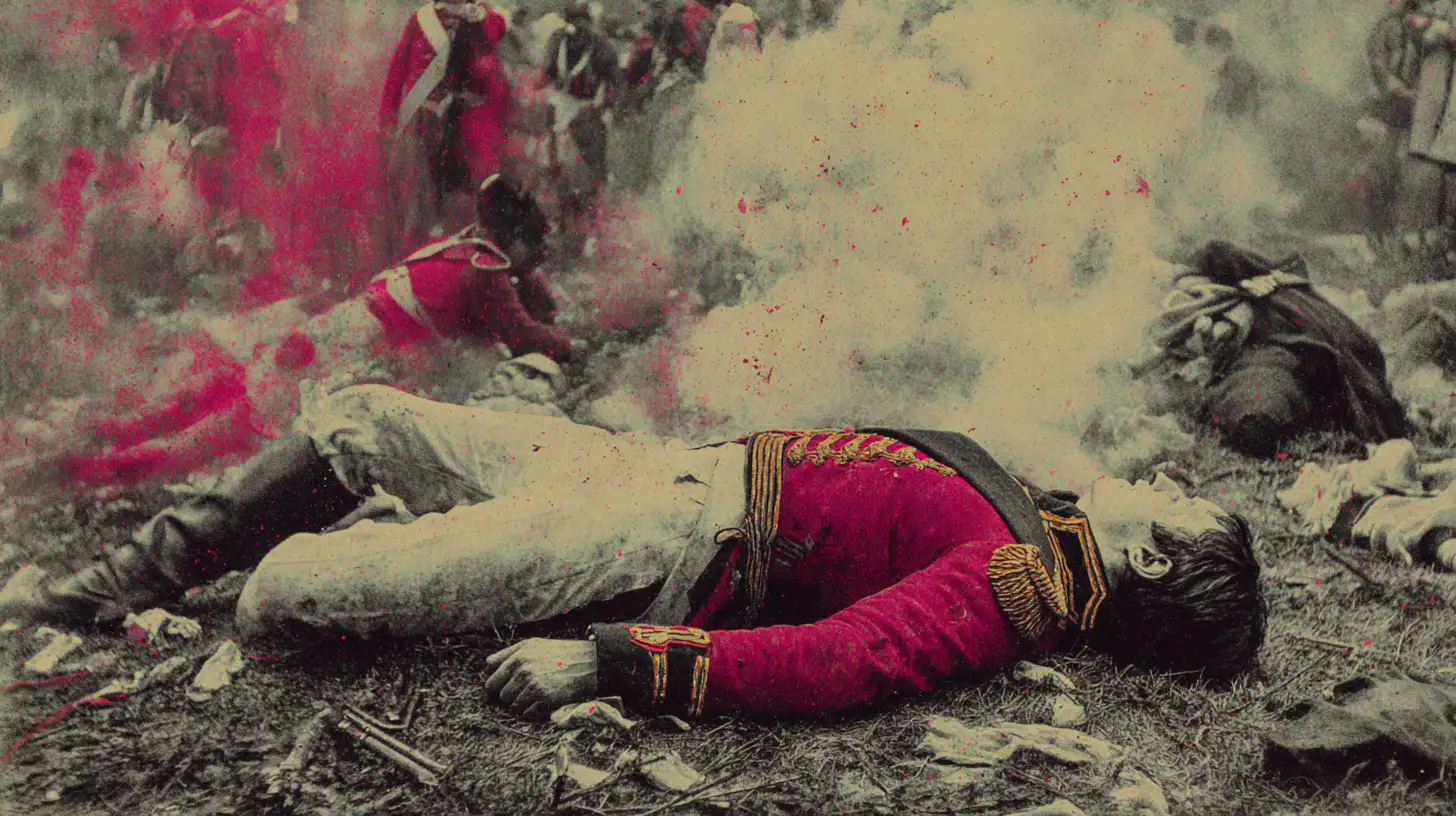
Three British commanding officers became casualties in roughly 30 minutes. Major General Sir Edward Pakenham, the British commander (and Wellington’s brother-in-law), took a grapeshot to the arm, then another to the spine. He died on the battlefield. Major General Samuel Gibbs? Also killed. Colonel Robert Rennie? Dead too. It was a catastrophically bad morning for British leadership.
COTTON BALES AS ARMOR
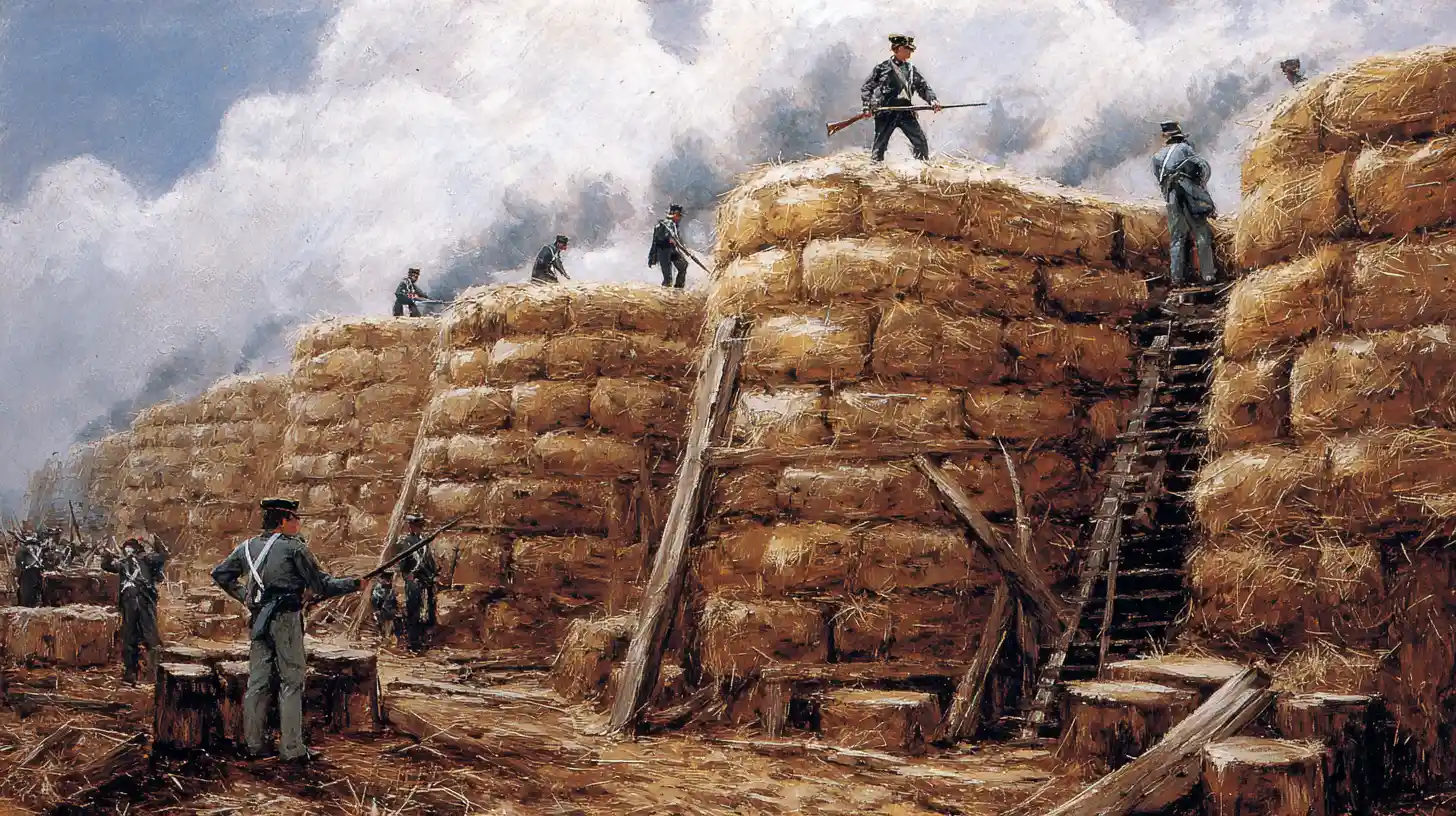
Jackson’s men built their defensive earthworks partly from cotton bales. Yes, actual cotton. They stacked them alongside mud and timber to create a fortified line. Turns out compressed cotton stops musket balls pretty effectively. Who knew?
THE KENTUCKY MILITIA SHOWED UP UNARMED
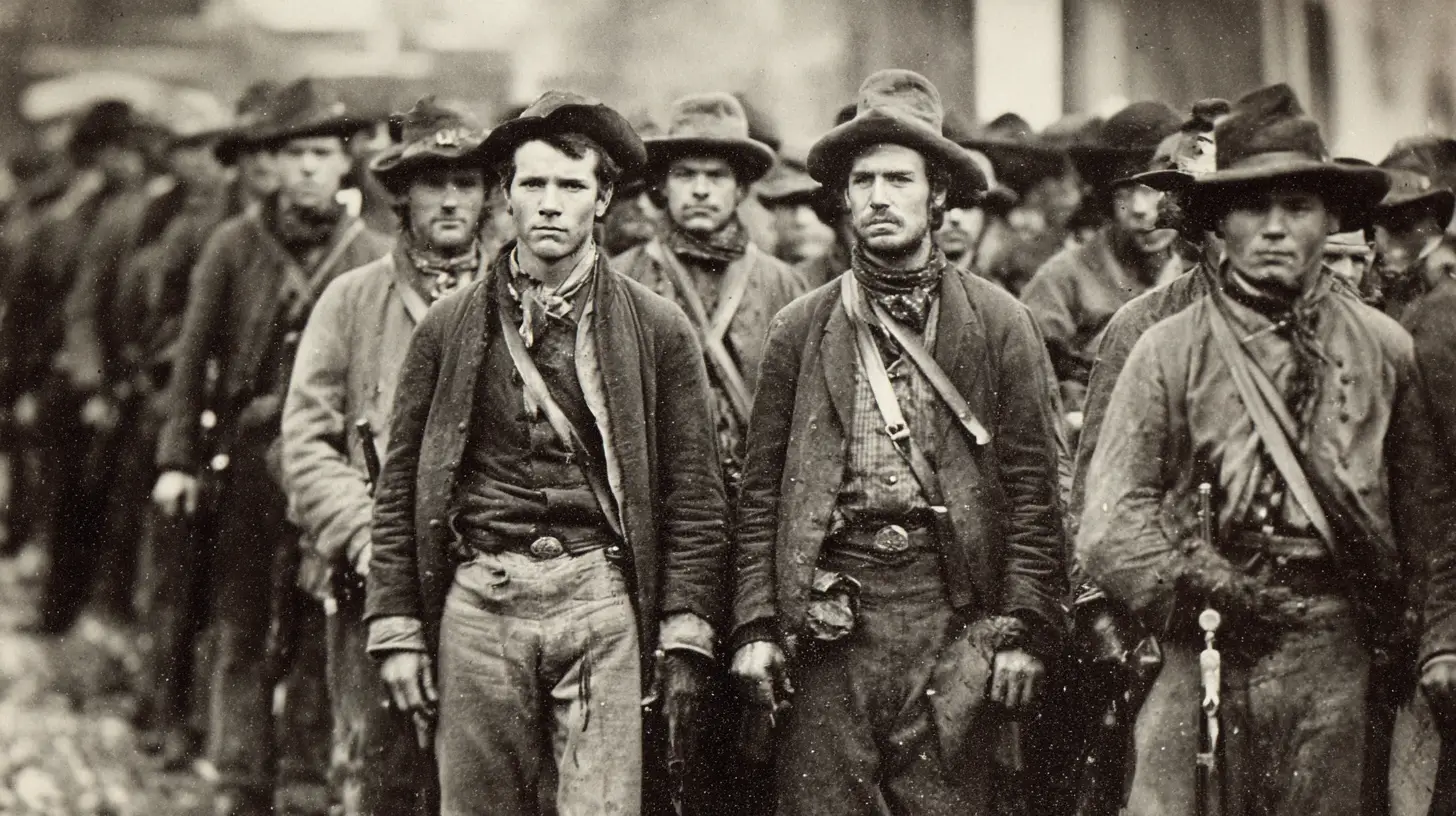
A large chunk of the Kentucky militia arrived without weapons. Jackson reportedly complained that only about a third were properly armed. These guys marched hundreds of miles to fight in a battle and forgot to bring guns. Some had to scrounge weapons from other units or just stand around feeling useless.
IT LASTED ABOUT 30 MINUTES
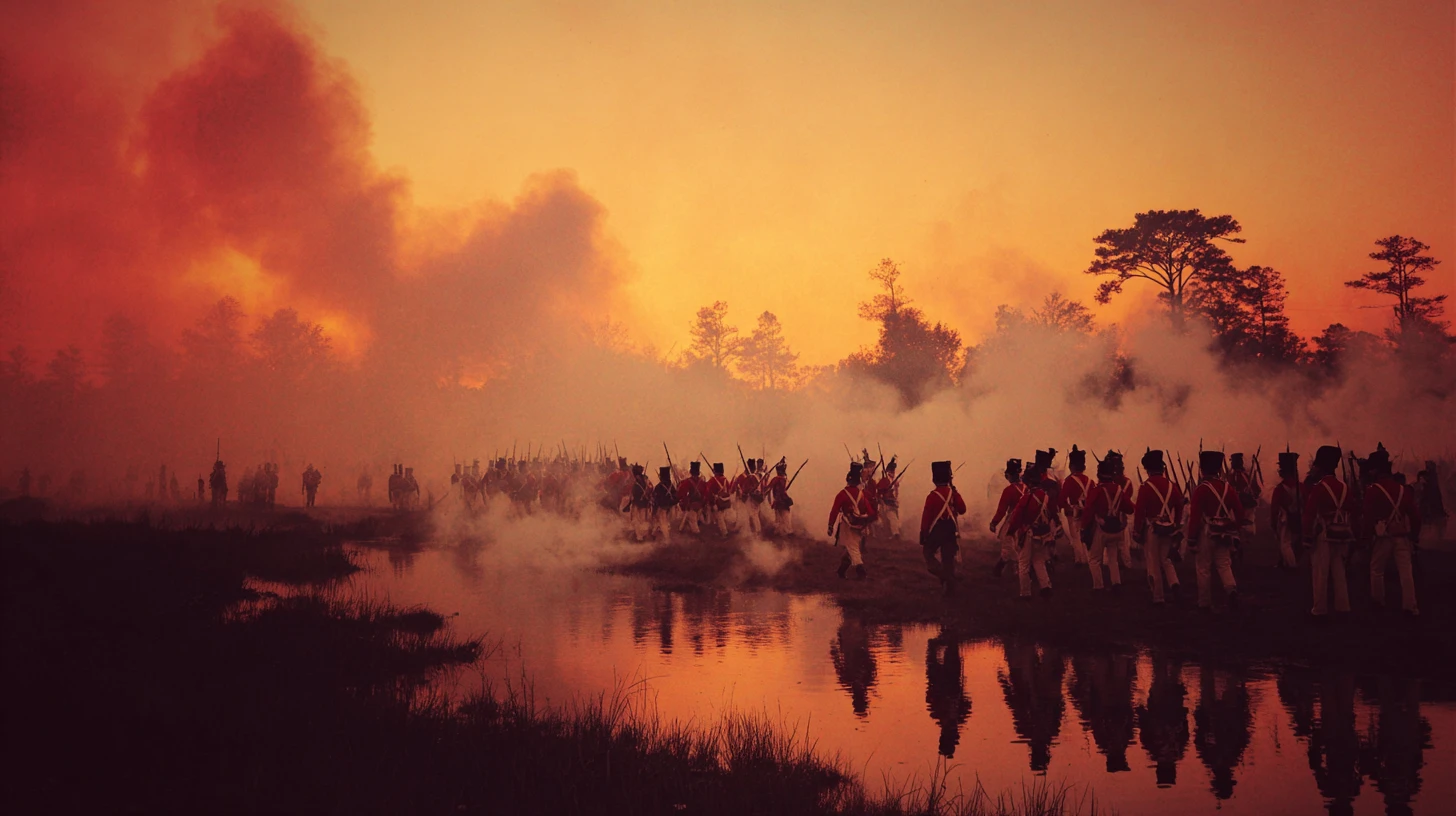
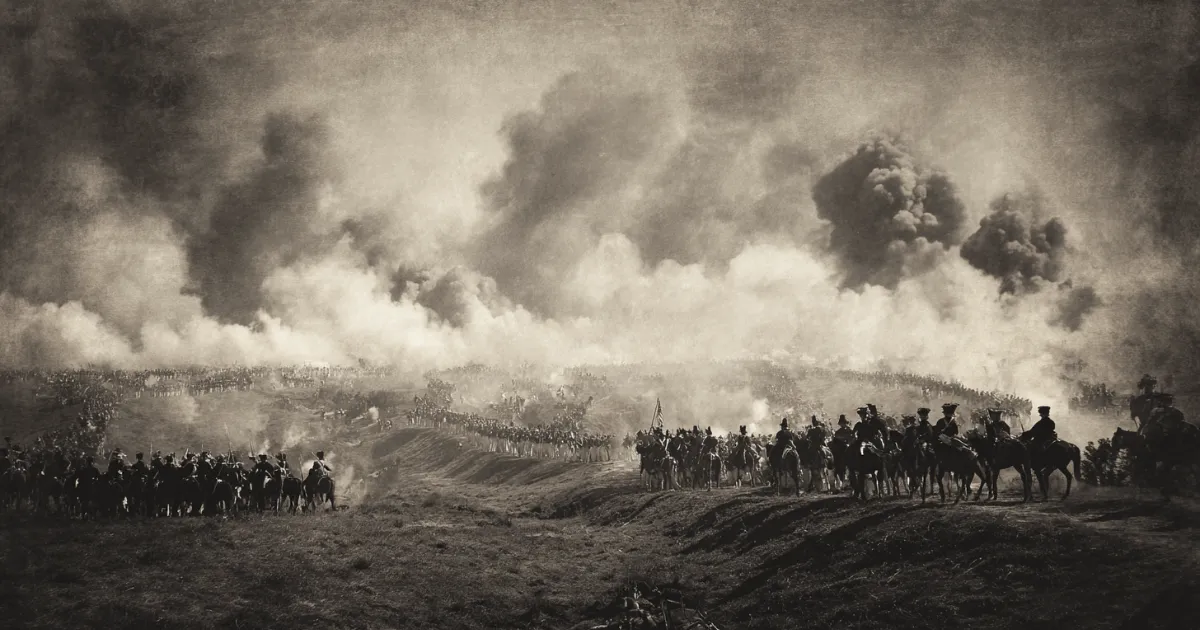
The main assault—the one everyone remembers—was over in half an hour. British forces advanced at dawn. By the time the sun was properly up, the battle was essentially decided. American casualties: 13 killed, 39 wounded, 19 missing. British casualties: over 2,000, with estimates of 291 killed, 1,262 wounded, and 484 missing. That’s not a battle. That’s a massacre.
THE “BEAUTY AND BOOTY” RUMOR
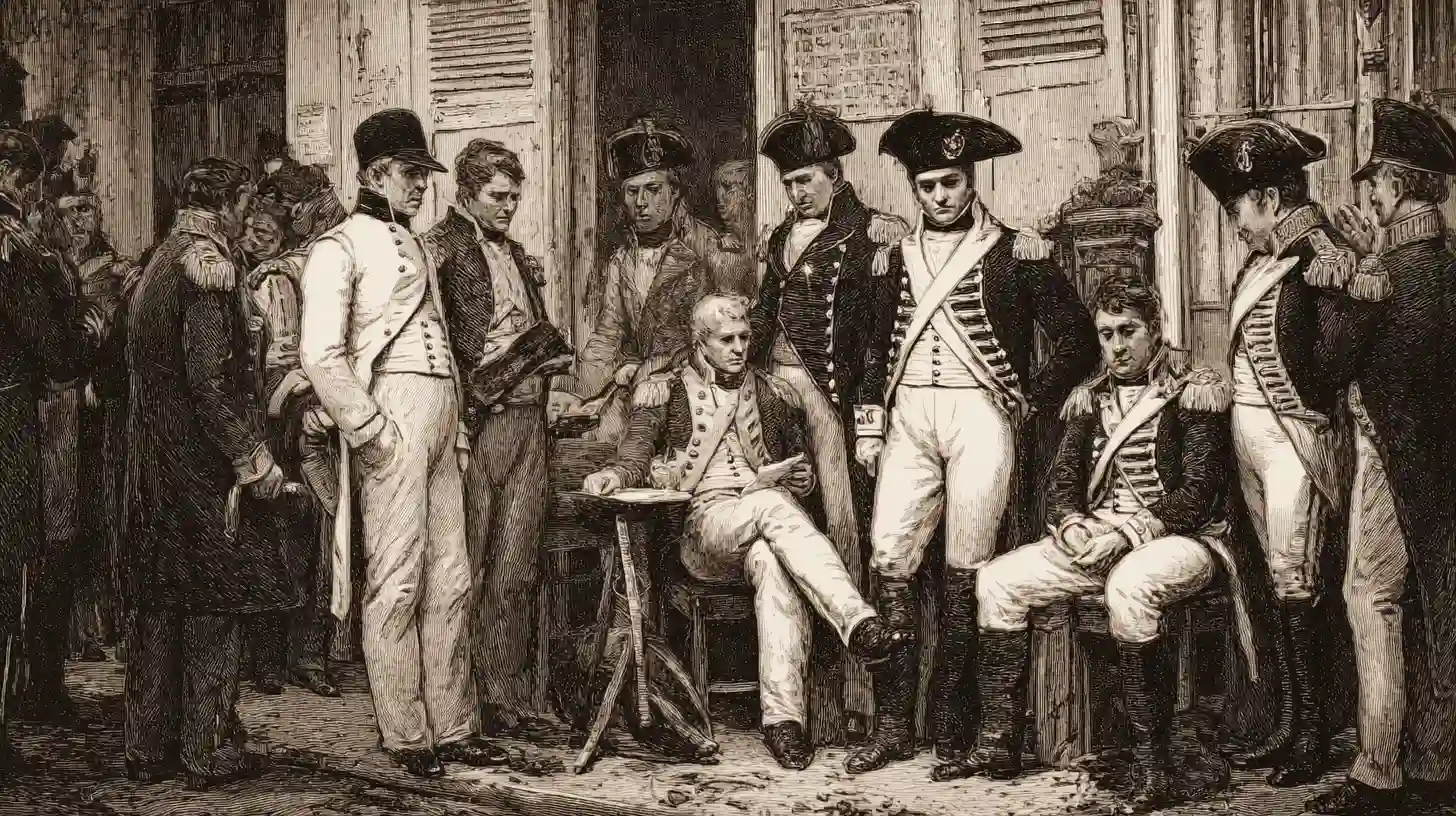
A nasty rumor spread that British troops used “Beauty and Booty” as their watchword, implying they planned to plunder and assault New Orleans. Five British officers later signed a statement denying this ever happened. But the story stuck in American memory anyway, making the British look like cartoon villains. Propaganda, 1815 style.
PAKENHAM’S BODY GOT PICKLED
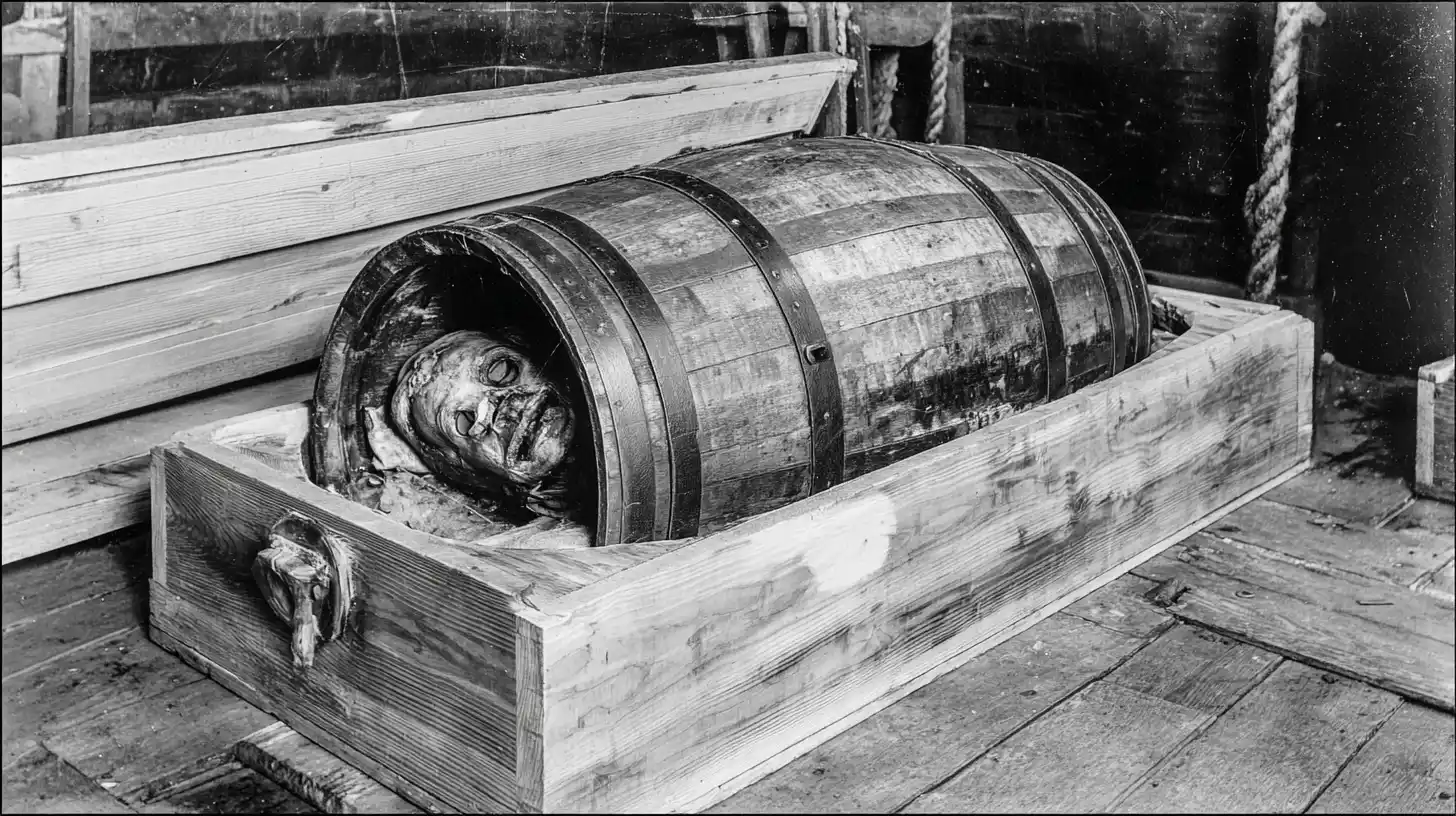
After Pakenham died, his men wanted to ship his body back to England. Their solution? They placed him in a barrel of rum to preserve the corpse for the long voyage home. His second-in-command, Major General Gibbs, got the same treatment. Imagine being a sailor on that ship, knowing you’re transporting your dead generals in booze barrels.
THE ARTILLERY ACTUALLY WON IT
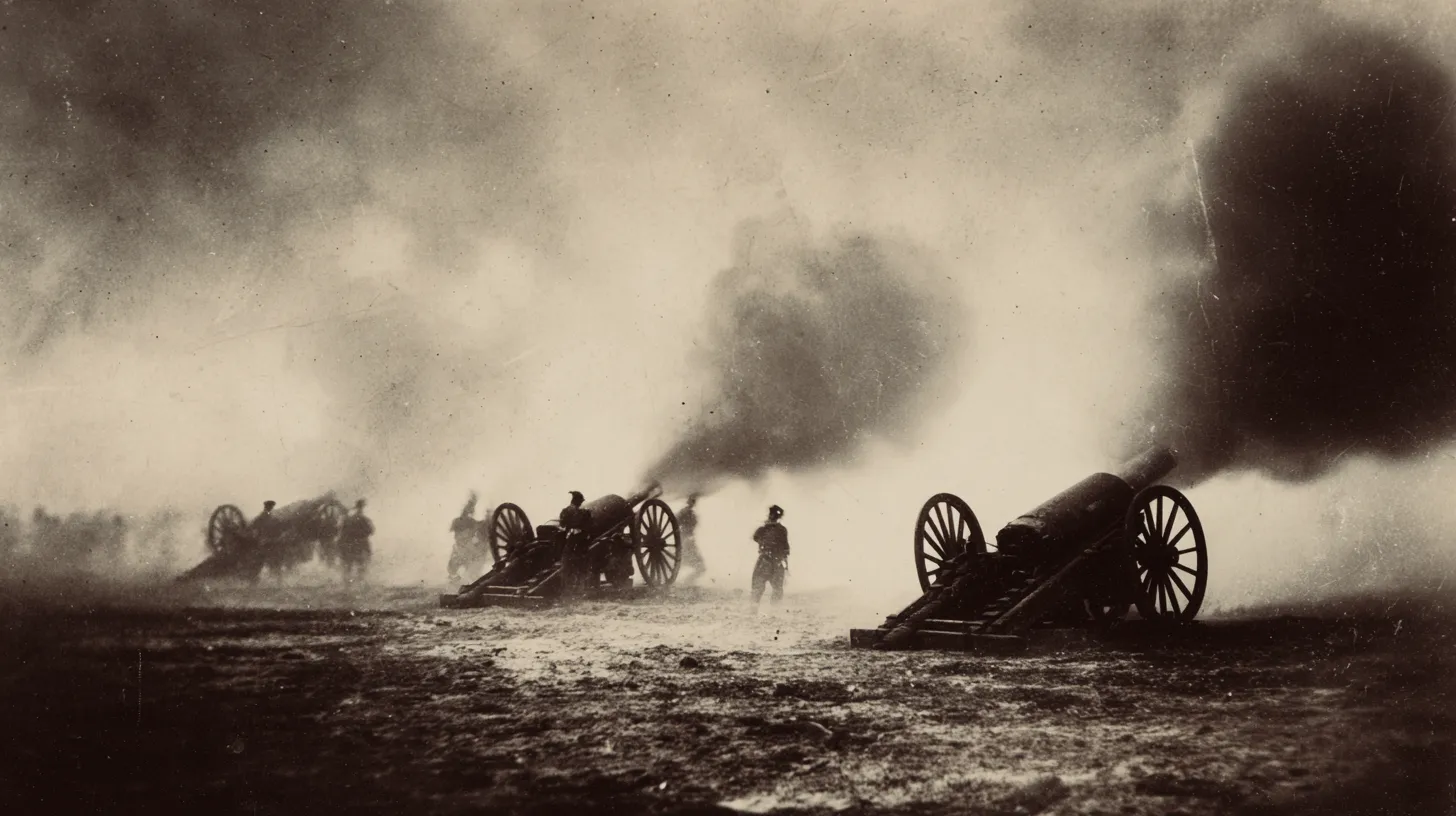
Popular mythology credits Kentucky riflemen with the victory. Songs were written about it. Legends spread. But modern historians agree: it was Jackson’s artillery that shredded the British advance. The cannons opened fire when the British were 500 yards out. Rifles and muskets only kicked in at closer range. Those big guns did the heavy lifting.
IT MADE JACKSON PRESIDENT
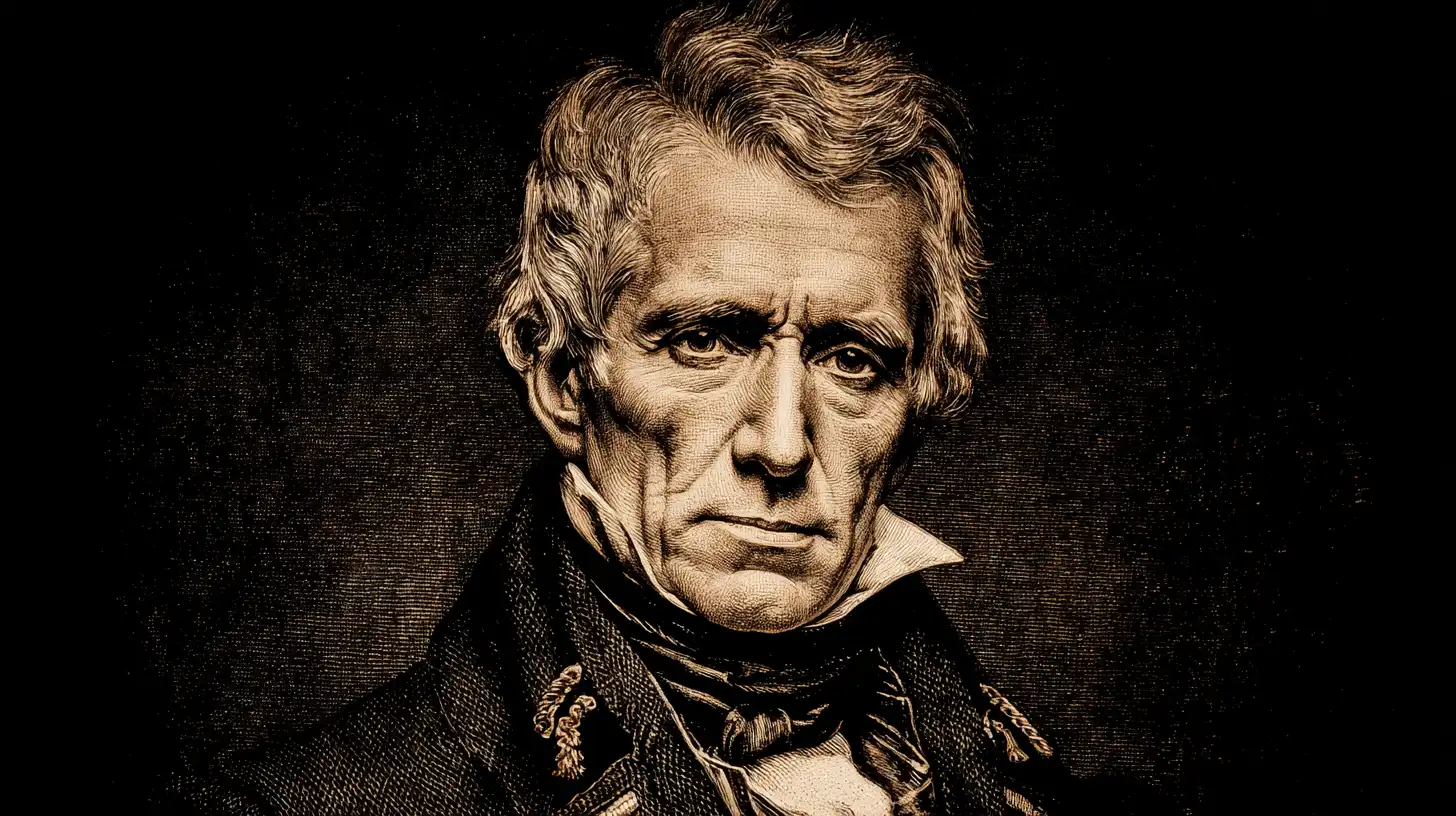
This single battle launched Andrew Jackson’s political career. He became a national hero overnight. The victory fed into American mythology about frontier toughness defeating European professionalism. Jackson rode that reputation all the way to the White House in 1828. One morning’s work shaped American politics for a generation.
JANUARY 8TH USED TO BE A NATIONAL HOLIDAY
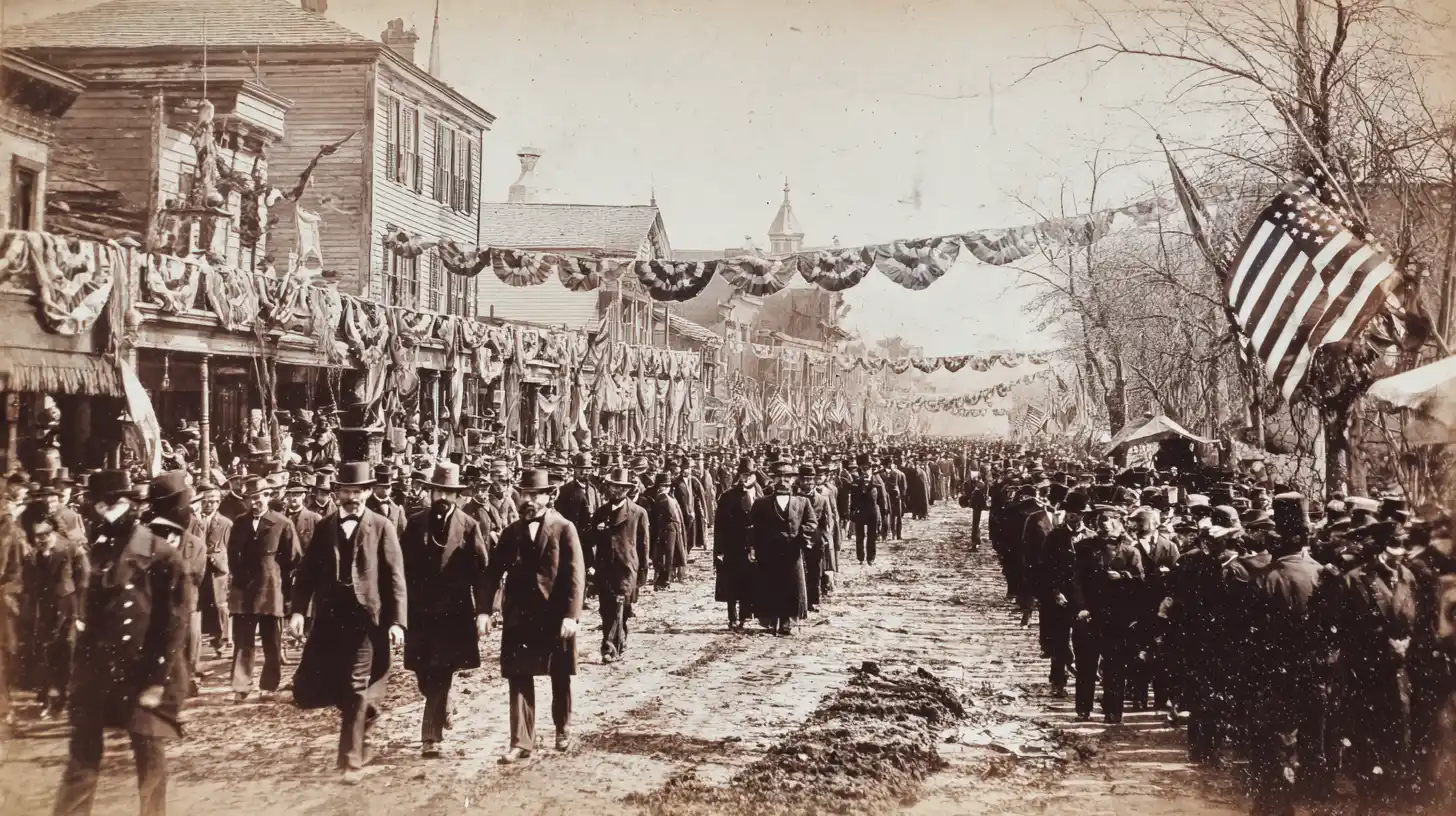
Americans celebrated “The Eighth” as a federal holiday from 1828 to 1861. It ranked up there with Independence Day in terms of patriotic significance. Towns held parades. Politicians gave speeches. Then the Civil War started and everyone had bigger problems to worry about.
THE BRITISH PLANS WERE ACTUALLY PRETTY SMART
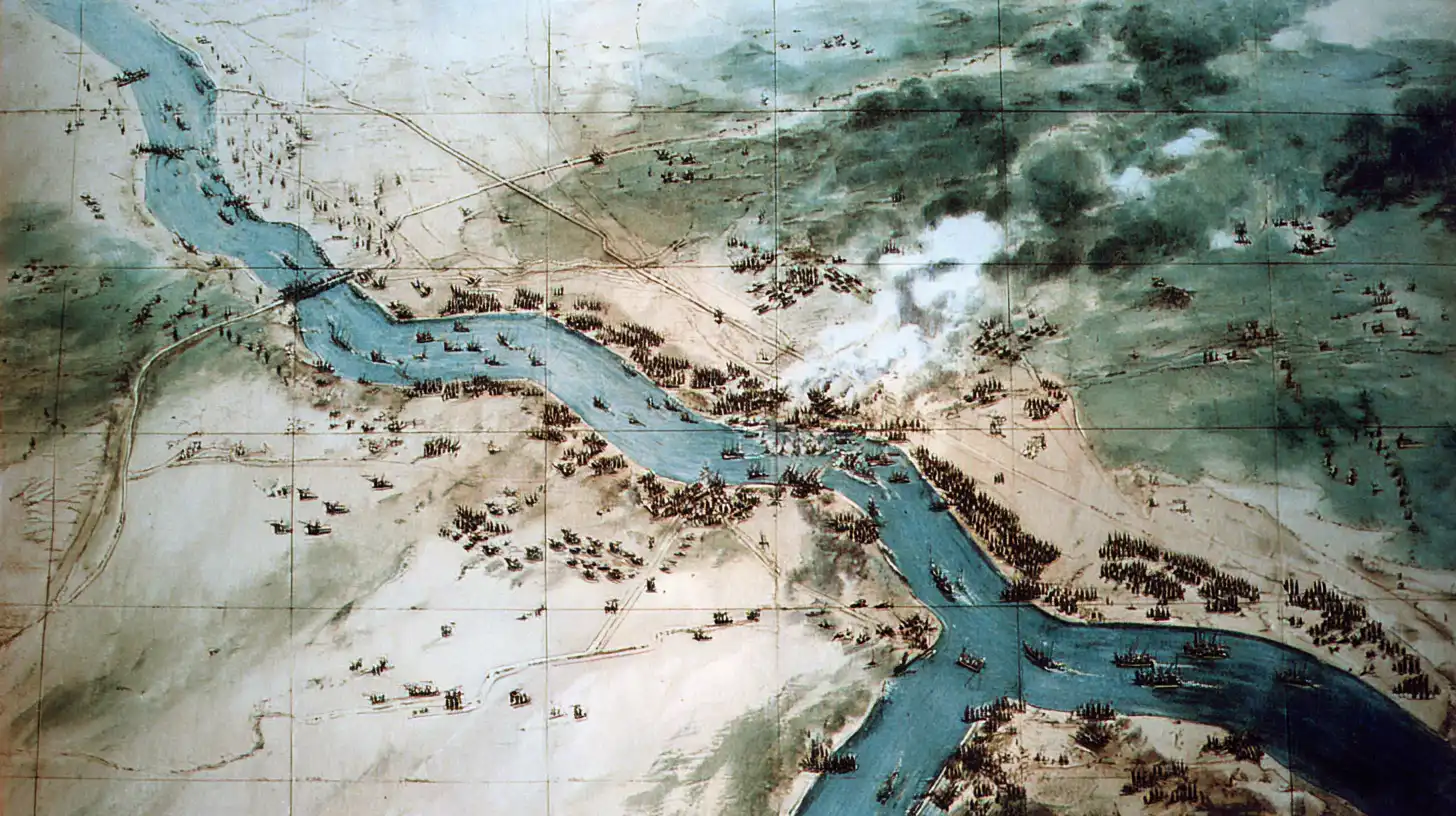
The British strategy wasn’t stupid. They planned a two-pronged attack: one force would capture the American battery on the west bank of the Mississippi and turn those guns on Jackson’s main line. Smart, right? But everything went wrong. The boats got delayed. The canal collapsed. Only a third of the intended force made it across the river, and they arrived hours late. The coordinated attack became a disjointed mess.
THOSE FASCINES AND LADDERS NOBODY BROUGHT
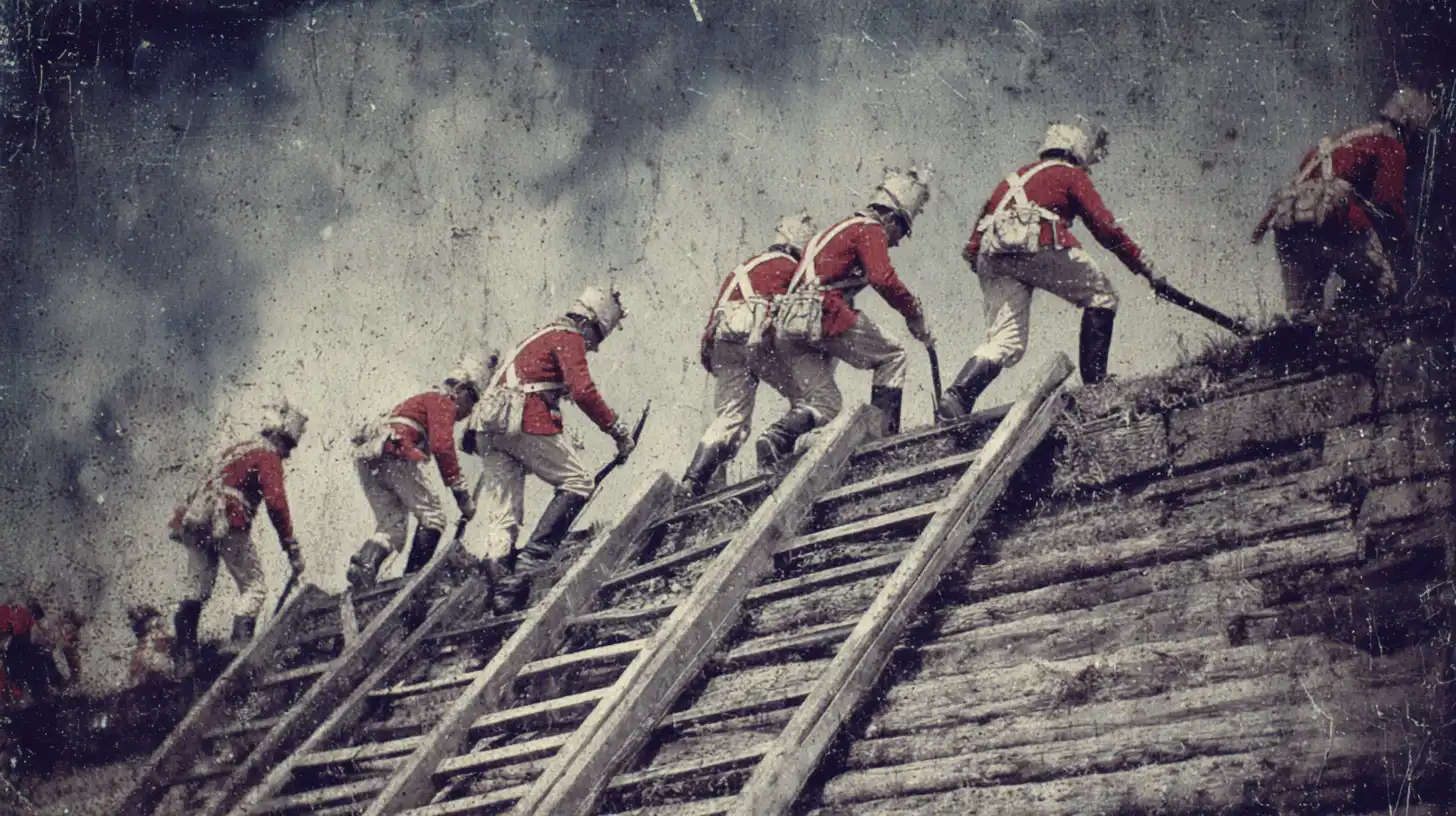
Lieutenant Colonel Thomas Mullins of the 44th Regiment had one job: make sure the fascines (bundles of sticks) and scaling ladders were ready for the assault. These were crucial for crossing the ditch and scaling the American ramparts. Mullins screwed up. The supplies weren’t where they needed to be when the attack started. British soldiers reached the American line with no way to get over it. They just stood there getting shot.