6 min read
From space shuttle explosions to on-air assassinations, live television has captured humanity’s most shocking moments in real-time.
These unscripted disasters—broadcast to millions of unsuspecting viewers—transformed ordinary programming into historical nightmares.
Witness the chilling incidents where cameras kept rolling as tragedy unfolded, forever changing what audiences expected from “live coverage.”
THE BRANCH DAVIDIAN COMPOUND FIRE IN WACO, TEXAS IN 1993
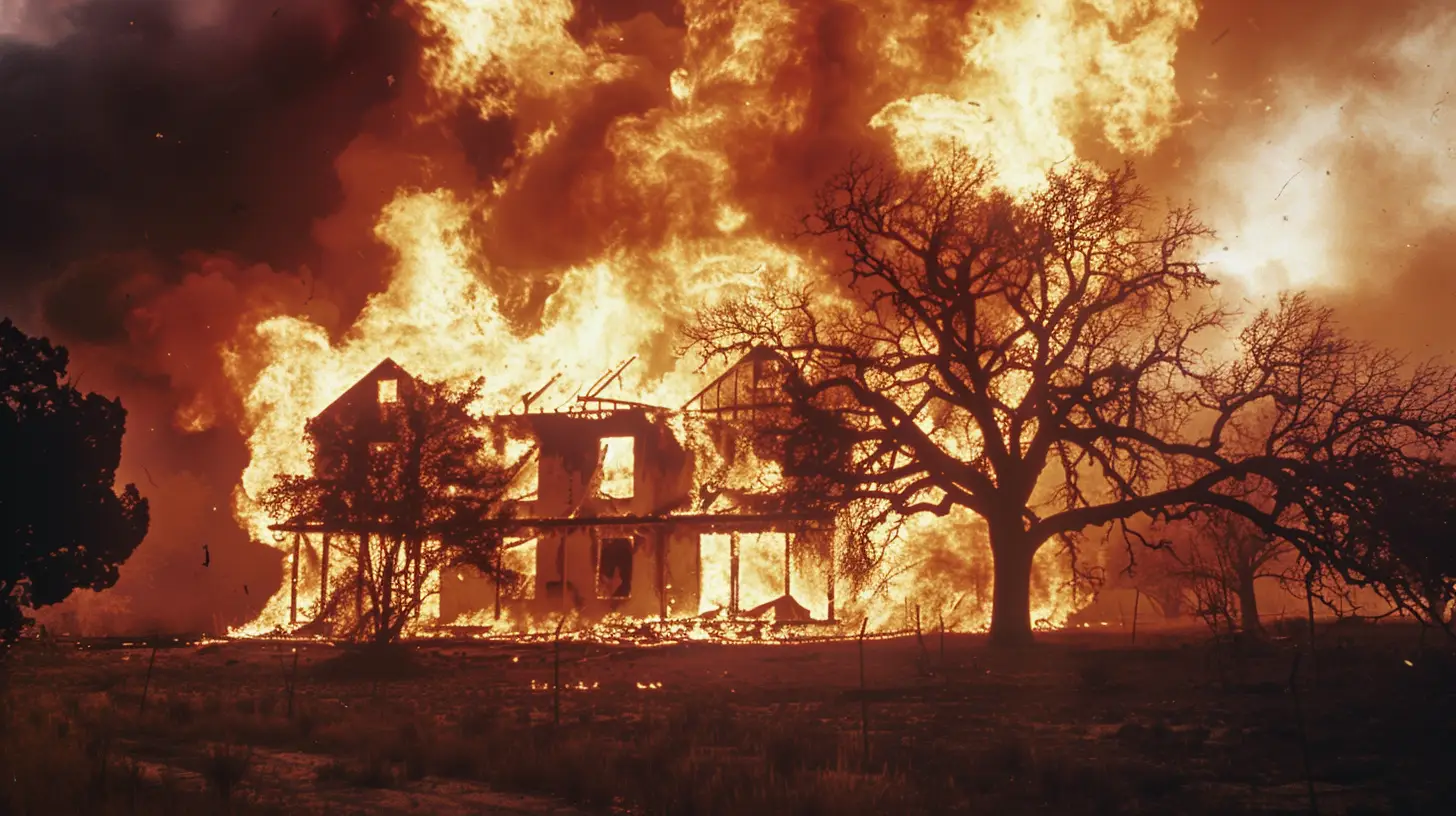
The Waco siege received extensive live TV coverage, with news cameras capturing dramatic footage of the FBI standoff with the Branch Davidians and the eventual fiery destruction of the compound.
The Branch Davidians had over 1.9 million rounds of ammunition that “cooked off” during the fire, creating a dangerous barrage of exploding bullets that lasted for hours after the main blaze.
THE CHALLENGER SPACE SHUTTLE DISASTER IN 1986
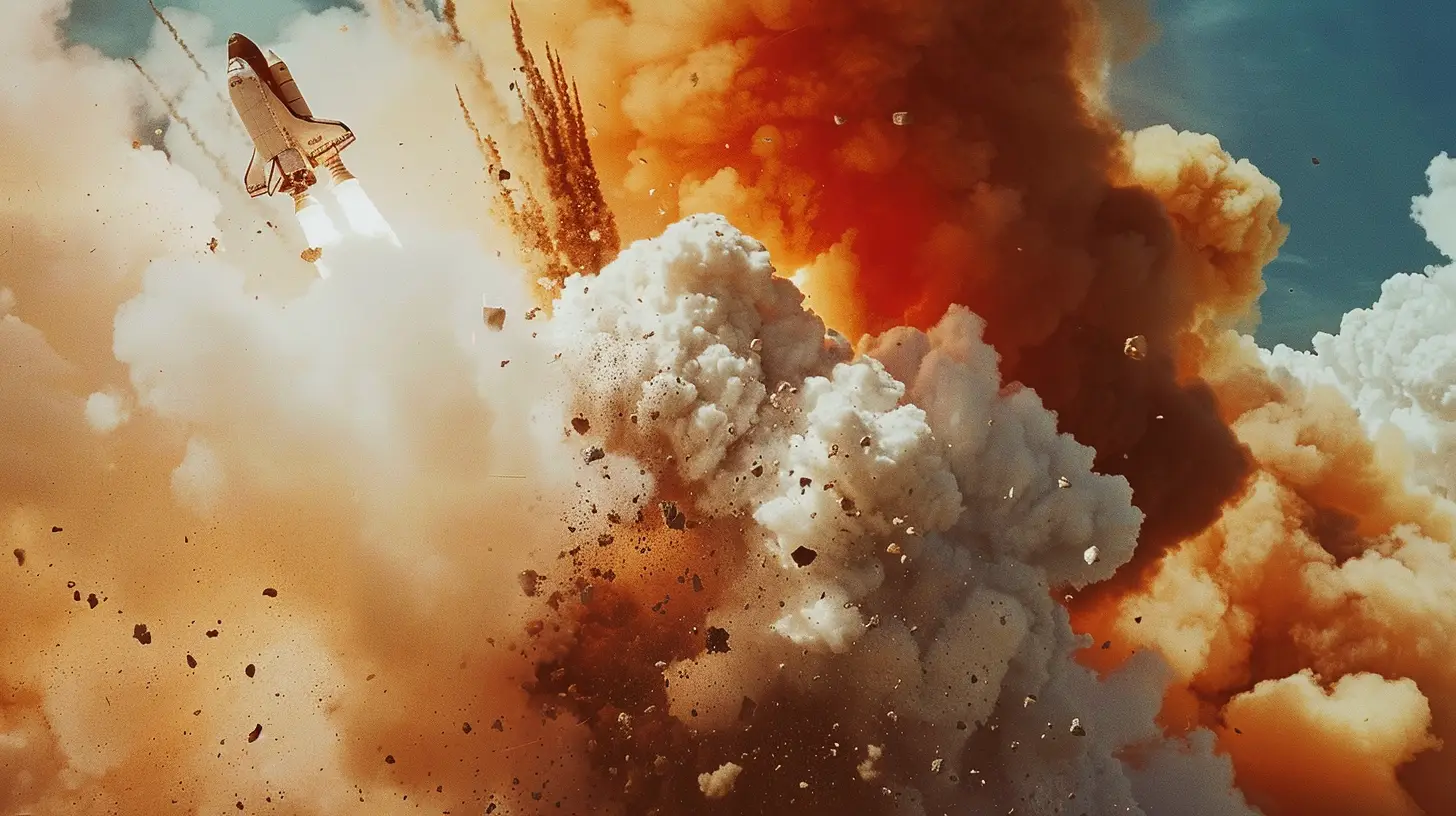
The live TV coverage of the Challenger space shuttle disaster in 1986 showed the shocking explosion of the spacecraft just 73 seconds after liftoff, with millions of viewers, including many schoolchildren, watching in horror as the tragedy unfolded in real time.
NASA flight controllers initially remained unaware of the full extent of the disaster, continuing to read off altitude and velocity data for several seconds after the shuttle had been completely destroyed.
THE ON-AIR SHOOTING OF A TV REPORTER AND CAMERAMAN IN VIRGINIA IN 2015
The live TV coverage of the 2015 on-air shooting in Virginia captured the horrifying moment when reporter Alison Parker and cameraman Adam Ward were fatally shot during a live broadcast, shocking viewers who witnessed the tragedy in real-time.
The shooter, a former colleague, recorded and posted video of the attack from his perspective on social media before leading police on a chase that ended with his suicide.
THE ASSASSINATION OF LEE HARVEY OSWALD IN 1963
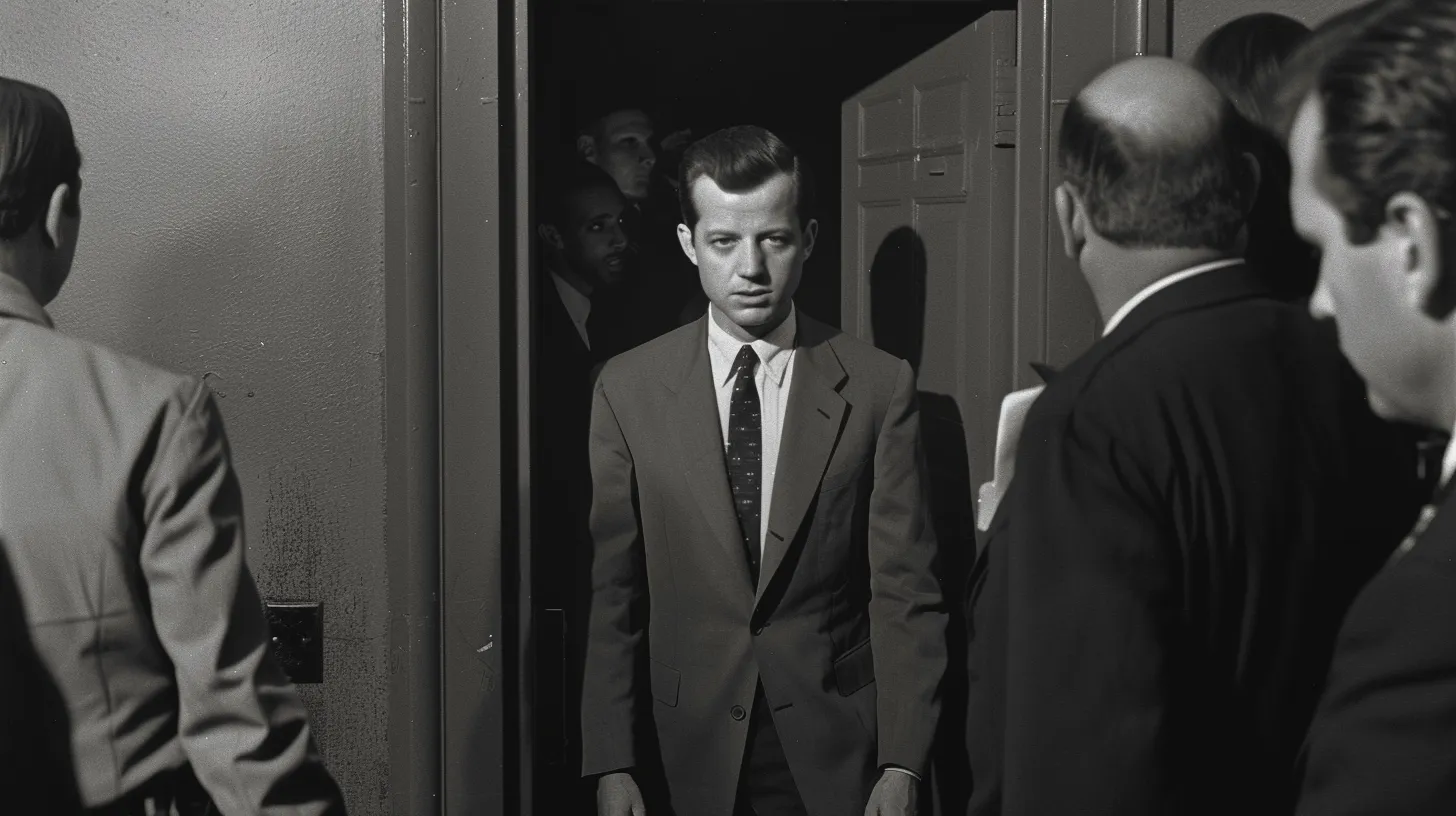
The assassination of Lee Harvey Oswald, the man accused of killing President John F. Kennedy, was broadcast live on national television as millions of Americans watched in real-time.
In one of the most surreal moments in television history, viewers witnessed nightclub owner Jack Ruby emerge from a crowd of reporters and fatally shoot Oswald at point-blank range as he was being transferred from Dallas City Jail, marking the first time a homicide was captured live on American television.
THE TIANANMEN SQUARE PROTESTS AND SUBSEQUENT CRACKDOWN IN 1989
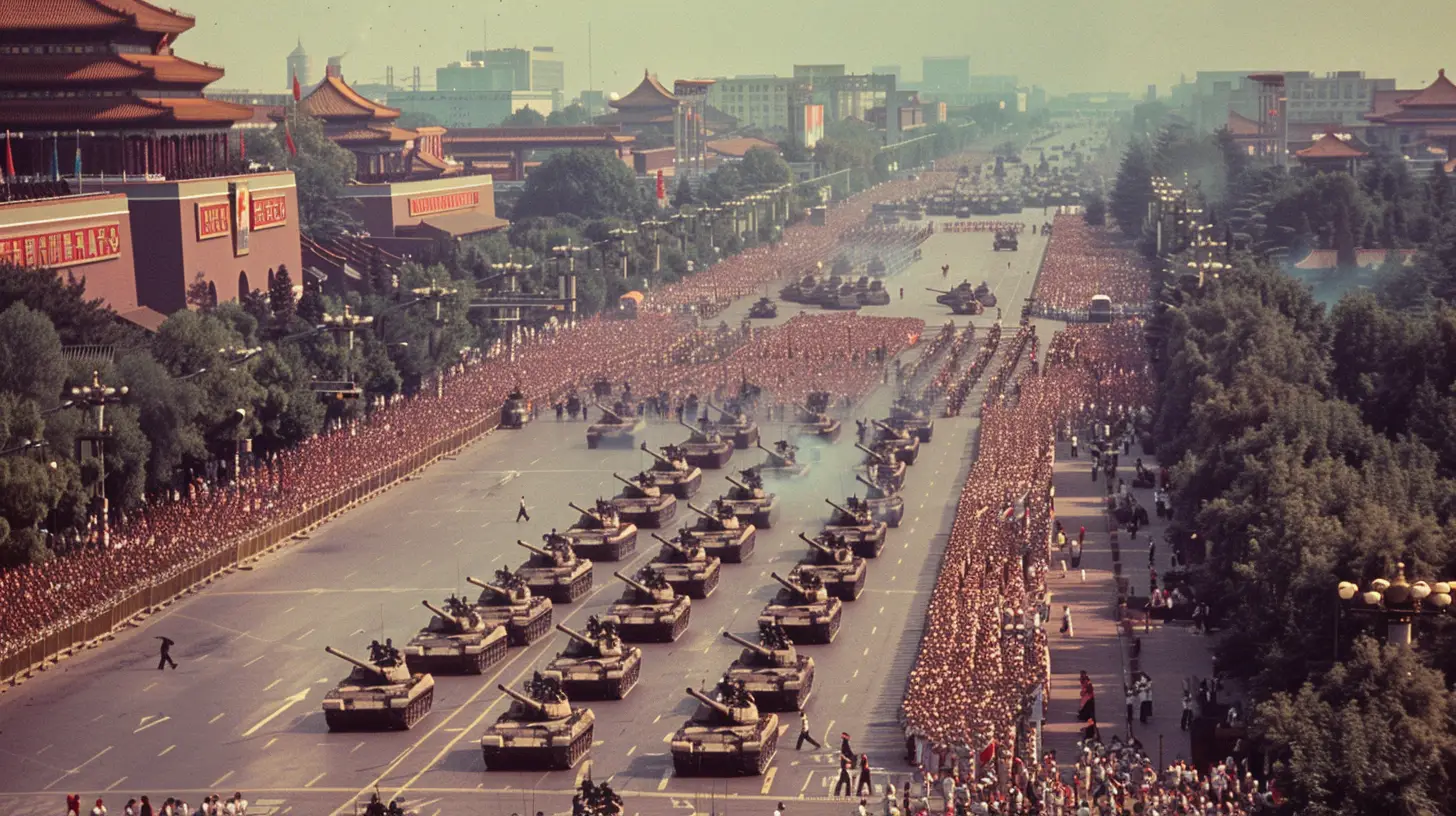
The Tiananmen Square protests and subsequent crackdown in 1989 were significant events in Chinese history that involved pro-democracy demonstrations, primarily led by students, and a violent military response by the Chinese government.
Live TV coverage at the time showed large crowds of protesters in Beijing, iconic images like the “Tank Man” confronting a column of tanks, and scenes of chaos and violence as the military moved to clear the square.
THE ACCIDENTAL DEATH OF A RACE CAR DRIVER DURING A LIVE BROADCAST IN 1982
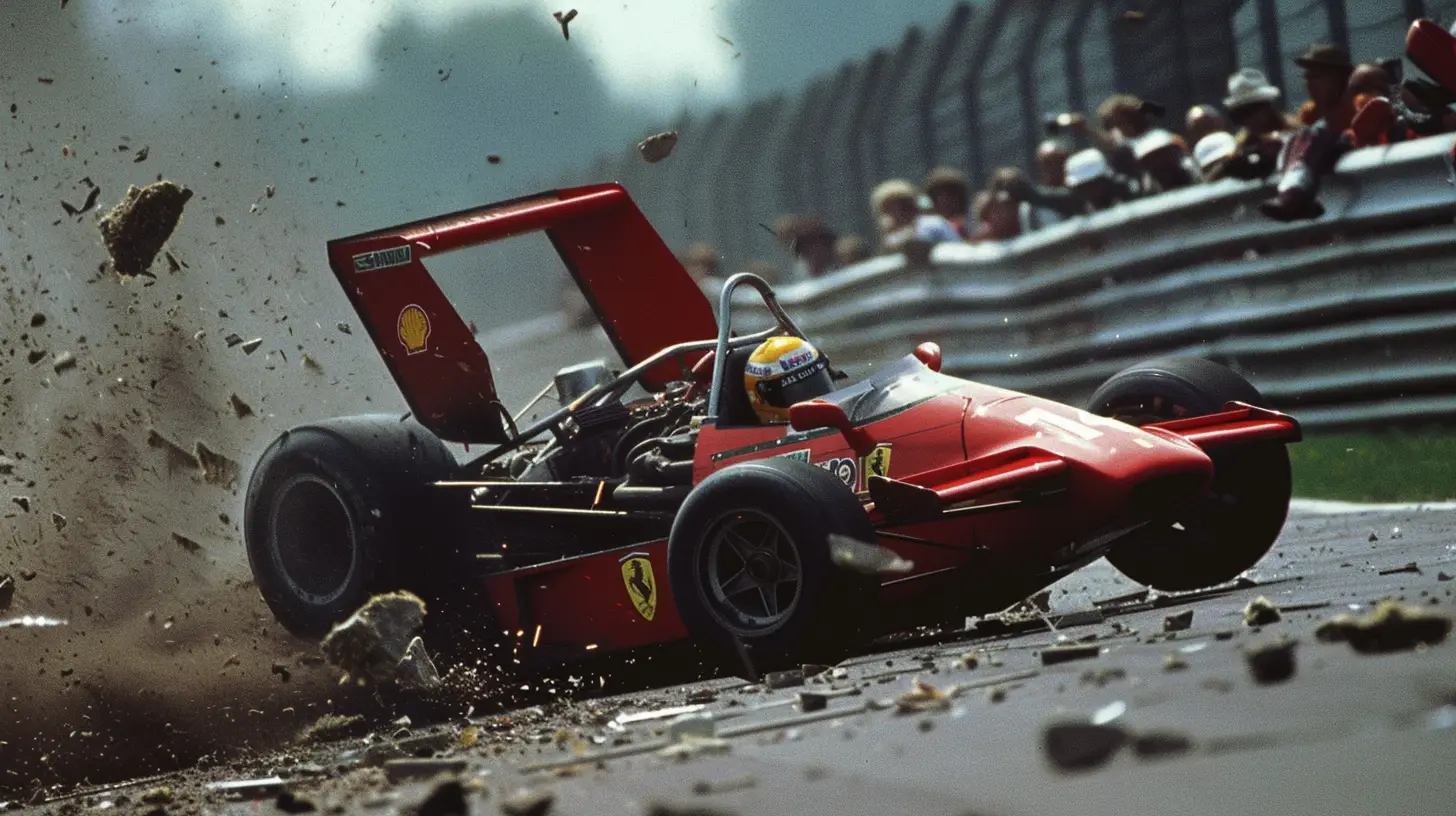
The live television coverage of Gilles Villeneuve’s fatal crash at Zolder in 1982 captured the horrific scene as it unfolded, showing Villeneuve’s Ferrari cartwheeling through the air and across the track.
The circuit commentator became so hysterical while describing the crash that motorsport journalist Denis Jenkinson called it “sickening” to listen to.
THE SUICIDE OF CHRISTINE CHUBBUCK IN 1974
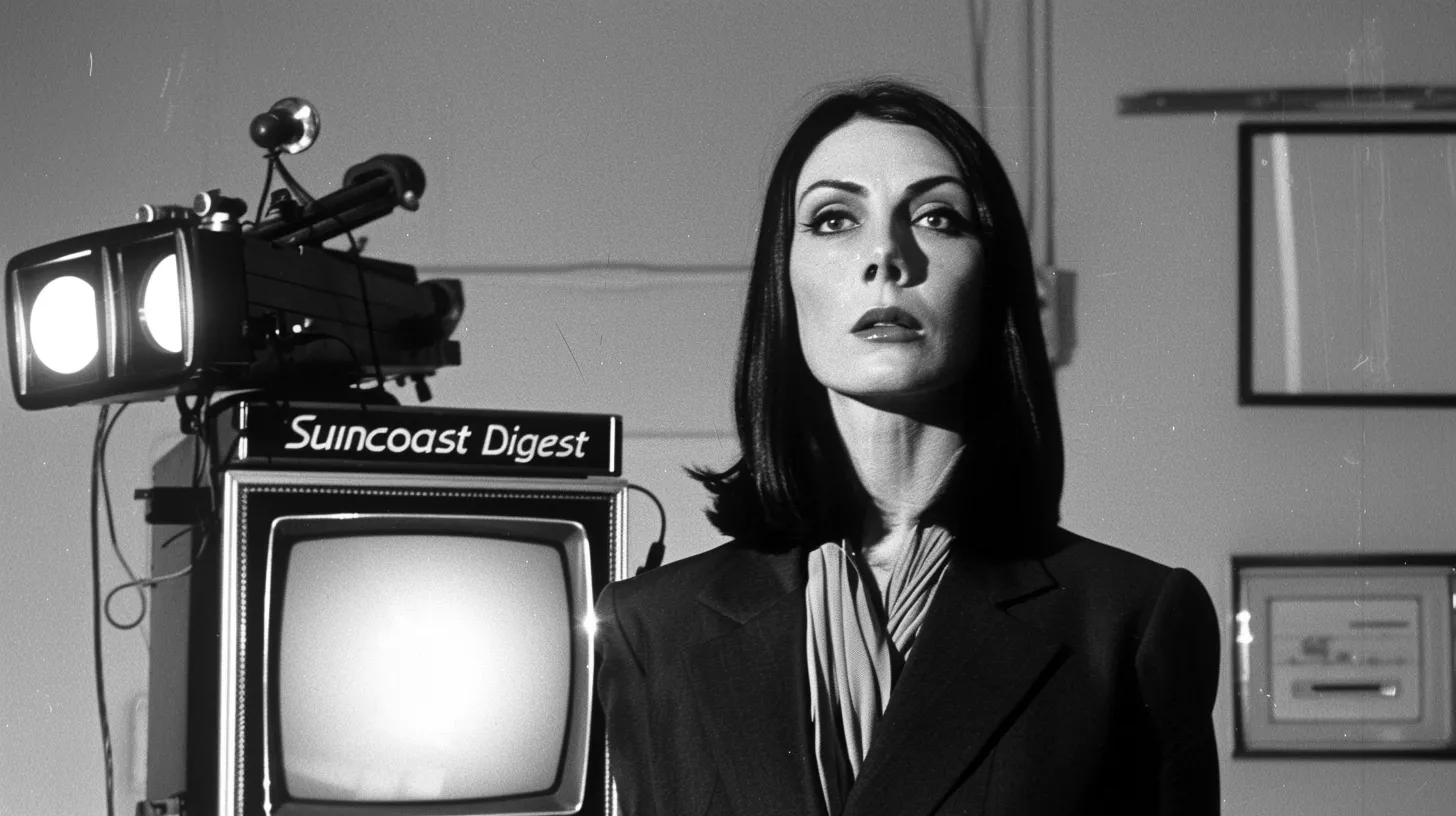
Christine Chubbuck, a 29-year-old news reporter, shocked viewers by shooting herself on live television during her morning talk show “Suncoast Digest” on July 15, 1974.
In a chilling moment, Chubbuck announced “In keeping with Channel 40’s policy of bringing you the latest in blood and guts…you are going to see another first—attempted suicide,” before pulling out a .38 caliber revolver and shooting herself behind the right ear, becoming the first person to die by suicide on a live television broadcast.
THE COVERAGE OF THE MUNICH OLYMPICS HOSTAGE CRISIS IN 1972
The live TV coverage of the Munich massacre was unprecedented, with ABC sportscaster Jim McKay providing continuous updates for 16 hours straight as the tragedy unfolded.
The rescue attempt was broadcast live on television, allowing the terrorists to watch the police preparing their assault from inside the Olympic Village, ultimately contributing to the operation’s failure.
THE HINDENBURG DISASTER BROADCAST IN 1937
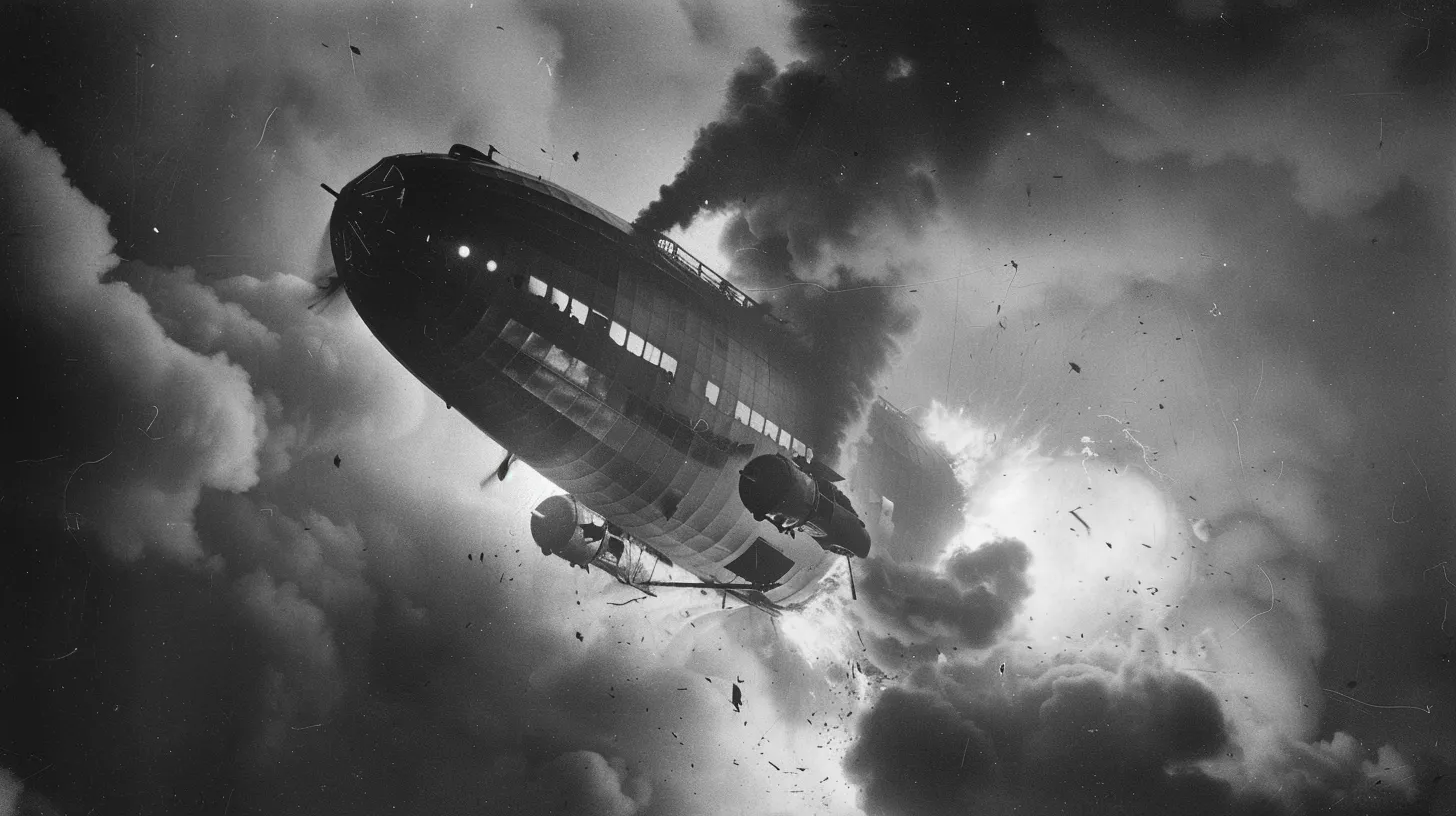
The Hindenburg disaster was captured by four newsreel teams and one amateur filmmaker, with the footage later combined with a gripping radio commentary by Herbert Morrison that wasn’t broadcast live but recorded and aired the next day.Amateur 8mm film by Harold N. Schenck, showing a unique side-rear view of the disaster, remained largely unknown to the public until it was broadcast by NBC in 2014, 77 years after the event.
THE ON-AIR KILLING OF POLITICIAN INEJIRO ASANUMA IN JAPAN IN 1960
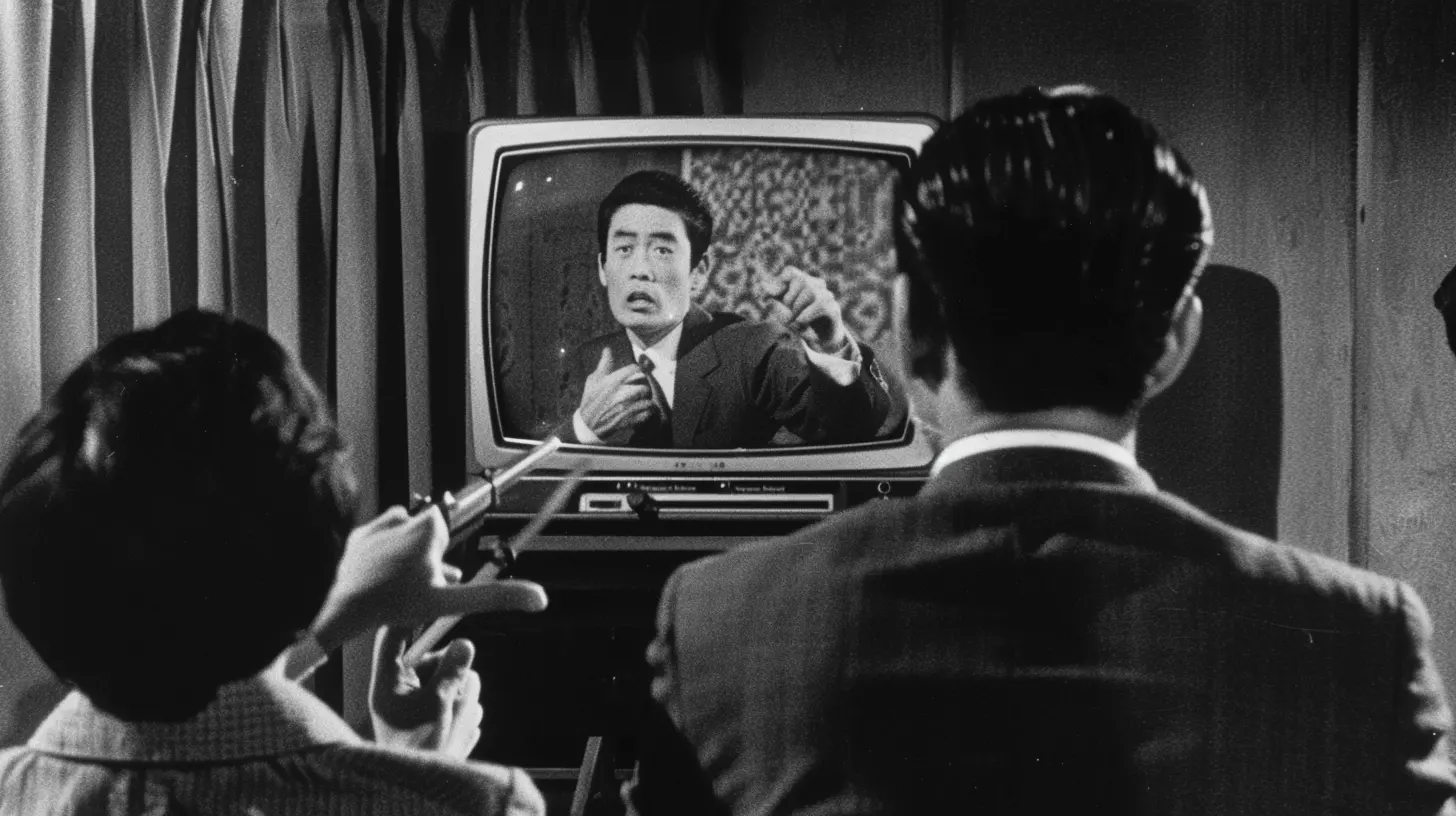
The live TV coverage of politician Inejiro Asanuma’s assassination in 1960 shocked viewers as they witnessed 17-year-old ultranationalist Otoya Yamaguchi fatally stab Asanuma during a political debate at Tokyo’s Hibiya Hall.
The assassin used a traditional wakizashi sword to carry out the attack, creating a surreal juxtaposition of feudal Japan’s samurai culture with modern television broadcasting.
THE ASSASSINATION ATTEMPT ON PRESIDENT RONALD REAGAN IN 1981
The live TV coverage of Ronald Reagan’s assassination attempt was marked by confusion and inaccurate reporting, with all three major networks erroneously announcing that Press Secretary James Brady had died.
ABC News anchorman Frank Reynolds, a friend of Brady, angrily berated his staff on air when forced to retract the false report of Brady’s death, exclaiming “C’mon, let’s get it nailed down!”
THE LIVE COVERAGE OF THE COLUMBIA SPACE SHUTTLE DISASTER IN 2003
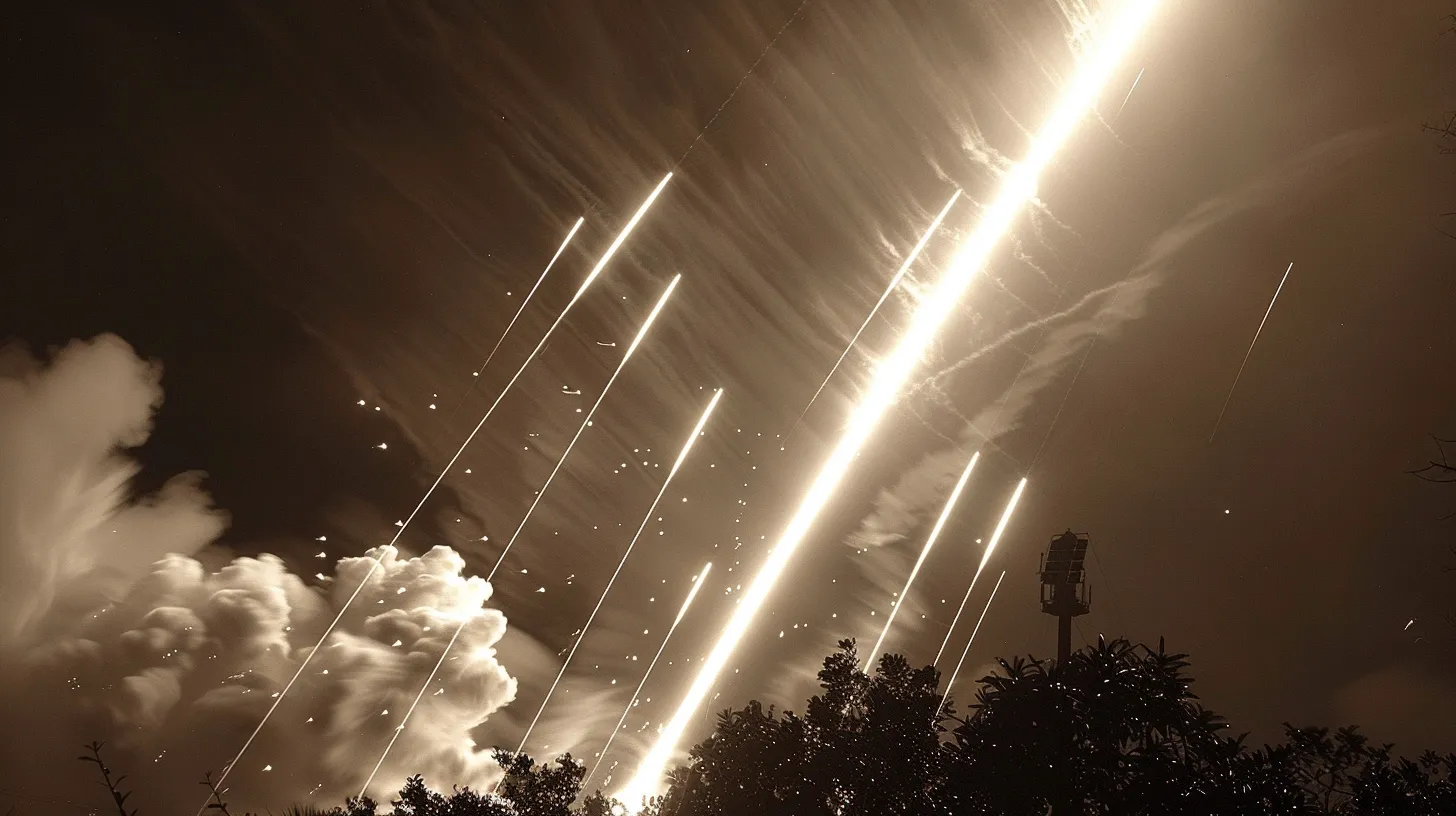
The live TV coverage of the Space Shuttle Columbia disaster on February 1, 2003 showed the orbiter breaking apart during reentry, with video footage capturing the shuttle disintegrating into multiple streaks of light across the sky.
One of the most shocking aspects was that NASA mission control continued trying to communicate with Columbia for several minutes after it had already broken up, unaware of the catastrophe until debris sightings were reported from the ground.