6 min read
From devastating nightclub infernos to catastrophic industrial accidents—we’ll explore some of the most tragic and shocking deadliest fire disasters in history.
Revealing their causes, consequences, and the often surprising twists that accompanied these horrific events.
THE STATION NIGHTCLUB FIRE (2003)
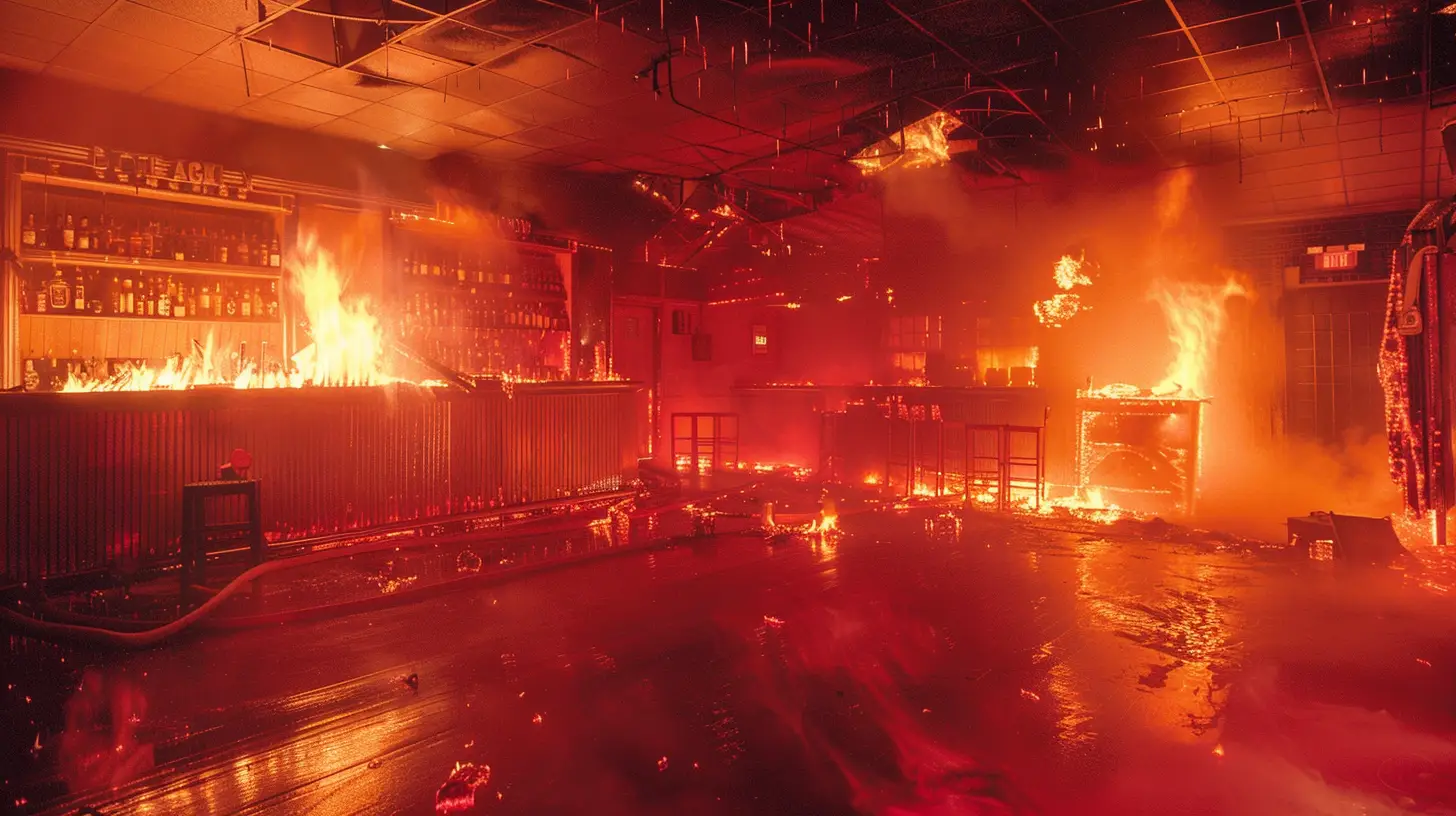
The Station nightclub fire in West Warwick, Rhode Island on February 20, 2003 was one of the deadliest nightclub fires in U.S. history.
It killed 100 people and injured 230 when pyrotechnics ignited flammable acoustic foam during a Great White concert.
The fire was caught on video by a cameraman who was there to film a report on nightclub safety, inspired by another deadly nightclub incident just three days earlier in Chicago.
THE GREAT CHICAGO FIRE (1871)
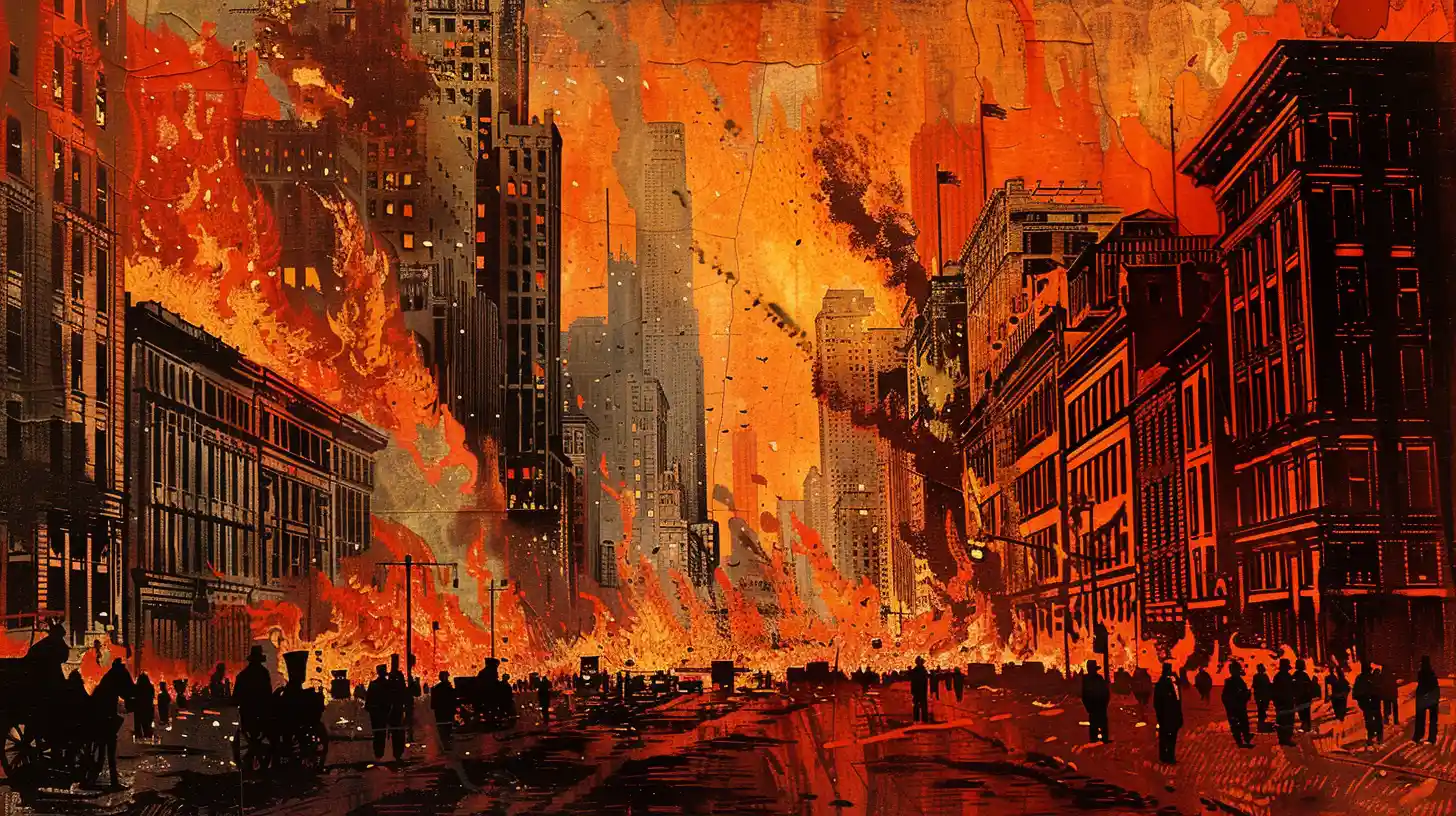
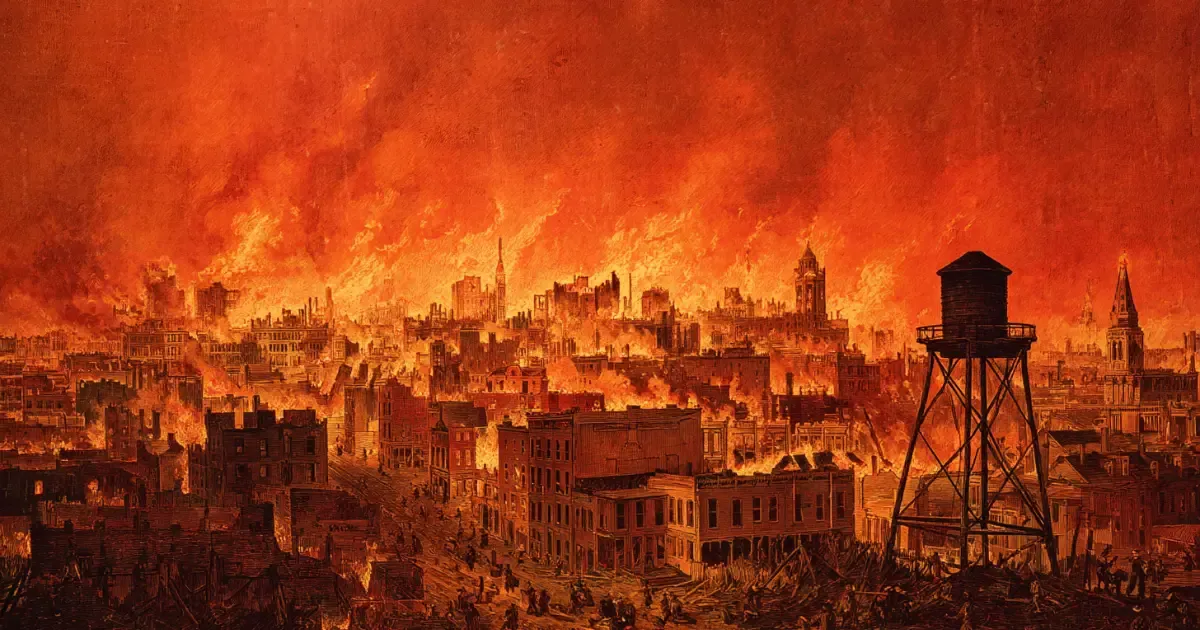
The Great Chicago Fire of 1871 was a devastating conflagration that destroyed over 17,000 structures across 3.3 square miles of the city.
It left 100,000 people homeless and caused an estimated $222 million in damage (equivalent to $5.4 billion today).
Remarkably, despite the massive destruction, some structures survived including a water tower and pumping station.
The city was rapidly rebuilt to higher standards.
THE BRADFORD CITY STADIUM FIRE (1985)
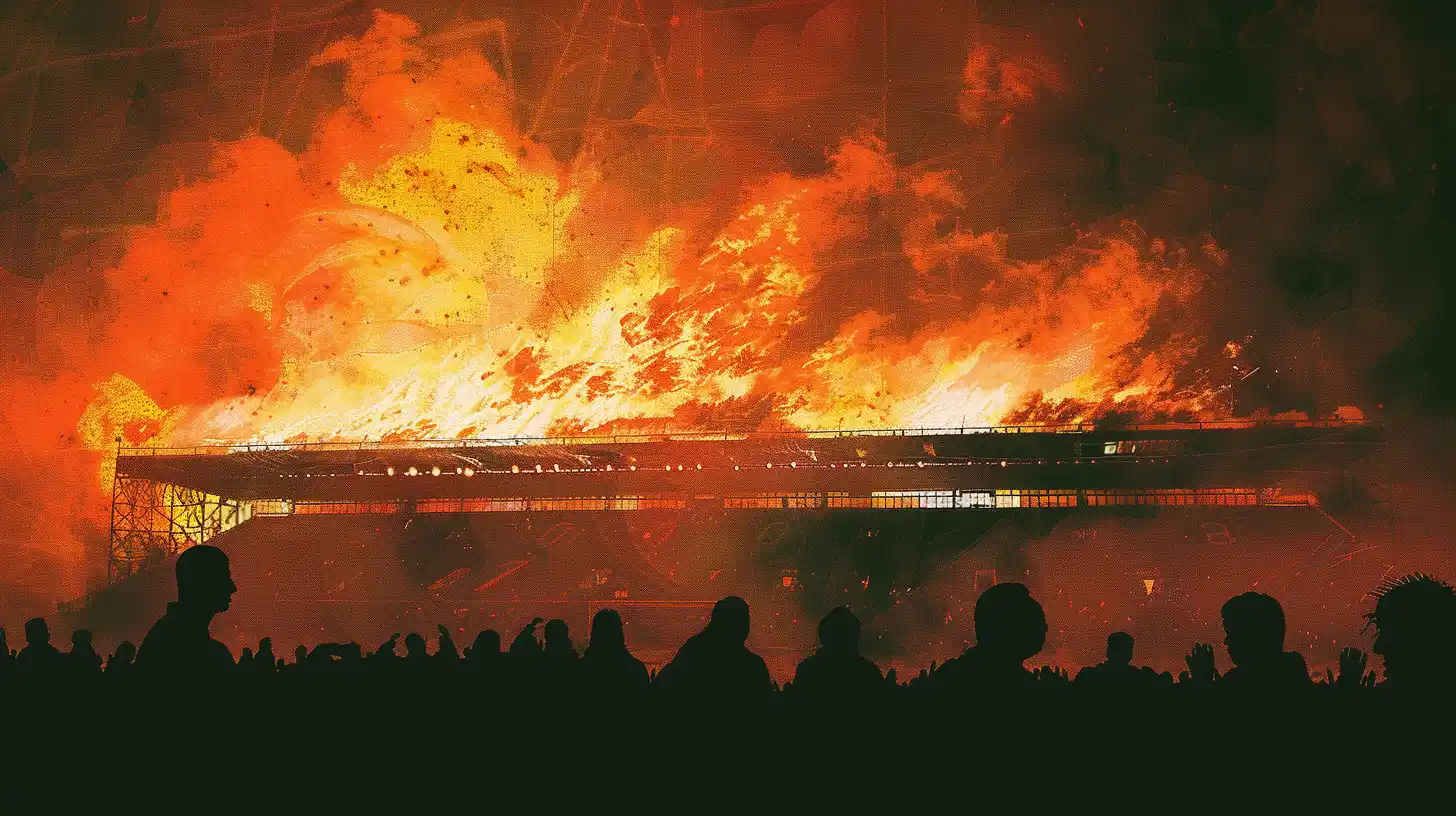
The Bradford City stadium fire on May 11, 1985 was a devastating tragedy that killed 56 people and injured over 265 others when a small fire rapidly engulfed the main stand at Valley Parade during a football match.
The fire spread from a small flame to consuming the entire wooden stand in less than 4 minutes, trapping many spectators. The club had been repeatedly warned about fire risks but failed to take adequate precautions.
THE TEXAS CITY DISASTER (1947)
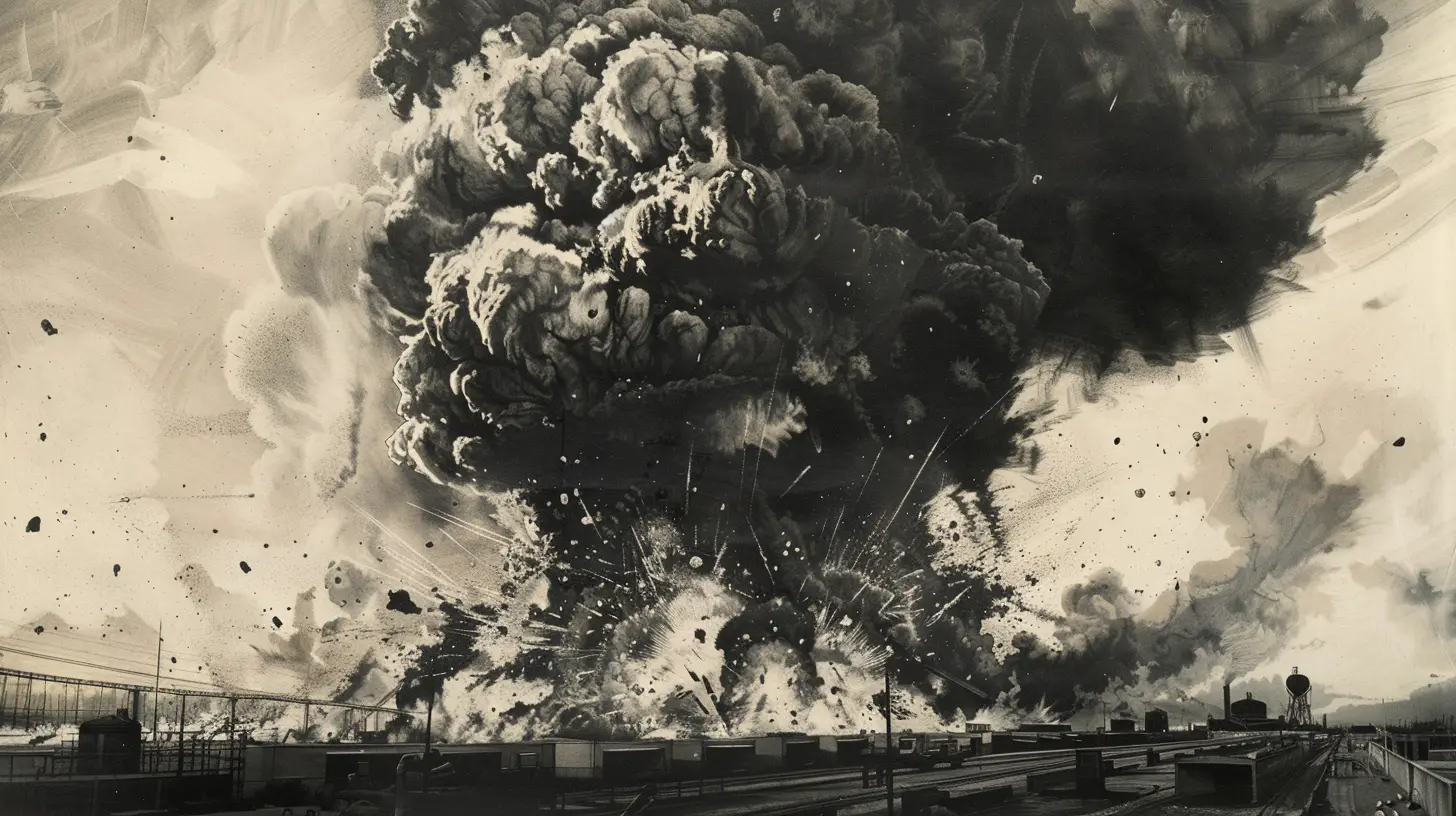
The 1947 Texas City disaster, triggered by a fire aboard the SS Grandcamp that detonated 2,300 tons of ammonium nitrate, was the deadliest industrial accident in U.S. history.
It killed at least 581 people and injured over 5,000. The explosion was powerful enough to generate a 15-foot tsunami and hurl a 2-ton ship anchor 1.62 miles away.
The disaster drew the first class action lawsuit against the United States government under the Federal Tort Claims Act, representing 8,485 plaintiffs.
THE GRENFELL TOWER FIRE (2017)
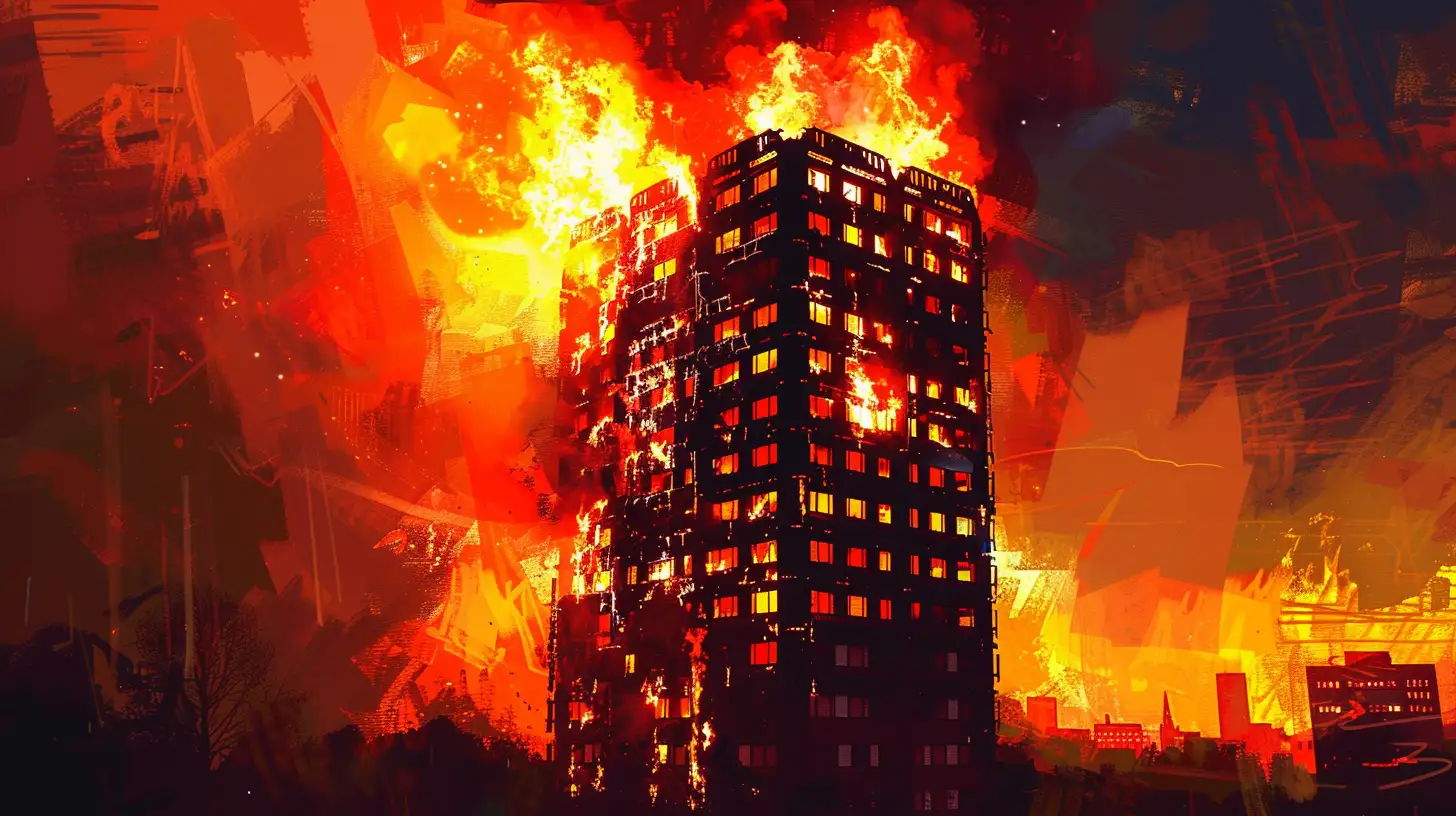
The Grenfell Tower fire in London on June 14, 2017 was one of the UK’s deadliest building fires in modern history, killing 72 people and exposing serious safety issues with building cladding.
The fire spread rapidly due to flammable exterior cladding that had been added during a recent renovation to improve the tower’s appearance.
A safer, fire-resistant version would have cost just £5,000 more for the entire building.
THE TRIANGLE SHIRTWAIST FACTORY FIRE (1911)
The Triangle Shirtwaist Factory fire in 1911 was the deadliest industrial disaster in New York City history. It killed 146 garment workers, mostly young immigrant women.
The factory owners were acquitted of manslaughter charges despite evidence that exit doors were locked, but they later profited from insurance payouts that exceeded their reported losses by about $400 per casualty.
THE KING’S CROSS UNDERGROUND STATION FIRE (1987)
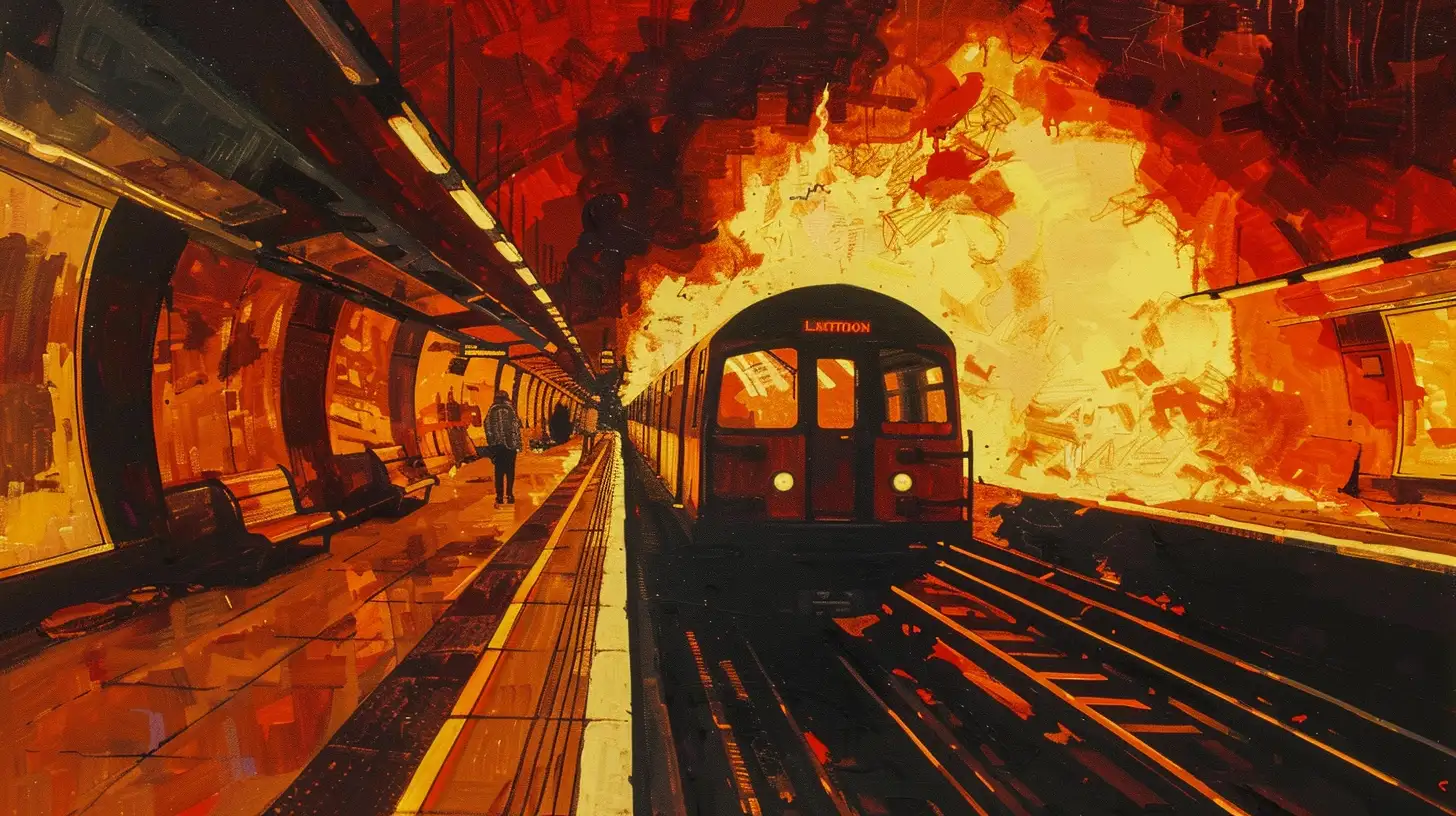
The King’s Cross fire of 1987 was a devastating incident in London’s Underground that claimed 31 lives, sparked by a seemingly innocuous lit match dropped on a wooden escalator.
The disaster revealed a previously unknown phenomenon called the “trench effect,” where the 30-degree angle of the escalator created a chimney-like draft that caused the fire to suddenly flash over—producing a violent jet of flames that shot up into the ticket hall and trapped hundreds of people underground.
THE GREAT FIRE OF LONDON (1666)
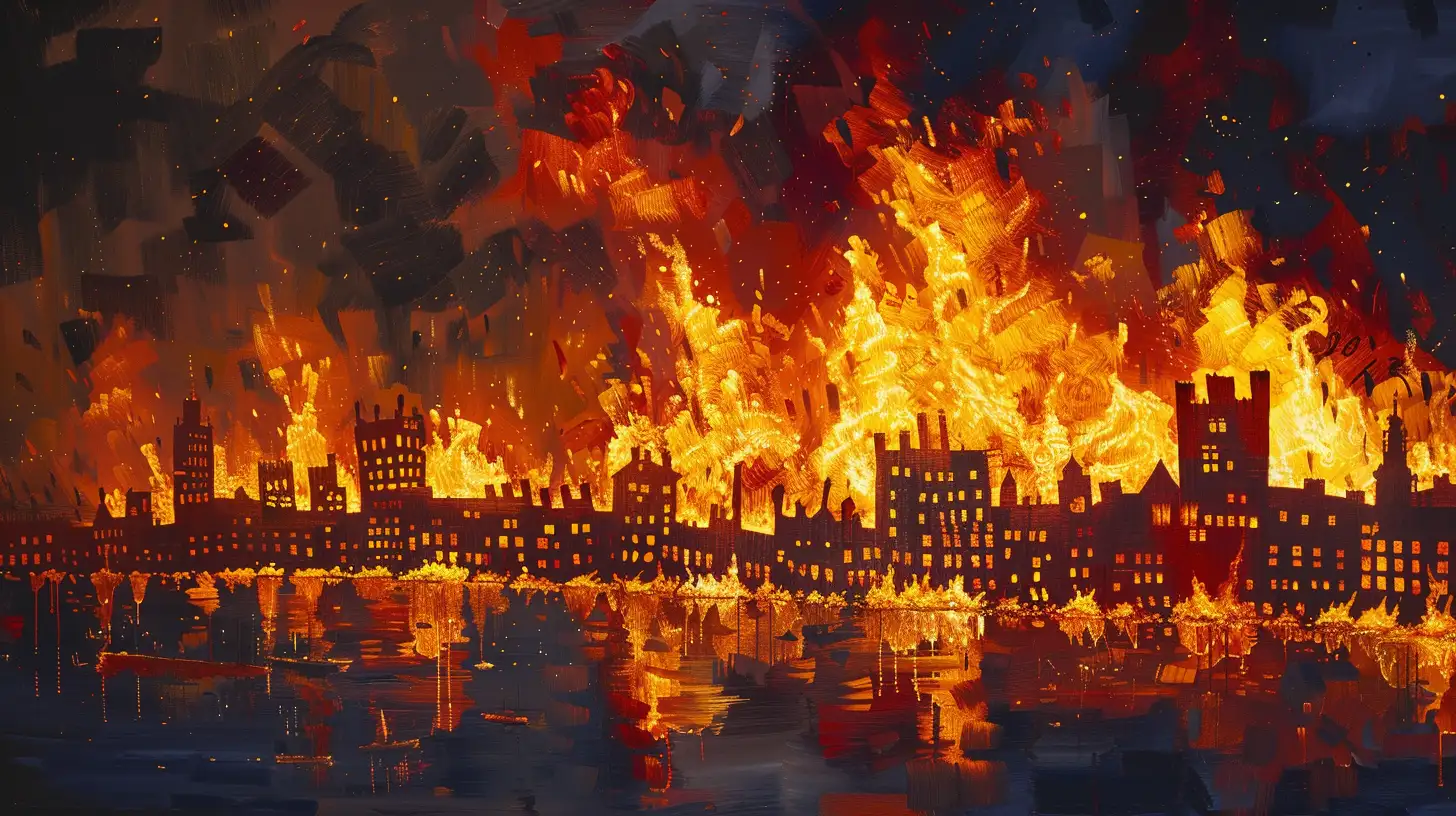
The Great Fire of London in 1666 was a catastrophic event that destroyed over 13,000 houses and 87 churches, including St. Paul’s Cathedral, in just four days.
Remarkably, despite the massive destruction, the officially recorded death toll was surprisingly low at only 6-8 people, though some historians argue the true number may have been much higher and gone unrecorded due to the intense heat of the fire potentially incinerating bodies completely.
THE OAKLAND FIRESTORM (1991)
The Oakland firestorm of 1991 was a devastating wildfire that swept through the Oakland Hills in California, destroying nearly 3,000 homes and killing 25 people in just 72 hours.
The fire’s smoke and ash were carried across the San Francisco Bay, falling onto the field at Candlestick Park during a televised NFL game between the San Francisco 49ers and Detroit Lions, providing many people with their first glimpse of the unfolding disaster.
THE MGM GRAND HOTEL FIRE (1980)
On November 21, 1980, a catastrophic fire at the MGM Grand Hotel and Casino in Las Vegas killed 85 people and injured over 600.
It is the deadliest disaster in Nevada history.
The fire began from a refrigerated pastry display case in a restaurant and spread at an alarming rate of 15-19 feet per second through the casino.
A massive helicopter rescue effort from Nellis Air Force Base pulled 1,000 people from the hotel’s roof.
THE OUR LADY OF THE ANGELS SCHOOL FIRE (1958)
On December 1, 1958, a devastating fire at Our Lady of the Angels School in Chicago claimed the lives of 92 children and 3 nuns. Making it one of the deadliest school fires in US history.
A 10-year-old student confessed to starting the fire in 1962, though a judge later ruled there was insufficient evidence to substantiate the confession—leaving the true cause of this tragedy officially undetermined.
THE MONT BLANC TUNNEL FIRE (1999)
On March 24, 1999, a catastrophic fire in the Mont Blanc Tunnel between France and Italy claimed 39 lives when a Belgian truck carrying margarine caught fire, reaching temperatures of 1,000°C (1,830°F) and burning for 53 hours.
The tunnel’s ventilation system actually exacerbated the disaster by pumping fresh air from the Italian side, creating a chimney effect that trapped toxic fumes and spread the fire to other vehicles.
Some victims died in supposedly safe fire cubicles that proved inadequate against the intense heat and smoke.
THE COCOANUT GROVE NIGHTCLUB FIRE (1942)
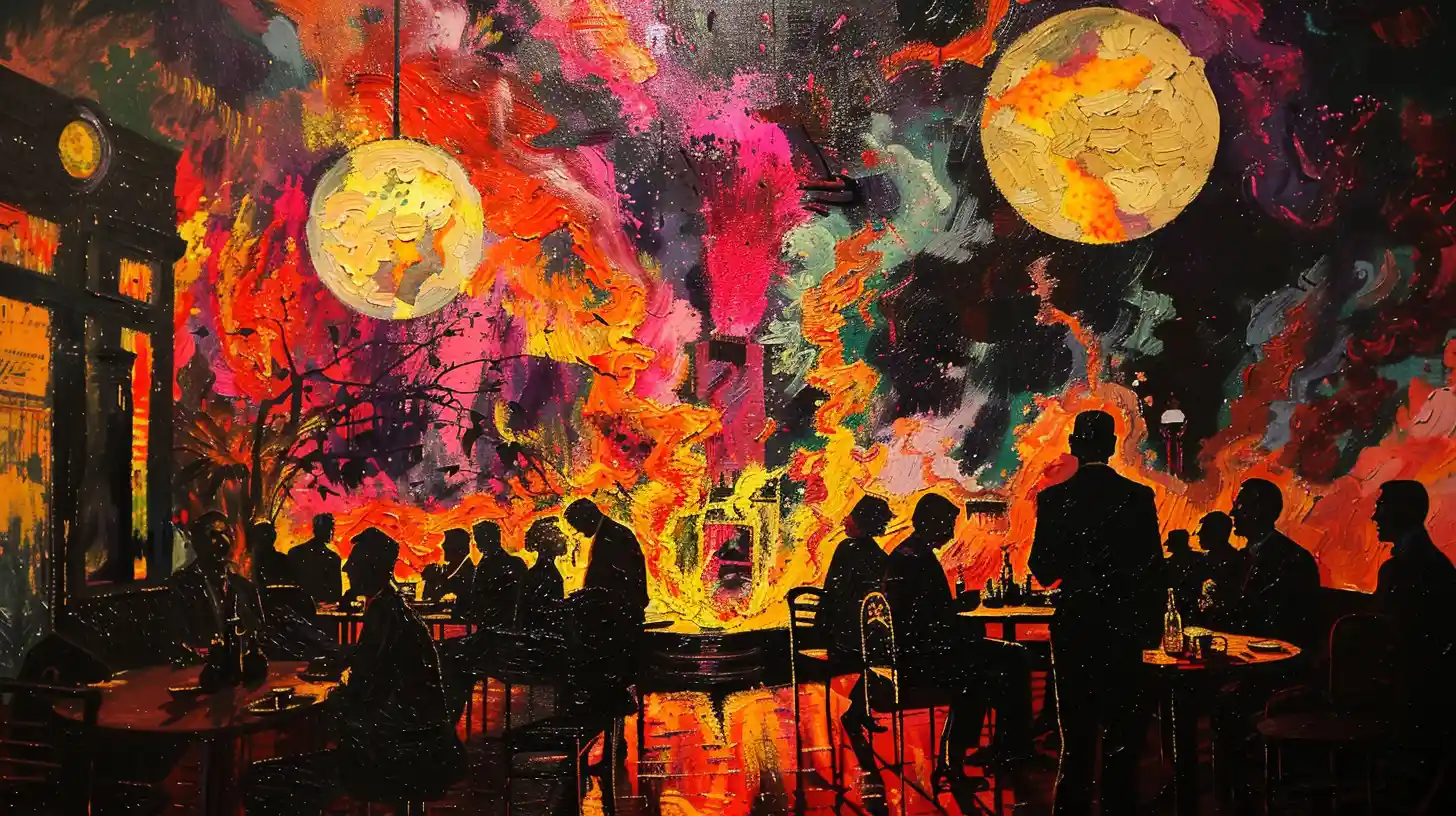
The Cocoanut Grove fire in Boston on November 28, 1942 was one of the deadliest nightclub fires in history. It killed 492 people and led to major changes in fire codes and burn treatment.
The owner had locked some emergency exits to prevent people from leaving without paying, bodies were found still seated with drinks in hand. The fire’s rapid spread was likely fueled by flammable methyl chloride used as a substitute for freon in the air conditioning system due to wartime shortages.