10 min read
Michael Dell has been the CEO of Dell for all but 30 months of the company’s 42 years. He founded it in a University of Texas dorm room in 1984 with $1,000, handed the title to Kevin Rollins in July 2004, and took it back on the last day of January 2007, when the board decided the experiment had failed.
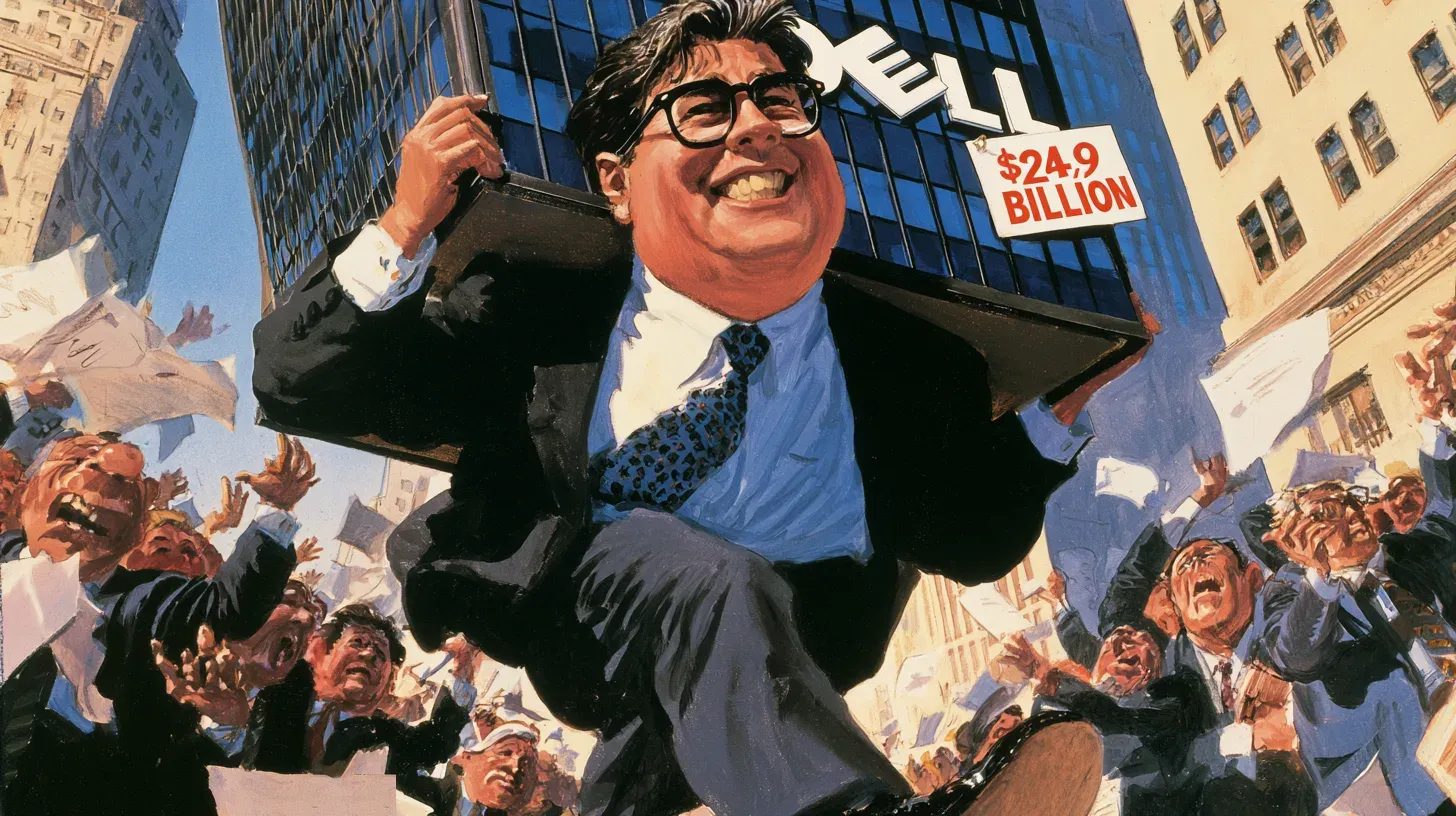
What he did next has no parallel in this series: he bought the entire company. The $24.9 billion buyout of 2013 made sure the question of who runs Dell would never again go to a shareholder vote. Most founder-CEOs hold on with a big stake instead — Mark Zuckerberg kept majority ownership of Facebook, Brian Chesky about 15 percent of Airbnb. Michael Dell bought the votes.
The story starts with a teenager hiding computer parts in a dorm bathroom.
LIST OF DELL CEOS
Dell has had exactly two CEOs since 1984, and one of them is the founder — twice. Kevin Rollins, a Bain & Company consultant who rose to share an office with Michael Dell, is the only other person ever to hold the job, and he held it for two and a half years.
| Leader | Title | Years |
|---|---|---|
| Michael Dell | Founder and CEO | 1984–2004 |
| Kevin Rollins | President and COO | 2001–2004 |
| Kevin Rollins | CEO | 2004–2007 |
| Michael Dell | Chairman and CEO | 2007–present |
The short table is the story. HP, the rival that eventually overtook it, has had eight chief executives over the same stretch; Dell’s founder simply never left the building.
THE DORM ROOM
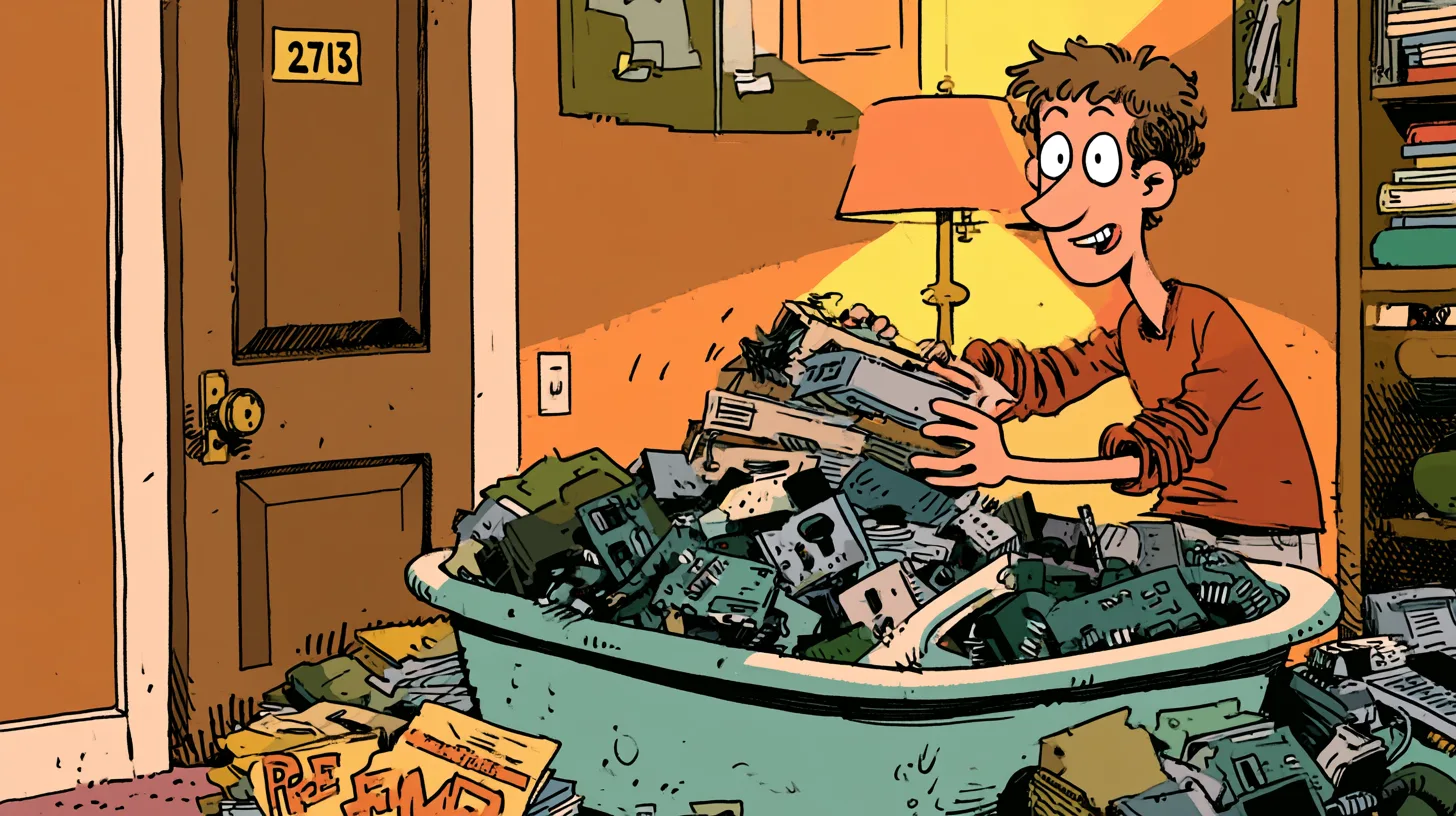
Michael Dell started a company called PC’s Limited in 1984 from room 2713 of Dobie Center, a University of Texas dorm, with $1,000. He was 19, nominally pre-med, and by his own account hiding the signs of his fledgling PC business in the room’s bathroom. He dropped out at the end of his freshman year.
The business was arbitrage with a screwdriver. He bought surplus PCs from dealers stuck with excess stock, upgraded them with extra memory and disk drives, and sold them 10 to 15 percent below retail — cutting out the dealers who marked up IBM’s machines. Selling direct to the customer, built to order, stayed the company’s whole strategy for its first two decades.
YOUNGEST CEO IN THE FORTUNE 500
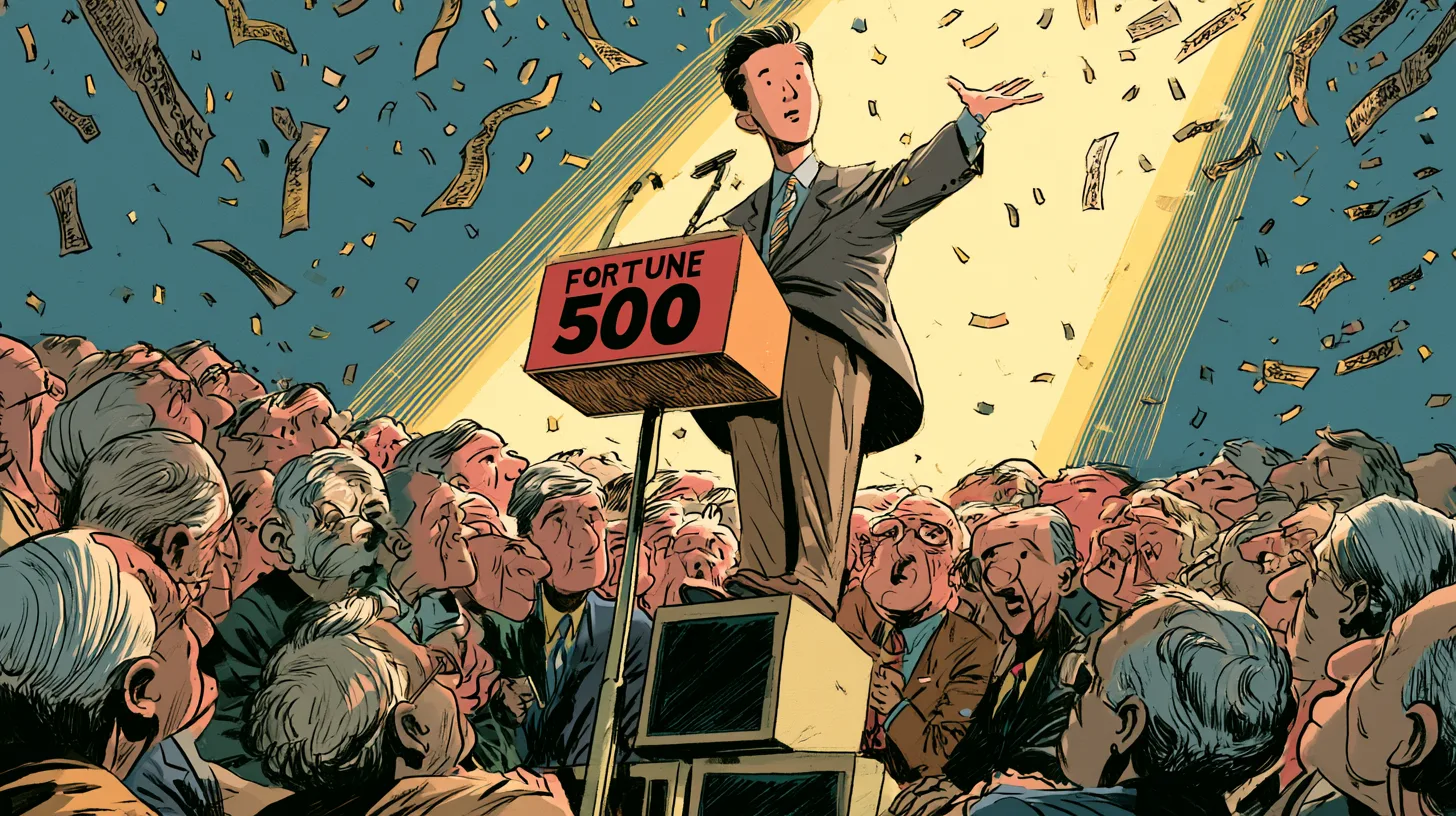
The renamed Dell Computer Corporation went public on June 22, 1988, selling 3.5 million shares at $8.50 — a raise of roughly $30 million that valued the four-year-old company near $85 million. Its founder was 24.
Four years later Dell entered the Fortune 500, and at 27 Michael Dell became the youngest CEO running a Fortune 500 company. The growth nearly broke the place: in 1993 a botched notebook line helped drive the stock from $49 in January to $16 by July, and the founder responded by hiring Motorola veteran Mort Topfer as vice chairman to run day-to-day operations beside him — a shared “office of the CEO” that became the template for how Michael Dell hands off power: partially, and with himself still in the room. Daniel Ek made the same kind of move at Spotify, handing the title to two lieutenants and staying on as executive chairman.
”I’D SHUT IT DOWN AND GIVE THE MONEY BACK”
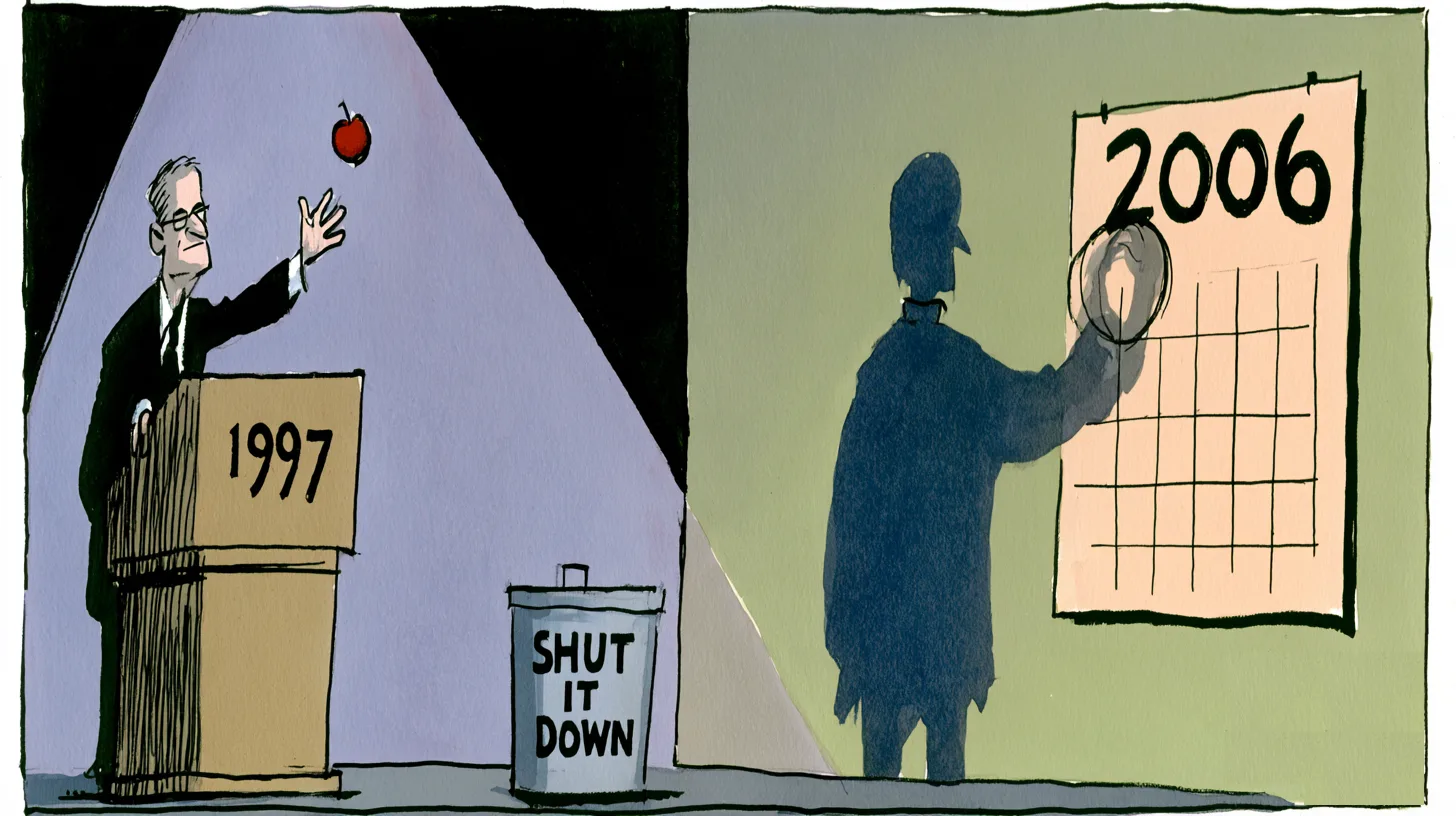
On October 6, 1997, at a Gartner conference in Orlando, Michael Dell was asked what he would do with Apple, then posting some of the largest losses in its history. “What would I do? I’d shut it down and give the money back to the shareholders.”
Steve Jobs, weeks into his return as Apple’s interim chief, waited nine years to answer. In January 2006, Apple’s market value closed at $72.1 billion — about $160 million ahead of Dell’s — and Jobs emailed his employees: “Team, it turned out that Michael Dell wasn’t perfect at predicting the future. Based on today’s stock market close, Apple is worth more than Dell. Stocks go up and down, and things may be different tomorrow, but I thought it was worth a moment of reflection today.”
Michael Dell spent years insisting the answer was “largely misconstrued” — he had been asked, twice, what he would do if he ran Apple, and his point was that he couldn’t imagine running any company but his own. The clarification never caught up with the quote.
THE TWO-IN-A-BOX EXPERIMENT
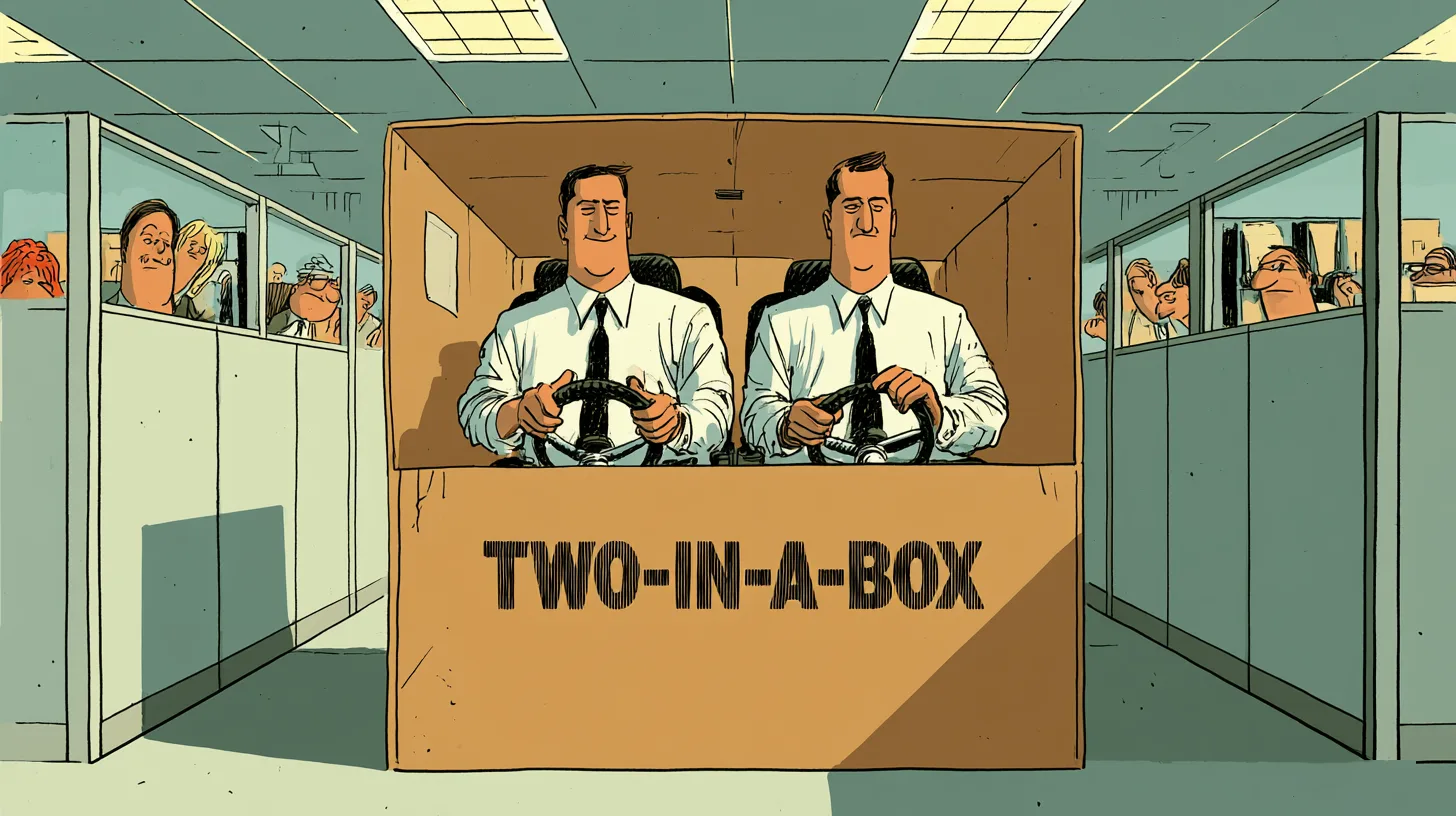
Kevin Rollins arrived from Bain & Company in 1996 and rose fast. By 2001 he was president and COO, literally working out of the same office as Michael Dell — a co-management arrangement the company called “two-in-a-box”. Rollins championed an internal ethics code called the “Soul of Dell,” and the company kept growing.
On July 16, 2004, at the annual shareholder meeting, Rollins took the CEO title. Michael Dell stayed on as chairman — and stayed in the shared office.
EVERYTHING BROKE AT ONCE
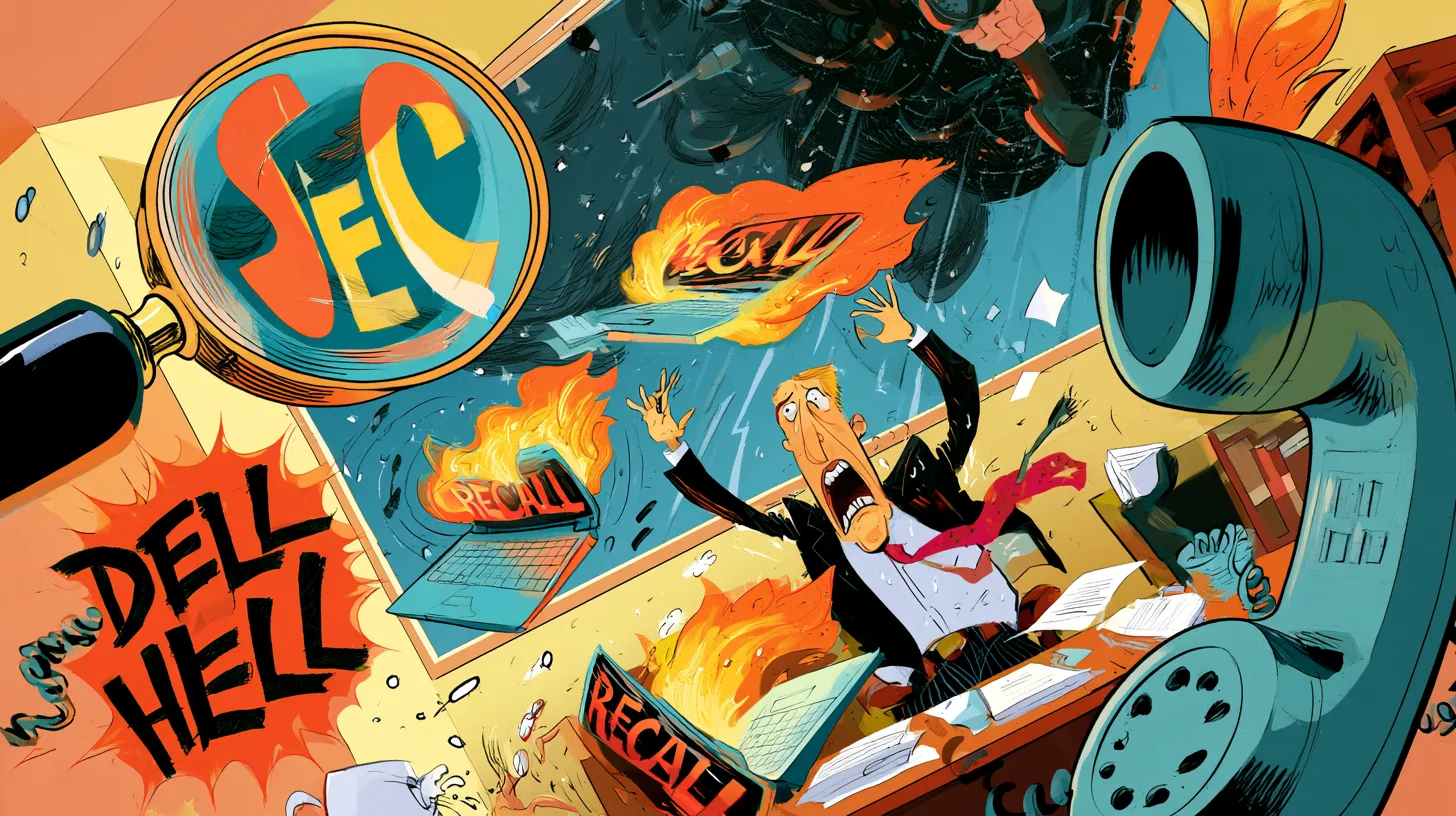
Rollins ran Dell for 30 months, and most of what defines his tenure went wrong inside them. In June 2005 the blogger Jeff Jarvis posted “Dell Lies. Dell Sucks.” — a complaint about a lemon laptop and unreachable support that turned “Dell Hell” into shorthand for the company’s customer-service collapse. In August 2006 the company recalled 4.1 million laptop batteries that could catch fire, then the largest electronics recall in the Consumer Product Safety Commission’s history. That fall, HP overtook Dell in worldwide PC shipments. And underneath it all, the SEC was investigating the company’s books.
The board acted on January 31, 2007. Rollins resigned as CEO and director effective immediately, and presiding director Sam Nunn’s statement explained the succession plan in one sentence: “The Board believes that Michael’s vision and leadership are critical to building Dell’s leadership in the technology industry for the long-term.” Rollins left with $5 million in severance, paid in five $1 million installments.
The investigation outlived him. In 2010 Dell paid $100 million to settle SEC charges that it had propped up its earnings targets with undisclosed payments from Intel — the same secret rebates Intel paid to keep AMD chips out of Dell machines. Michael Dell personally paid a $4 million penalty, without admitting wrongdoing.
BUYING THE COMPANY BACK
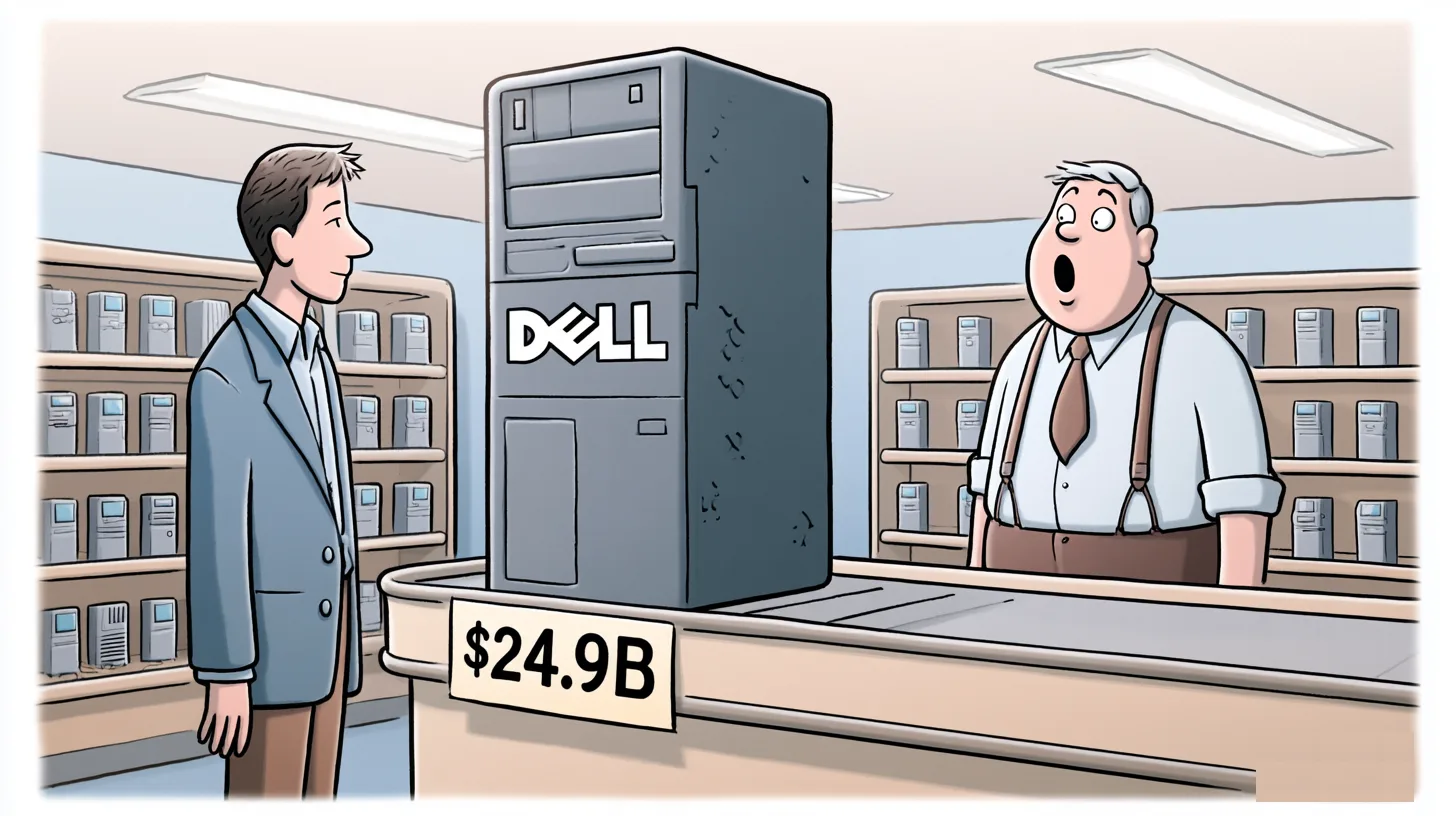
By 2013 Dell’s core PC business was shrinking and Wall Street had stopped believing the turnaround. Michael Dell’s answer was to remove Wall Street from the story: in February 2013 he and Silver Lake offered $13.65 a share to take the company private, with the founder putting in $4.2 billion of his own money.
Carl Icahn, holding 8.7 percent of the stock, spent six months fighting the deal as too cheap, pitching rival recapitalizations and urging shareholders to vote it down. The pressure raised the price to $13.88 a share including a special dividend — $24.9 billion in all — and the “bitter battle” ended on September 12, 2013, when shareholders approved the buyout.
Fortune’s headline said what everyone was thinking: “Michael Dell eats his words.” Sixteen years after telling Apple to shut down and give the money back to the shareholders, he had done precisely that — to his own company.
THE $67 BILLION SECOND ACT
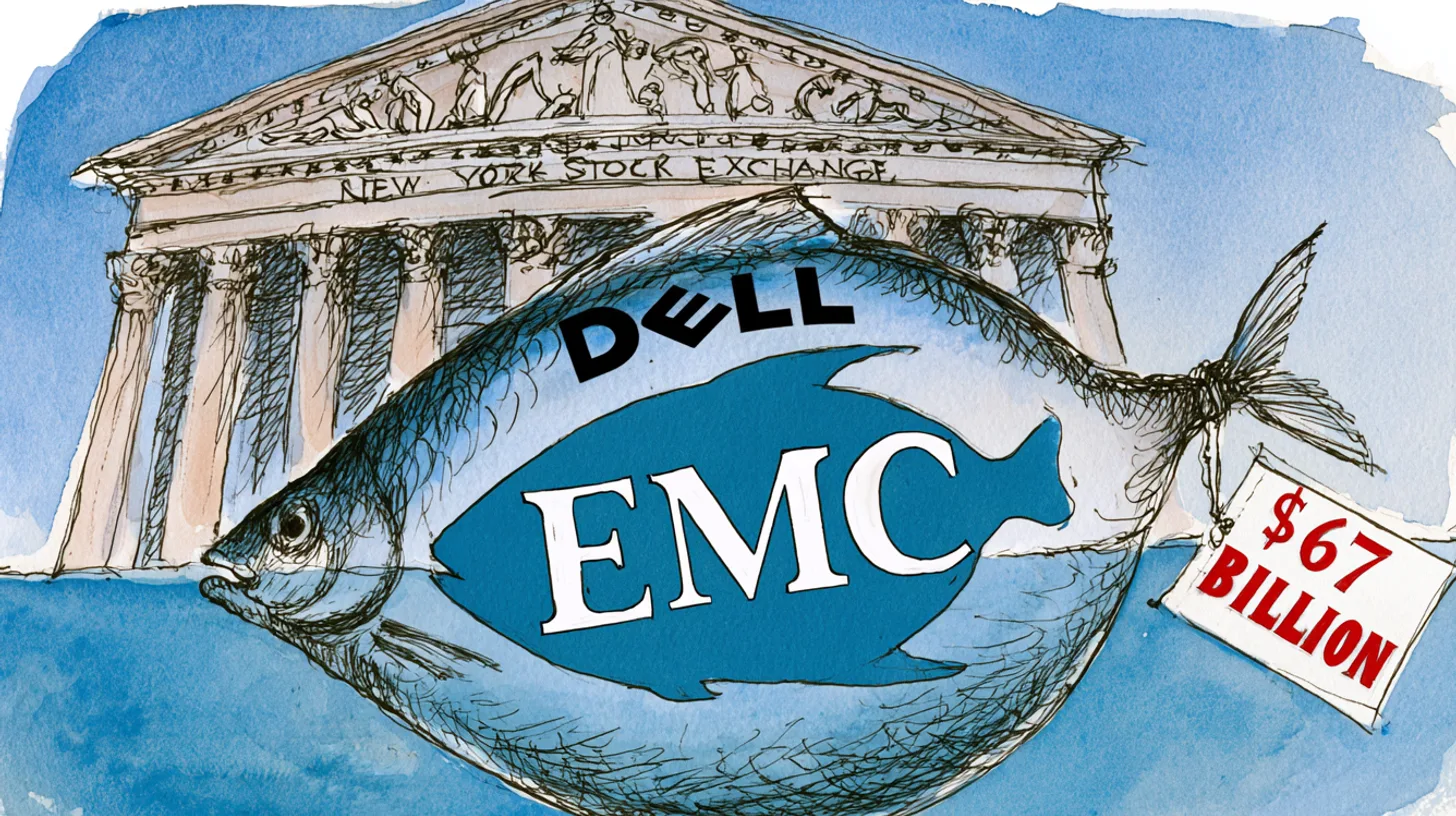
Private, Dell did the opposite of shrinking. On September 7, 2016, it closed its acquisition of EMC — announced at $67 billion, the largest technology deal in history at the time — and renamed itself Dell Technologies. The purchase brought an 81 percent stake in VMware and a tracking stock, DVMT, that kept one foot in the public markets.
That foot became the door back in. On December 28, 2018, the company exchanged the tracking stock for $14 billion in cash plus new common shares, and DELL began trading on the NYSE again — no IPO required. The VMware stake was spun off entirely in November 2021, with a special dividend that helped pay down the EMC debt.
STILL THERE, STILL UNREPLACED
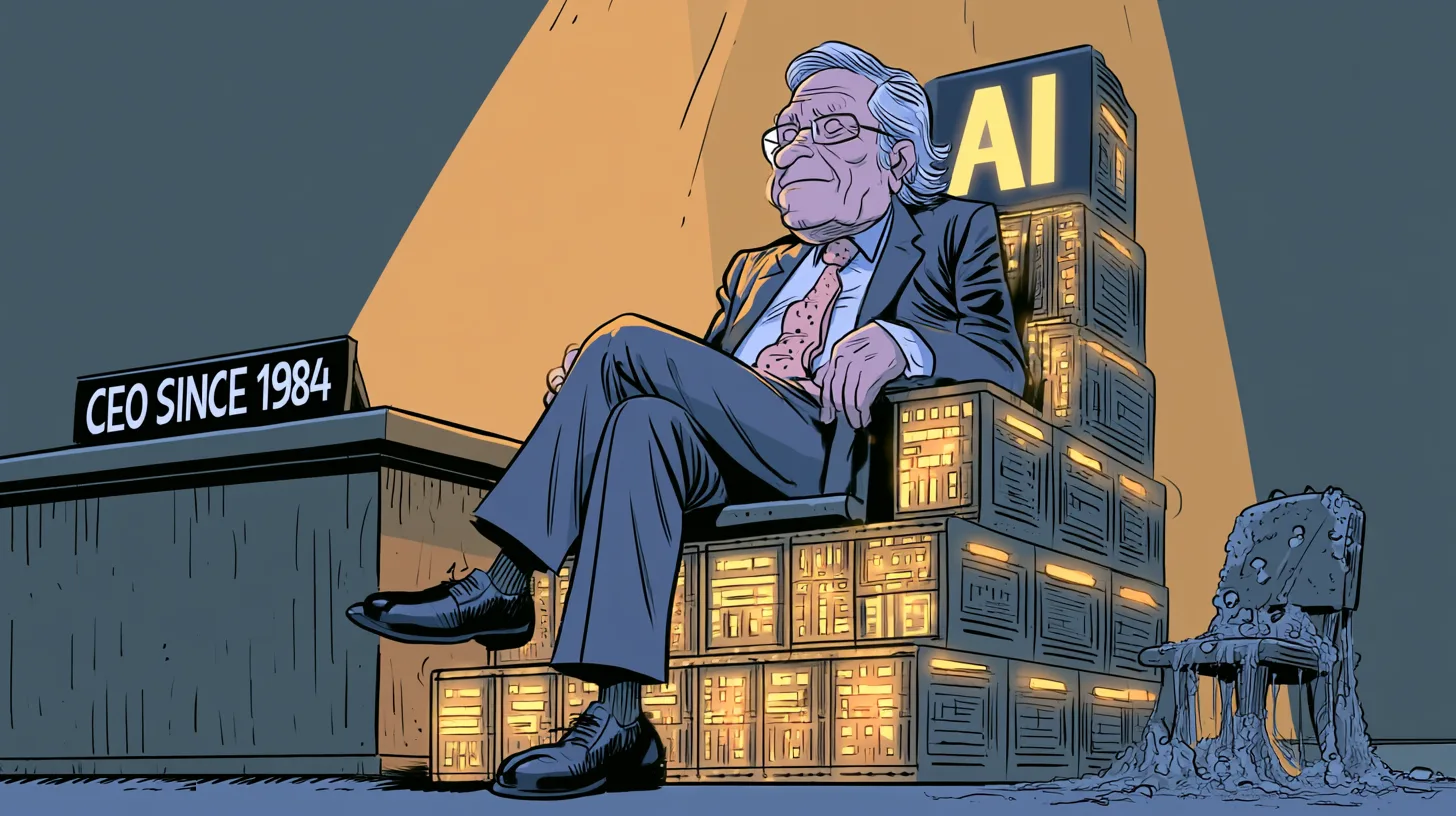
Michael Dell, 61, remains chairman and CEO of Dell Technologies, 42 years after founding it. The company rejoined the S&P 500 on September 23, 2024, after an eleven-year absence, carried by demand for its Nvidia-powered AI servers. Forbes put his fortune at $232.7 billion in August 2026, fifth in the world — and in December 2025 he and Susan Dell pledged $6.25 billion to seed investment accounts for roughly 25 million American children, the largest gift ever devoted to them.
He still controls a majority of the company’s voting power. Jeff Clarke, the vice chairman and COO, runs day-to-day operations, but no successor has ever been named. The one time the job went to somebody else, the experiment lasted 30 months — and it ended with the founder buying the whole company so it could never happen again.
DELL CEO FAQ
Is Michael Dell still the CEO of Dell?
Yes. Michael Dell is chairman and CEO of Dell Technologies as of August 2026, a role he has held continuously since January 31, 2007. Counting his first run from the company’s 1984 founding to 2004, he has led Dell for all but 30 months of its existence.
What does the CEO of Dell make?
Michael Dell’s base salary is $950,000, and his total compensation for fiscal 2026 was about $3.4 million, per the company’s proxy filings. The paycheck is almost beside the point: he owns roughly 46 percent of Dell Technologies’ stock, the source of nearly all of his $230-billion-plus fortune.
Why did Dell fall?
Dell lost its lead in the mid-2000s under CEO Kevin Rollins: customer service deteriorated into the “Dell Hell” saga, a 4.1-million-battery recall hit in 2006, HP overtook it in PC shipments, and an SEC accounting probe loomed. Michael Dell returned in 2007, then took the company private in 2013 to rebuild it.
How much money did Michael Dell donate to Trump Accounts?
Michael and Susan Dell pledged $6.25 billion in December 2025 to help fund “Trump Accounts,” the child investment accounts created by 2025 tax legislation. The gift adds $250 apiece for roughly 25 million children aged ten and under — the largest single donation ever devoted to American children.