7 min read
Nine famous makeup products are gone for good, from Tho-Radia’s 1930s radium face cream to Becca, which Estée Lauder closed in September 2021. Some ended because a law changed, some because a company changed its mind: Procter & Gamble pulled Max Factor out of America in 2010 because CoverGirl was doing better. Four products people still call discontinued came back or never left, and they are listed at the end.
LIST OF DISCONTINUED MAKEUP PRODUCTS
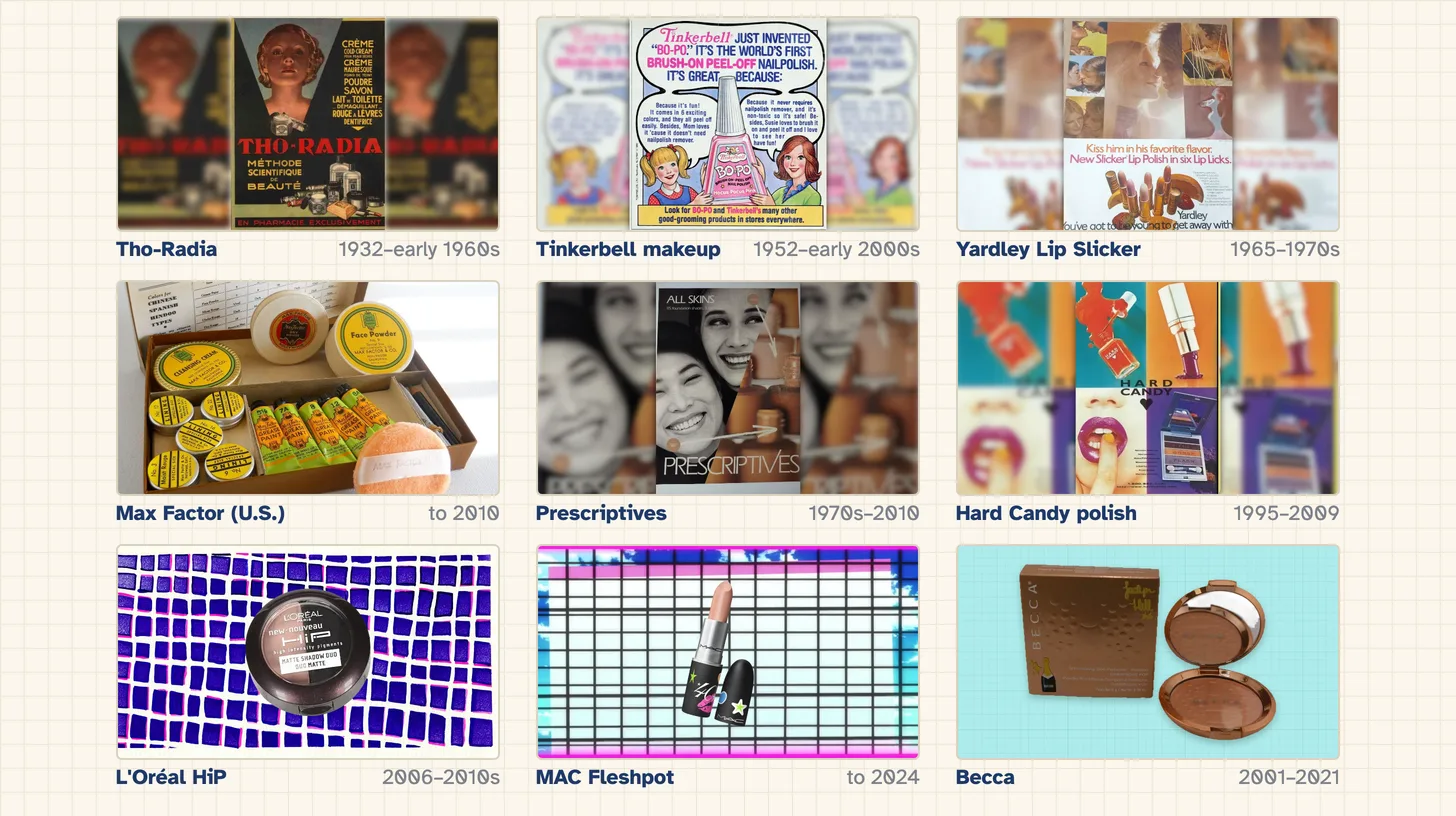
These are the nine discontinued makeup products, with the years each was sold.
| Product | Sold | Maker |
|---|---|---|
| Tho-Radia | 1932–early 1960s | Tho-Radia (France) |
| Tinkerbell play makeup | 1952–early 2000s | Tom Fields Ltd |
| Yardley Lip Slicker | 1965–1970s | Yardley |
| Max Factor (U.S.) | to 2010 | Procter & Gamble |
| Prescriptives | 1970s–2010 | Estée Lauder |
| Hard Candy original polish | 1995–2009 | Hard Candy, then LVMH |
| L’Oréal HiP | 2006–2010s | L’Oréal |
| MAC Fleshpot | to 2024 | MAC |
| Becca | 2001–2021 | Becca, then Estée Lauder |
THO-RADIA
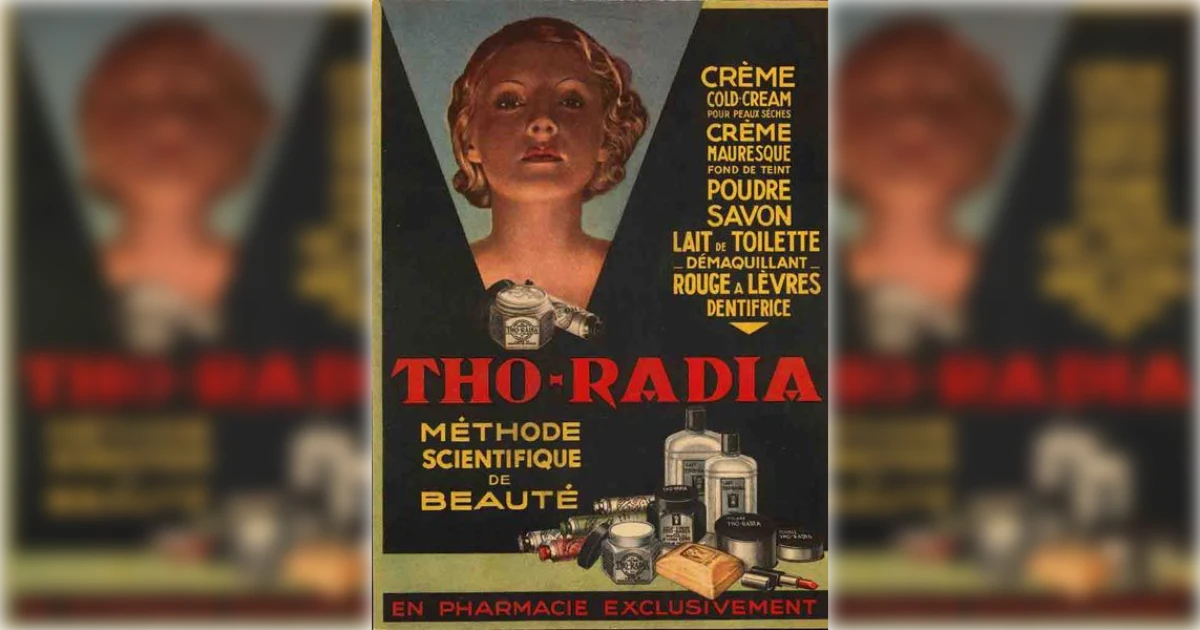
Tho-Radia was a French cosmetics line made with radioactive thorium and radium, founded in 1932 by the pharmacist Alexis Moussalli. Every 100 grams of its face cream held 0.233 micrograms of radium bromide and half a gram of thorium chloride.
Tho-Radia sold itself on a famous name. Moussalli brought in a physician called Alfred Curie as a figurehead, but “Alfred might have shared their name, but he was no relation” to Pierre and Marie Curie, the Oak Ridge health-physics museum notes. In 1937 the French government placed significant restrictions on products with thorium and radium, and the company seems to have stopped using them. Tho-Radia ended in the early 1960s, beaten by competitors. For more beauty products with dangerous ingredients, see our list of deadly discontinued beauty products.
TINKERBELL PLAY MAKEUP
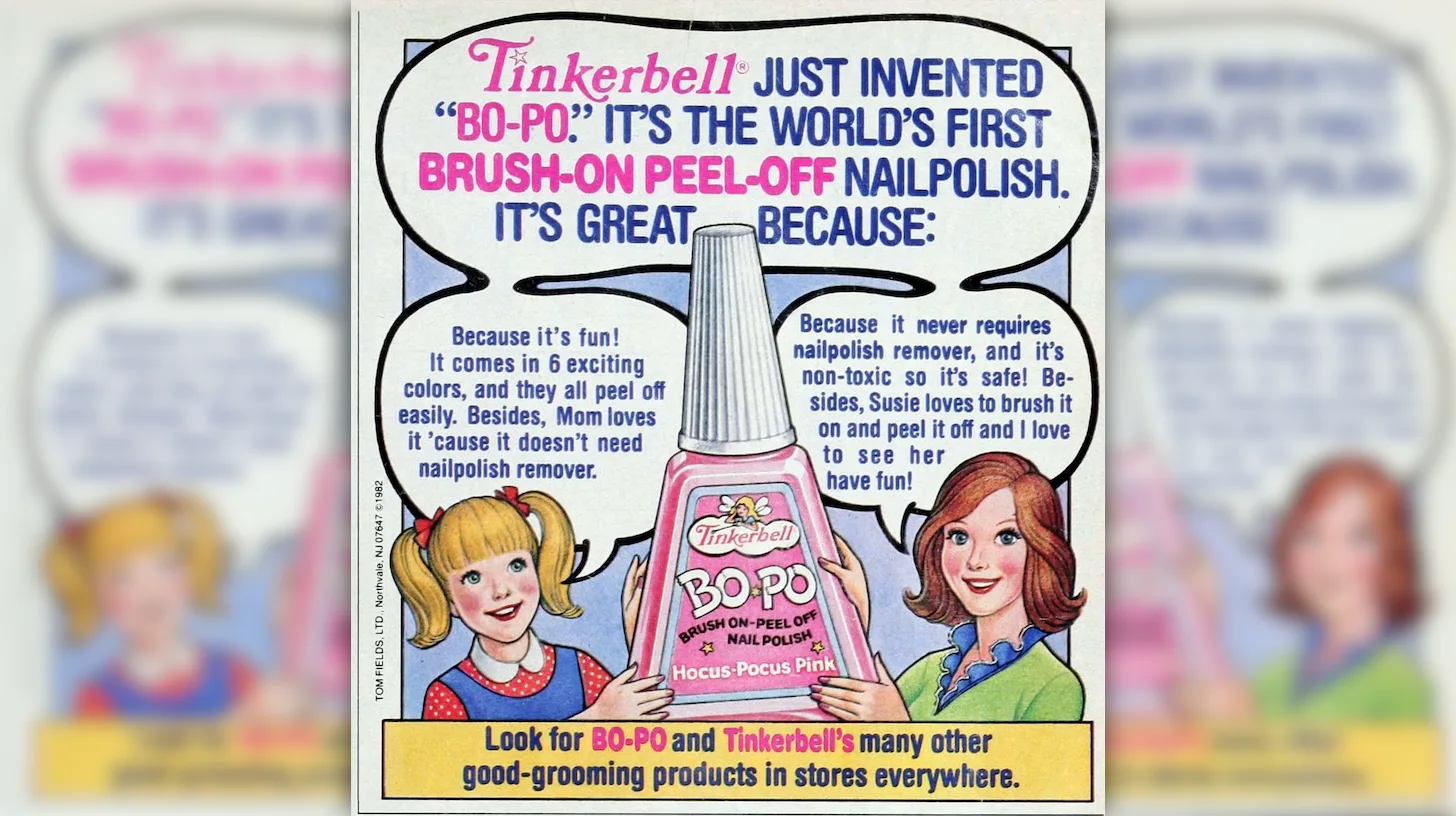
Tinkerbell was makeup for little girls, made by Tom Fields Ltd, a company founded in 1952, sold in drugstores for about half a century.
In 1982 Tinkerbell rolled out BO-PO, short for brush-on, peel-off, a nail polish that came off without remover, in shades such as Hocus-Pocus Pink and Plum Loco. The name was later bought by Renaissance Cosmetics, which revived nostalgia brands, and then “at some point, the brand simply faded out,” Jezebel wrote.
YARDLEY LIP SLICKER
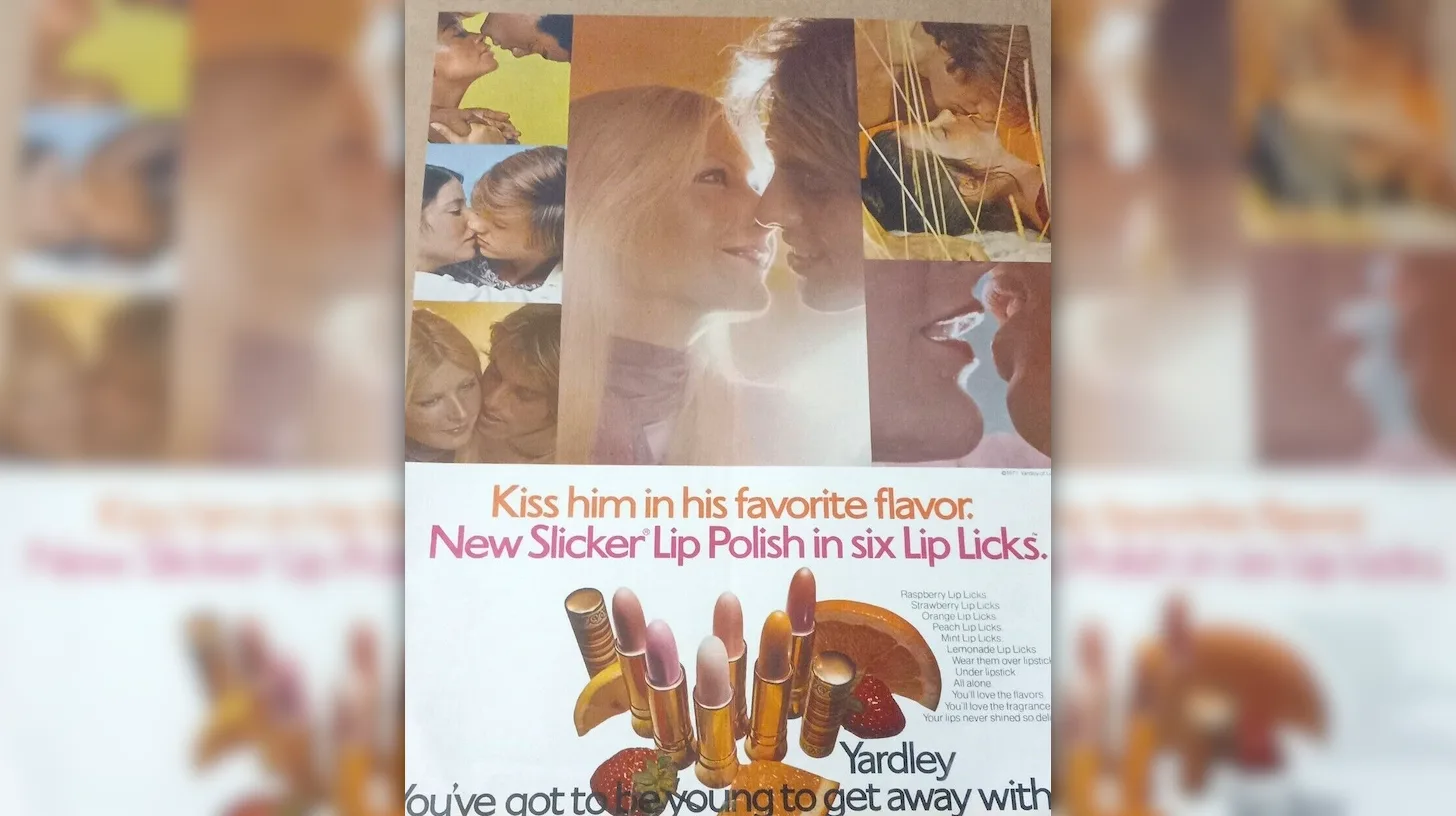
Yardley Lip Slicker was a gloss worn over lipstick to make it shine or give it a frosted, pearly look, which Yardley added in 1965. By 1971 it was sold as Slicker Lip Polish in six flavors called Lip Licks, from raspberry to lemonade.
Yardley Lip Slicker disappeared with Yardley’s American company. Yardley of London, Inc. was liquidated in the United States in 1976, nine years after British American Tobacco bought Yardley. The parent went into receivership in 1998.
MAX FACTOR IN THE UNITED STATES
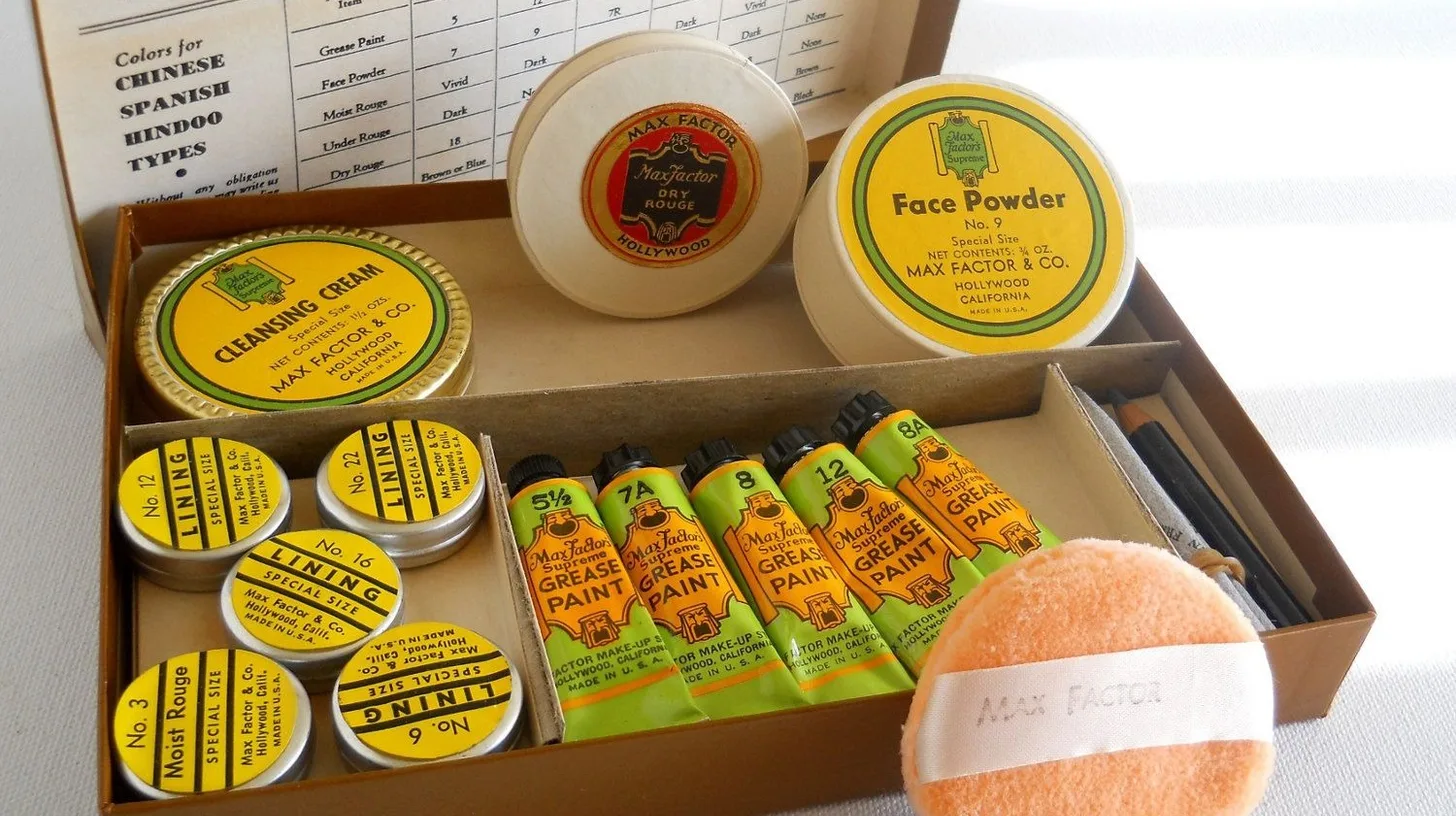
Max Factor, the Hollywood makeup brand, stopped selling in America in early 2010. Its owner, Procter & Gamble, said in June 2009 it would end U.S. sales of Max Factor but keep selling it overseas, where it did best. P&G’s spokeswoman said CoverGirl’s sales had risen for eight years and were nearing $1 billion a year.
Max Factor came from Hollywood’s beginning. After arriving in the United States in 1904, Factor opened a makeup and perfume concession at the World’s Fair in St. Louis. In 1914 he made the first makeup for film, a flexible greasepaint, because stage greasepaint was, in his word, “terrifying!” The brand came back to U.S. drugstores only as a limited capsule collection in 2016. Coty, its owner since P&G sold its beauty brands, put it under a strategic review in September 2025.
PRESCRIPTIVES
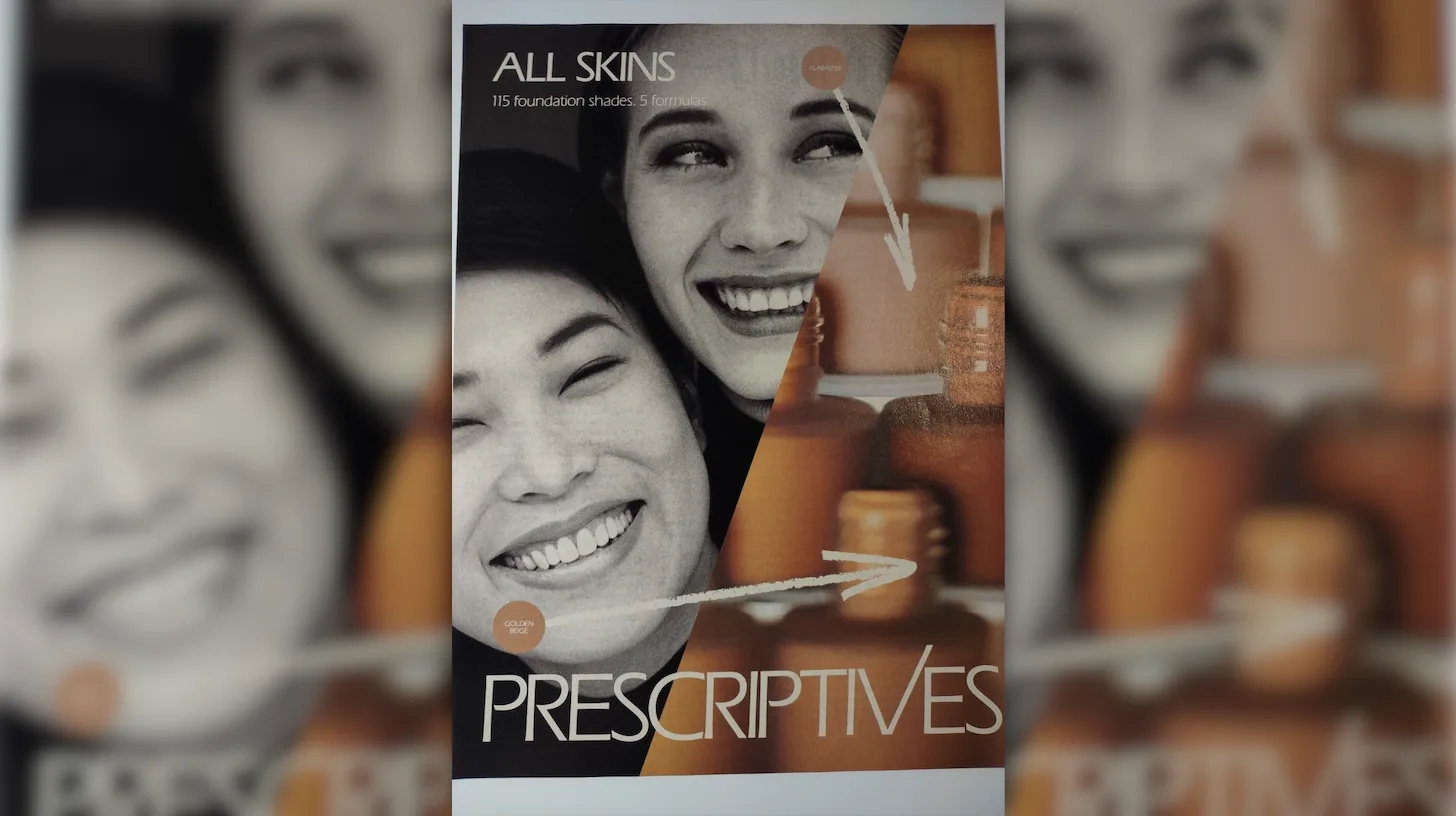
Prescriptives was Estée Lauder’s custom-blend makeup line, founded in the 1970s and best known for matching foundation to each customer. On September 17, 2009, Estée Lauder said it would close the brand’s wholesale distribution worldwide by January 31, 2010.
Management concluded “that the brand’s long term business model is no longer viable given the current market environment,” the company said, Moodie Davitt reported. “We believe that the difficult decision relating to Prescriptives will allow us to redirect our resources to key strategic imperatives where we see the highest growth potential,” said Fabrizio Freda, Estée Lauder’s CEO. Online sales in the U.S. continued while stock lasted.
HARD CANDY NAIL POLISH
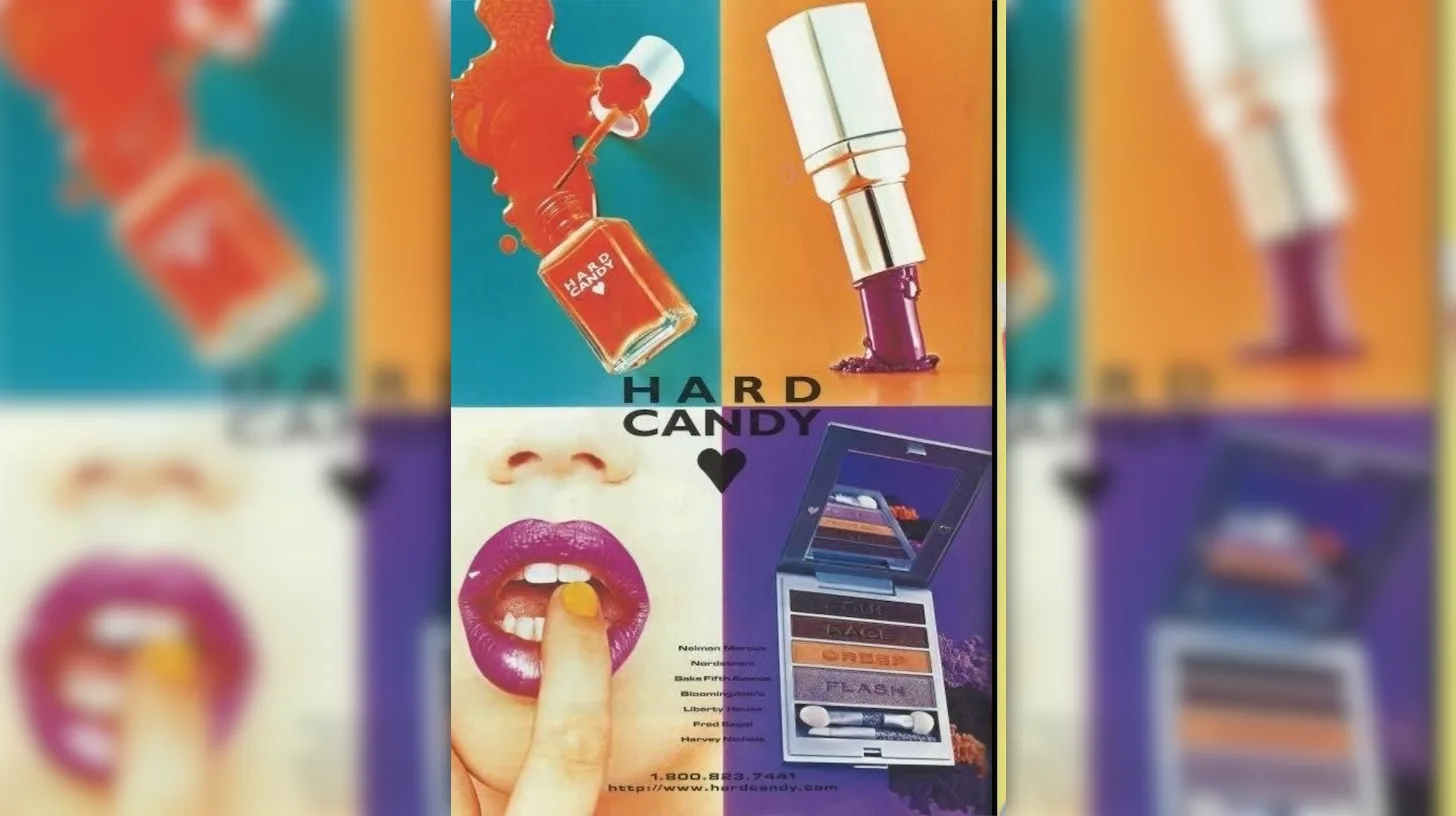
Hard Candy began in 1995 with a bottle of pale blue polish that Dineh Mohajer mixed at home so her nails would match her new sandals. Each small bottle came with a cheap plastic red heart-shaped ring on the cap, and sold for $12.
Hard Candy’s shades had names drugstores did not use: Sky, Dork, Sissy, Porno and a metallic silver called Trailer Trash. Sales reached $10 million in 1996. “My goal is to expand into a cutting-edge, full cosmetics company,” Mohajer told Time. In May 1999 she sold to LVMH, which sold Hard Candy to the Falic Group, owner of Duty Free Americas, in December 2002. In August 2009 Wal-Mart began rolling out a new line of Hard Candy cosmetics, a cheaper brand than the polish that started it.
L’ORÉAL HIP
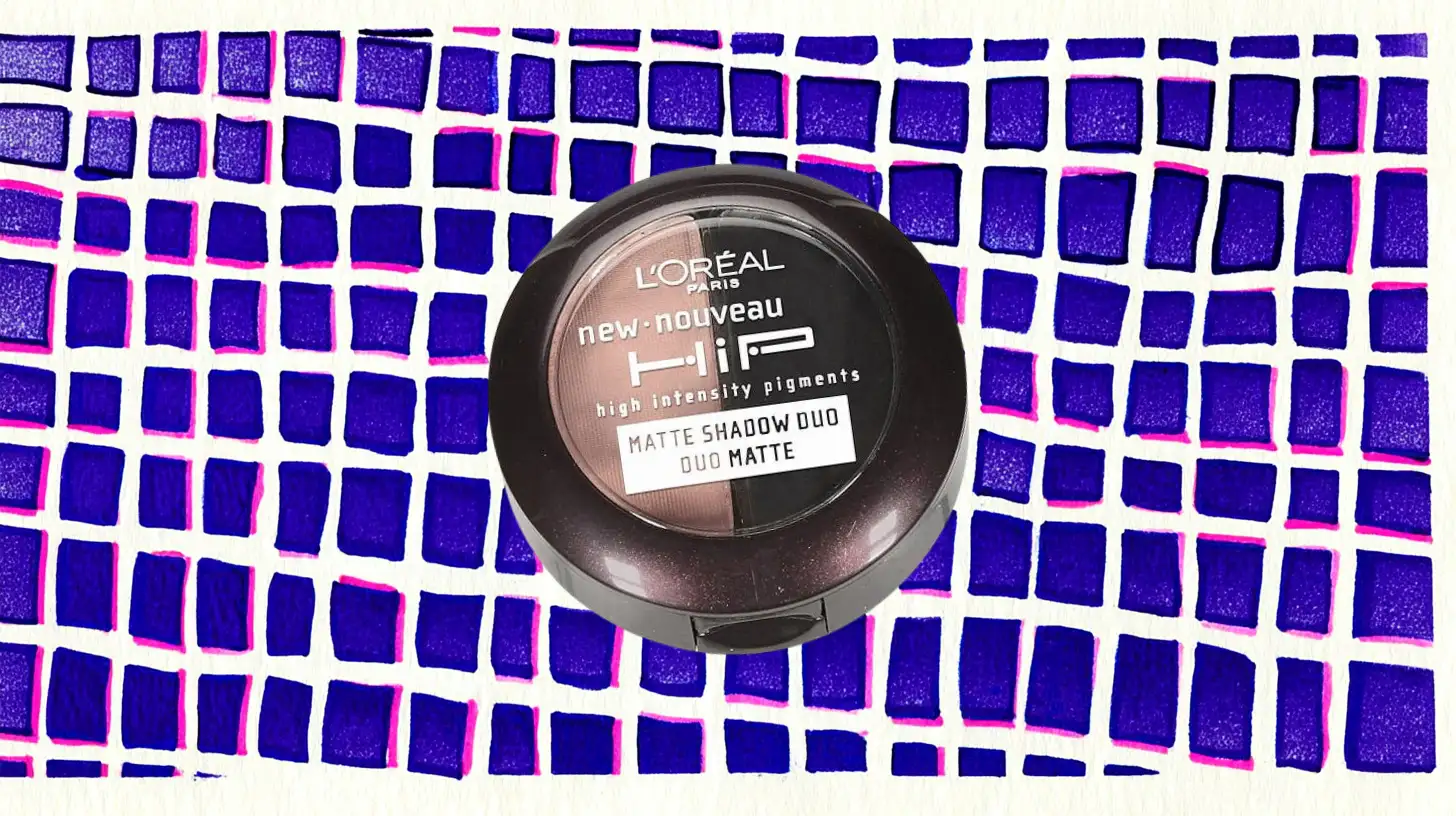
L’Oréal HiP, short for High Intensity Pigments, was a line of bright eye and lip color that launched early in 2006 with ads featuring Scarlett Johansson, and Kerry Washington in print that June.
L’Oréal’s own U.S. site lists the HiP Matte Shadow Duos, in shades such as Animated, Dashing, Perky, Poppy and Striking, as “This product is discontinued.” No source gives the year HiP ended. See our list of discontinued L’Oréal products.
MAC FLESHPOT
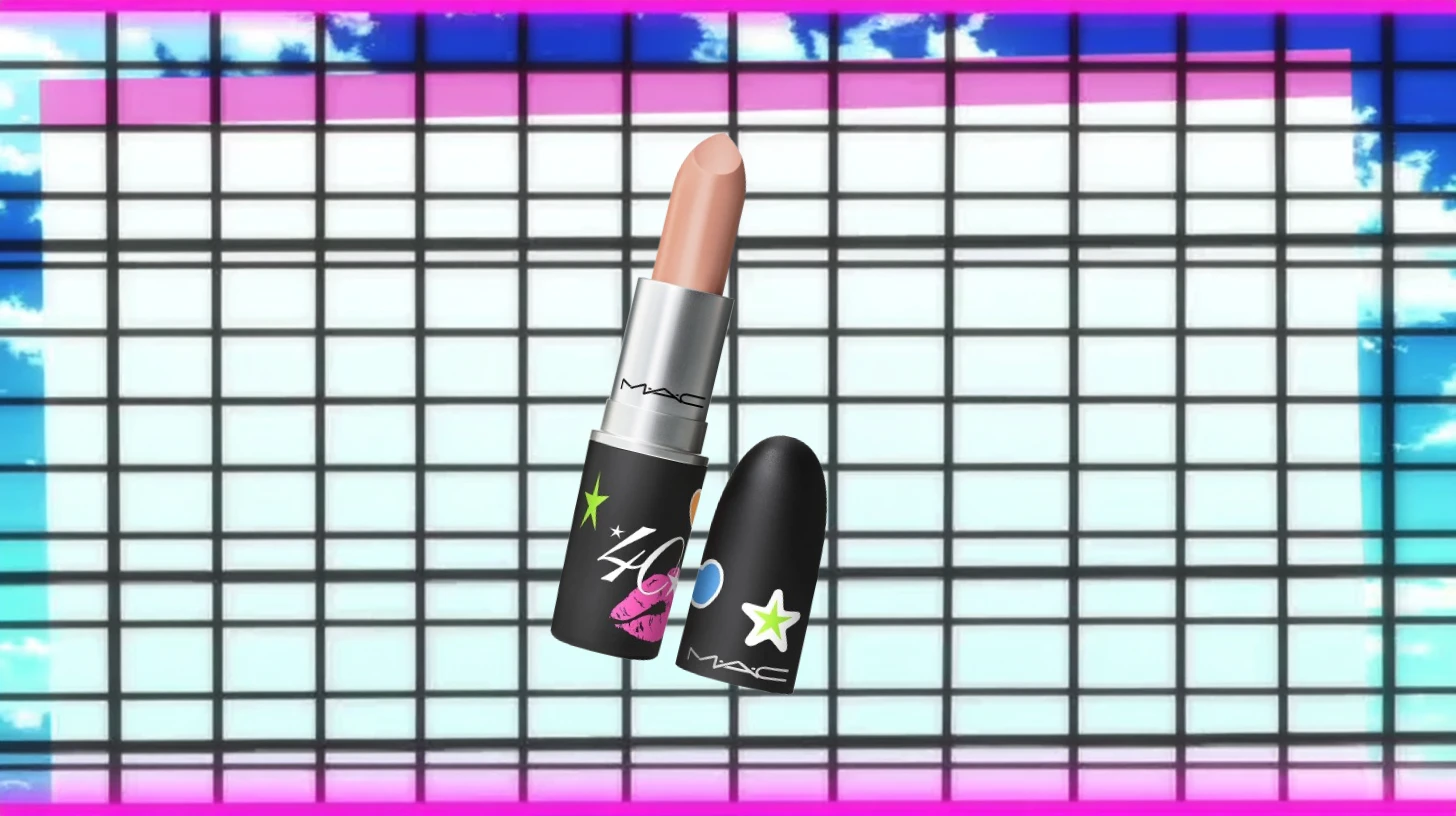
MAC Fleshpot was a warm beige satin lipstick. MAC’s own site now marks it: “Satin Lipstick - Fleshpot is no longer available.”
The tube in the picture is MAC’s 40th-anniversary packaging of 2024. For other lost MAC shades, see our list of discontinued MAC lipsticks.
BECCA COSMETICS
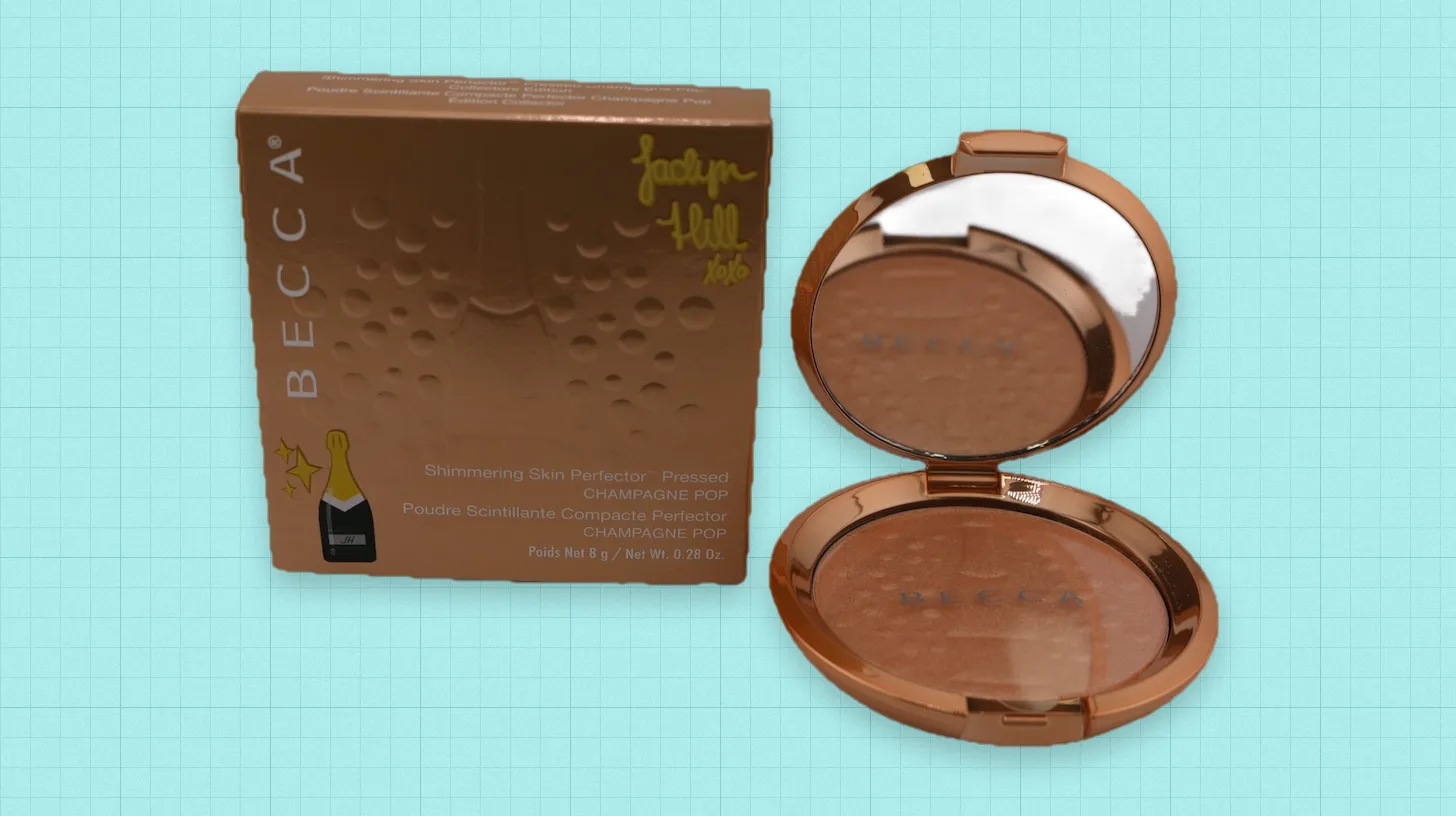
Becca was a makeup brand that Australian makeup artist Rebecca Morrice-Williams started in 2001, famous for highlighters. Estée Lauder, which owned it, announced in February 2021 that it would close Becca at the end of September 2021. “The brand could not sustain success for the long term,” a spokeswoman said.
Becca’s biggest hit lives on. Its Champagne Pop highlighter, made with the YouTuber Jaclyn Hill, sold out of 25,000 units in 20 minutes on its 2015 Sephora debut. After Becca closed, Smashbox, another Estée Lauder brand, began selling Champagne Pop and Becca’s under-eye corrector.
MAKEUP THAT CAME BACK OR NEVER LEFT
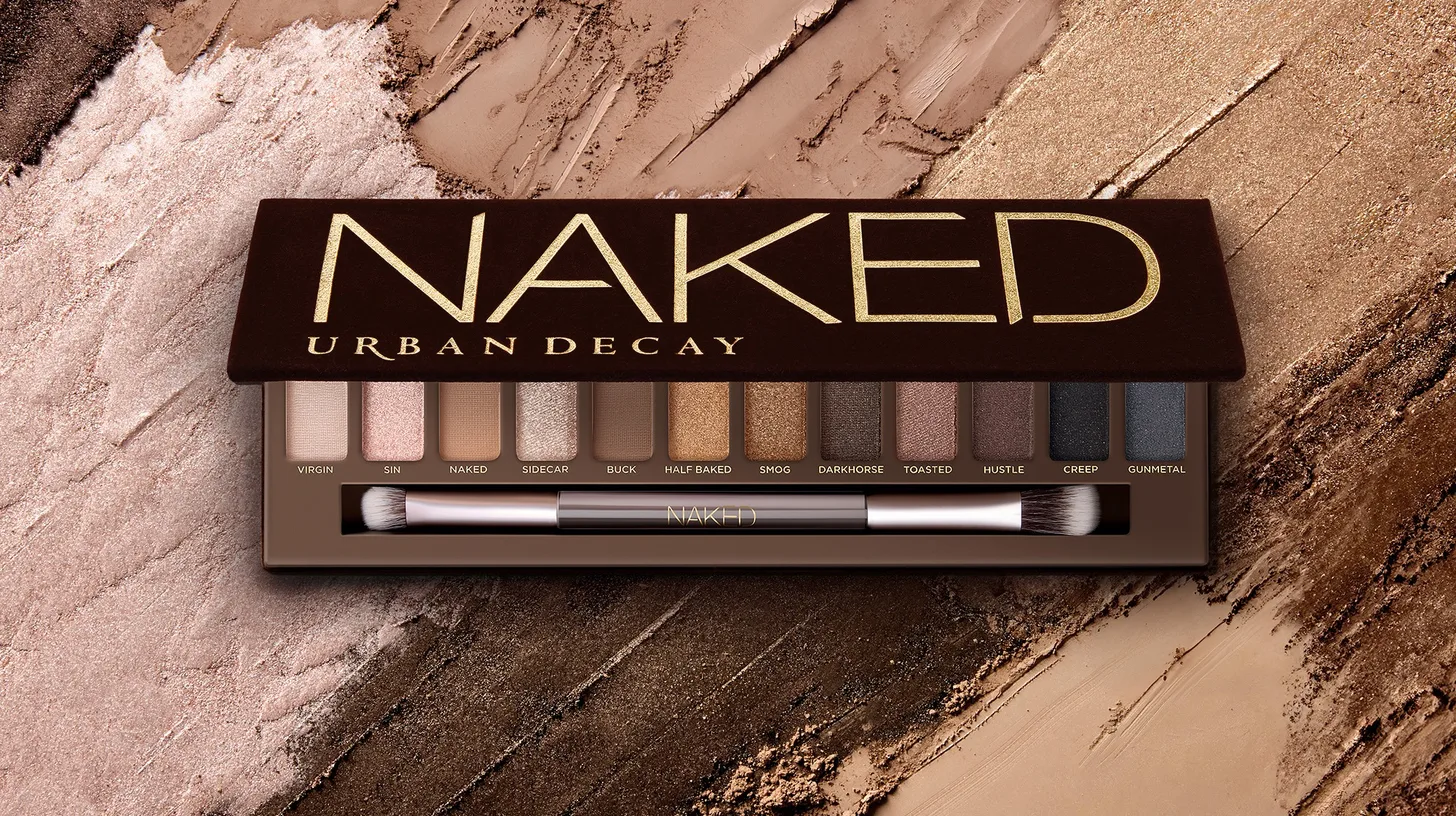
These products show up on discontinued lists, but they returned or are still on sale.
- Urban Decay Naked palette. Launched in 2010, it sold one palette every 6 seconds and was retired in 2018 with an honorary funeral hosted by Nicole Richie. Urban Decay brought it back for a limited run on August 4, 2024, and sold 60% of its online stock in 48 hours.
- Bourjois. Coty pulled Bourjois out of the UK in December 2019, then brought it back through Superdrug in July 2022, with its Rouge Velvet lipstick and the Little Round Pot Blusher, first sold in 1879.
- e.l.f. Mint Melt Cooling Face Primer. A limited edition that keeps coming back; when it is gone, e.l.f.’s page says it is “on vacay.” See our list of discontinued e.l.f. products.
- Maybelline Baby Lips. Still sold on Maybelline’s site for $6.99.
FAQ
What are some discontinued makeup brands in the USA?
Discontinued makeup brands in the U.S. include Prescriptives, which Estée Lauder closed in stores in January 2010; Becca, closed in September 2021; and Max Factor, which Procter & Gamble stopped selling in America in early 2010. Tinkerbell children’s makeup and Yardley’s U.S. company are also gone.
What makeup was popular in the 90s?
Hard Candy nail polish was one of the 1990s’ biggest makeup hits. Dineh Mohajer’s pastel polishes, sold with a plastic heart ring on the cap for $12, reached $10 million in sales in 1996. Prescriptives advertised its foundation in 115 shades in the 1990s.
Is Maybelline Baby Lips discontinued?
No. Maybelline Baby Lips Moisturizing Lip Balm is still sold on Maybelline’s U.S. website for $6.99, in shades including Quenched, Cherry Me and Pink Punch. Some older Baby Lips shades have been retired, which is why the balm often appears on discontinued lists.
Which makeup brand is shutting down?
Makeup brands that have shut down include Becca, which Estée Lauder closed in September 2021, and Prescriptives, which it pulled from stores in 2010. In September 2025, Coty put its mass-market makeup brands, among them Max Factor, CoverGirl and Rimmel, under strategic review.