4 min read
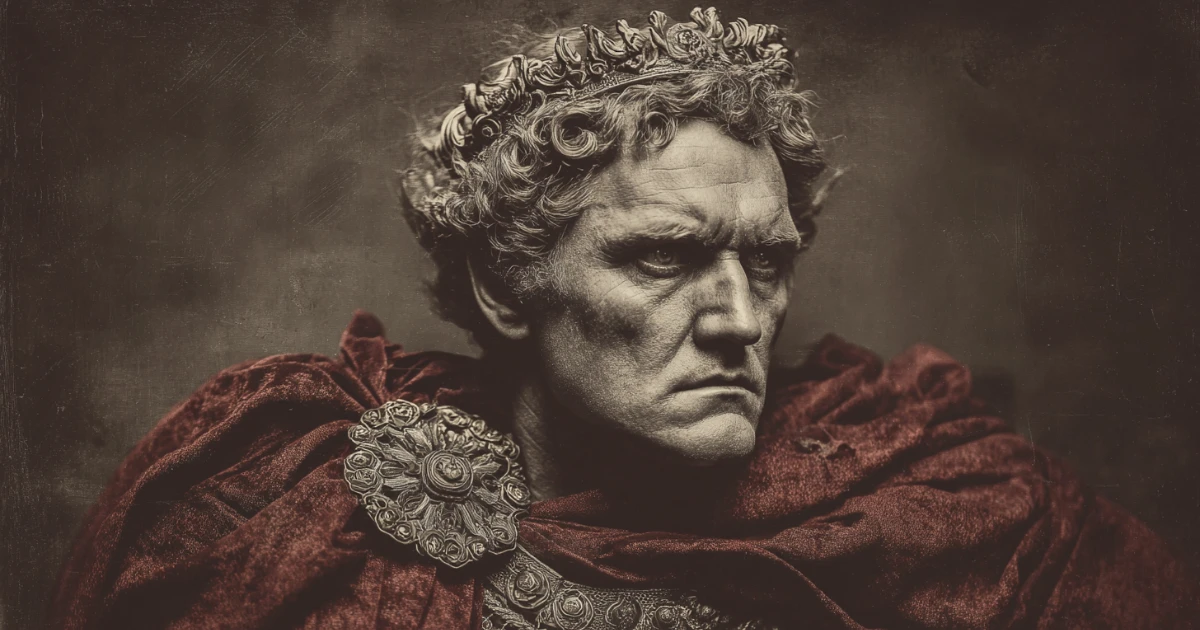
Fashion played a significant role in ancient Roman society, serving as a means of expressing social status, wealth, and cultural identity.
From the iconic toga to intricate hairstyles and cosmetics, Roman fashion was a complex and ever-evolving aspect of daily life that reflected the values and aspirations of the empire’s diverse population.
TOGAS WERE THE MOST ICONIC GARMENT OF ANCIENT ROME
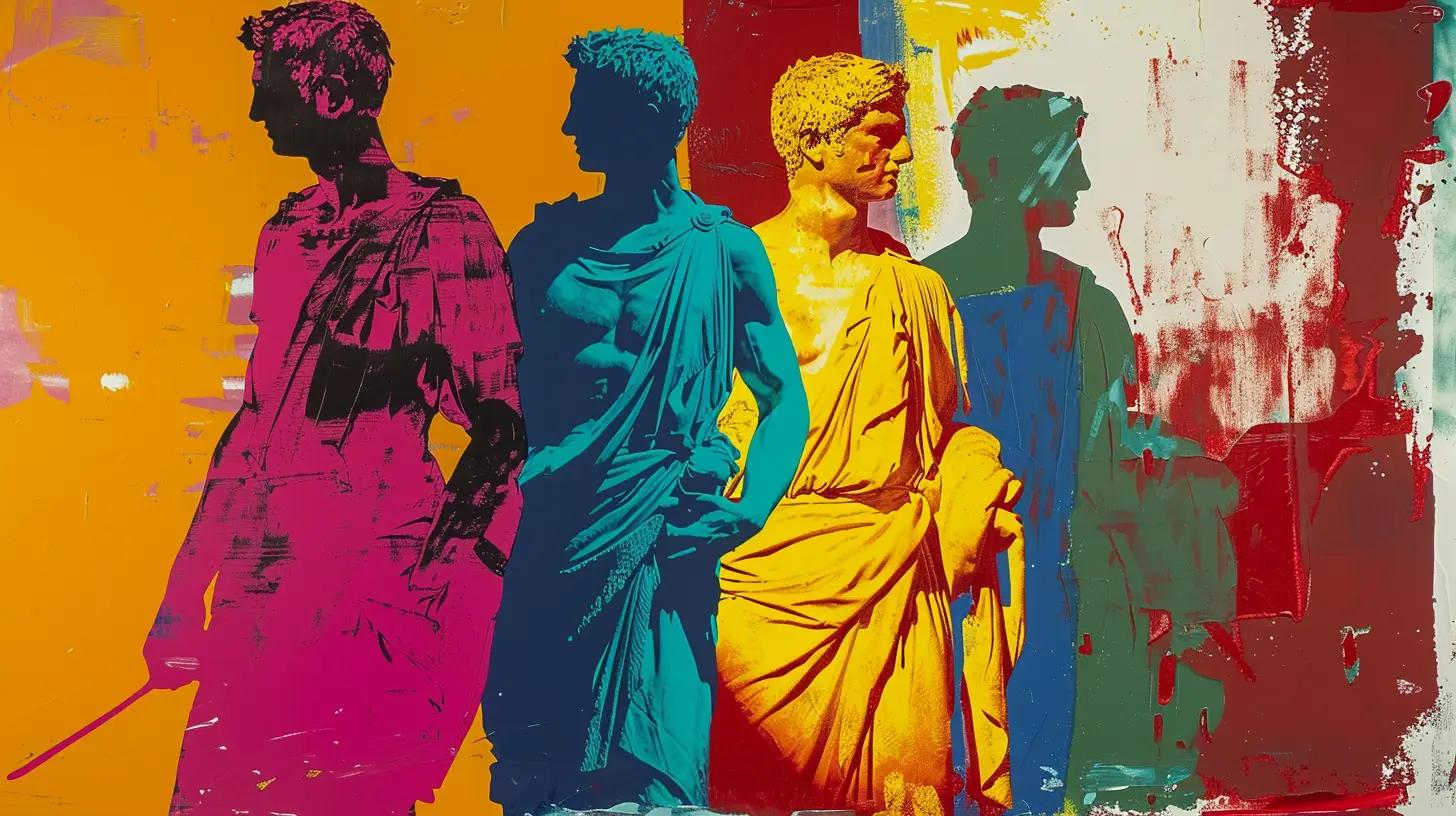
The toga, a garment that has become synonymous with ancient Roman culture, was primarily the domain of male citizens in Roman society.
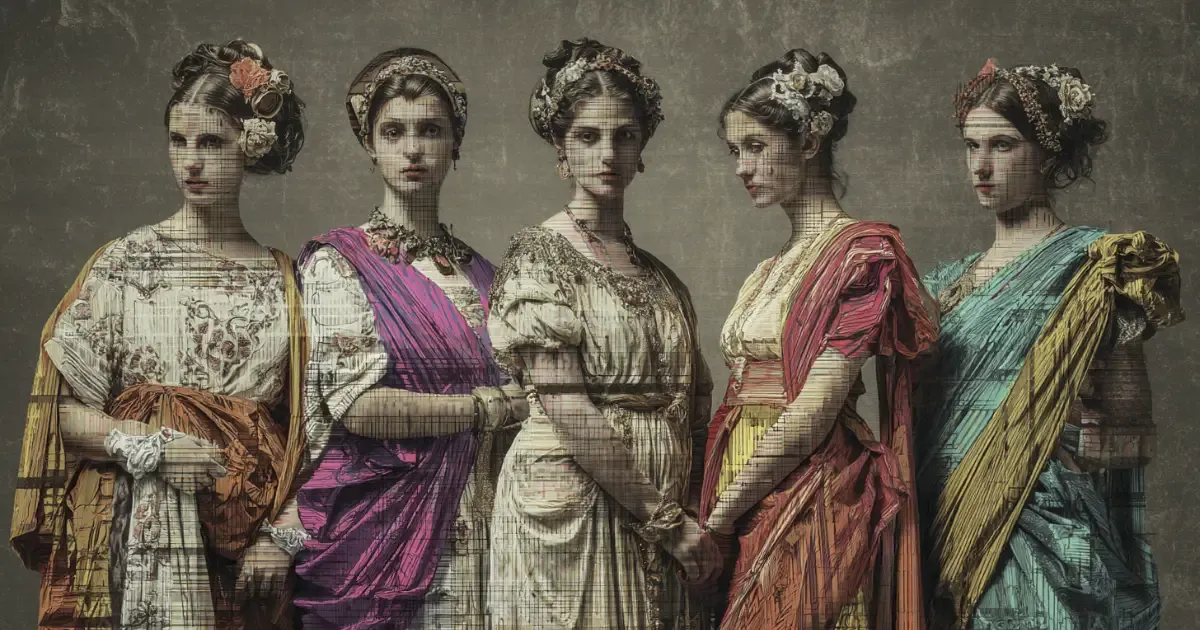
While the toga was a symbol of Roman identity and citizenship for men, women had their own characteristic garment, the stola.
This long, pleated dress was the standard attire for Roman women, particularly married women of high social status.
THE COLOR OF A TOGA COULD INDICATE A PERSON’S STATUS OR OCCUPATION
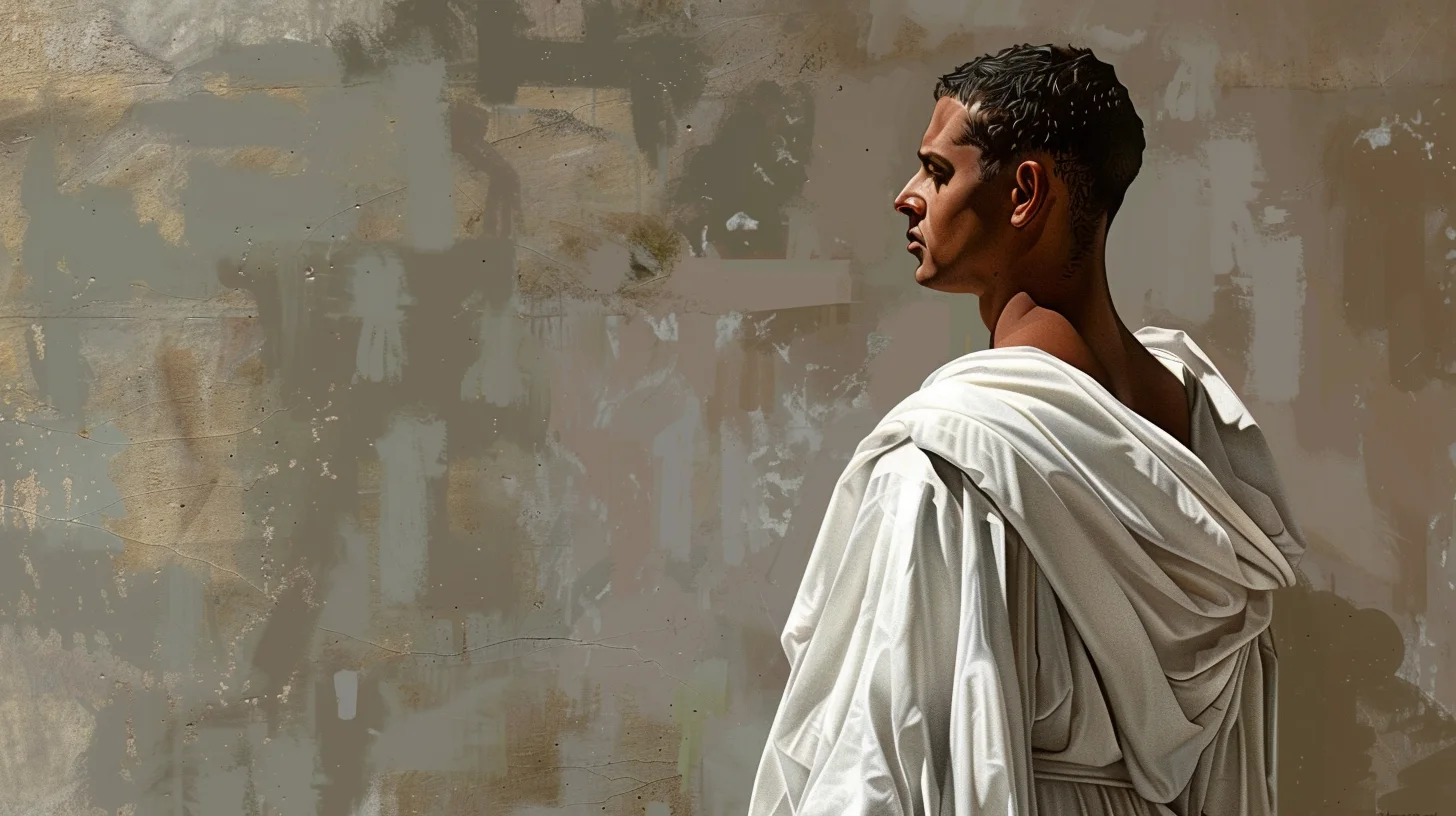
In ancient Rome, the color of a toga was not merely a matter of personal preference, but rather a means of conveying one’s social status and occupation.
For instance, senators distinguished themselves by wearing togas adorned with a purple stripe, a color associated with wealth and power.
In contrast, candidates for public office donned togas of pure white, symbolizing their humility and dedication to serving the people.
WEALTHY ROMANS OFTEN USED EXPENSIVE DYES
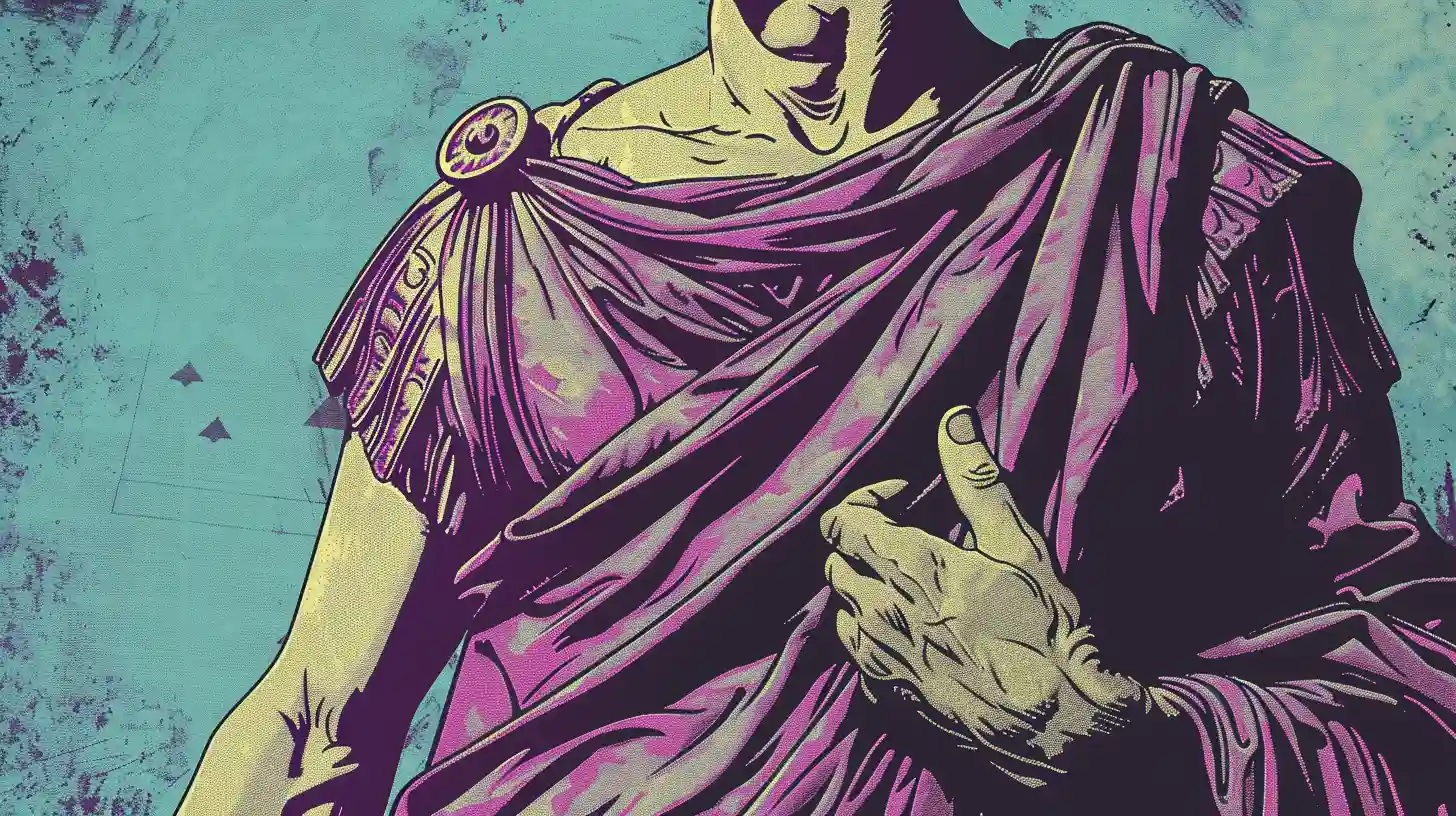
The use of expensive dyes, particularly Tyrian purple, was a hallmark of wealth and status in ancient Roman society.
Extracted from the mucus of certain species of sea snails, Tyrian purple was an exceptionally costly dye to produce, requiring thousands of snails to yield just a small amount of the precious pigment.
As a result, garments dyed with Tyrian purple became a symbol of opulence and power, reserved for the wealthiest and most influential members of Roman society.
JEWELRY WAS POPULAR AMONG BOTH SEXES IN ANCIENT ROME
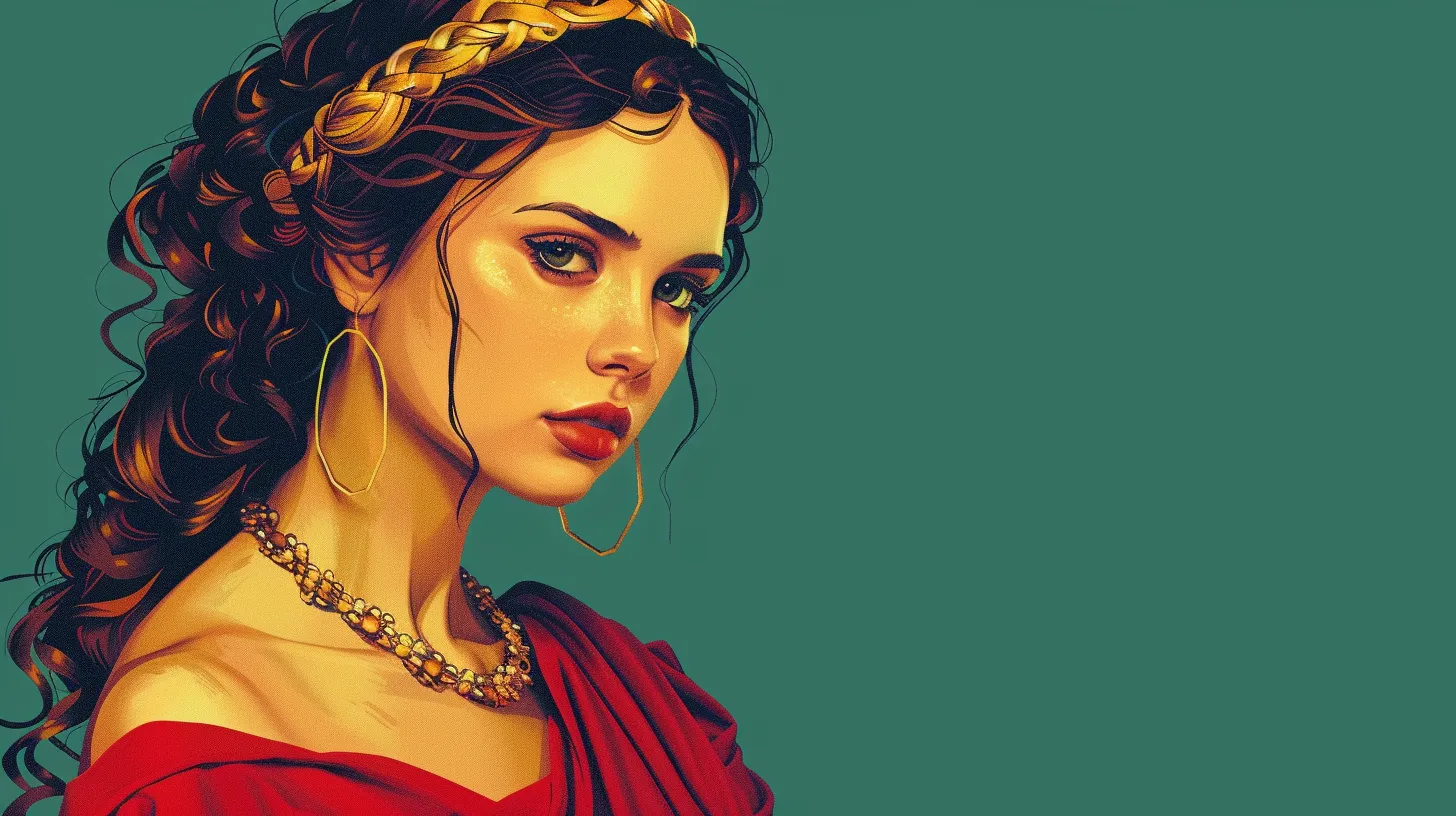
Jewelry played a significant role in ancient Roman fashion, with both men and women adorning themselves with various ornaments.
Rings, bracelets, necklaces, and earrings were crafted from precious metals such as gold and silver, and often featured exquisite designs incorporating gemstones.
These jewelry pieces served not only as decorative accessories but also as indicators of wealth, social status, and personal taste.
HAIRSTYLES WERE A SIGNIFICANT PART OF ROMAN FASHION
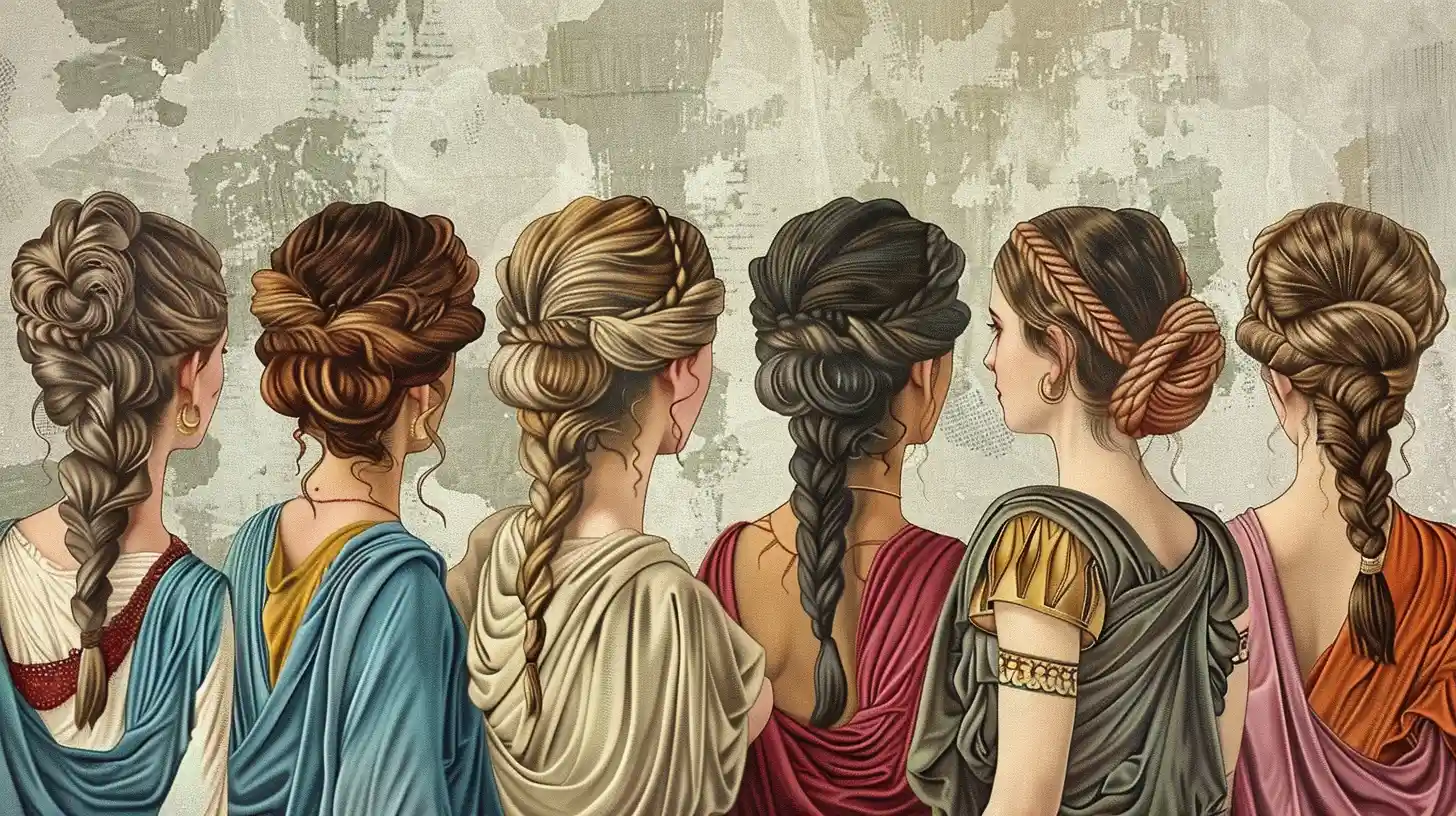
Hairstyles were an essential element of ancient Roman fashion, particularly for women, who often showcased their creativity and status through their hair.
Roman women typically wore their hair long and styled it in elaborate curls and updos, which were often adorned with intricate jewels and decorative hairpins.
MAKEUP WAS WIDELY USED BY ROMAN WOMEN

In ancient Rome, cosmetics were an important aspect of women’s beauty routines, with a particular emphasis on achieving a specific aesthetic ideal.
Roman women sought to create a complexion that featured pale skin, flushed cheeks, and bold, dark eyebrows.
To achieve these looks, they employed a variety of ingredients, including chalk to lighten the skin, lead-based products to create a smooth complexion, and saffron to add a subtle, warm glow to the cheeks and eyelids.
AS THE ROMAN EMPIRE EXPANDED, IT WAS INFLUENCED BY THE EAST
As the Roman Empire grew in size and influence, it inevitably came into contact with diverse cultures and civilizations, which had a significant impact on Roman fashion.
The conquest of new territories exposed Romans to novel materials and styles, such as the luxurious silk fabrics from China and the lightweight, breathable cotton textiles from India.
LAWS WERE ENACTED TO REGULATE THE CLOTHING WORN BY DIFFERENT SOCIAL CLASSES
The regulation of clothing through legal means was a practice employed in ancient Rome to maintain social hierarchies and control the display of wealth.
One notable example of such legislation was the Lex Oppia, enacted in 215 BCE during the Second Punic War.
This law placed restrictions on women’s attire, limiting the amount of gold they could wear and forbidding the use of multi-colored garments, which were seen as a sign of extravagance and excess.