3 min read
Few everyday products can claim roots in pre-Columbian traditions, connections to infamous military generals, or influence on sports. Yet the history of Chiclets spans all these domains. In this story, we’ll trace the key moments that transformed a natural tree sap into the most popular gummy treat on the planet.
ANCIENT ORIGINS MESOAMERICAN OF CHICLETS
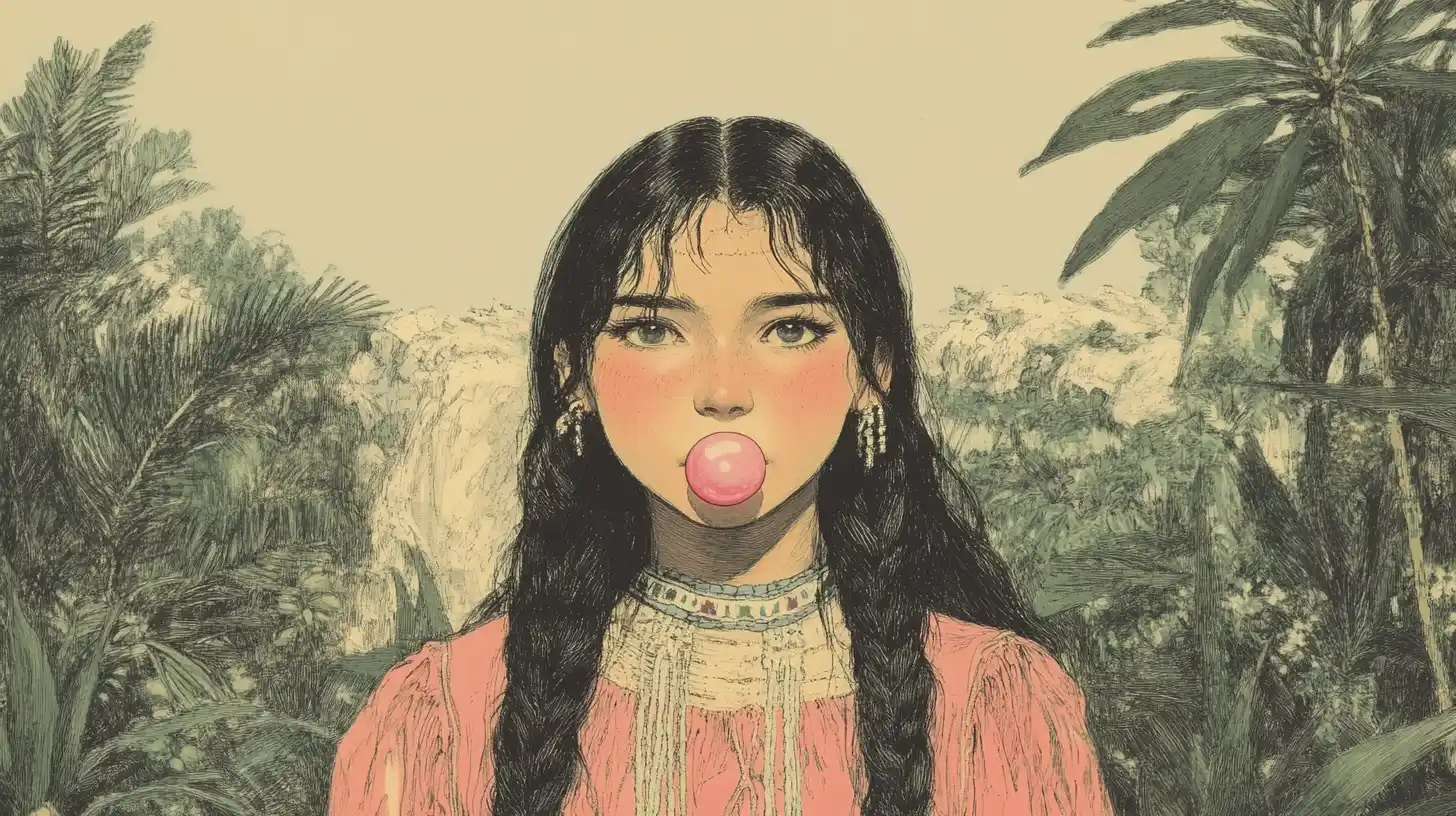
The ancient Mayans and Aztecs chewed chicle, a natural sap harvested from sapodilla trees. This was many centuries before modern chewing gum was a thing. The Aztec word “tzictli” (meaning “sticky stuff”) evolved into “chicle” in Spanish and eventually inspired the name “Chiclets.”
THE GENERAL’S FAILED RUBBER
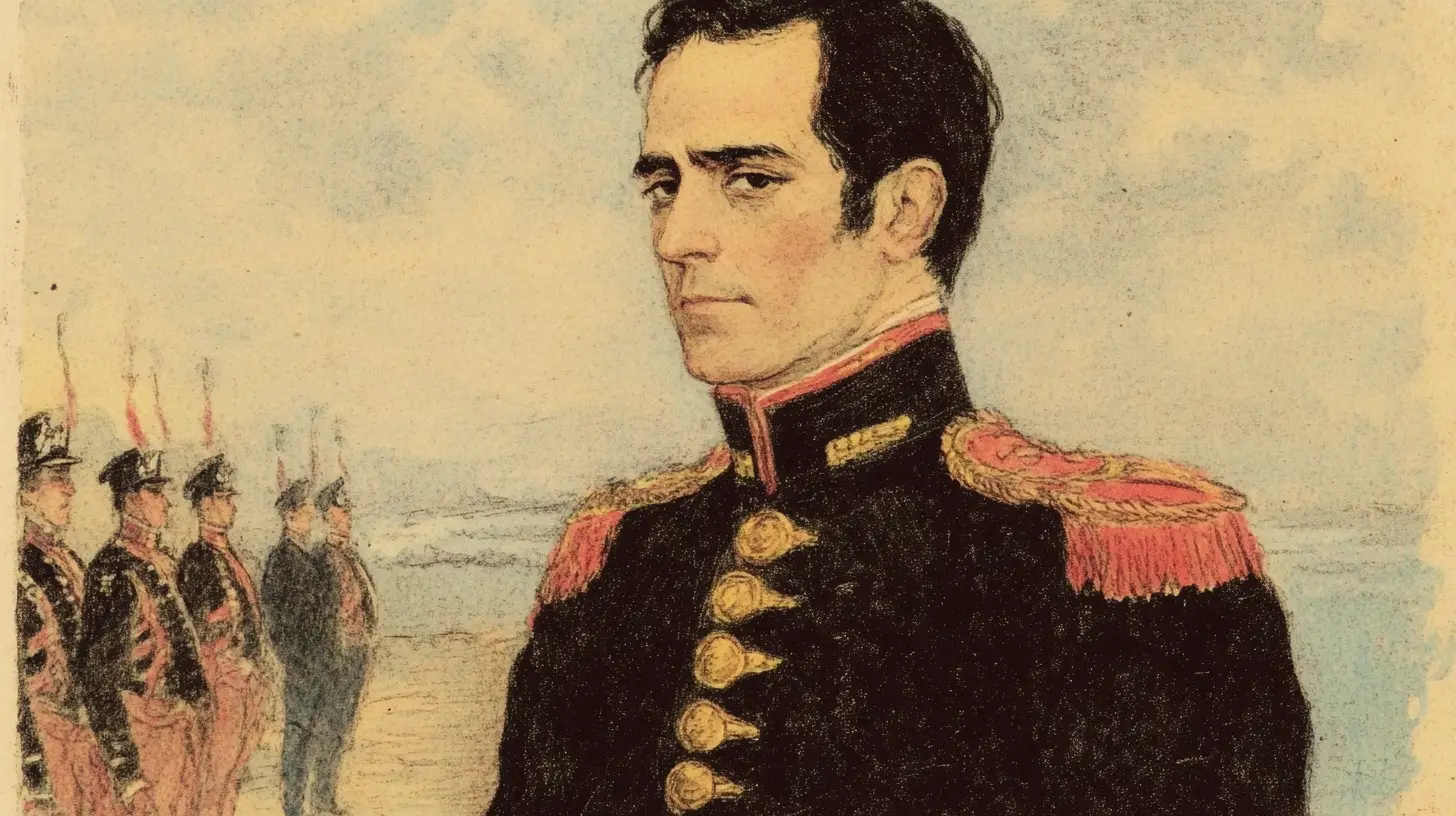
In the 1860s, exiled Mexican General Antonio López de Santa Anna brought chicle to New York, where he wanted to develop a rubber substitute. He teamed up with American inventor Thomas Adams. The plan failed spectacularly, but Adams continued to tinker with the compound, hoping to find new use cases.
ADAMS’ PIVOT TO GUM
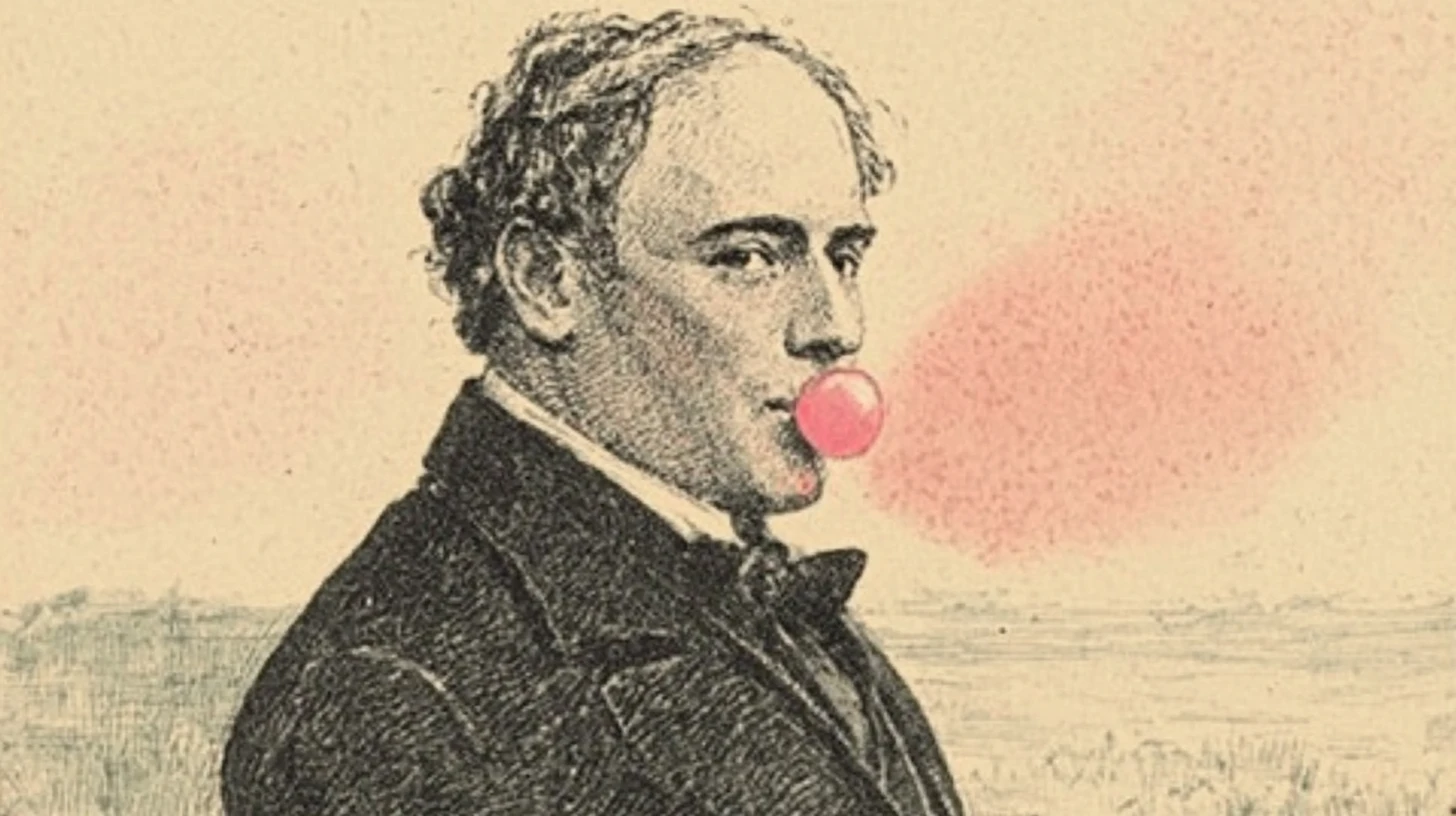
After failing to make viable rubber products from chicle, Thomas Adams noticed people enjoyed chewing it. In 1871, he patented the first gum-making machine and established the American Chicle Company in 1899. Finally, Adams consolidated other gum manufacturers to create his chewing gum empire, which also sold the licorice-flavored Black Jack.
THE CANDY SHELL
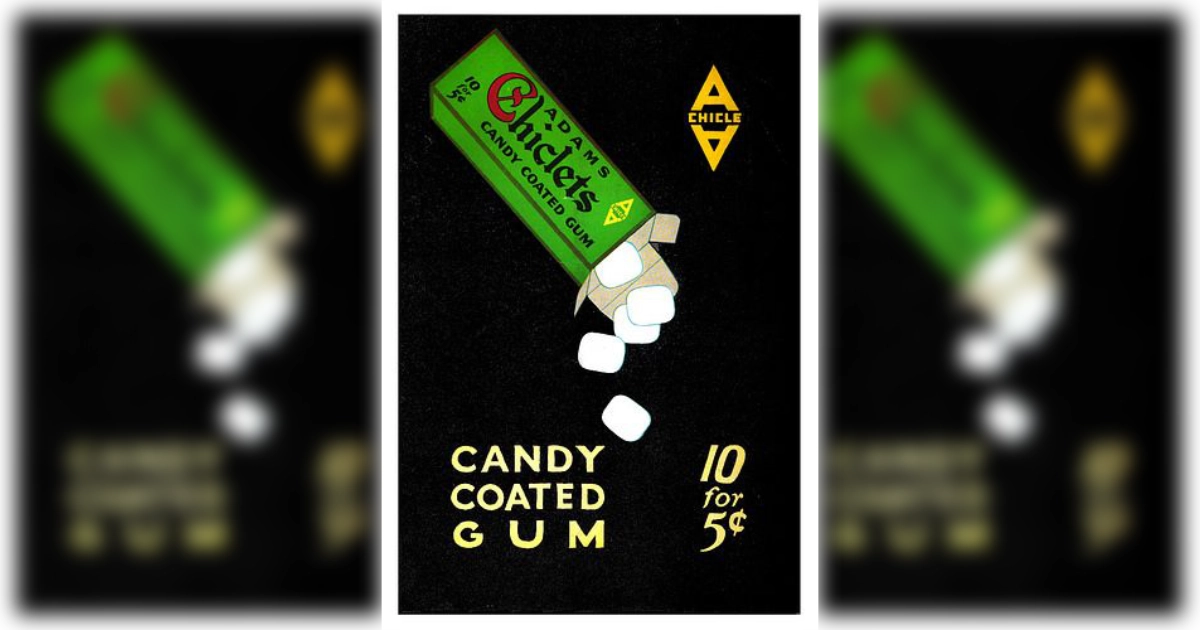
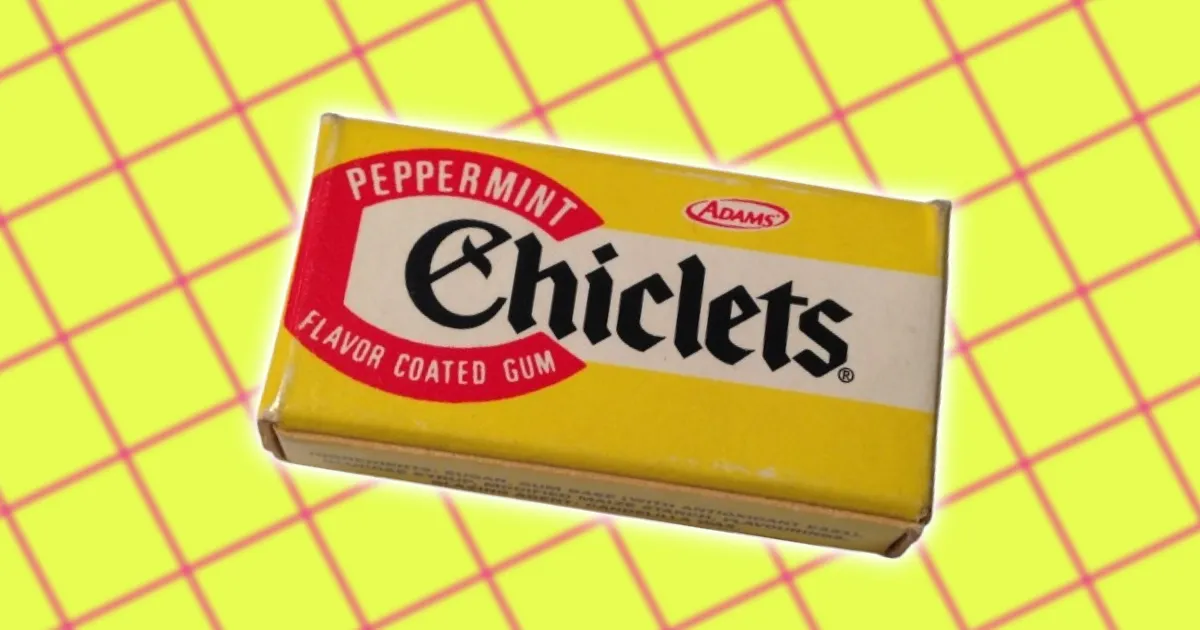
In 1900, Adams launched the Chiclets brand with their distinctive hard sugar coating. It was the first chewing gum that separated with a hard shell, distinguishing the product from other brands like Wrigley’s. The original flavor was peppermint, and it came in white squares. The iconic shape still stands to this day.
THE MULTI-FLAVOR EXPANSION
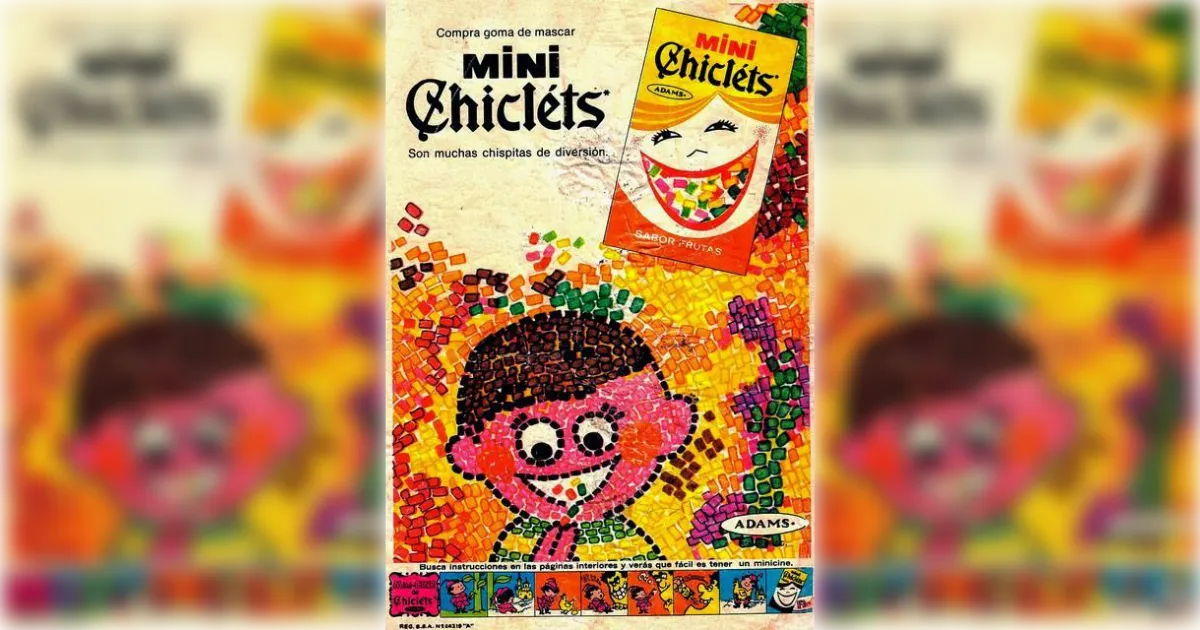
By the 1920s, Chiclets expanded beyond peppermint to include fruit flavors, each coated in vibrant colors like pink, yellow, orange, and green. The new flavors made them visually distinctive and appealing, particularly in vending machines, decades before Fruit Stripe painted stripes onto its sticks.
SPITTIN’ CHICLETS
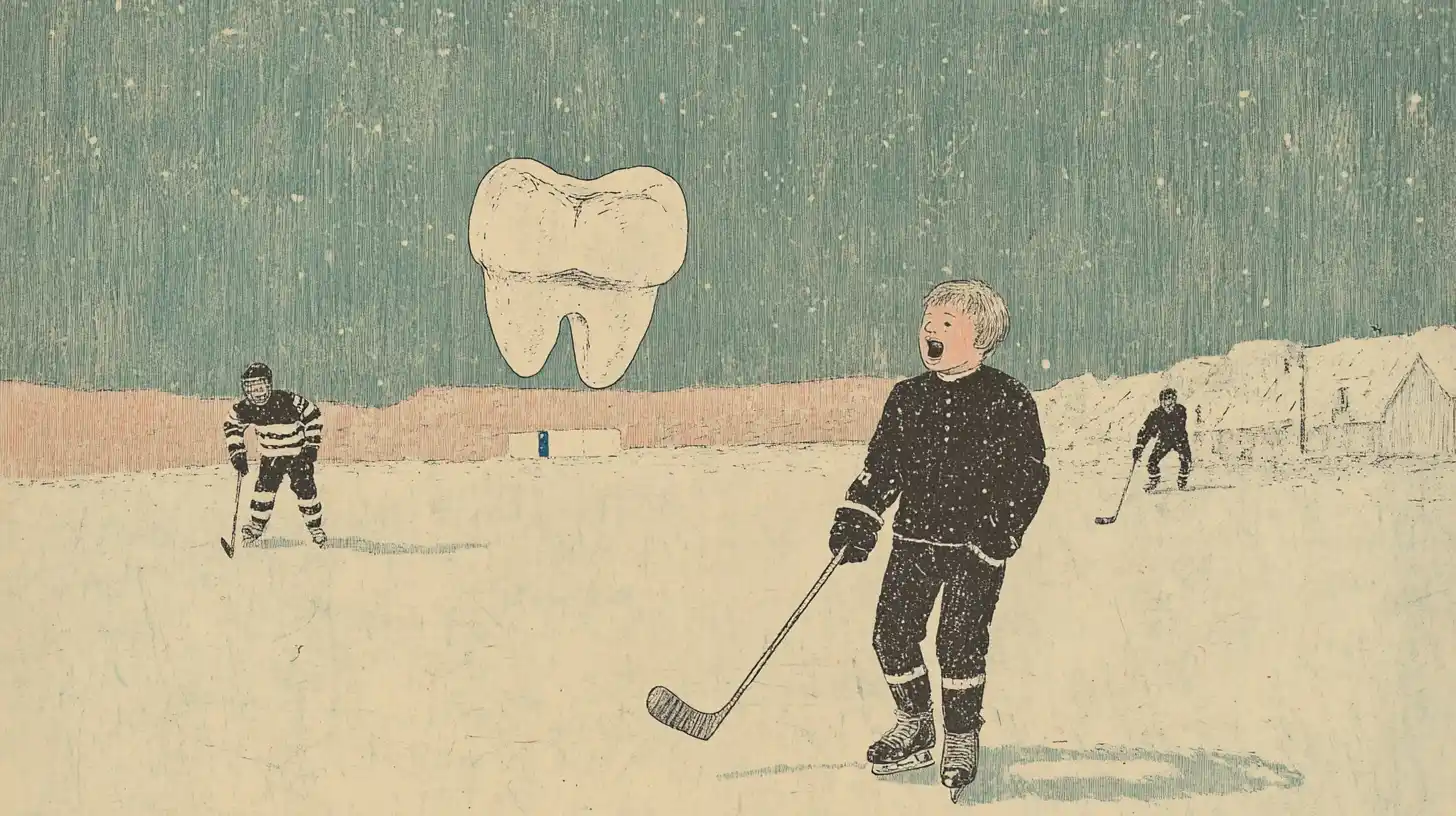
Chiclets eventually found themselves in pop culture, most notably in hockey. In ice hockey slang, “spittin’ chiclets” refers to players losing teeth during games, as the broken teeth resemble the square shape of the gum. The term later influenced the name of a popular hockey podcast named “Spittin’ Chiclets.”
FROM NATURAL TO SYNTHETIC

By the 1960s, the manufacturer of Chicles replaced natural chicle with synthetic rubber compounds, forever changing the formula. This shift made production cheaper and more consistent but severed its Mesoamerican origins.
MODERN CHICLETS
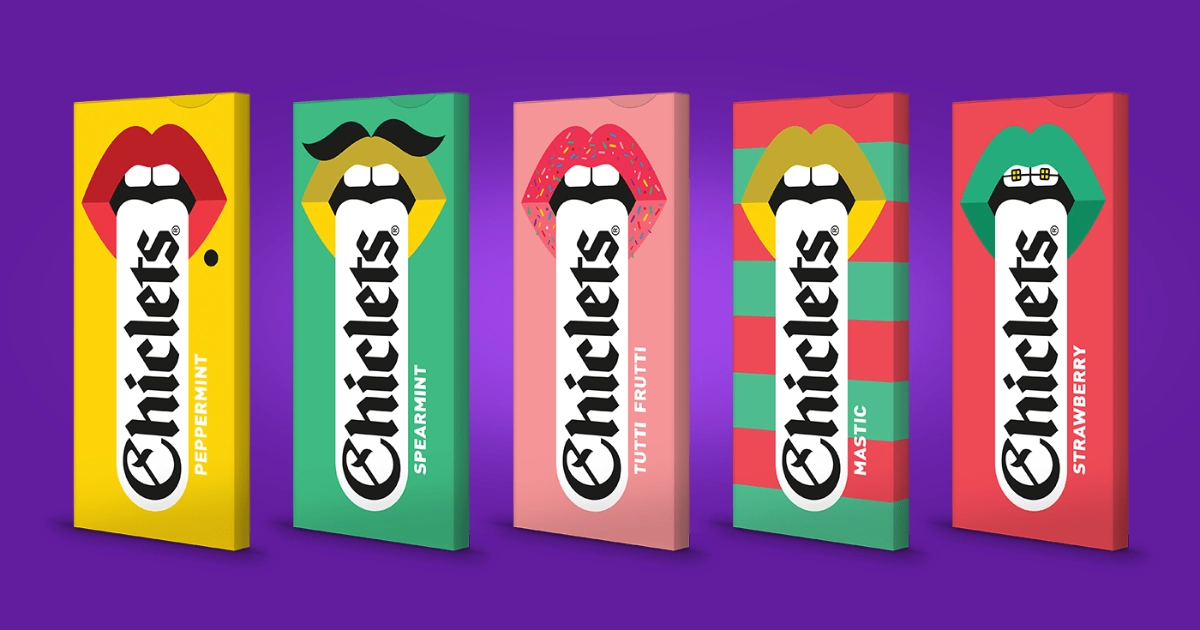
The brand has changed hands many times throughout the century. First, it was purchased by Warner-Lambert in 1962, then Pfizer in 2000, and Cadbury in 2003. Finally, it was purchased in 2010 by Mondelez International, which recently halted U.S. production in 2016. But Chiclets reappeared in 2019 as “Adams Chiclets,” manufactured in Mexico. In October 2023, the brand transferred to Perfetti Van Melle (makers of Mentos), which it currently calls home.