11 min read
In 1943, while World War II raged in Europe, Pedro Antonio Marcos Noriega started Sabritas in Mexico City.
His small snack company grew into a Mexican food industry giant,and PepsiCo bought it in 1966 — which is why Mexicans eat Sabritas where Americans eat Lay’s.
WHAT IS SABRITAS?
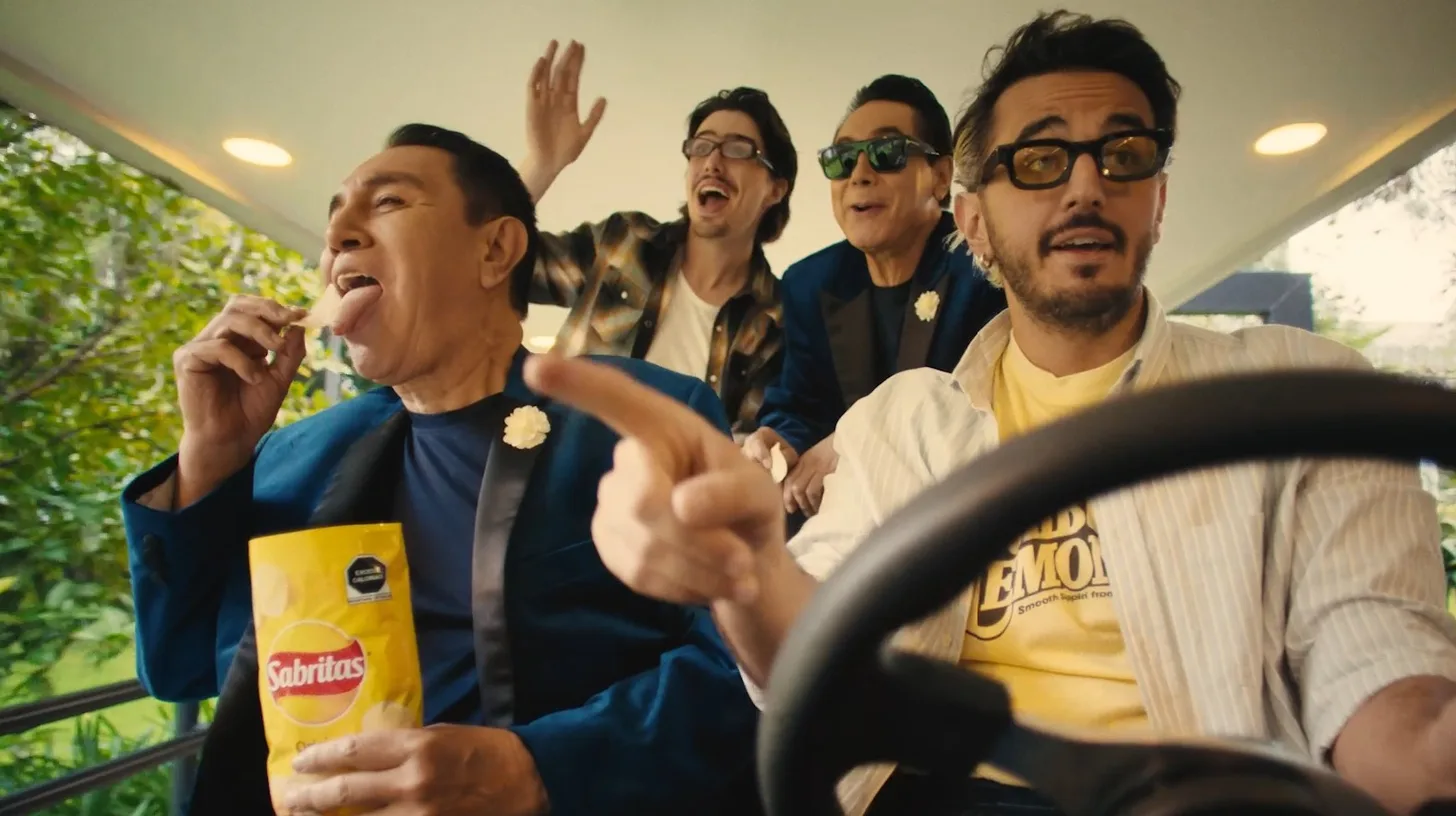
Sabritas is Mexico’s dominant snack-food brand — a PepsiCo subsidiary founded in Mexico City in 1943 that sells potato chips and snacks. It has held roughly 80% of the Mexican salty-snack market, a Forbes figure from 2012 that still holds up.
In Mexico, the brand is so ubiquitous that people informally use “sabritas” for any bag of chips, whatever the brand — closer to how Americans say “Kleenex” than an official rule.
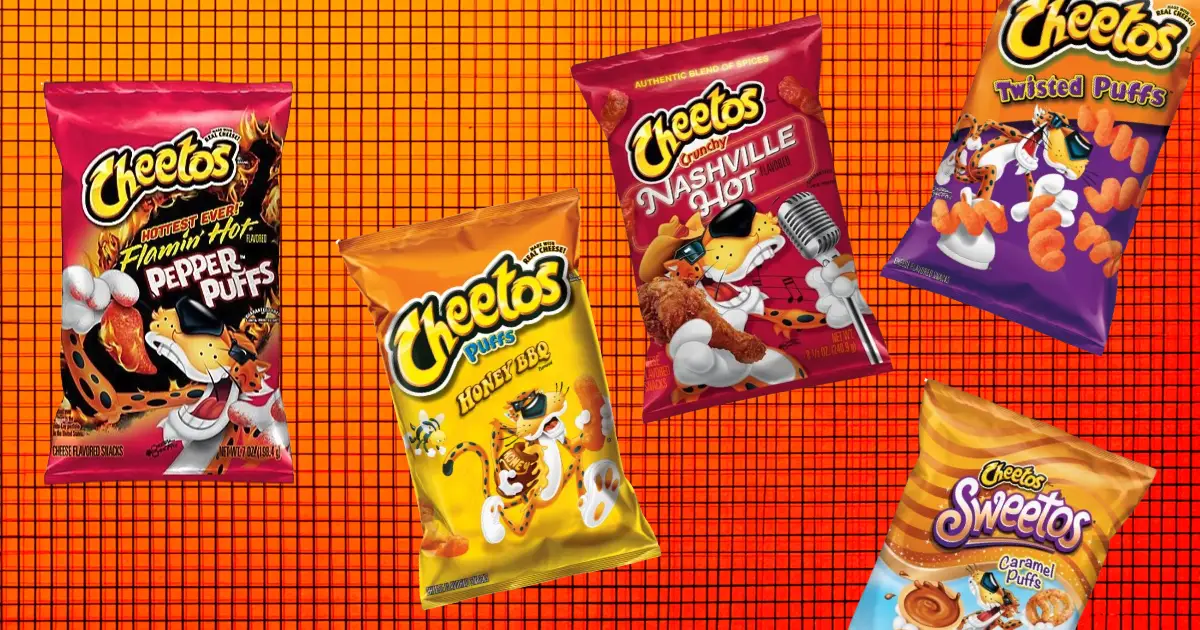
Sabritas sells its own chips plus the Mexican versions of Cheetos, Doritos, Ruffles, Fritos, and Lay’s.
ORIGINS OF SABRITAS
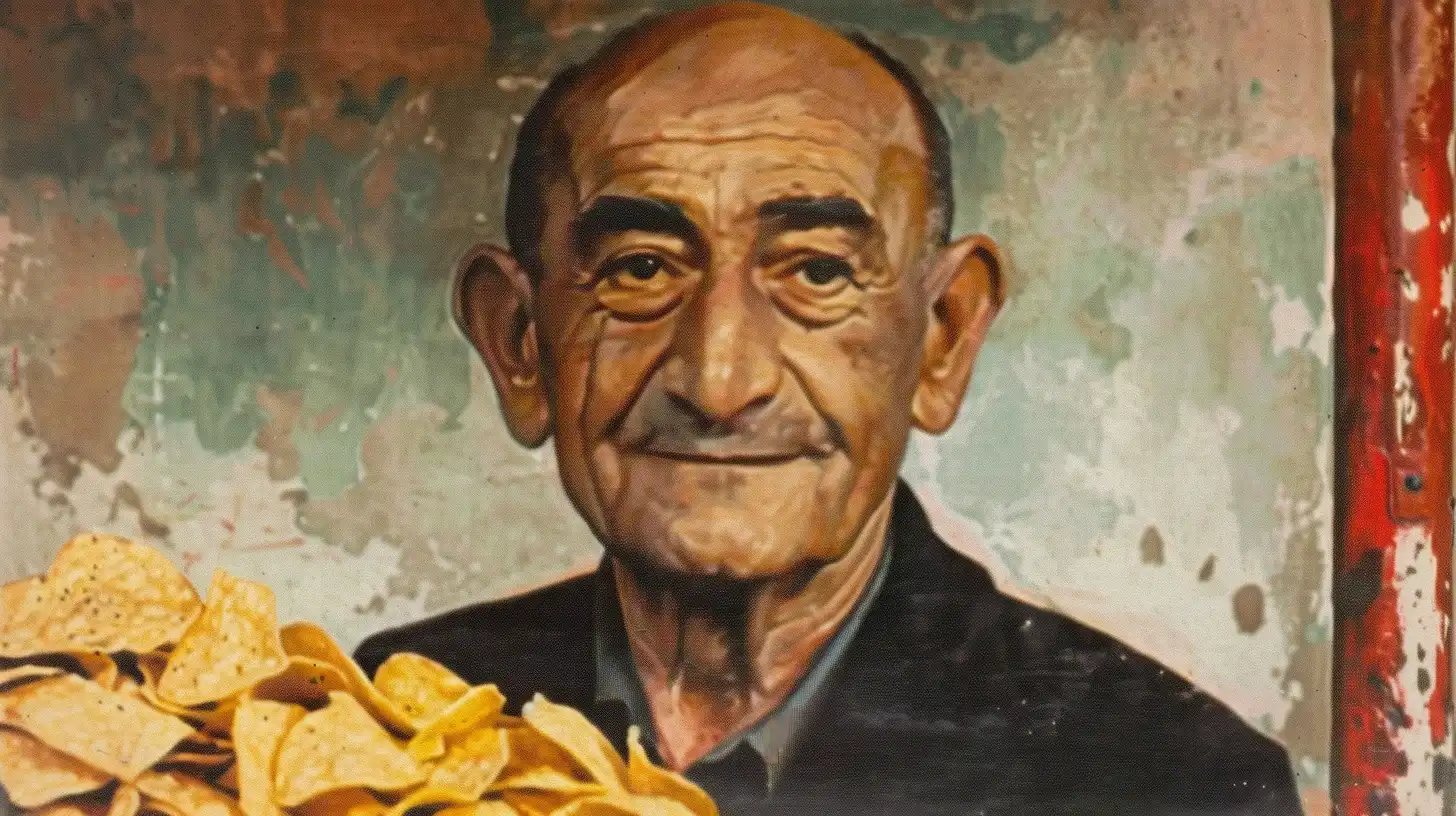
In 1943, Pedro Antonio Marcos Noriega founded a snack company in Mexico City.
He named itsomething close to Golosinas y Alimentos Selectos — sources disagree on the exact registration — before the snappier Sabritas took over.
Noriega and his wife Guadalupe started in the Tepito area of Mexico City’s Colonia Morelos — no documented street address survives — where he produced potato chips using local ingredients and basic equipment.
The company grew by selling to local shops in Mexico.
SABRITAS, IS A PLAY ON WORDS THAT MEANS “TASTY AND FRIED”
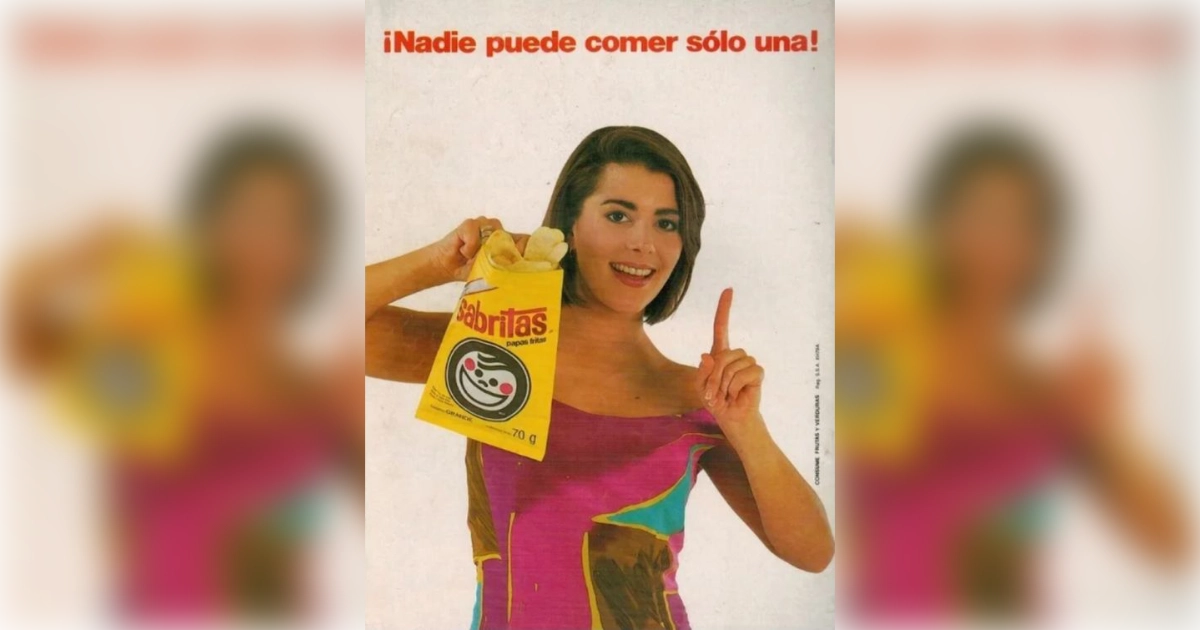
The name “Sabritas” combines two Spanish words: “sabrosas” (tasty) and “fritas” (fried).
Or in layman’s terms, fried, flavorful snacks.
The name was reportedly proposed by the founder’s son, Guillermo Noriega, who would later run the company.
INITIALLY, SABRITAS RELIED MOSTLY ON A BICYCLE-BASED DISTRIBUTION NETWORK
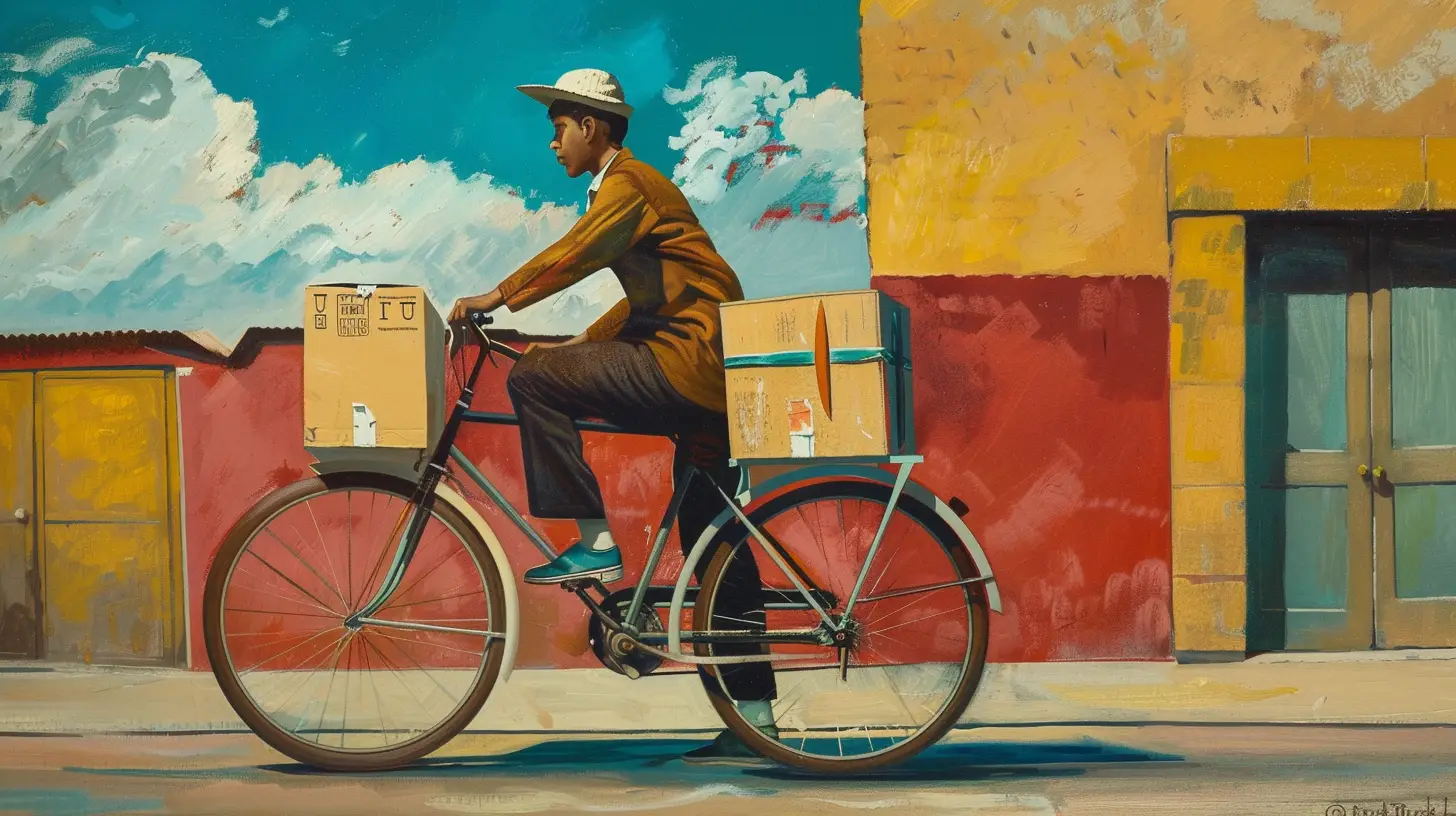
Sabritas’ early distribution was mostly bicycle-based.
Pedro Marcos Noriega himself pedaled the first deliveries around Mexico City, hawking homemade chicharrones, fried potatoes, muéganos, and peanuts from wicker baskets and bags.
The operation stayed family-run until Pedro’s death in 1963, when son Guillermo took over and pushed national expansion.
IN 1966, SABRITAS WAS ACQUIRED BY PEPSICO
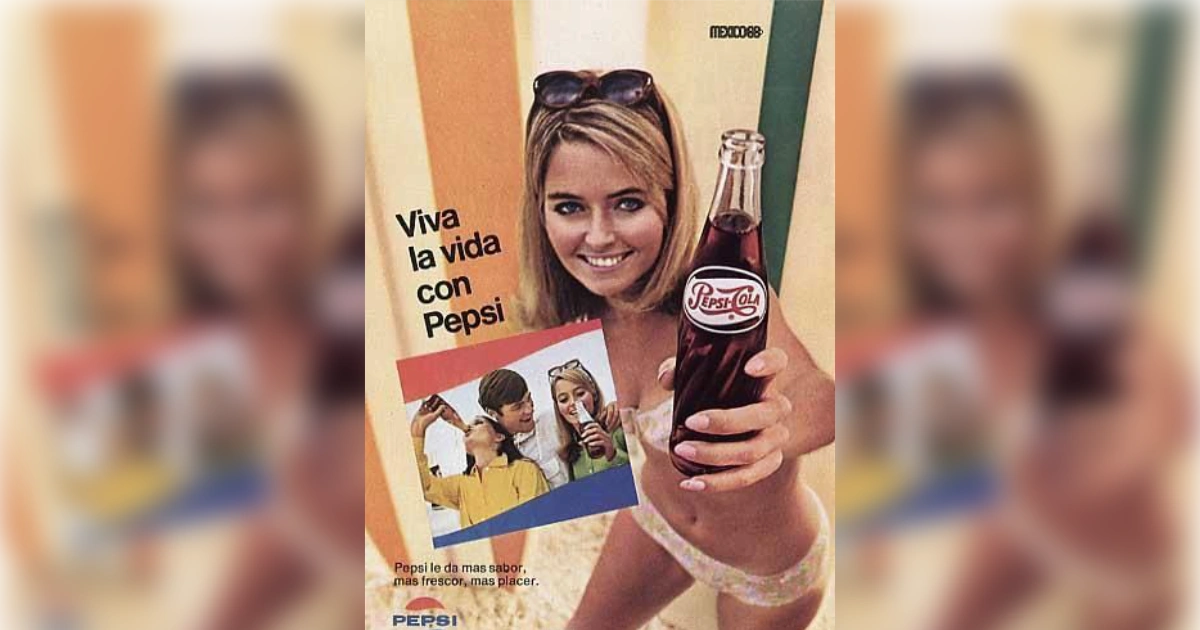
PepsiCo bought Sabritas in 1966, one year after merging with Frito-Lay.
The purchase reshaped Mexico’s snack industry.
Family lore says Guillermo Noriega agreed to the deal on one condition: PepsiCo kept the Sabritas name and its Mexican identity.
Under PepsiCo’s ownership, Sabritas upgraded its factories with modern equipment and expanded its distribution network.
Delivery trucks reached more stores.
New packaging machines improved product freshness.
Sales teams grew from dozens to hundreds.
In 1968, Sabritas opened its first true production plant in Mexico City’s Vallejo industrial zone — it still runs today.
The acquisition helped Sabritas dominate Mexico’s snack market.
The company turned small corner shops into reliable sales channels and equipped large supermarkets with dedicated display racks.
WHY IS LAY’S CALLED SABRITAS IN MEXICO?
Sabritas and Lay’s are the same operation under PepsiCo. Sabritas is the brand under which Frito-Lay’s chips are sold in Mexico, just as they’re Walkers in the UK and Margarita in Colombia.
Sabritas predated PepsiCo’s ownership by 23 years and already had the brand equity in Mexico, so PepsiCo kept the local name rather than rebrand — the reverse of a typical acquisition playbook.
The flavor lineups differ too: Sabritas leans into limón, adobadas, and chile-limón for Mexican palates, options Lay’s doesn’t sell north of the border.
THE SABRITAS LOGO: HISTORY OF THE SMILEY FACE
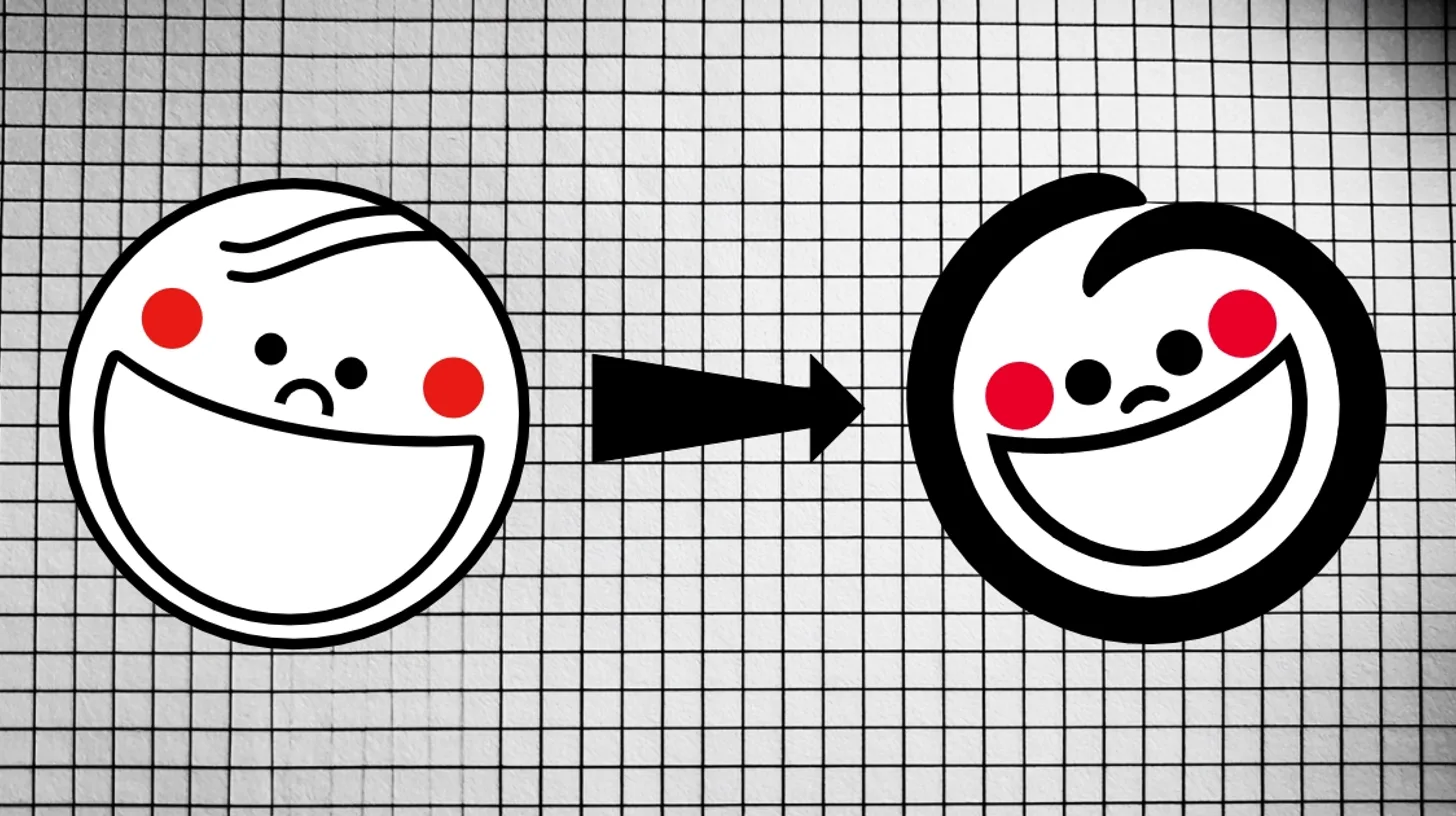
The Sabritas logo is a smiling face named Oscar, introduced in 1958 — five years before Harvey Ball drew the yellow smiley the world knows.
The mark has been redrawn five times in seven decades:
| Year | Change | Detail |
|---|---|---|
| 1958 | Oscar debuts | White face, yellow field |
| 1968 | Features thickened | Bolder, heavier redraw |
| 1987 | Landor Associates redesign | Bigger eyes, smaller mouth |
| 1997 | Smiley dropped | Red band, gold circle |
| 2026 | PepsiCo Design refresh | Yellow sun, red ribbon |
The 1997 version buried Oscar entirely, trading the face for a Lay’s-style red band that made the Mexican brand look like its American sibling. The February 2026 refresh walked some of that back, keeping the sun and ribbon as an homage to the potato and the Mexican countryside.
Sabritas also had its own catchphrase: “A que no puedes comer sólo una” (“Bet you can’t eat just one”) became inescapable in Mexico in the 1980s — the same dare, different language, as Lay’s famous American slogan.
IN 2000, SABRITAS WAS CAUGHT IN THE STARLINK CORN RECALL
In September 2000, food testing revealed Starlink corn in Taco Bell taco shells made by Sabritas.
Starlink, a genetically modified corn strain, contained a bacterial protein designed to kill crop-destroying insects.
The EPA had approved Starlink only for animal feed due to concerns about potential allergic reactions in humans.
Kraft Foods recalled every Taco Bell-branded taco shell in American supermarkets on September 22, 2000 — Sabritas had made them under contract at its Mexicali plant.
Testing showed Starlink DNA in shells made at Sabritas’ plant in Mexicali, Mexico.
The corn came from a Texas mill that had let StarLink mix into food-grade supply. The fallout ran for years: a $60 million settlement with Taco Bell franchisees in 2001 and roughly $100 million more to corn farmers by 2003.
TODAY, SABRITAS IS THE BRAND UNDER WHICH PEPSICO MARKETS FRITO-LAY PRODUCTS IN MEXICO
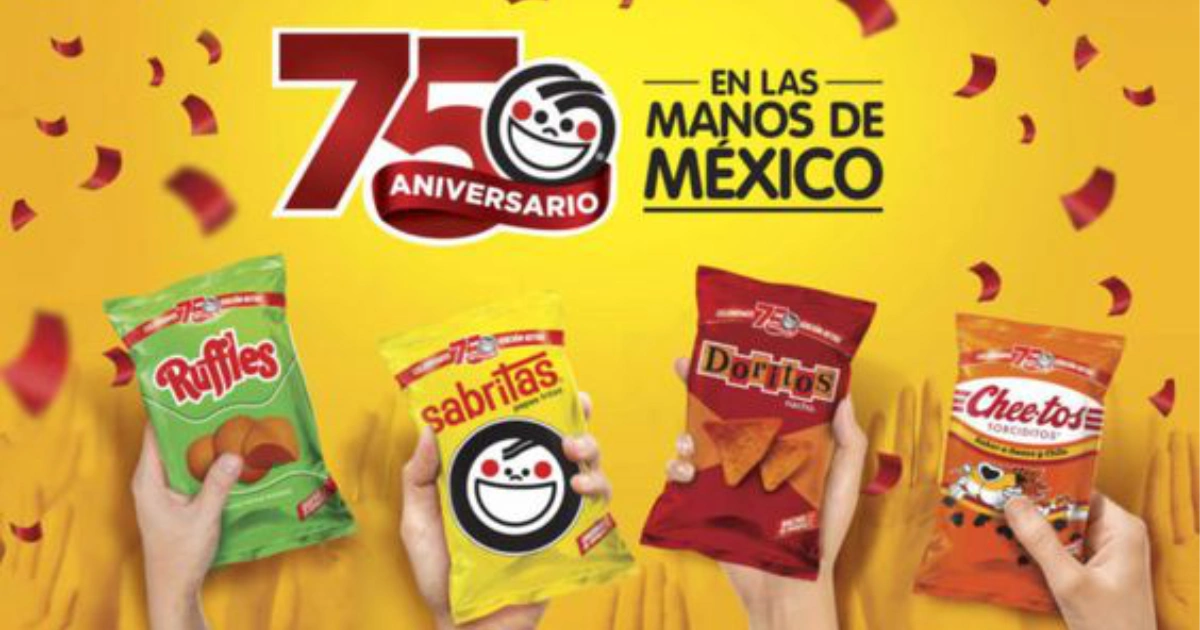
Today, Sabritas manages PepsiCo’s snack brands in Mexico.
The company sells four main products:
Plus the big one: Lay’s-style potato chips themselves, sold under the Sabritas name.
These snacks fill Mexican grocery stores, corner shops, and street vendor carts.
When customers buy these products in Mexico, they see the red Sabritas logo rather than the Frito-Lay.
SABRITAS ALSO HAS ITS OWN LINE OF POTATO CHIPS & SEVERAL LOCAL PRODUCTS
Sabritas also manufactures PepsiCo’s international snacks in Mexico while developing snacks specifically for Mexican consumers.
Their potato chips snap with a distinct crackle and come in flavors like chile-limón and jalapeño.
The company’s Mexican-specific product line includes:
- Crujitos: corn strips that crunch like fresh tortilla chips
- Poffets: airy corn puffs that dissolve on contact with saliva
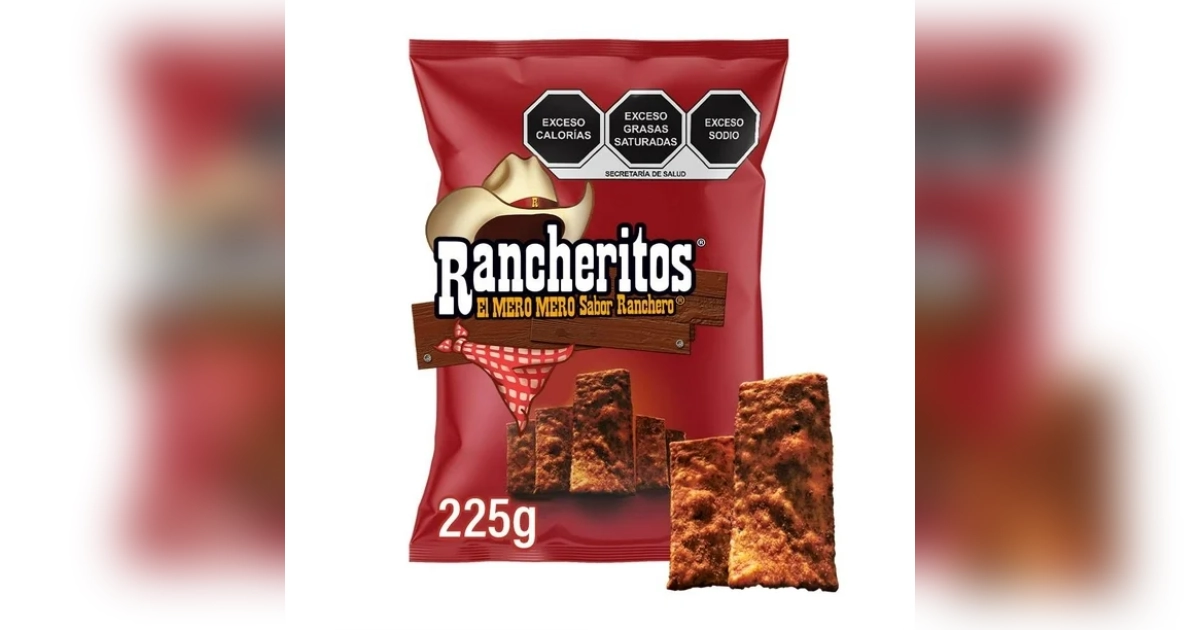
- Rancheritos: corn chips dusted with chile, lime, and salt that taste like street corn
- Sabritones: wheat crisps the size of a thumbnail that pack concentrated heat and salt
ICONIC SABRITAS FLAVORS, FROM TURBOS FLAMAS TO JAPANESE PEANUTS
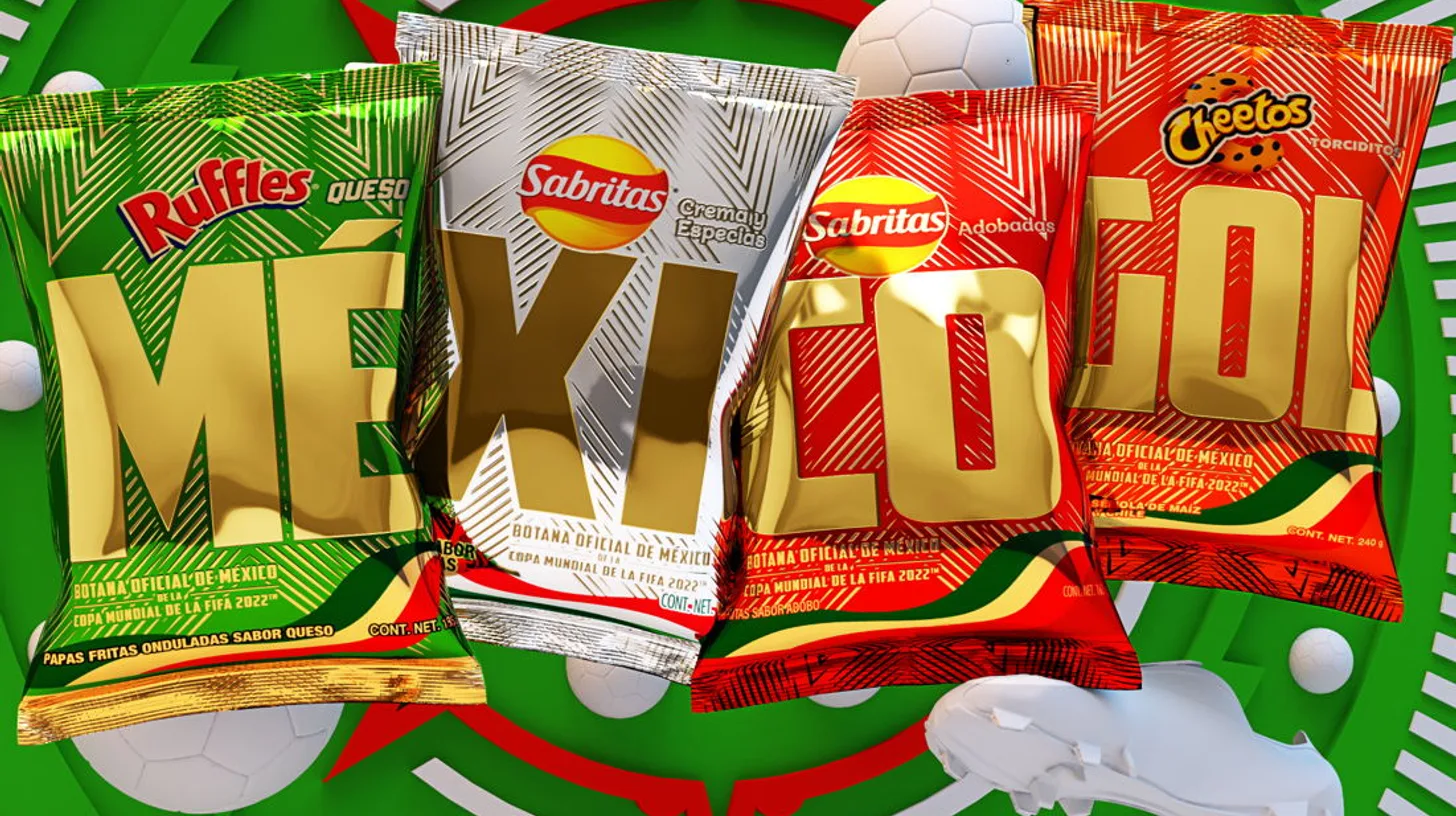
Sabritas’ most-hunted flavors are Turbos Flamas, Sabritas Habanero, and the purple-bag Adobadas.
| Item | What it is | Notable for |
|---|---|---|
| Turbos Flamas | Spicy corn twists | Cult-favorite heat |
| Sabritas Habanero | Habanero potato chips | Slow-building burn |
| Sabritas Adobadas | Adobo-spiced chips | Called “las moradas” |
| Sabritas Limón | Lime potato chips | Everyday flavor staple |
| Flamin’ Hot | Cheetos-style heat | Shared US/MX branding |
| Cacahuates Japoneses | Japanese-style peanuts | Immigrant-invented snack |
| Fiesta Mix | Assorted snack blend | Party-size bags |
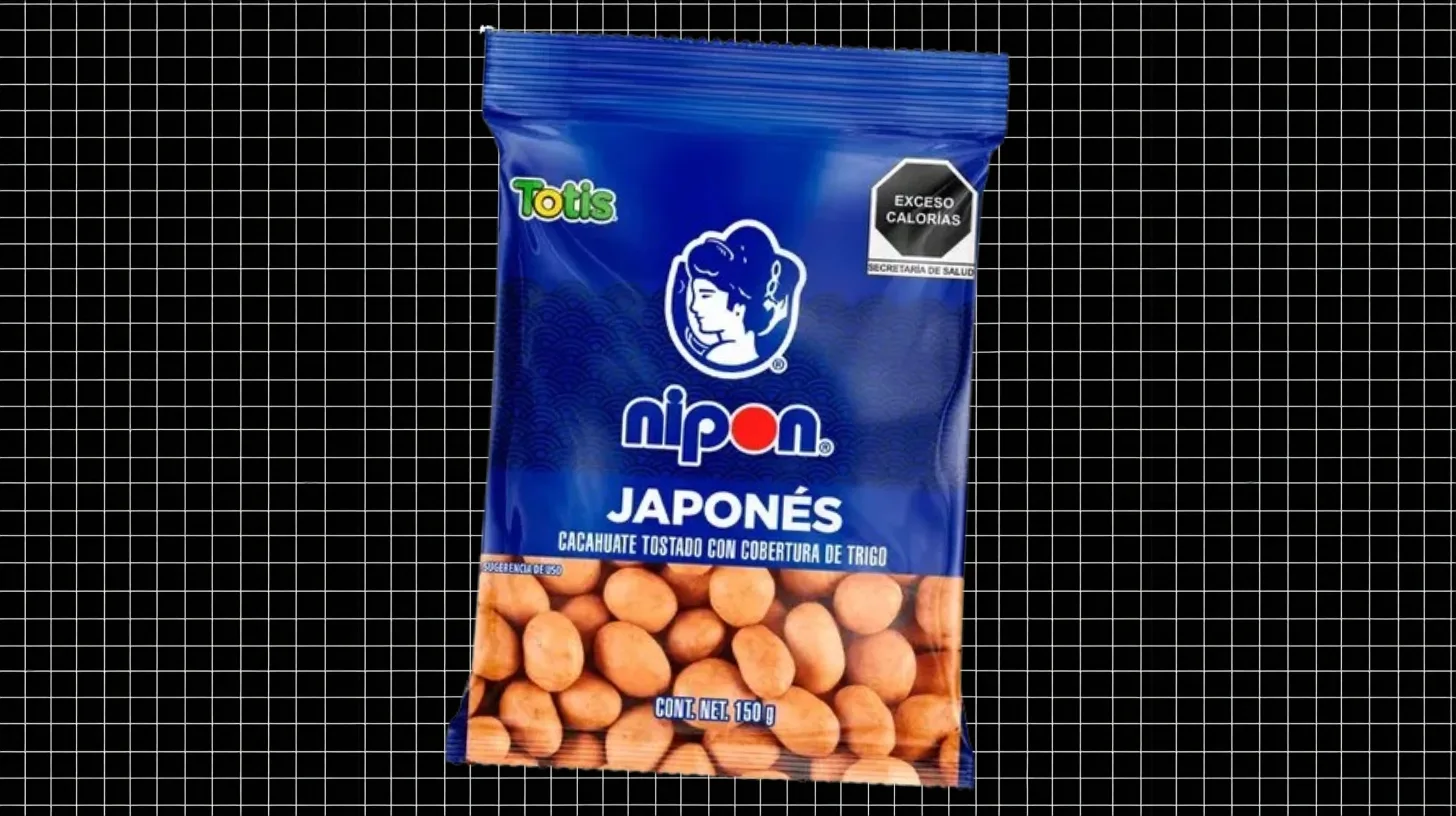
The Japanese peanuts have a real history, and it’s not Sabritas’. Yoshihei Nakatani, a Japanese immigrant, invented them in 1940s Mexico City near La Merced market, adapting mamekashi with a wheat-flour and soy-sauce shell after WWII-era closures cost him his job. His family sold them under the brand Nipón — Sabritas came later, with its own commercialized version.
Americans who grew up near a Mexican grocery still hunt these bags down, searching “sabritas mexican chips” for imports their local supermarket doesn’t stock.
THE COMPANY CONTROLS AROUND 80% OF THE MEXICAN SNACKS MARKET
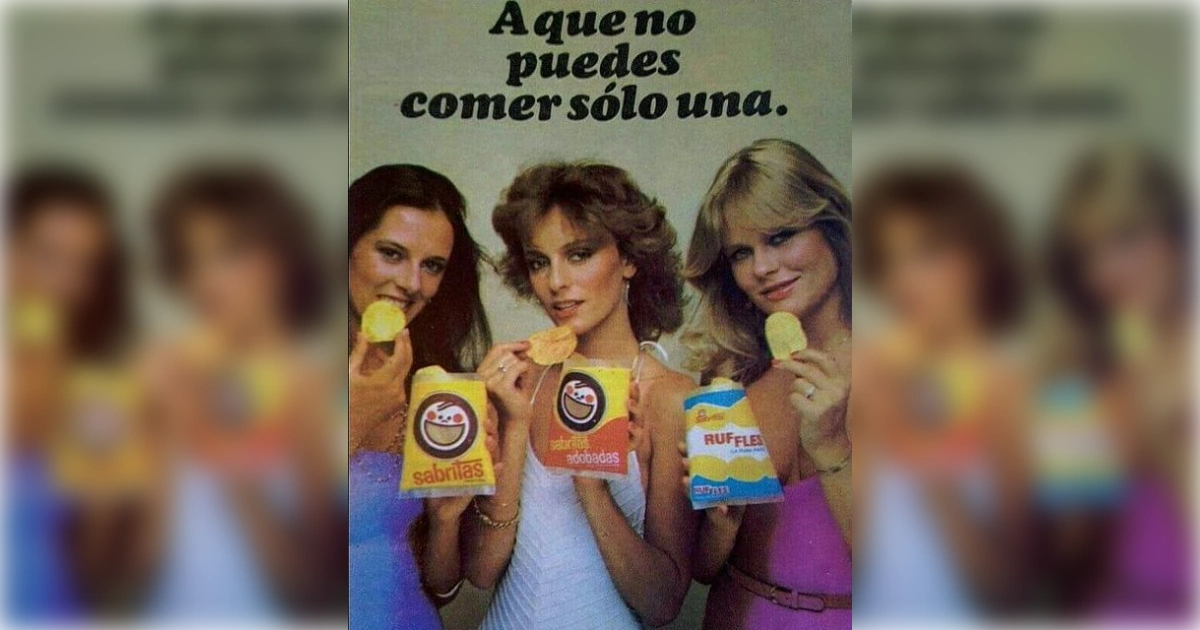
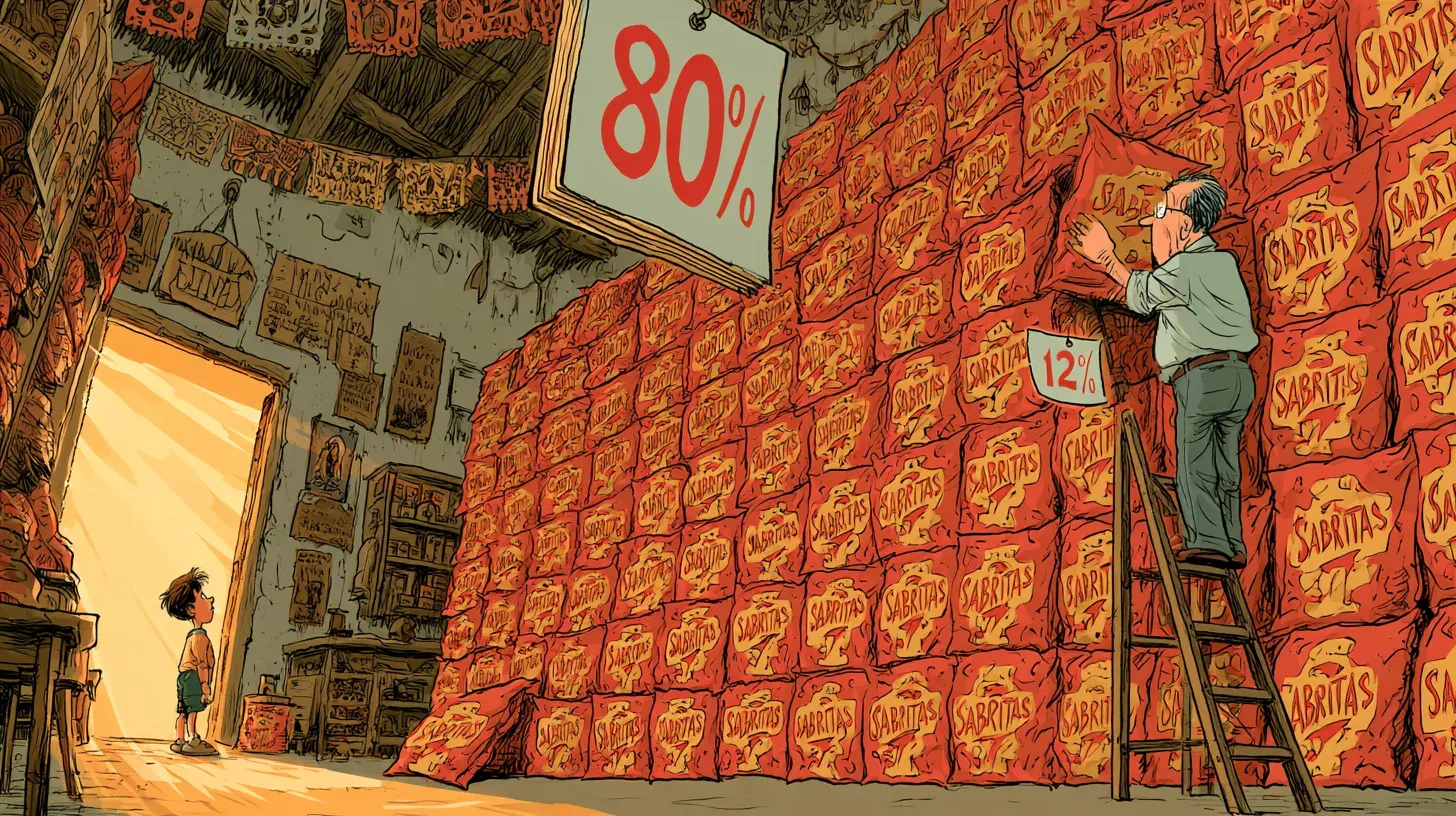
Sabritas controls roughly 80% of Mexico’s salty-snack market — a share it has defended for decades. Forbes put it at 80% versus Barcel’s 12% back in 2012, and trade coverage still pegs it near 80% today.
The real numbers: around 15 plants and roughly 300 distribution routes as of the mid-2010s. Sabritas is also Mexico’s biggest industrial potato buyer, taking in around 350,000 tons a year — roughly a fifth of the national crop — from more than 40,000 farmers.
Barcel exists because Grupo Bimbo passed on buying Sabritas when it had the chance. Co-founder Roberto Servitje admitted it plainly: “Nos ofrecieron Sabritas y no la compramos, desgraciadamente” — “They offered us Sabritas and, unfortunately, we didn’t buy it.” Bimbo built Barcel from scratch in the late 1970s instead, and its Takis, born in 1999, became Sabritas’ only real headache.
Sabritas has successfully woven itself into Mexico’s daily snacking habits, from school lunchboxes to workplace break rooms.
SABRITAS IN THE 2020s: LOSING CHESTER, GAINING A MEGAPLANT
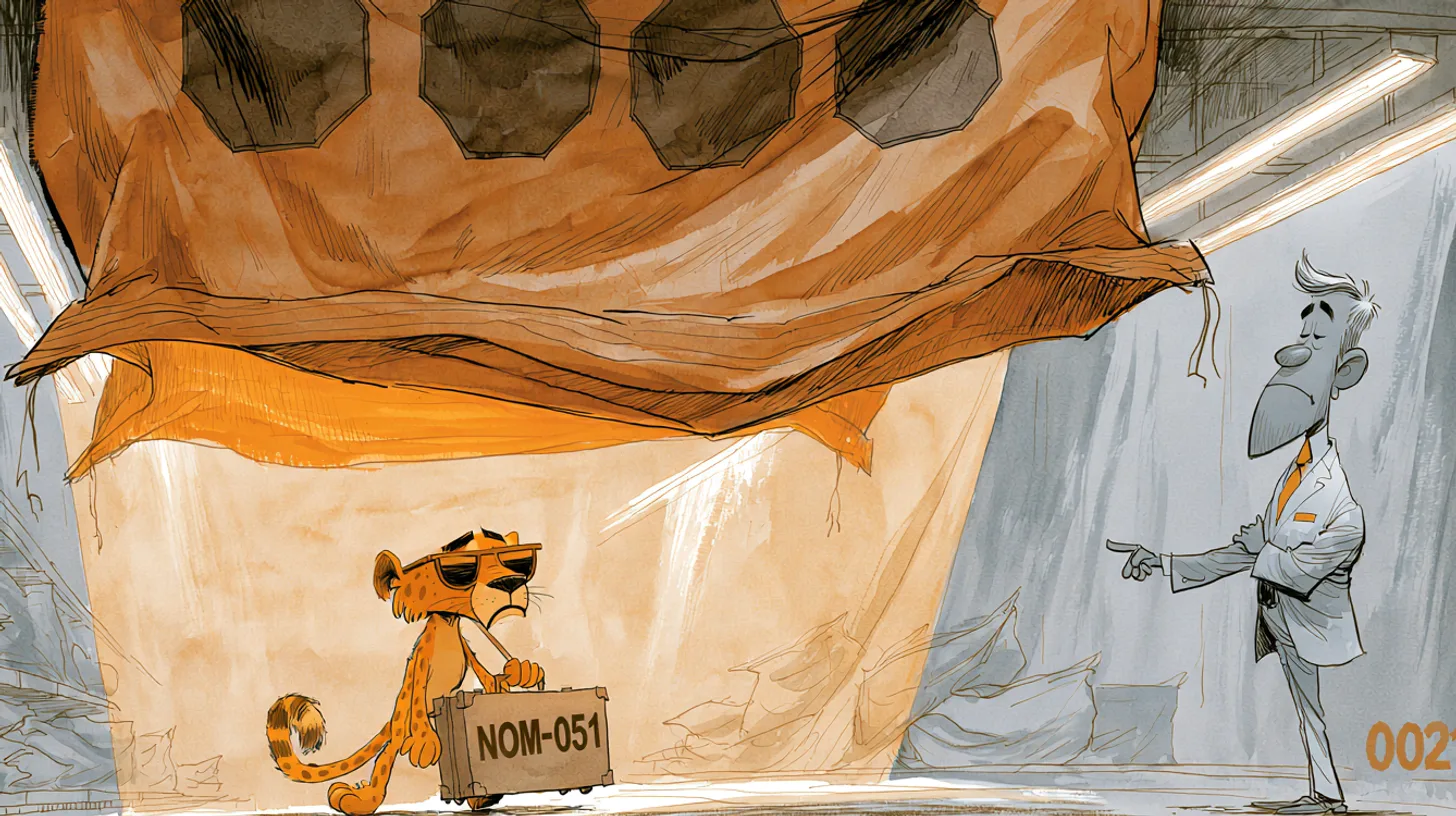
Mexico’s NOM-051 labeling law, effective October 2020, banned cartoon mascots on junk food carrying warning seals. Chester Cheetah vanished from Sabritas’ Cheetos bags in Mexico by 2021 — a mascot purge unthinkable in the US.
In 2023, Sabritas marked its 80th anniversary with a nostalgia campaign, “Las de ayer, hoy y siempre,” fronted by Los Ángeles Azules.
In March 2026, PepsiCo opened a US$467 million Sabritas plant in Celaya, Guanajuato — its first from-scratch Mexican plant in more than 20 years, part of a US$2 billion investment running through 2028.
SABRITAS FAQ
Did Frito-Lay buy Sabritas?
No. PepsiCo bought Sabritas in 1966, a year after Pepsi merged with Frito-Lay. Sabritas became the sister brand that sells Frito-Lay products in Mexico, rather than a Frito-Lay acquisition itself.
Does PepsiCo own Sabritas?
Yes. Sabritas has been a wholly owned PepsiCo subsidiary since 1966, run under the Frito-Lay division alongside PepsiCo’s other snack brands.
What is Sabritas in English?
Roughly “tasty and fried,” a blend of the Spanish words “sabrosas” and “fritas.” There’s no direct English equivalent name — the closest US counterpart brand is Lay’s.
What do Mexicans call potato chips?
Papas fritas, or just papas, is the formal term. Colloquially, “sabritas” serves as the generic word for any bag of chips, regardless of brand — a Kleenex-style genericization born from the company’s market dominance.