7 min read
From the first steps on the Moon to the launch of groundbreaking telescopes, the most iconic moments in space history have captivated humanity’s imagination and pushed the boundaries of our understanding of the cosmos.
SPUTNIK 1 LAUNCH (1957)
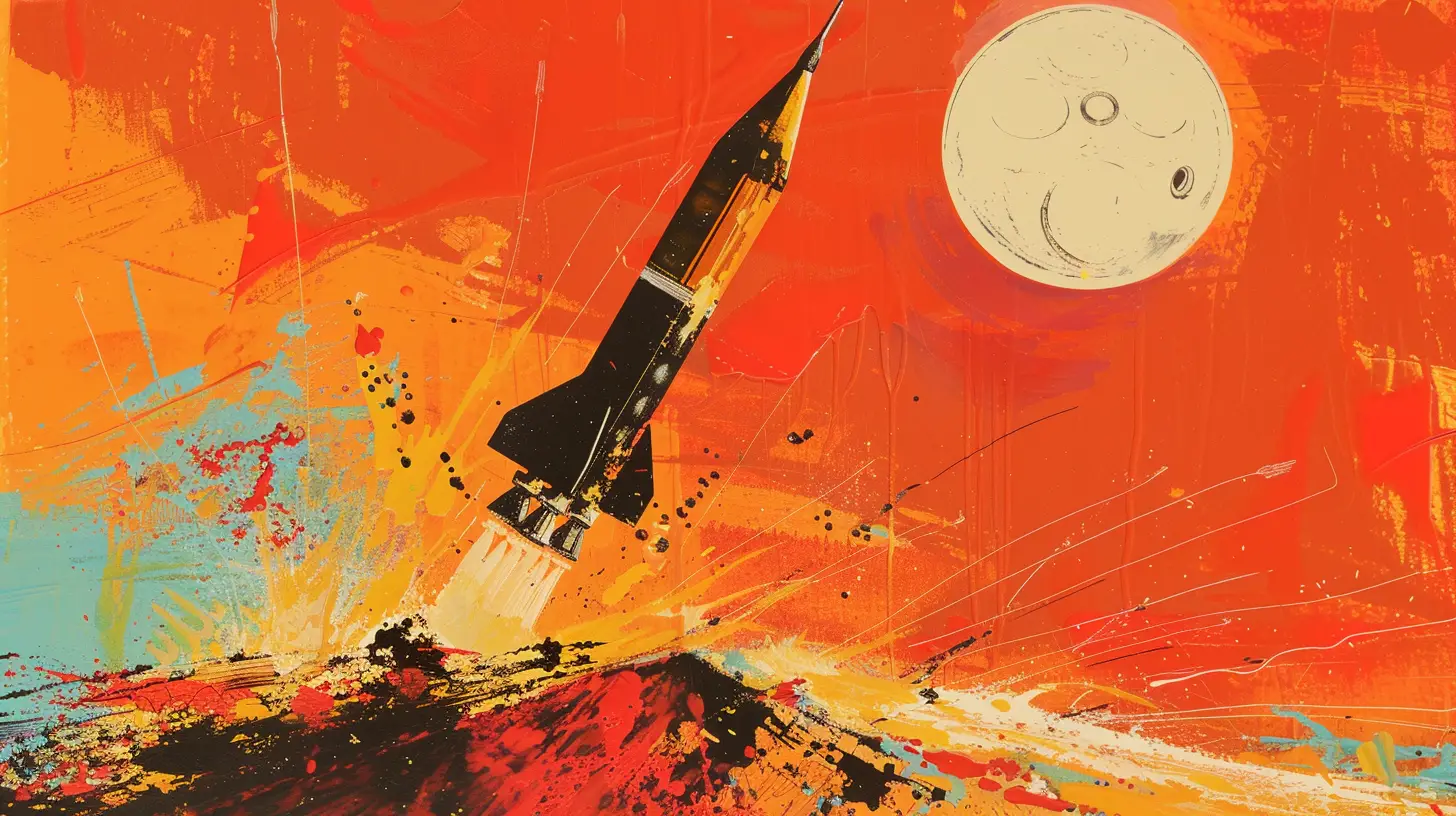
On October 4, 1957, the Soviet Union launched Sputnik 1, the world’s first artificial satellite, igniting the Space Race and causing widespread anxiety in the United States.
Perhaps most surprisingly, the beeping sounds from Sputnik’s radio transmitter were first rebroadcast to the American public not by a major network, but by students at Columbia University’s amateur radio station who picked up the signal and played it over their college FM station.
FIRST HUMAN SPACEFLIGHT (1961)
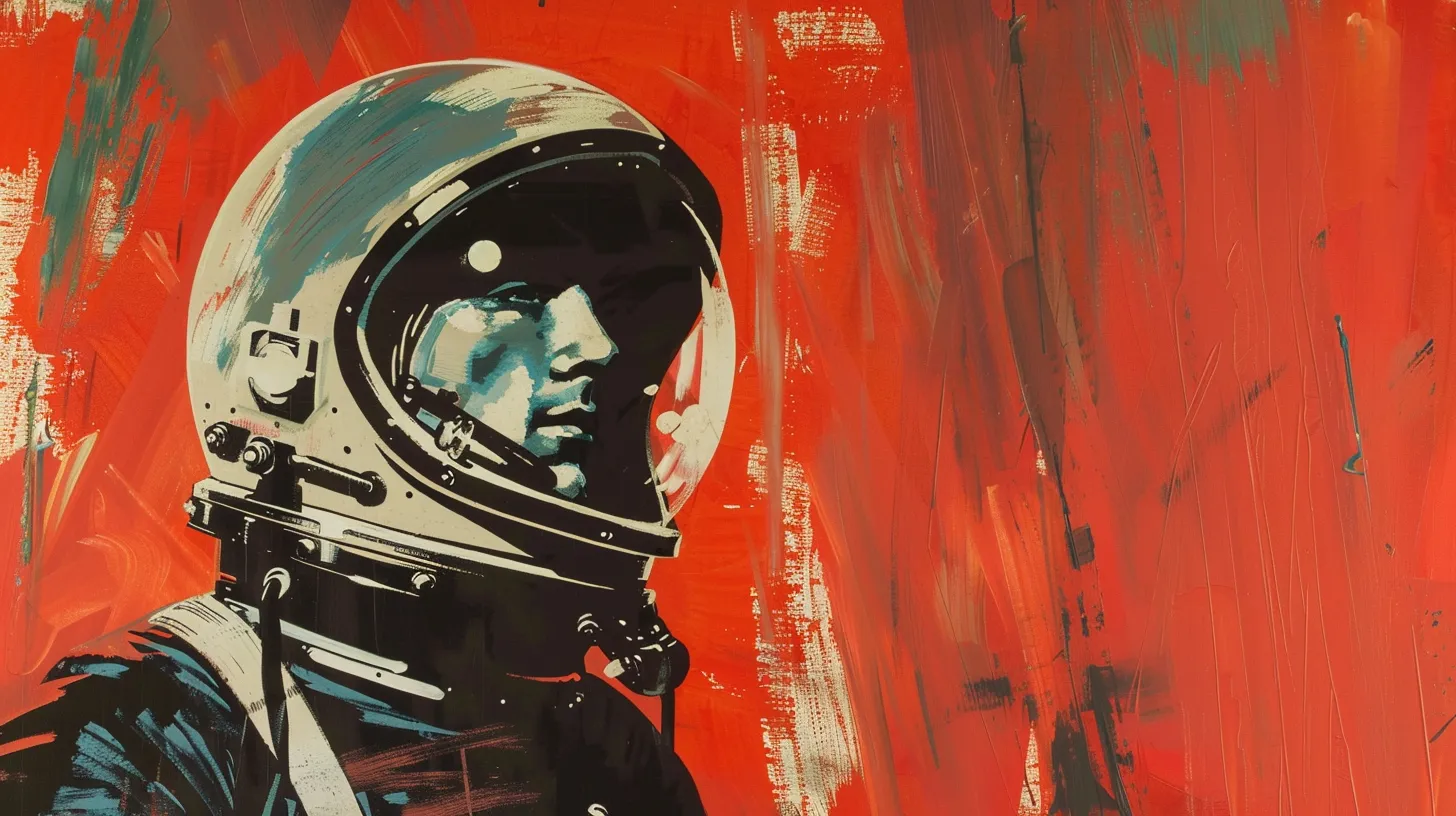
Yuri Gagarin, a Soviet cosmonaut, became the first human to journey into outer space on April 12, 1961, completing one orbit of Earth in 108 minutes aboard Vostok 1.
In the depths of Cold War secrecy, Gagarin had to parachute out of his capsule before landing to maintain the fiction that he had landed inside the spacecraft, as the Soviets feared his flight records wouldn’t be recognized if he didn’t land with the craft.
JOHN GLENN’S ORBITAL FLIGHT (1962)
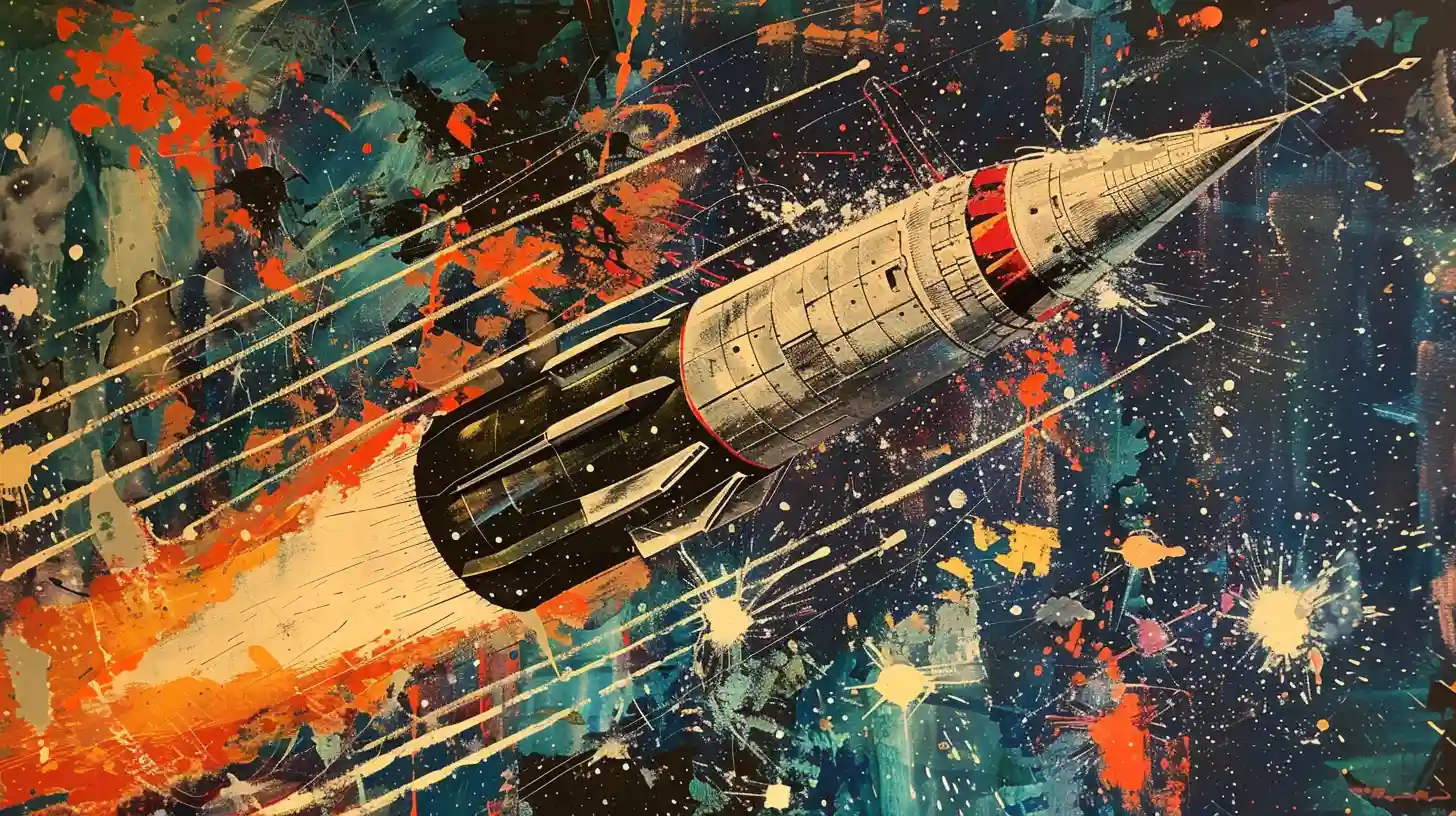
John Glenn became the first American to orbit Earth on February 20, 1962, aboard Friendship 7, completing three orbits in just under 5 hours despite concerns about a potentially loose heat shield.
Glenn reported seeing mysterious “fireflies” outside his spacecraft during the flight, which were later determined to be ice crystals venting from the capsule’s systems.
FIRST WOMAN IN SPACE (1963)

Valentina Tereshkova became the first woman in space on June 16, 1963, when she piloted the Vostok 6 mission and orbited the Earth 48 times over nearly three days.
In this single flight, she logged more time in space than all American astronauts combined up to that point, and at just 26 years old, she remains the youngest woman to have flown in space and the only woman to have completed a solo space mission.
SPACEWALK BY ALEXEI LEONOV (1965)
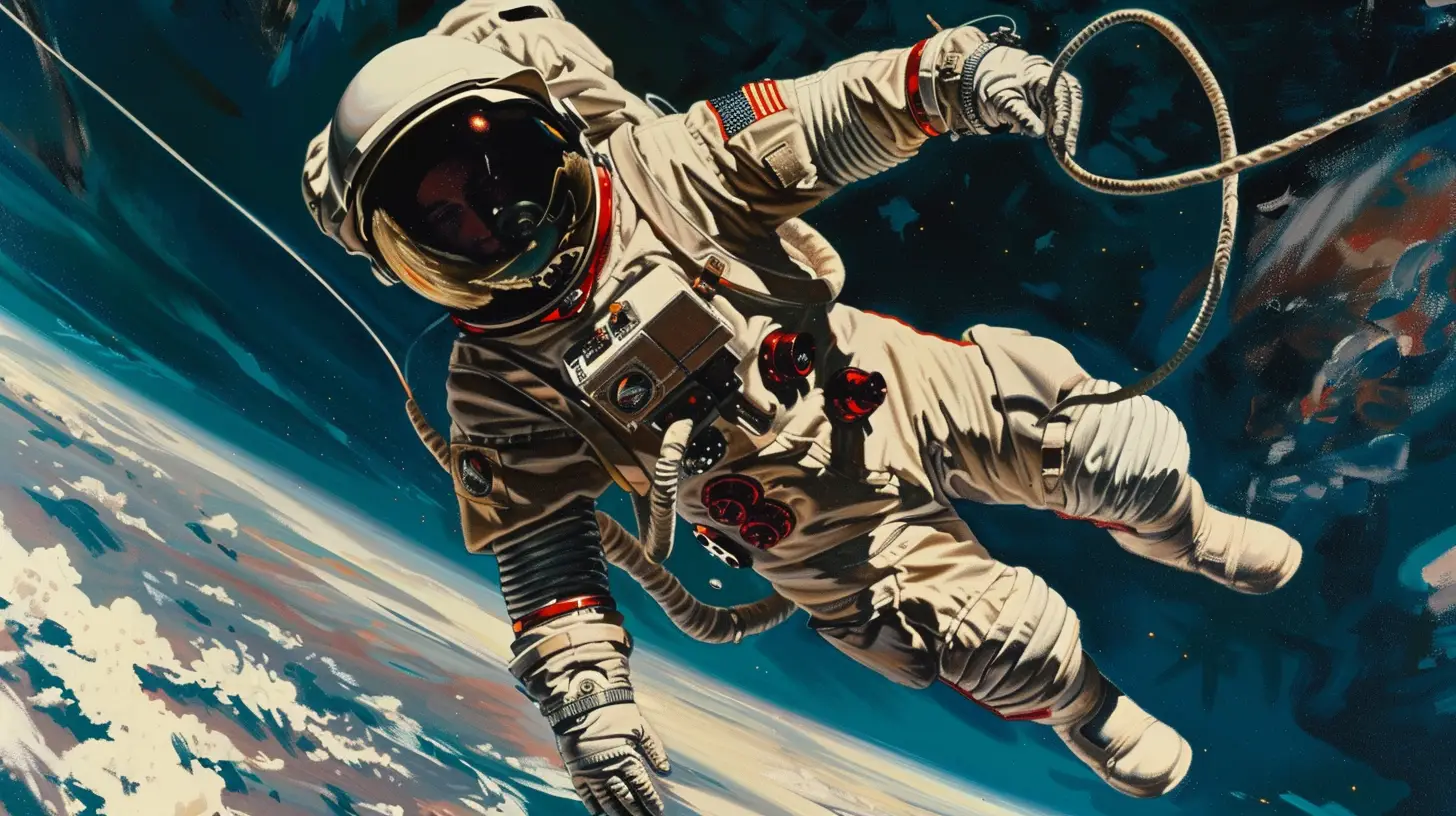
Voskhod 2, a Soviet space mission in March 1965, made history when cosmonaut Alexei Leonov became the first person to conduct a spacewalk, lasting 12 minutes.
The mission was fraught with peril, including Leonov’s spacesuit ballooning to the point where he couldn’t re-enter the airlock and had to depressurize it to dangerous levels.
Followed by a harrowing off-course landing in a remote forest where the cosmonauts spent two nights in -30°C temperatures fending off wolves before being rescued.
APOLLO 11 MOON LANDING (1969)
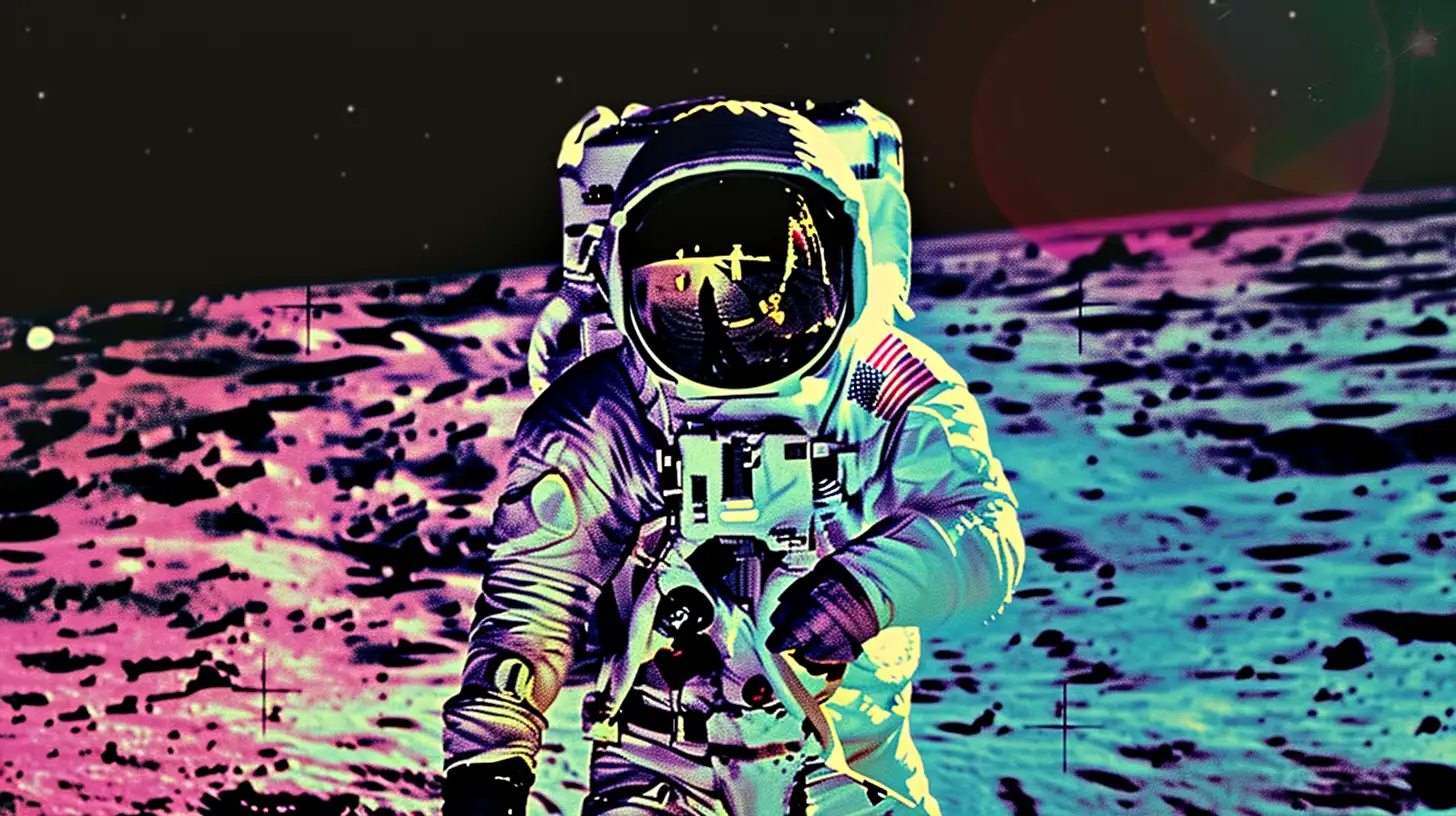
Apollo 11, the first mission to land humans on the Moon, launched on July 16, 1969 and successfully landed astronauts Neil Armstrong and Buzz Aldrin on the lunar surface on July 20, 1969.
The astronauts left behind several unusual items on the Moon, including a silicon disc containing goodwill messages from 73 world leaders, memorial medals for fallen Soviet cosmonauts, and a small bag of personal items that Neil Armstrong was supposed to leave behind but accidentally brought back to Earth.
APOLLO 13 MISSION & SAFE RETURN (1970)
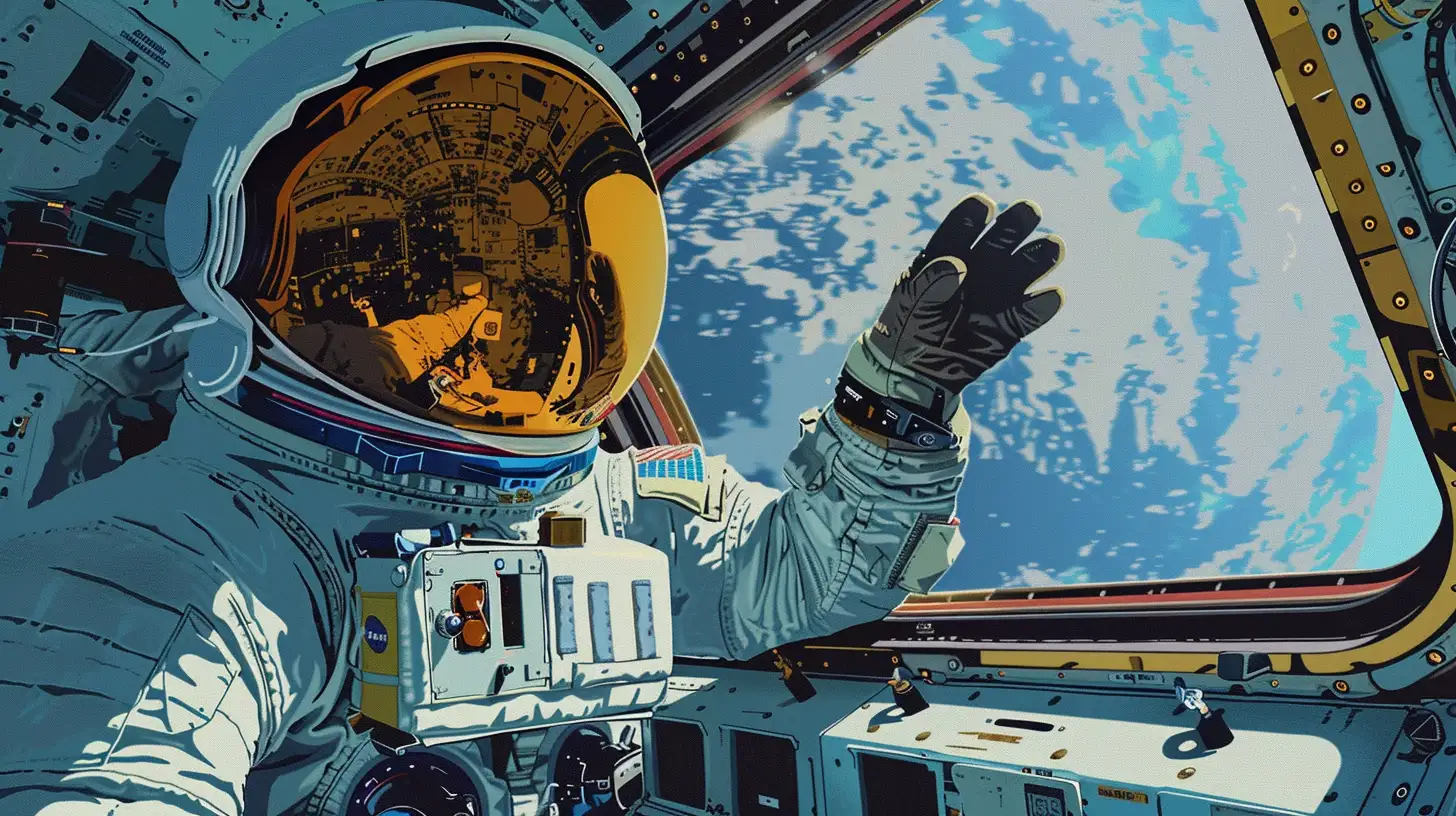
Apollo 13, launched on April 11, 1970, was intended to be the third lunar landing mission but became a harrowing survival story when an oxygen tank explosion crippled the spacecraft 200,000 miles from Earth.
In one of the most remarkable feats of improvisation in space history, the crew and Mission Control used the lunar module as a lifeboat, jerry-rigged a carbon dioxide scrubber using duct tape and spare parts, and successfully navigated the crippled spacecraft around the Moon and back to Earth, splashing down safely on April 17, 1970.
LAUNCH OF SKYLAB, FIRST US SPACE STATION (1973)
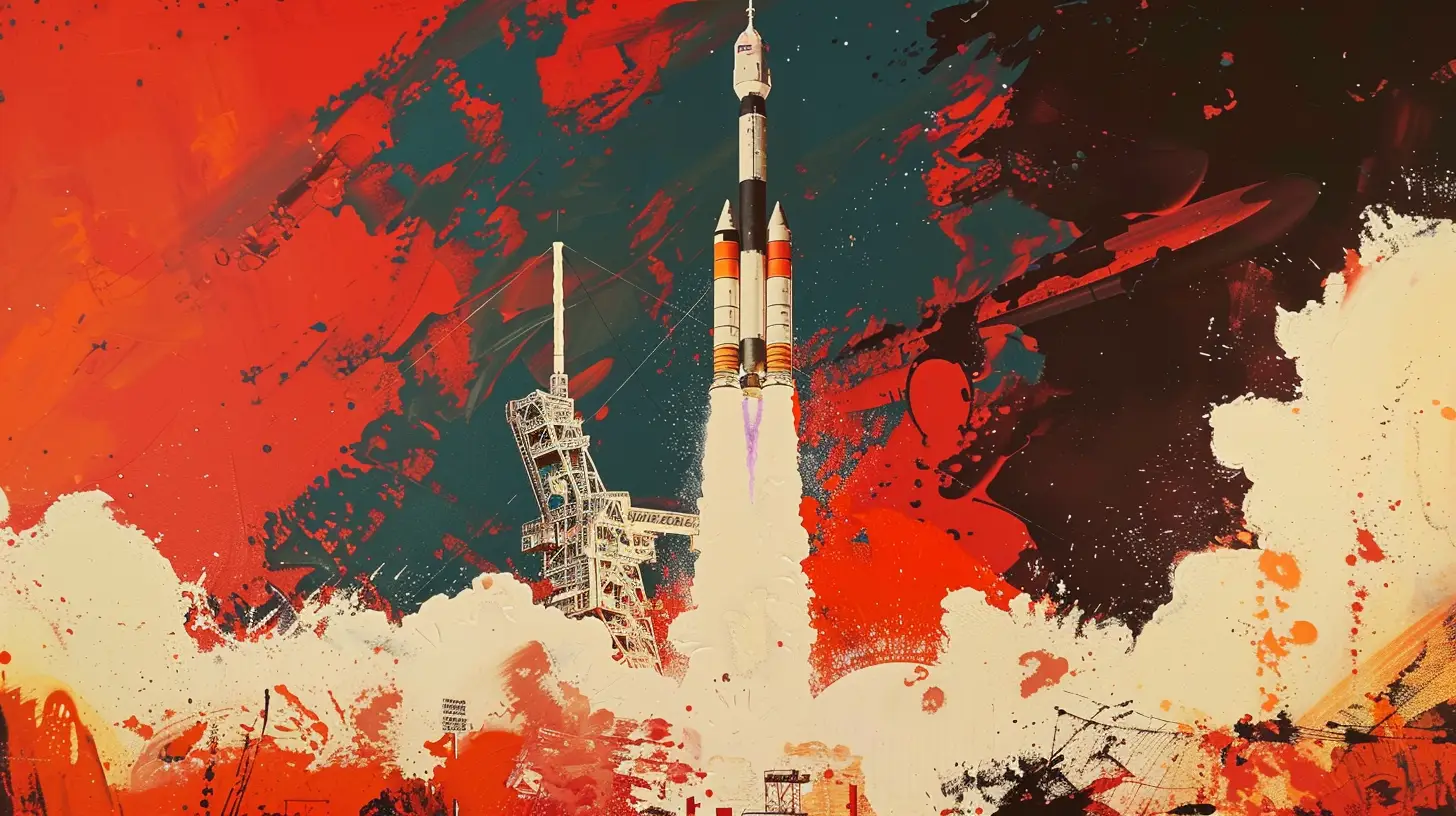
Skylab, America’s first space station, was launched in 1973 and hosted three crews for a total of 171 days before its fiery re-entry in 1979.
The Shire of Esperance in Western Australia humorously fined NASA A$400 for littering after debris from Skylab crashed in their area, a fine that went unpaid for over 30 years until a U.S. radio host and his listeners raised the funds to settle it in 2009.
APOLLO-SOYUZ TEST PROJECT (1975)
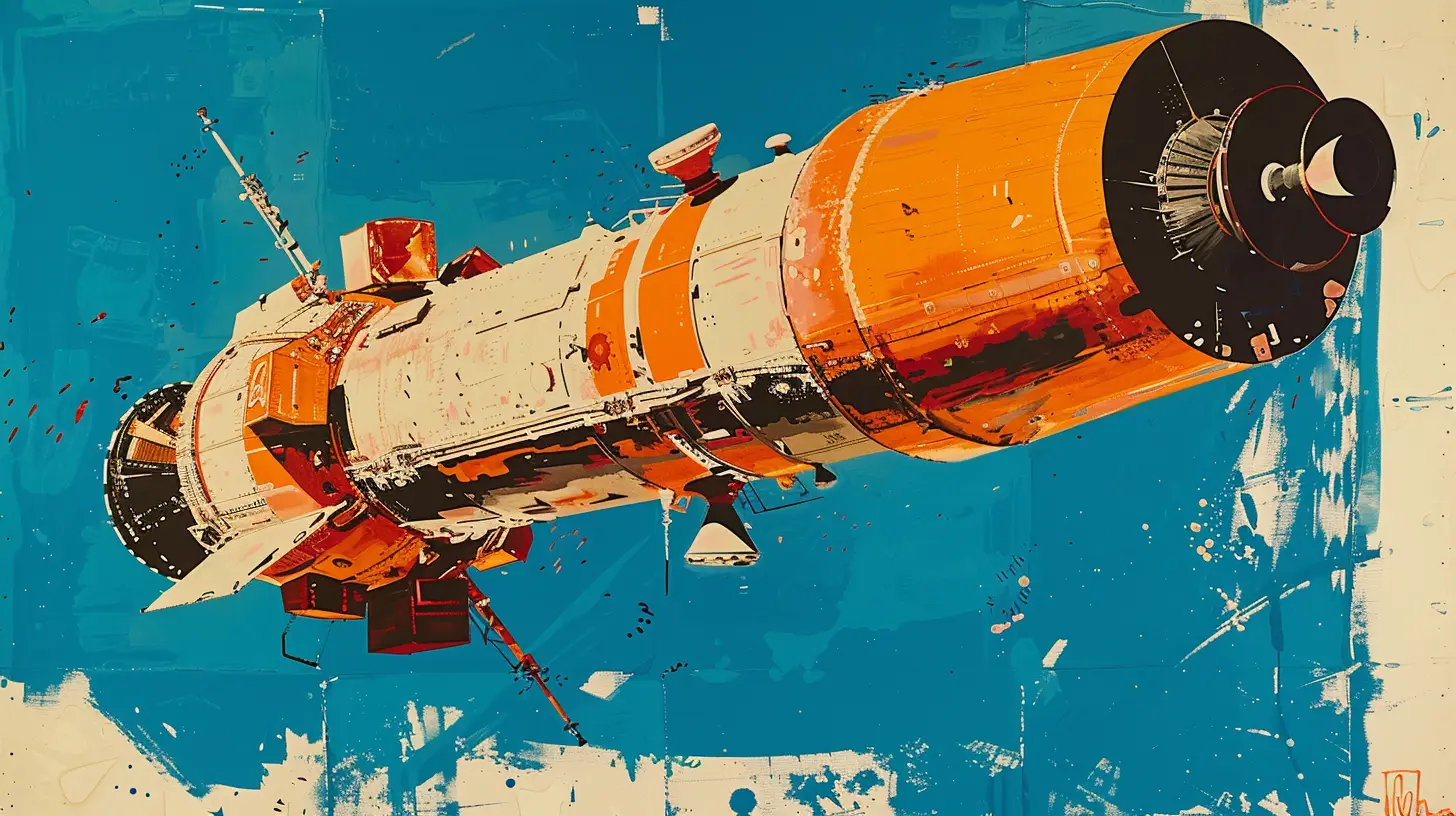
The Apollo-Soyuz Test Project in July 1975 marked the first joint US-Soviet space mission, symbolizing détente between the Cold War superpowers as American Apollo and Soviet Soyuz spacecraft docked in orbit.
Soviet cosmonaut Alexei Leonov joked there were three languages spoken on the mission—Russian, English, and “Oklahomski”, referring to American commander Thomas Stafford’s pronounced drawl when speaking Russian.
From Gagarin’s secret parachute landing to the space program’s hidden Chief Designer, our Cold War quiz covers the rivalry that fueled these missions.
VOYAGER PROGRAM (1977)
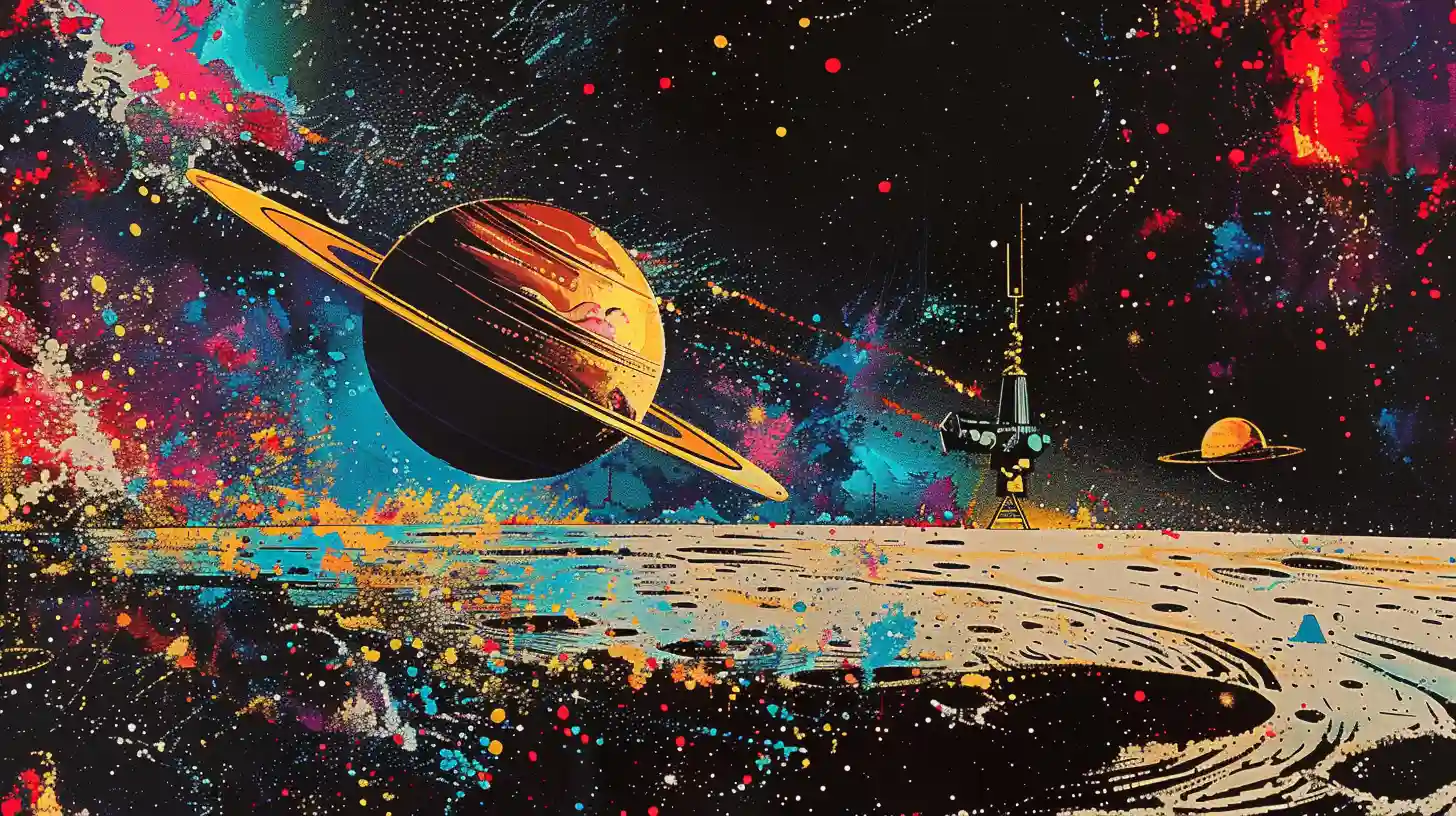
The Voyager program, launched in 1977, sent two spacecraft on an epic journey through our solar system and beyond, capturing unprecedented data and images of the outer planets and their moons.
Both Voyager 1 and 2 are still operational and sending data back to Earth over 45 years later, with Voyager 1 becoming the first human-made object to enter interstellar space in 2012, carrying a golden record with sounds and images of Earth as a message to any extraterrestrial civilizations it may encounter in its endless journey through the cosmos.
FIRST SPACE SHUTTLE LAUNCH (1981)
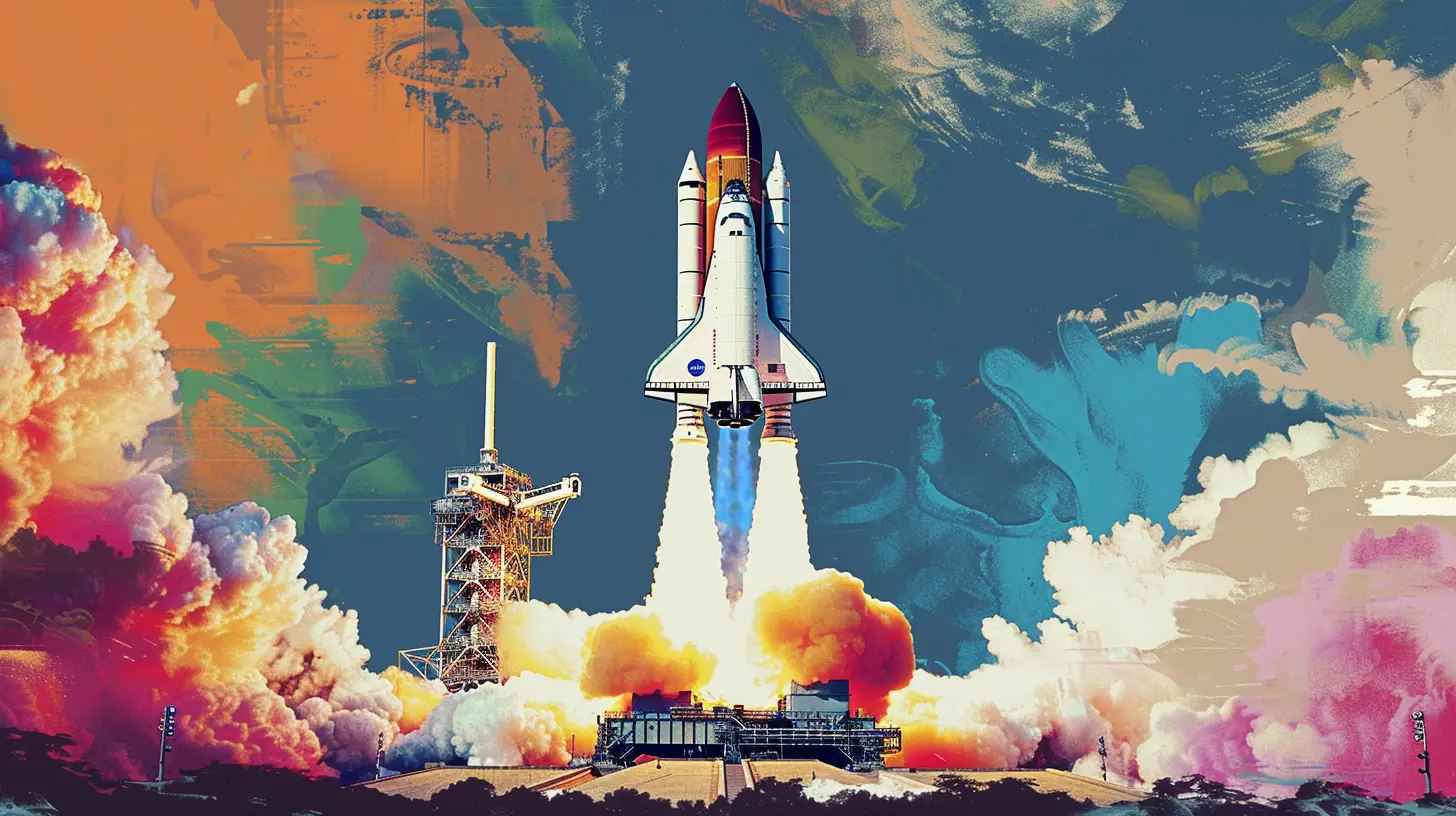
The Space Shuttle Columbia’s maiden flight, STS-1, launched on April 12, 1981, marking the first time a spacecraft was sent into orbit without prior uncrewed testing.
The mission faced several near-catastrophic issues, including severe damage to the thermal protection tiles and a body flap malfunction that could have made landing impossible, prompting Commander John Young to later admit he would have attempted a risky bailout had he known about it during the flight.
HUBBLE SPACE TELESCOPE DEPLOYMENT (1990)
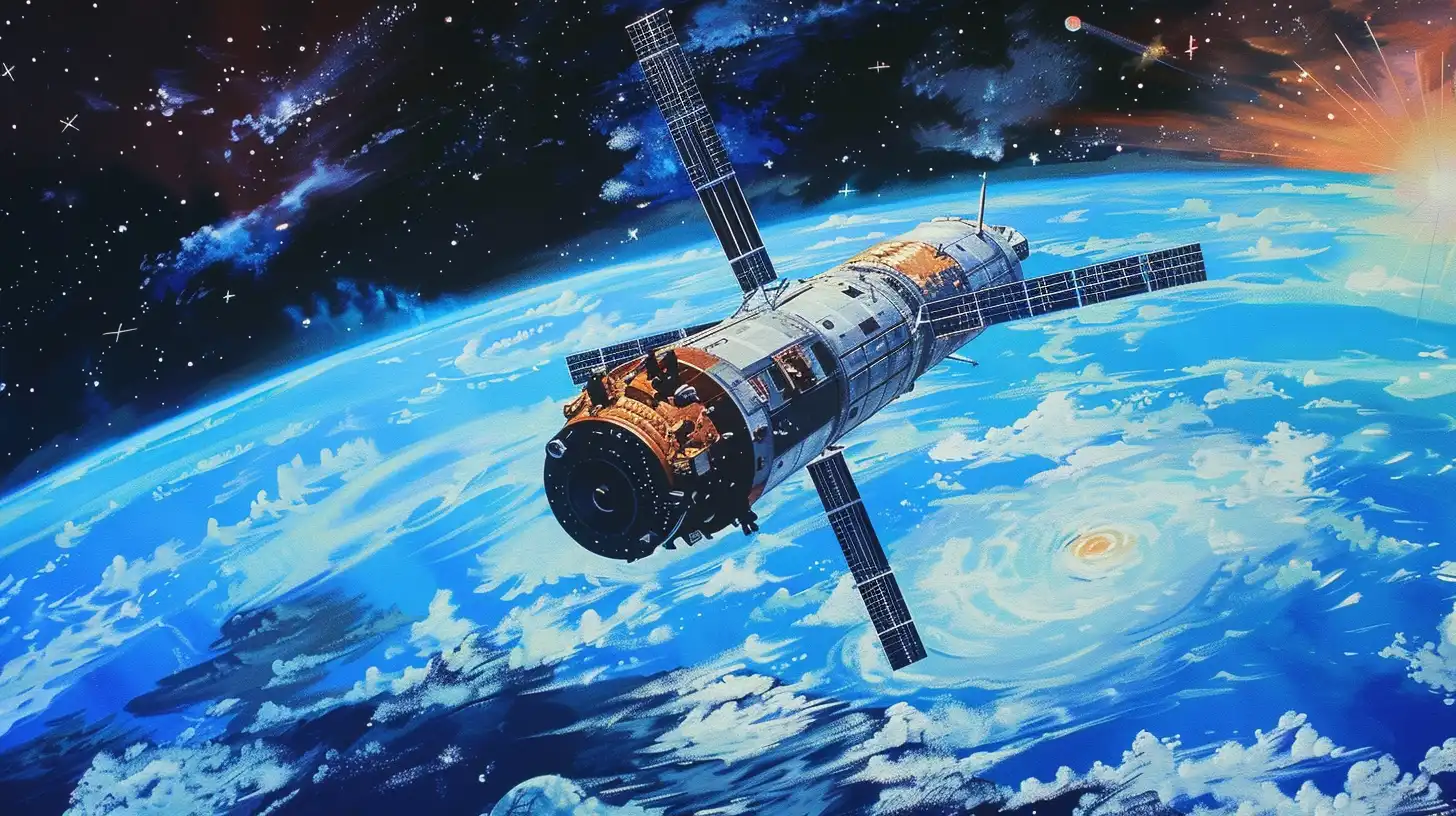
The Space Shuttle Discovery launched on April 24, 1990, carrying the Hubble Space Telescope and reaching an apogee of 621 km, the highest altitude ever achieved by a Shuttle orbiter.
The mission also included a 5 kg human skull as part of a radiation experiment, which was sliced into ten layers and filled with hundreds of thermo-luminescent dosimeters to record radiation levels at different depths during spaceflight.
MARS PATHFINDER LANDING (1997)
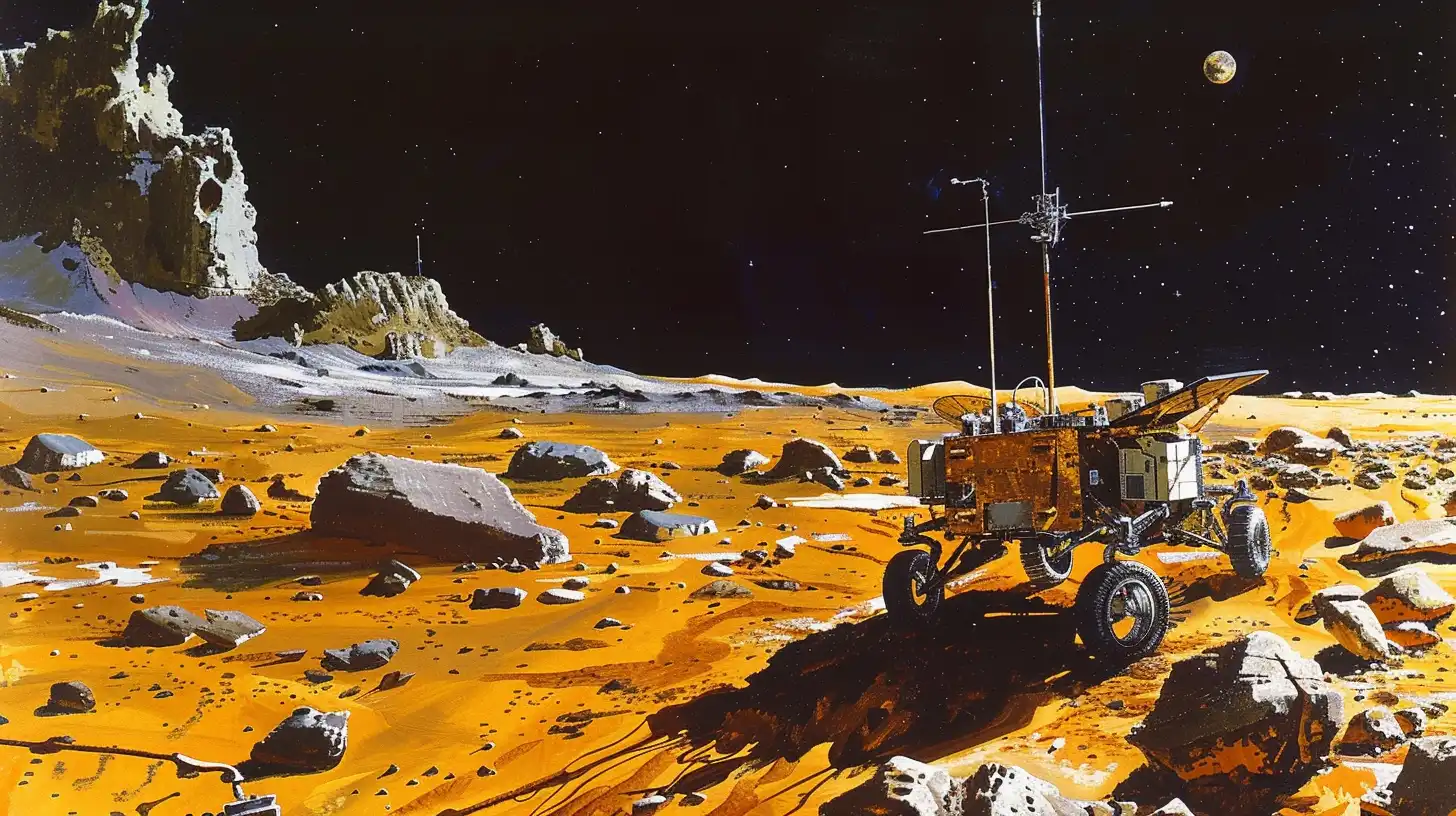
The Mars Pathfinder mission, launched in 1996, successfully landed on Mars in 1997 and deployed the first-ever Mars rover named Sojourner, which explored the Martian surface for nearly 3 months.
It used airbags to cushion its landing, bouncing up to 15 times and reaching heights of up to 15.7 meters (52 feet) before coming to rest on the Martian surface.
INTERNATIONAL SPACE STATION HABITATION BEGINS (2000)
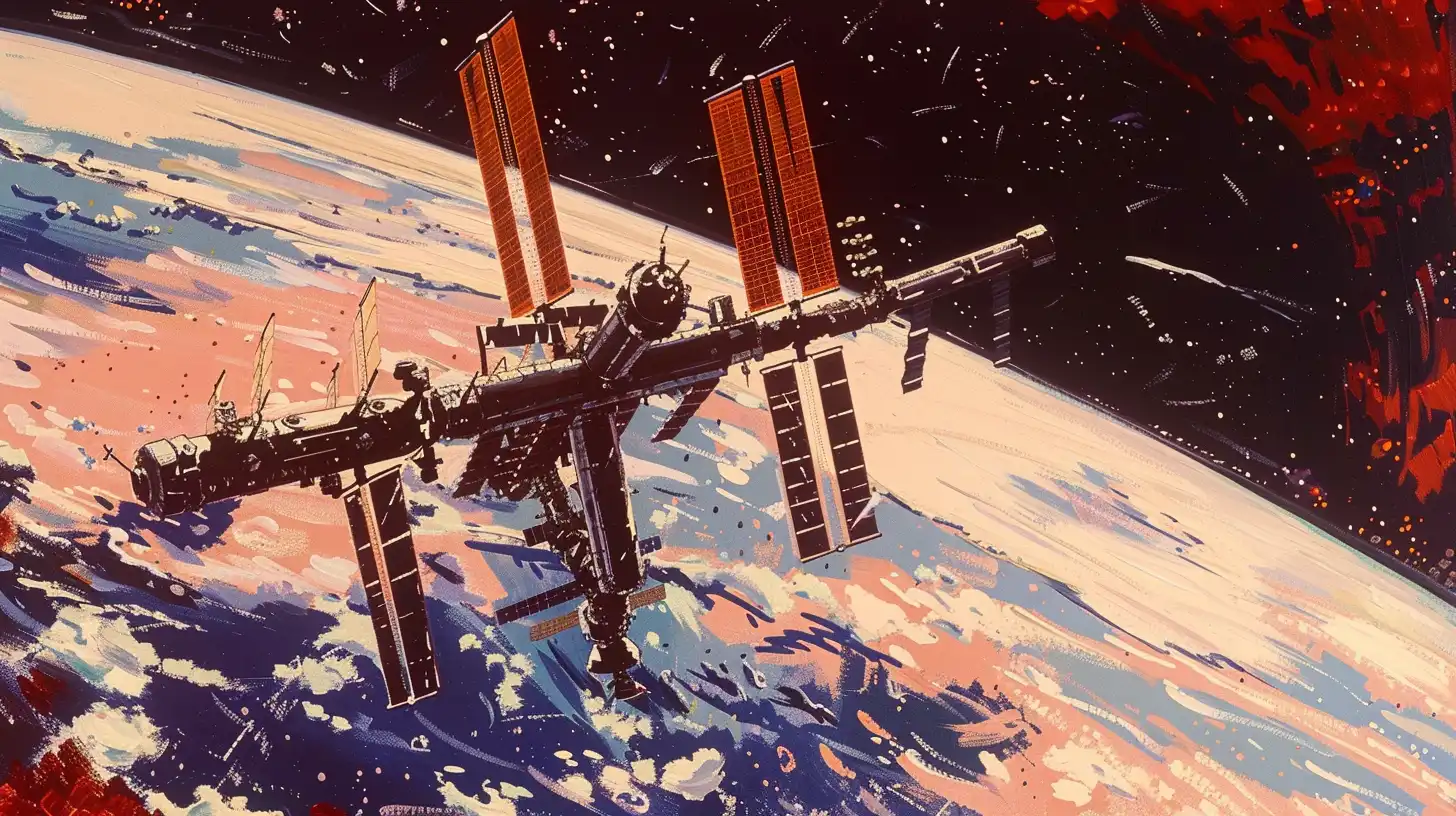
The International Space Station began assembly in 1998 and has been continuously occupied since November 2000, representing over two decades of sustained international cooperation in space.
It has hosted astronauts from 21 different countries, serving as a unique microgravity and space environment research laboratory while orbiting Earth over 250 miles above the surface.