7 min read
Throughout human history, floods have been both destructive forces and catalysts for societal development.
While devastating floods have wiped out entire civilizations and caused immense loss of life and property—they have also shaped the rise of early agricultural societies along fertile floodplains and spurred many technological advancements.
THE GREAT FLOOD OF 1931
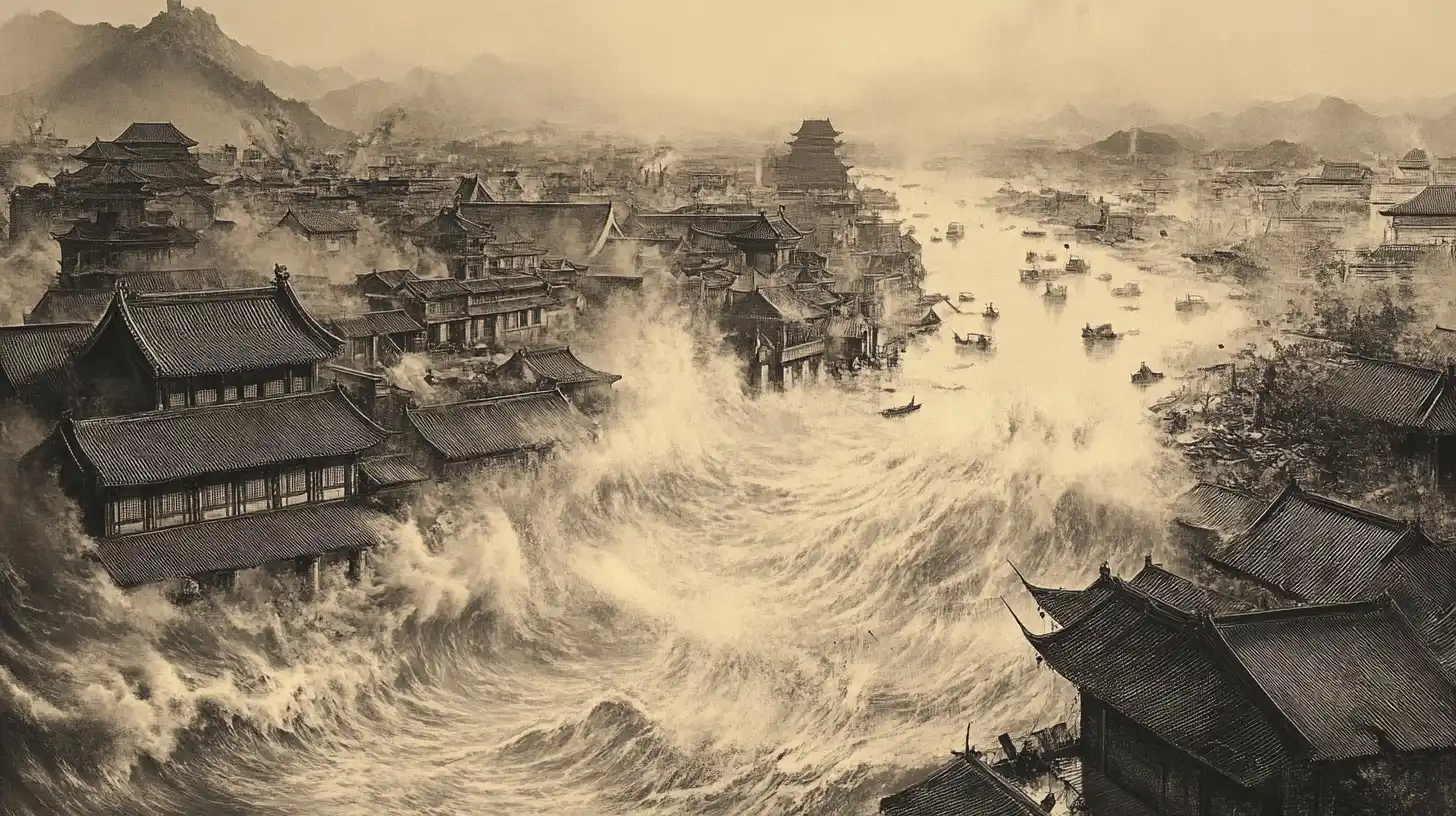
The 1931 China floods were one of the deadliest natural disasters in recorded history, inundating an area equivalent in size to England and half of Scotland combined, and affecting up to 53 million people.
In the aftermath, some desperate survivors resorted to eating tree bark and earth, selling their children, or even cannibalism, while others refused to evacuate due to superstitious beliefs that their city was doomed.
YELLOW RIVER FLOOD OF 1887
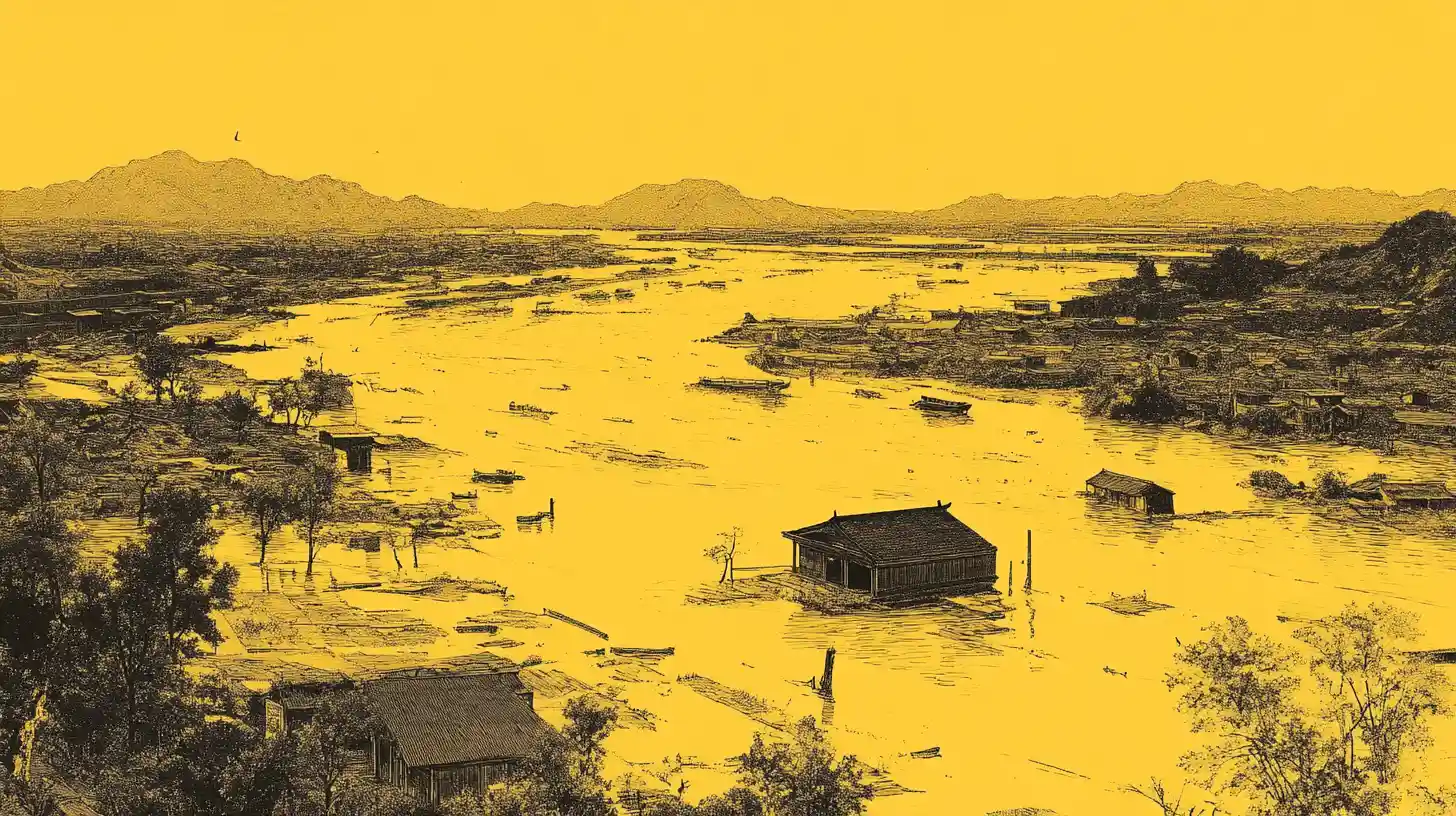
The 1887 Yellow River flood in China killed at least 930,000 people, making it the deadliest flood in Chinese history and one of the largest disasters in the country by death toll.
The very dikes built by farmers over centuries to contain the river ultimately contributed to its catastrophic overflow. As the riverbed had risen over time due to silt deposits, causing the waters to flow higher until heavy rains in September 1887 finally overcame the barriers.
YANGTZE RIVER FLOOD OF 1935, CHINA

The 1935 Yangtze flood in China was a catastrophic event that killed 145,000 people and displaced millions, occurring just four years after another devastating flood in 1931.
The efforts to prevent future flooding after 1931 were hampered by ongoing social turmoil from the Chinese Civil War and conflict with Japan, with state funds being diverted to the military instead of supporting agricultural communities.
BANQIAO DAM FAILURE OF 1975
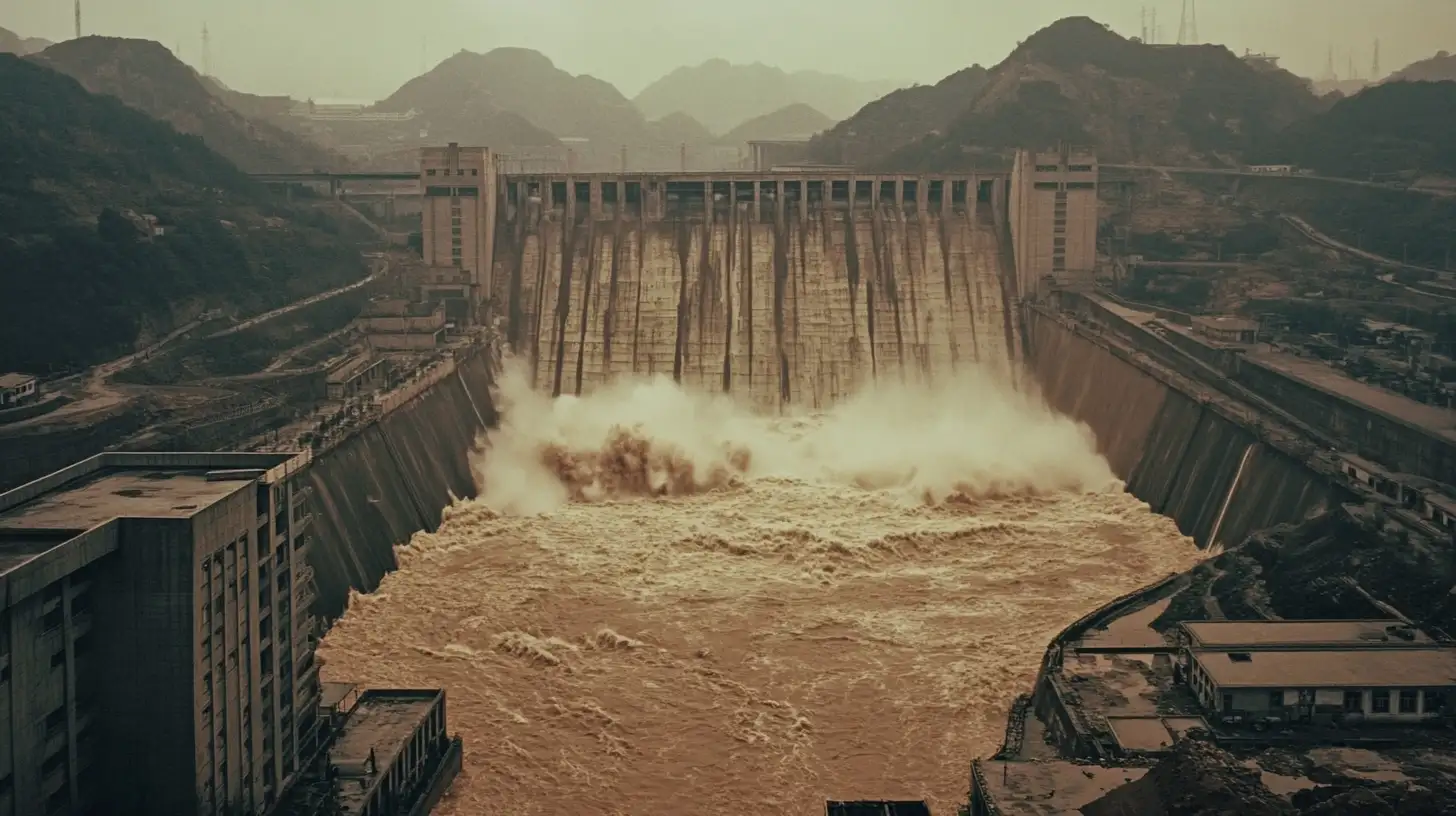
The 1975 Banqiao Dam failure in China, occurring during the Cultural Revolution, resulted in the collapse of 62 dams and led to one of history’s deadliest floods, with death toll estimates ranging from 26,000 to 240,000 people.
The Chinese government kept this catastrophe secret for decades, only declassifying official documents about the disaster in 2005, thirty years after it occurred.
NORTH SEA FLOOD OF 1953
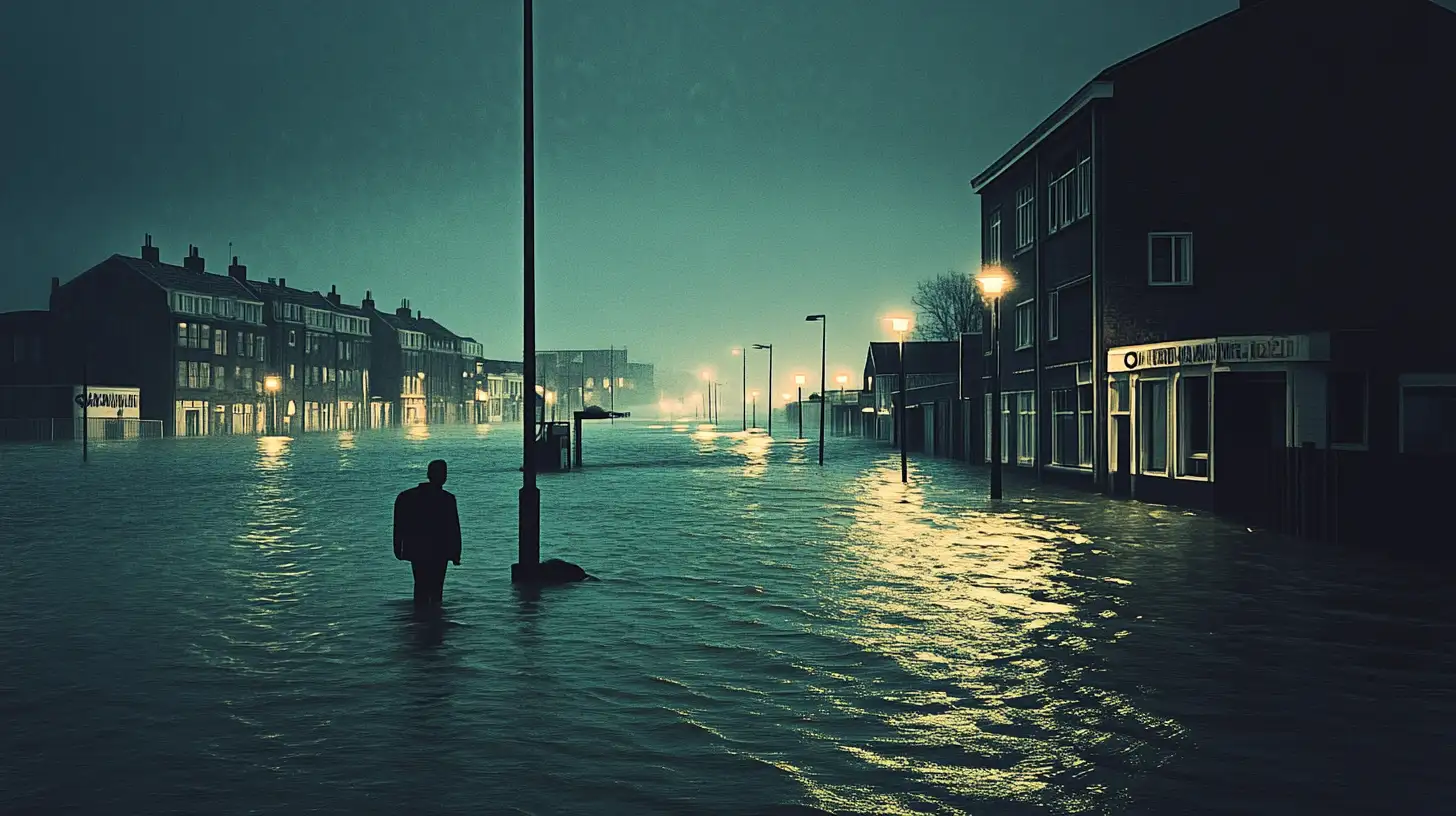
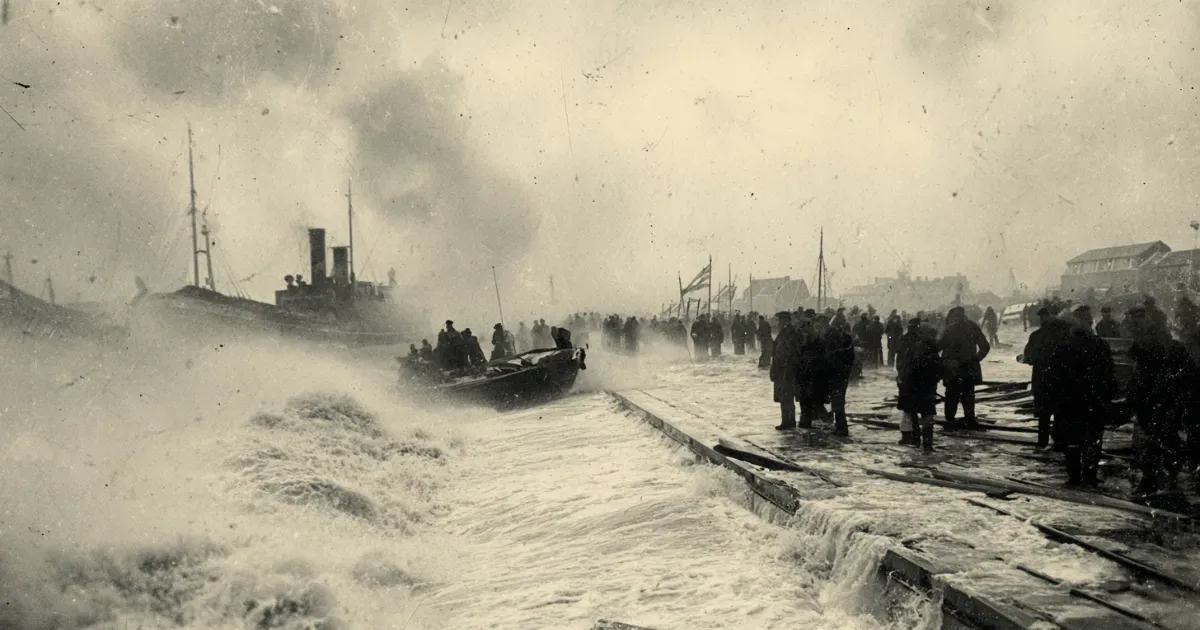
The North Sea flood of 1953 was a catastrophic event that struck the Netherlands, Belgium, and the UK, causing over 2,500 deaths and widespread destruction across coastal areas.
In one of the most remarkable rescue efforts, the mayor of Nieuwerkerk, Netherlands, saved an entire region by ordering a ship to be deliberately sunk into a failing dyke. They plugged the hole and prevented further flooding that could have impacted millions of people.
MISSISSIPPI RIVER FLOOD OF 1927

The Great Mississippi Flood of 1927 was the most destructive river flood in U.S. history, inundating 27,000 square miles across several states and displacing over 630,000 people.
In a shocking attempt to protect New Orleans, influential bankers arranged to detonate 30 tons of dynamite on a levee—intentionally flooding less populated parishes downstream—an action that proved unnecessary as upstream levee breaks had already reduced the water flow to the city.
HUANG HE (YELLOW RIVER) FLOOD OF 1938

The 1938 Yellow River flood was a man-made disaster deliberately caused by the Chinese National Revolutionary Army during the Second Sino-Japanese War, intentionally destroying levees to create a scorched earth defense against invading Japanese forces.
This strategic decision resulted in the drowning of up to 89,000 Chinese civilians in the immediate aftermath, with total deaths reaching up to 500,000 due to flooding, famine, and plague. It also diverted the Yellow River’s course for nearly a decade until 1947.
ST. FELIX’S FLOOD OF 1530
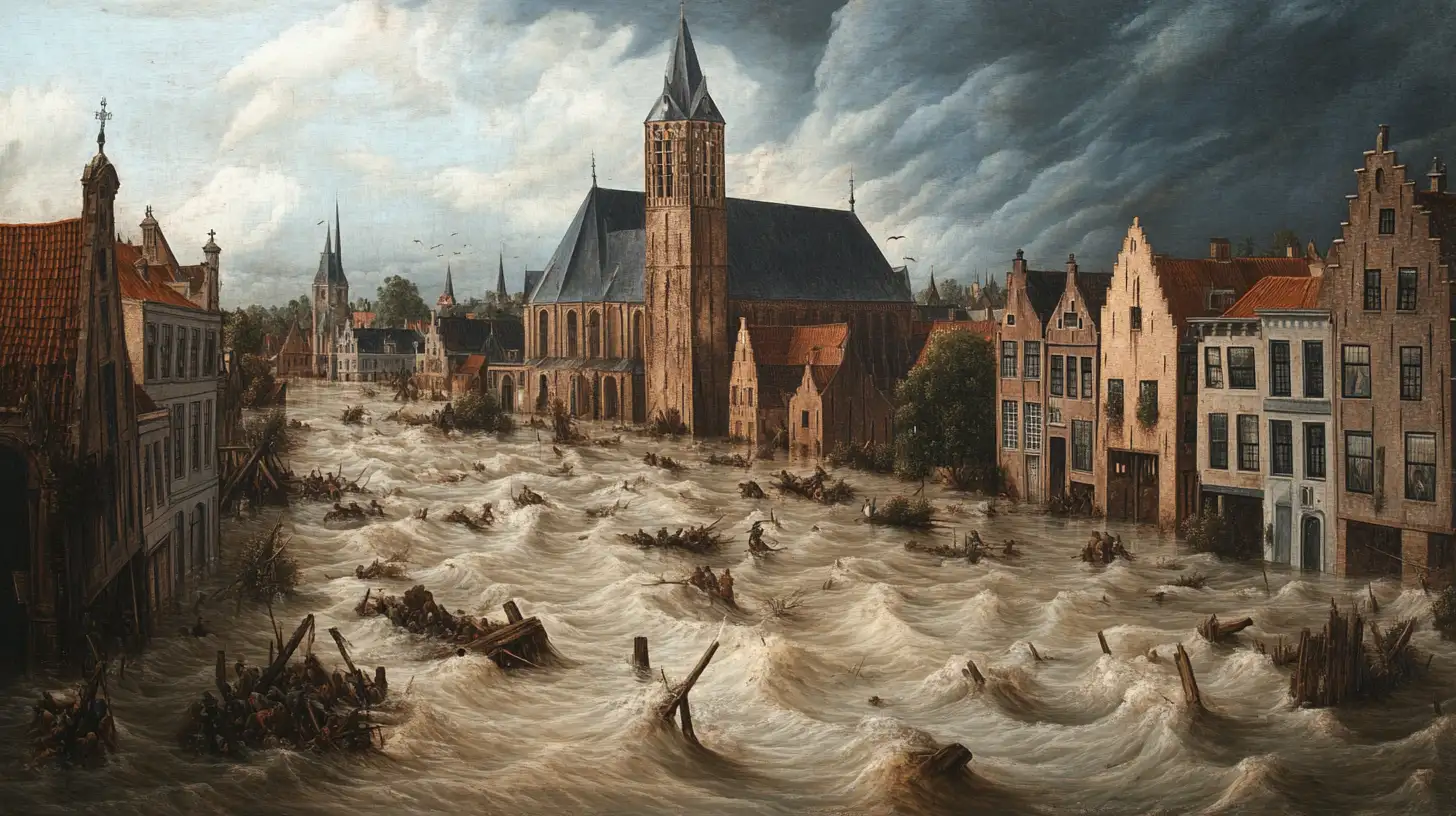
The St. Felix’s Flood of 1530, known as “Evil Saturday,” was a catastrophic event that claimed over 100,000 lives and submerged eighteen villages in the Netherlands, permanently altering the landscape and wiping the town of Reimerswaal off the map.
Much of the repair work completed after this devastating flood was destroyed just two years later by another significant flood in 1532.
JOHNSTOWN FLOOD OF 1889
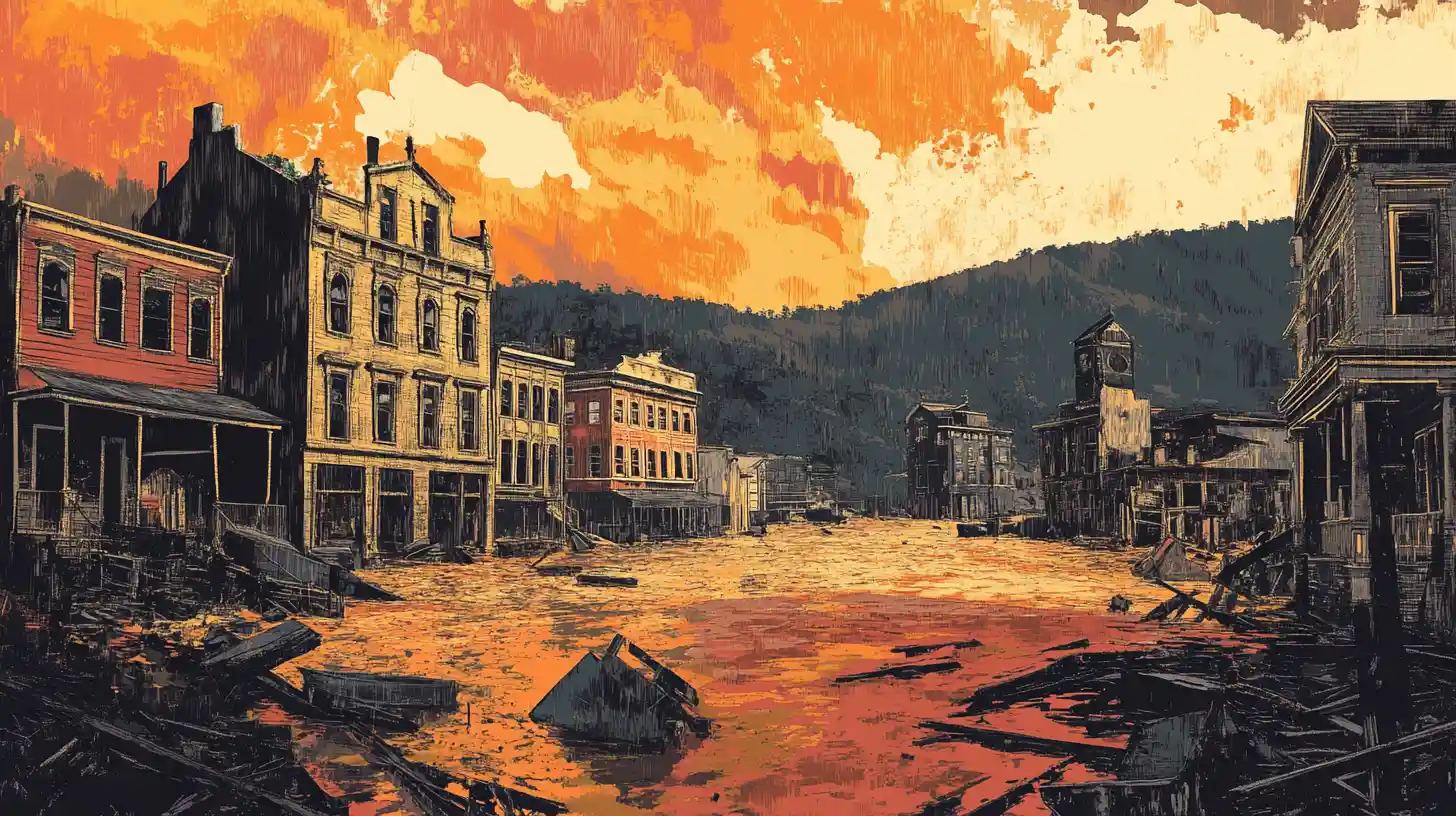
The Johnstown Flood of 1889 was a catastrophic disaster that killed over 2,200 people when the South Fork Dam failed, releasing 14.55 million cubic meters of water and creating a flood wave with a flow rate temporarily equaling that of the Mississippi River.
Debris piled up at the Stone Bridge covered 30 acres and reached 70 feet in height.
It took workers three months to clear due in part to the massive amount of barbed wire from upstream factories that had become entangled in the wreckage.
GREAT FLOOD OF 1862

The Great Flood of 1862 was a catastrophic event that inundated vast portions of the western United States, turning California’s Central Valley into an inland sea and causing widespread destruction across multiple states.
The newly elected governor of California, Leland Stanford, had to travel to his inauguration by rowboat through the flooded streets of Sacramento, which remained underwater for three months after the storms passed.
HANOI AND RED RIVER DELTA FLOOD OF 1971

The Hanoi and Red River Delta flood of 1971 was a catastrophic event that killed at least 100,000 people in northern Vietnam during the height of the Vietnam War.
Without existing flood control measures, water levels in Hanoi would have reached a staggering 14.8 meters—nearly the height of a five-story building—overwhelming a flood defense system with roots stretching back over two millennia to the 3rd century BC.
GUJARAT FLOOD OF 1979
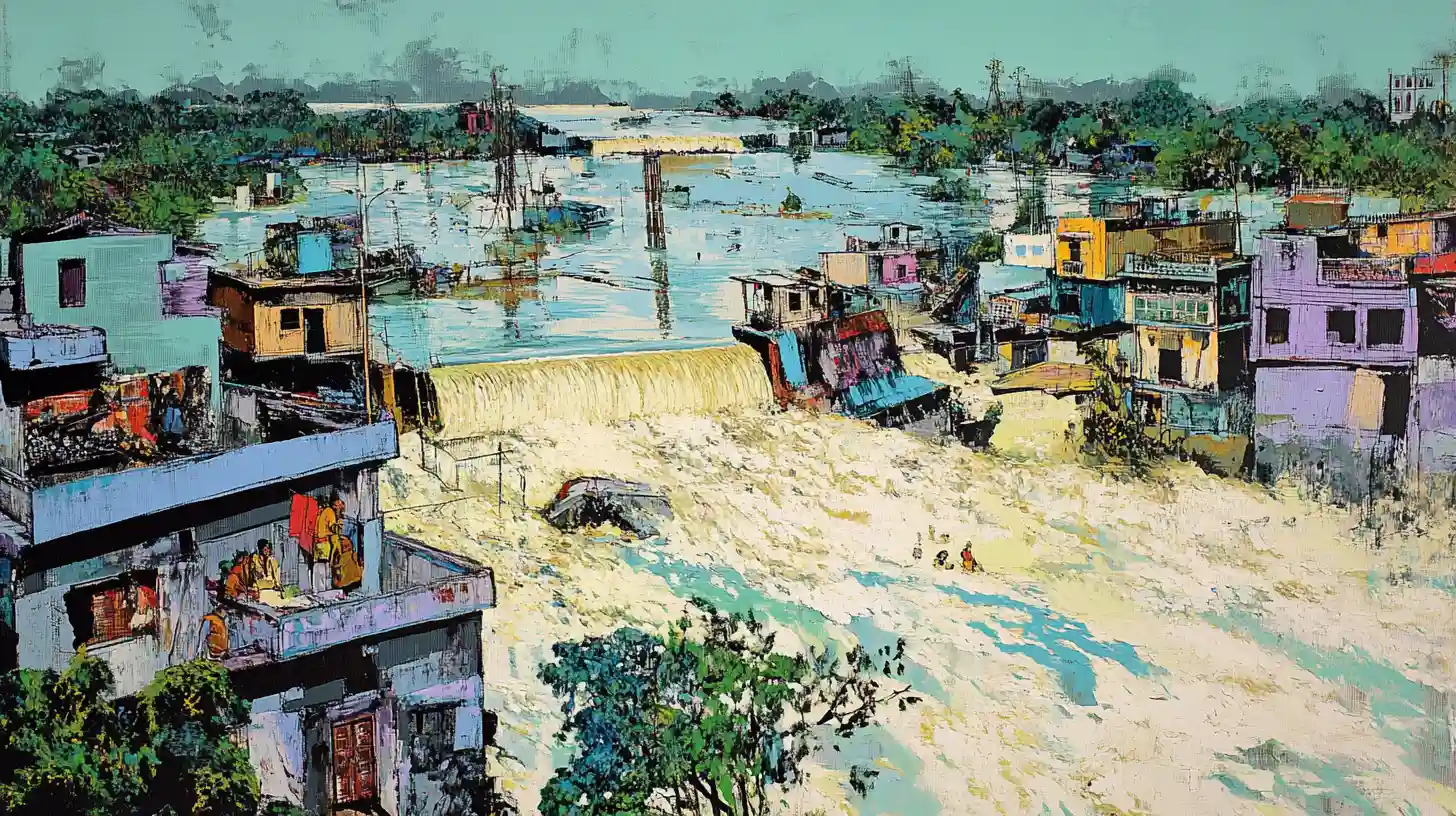
The Machchhu dam failure of 1979 in Gujarat, India was a catastrophic event where excessive rainfall caused the Machchu-2 dam to collapse, sending a massive wall of water through the town of Morbi and resulting in an estimated 1,800 to 25,000 deaths.
The water level in Morbi rose to 30 feet within just 15 minutes of the dam’s failure, submerging low-lying areas under 20 feet of water for six hours and even completely engulfing a temple where over a hundred people had sought refuge.
MORAVE FLOOD OF 2014

In May 2014, Southeast Europe experienced catastrophic flooding, particularly affecting Serbia and Bosnia and Herzegovina, with rainfall being the heaviest in 120 years of recorded weather measurements.
The floods caused over 2,000 landslides across the region, resulting in at least 86 deaths. It forced hundreds of thousands from their homes—and caused billions of euros in damage—with some officials stating that the devastation exceeded that of the Bosnian War.
THAILAND FLOODS OF 2011

The 2011 Thailand floods were catastrophic, affecting 65 of Thailand’s 77 provinces and causing $46.5 billion in economic damage, making it the world’s fourth costliest disaster at the time.
One of the most shocking impacts was on the global hard drive industry, as Thailand produced 25% of the world’s hard drives, leading to worldwide shortages and price increases that lasted for about two years.