6 min read
He was a smuggler, spy, and slave trader who built a pirate kingdom that generated millions. The British offered him land and citizenship to destroy New Orleans. He chose America instead, helped win the War of 1812, then disappeared into legend.
Jean Lafitte’s life reads like fiction because most of it probably is. Historians can’t agree on where he was born, how he died, or even his real name. What we do know is that he gamed slavery laws with Jim Bowie, worked as a triple agent for Spain, and turned Galveston Island into a criminal empire of 2,000 people.
Then he sailed away in 1821 and became a ghost story.
Some say he died in battle off Honduras. Others claim he faked his death and lived to old age under a different name. His “journal” surfaced in 1948, was authenticated, then exposed as an elaborate forgery decades later.
Many think Jean Lafitte drowned somewhere in the Gulf of Mexico. What survived are the stories, each one stranger than the last.
HE MIGHT HAVE BEEN JEWISH

Jean Lafitte’s disputed journal claims he was born in Bordeaux in 1780 to Sephardic Jewish parents. His maternal grandmother fled Spain in 1765 after his grandfather was executed by the Inquisition for “Judaizing.” If true, this makes him one of the few documented Jewish pirates in history. The journal’s authenticity remains hotly contested, but the claim adds another layer to an already murky origin story.
But some argue he was born elsewhere. Take your pick: Bordeaux, Bayonne, Biarritz, Saint-Domingue (Haiti), St. Malo, Brest, Orduña (Spain), or Westchester County, New York. Historians have floated all these locations.
HE SAVED NEW ORLEANS (THEN GOT HIS BASE DESTROYED ANYWAY)
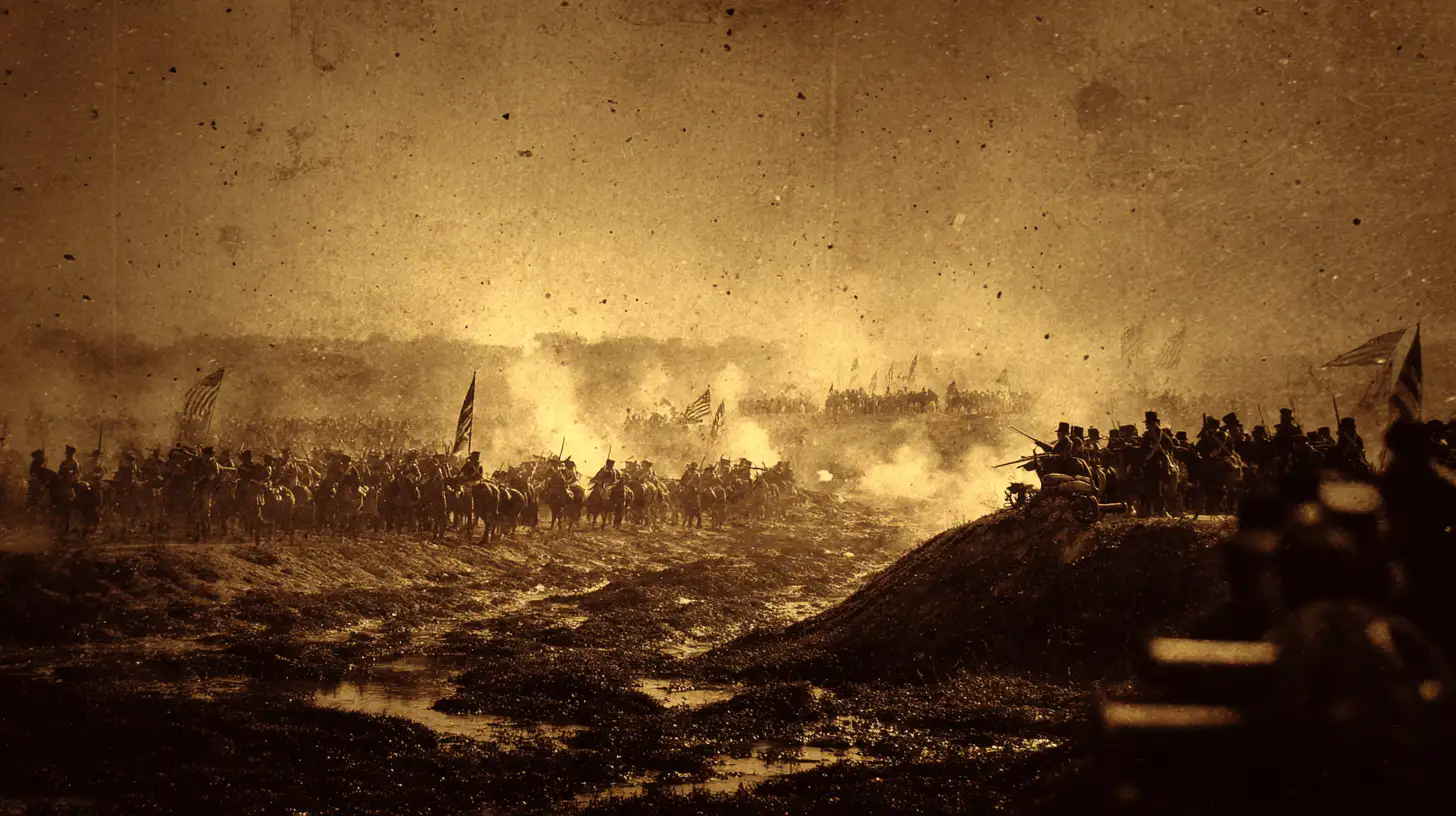
In 1814, the British offered Lafitte land, citizenship, and a pardon if he’d help them attack New Orleans. Instead, he warned the Americans and offered to fight for them. The U.S. response? They invaded his Barataria base in September 1814, capturing most of his fleet. Three months later, Lafitte and his men helped Andrew Jackson win the Battle of New Orleans anyway. Jackson praised the former pirates as heroes.
HE RAN A PIRATE KINGDOM THAT MADE MILLIONS
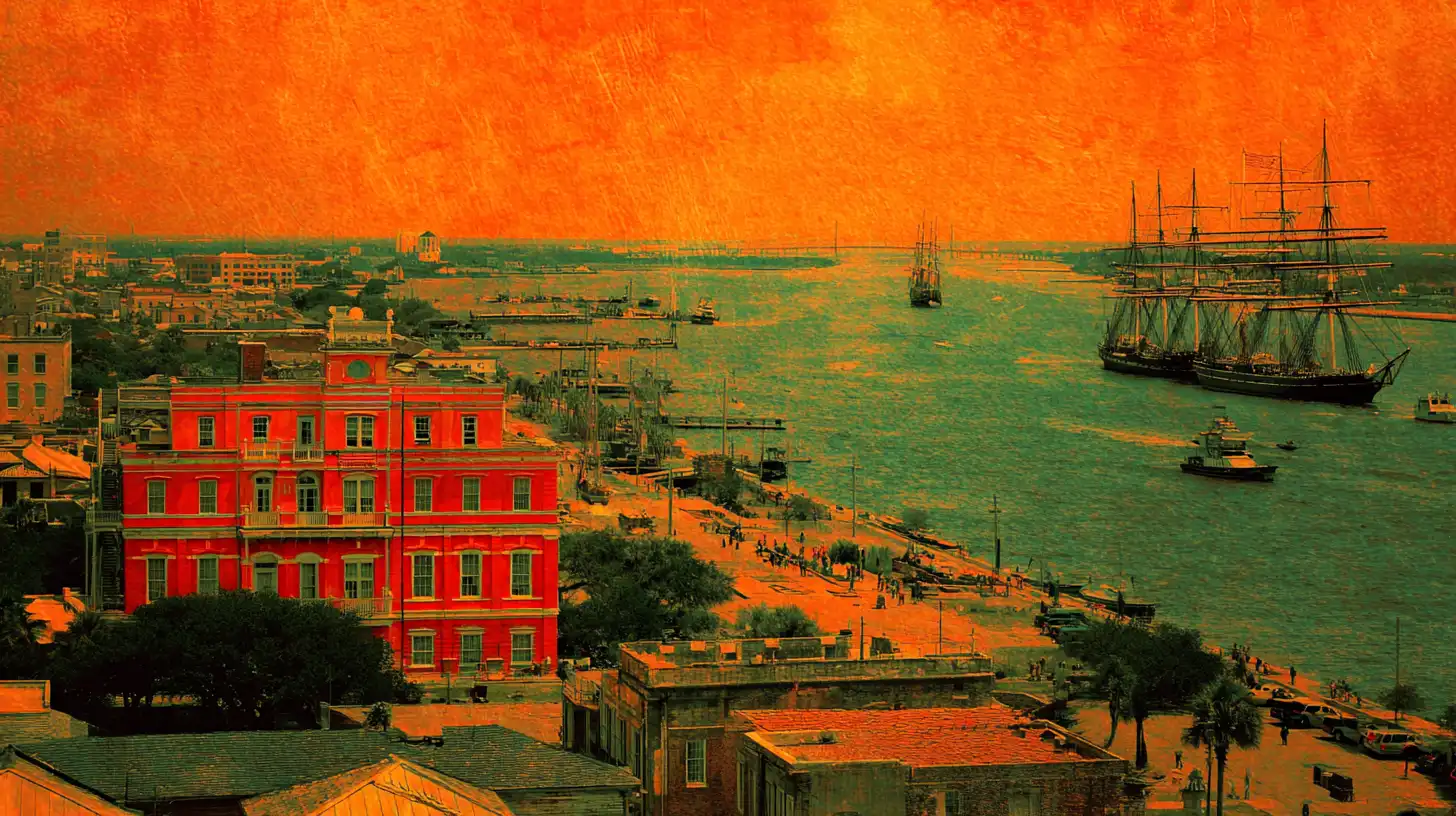
Lafitte’s colony on Galveston Island, which he named Campeche, grew to over 2,000 people with 120 buildings. At its peak, the operation pulled in more than $2 million annually (that’s about $41 million in today’s money) from stolen goods and currency. He lived in a red mansion surrounded by a moat called Maison Rouge and conducted business from his ship, The Pride.
HE EXPLOITED A LOOPHOLE IN SLAVERY LAWS
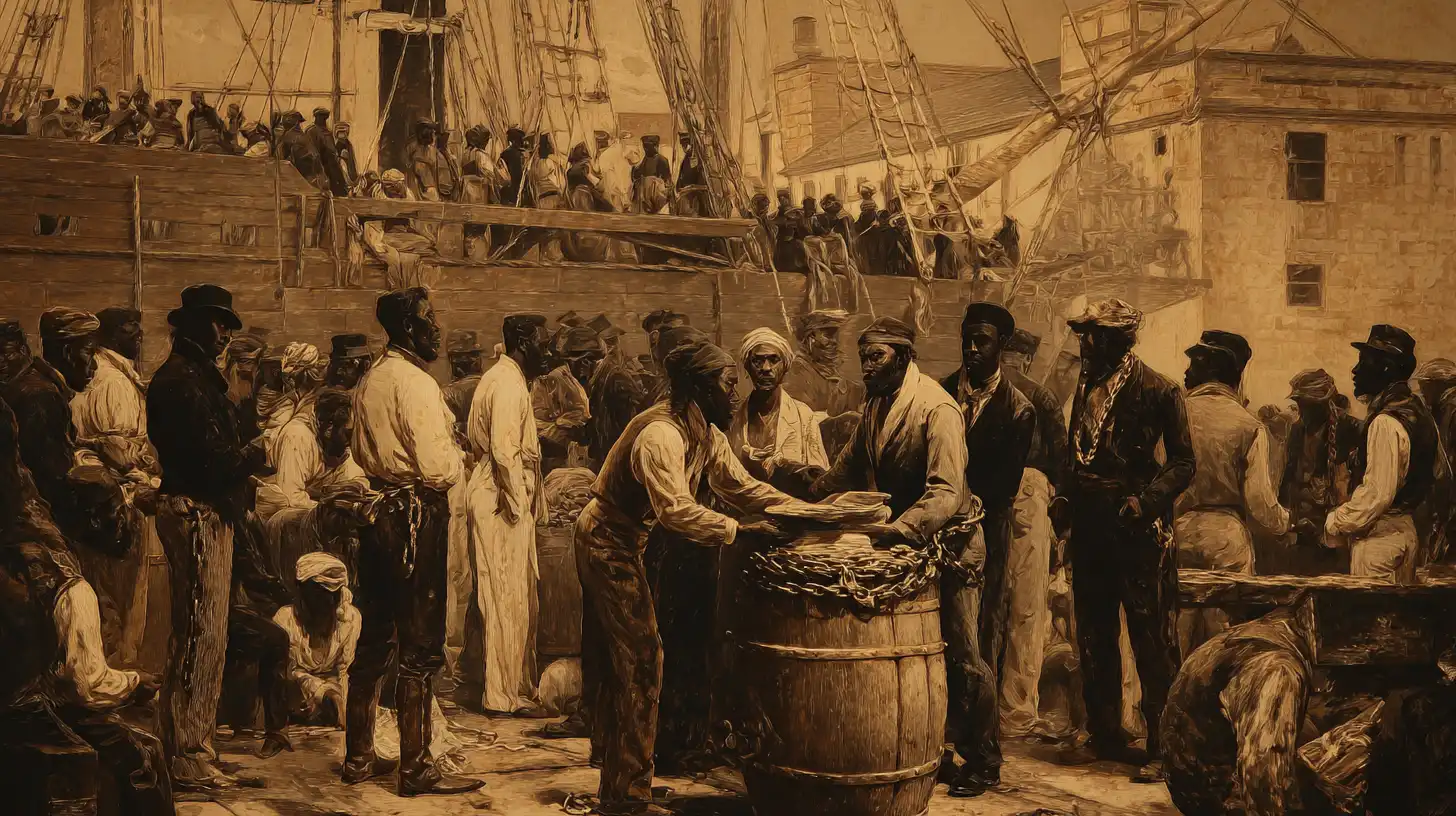
An 1818 law banned importing slaves but created a bizarre loophole: anyone could capture a slave ship and turn the enslaved people over to customs. The government would sell them, with half the profits going to the captors. Lafitte worked with smugglers (including Jim Bowie of Alamo fame) to game this system. They’d identify slave ships, capture them, buy the people at discount from themselves, march them to Louisiana, turn them in, then buy them back at auction and resell them at full price.
JEAN LAFITTE WAS A TRIPLE AGENT
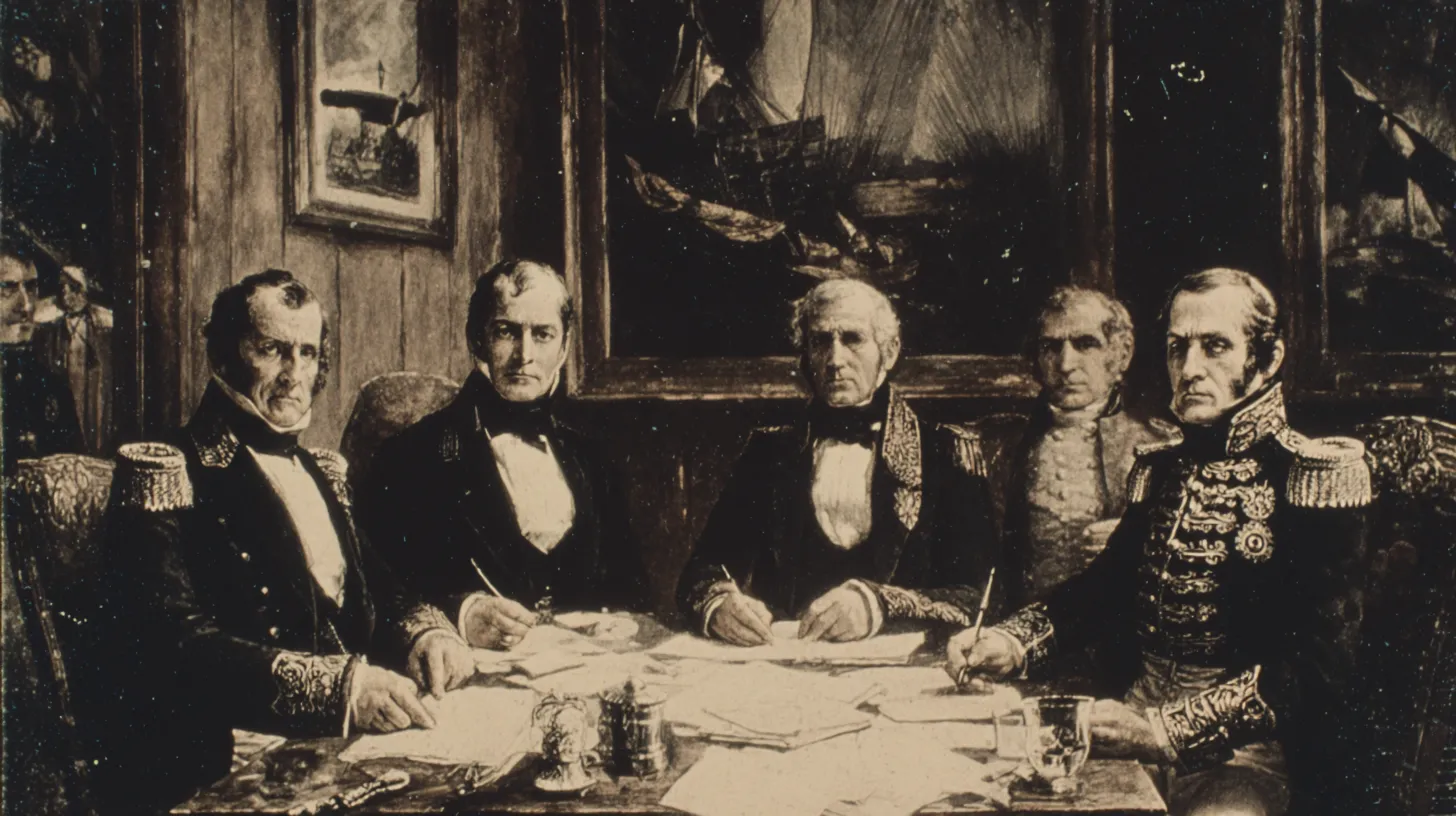
After the War of 1812, the Lafitte brothers became spies for Spain during Mexico’s fight for independence. They were collectively code-named “Number thirteen.” Jean reported on Galveston while Pierre covered New Orleans. They weren’t loyal revolutionaries or patriots. They were businessmen who sold information to the highest bidder.
HIS DEATH STORY DOESN’T ADD UP
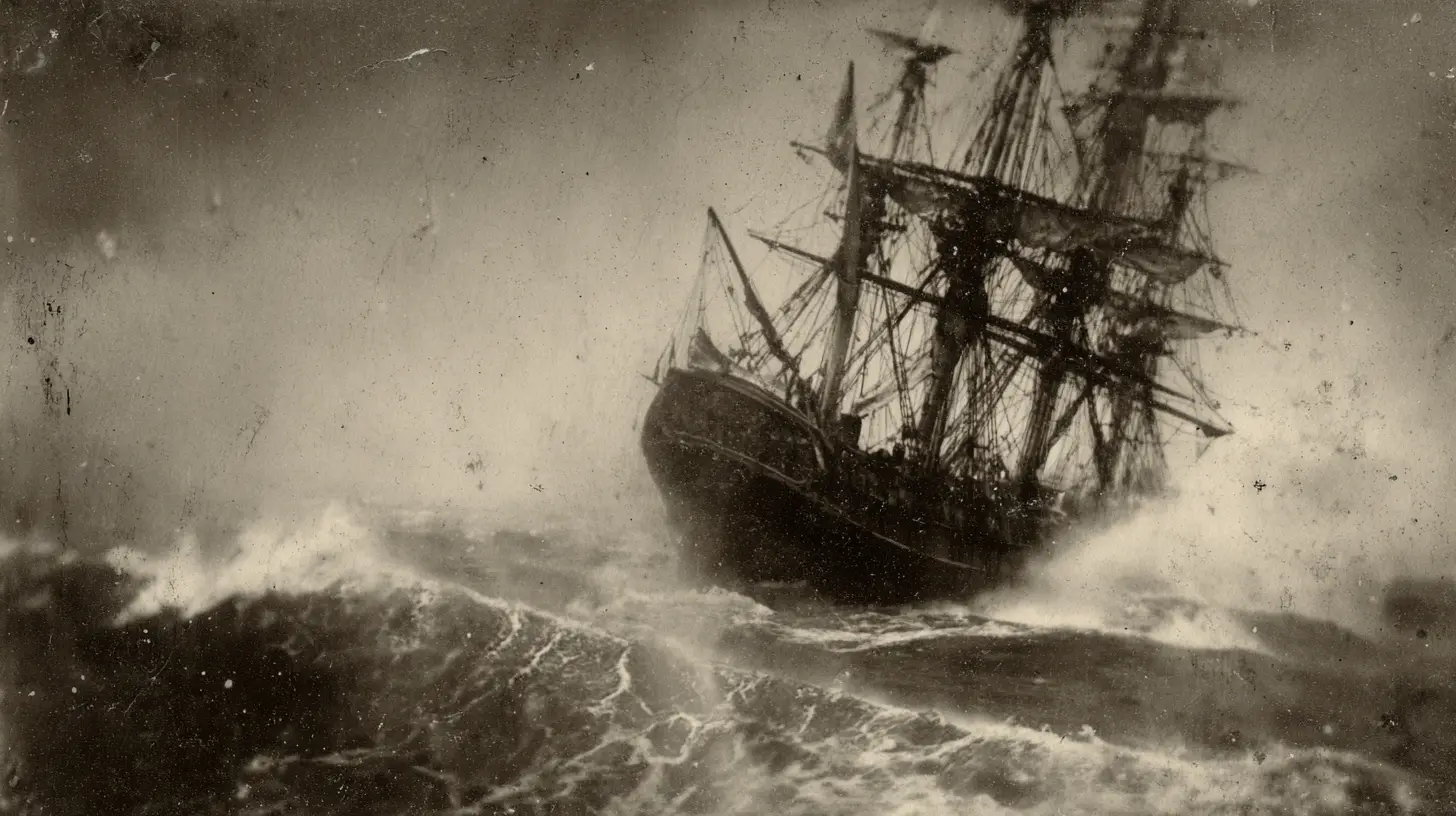
Official accounts say Lafitte died in February 1823 after a naval battle off Honduras. He was supposedly wounded and died at dawn on February 5, then buried at sea. Colombian newspapers published obituaries. But rumors immediately spread that he’d faked his death. Some claimed he rescued Napoleon from exile and both died in Louisiana. Two amateur historians even wrote a book claiming he changed his name to Lorenzo Ferrer and died in North Carolina in 1875. No mainstream historians buy it, but the mystery persists.
HE TREATED PRISONERS BETTER THAN MOST PIRATES
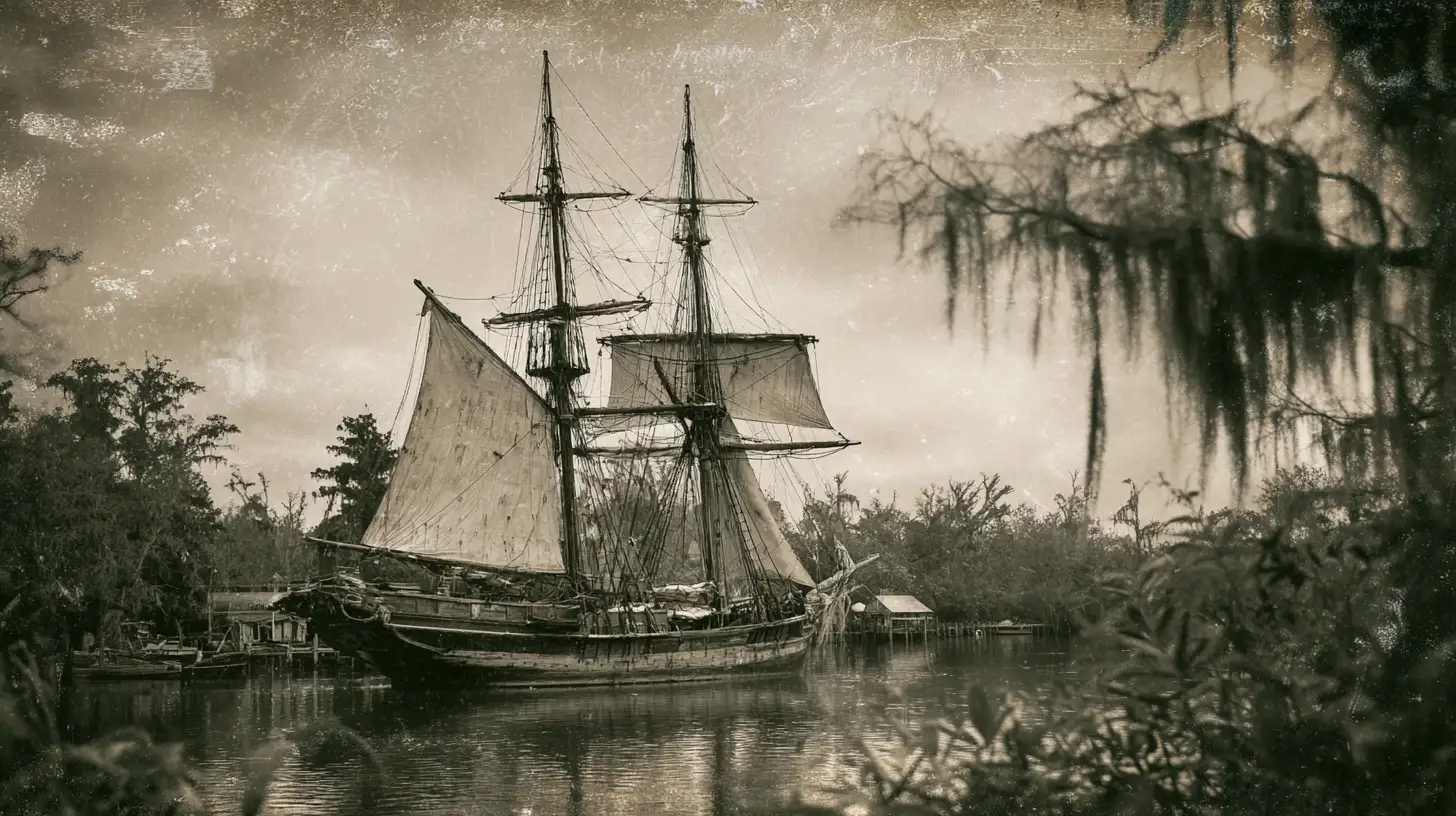
The Lafitte brothers earned a reputation for treating captured crews well. They often returned ships to their original crews after unloading cargo. In one documented case from 1813, they captured a schooner, stripped it of goods worth over $9,000, then gave it back to the captain and crew. This was extraordinary in an era when most pirates killed witnesses.
HE BASICALLY INVENTED MODERN SMUGGLING ROUTES
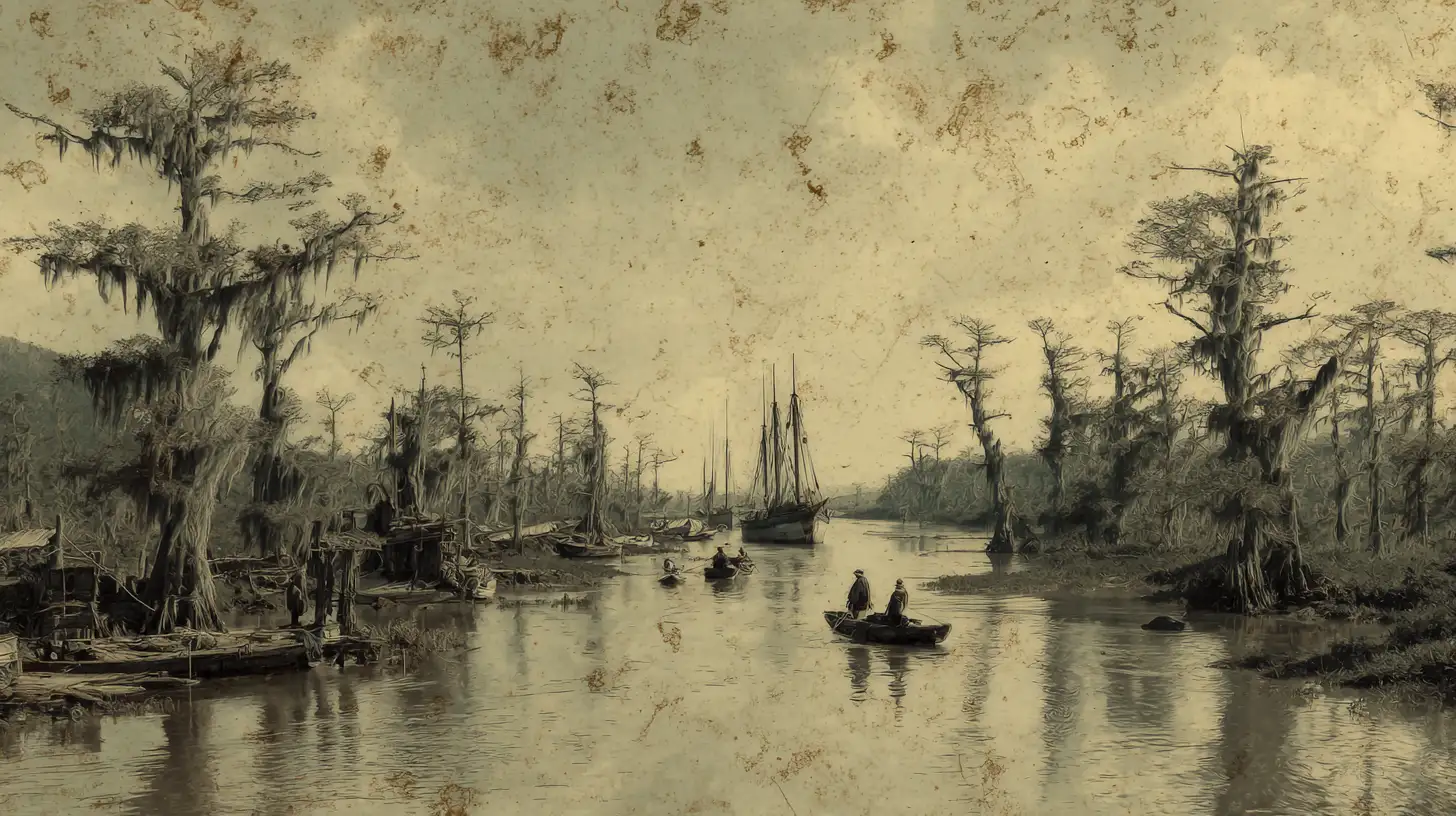
Lafitte knew “every inlet from the Gulf” better than anyone alive. His operation worked like this: ships would arrive at his Barataria base, unload contraband onto smaller boats, then travel through Louisiana’s maze of bayous to New Orleans. The ships would create fake manifests listing legal goods while carrying smuggled items. Customs rarely checked outgoing cargo, so ships would leave New Orleans legally, pick up contraband at Bayou Lafourche, and sail back with certified paperwork. Kind of brilliant if you think about it.
THE GOVERNOR PUT A BOUNTY ON HIM (HE RETURNED THE FAVOR)
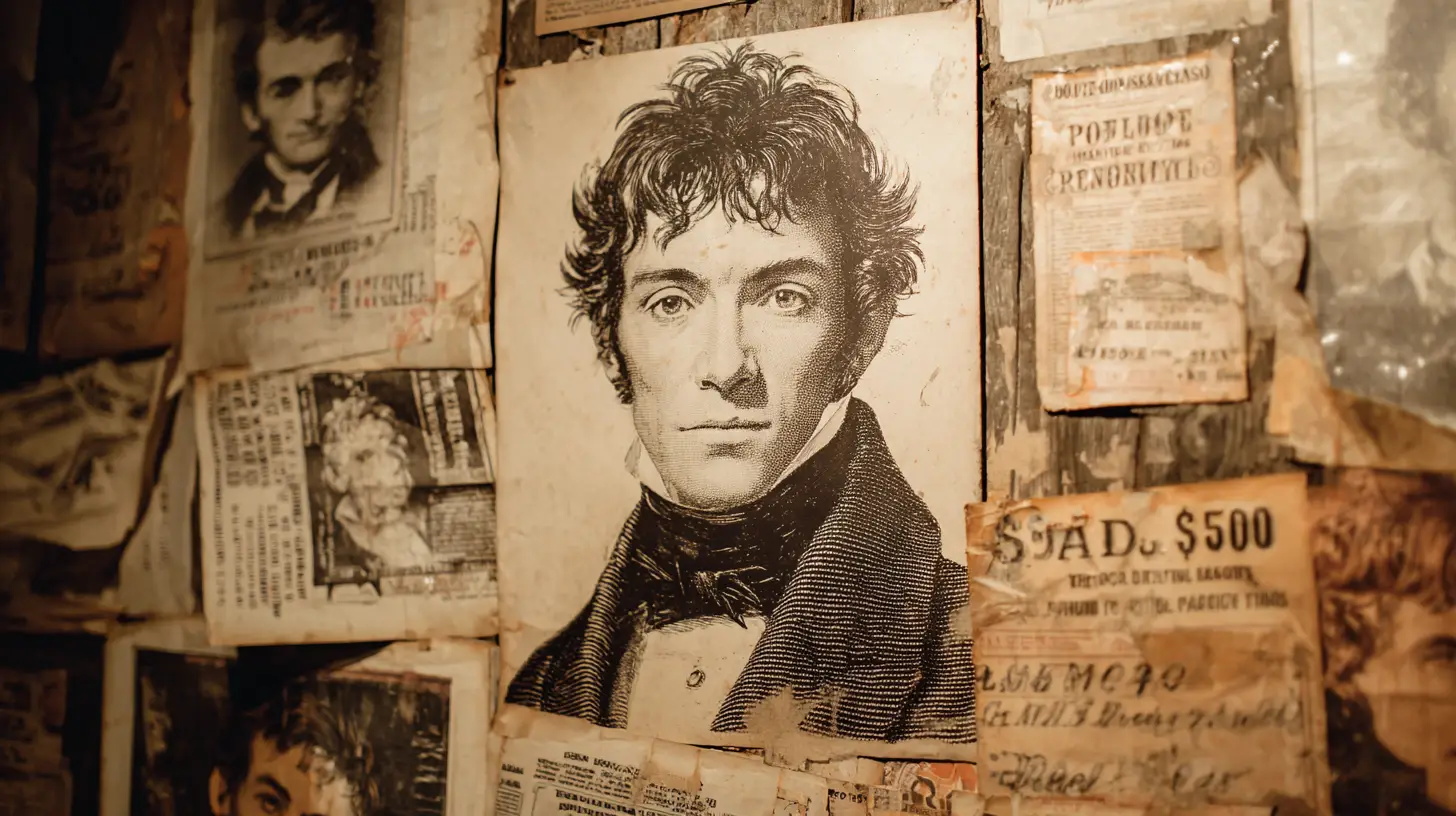
In 1813, Louisiana Governor Claiborne offered $500 for Lafitte’s capture. Within two days, handbills appeared all over New Orleans offering the same amount for the governor’s arrest. Most historians doubt Lafitte created the posters, but he never denied it. The move was pure theater, and New Orleans residents loved it because Lafitte provided luxury goods the embargo blocked.
HIS “JOURNAL” IS ALMOST CERTAINLY A FORGERY
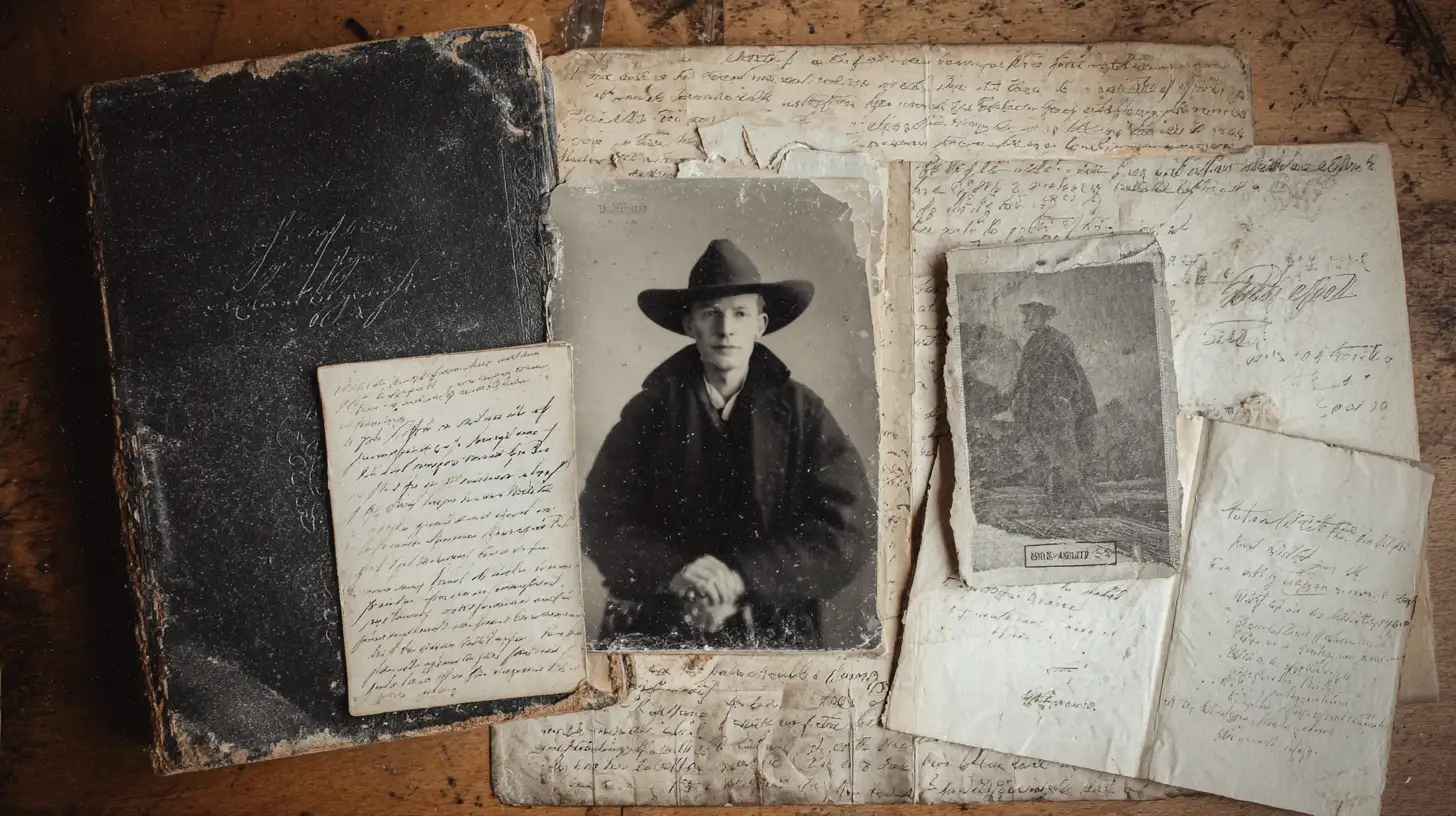
In 1948, John Andrechyne Laflin presented a French manuscript he claimed was Lafitte’s journal covering 1845-1850. The paper and ink tested as authentic mid-19th century materials. But handwriting experts confirmed Laflin wrote it himself. He’d previously forged letters from Abraham Lincoln, Andrew Jackson, and Davy Crockett. The journal fooled people for decades before being definitively debunked.
HE INSPIRED DISNEYLAND

Disneyland’s New Orleans Square features a ship anchor monument dedicated to Lafitte. The Pirates of the Caribbean ride includes a boat dock labeled “LaFitte’s Landing.” He became such a romantic figure that he evolved from an actual criminal into a theme park attraction. Lord Byron’s 1814 poem “The Corsair” was widely believed to be based on Lafitte’s life, selling 10,000 copies on its first day. The man has been mythologized in novels, films, TV shows, comic books, and even 1960s breakfast cereal ads (as Jean LaFoote, the barefoot cartoon pirate who appeared in Cap’n Crunch commercials).