
15 min read
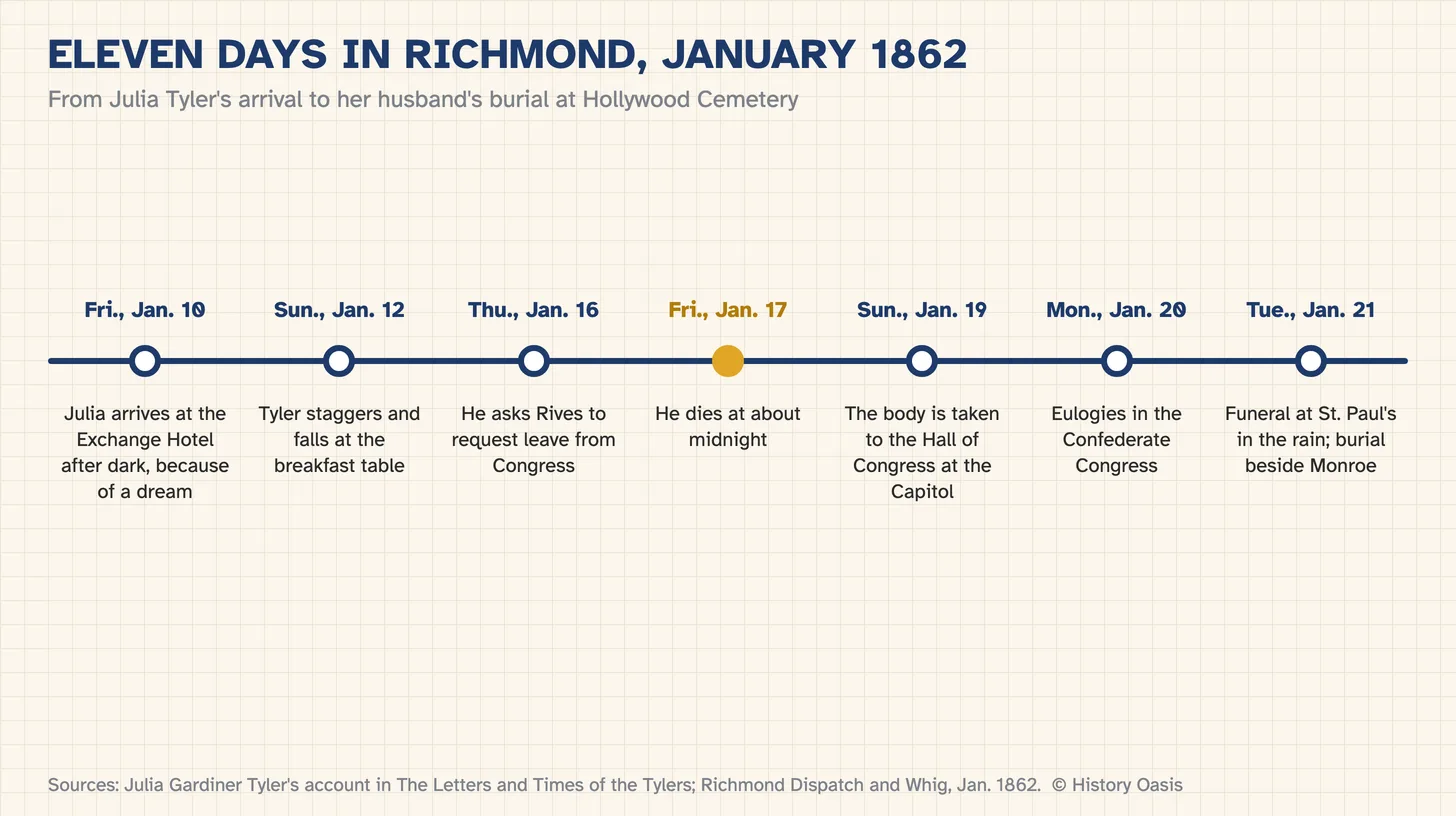
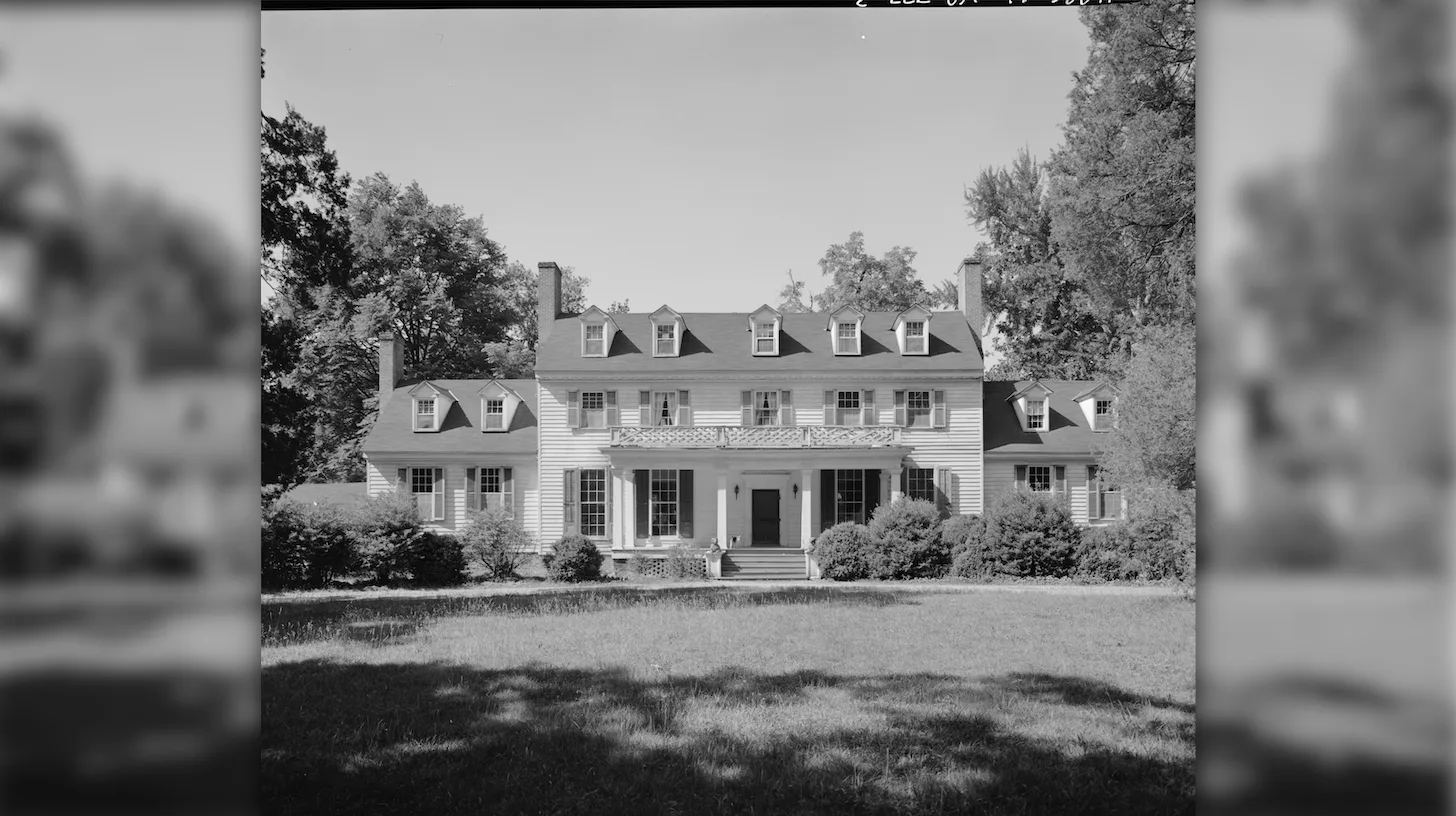
On Friday, January 10, 1862, after dark, a carriage drew up at the Exchange Hotel in Richmond, and a woman got down from it with a nurse and a baby girl, though nobody in the hotel had expected her for at least another week. She was Julia Gardiner Tyler, and she had come straight up the James River because of a dream.
Her husband was John Tyler, who had been the tenth president of the United States and was now a member-elect of the Congress of the Confederate States. He was seventy-one. Eight days later he was dead, and the two capitals that had both, at different times, given him office marked his death in ways that tell a good deal about the first winter of the war.
The dream at the river house
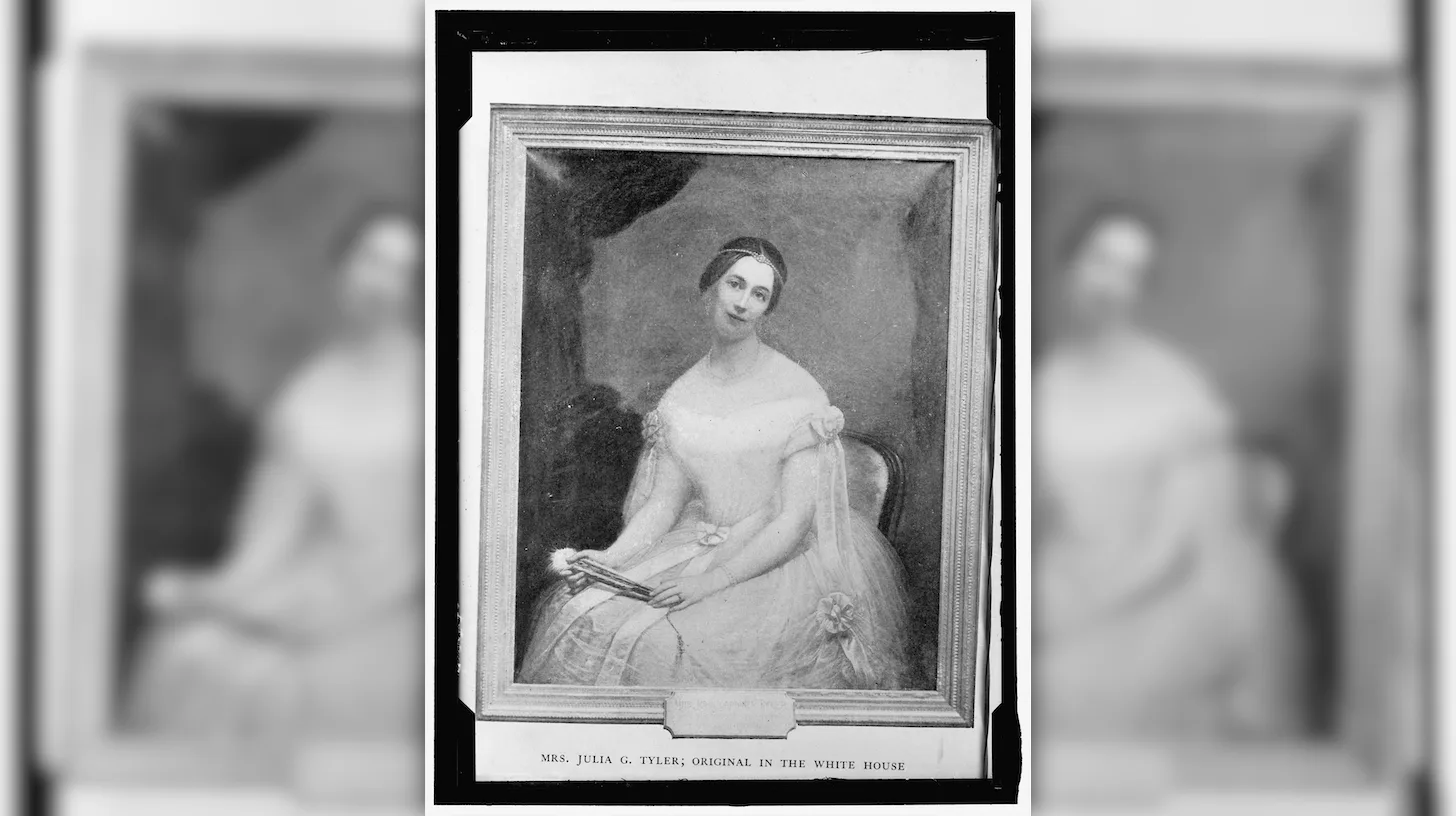
Julia set the story down in her own words, and her son printed it many years afterward. She had planned to stop on the way at two plantations on the river, Brandon and Shirley, and stay a week with friends. But she woke on the morning of her departure from a troublesome dream in which she had risen to dress and, looking back at the bed, had seen her husband lying there pale and ill. “Are you awake, darling,” he said in the dream, and asked her to come and hold his head. She told it to Nancy, the maidservant, who answered, “You know, mistress, dreams always go by contraries.” Julia went straight to Richmond anyway.
At the hotel she learned that the President was quite well, and she waited in his room. In a few moments she heard his quick steps on the bridge that crossed Franklin Street from the Exchange to the Ballard House, which was joined to it, and he came in. “The baby clapped her little hands on seeing him.” He took the child, Pearl, from the nurse and said, “I really believe she knows me,” and then asked what the change of plans meant.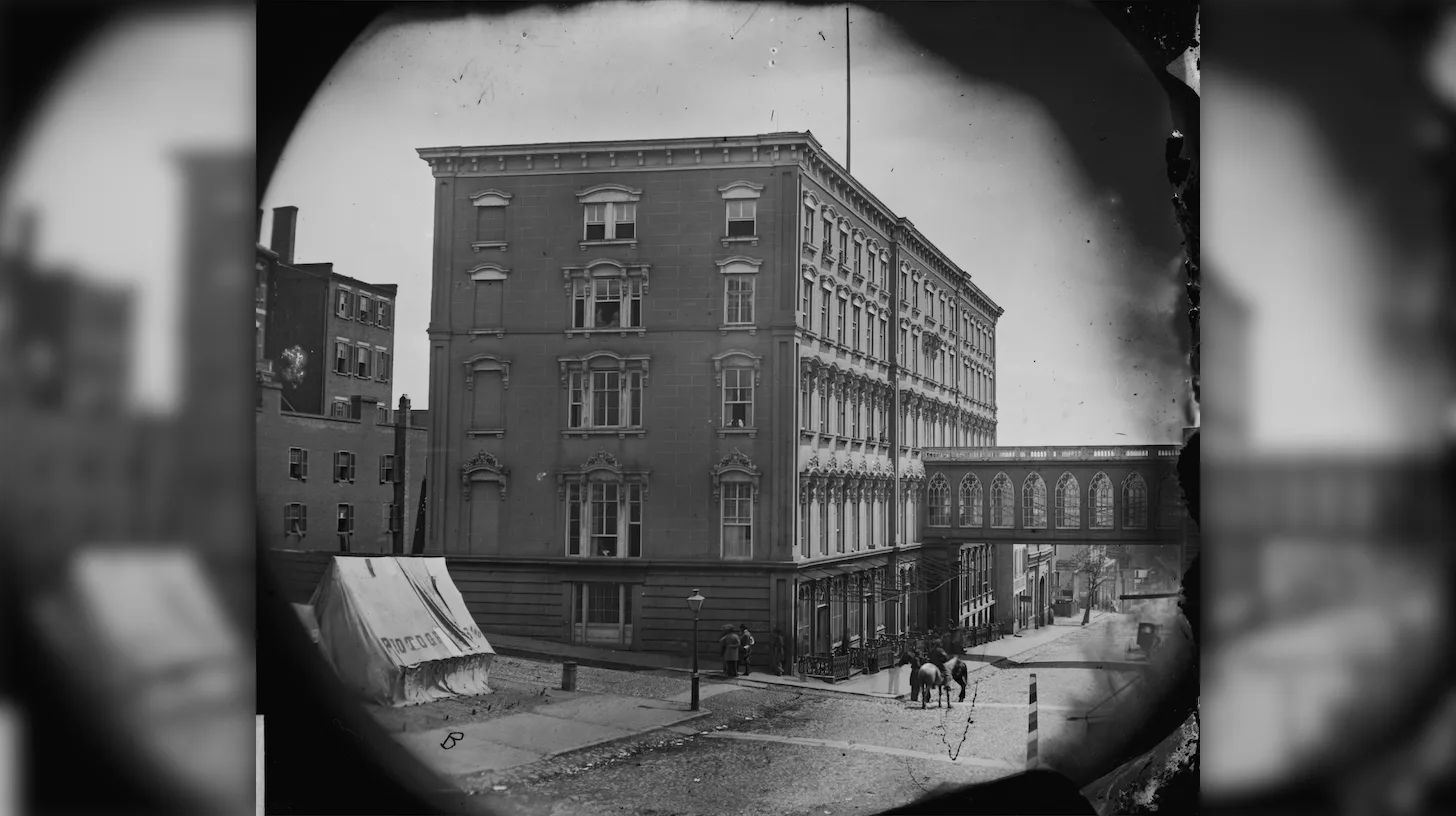
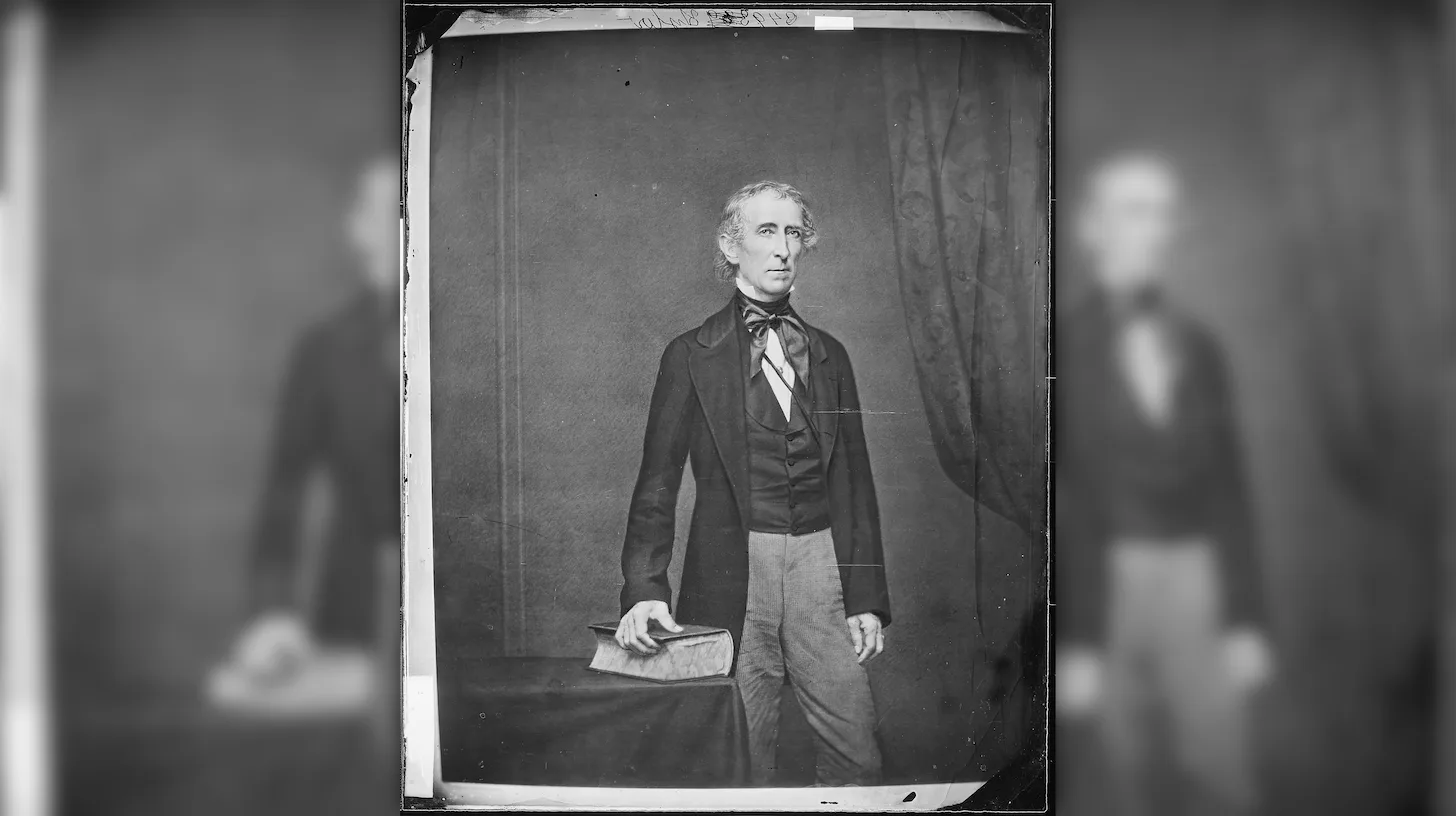
He was a tall, spare man, six feet in height by one account, with what an old Virginia friend described as “a very prominent, thin” Roman nose. A writer who described him as a senator, long before, had found him “very fair, with a high retreating forehead,” and blue eyes. He had kept his bearing into old age. “But with form erect and step elastic, he moved amongst us, and was of us,” a fellow member of the Confederate Congress said that winter. On Saturday the parlor was full of visitors, and one of them admired his new suit. Tyler laughed and said he wore it in honor of his wife’s arrival.
The man who had chaired the peace conference
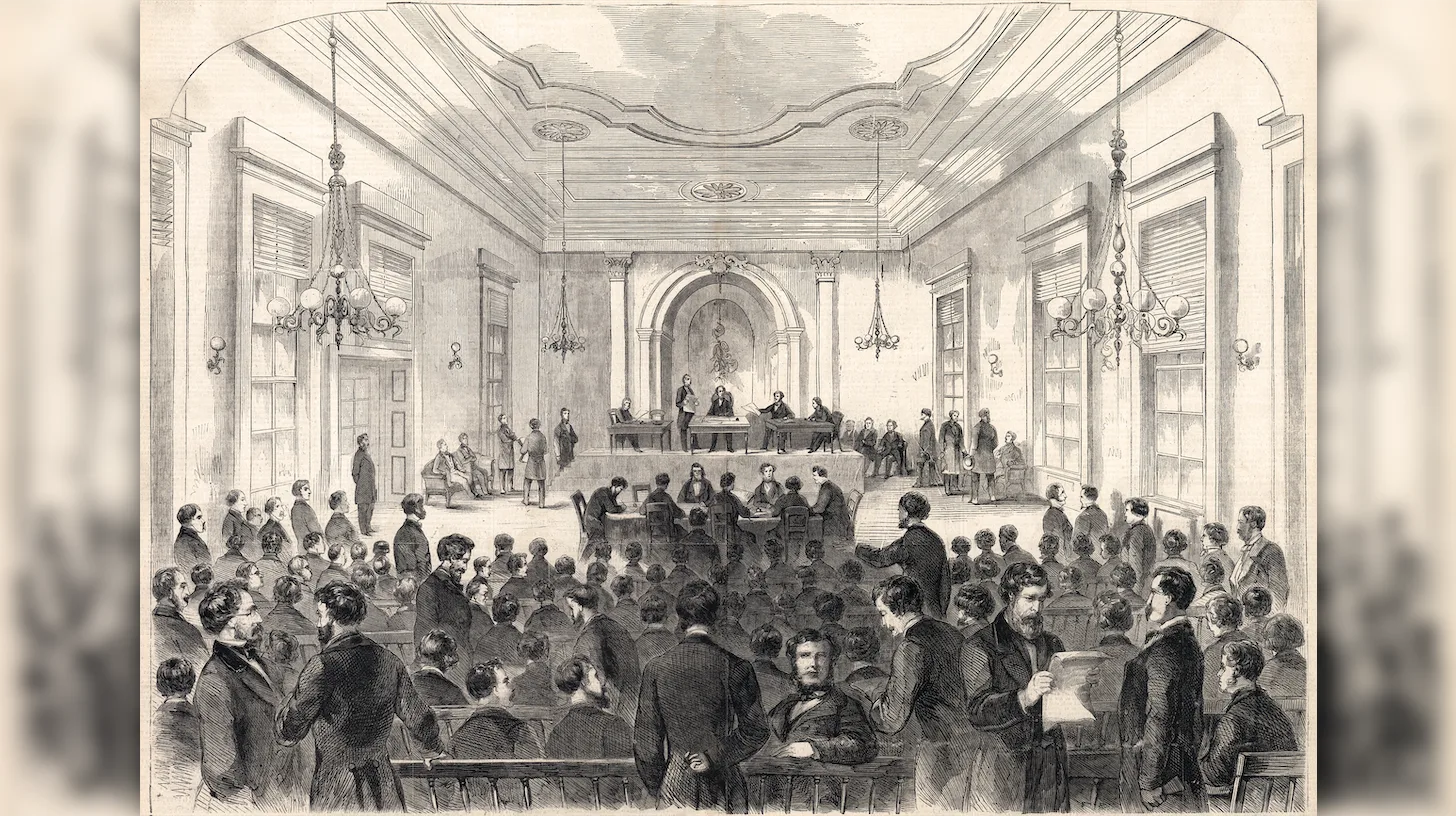
Eleven months before, he had been in Washington, at the other end of the quarrel. In February 1861 delegates of the states met in Washington to look for a compromise, and they chose the old president to preside. His health, he told them on the first day, was “variable and fickle,” but he took the chair and laid out the task.
“You have to snatch from ruin a great and glorious Confederation, to preserve the Government, and to renew and invigorate the Constitution.”
A delegate from Vermont, writing his memoirs thirty years later, remembered him stepping in when two members came near to blows on the floor: “Shame upon the delegate who would dishonor this Conference by violence.” In the end Tyler himself voted against the conference’s seven resolutions.
Then Fort Sumter was fired on, and Lincoln called for troops, and on April 17 Tyler voted with the majority of the Virginia convention to secede. A fortnight later he wrote from Richmond to his wife’s mother in New York that “The whole State is clad in steel.” Julia, who had been born in New York, wrote home that she was “utterly ashamed of the State in which I was born, and its people.” The convention sent Tyler to the provisional Congress of the Confederacy, and in November the voters of the district that held the new capital elected him to its House of Representatives. In the new year he went up to Richmond from his plantation, Sherwood Forest, a few weeks ahead of his family.
A cup of hot tea
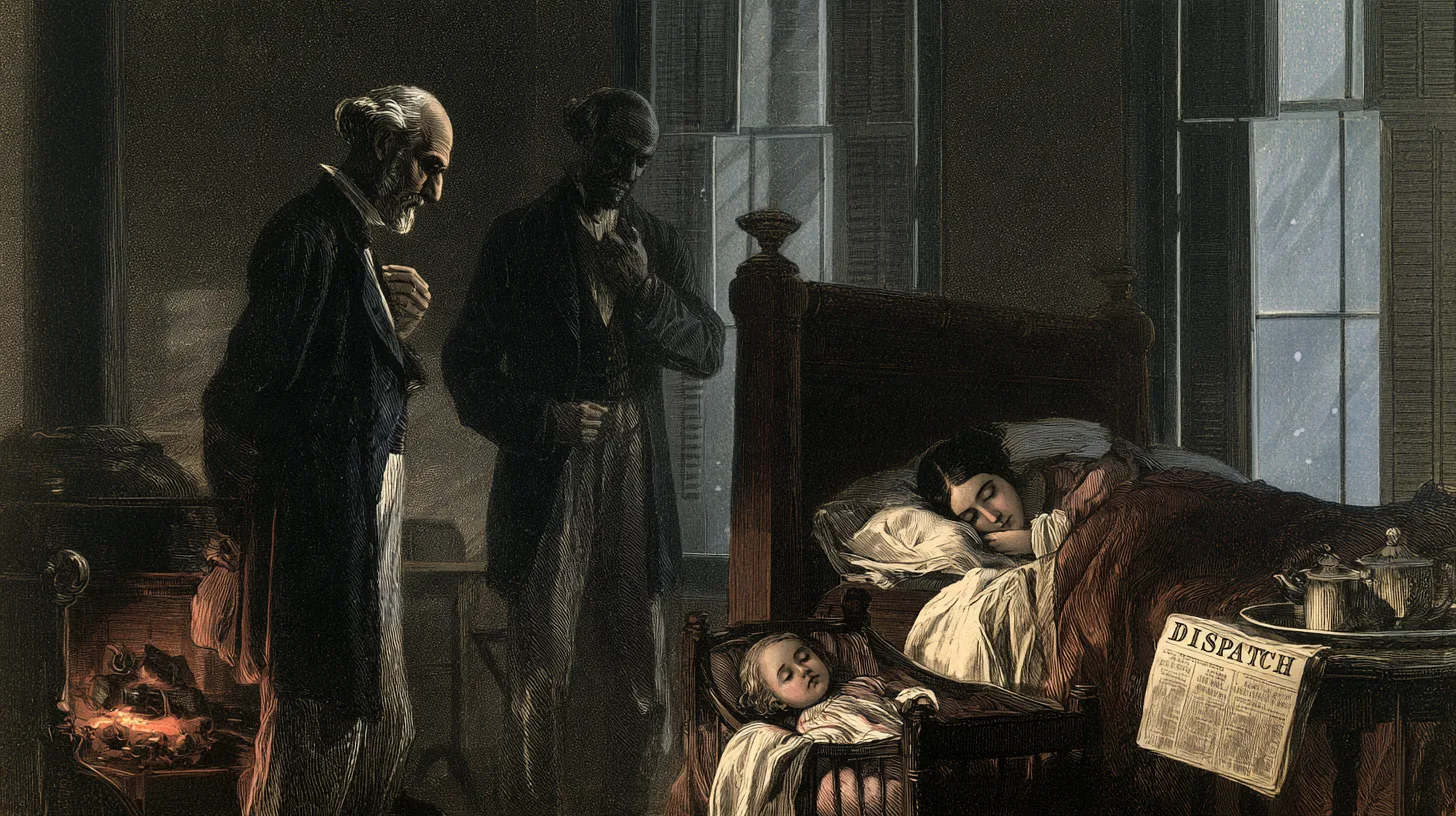
On Saturday night Julia woke with a headache, and he weighed out some morphine for her and laid his hand on her forehead. “You see your dream is out,” he said; it was her head he was holding, and not she his. Early on Sunday morning she saw him standing before the fire, nearly dressed. He said he believed he had had a chill and meant to go down to the breakfast table for “a cup of hot tea.” She begged him to send for it, but he went, and she slept.
She woke when he came back into the room “with collar open, and cravat in hand.” He had risen to leave the table, he told her, and had staggered and fallen, and he had been lifted and carried to a sofa in the parlor. His first concern was the talk: “it will be all around the town.” Friends crowded in, and before they left he told them about the dream. “Her dream is a true one,” he said, and he left his wife and children, he told them, to God and his country.
His physician called it a bilious attack with bronchitis. Tyler did not keep entirely to his bed, and he talked of little but the state of the country. On Thursday he asked William C. Rives, a fellow Virginian in the Congress, to request leave for him to go home for a few days, as the doctor wished, and he told Julia they would go to Sherwood on Saturday.
On Friday night, an hour after he had gone to sleep, he woke with a feeling of suffocation. His son Robert, who had stayed the night on the sofa, ran for a doctor whose room was on the same floor. A cot for the baby stood by the bed, and in his restlessness Tyler threw himself across toward it and woke her. “Poor little thing, how I disturb her,” he said, and asked to have her brought to him so that he could kiss her. The doctors gave him mustard plasters and brandy. To one of them he said, “Doctor, I am going,” and the doctor said, “I hope not, sir,” and Tyler said, “Perhaps it is best.” Julia held the glass to his lips again.
“his teeth chattered on the glass; he looked forward with a radiant expression, as if he saw something to surprise and please”
Under the flag of his State
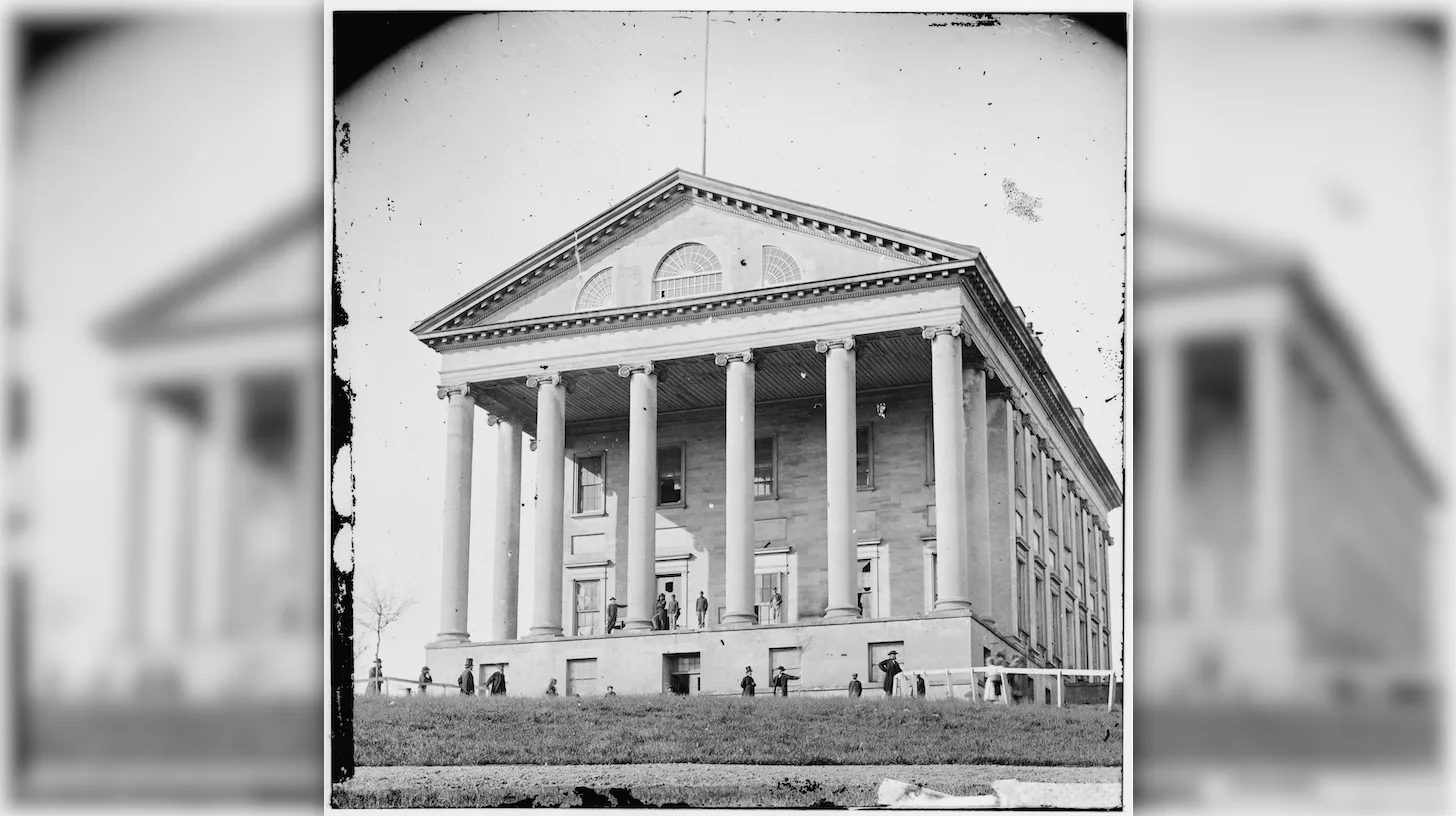
The governor of Virginia, John Letcher, put the hour of death at twelve o’clock on Friday night. On Saturday the flags on the public buildings of Richmond were lowered to half-mast, the bell of the Capitol tolled for much of the day, and the governor closed the state offices. “He fell with harness on, at the post of duty,” the Dispatch wrote. The Virginia legislature asked that, with the family’s consent, he be buried in Hollywood Cemetery near James Monroe, the other Virginia president who lay there, and voted for a monument.
On Sunday the Public Guard, with the Armory Band in front, escorted the body from the hotel to the Capitol, where the Confederate Congress sat. He lay there through Monday in the draped Hall of Congress with a wreath of evergreens and white roses on his breast. The two Richmond papers described the flag over the coffin differently. The Whig called it “the flag of his country,” and the Dispatch said “the flag of his State,” which would be Virginia’s. Neither paper said anything more about it, and neither mentions a flag at the grave.
On Monday the Congress met, and its members spoke one after another. Rives said that Tyler had asked him, the day before he died, to request a leave of absence, and that “A far higher authority. the great Governor of the universe, has granted him that leave of absence.” Robert M. T. Hunter, another Virginian, spoke longest.
“He left us before age had bowed his frame or dimmed the light of his intellect, and he resigned life when its future course was beginning to promise here more of pain than pleasure.”
“To-morrow,” Hunter said, “we shall lay him beneath his mother earth, on the beautiful bank of the James, where his slumbers shall be soothed by the sound of its falling waters.” The Congress voted to wear mourning for thirty days and to attend the funeral at noon.
Four white horses in the rain
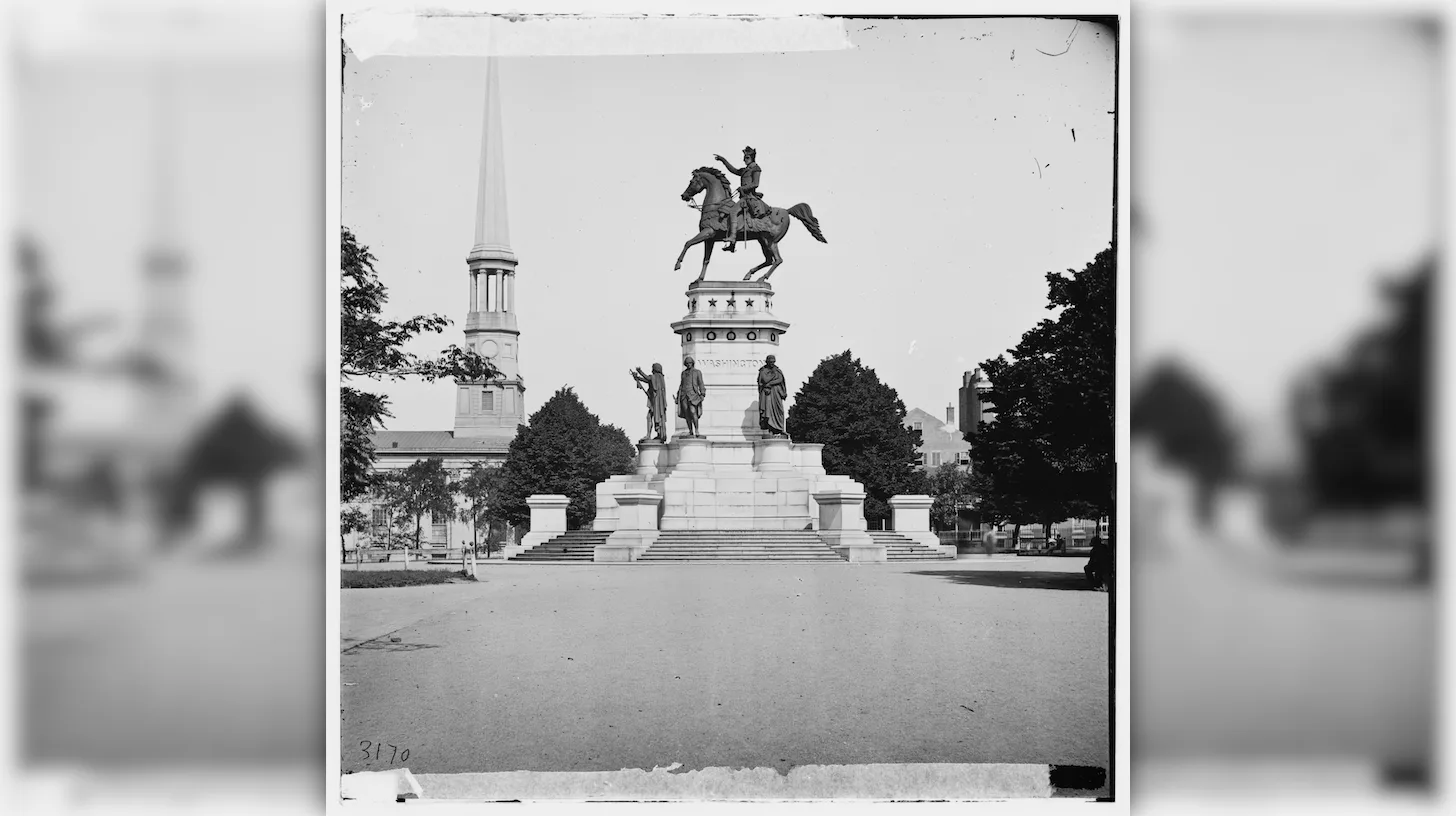
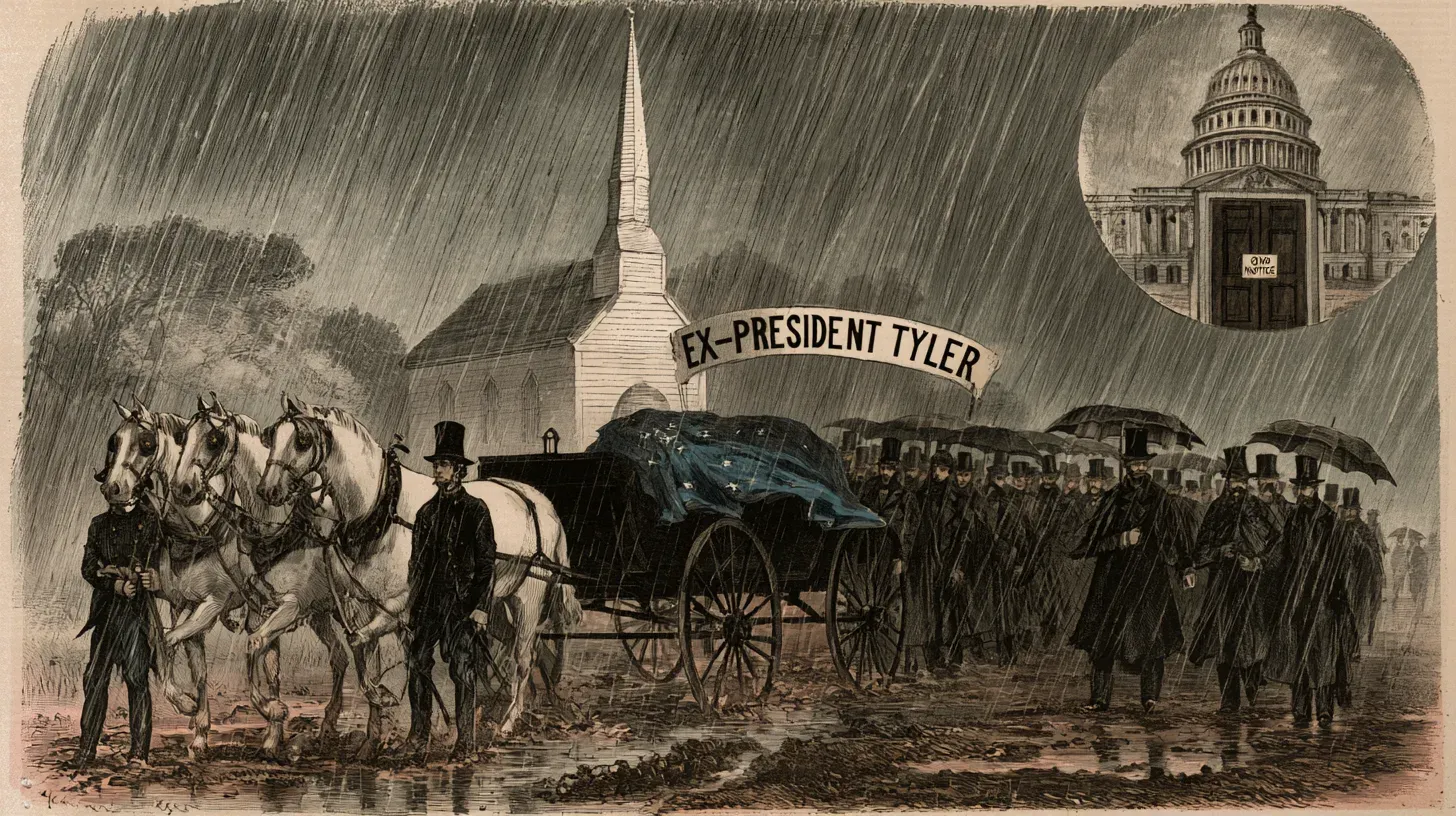
Tuesday was raw. All the forenoon the rotunda of the Capitol was crowded with people come to take a last look at him. A light rain fell nearly the whole time, the Whig reported, and the air was very damp and chilly, and the unpaved streets were ankle deep in mud. At twelve o’clock a file of the State Guard lifted the coffin and carried it out of the Hall of Congress to a hearse at the western entrance. Four white horses were harnessed to it, with a Black groom at the head of each.
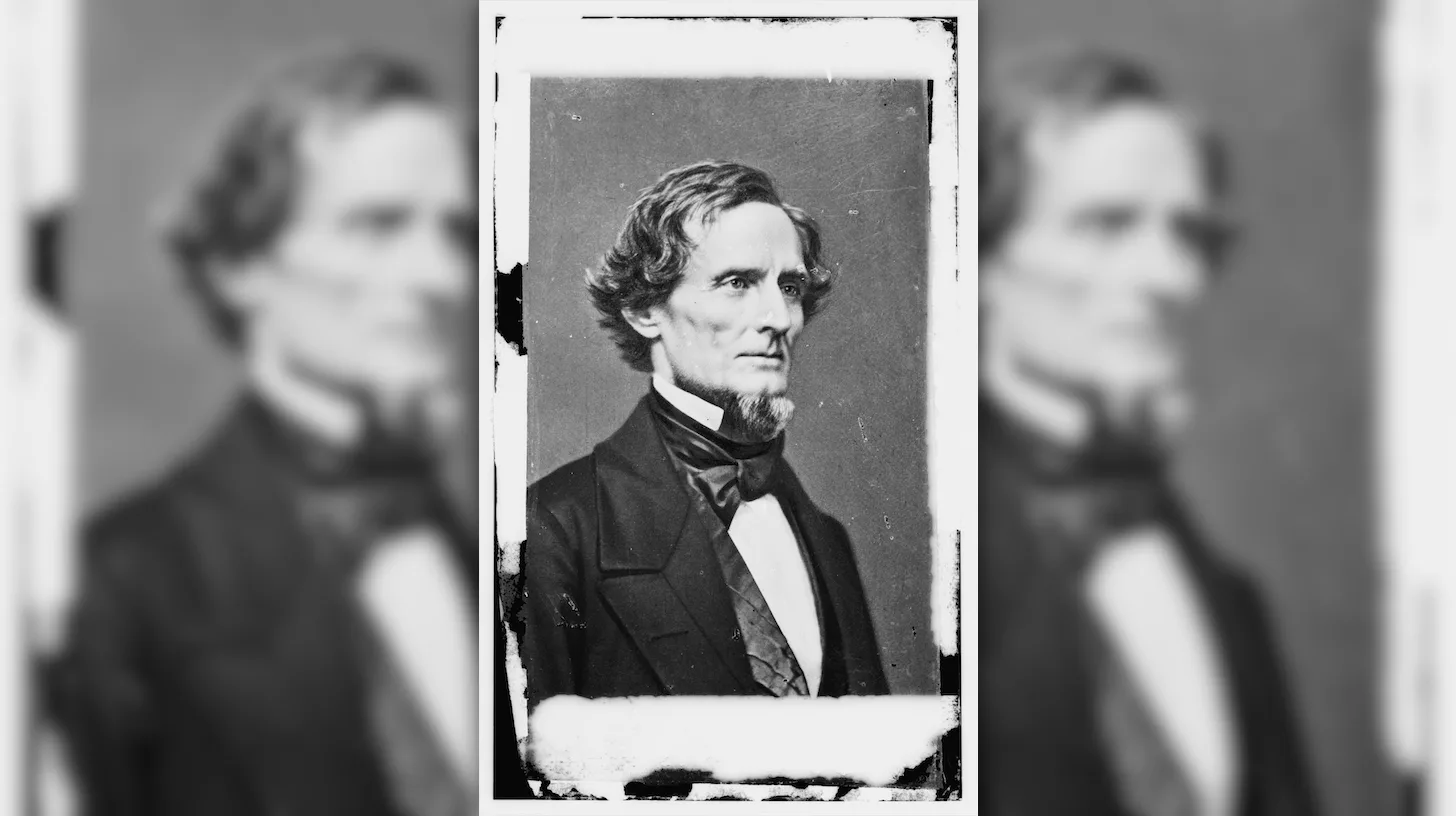
The procession went on foot to St. Paul’s Church, the band playing a dirge. Behind the body walked the committees of arrangements and then Jefferson Davis, the President of the Confederacy, followed by Governor Letcher, the members of Congress and both houses of the Virginia legislature. The church was filled. Bishop John Johns of the Episcopal Church preached on the seventh verse of the thirteenth chapter of Romans, and he recalled the day four years earlier when Monroe’s body had been brought home to be reburied at Hollywood, by men of the North who were now, as the Whig summarized him, “pressing upon our soil in ruthless invasion.”
The cemetery was a long way out, and the mud and the distance ruled out walking. About one hundred and fifty carriages formed in line, a quarter of a mile of them, and went up Grace Street to Fifth, down Fifth to Main, up Main to Second, down Second to Cary, and out along Cary to the cemetery road. People stood in the drizzle on the piazzas of the Central Hotel to watch them pass. The Whig thought that better weather would have brought a much larger crowd.
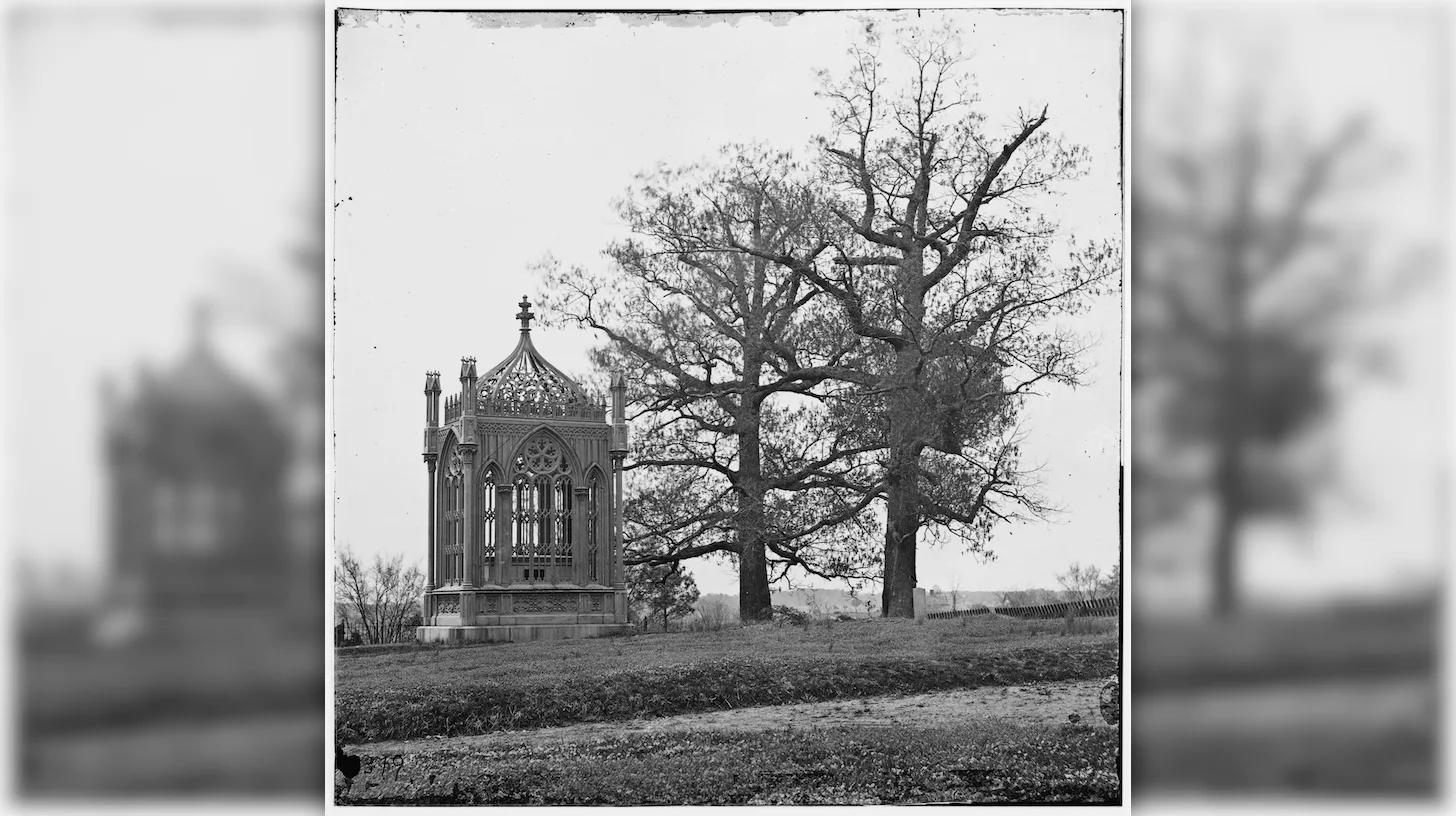
The grave was dug on a knoll beside the tomb of Monroe, looking out over the river. Below it the James runs over its falls, and the Whig’s reporter wrote that the sound of the water could be heard there “as a constant and distinct music by day and by night.”
Unmourned and unhonored
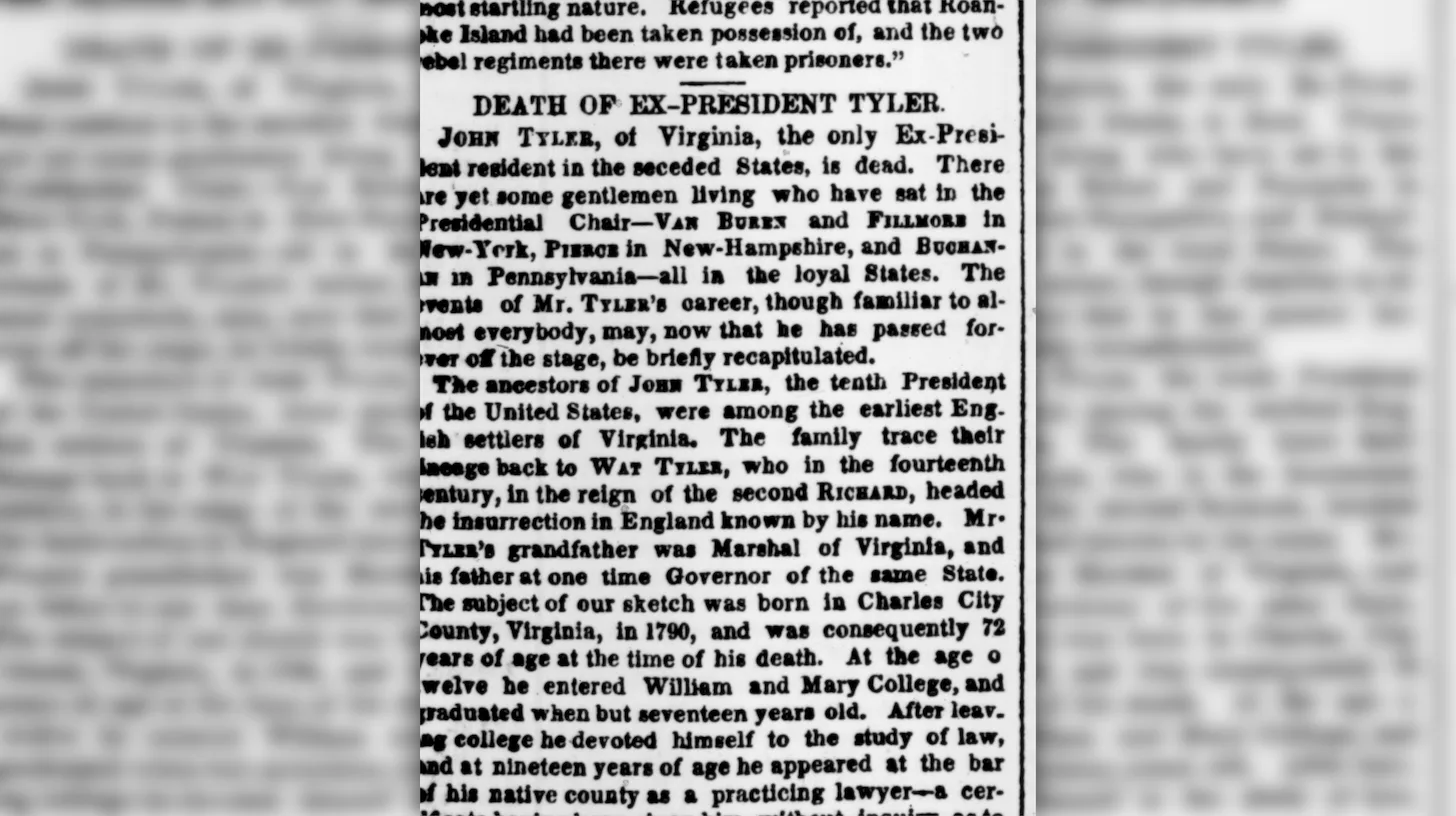
In Washington no one in government said anything at all. The Congressional Globe for those weeks mentions Tyler only once, in passing, in a debate about Texas. President Lincoln issued no order. Six months later, when Martin Van Buren died at his home in New York, Lincoln announced it “with deep regret” and put the departments of the government into mourning.
The Northern newspapers were not silent. The New York Times called Tyler “the most unpopular public man that had ever held any office in the United States,” and said that whatever else he had been called was now lost sight of “in the later and more infamous appellation of traitor.” Union troops, it added, were quartered in his house at Hampton. The New York Herald, in a notice the Dispatch reprinted for its readers, was harder still, writing that “Mr. Tyler added the darker gloom of treason, and closed his life in the capital of the rebels, surrounded by armed traitors,” and that “He died, therefore, unmourned and unhonored.” Harper’s Weekly gave him a single line, and got the date of his death wrong.
In Richmond the Congress voted to pay the funeral expenses, and within days the Dispatch printed a call for a candidate to fill the dead man’s seat. Governor Letcher reported that the circle around Monroe’s tomb had been too small, so the grave lay just outside it, and he asked the legislature to buy that ground for $2,000 and put up a monument. The state never built one. A plaster mask had been taken of Tyler’s face, and during the war Union soldiers who came through Sherwood Forest broke it.
Fifty-three years after the funeral, the Congress of the United States paid for the monument. It authorized the work in 1911, set aside $10,000 for it, and the War Department built a monument topped with a bronze urn between the spread wings of two American eagles beside the grave at Hollywood. The program for the dedication in October 1915 called for a presidential salute from the Richmond Howitzers and “The Star Spangled Banner” from the Coast Artillery band at Fort Monroe. The monument was unveiled by Mrs. Pearl Tyler Ellis, his only surviving daughter.
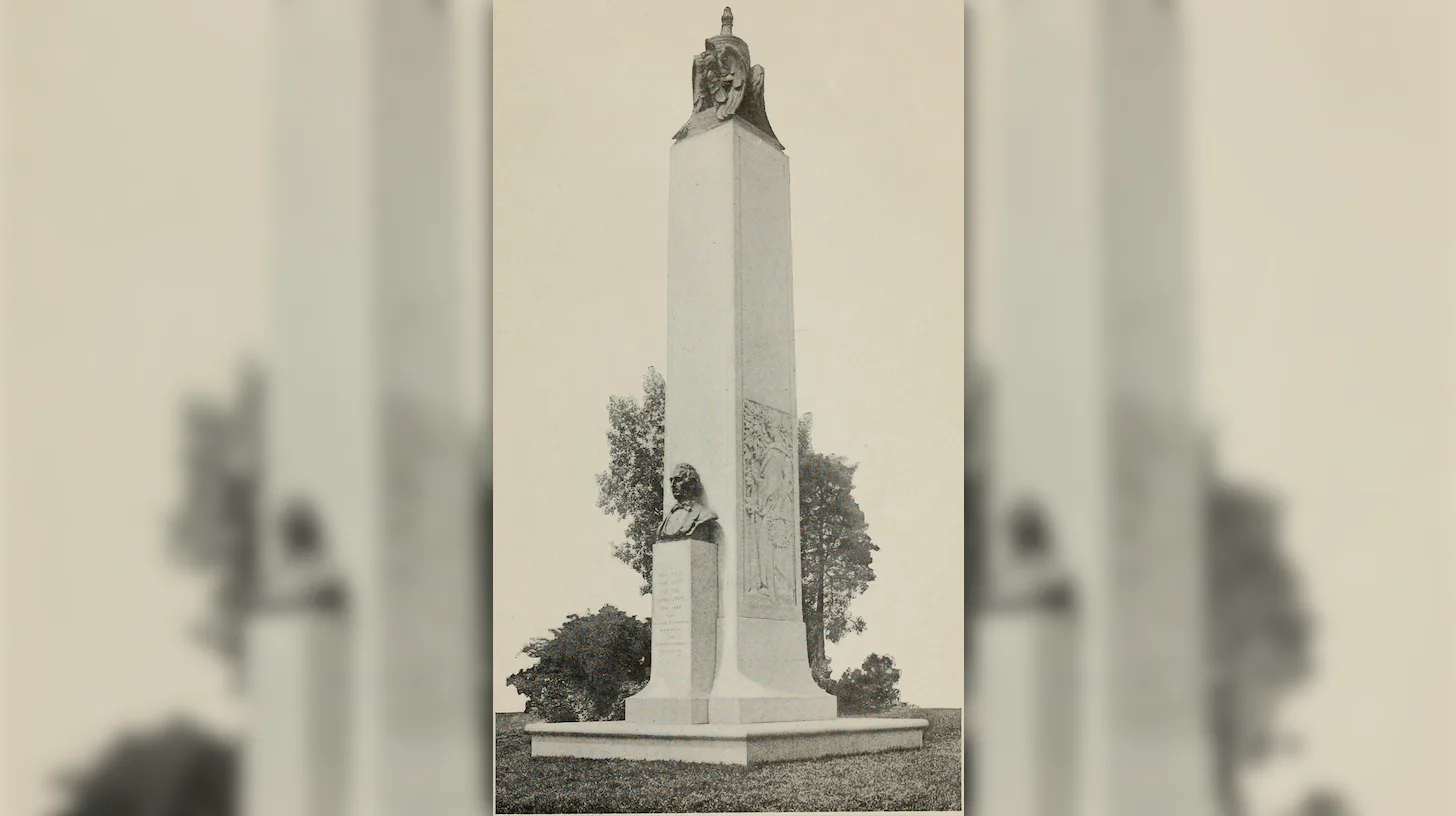
She had been the baby who clapped her hands at the Exchange Hotel.


