
6 min read
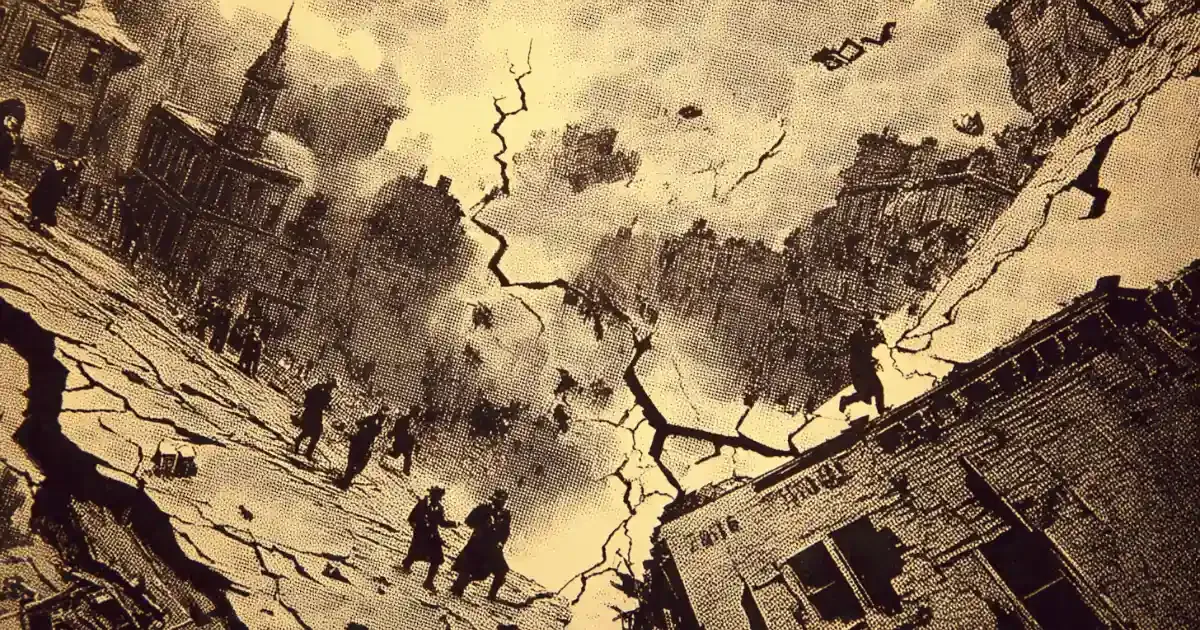
Throughout history, the most destructive earthquakes have reshaped landscapes, devastated communities, and left a lasting memory on human civilization, claiming millions of lives and altering the course of nations.
SHAANXI EARTHQUAKE, CHINA (1556)
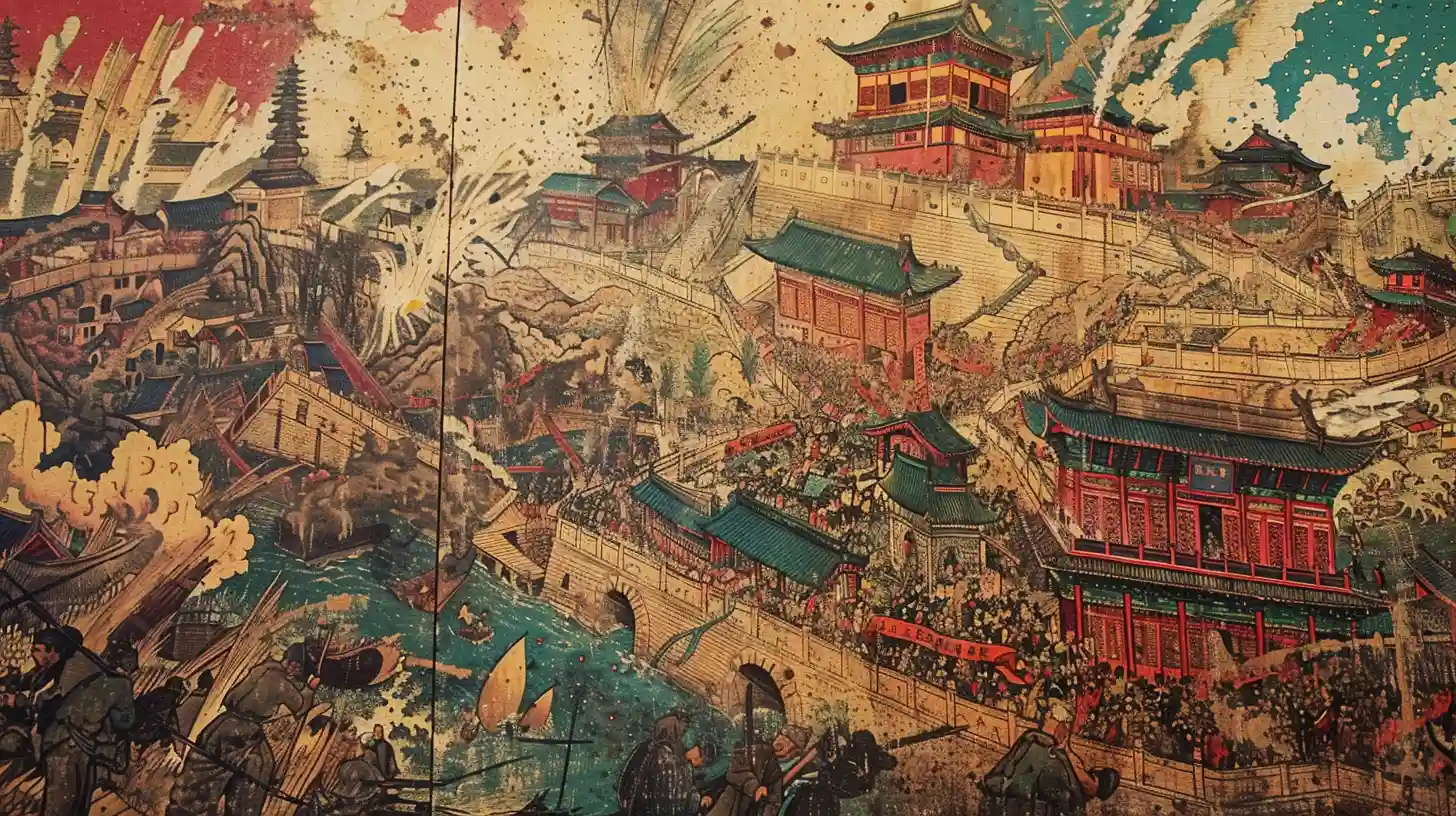
The 1556 Shaanxi earthquake in China was the deadliest recorded earthquake in history, killing over 830,000 people through direct impacts, landslides, and subsequent famine and plagues.
One of the most shocking aspects of this disaster was that many victims lived in artificial caves called yaodongs carved into loess cliffs, which collapsed during the quake, burying people alive as they slept.
TANGSHAN EARTHQUAKE, CHINA (1976)
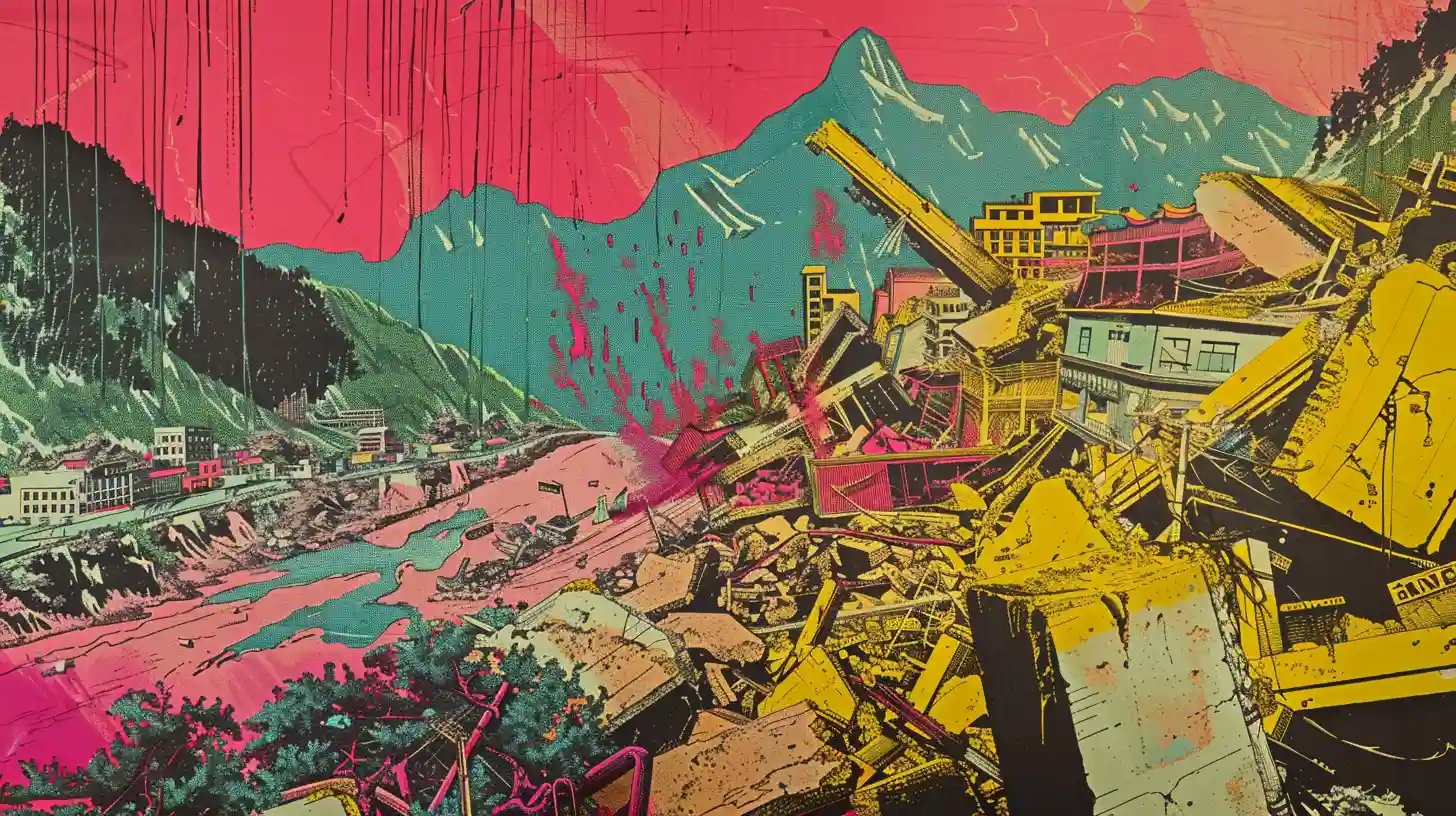
The 1976 Tangshan earthquake in China was one of the deadliest natural disasters in recorded history, killing at least 242,000 people and possibly up to 655,000 according to some estimates.
Despite the enormous scale of destruction, with 85% of buildings in Tangshan collapsing or becoming unusable, some coal miners managed to survive underground for up to two weeks before being rescued.
ALEPPO EARTHQUAKE, SYRIA (1138)
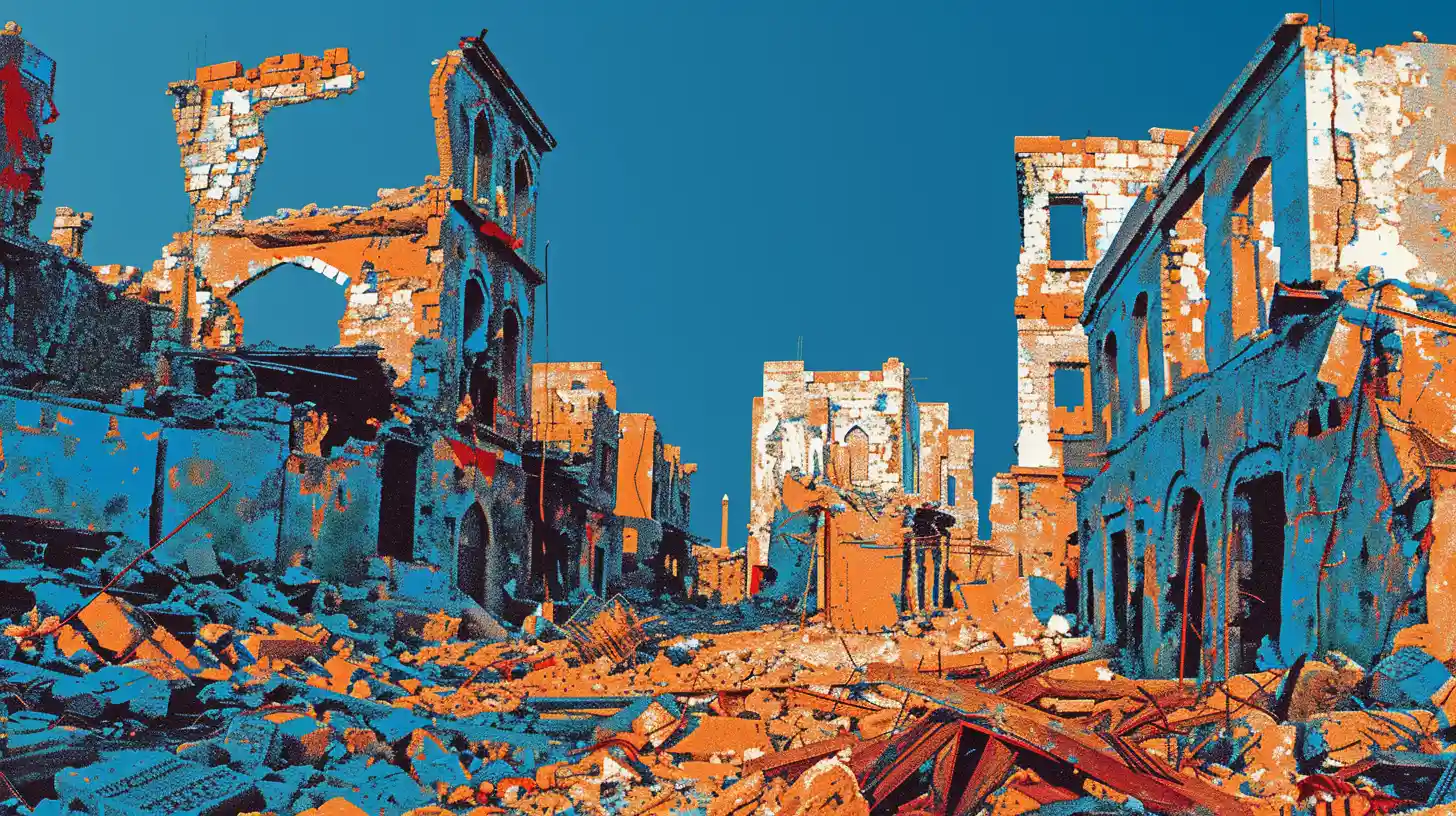
The 1138 Aleppo earthquake was one of the deadliest in history, reportedly killing 230,000 people and causing widespread destruction across northern Syria.
Some accounts claim that the ground split open in the nearby village of Azrab, swallowing it whole, though this may have been due to a landslide triggered by the earthquake.
SUMATRA EARTHQUAKE & TSUNAMI, INDONESIA (2004)

The 2004 Indian Ocean earthquake and tsunami was one of the deadliest natural disasters in recorded history, killing an estimated 227,898 people across 14 countries.
The earthquake was so powerful that it caused the Earth to vibrate as much as 1 cm and actually shortened the length of the day by 2.68 microseconds.
HAITI EARTHQUAKE (2010)
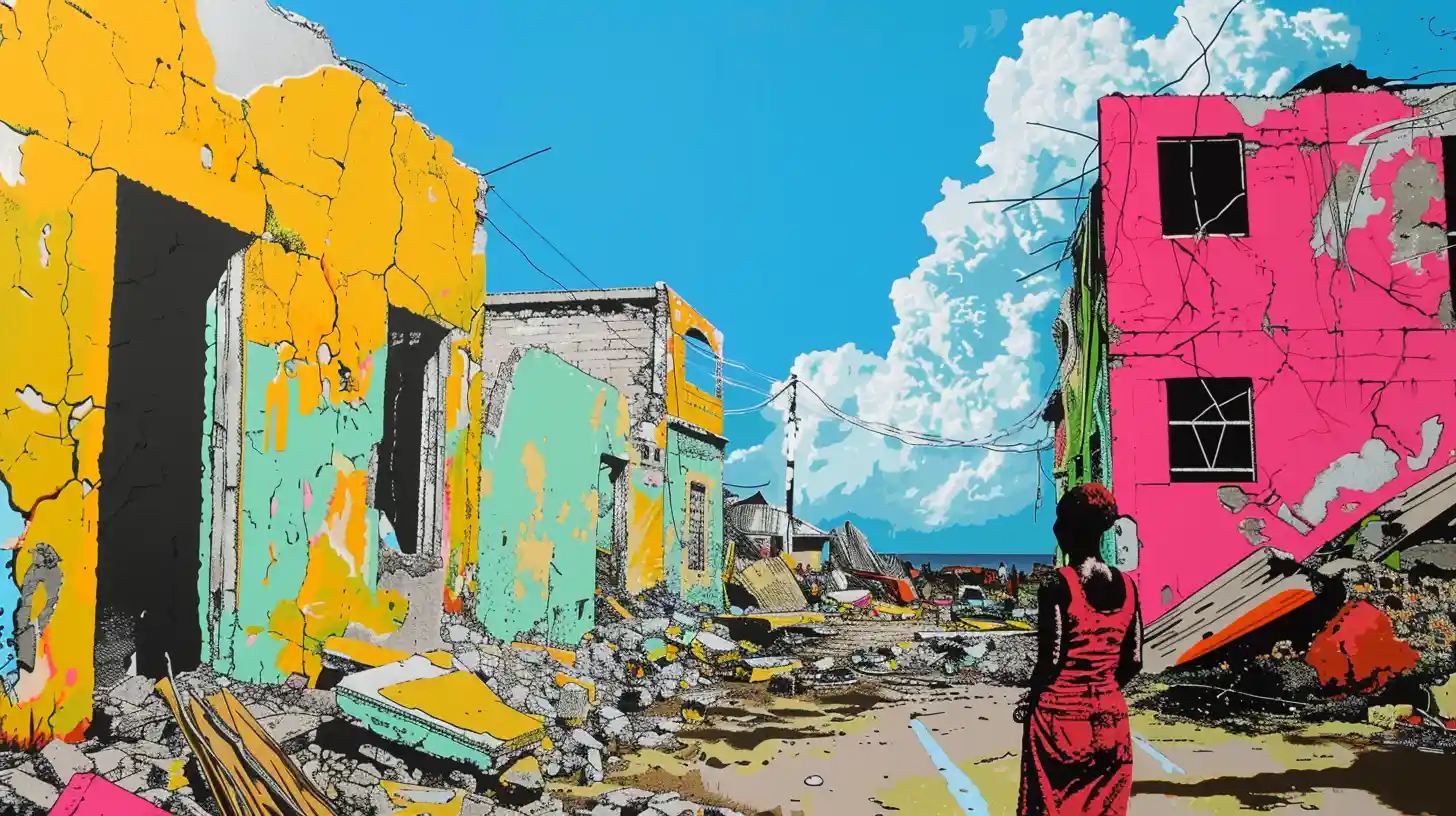
On January 12, 2010, a catastrophic 7.0 magnitude earthquake struck Haiti, killing an estimated 100,000-316,000 people and leaving over 1.5 million homeless in one of the deadliest natural disasters in modern history.
In the aftermath, rescue efforts were hampered by damage to ports and airports, bodies piled up in the streets, and some survivors resorted to digging out relatives with their bare hands, while the international community struggled to coordinate aid amidst the devastation.
KANTO EARTHQUAKE, JAPAN (1923)

The Great Kantō earthquake of 1923 devastated Tokyo and Yokohama, killing over 140,000 people through the initial quake, fires, and a horrific fire whirl that incinerated 38,000 people who had sought refuge in a single clothing depot.
Fueled by false rumors and xenophobia, vigilante mobs and even some authorities massacred thousands of ethnic Koreans and other minorities, while the earthquake’s tsunamis were so powerful they affected ocean currents as far away as California, contributing to a U.S. Navy disaster.
ANTIOCH EARTHQUAKE, TURKEY/SYRIA (526)
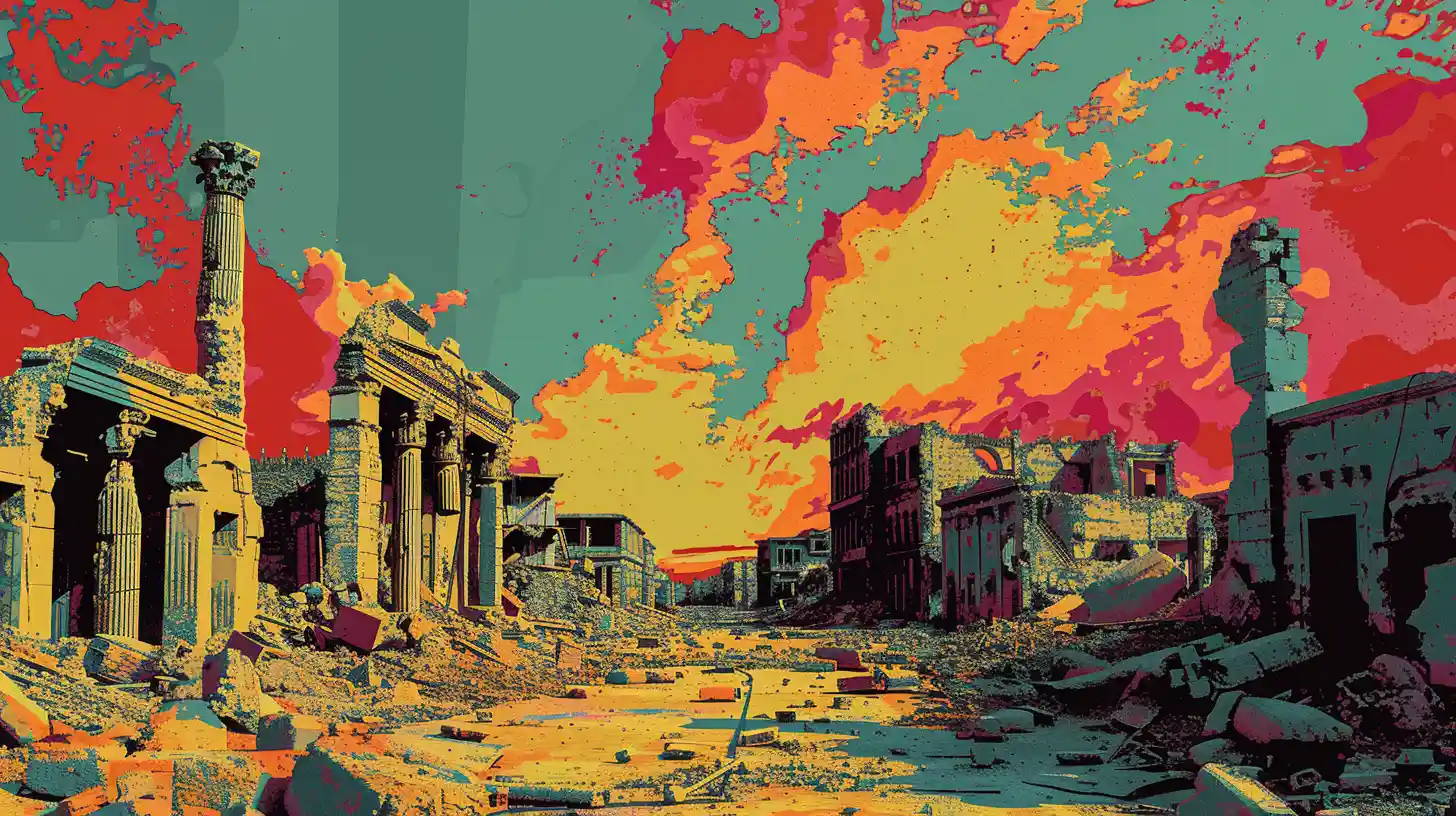
The 526 Antioch earthquake was a devastating natural disaster that struck Syria, particularly the city of Antioch, killing an estimated 250,000-300,000 people and causing widespread destruction through both the initial quake and subsequent fires.
The Patriarch of Antioch, Euphrasius, met a gruesome end when he fell into a cauldron of boiling pitch being used by wineskin makers, with only his head remaining unburnt.
HAIYUAN EARTHQUAKE, CHINA (1920)

The 1920 Haiyuan earthquake in China was one of the deadliest natural disasters in the country’s history, killing an estimated 258,707 to 273,407 people and causing widespread destruction across seven provinces.
The earthquake’s seismic waves were so powerful that they caused seiches (standing waves) in two lakes and three fjords in western Norway, over 7,000 kilometers away from the epicenter.
MESSINA EARTHQUAKE, ITALY (1908)
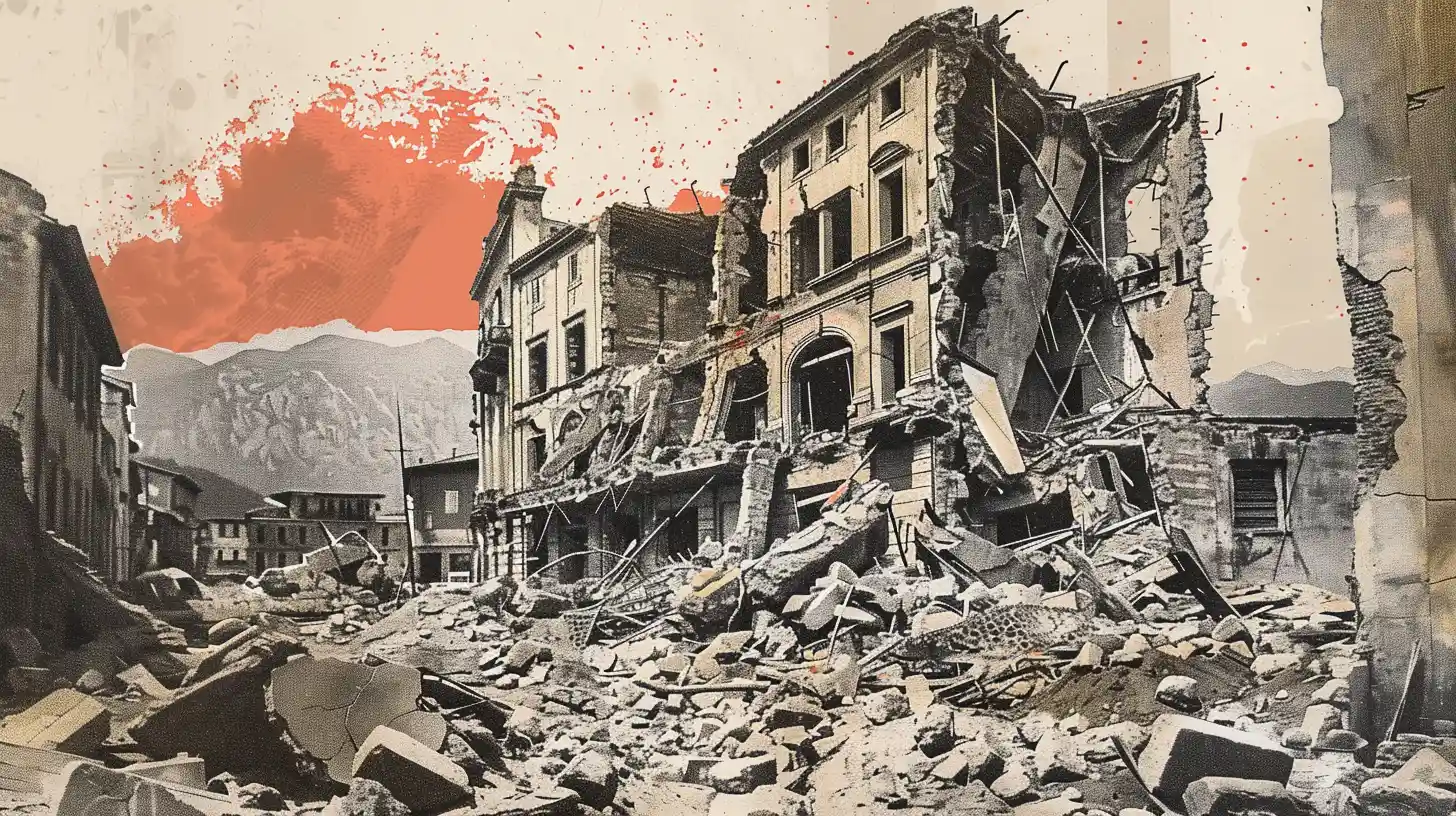
The 1908 Messina earthquake was one of the deadliest natural disasters in European history, killing between 75,000-82,000 people and almost completely destroying the cities of Messina and Reggio Calabria.
In a bizarre twist of fate, many survivors who had fled to the relative safety of the seafront after the initial quake were then swept away by a massive 12-meter tsunami that struck just 10 minutes later.
TOHOKU EARTHQUAKE & TSUNAMI, JAPAN (2011)
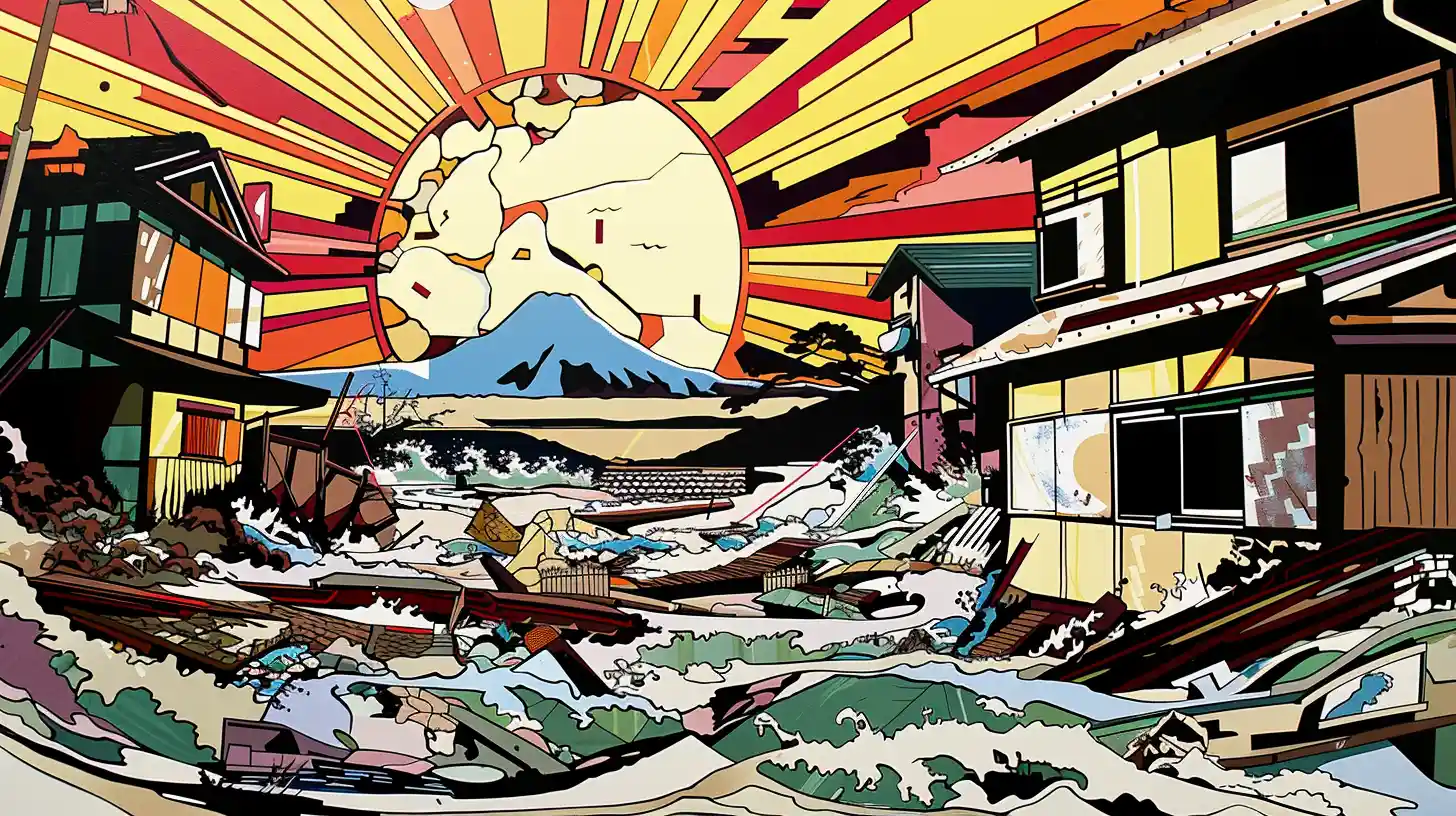
On March 11, 2011, a massive 9.0 magnitude earthquake struck off the coast of Japan, triggering a devastating tsunami with waves up to 40.5 meters (133 ft) high that inundated coastal areas.
In addition to killing nearly 20,000 people and destroying over 120,000 buildings, the disaster caused nuclear meltdowns at the Fukushima Daiichi power plant.
It also shifted the Earth’s axis by estimates of 10-25 cm, and even broke icebergs off the Sulzberger Ice Shelf in Antarctica 13,000 km away.
LISBON EARTHQUAKE, PORTUGAL (1755)
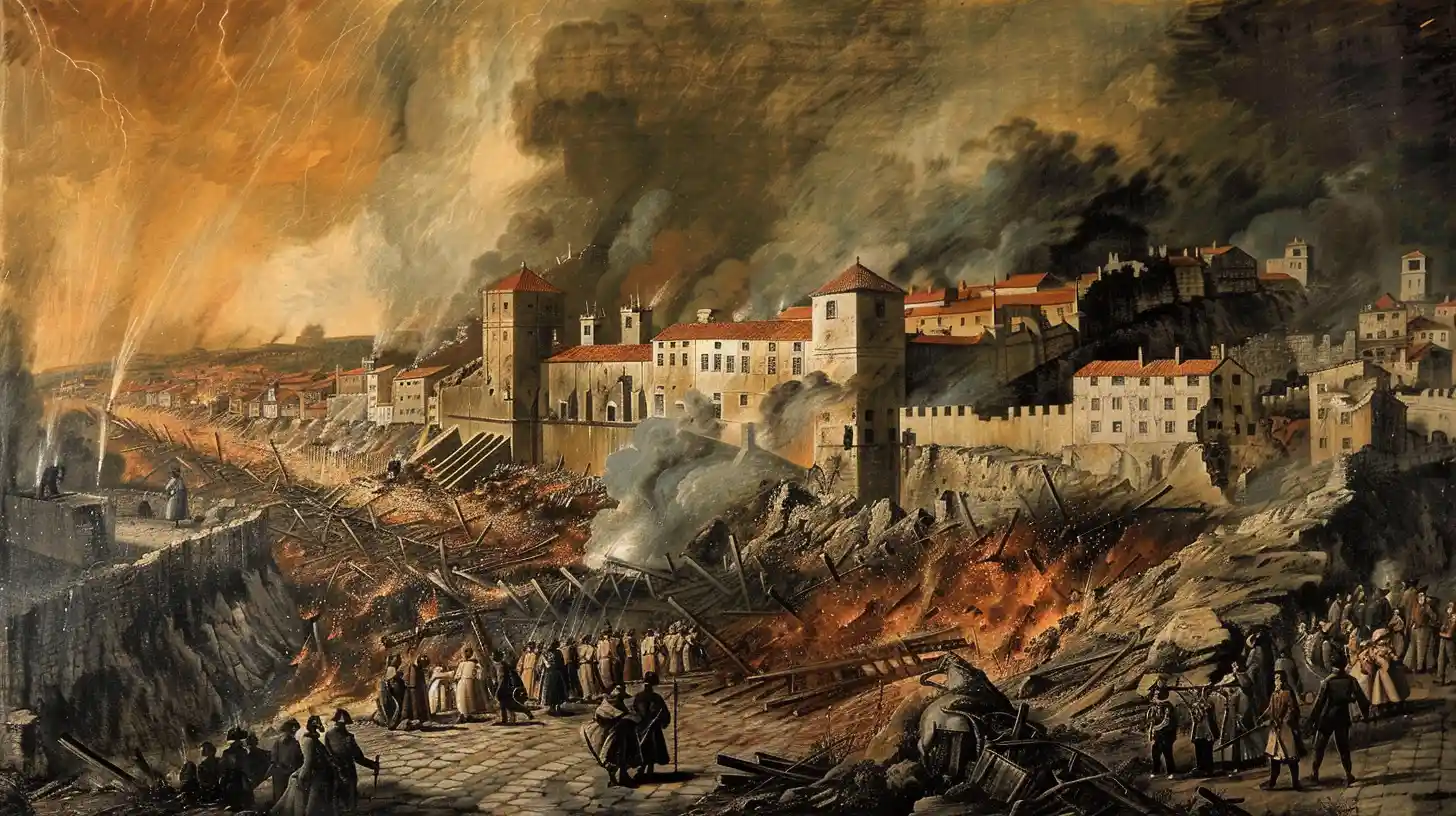
The 1755 Lisbon earthquake, with an estimated magnitude of 7.7 or greater, struck on All Saints’ Day and nearly destroyed the city of Lisbon through a combination of violent shaking, fires, and a massive tsunami.
In its aftermath, the earthquake profoundly influenced Enlightenment philosophy, sparked the birth of modern seismology, and led to the creation of one of the earliest seismically protected building designs.
While up to 50,000 people perished and the equivalent of 32-48% of Portugal’s GDP was lost.
ASHGABAT EARTHQUAKE, TURKMENISTAN (1948)

The 1948 Ashgabat earthquake was a catastrophic event that devastated the capital of Soviet Turkmenistan, killing up to 10% of the entire republic’s population and leaving future president Saparmurat Niyazov an orphan.
Despite its massive impact, Soviet censorship kept the disaster largely unreported, with the first news reaching the outside world through a wounded flight mechanic who managed to broadcast a distress signal from a damaged airport, while the city lay in ruins shrouded in an impenetrable cloud of dust described by survivors as a “terrible white veil.”
KASHMIR EARTHQUAKE, PAKISTAN (2005)
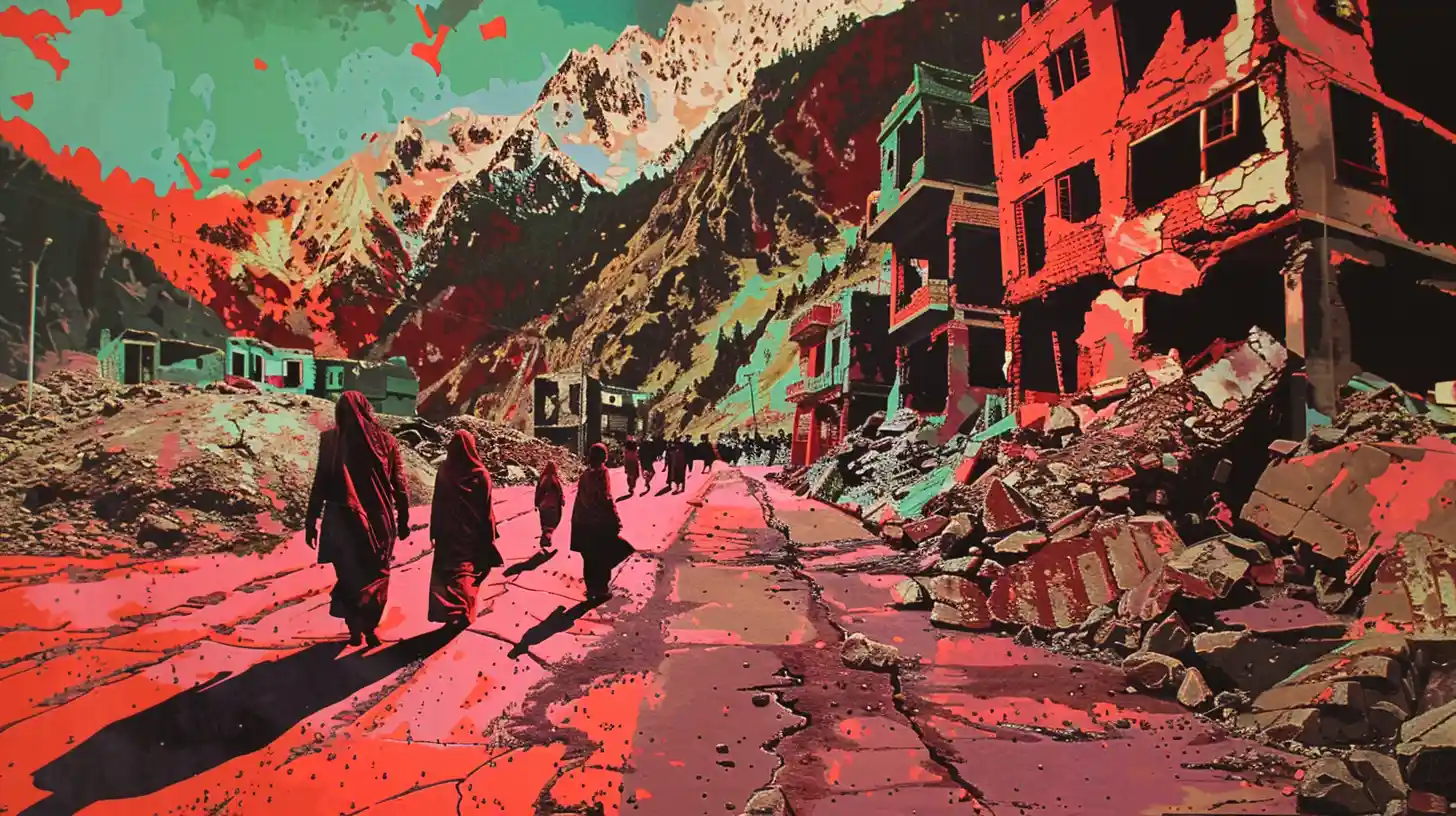
The 2005 Kashmir earthquake, with a magnitude of 7.6, was one of the deadliest in South Asian history, killing over 86,000 people and displacing millions across Pakistan, India, and Afghanistan.
Satellite measurements showed that parts of the Himalayas directly above the epicenter rose by several meters as a result of the quake.