7 min read
We’ve compiled a list of the most famous native Americans of all time.
SITTING BULL
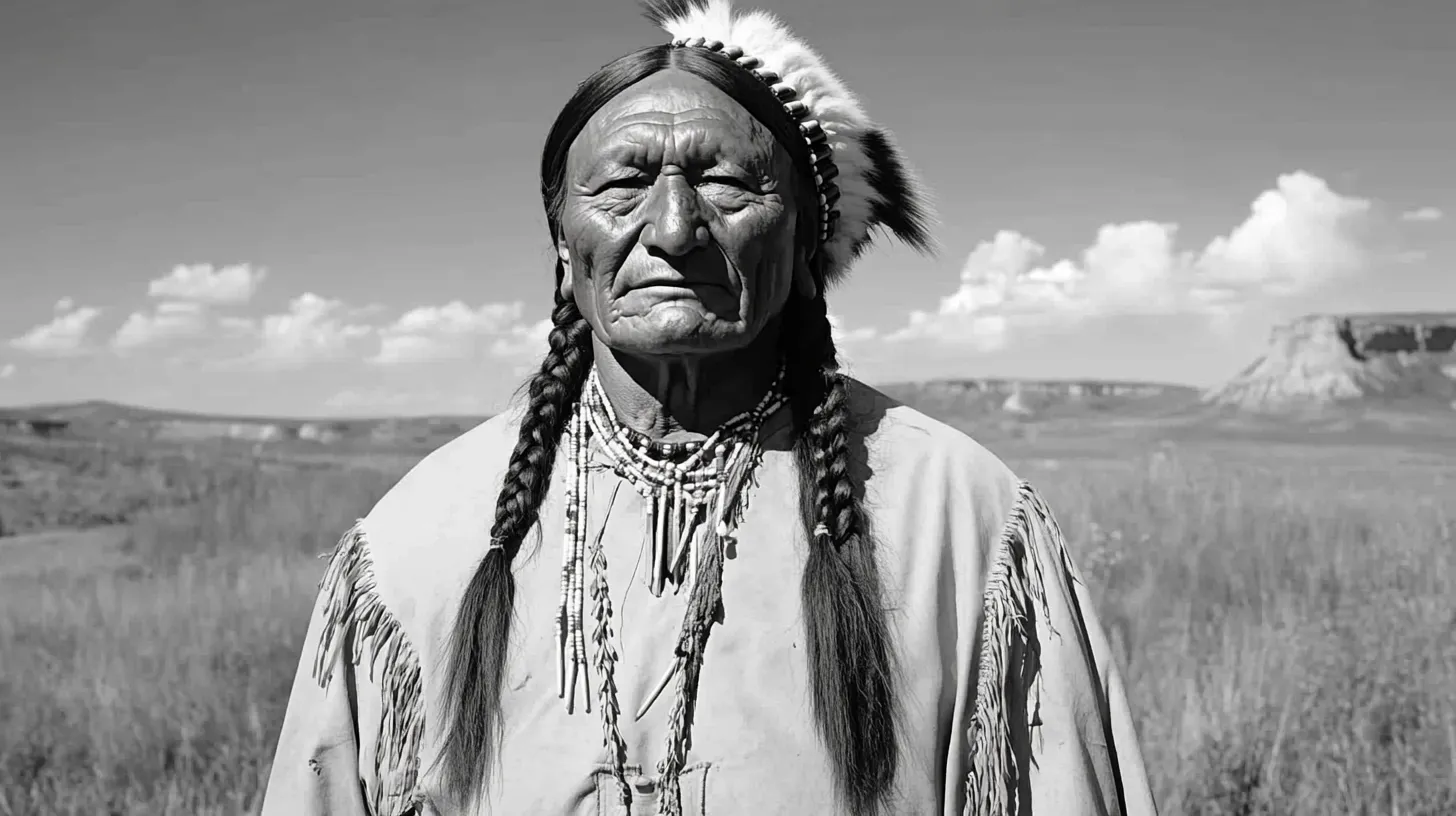
Lakota Sioux leader Sitting Bull (1831-1890) led the resistance against U.S. policies and helped defeat Custer at Little Bighorn after having a prophetic vision of soldiers “falling like grasshoppers” from the sky.
POCAHONTAS
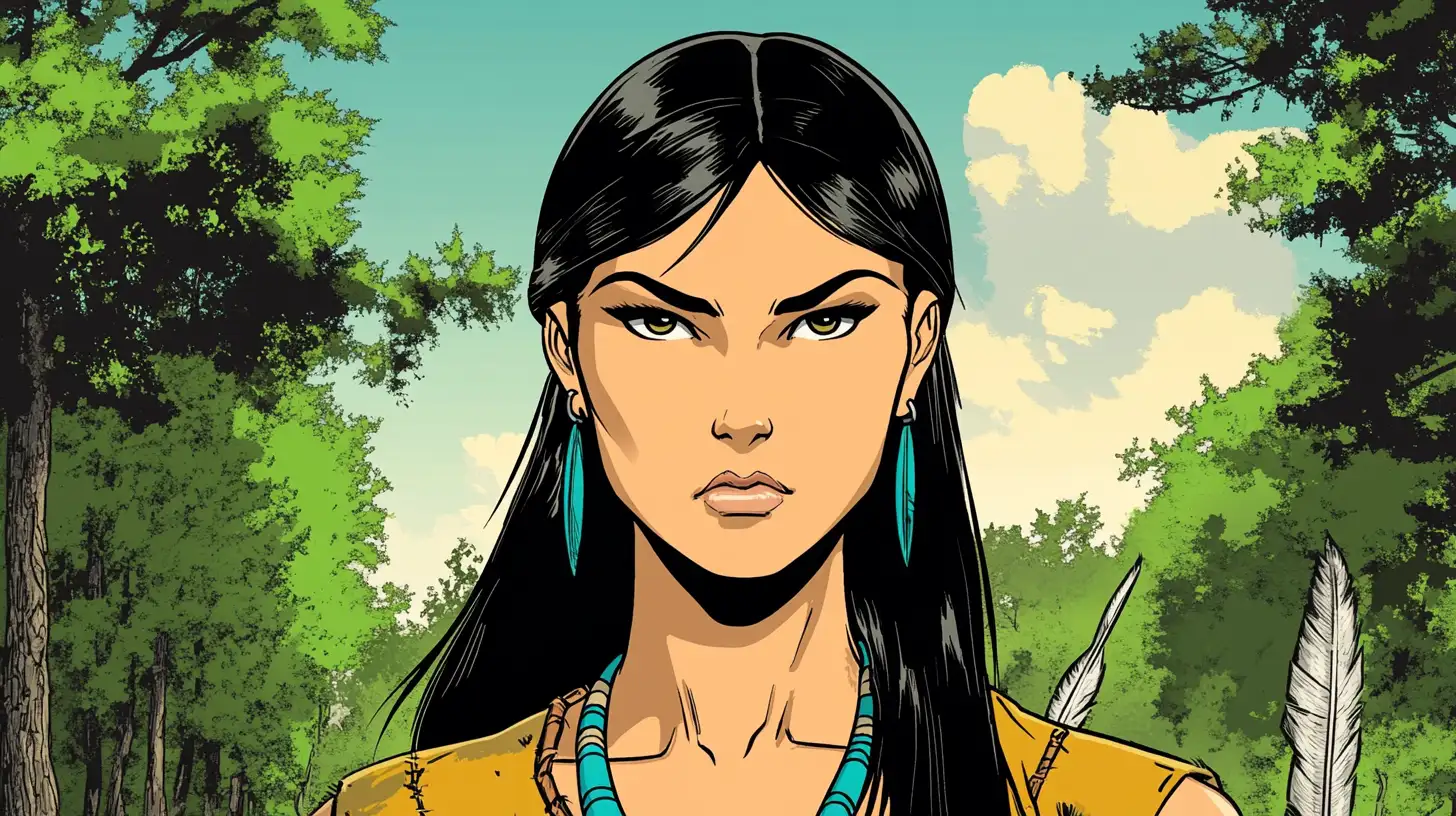
Daughter of Chief Powhatan, Pocahontas (1596-1617), made peace between Jamestown settlers and her tribe. After converting to Christianity, she was later paraded in England as a “civilized savage.”
CRAZY HORSE
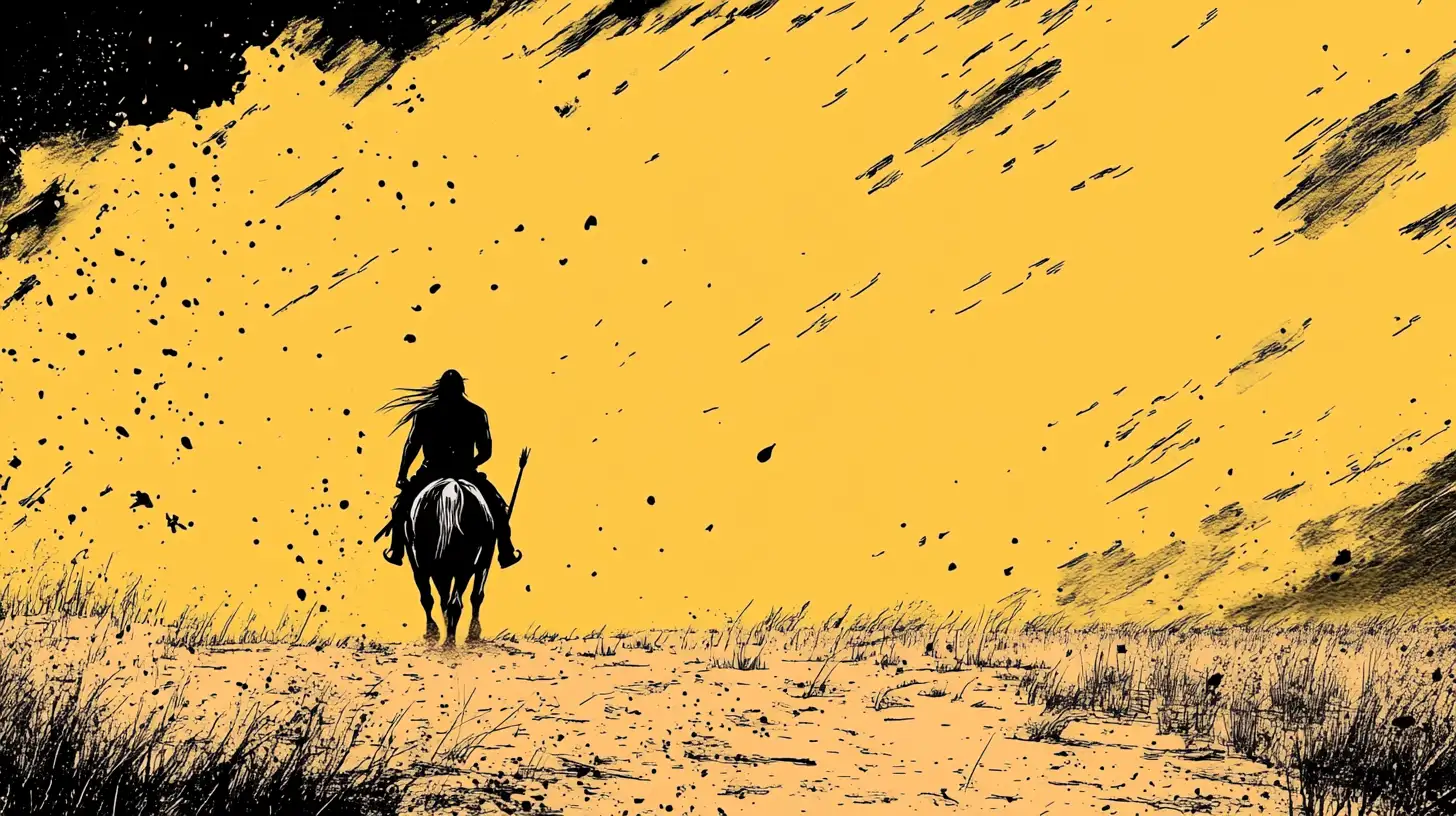
Legendary Oglala Lakota warrior Crazy Horse (1840-1877) fought at Little Bighorn. He refused photographs of himself, believing images would capture his soul.
SACAGAWEA
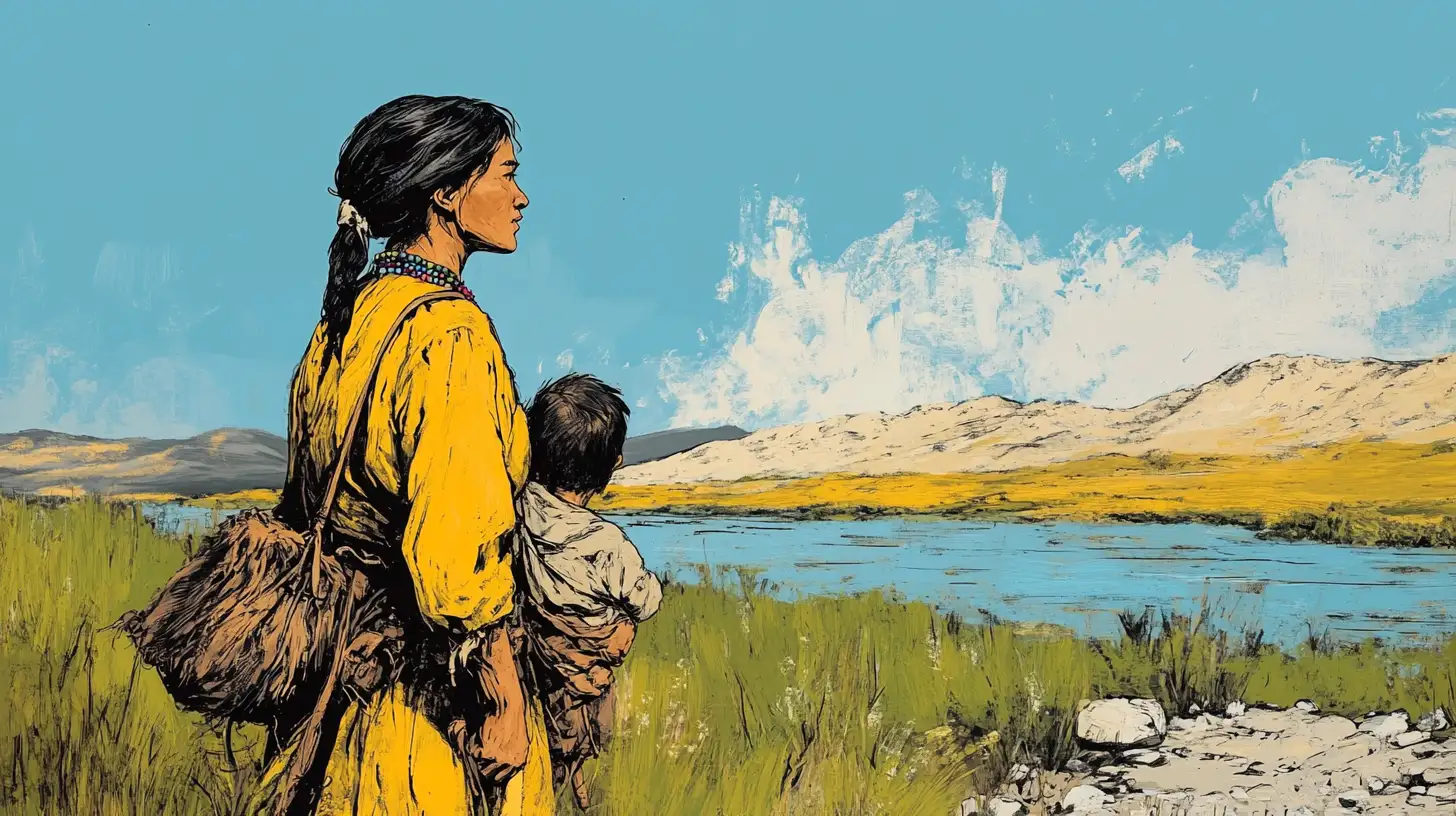
Shoshone woman Sacagawea (1788-1812) guided Lewis and Clark’s expedition while carrying her infant son on her back for over 4,000 miles. She is the first documented woman to cross the continental United States on foot.
GERONIMO
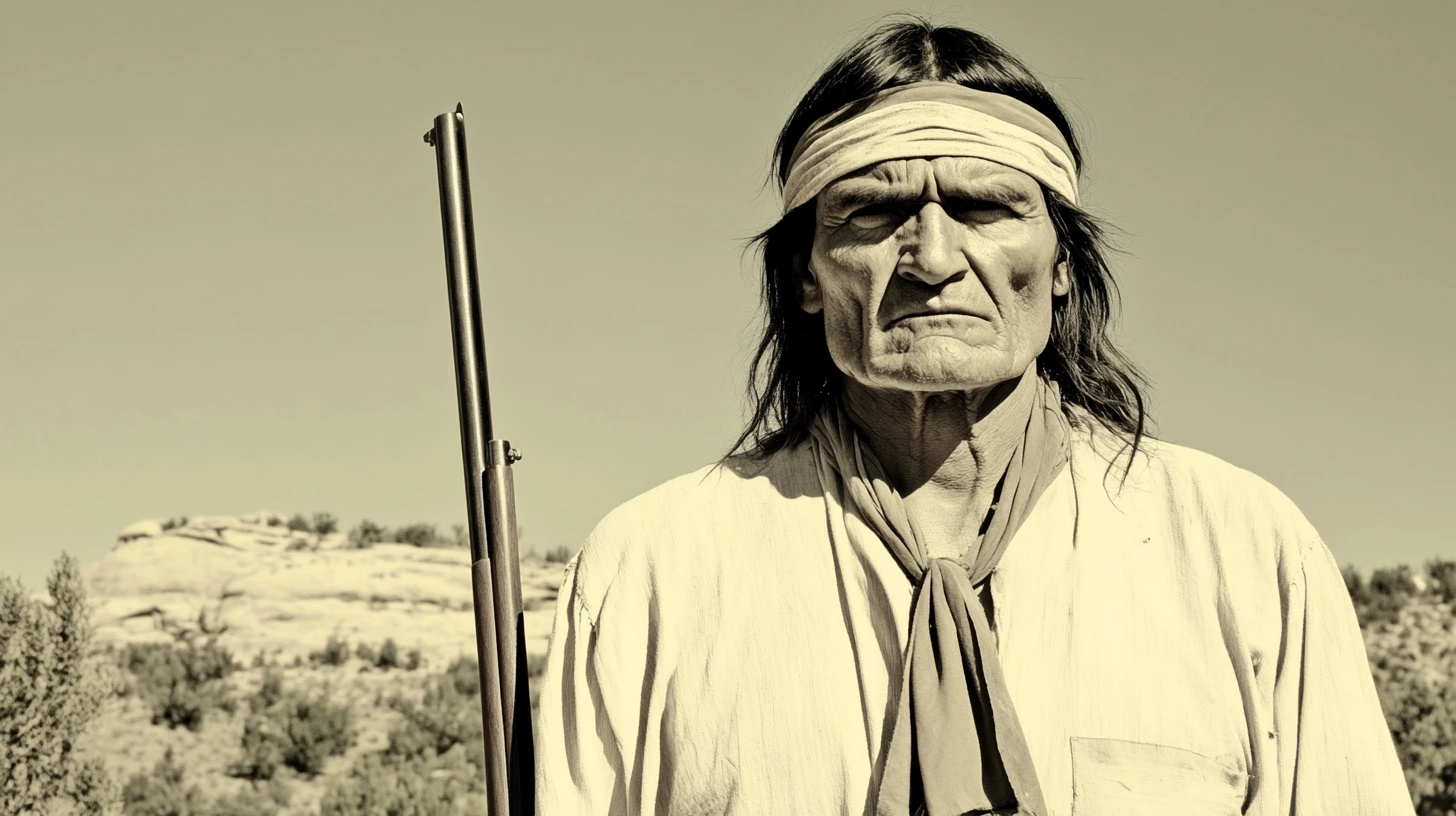
Apache leader Geronimo (1829-1909) led guerrilla resistance against U.S. and Mexican forces for decades. He was later seen at the 1904 St. Louis World’s Fair and riding in President Theodore Roosevelt’s inaugural parade.
CHIEF JOSEPH
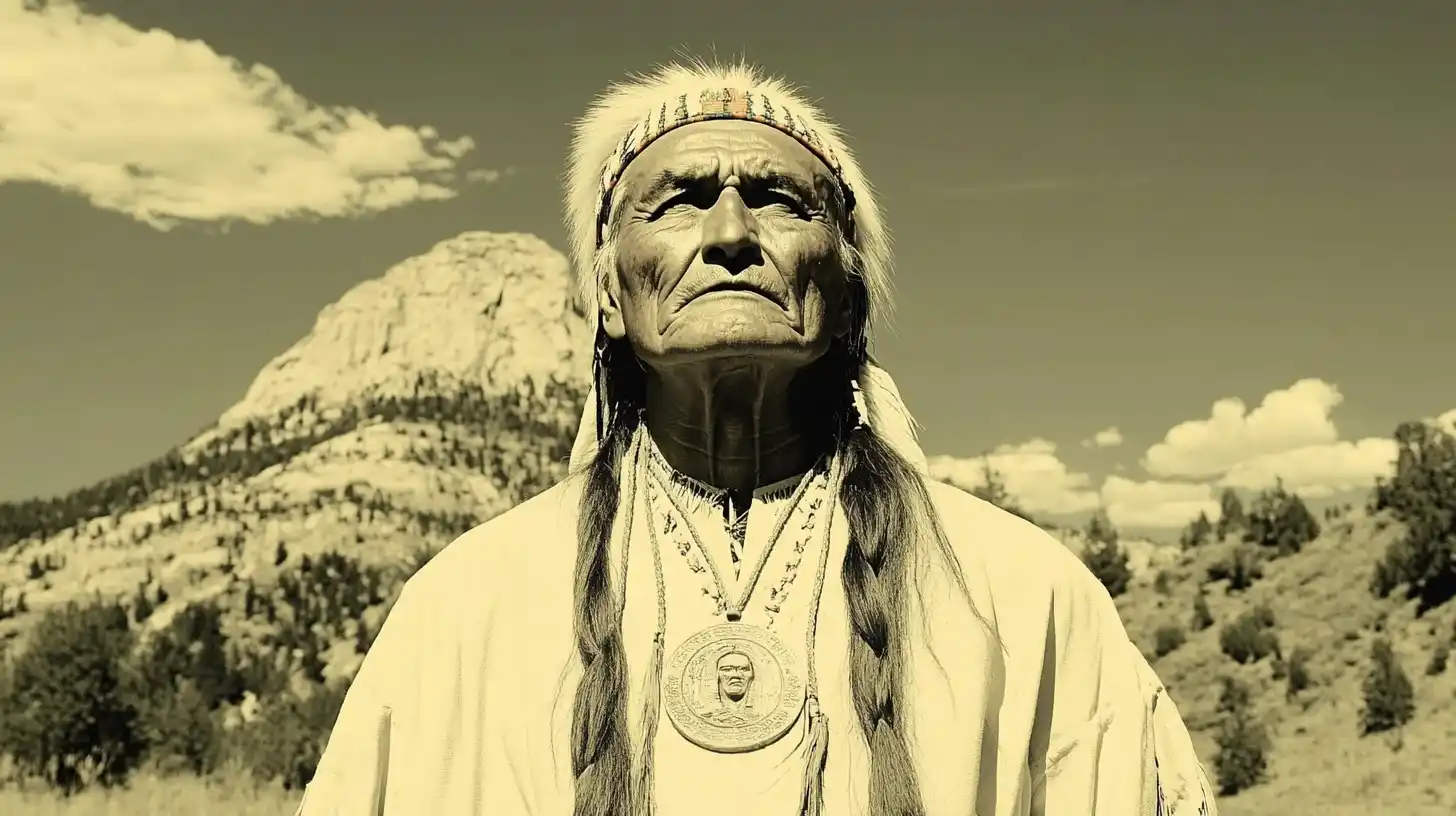
Nez Perce leader Chief Joseph (1840-1904) led his people on a 1,200-mile fighting retreat toward Canada before surrendering just 40 miles from the border with his famous speech, “I will fight no more forever.”
RED CLOUD
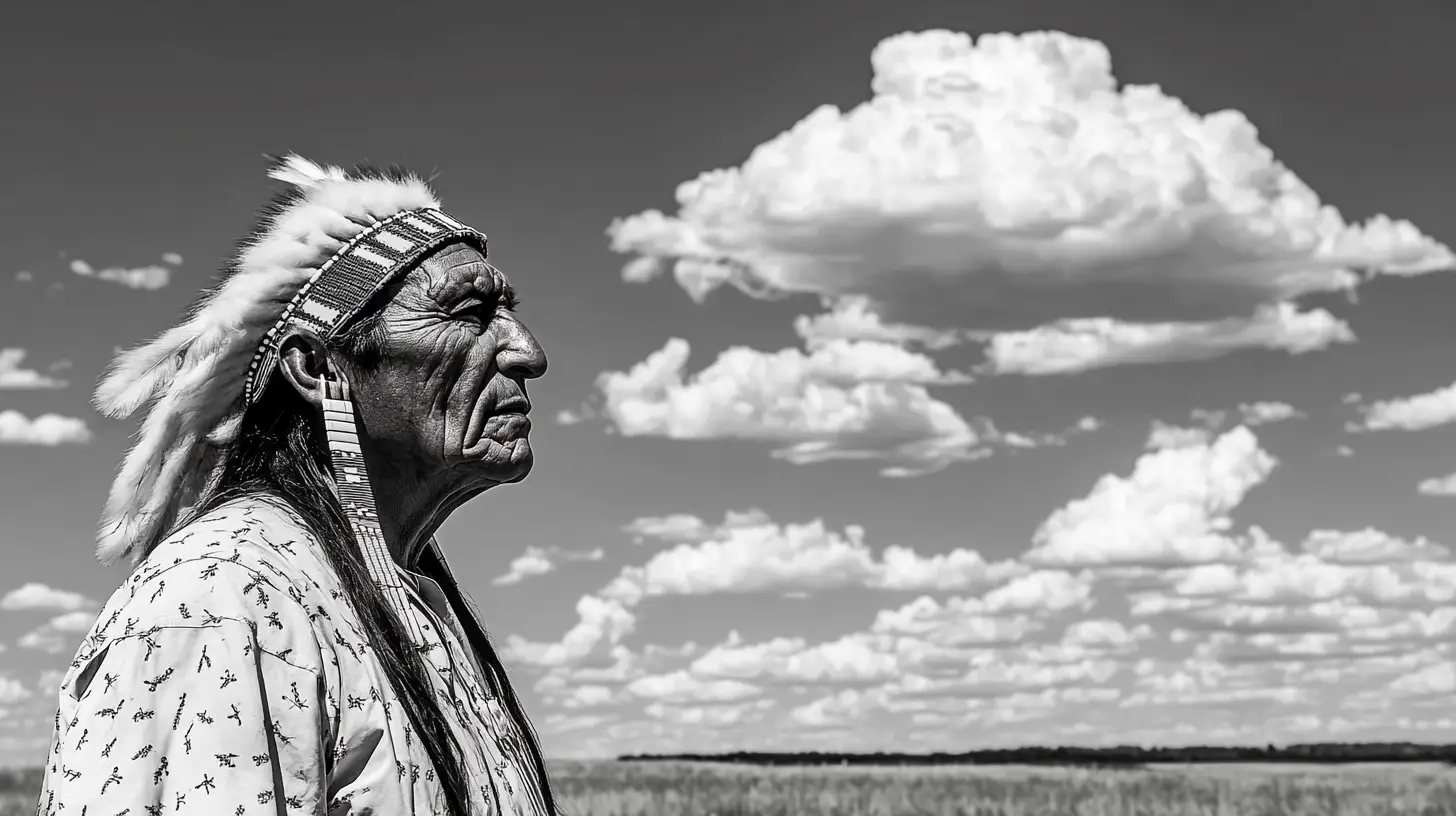
Oglala Lakota chief Red Cloud (1822-1909) won Red Cloud’s War against the U.S. Army. His victory forced the government to sign the Fort Laramie Treaty of 1868, making him one of the few Native leaders to see his treaty honored for over a decade.
SEQUOYAH
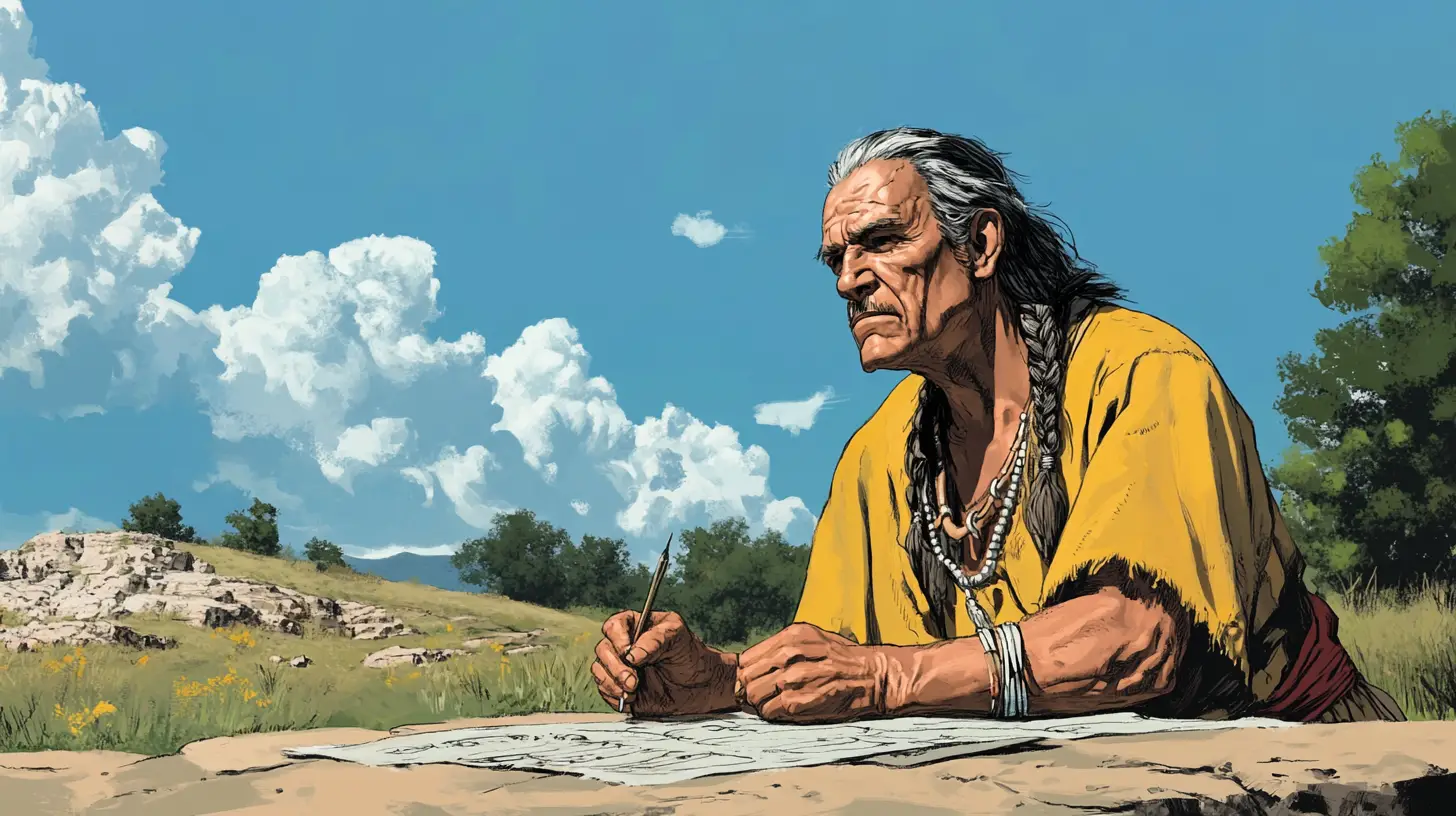
Cherokee silversmith Sequoyah (1767-1843) created the Cherokee alphabet despite being illiterate in English. He carried his writing tools everywhere—even into battle—testing his 85 symbols with his daughter.
TECUMSEH
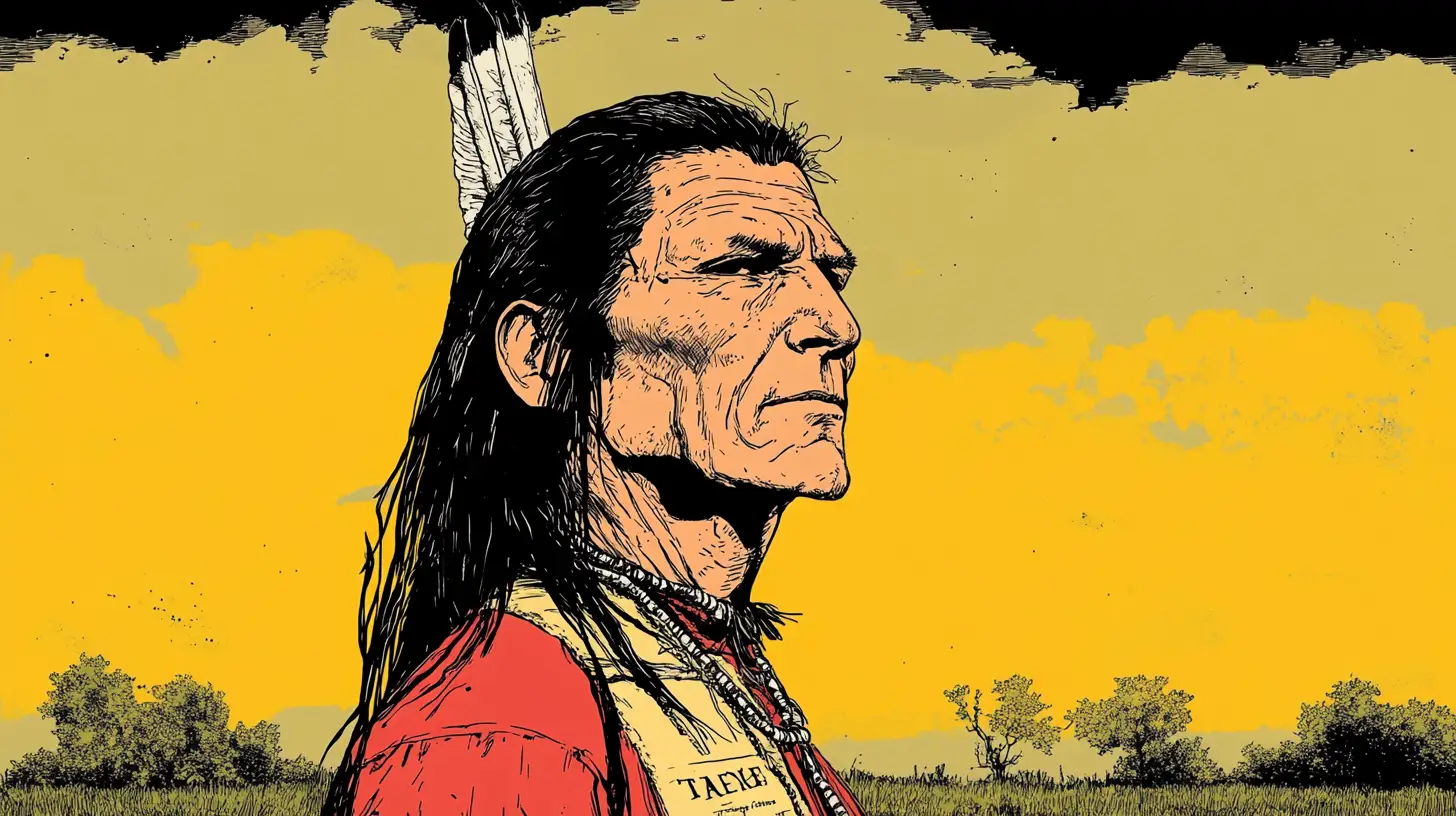
Shawnee leader Tecumseh (1768-1813) united tribes across the Great Lakes to resist U.S. expansion and could recite entire treaties from memory.
CHIEF SEATTLE
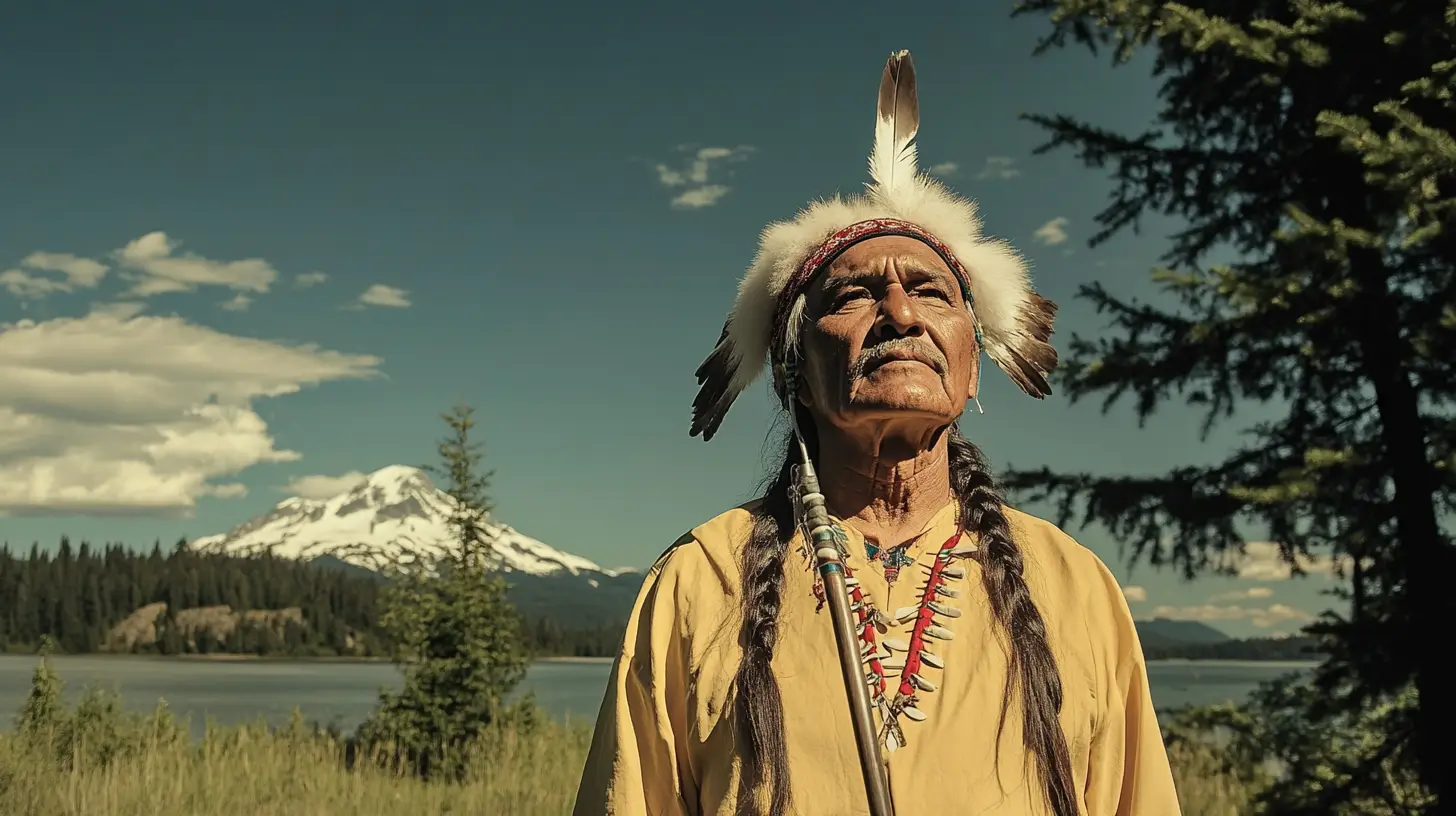
Suquamish and Duwamish leader Chief Seattle (1786-1866) delivered a speech on environmental stewardship that inspired the founding of the city bearing his name, reportedly carrying a silver-tipped cane engraved with his Treaty of Point Elliott signature.
WILMA MANKILLER
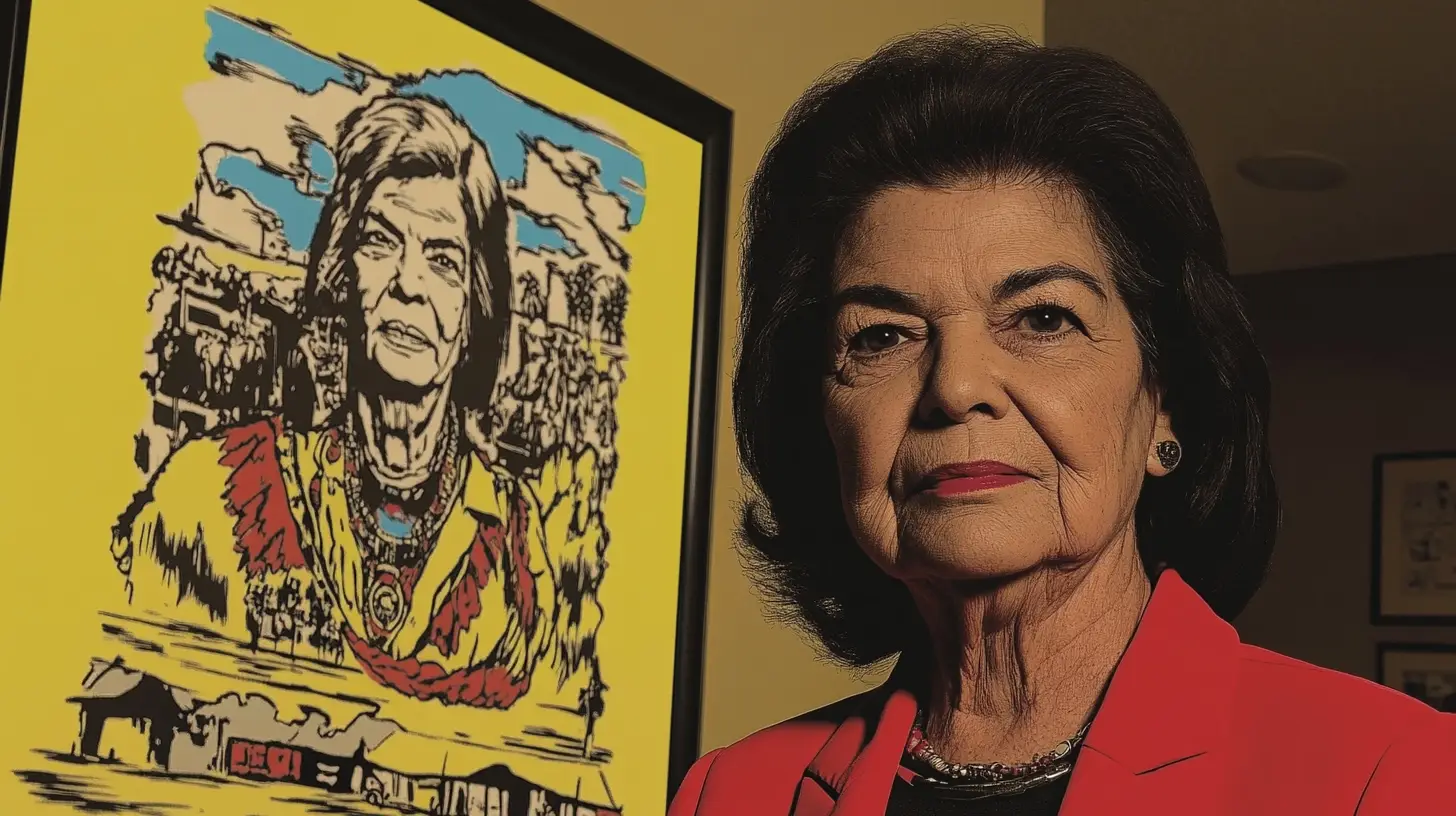
Cherokee activist Wilma Mankiller (1945-2010) became the first female Principal Chief of her nation after surviving a near-fatal car accident she called a spiritual awakening. She later received the Presidential Medal of Freedom.
JIM THORPE
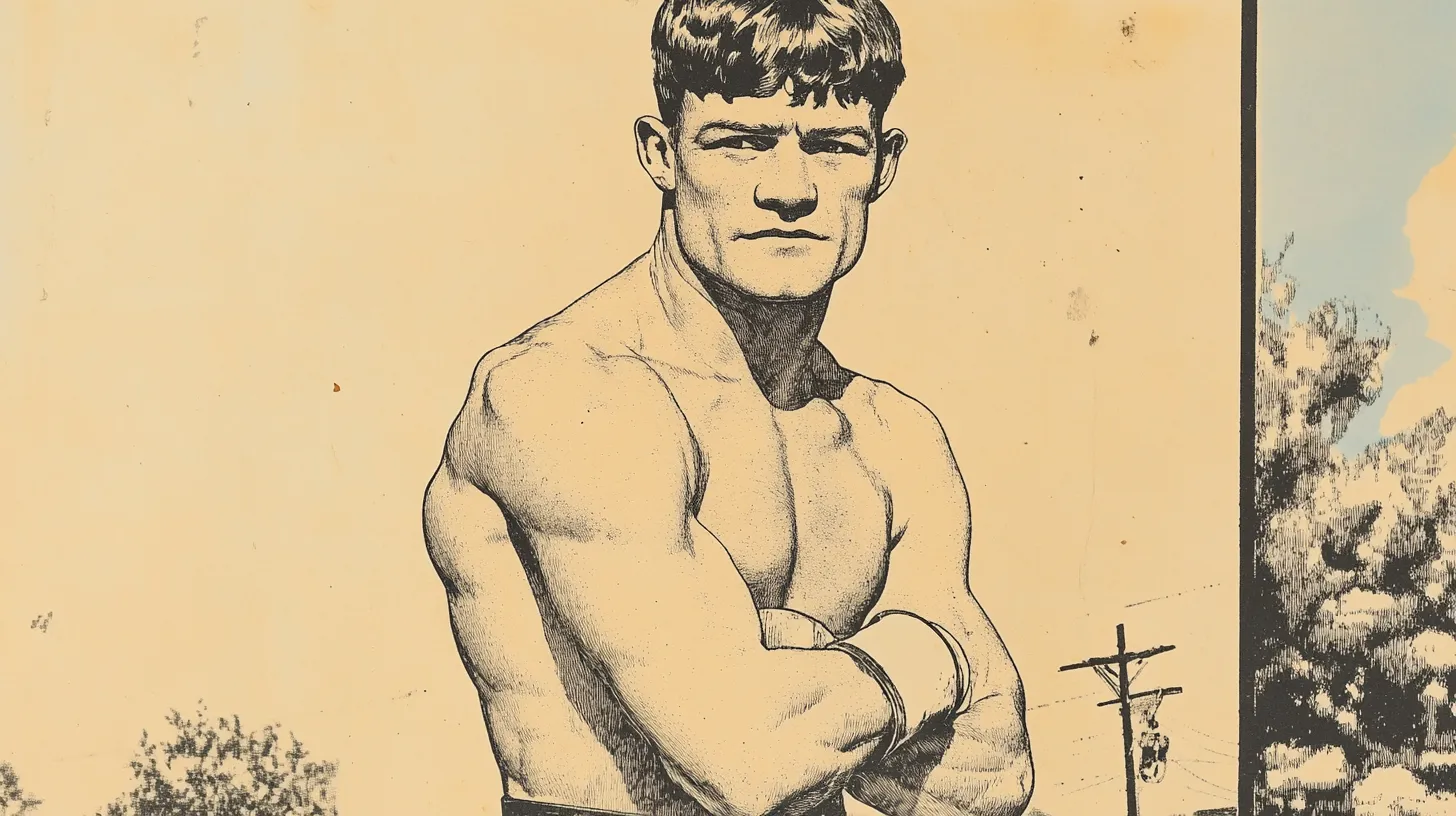
Sac and Fox athlete Jim Thorpe (1888-1953) won Olympic gold medals and played multiple professional sports while sometimes competing under the pseudonym “Wa-Tho-Huk” (“Bright Path”) to protect his amateur status.
QUANAH PARKER
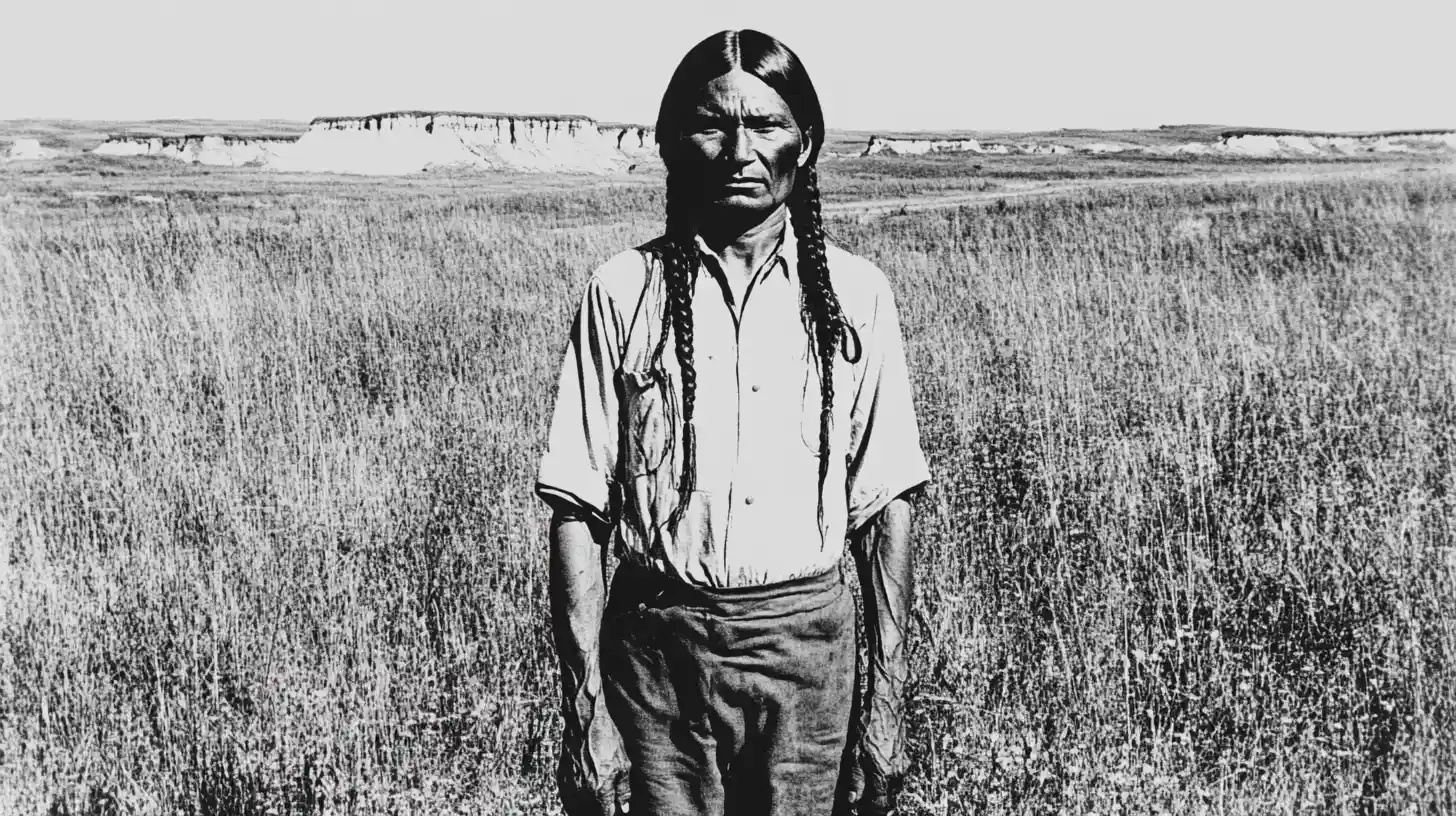
The last great Comanche chief, Quanah Parker (1845-1911), transitioned from fierce resistance to wealthy rancher. He was born to a captured white settler mother and later embraced both Comanche and Anglo identities.
BLACK HAWK
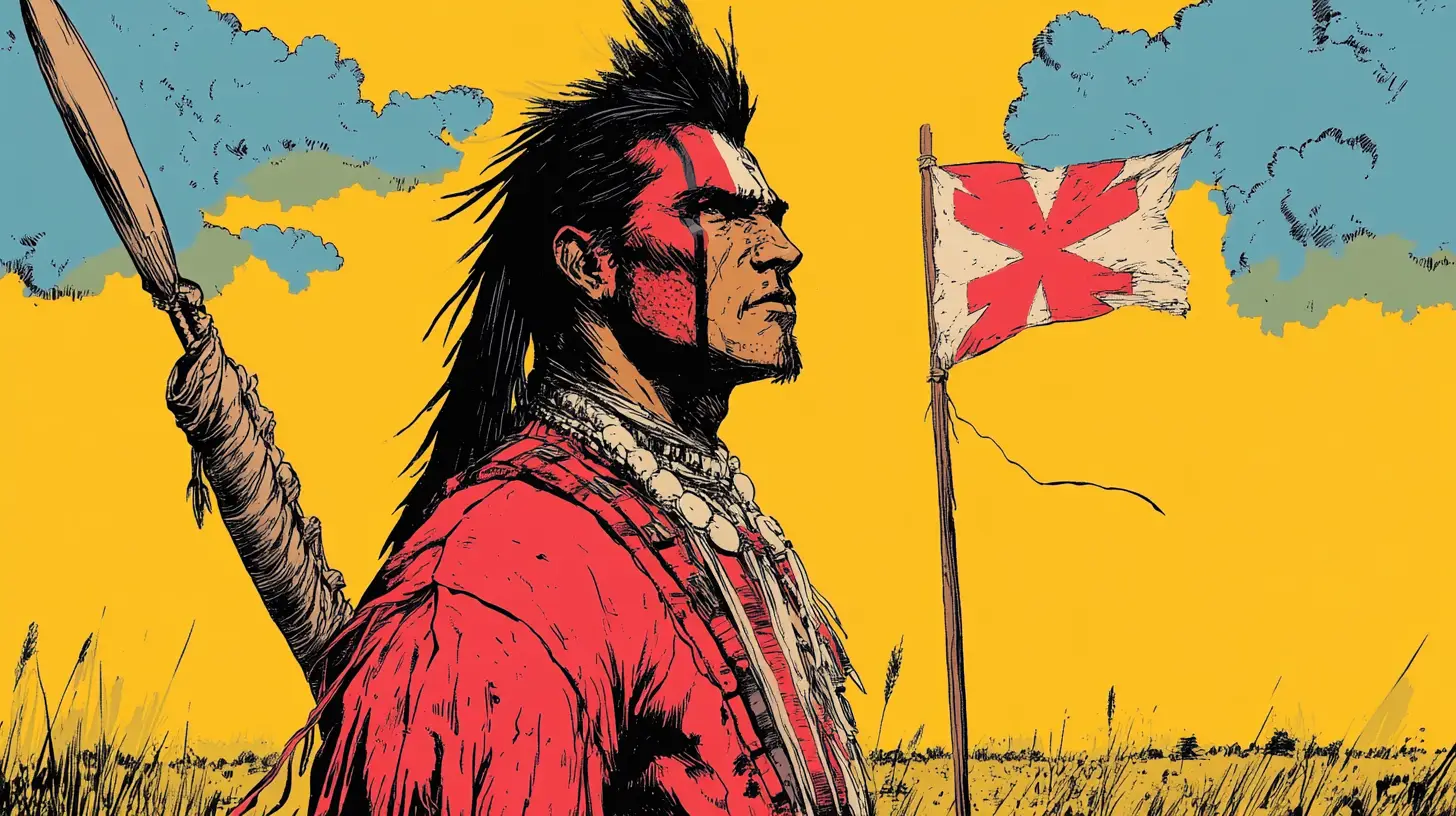
Sauk leader Black Hawk (1767-1838) fought against the 1804 Treaty of St. Louis while carrying a British flag throughout the conflict. He published one of the earliest Native American autobiographies.
COCHISE
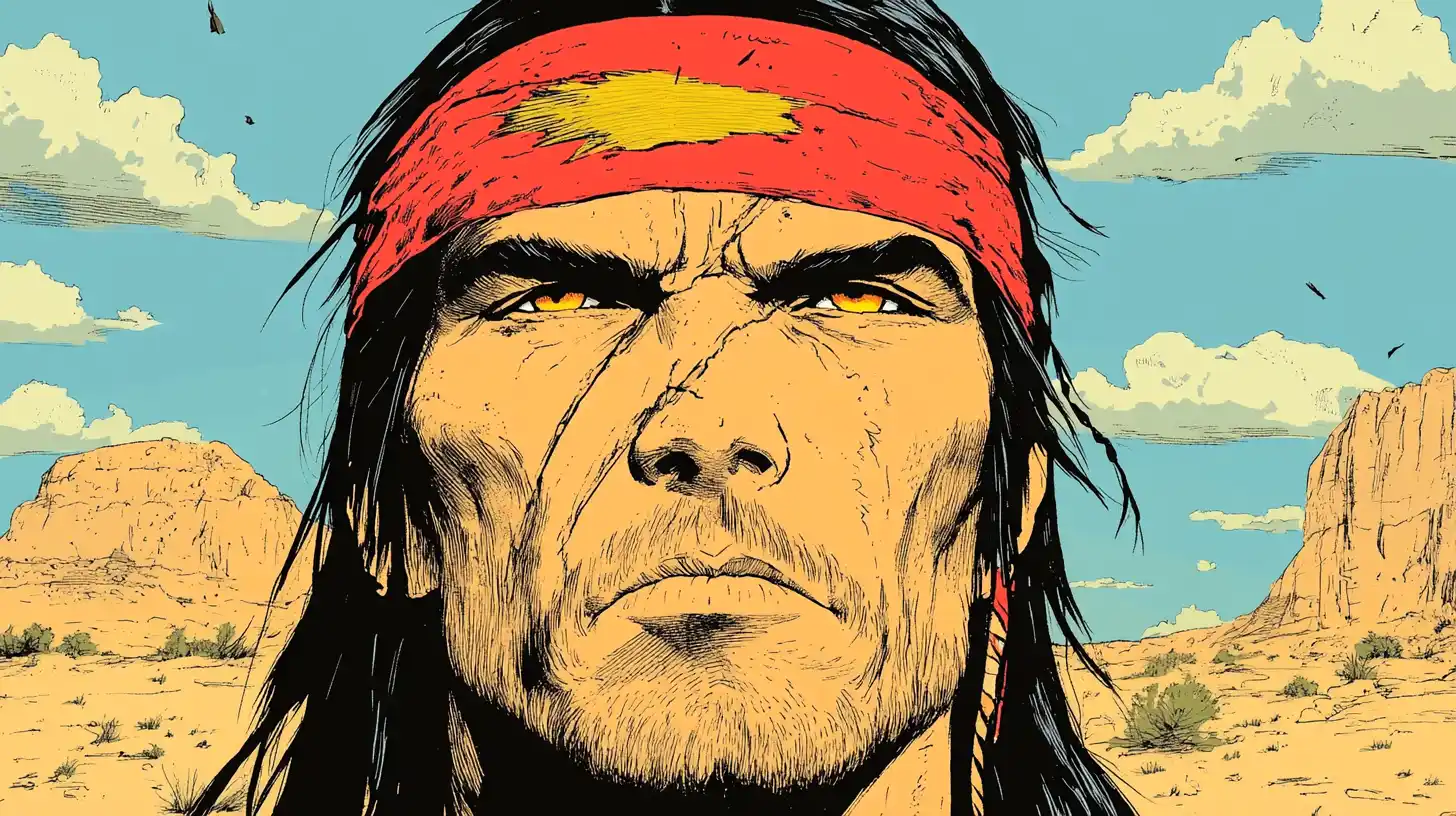
Chiricahua Apache chief Cochise (1812-1874) led a fierce guerrilla campaign in southeastern Arizona after the Bascom Affair, evading capture by knowing every arroyo and ravine of the Dragoon Mountains so well that no soldier could track him.
MARIA TALLCHIEF
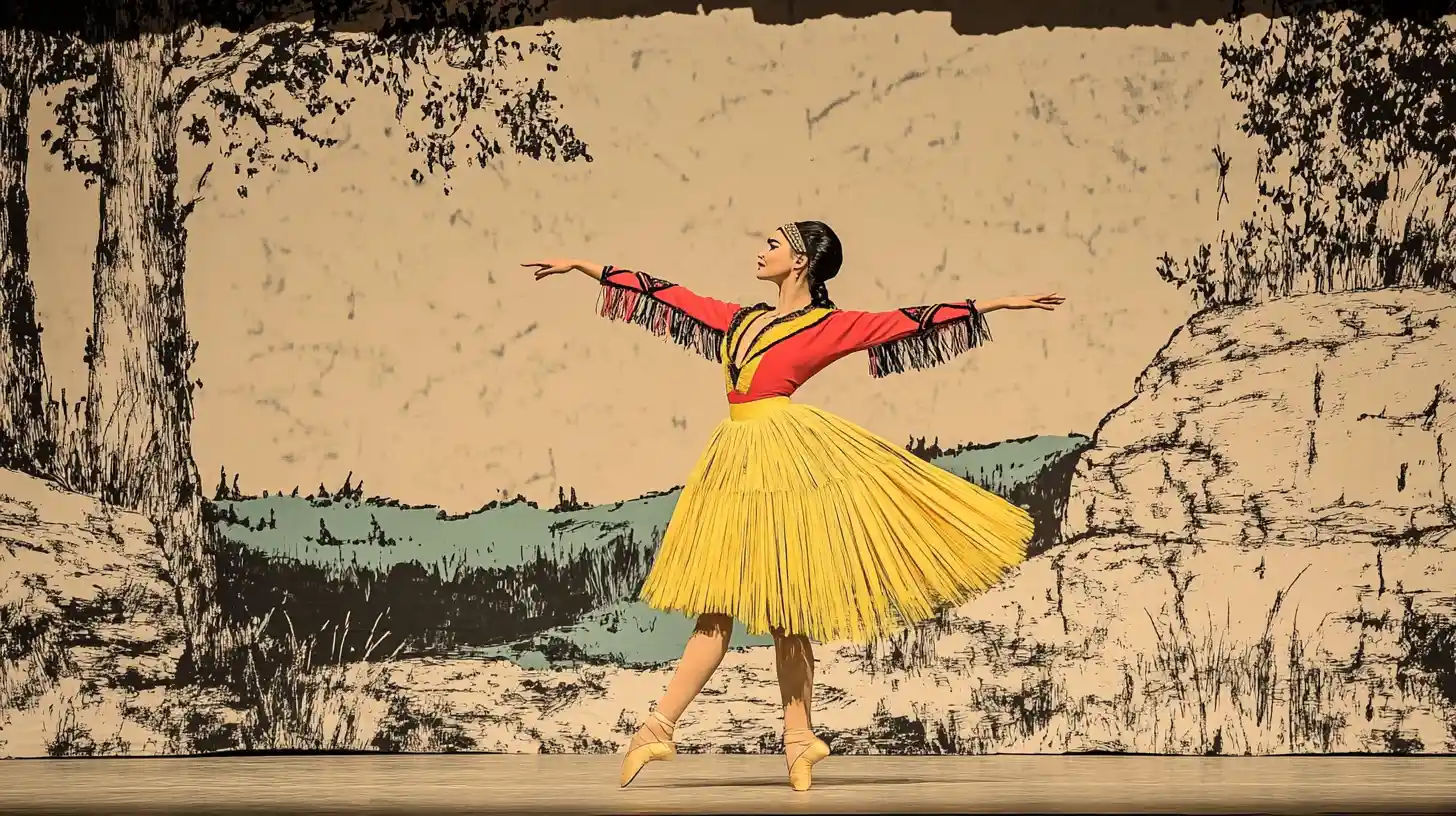
Osage ballerina Maria Tallchief (1925-2013) became America’s first major prima ballerina and a star of the New York City Ballet. She once performed in traditional Osage regalia as a surprise tribute to her heritage.
WE’WHA
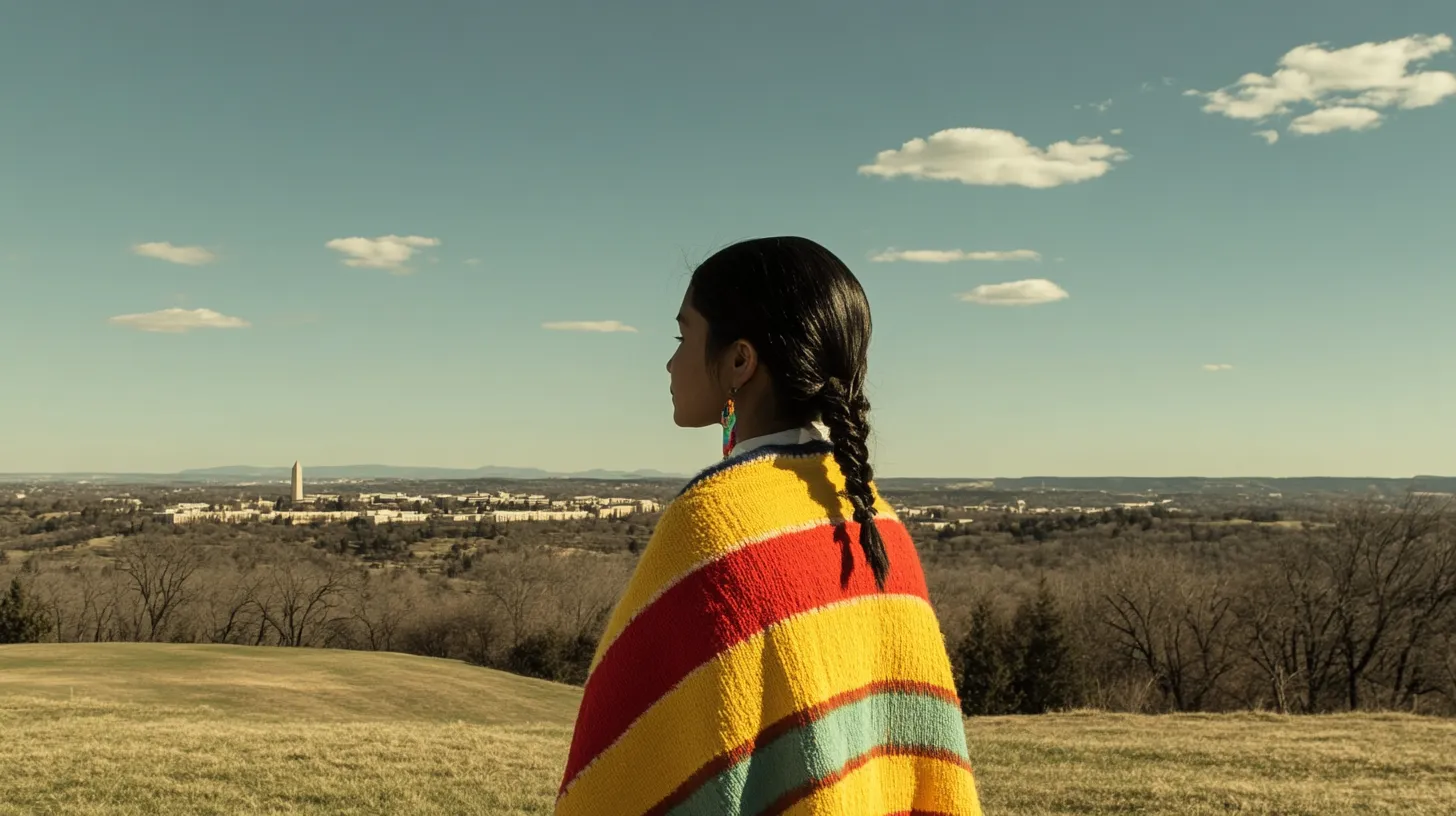
Zuni lhamana (two-spirit) We’wha (1849-1896) was a cultural ambassador who visited Washington D.C. in 1886, meeting President Grover Cleveland. He was also known to teach weaving techniques to Eastern European artisans.
VINE DELORIA JR.
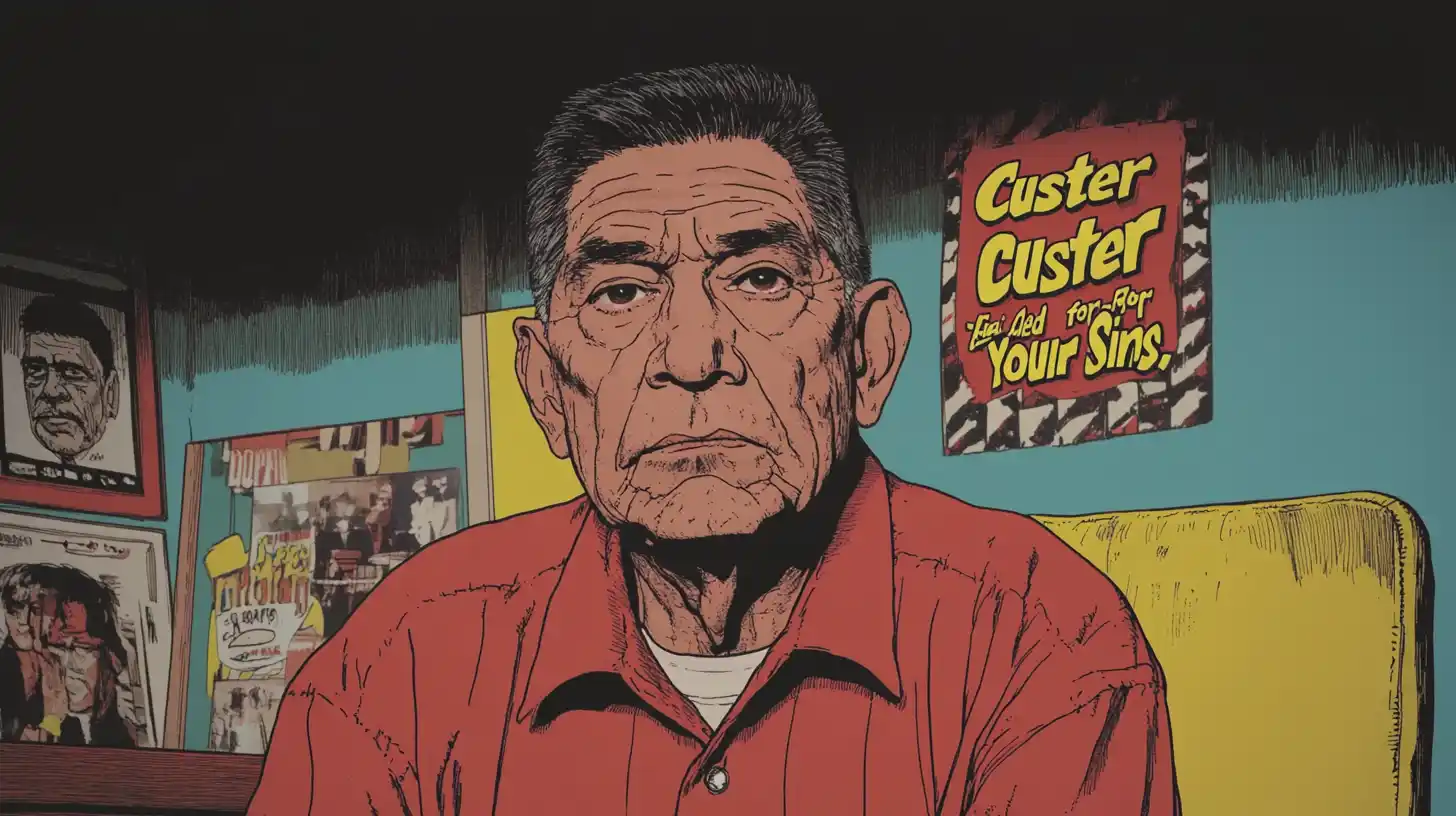
Standing Rock Sioux scholar Vine Deloria Jr. (1933-2005) authored “Custer Died for Your Sins” and once publicly debated then-Senator Jesse Helms on network television over Native fishing rights—and won.
BLACK KETTLE
Southern Cheyenne peace chief Black Kettle (1803-1868) survived the Sand Creek Massacre despite flying American and white flags. But he was later killed at the Washita River Massacre years later.
RED JACKET
Seneca orator Red Jacket (1750-1830) became famous for his eloquent speeches defending Native land rights during post-Revolutionary America. He once returned a gift horse, stating, “We do not want your horses that we have not earned.”
SARAH WINNEMUCCA
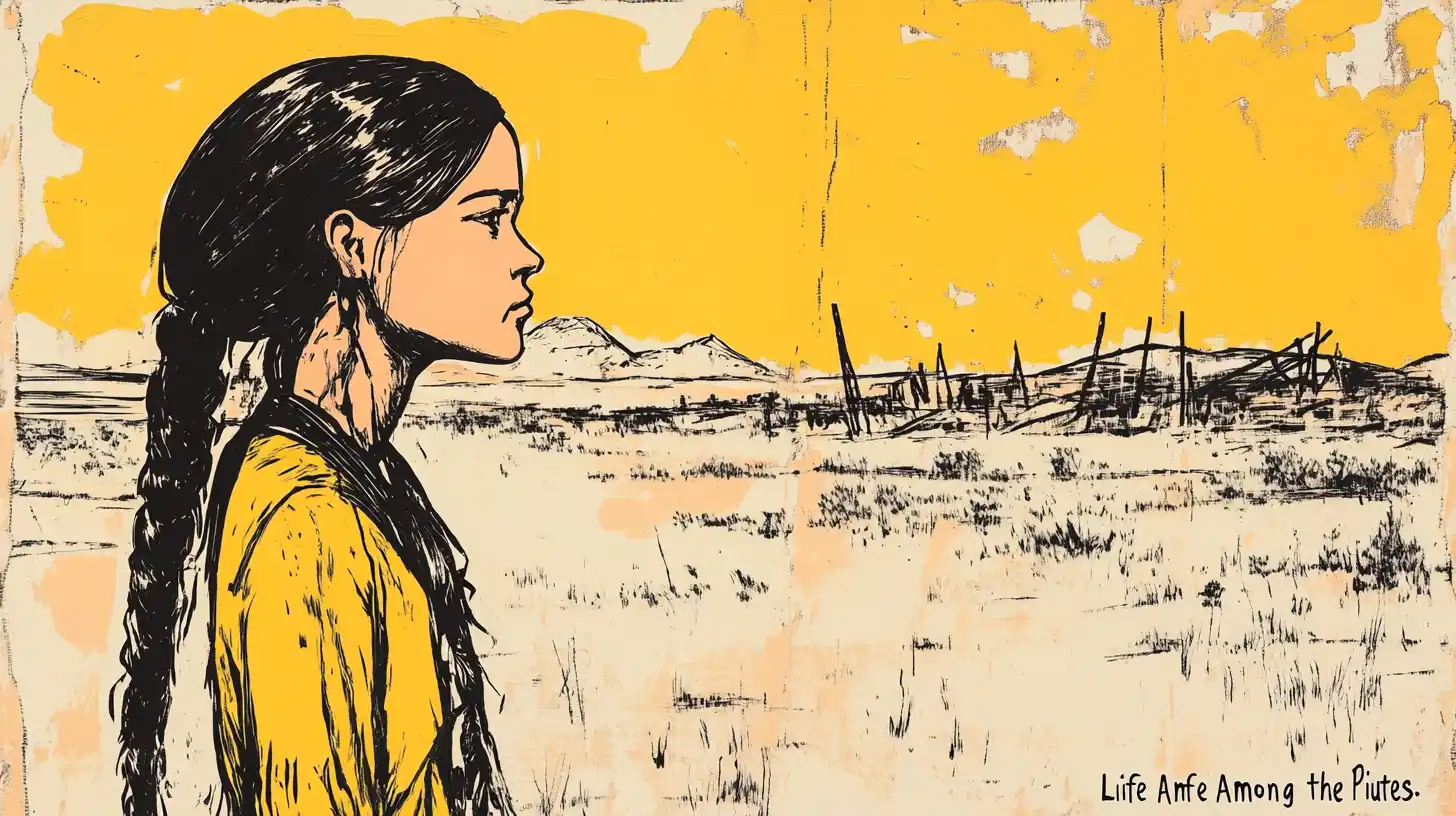
Paiute educator Sarah Winnemucca (1844-1891) wrote one of the first Native autobiographies. She advocated for her people before Congress while translating and performing Paiute songs in English for Helen Hunt Jackson’s reading tours.
SATANTA
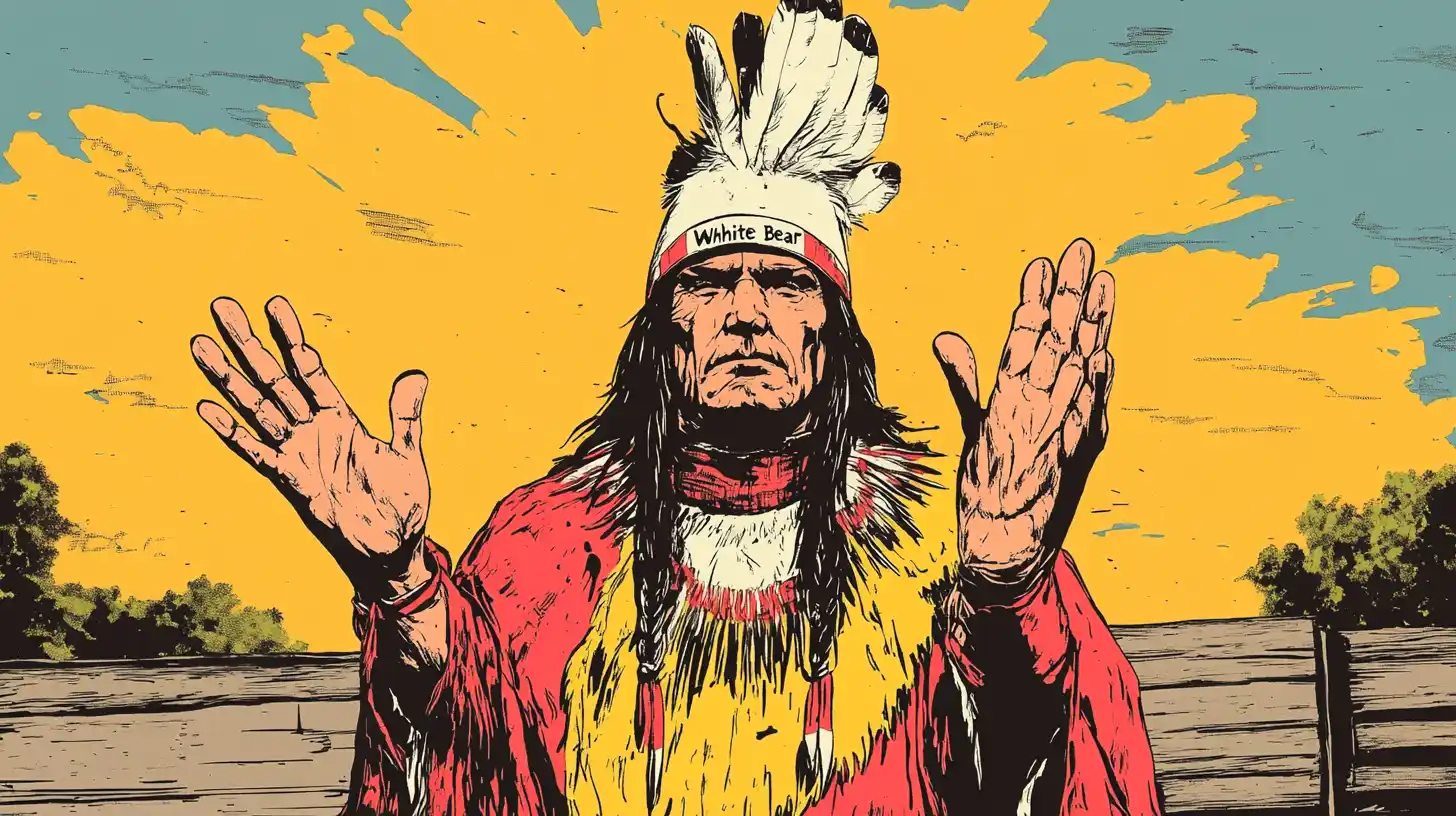
Kiowa war chief Satanta (1820-1878), known as “White Bear” and renowned for his oratorical skills, was imprisoned and later died by suicide after leading raids across Texas.
CHIEF PONTIAC
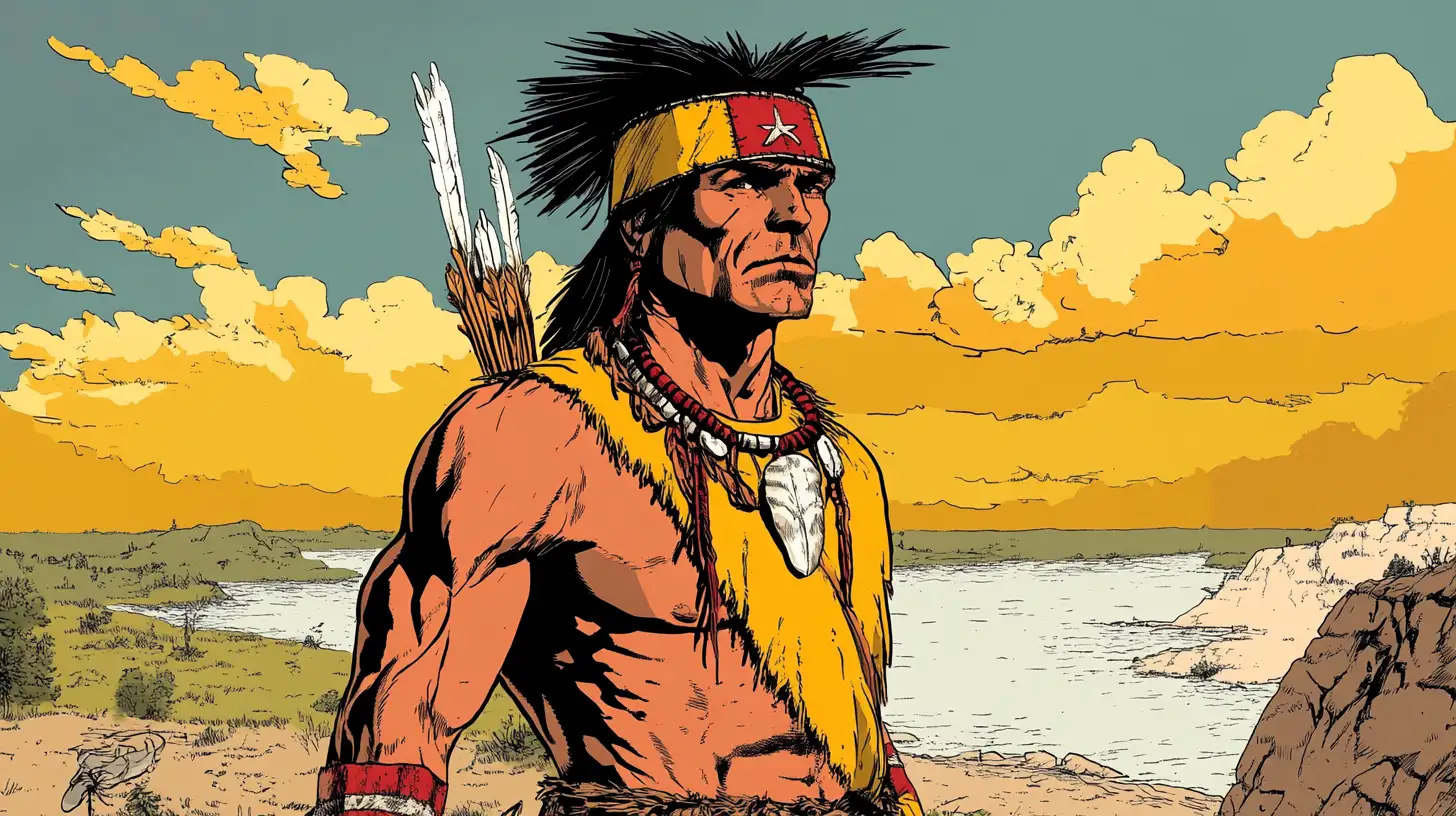
Ottawa leader Chief Pontiac (1720-1769) orchestrated Pontiac’s Rebellion against British forces. He was later assassinated by a Peoria warrior who the British possibly hired.
LEONARD PELTIER
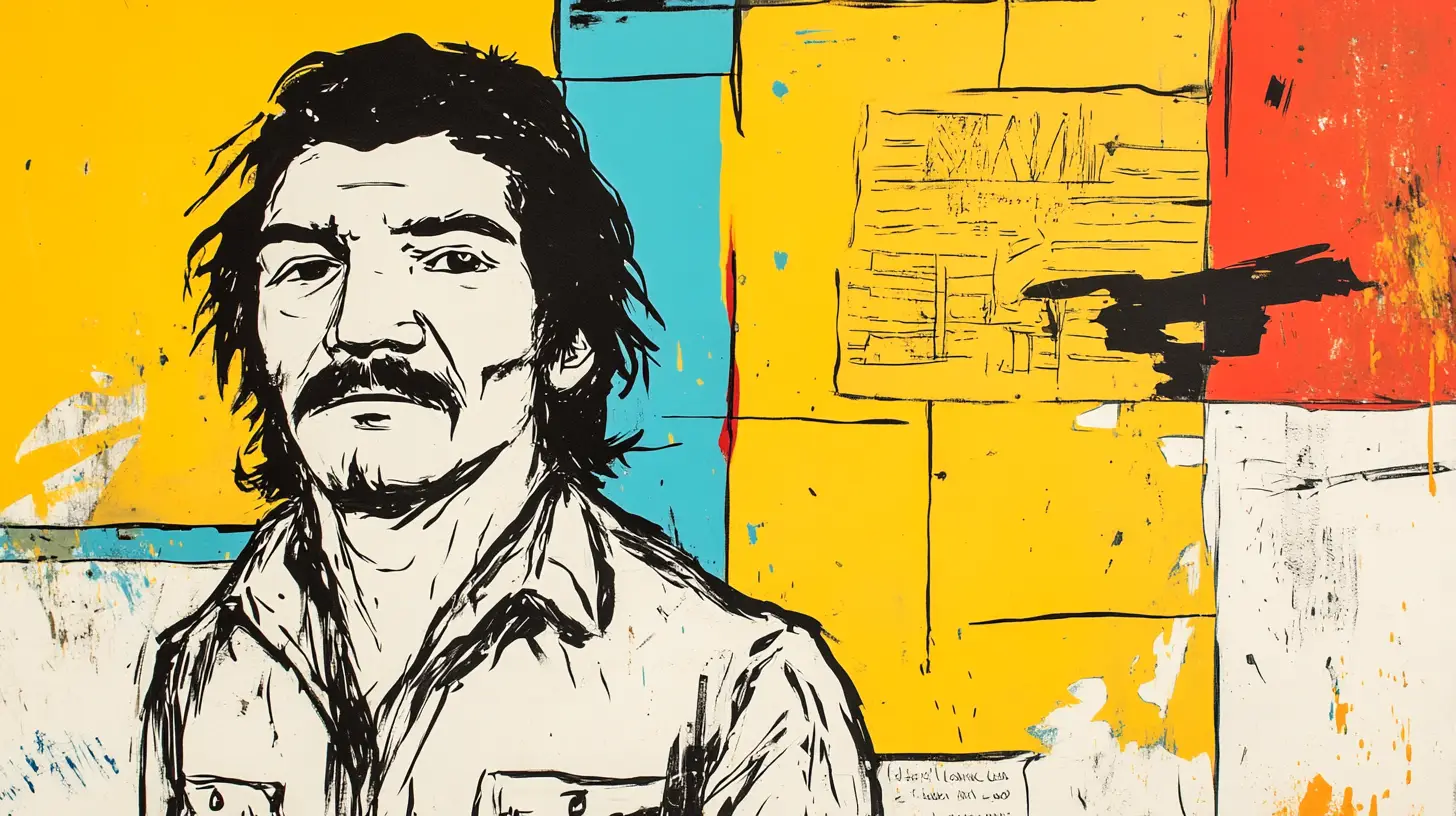
Anishinaabe-Sicangu activist Leonard Peltier (b. 1944) was convicted for the deaths of two FBI agents during a 1975 Pine Ridge shootout. He held the record for longest-running fugitive on the FBI’s Ten Most Wanted list before his arrest.
RUSSELL MEANS
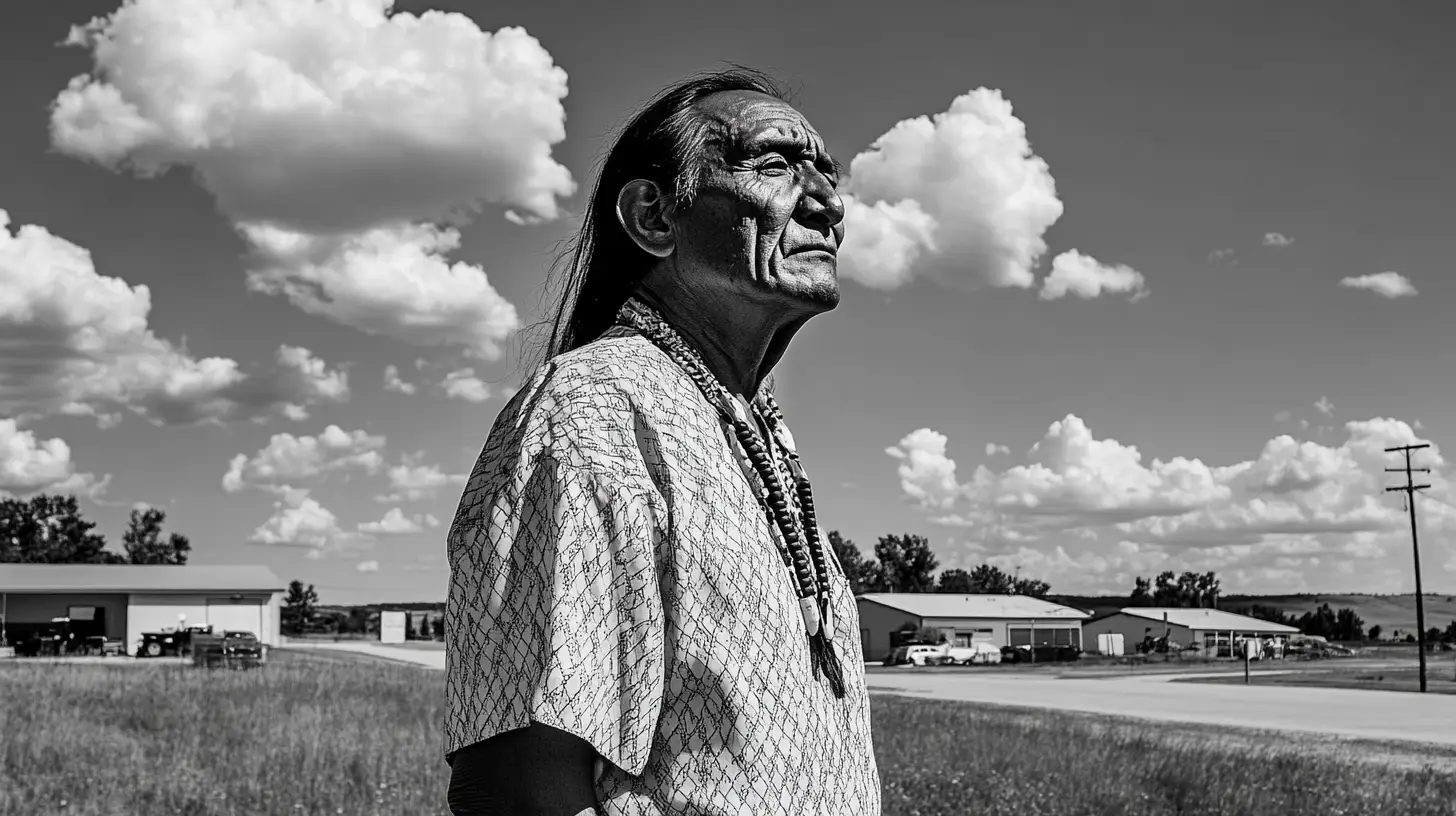
Oglala Lakota activist and actor Russell Means (1939-2012) co-founded the American Indian Movement and played key roles in the 1973 Wounded Knee occupation. He eventually earned his SAG card playing an Oglala policeman in “The Last of the Mohicans.”