6 min read
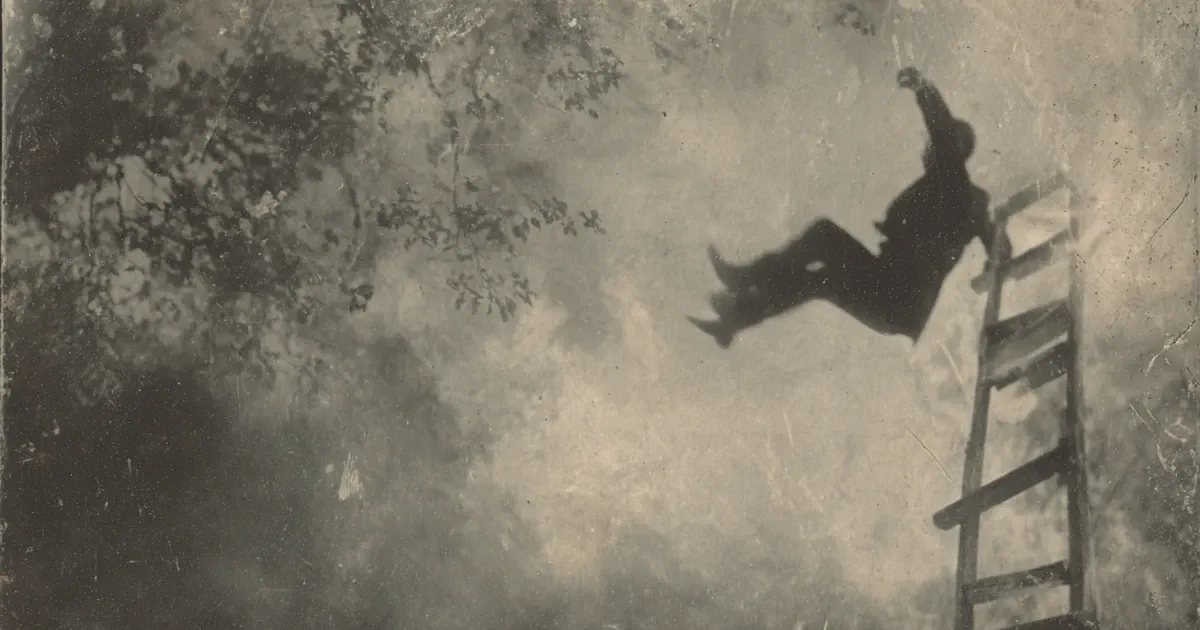
History is filled with tales of remarkable lives, but sometimes it’s the unusual deaths that captivate our imagination.
From ancient rulers to modern-day mishaps—human existence is peppered with bizarre and unexpected ways people have ended up six feet under.
AESCHYLUS

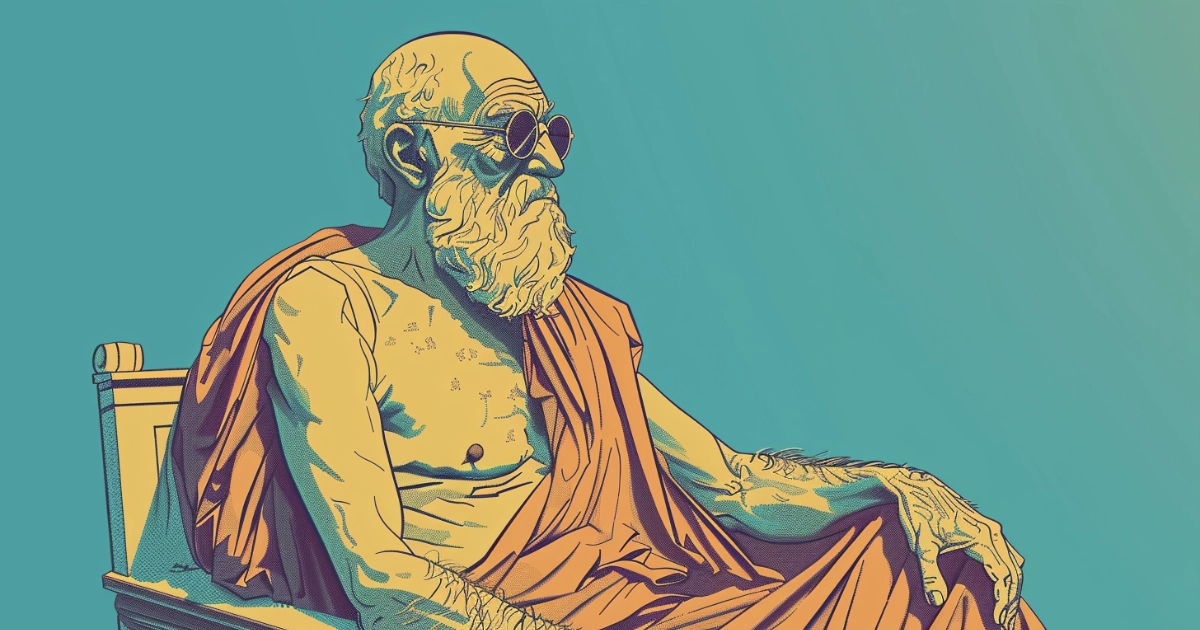
Aeschylus, the renowned Greek playwright, reportedly met an extraordinary and bizarre end when an eagle—mistaking his bald head for a rock—dropped a tortoise on him from the sky.
It allegedly occurred while Aeschylus was sitting by the waterside.
CHRYSIPPUS
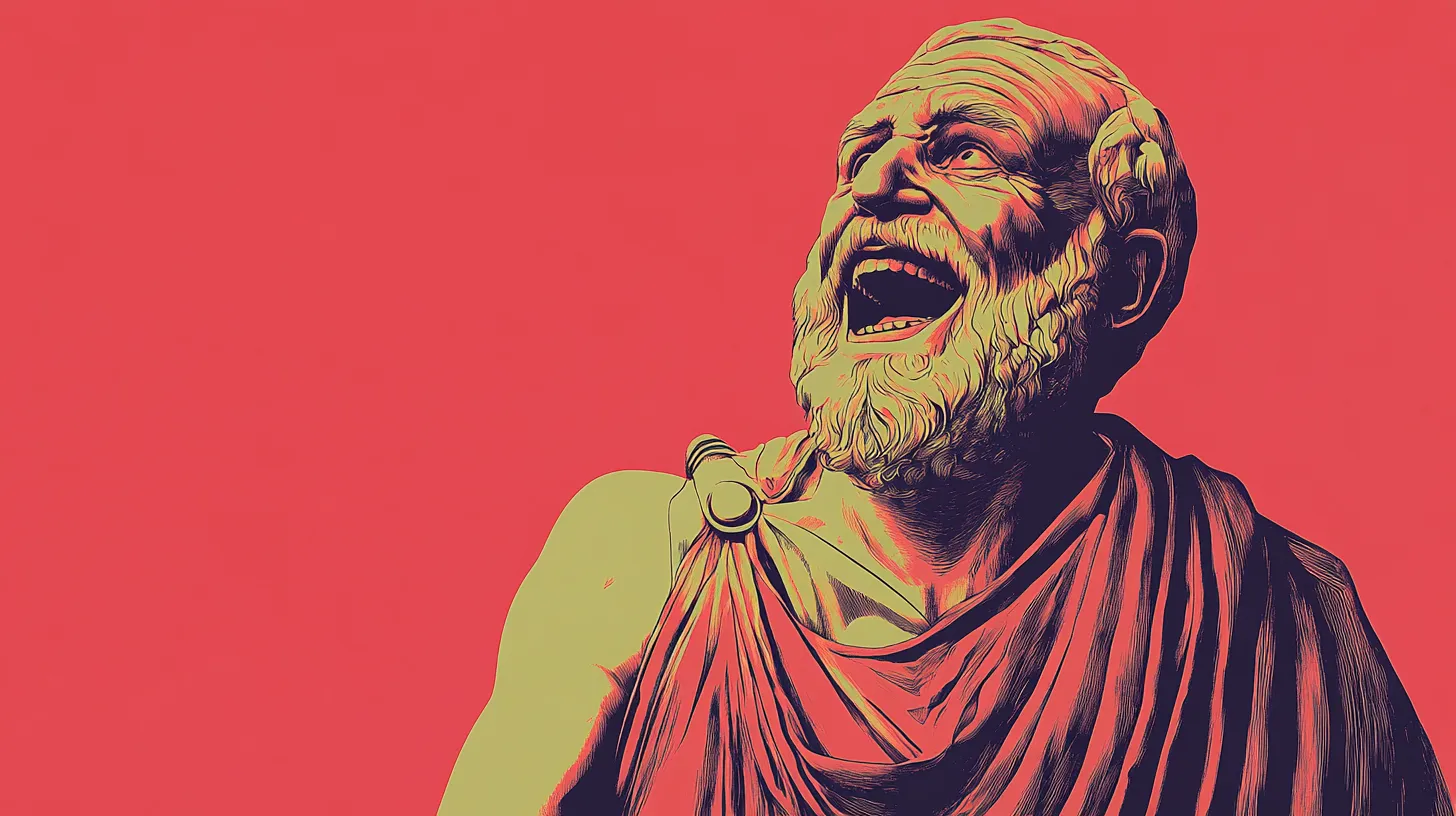
Chrysippus, a renowned Stoic philosopher, reportedly died in a bizarre incident during the 143rd Olympiad (208-204 BC).
It happened after laughing uncontrollably at his own joke about a donkey eating figs.
While some accounts attribute his death to excessive laughter, causing him to collapse with uncontrollable shaking and foaming at the mouth—others suggest it may have been due to alcohol poisoning from drinking undiluted wine at a feast.
DRACO
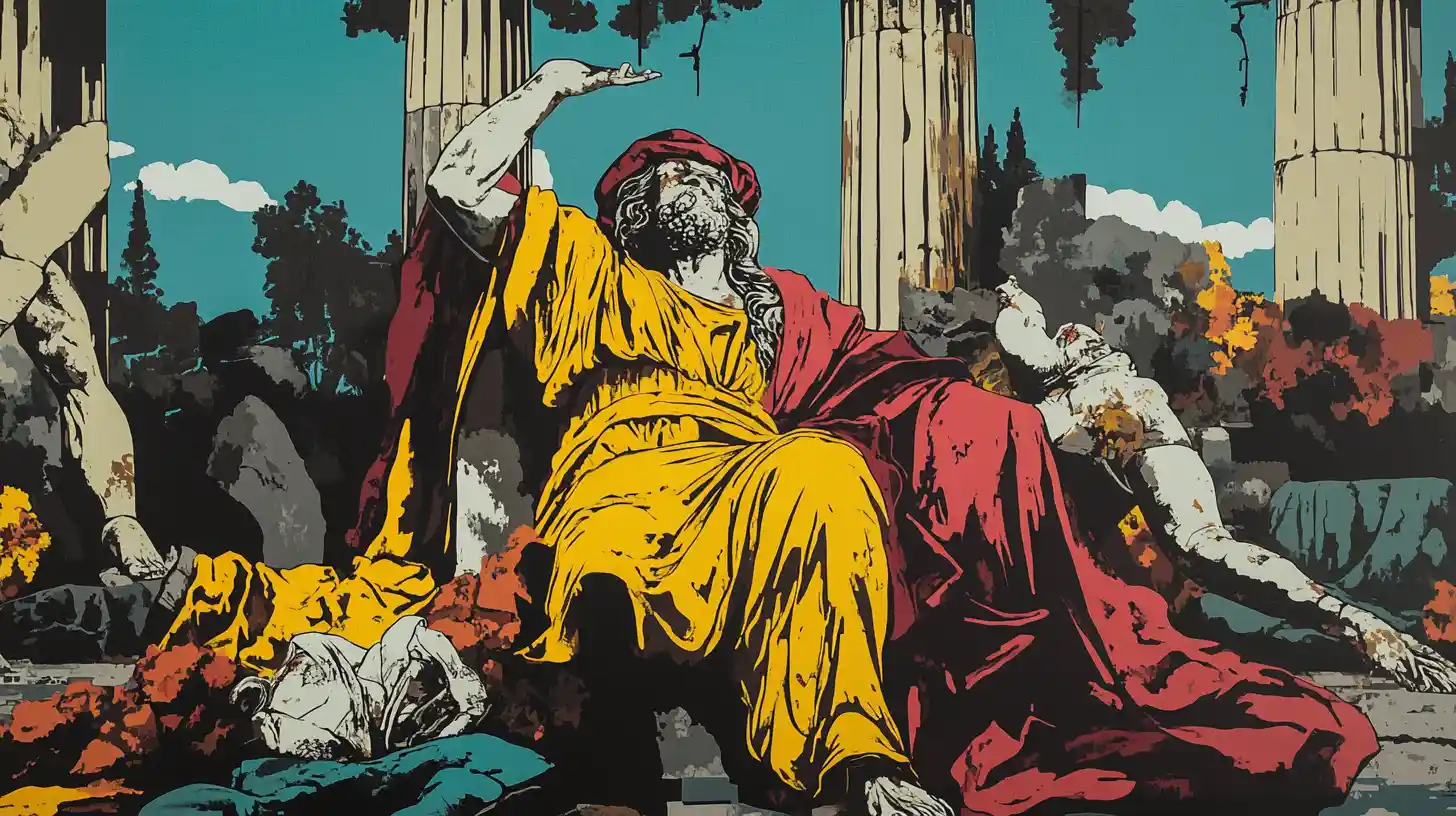
Draco’s death, as recounted in folklore, was bizarrely theatrical: during a performance at an Aeginetan theater, his supporters allegedly showered him with so many hats, shirts, and cloaks as a sign of approval that he suffocated under the pile of garments.
While the veracity of this tale is questionable, it is also said that Draco was driven out of Athens to the neighboring island of Aegina, where he spent his final days in exile.
ELEAZAR AVARAN
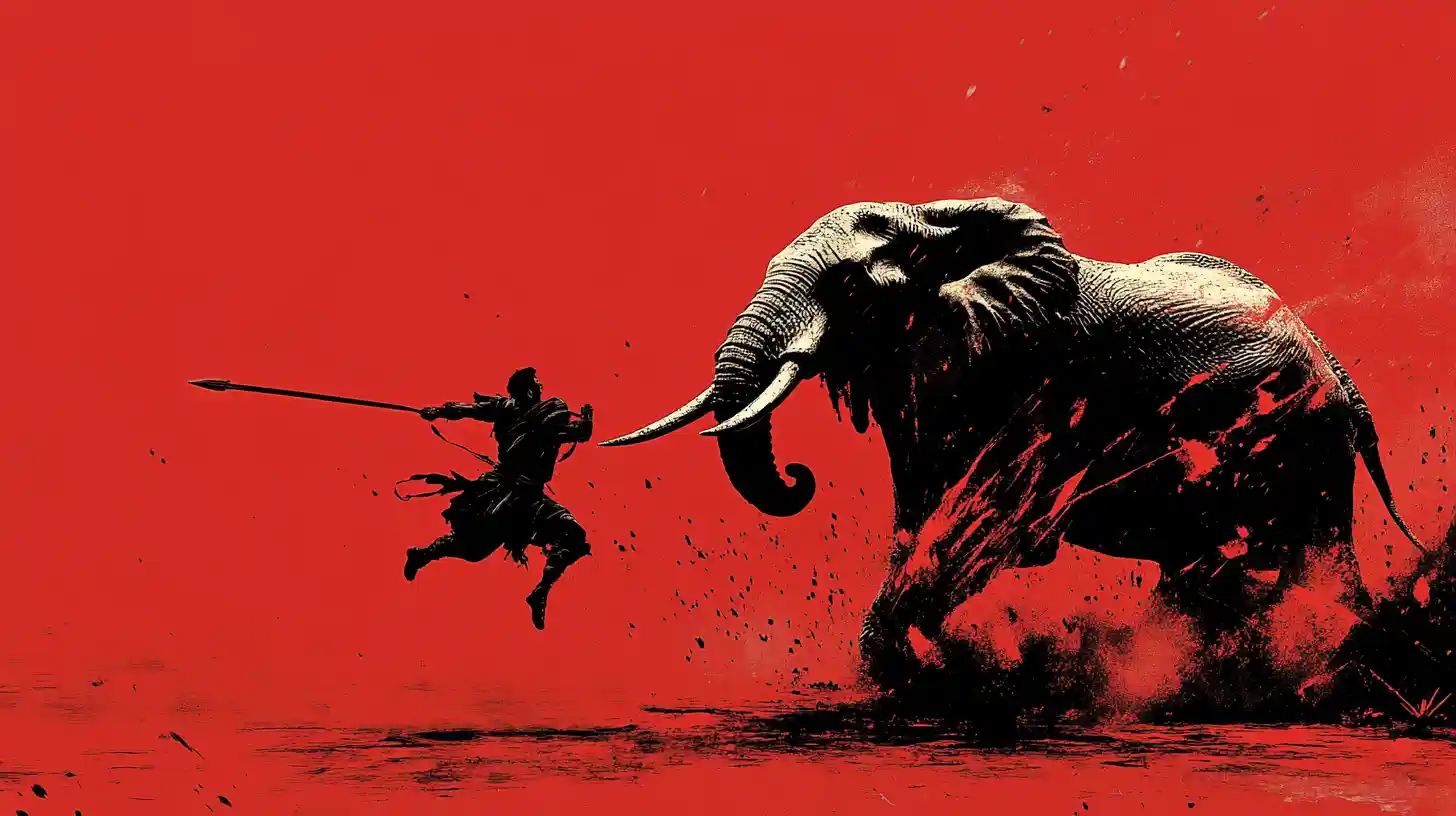
Eleazar Avaran, a Jewish warrior during the Maccabean revolt, met a dramatic end at the Battle of Beth-zechariah in 162 BC when he sacrificed himself by thrusting a spear into the belly of a war elephant he believed was carrying the Seleucid King Antiochus V.
One version of the story claims that Eleazar’s body was later discovered sunken in the elephant’s excrement, adding a grotesque detail to his already legendary demise.
GRIGORI RASPUTIN

Grigori Rasputin’s death was shrouded in mystery and controversy. Conflicting accounts claim he survived multiple assassination attempts, including poisoning, shooting, and beating, before finally succumbing to drowning when thrown into the icy Neva River.
The most sensational details suggest that Rasputin was incredibly difficult to kill, allegedly surviving cyanide poisoning, multiple gunshot wounds, and a severe beating before his final demise.
ISADORA DUNCAN
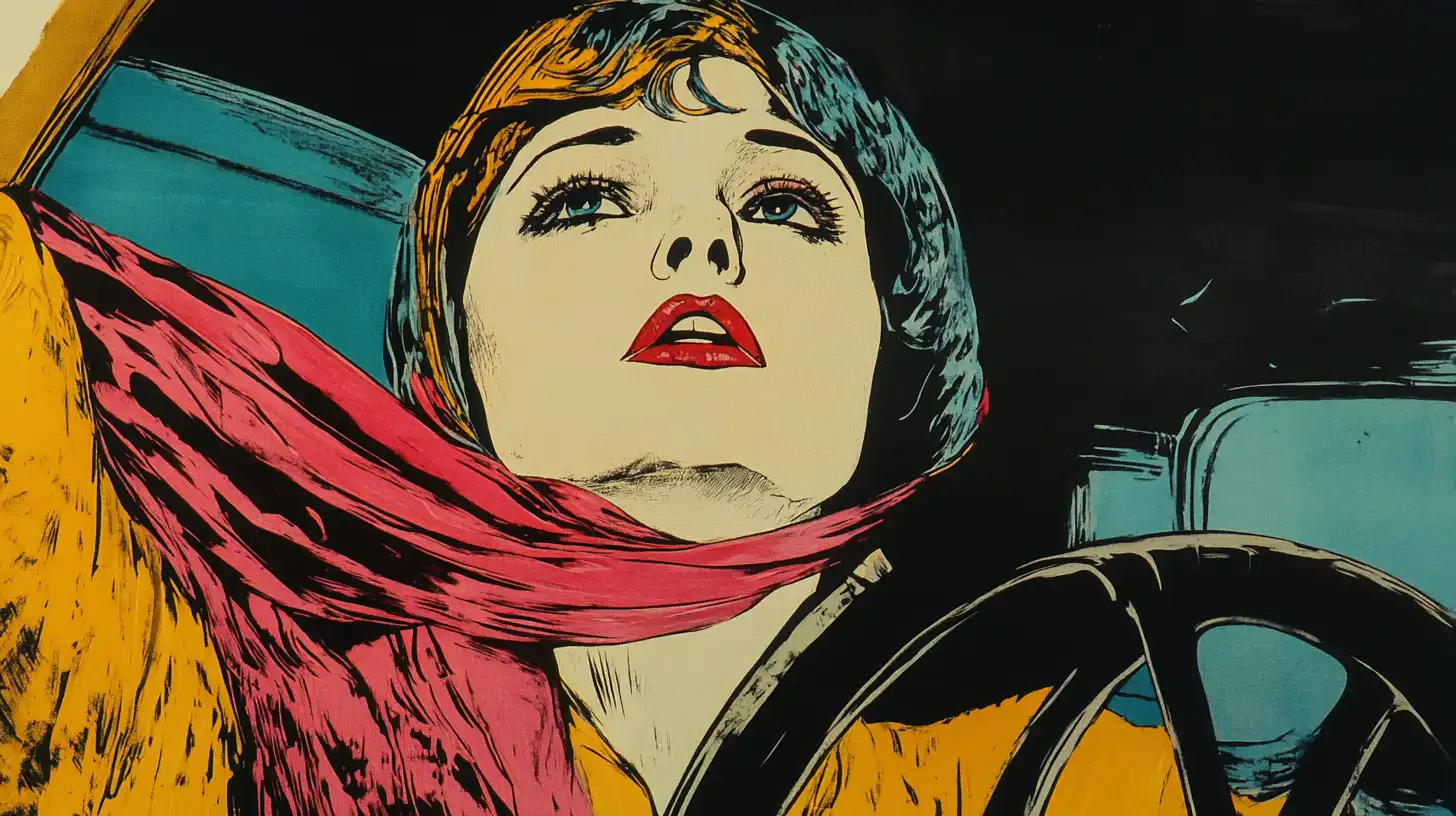
Isadora Duncan, the pioneering modern dancer, met a bizarre and tragic end on September 14, 1927 in Nice, France.
While riding as a passenger in an open-top car, her long flowing silk scarf became entangled in the vehicle’s wheel and rear axle, violently yanking her from the car and breaking her neck, leading to her instant death at age 50.
KING ADOLF FREDERICK OF SWEDEN
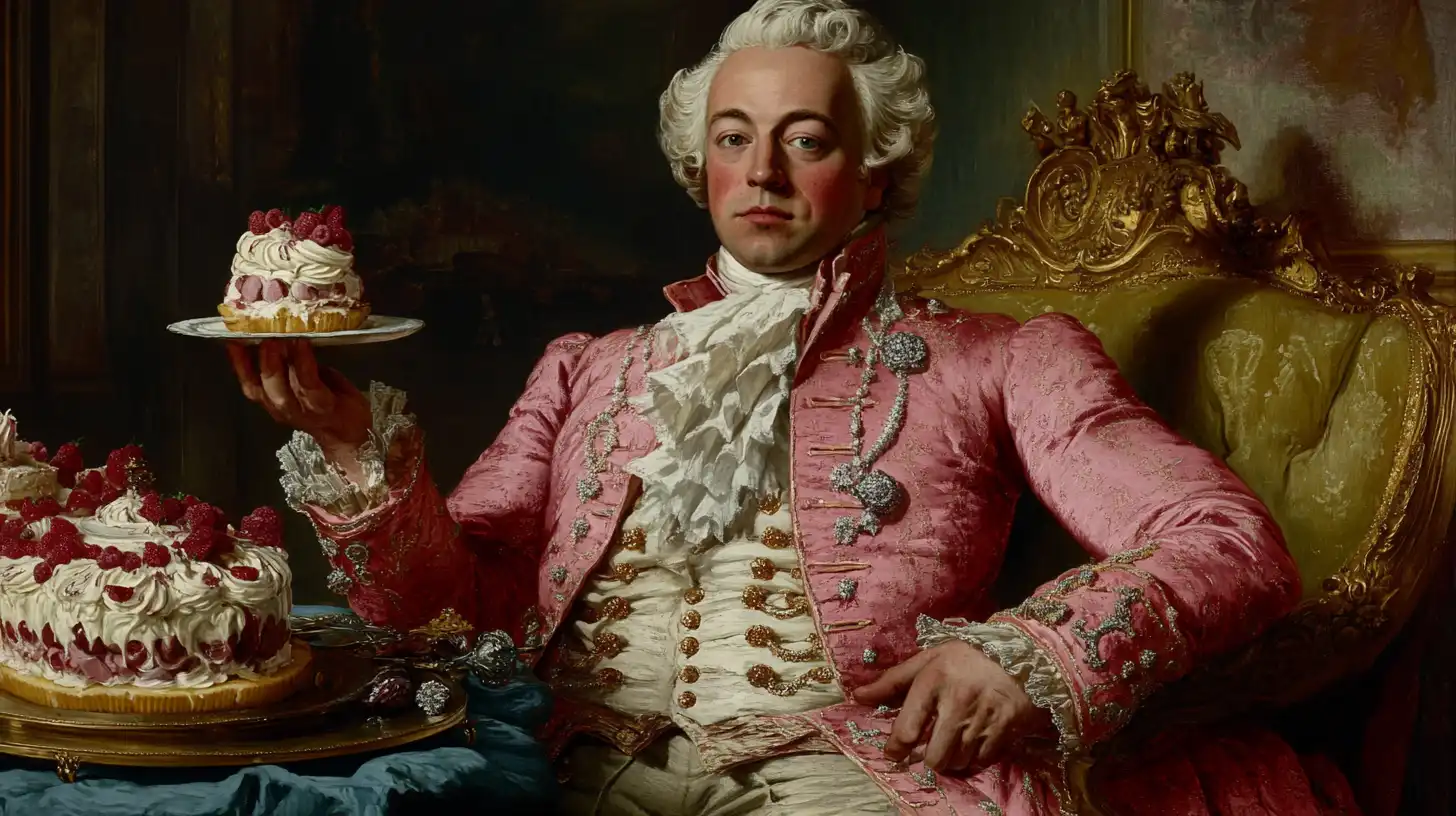
Adolf Frederick of Sweden died suddenly on February 12, 1771, with symptoms resembling either heart failure or poisoning.
Popular legends claim his death resulted from an enormous meal consisting of lobster, caviar, sauerkraut, kippers, champagne, and an astounding 14 servings of his favorite dessert called “hetvägg” (semla pastries in hot milk).
LI BAI
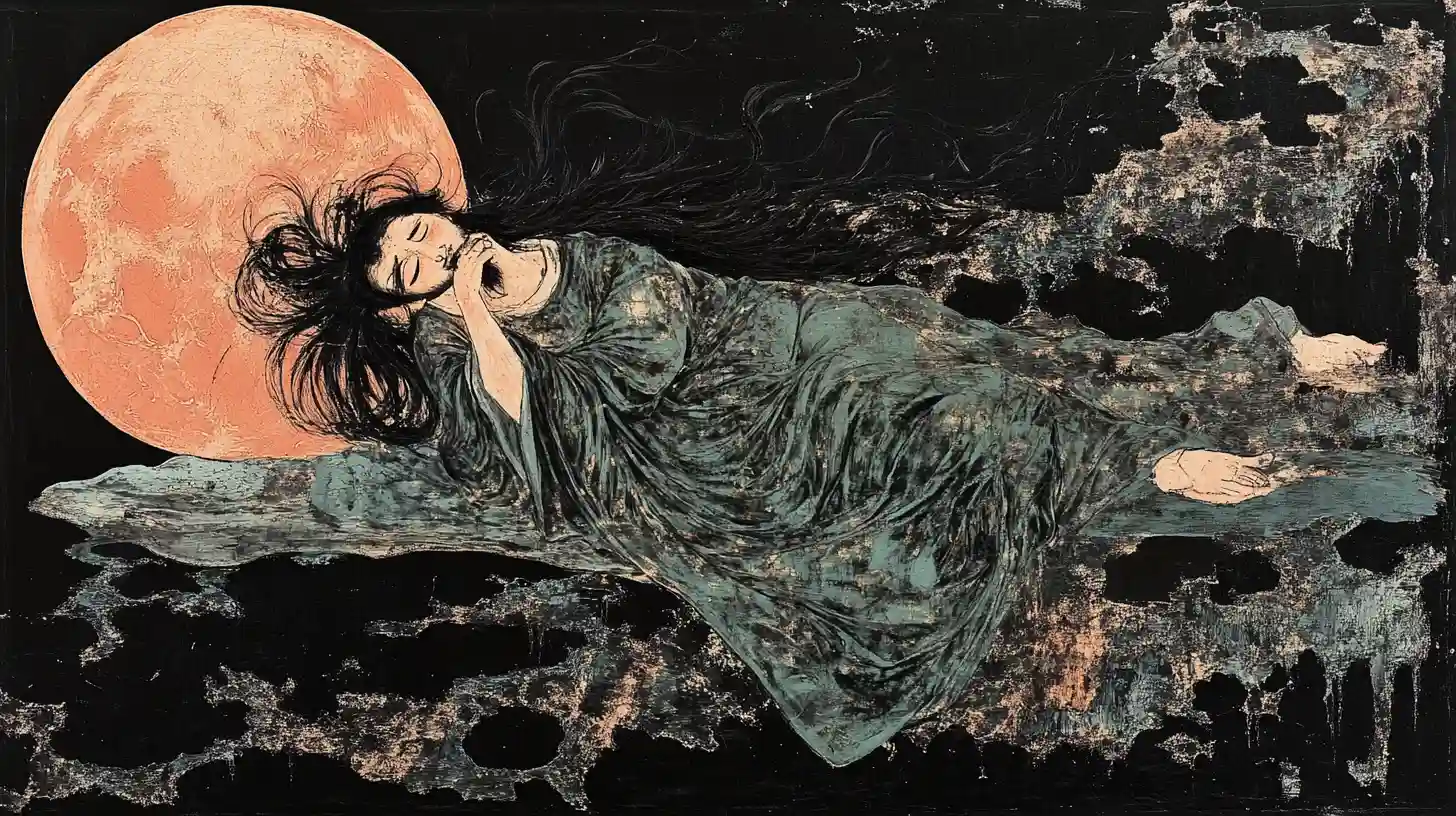
According to historical accounts, Li Bai’s death in 762 CE is shrouded in legend and mystery. The most famous (though likely apocryphal) story claims that the drunken poet drowned after falling from his boat while trying to embrace the reflection of the moon in the Yangtze River.
A more plausible account suggests he may have died from mercury poisoning after ingesting too many Taoist longevity elixirs.
MOLIÈRE
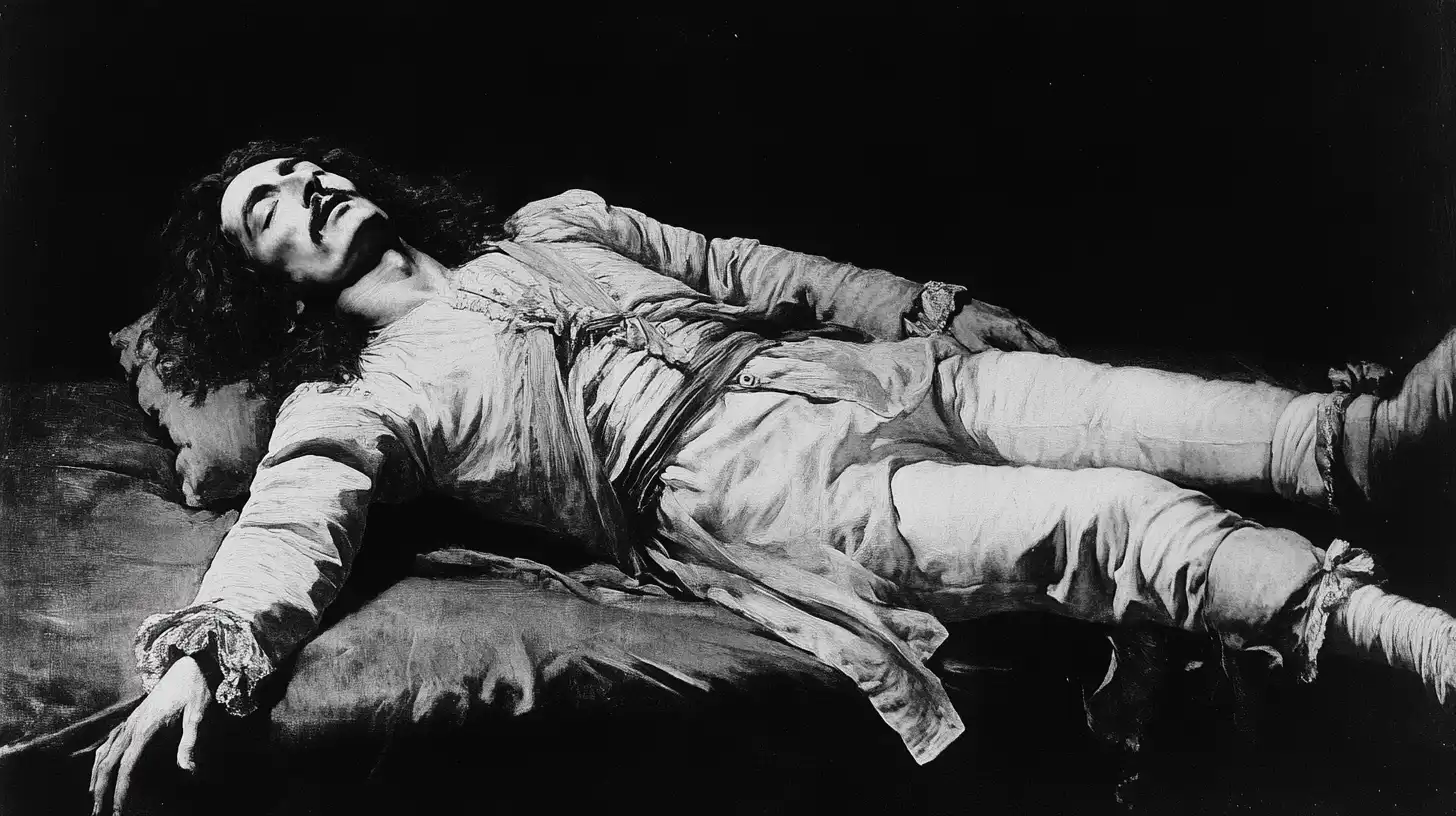
Molière, the renowned French playwright, suffered a dramatic death on February 17, 1673, when he collapsed on stage during a performance of his final play “The Imaginary Invalid” and died a few hours later from pulmonary tuberculosis.
Molière was playing the role of a hypochondriac at the time of his collapse. Due to laws prohibiting actors from being buried in sacred ground, his widow had to petition the King for permission to give him a proper night-time funeral.
SIGURD THE MIGHTY
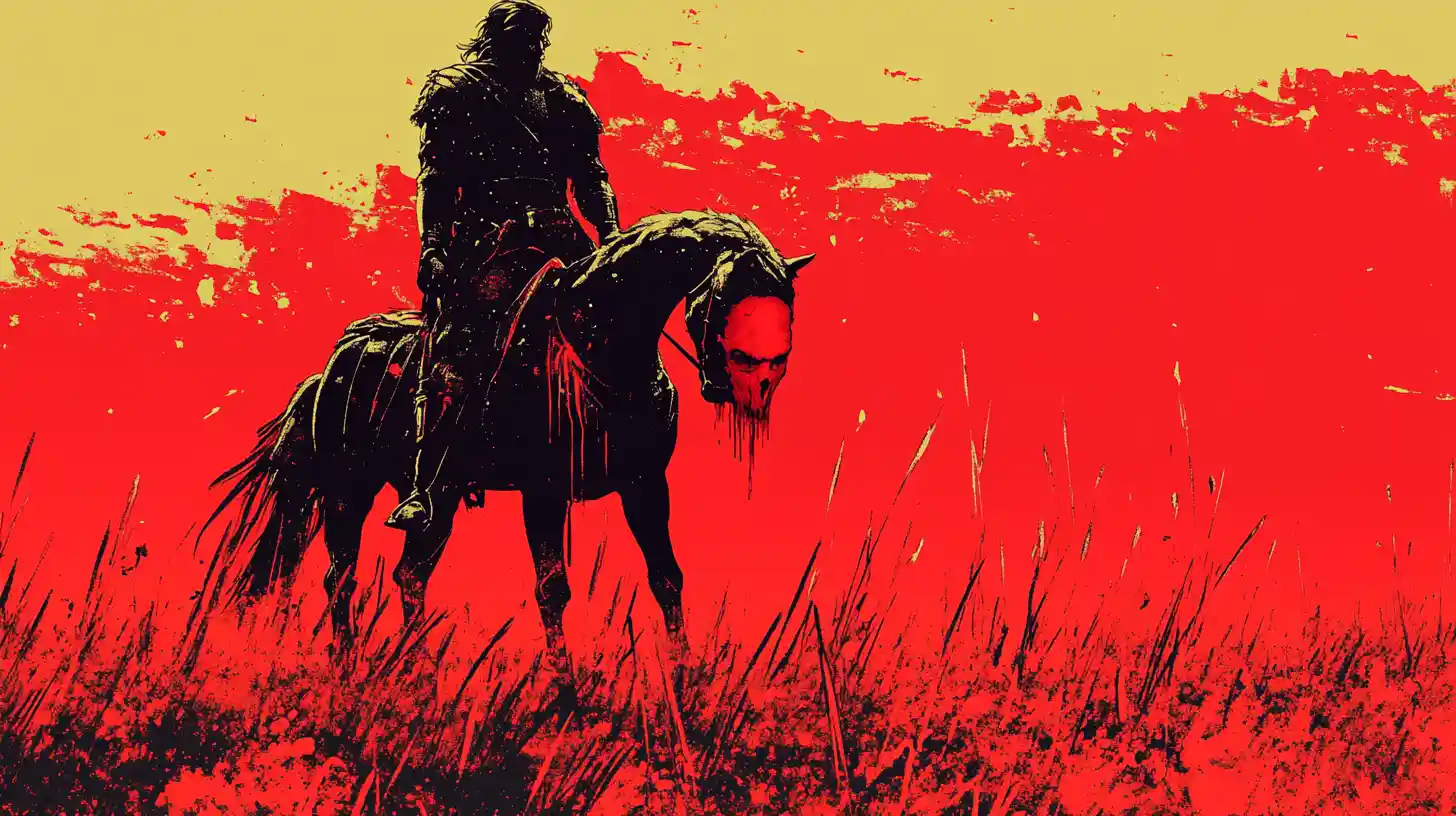
Sigurd Eysteinsson, known as Sigurd the Mighty, met an unusual and ironic end after a battle with Máel Brigte.
After defeating Máel Brigte and strapping his severed head to his saddle as a trophy, Sigurd’s leg was scratched by Máel Brigte’s prominent buck tooth, leading to an infection that ultimately caused Sigurd’s death.
TENNESSEE WILLIAMS

Tennessee Williams, the renowned playwright, died on February 25, 1983 at the age of 71 in a hotel room in New York City.
The official cause of death was initially reported as choking on a bottle cap, but was later corrected to indicate that Williams had died from a toxic level of the barbiturate Seconal, which he had been ingesting using the plastic bottle cap found in his mouth.
TYCHO BRAHE
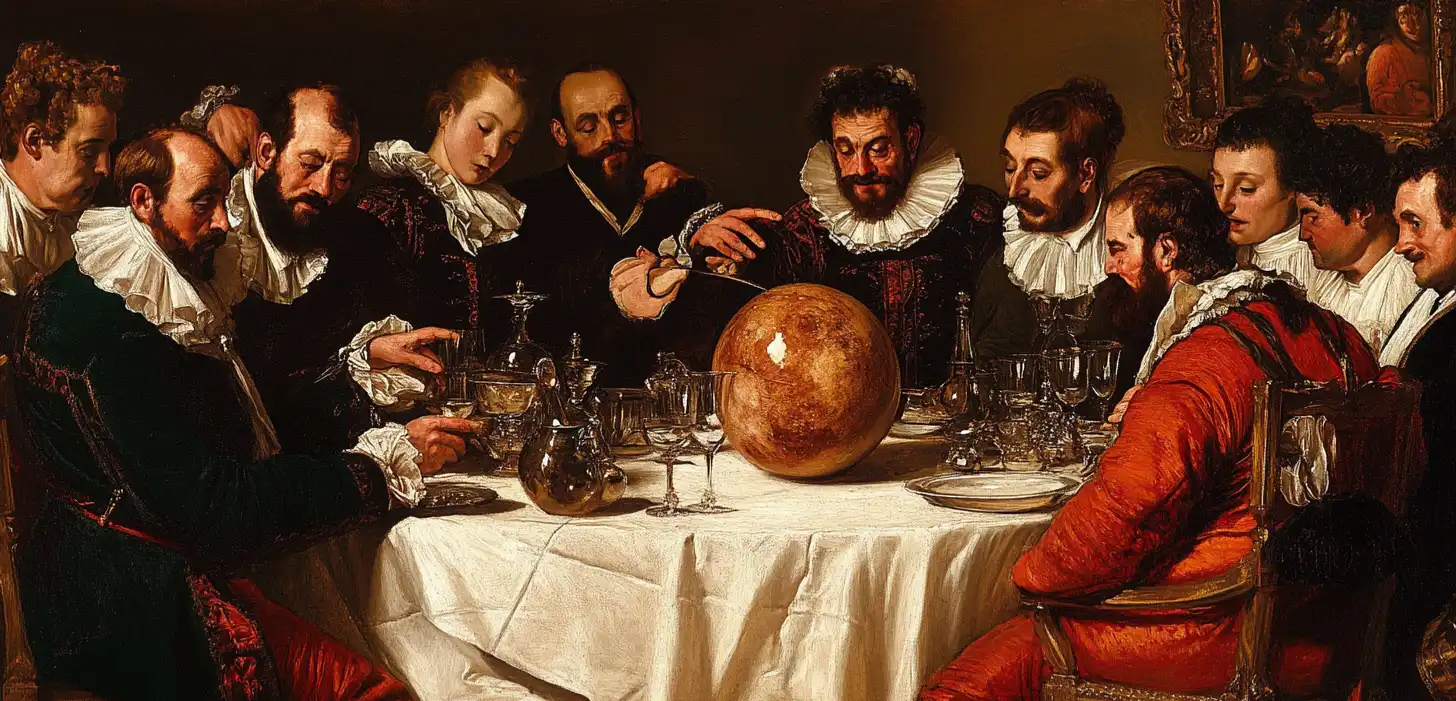
Tycho Brahe, the renowned Danish astronomer, is said to have died in 1601 after attending a lavish dinner party where he allegedly refused to excuse himself to urinate, leading to a ruptured bladder.
While this dramatic tale of death by politeness has been popular for centuries, modern scientific analysis of Brahe’s remains suggests his demise was more likely due to a combination of factors including possible alcoholism, obesity, and diabetes.
WILLIAM HUSKISSON
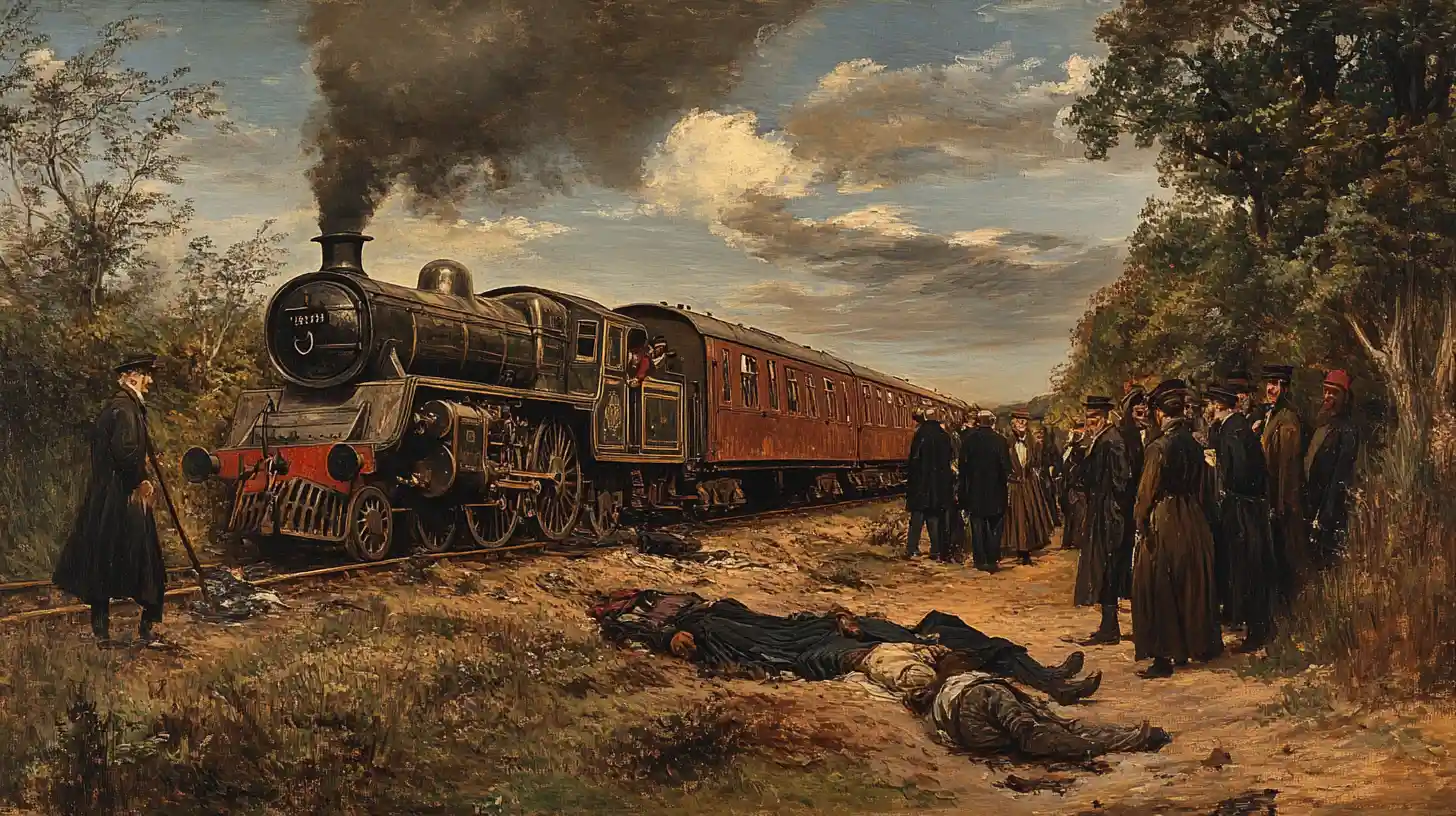
William Huskisson, a British statesman and MP, became the world’s first widely reported railway passenger casualty when he was fatally struck by the pioneering locomotive Rocket during the opening ceremony of the Liverpool and Manchester Railway in 1830.
Huskisson had stepped onto the tracks to shake hands with the Duke of Wellington, panicked when he saw an approaching train, and then tragically fell into its path while attempting to climb into a carriage—all this occurring against his doctor’s advice to avoid the event due to his recent surgery and known clumsiness.