
5 min read
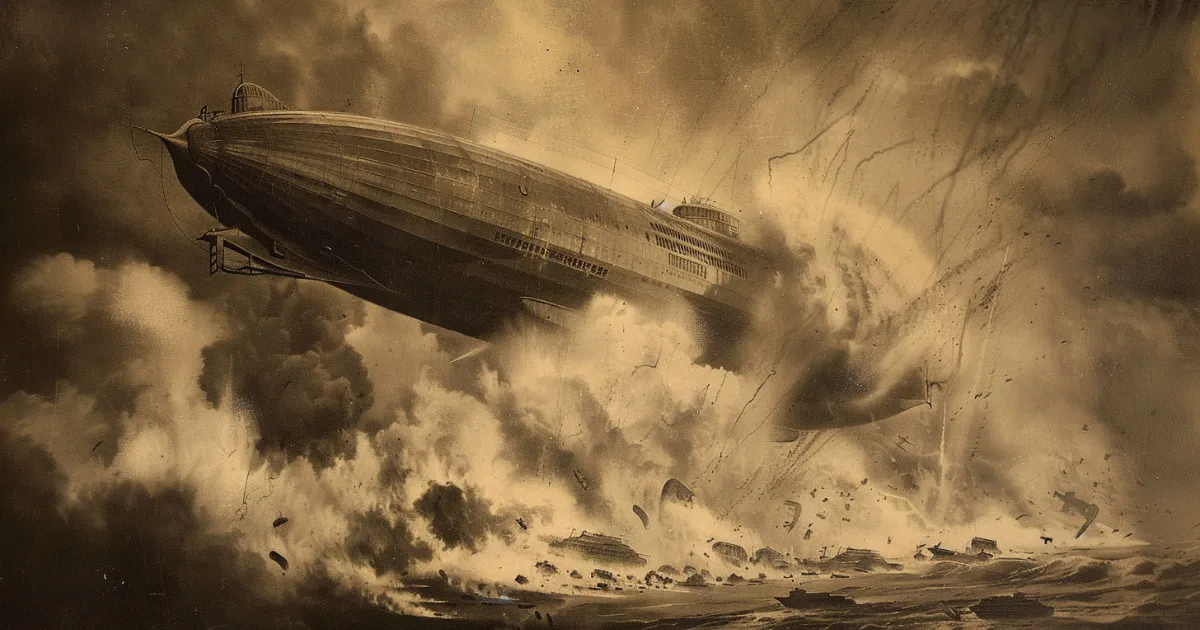
In the years leading up to the dawn of the Space Age, the United States Air Force embarked on a daring endeavor known as Project Manhigh.
Between 1955 and 1958, this groundbreaking military project sought to unravel the mysteries of cosmic rays and their effects on the human body.
Intrepid pilots, encapsulated in specially designed gondolas, ascended to the very edge of Earth’s atmosphere, carried aloft by enormous balloons.
These brave men, the predecessors of America’s first astronauts, ventured into the unknown, risking their lives to expand the boundaries of human knowledge and pave the way for future space exploration.
THE PROJECT INVOLVED SENDING MEN IN BALLOONS TO THE STRATOSPHERE

The audacious undertaking that was Project Manhigh saw the United States Air Force sending fearless pilots soaring to the very limits of the Earth’s atmosphere.
In a series of three daring balloon flights, these brave men ascended to the middle layers of the stratosphere, a realm previously unexplored by humankind.
Each mission pushed the boundaries of what was considered possible, as the pilots, enclosed within their specially crafted gondolas, rose to heights that had only been dreamed of before.
The data gathered during these groundbreaking flights would prove invaluable in the years to come.
MANHIGH I WAS PILOTED BY CAPTAIN JOSEPH W. KITTINGER IN 1957

On June 2, 1957, Captain Joseph W. Kittinger embarked on a journey that would forever etch his name in the annals of aviation history.
As the pilot of Manhigh I, Kittinger ascended to an astonishing altitude of 29,500 meters (96,800 feet), pushing the limits of human endurance and technological innovation.
However, the flight was not without its challenges—a valve, installed backwards, threatened to derail the mission, forcing an early conclusion to this groundbreaking endeavor.
Despite the setback, Kittinger’s set the stage for future advancements in aerospace exploration.
MANHIGH II WAS PILOTED BY MAJOR DAVID G. SIMONS IN 1957
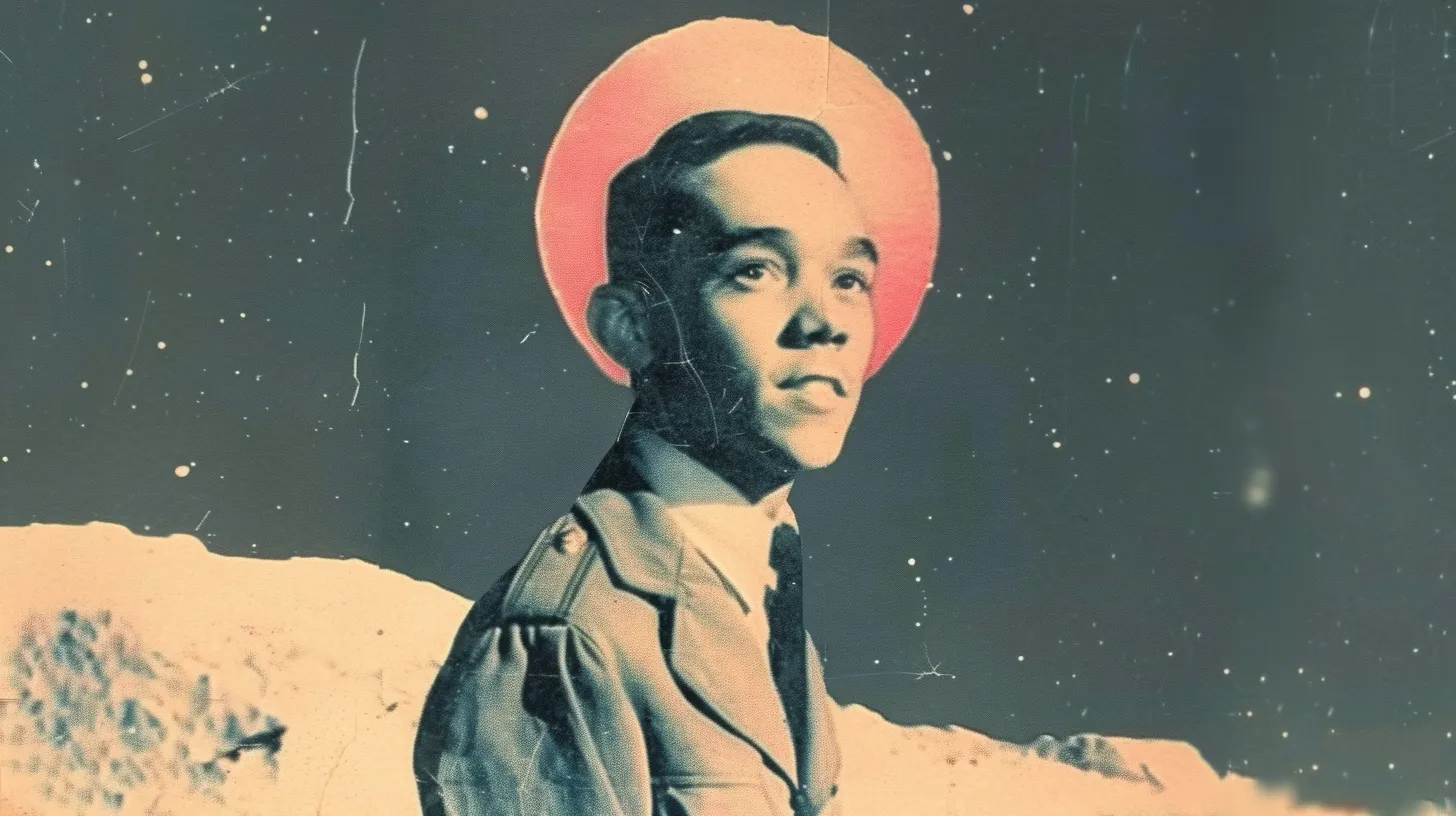
In a feat of unparalleled courage and scientific prowess, Major David G. Simons piloted the Manhigh II mission on August 19–20, 1957, soaring to an unprecedented altitude of 30,942 meters (101,516 feet).
During this historic 32-hour flight, Simons conducted a series of 25 experiments and observations, gathering invaluable data that would shape the future of aerospace research.
As the balloon reached its zenith, it expanded to a staggering diameter of 60 meters (200 feet), encompassing a volume of over 85,000 cubic meters (111,000 cubic yards)—a testament to the incredible engineering behind the Manhigh project.
Simons’ remarkable achievements did not go unnoticed; his record-breaking flight earned him a coveted spot on the cover of Life magazine.
MANHIGH III WAS PILOTED BY LIEUTENANT CLIFTON M. MCCLURE IN 1958
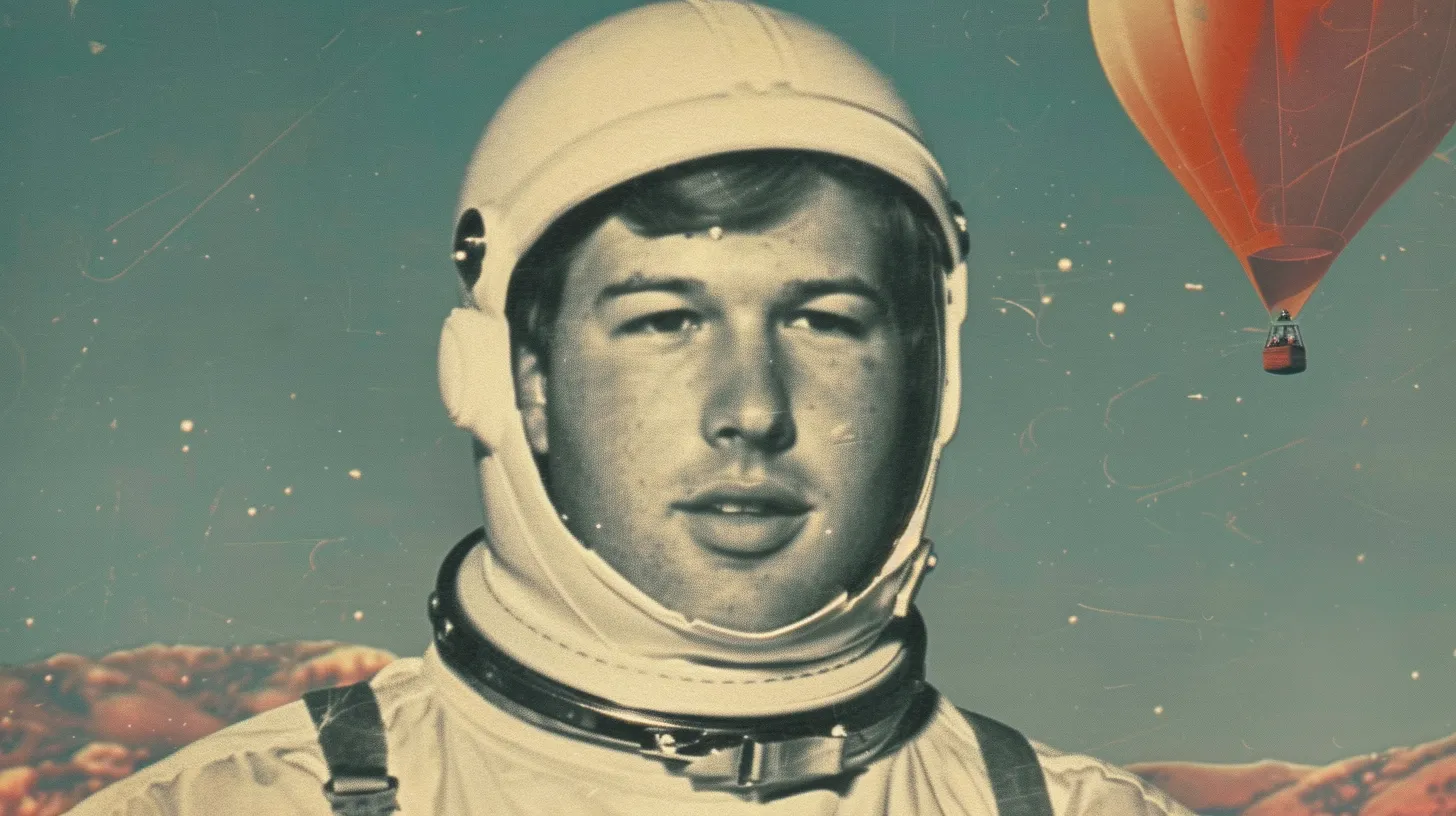
On October 8, 1958, Lieutenant Clifton M. McClure took to the skies in the Manhigh III capsule, the final mission in the groundbreaking Project Manhigh series.
Ascending to an impressive altitude of 29,900 meters (98,100 feet), McClure’s flight further pushed the boundaries of human endurance and technological capability.
The success of Manhigh III served as a fitting culmination to the project, demonstrating the immense potential for manned exploration of the upper atmosphere and beyond.
THE TESTS USED TO SELECT CANDIDATES BECAME THE STANDARD FOR QUALIFYING ASTRONAUTS

As Project Manhigh pushed the limits of human endurance and scientific understanding, it also laid the groundwork for the rigorous selection process that would come to define America’s first manned orbital space program, Project Mercury.
The physical and psychological tests developed to screen candidates for Manhigh set a new standard in the field of aerospace medicine, ensuring that only the most capable and resilient individuals would be chosen for these groundbreaking missions.
These exacting criteria, born from the trials and triumphs of Project Manhigh, would go on to shape the selection of the Mercury Seven astronauts, the pioneers who would carry America’s dreams of space exploration to new heights.
PROJECT MANHIGH WAS SEEN BY ITS DESIGNERS AS A STEPPING STONE TO SPACE

While Project Manhigh was officially funded as an aero-medical research program, its visionary designers saw it as much more than a mere scientific endeavor.
In their minds, this groundbreaking project represented a crucial stepping stone on the path to space exploration, a testament to the indomitable human spirit and the relentless pursuit of knowledge.
By sending men to the very edge of Earth’s atmosphere, Project Manhigh’s architects hoped to unlock the secrets of the cosmos and pave the way for future generations to venture beyond the confines of our planet.
Though the project’s official mandate focused on studying the effects of cosmic rays on the human body, its true purpose was far grander in scope, laying the foundation for America’s bold leap into the Space Age and inspiring countless dreamers to reach for the stars.