
5 min read
Strange things found frozen in ice have yielded fascinating glimpses into Earth’s past. From ancient microbes and extinct animals to preserved human bodies and artifacts—providing valuable insights into climate history, evolution, and long-lost cultures.
BABY WOOLY MAMMOTH
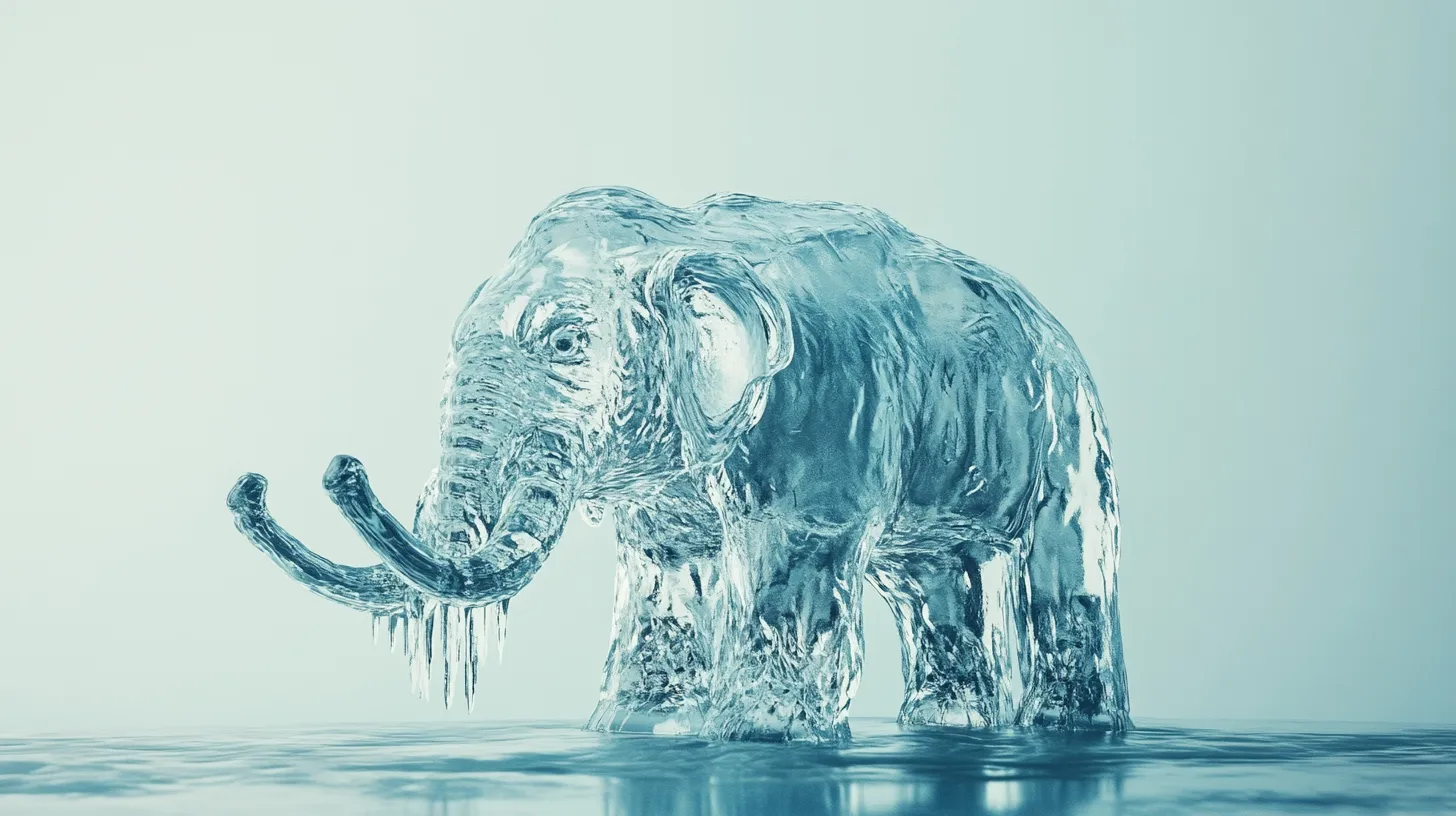
In June 2022, a miner in Canada’s Yukon territory unexpectedly unearthed a remarkably well-preserved baby wooly mammoth, named Nun cho ga, from the permafrost while excavating for gold.
This 30,000-year-old mummified creature, complete with intact trunk, ears, and tail, is not only the most complete wooly mammoth found in North America but was also recovered just in time before a storm that could have washed it away forever.
ANCIENT VIRUSES
Scientists have discovered and revived a 48,500-year-old “zombie virus” from Siberian permafrost, which is still capable of infecting amoebas.
This ancient virus, along with others found in permafrost samples, raises concerns about potential health risks as Arctic temperatures warm up to four times faster than the rest of the planet, potentially releasing long-dormant pathogens.
A 5,300-YEAR-OLD ICEMAN (ÖTZI)
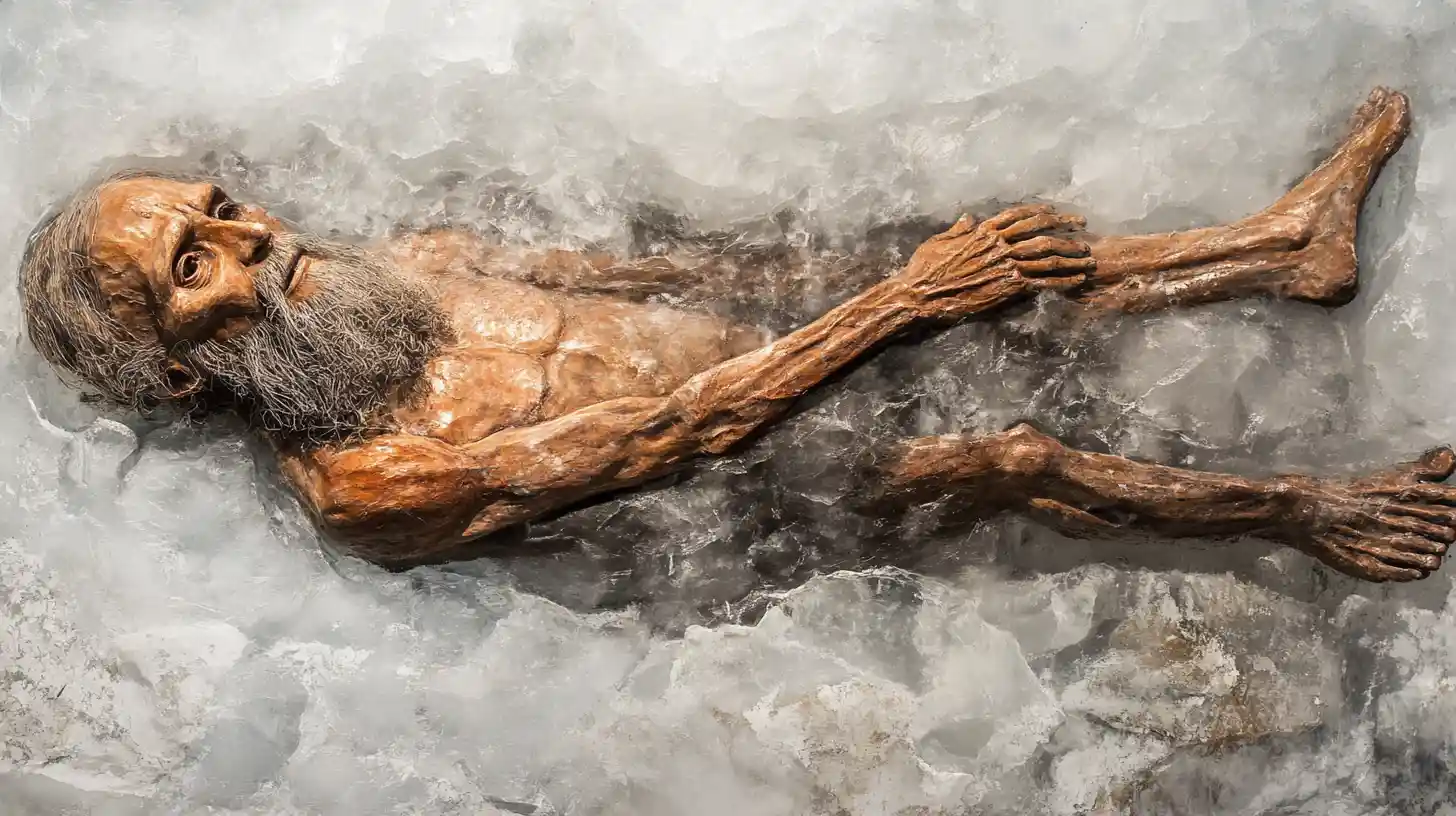
In 1991, two German tourists stumbled upon the remarkably well-preserved 5,300-year-old mummy of a Copper Age man in the Ötztal Alps, now known as Ötzi the Iceman.
The discovery revealed fascinating details about prehistoric life, including that Ötzi had 61 tattoos, likely used for medicinal purposes. His last meal consisted of ibex meat and einkorn wheat.
PREHISTORIC CAVE LION CUB

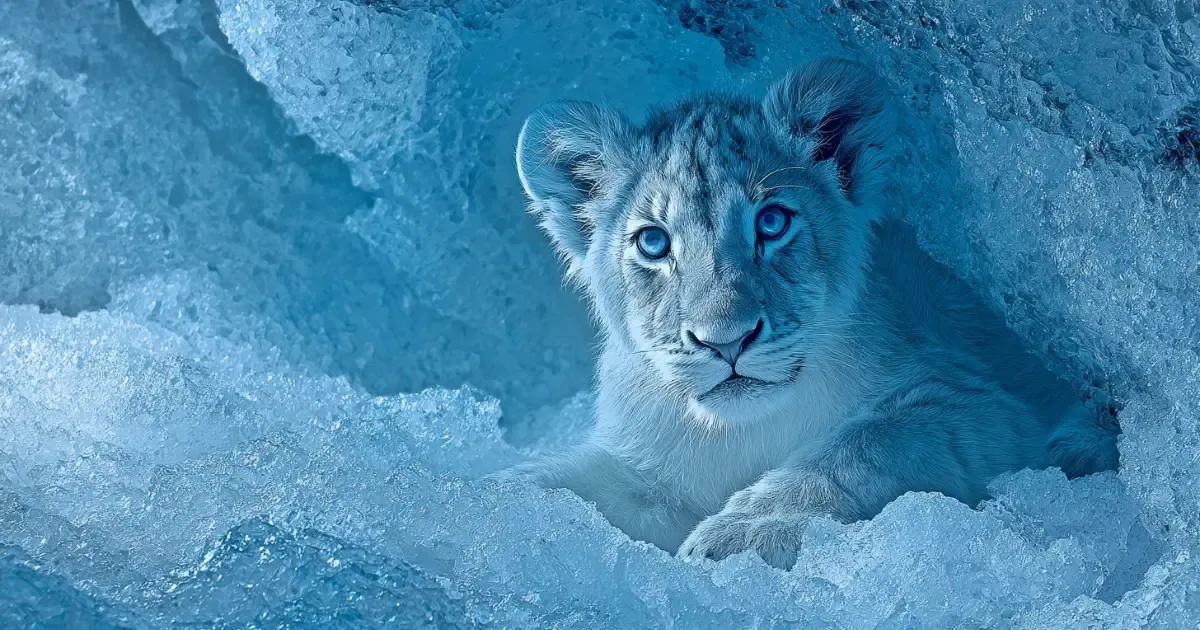
In 2018, a remarkably well-preserved cave lion cub nicknamed Sparta was discovered frozen in Siberian permafrost, estimated to be nearly 28,000 years old.
What’s most astonishing about this find is the incredible level of preservation—Sparta’s whiskers, teeth, skin, soft tissue, and even internal organs remain intact.
WORLD WAR I SOLDIERS
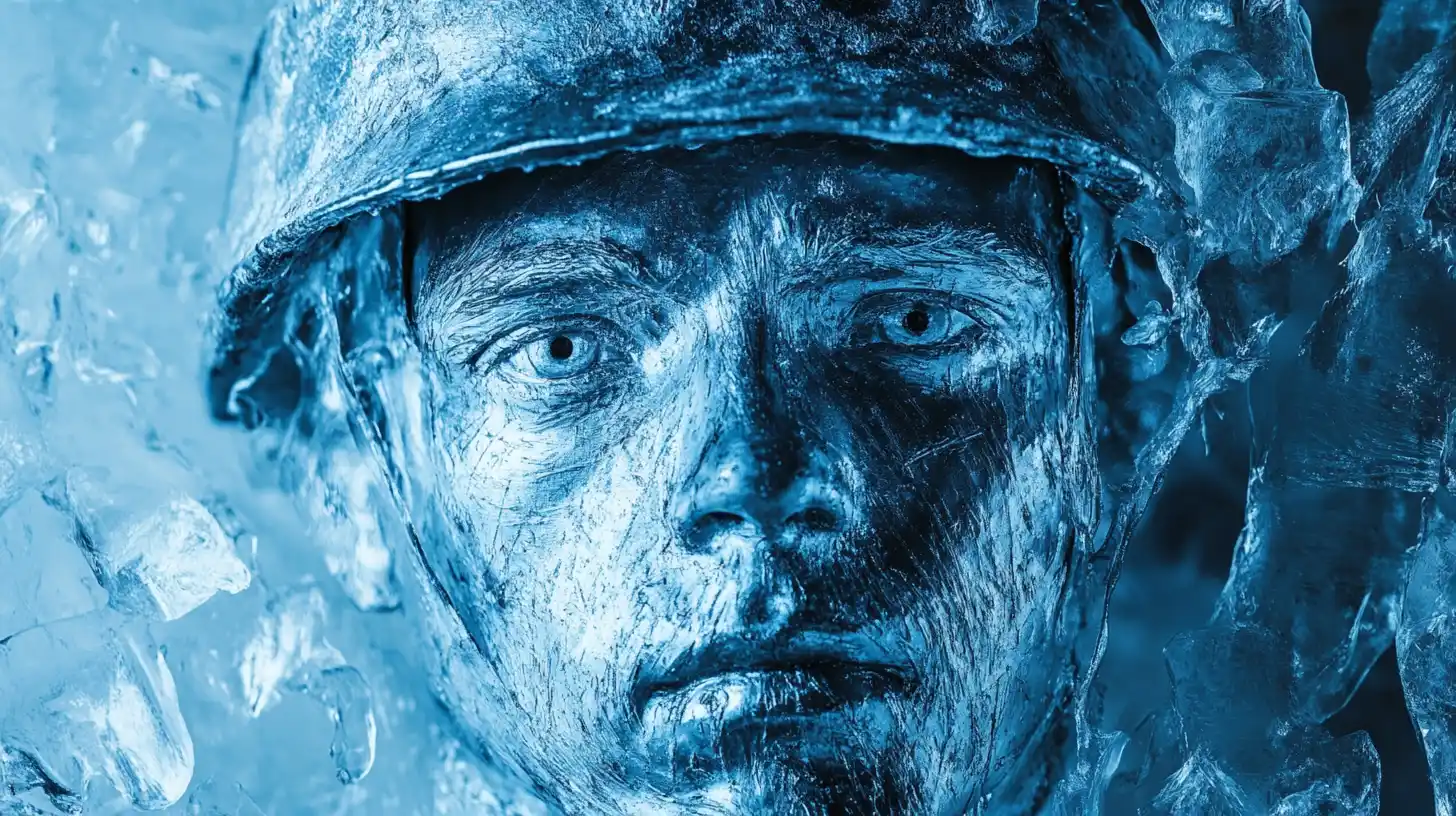
In a haunting discovery, melting glaciers in the Italian Alps near the town of Peio have revealed the mummified remains of World War I soldiers, including two young Austrian teenagers with blond hair, blue eyes, and bullet holes in their skulls.
Because of the warmer temperatures—it has turned the area into an archaeological wonderland—unearthing well-preserved bodies and artifacts from the “White War” fought between Italian and Austrian forces in treacherous alpine conditions a century ago.
57,000-YEAR-OLD WOLF PUP
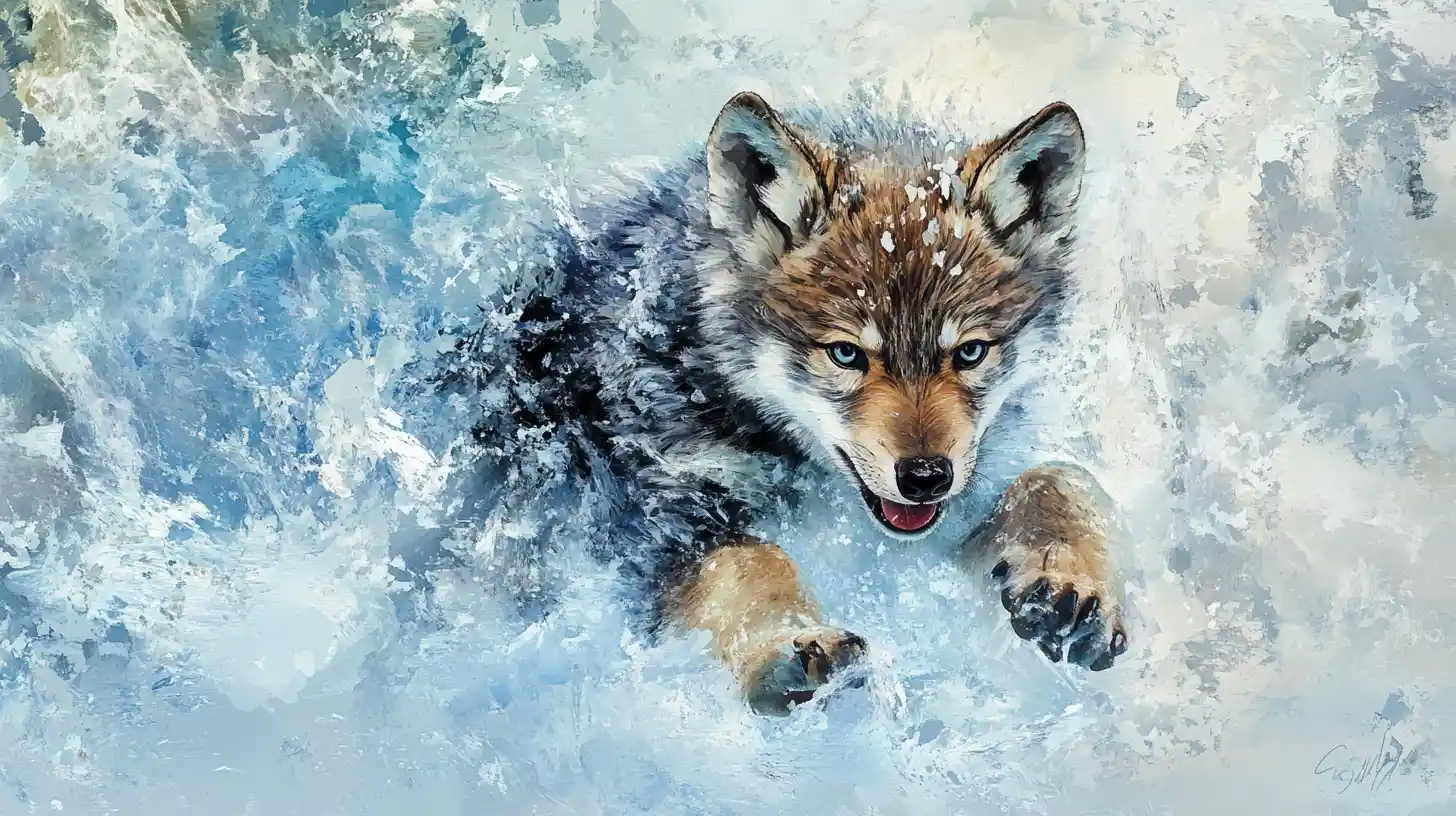
In 2016, a gold miner in Canada’s Yukon territory unexpectedly unearthed a 57,000-year-old mummified female gray wolf pup while blasting through frozen mud with a water cannon.
Named Zhùr by the local Tr’ondëk Hwëch’in people, this remarkably well-preserved specimen is the most complete wolf mummy ever found. Her entire body is intact except for her eyes.
ANCIENT MOSS REVIVED AFTER 1,500 YEARS
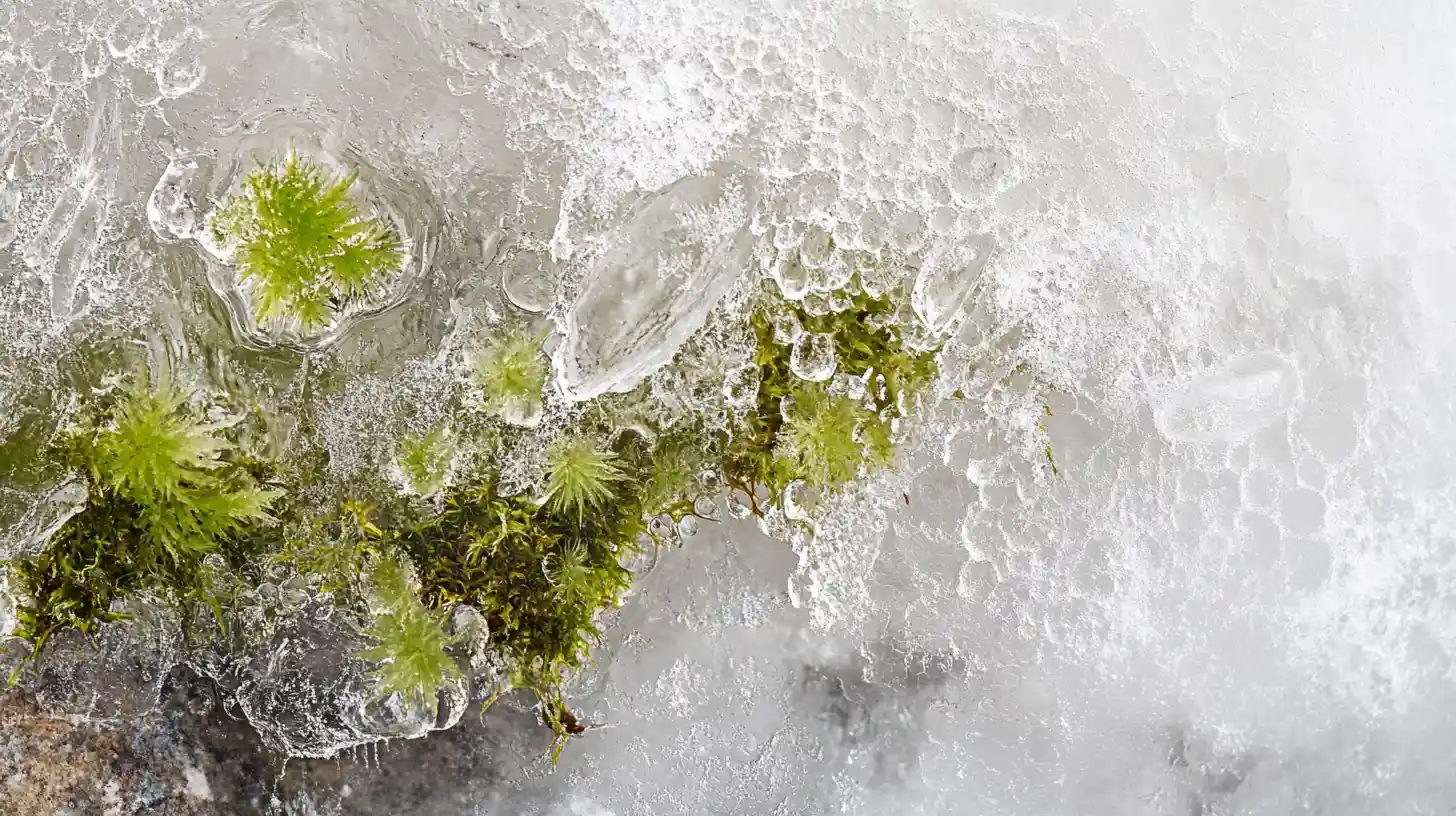
In a groundbreaking discovery, scientists successfully revived moss that had been frozen in Antarctic permafrost for over 1,500 years, marking the first time a plant has been resurrected after such an extended freeze.
This ancient moss, which was thriving during the height of the Mayan empire and the end of Attila the Hun’s reign—not only came back to life but also sprouted new shoots from its preserved rootlike structures.
42,000-YEAR-OLD FOAL
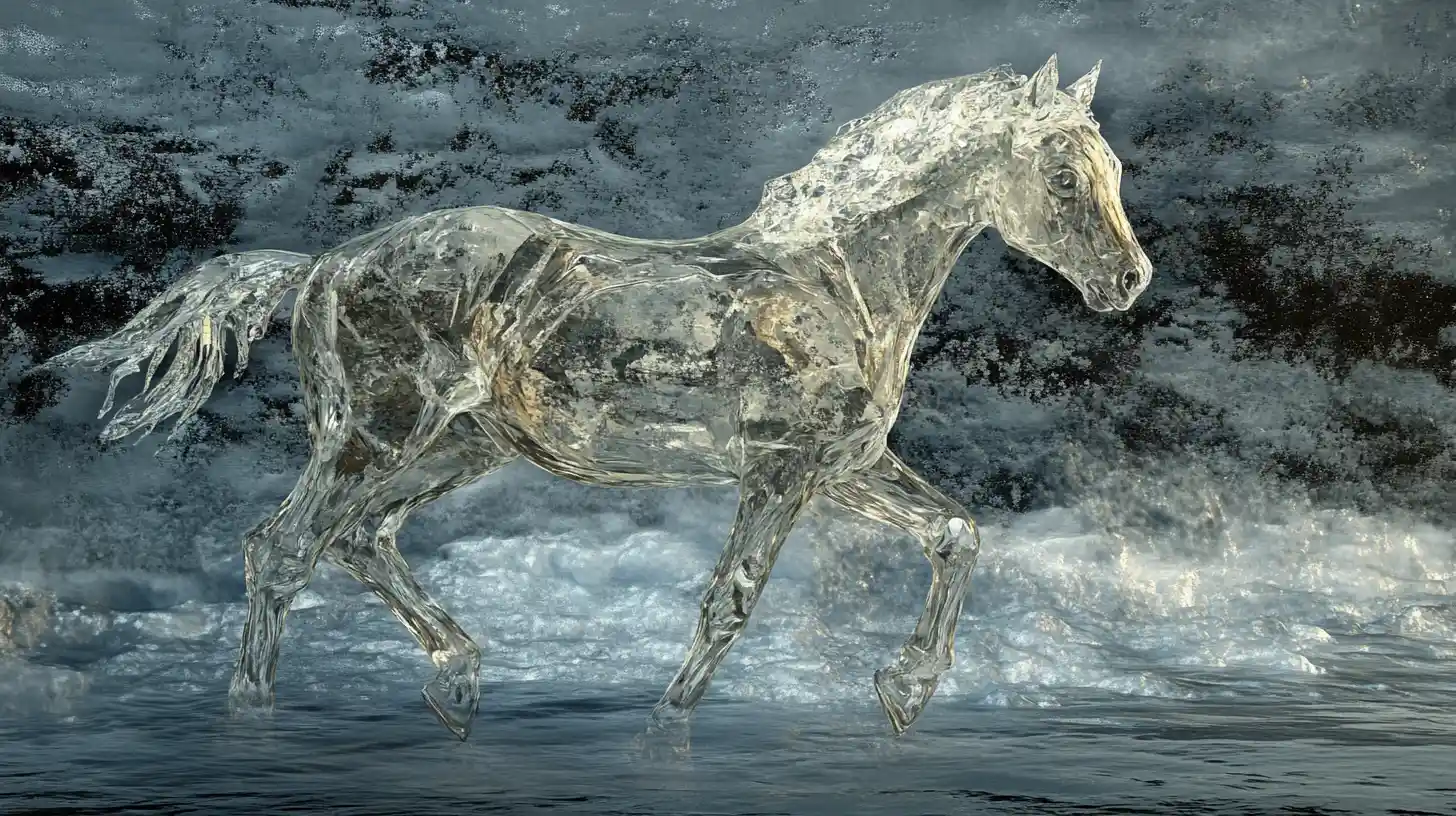
In 2018, mammoth tusk hunters discovered the remarkably well-preserved remains of a 42,000-year-old foal in Siberia’s Batagaika crater, with the young horse’s skin, hair, and hooves still intact due to permafrost preservation.
Scientists later extracted liquid blood and urine from the ancient specimen—the oldest liquid blood sample ever obtained from a prehistoric creature—raising hopes for potential cloning efforts to resurrect the extinct Lenskaya horse lineage.
8,000-YEAR-OLD BISON
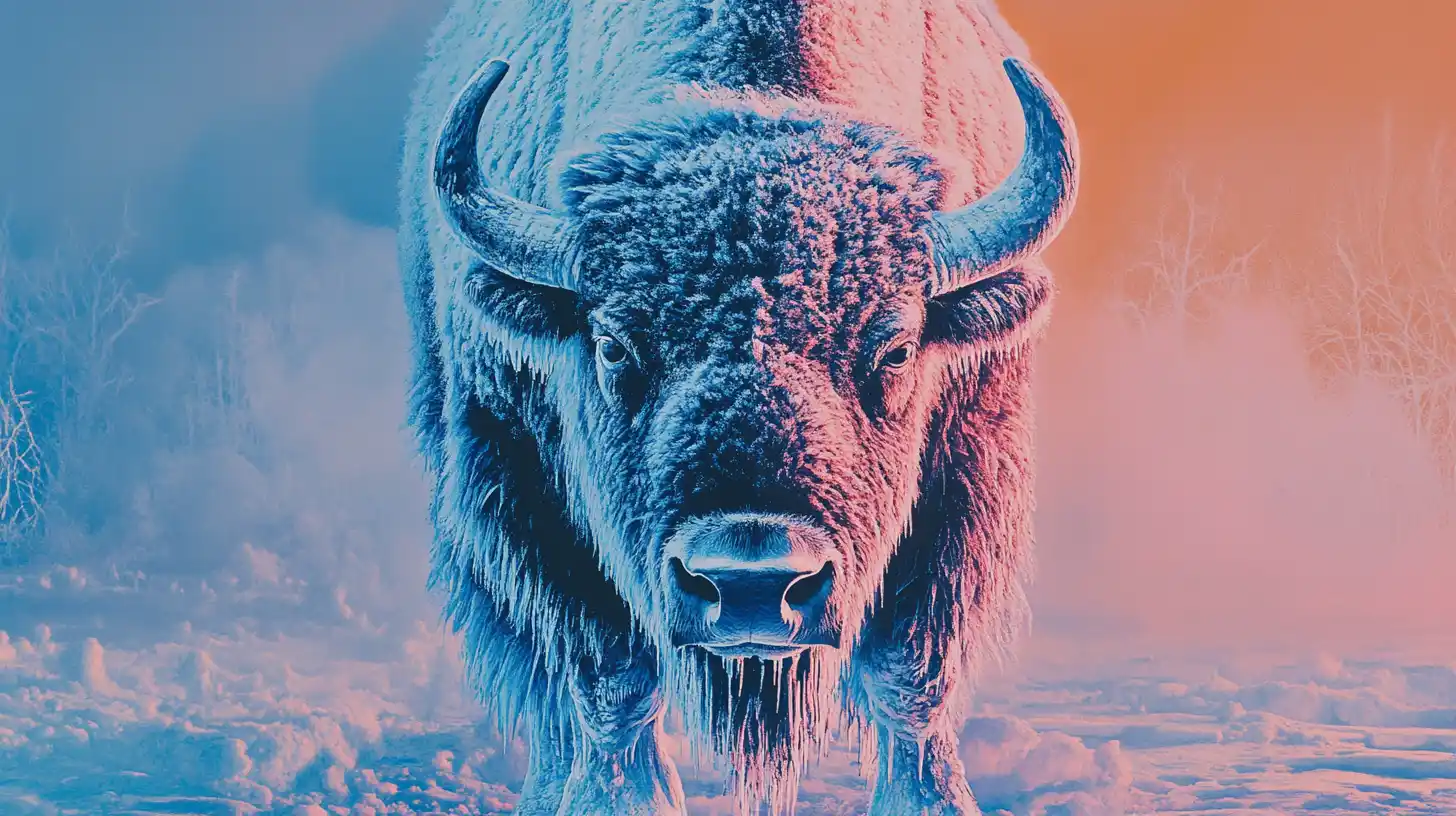
An ancient bison, estimated to be between 8,000 and 9,000 years old, emerged from melting permafrost in Siberia during the summer of 2022.
Its forelimbs, head, and part of its chest remarkably well-preserved. Scientists at the Mammoth Museum of the M.K. Ammosov North-Eastern Federal University are now exploring the possibility of cloning this extinct creature from its preserved tissue samples.
700-YEAR-OLD CARIBOU DUNG
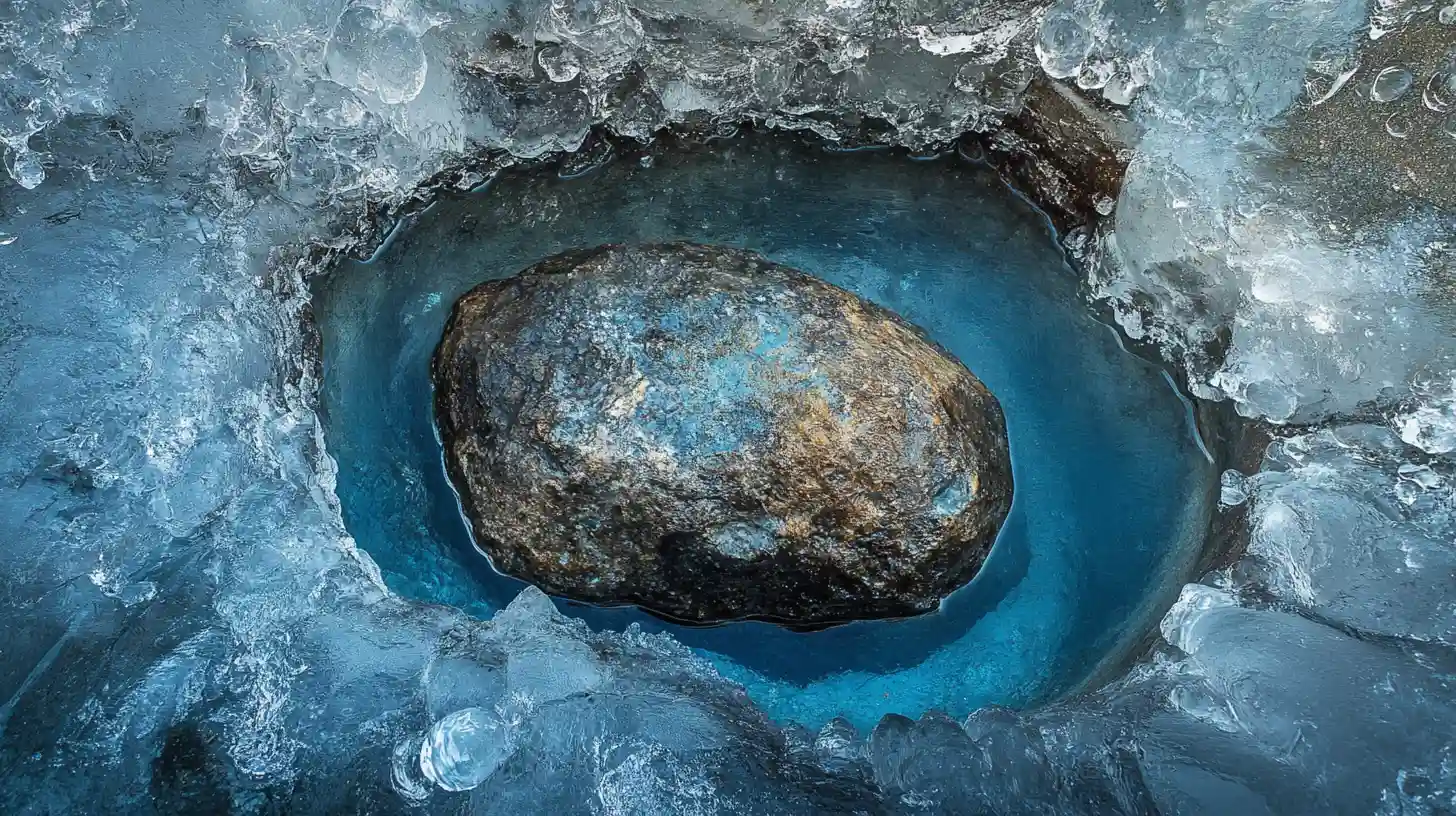
In 2014, scientists discovered two 700-year-old viral sequences preserved in frozen caribou dung found in an arctic ice patch in Canada’s Selwyn Mountains.
They were able to reconstruct the entire genome of a DNA virus from one of these sequences and successfully infect modern plants with it.
THE LOST SQUADRON WORLD WAR II

In July 1942, six P-38 Lightning fighter aircraft and two B-17 Flying Fortress bombers were forced to make an emergency landing on Greenland’s glaciers during a blizzard, becoming known as the “Lost Squadron.”
Over 75 years later, in 2018, one of these P-38s named “Echo” was discovered buried under 300 feet of ice. The searchers identified it after a heat probe came up covered in the plane’s hydraulic fluid that had remained liquid after all those decades encased in ice.
MUMMIFIED SEAL CARCASSES IN ANTARCTICA
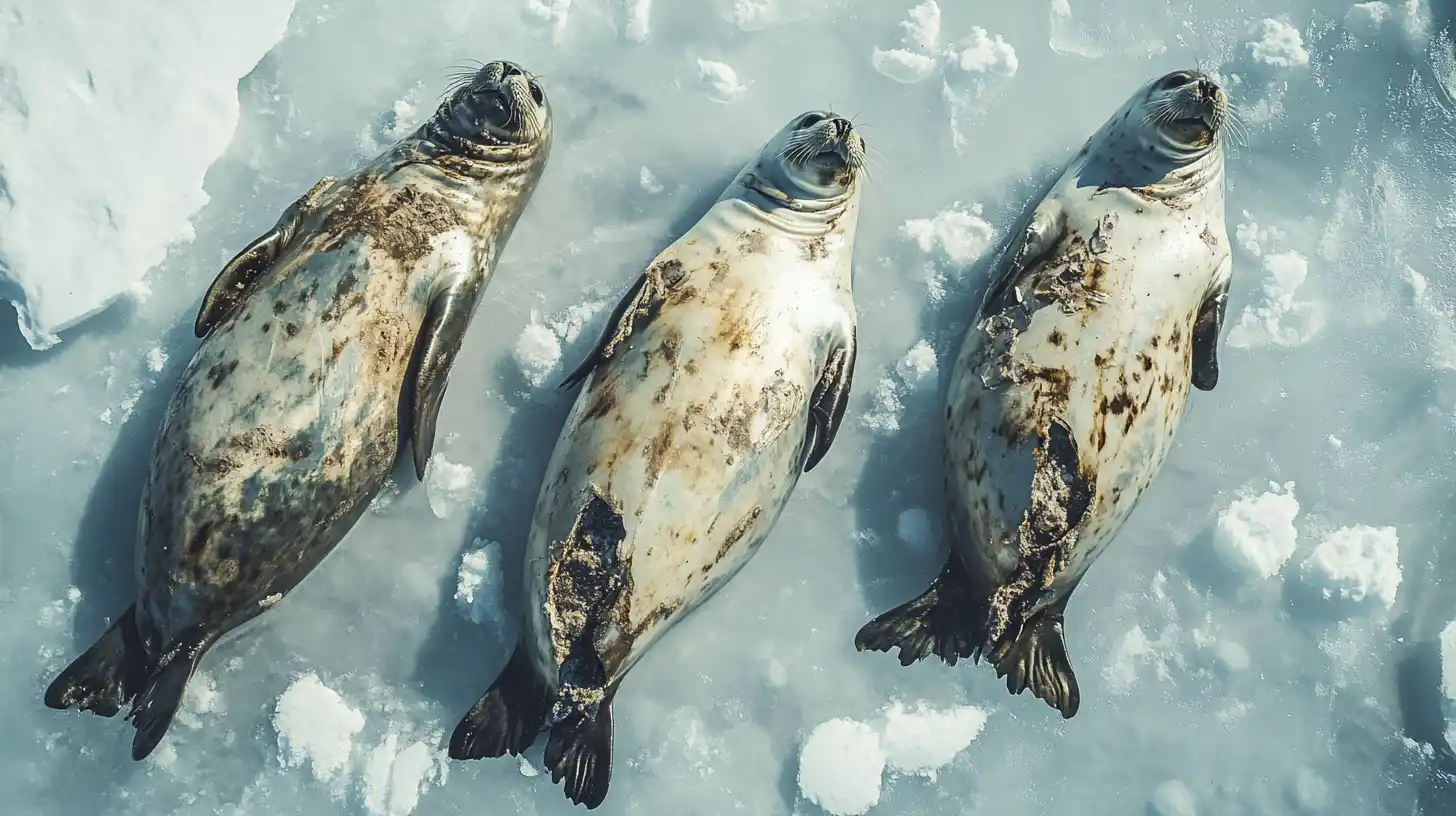
In a startling discovery, mummified seals were found in Antarctica’s Dry Valleys, up to 40 miles inland and 5000 feet above sea level, with some specimens dating back 2600 years.
The most perplexing aspect of this find is that these seals, mostly juveniles, seem to have wandered inland at a rate of one every 4 to 8 years, possibly mistaking glaciers for the sea in their misguided migration attempts.