8 min read
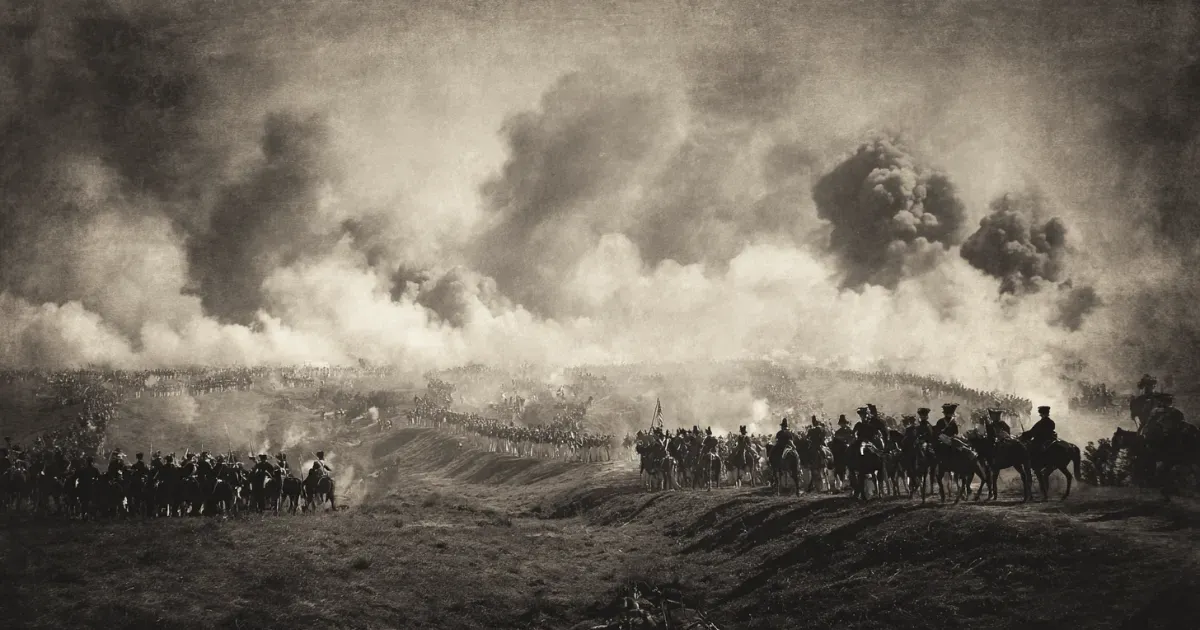
The War of 1812 caught military technology in transition. Smoothbore muskets dominated because they were cheaper and faster to load, even though rifles were far more accurate. Naval warfare relied on close-range carronades or standoff long guns. Indigenous warriors used centuries-old tactics and weapons alongside modern firearms.
These weapons reveal the collision of old and new, with soldiers and sailors betting their lives on tools that were sometimes brilliant and sometimes absurdly limited.
BROWN BESS MUSKET
The British Army carried this musket into battle for over a century—from the early 1700s through Waterloo and the War of 1812. The nickname “Brown Bess” remains unexplained (theories include the walnut stock’s color or Queen Elizabeth I).
The gun was notoriously inaccurate. British soldiers joked that wherever you fired it, you would probably miss. The smooth bore meant the .75 caliber lead ball bounced inside the barrel and emerged on an unpredictable path. But the musket had an effective range of 50 yards. Soldiers stood in tight formations and fired volleys.
Since aiming the gun was almost pointless, an army would point 100 guns in one direction and hope for the best.
Loading required at least 18 motions. A well-drilled soldier managed three shots per minute.
SPRINGFIELD MODEL 1795 MUSKET
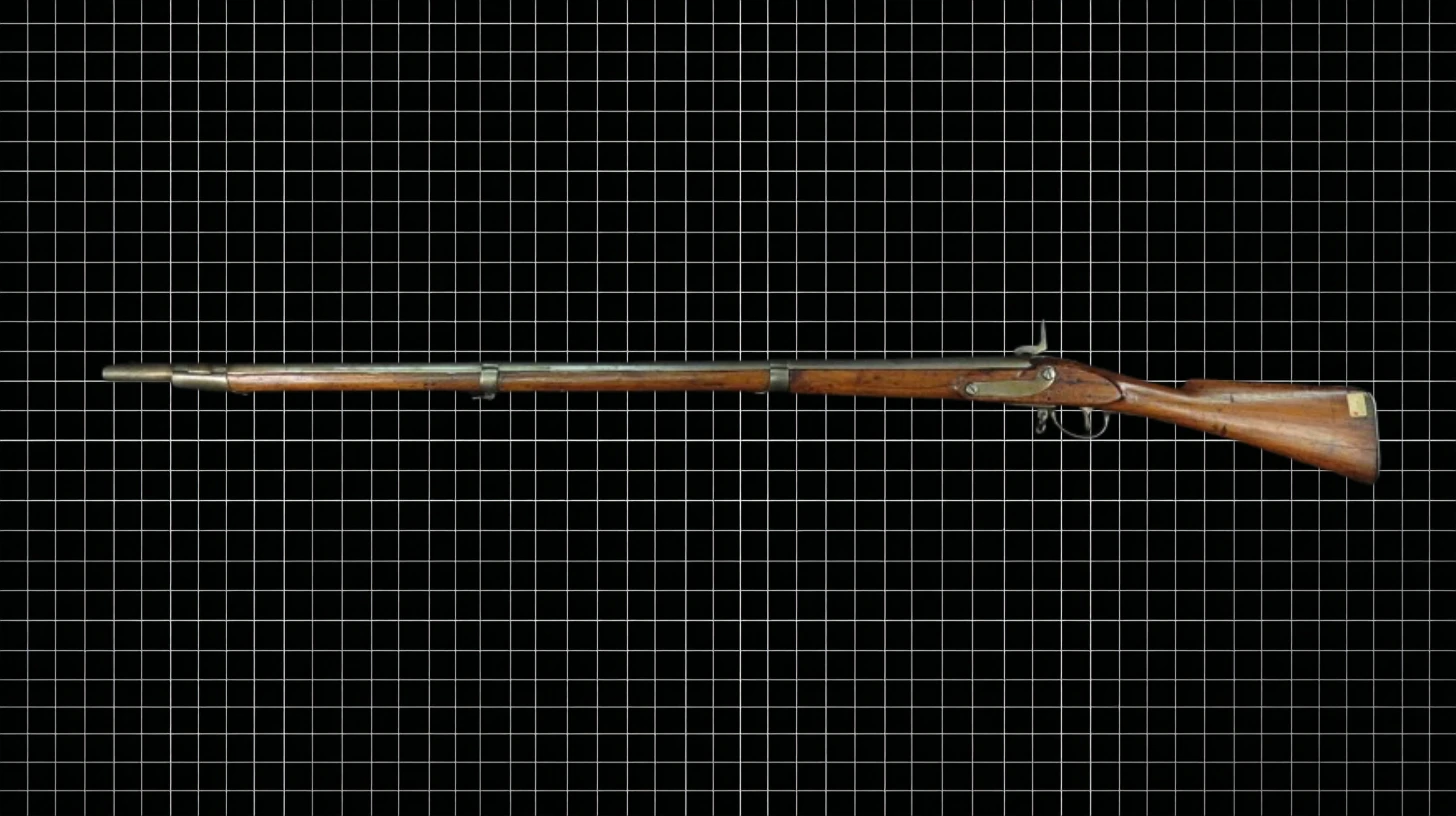
This was America’s first mass-produced military firearm.
Eli Whitney (the cotton gin inventor) manufactured these based on the French Charleville musket. America could now arm itself without foreign imports.
The Model 1795 had a smaller caliber than the Brown Bess (.69 inches vs .75). The ball fit more snugly in the barrel, giving slightly better accuracy and range.
Each bayonet weighed 9 pounds. And was 60 inches long. The bayonet alone measured 15 inches of spade-type blade.
This musket appears on the infantry’s branch insignia today.
HARPER’S FERRY MODEL 1803 RIFLE
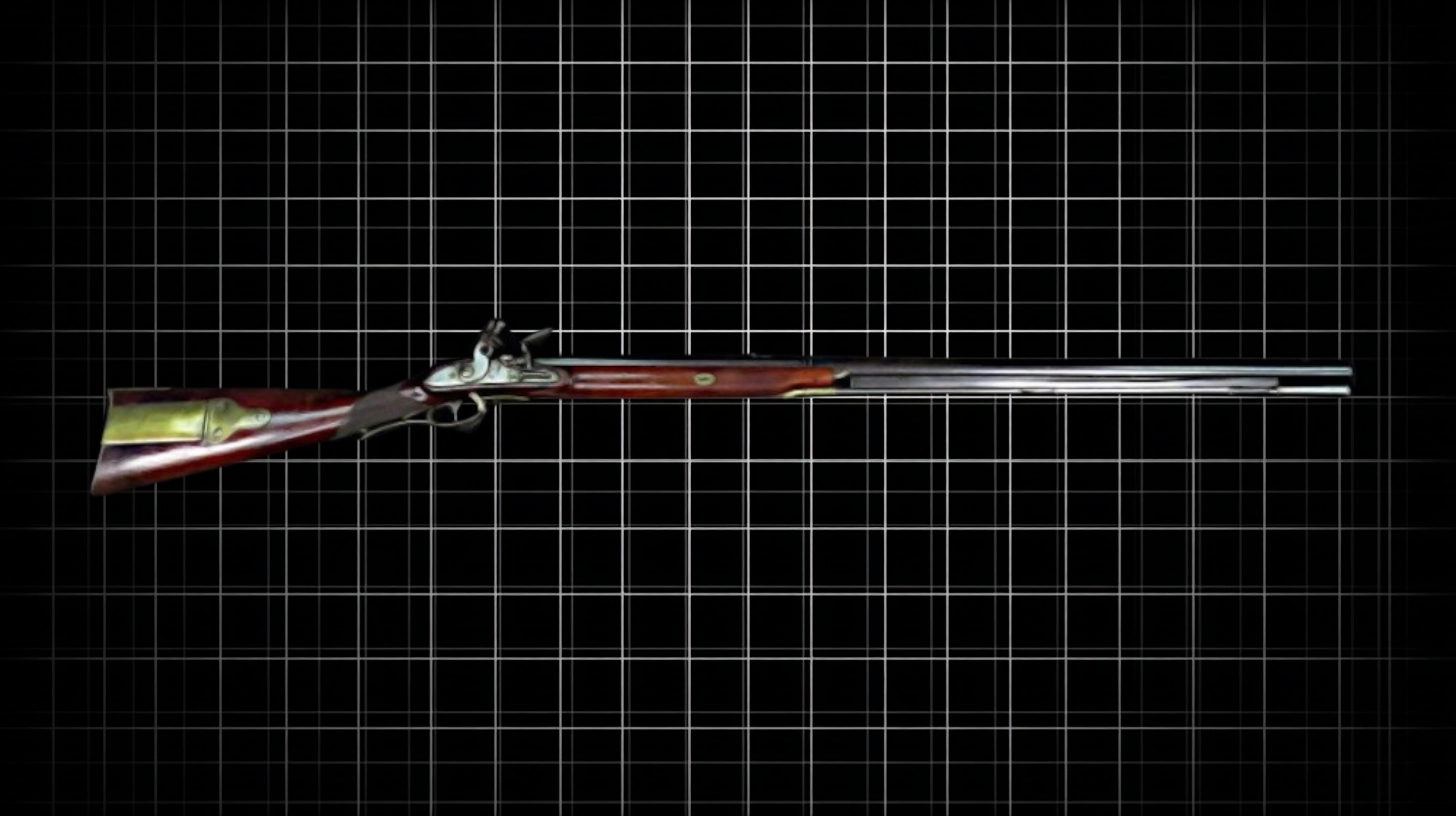
Harper’s Ferry Model 1803 Rifle was America’s first standard-issue military rifle, manufactured at Harper’s Ferry Armory. There was a big difference between muskets and rifles. Rifles have spiral grooves cut into the barrel that spun the bullet and dramatically improved accuracy.
Skilled riflemen hit targets at 300 yards, sometimes more. Compare this to the musket’s 50-yard range.
But there was a big tradeoff: no bayonet attachment. Hand-to-hand combat meant swinging the rifle as a club. And the .54 caliber barrel took longer to load because the tight fit required forceful ramming. It fired about one shot every three minutes.
KENTUCKY LONG RIFLE
Kentucky volunteers carried these at the Battle of New Orleans, creating a legend. The term “Kentucky Rifle” didn’t exist during the war. It came from an 1824 song called “The Hunters of Kentucky” that credited Kentucky frontiersmen and their longrifles with winning New Orleans.
Artillery and British tactical failures actually decided that battle. But the song spread, and the Kentucky rifle became famous.
These hunting rifles adapted for war featured long barrels (sometimes 40+ inches), smaller caliber than military rifles, and deadly accuracy. Skilled shooters regularly hit targets at 200-300 yards.
32-POUNDER CARRONADE
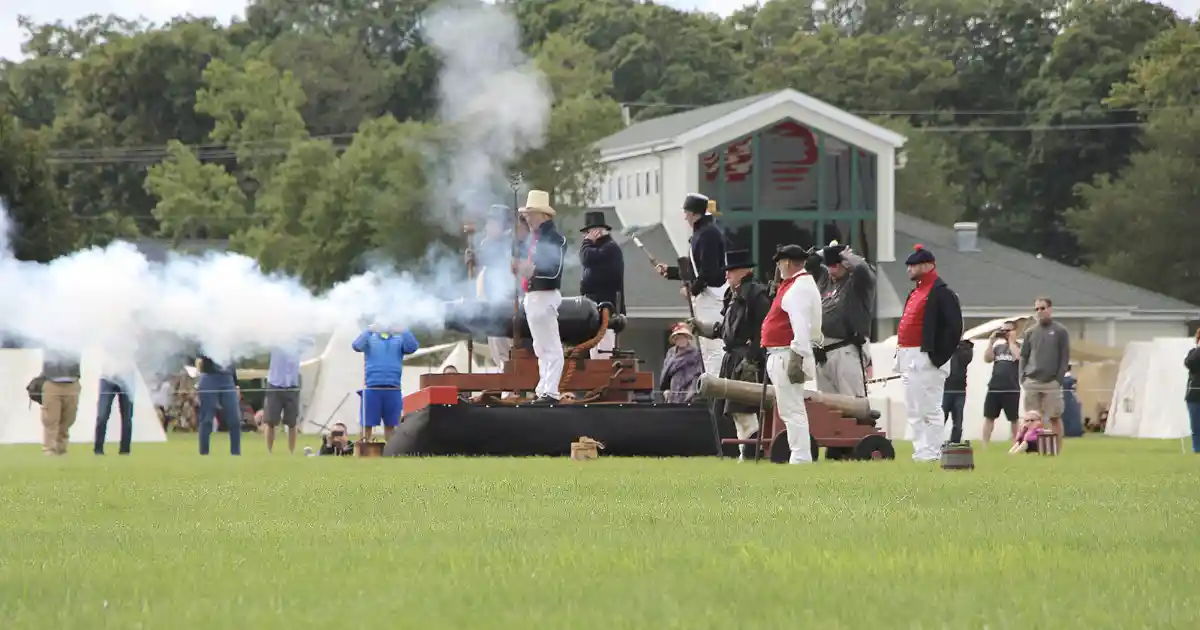
Naval warfare’s close-range destroyer, the 32-Pounder Carronade. Or nicknamed “smashers.”
The carronade was a short, light cannon firing a 32-pound ball. It weighed 2,500 pounds compared to a traditional long gun’s 5,500 pounds. The Carron Company in Scotland invented it in 1776 for merchant ship defense.
USS Constitution carried 24 during the War of 1812. They fired 32-pound iron balls at 750 feet per second with muzzle energy over 24,000 foot-pounds. It was enough firepower to punch through oak hulls and send deadly splinters through a ship’s interior.
But these cannons had a huge weakness: range. You had to close dangerously to use them. A ship armed mainly with carronades that couldn’t catch its enemy became a floating target.
One Constitution carronade took a direct hit from a British cannon ball during battle with HMS Java. It left a massive dent but kept firing for the rest of the fight and served safely for years. Another carronade showed the groove from a British ball that killed a man at the wheel.
The phrase “loose cannon” comes from this era. A carronade breaking free from its mounting—thousands of pounds of iron careening around the gun deck—terrified crews.
24-POUNDER LONG GUN
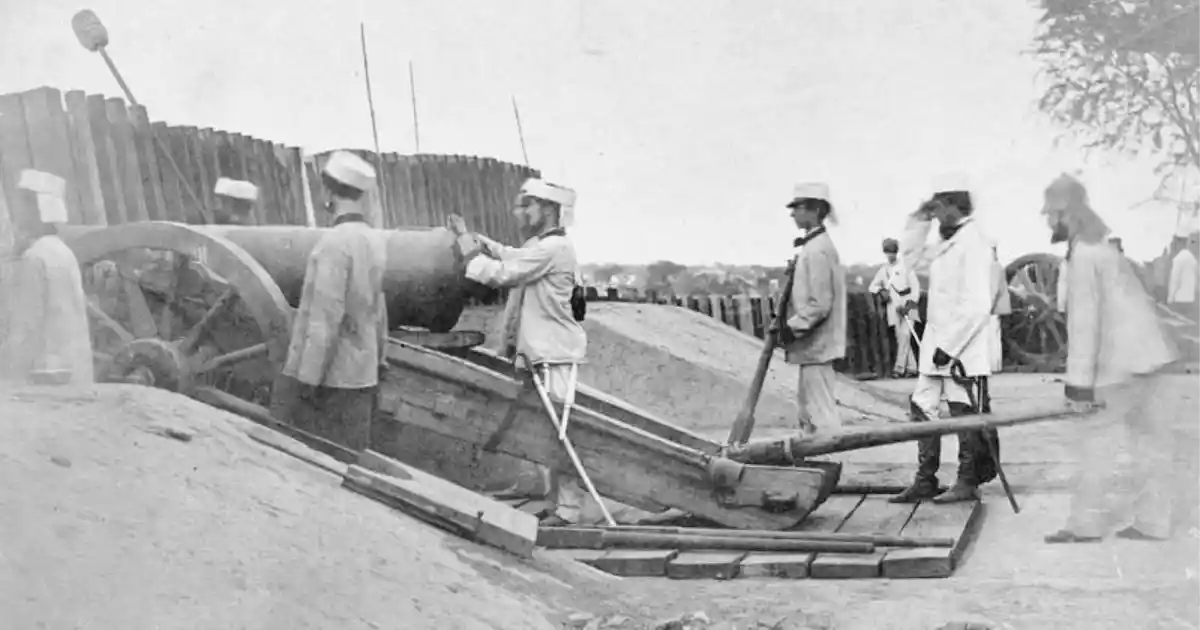
The backbone of naval artillery. USS Constitution carried thirty 24-Pounder Long Guns on her gun deck during the War of 1812. Ten feet long from muzzle to cascabel, with a 6-inch bore.
Long guns provided range and penetration. While carronades obliterated ships at close range, long guns engaged enemies hundreds of yards away. Iron solid shot battered through wooden hulls, dismounted enemy cannons, and cut down masts and rigging.
A gun crew of 5-7 men fired one shot every 90 seconds when well-drilled. Loading involved swabbing the barrel, inserting a flannel powder cartridge, ramming home a 24-pound iron ball, piercing the cartridge, priming the touch hole, and running the multi-ton gun back through the gun port.
Special ammunition included dismantling shot (bar shot and chain shot) designed to rip through sails and rigging. Grape shot and canister were giant shotgun shells filled with smaller projectiles, used at close range to sweep enemy decks.
BAKER RIFLE
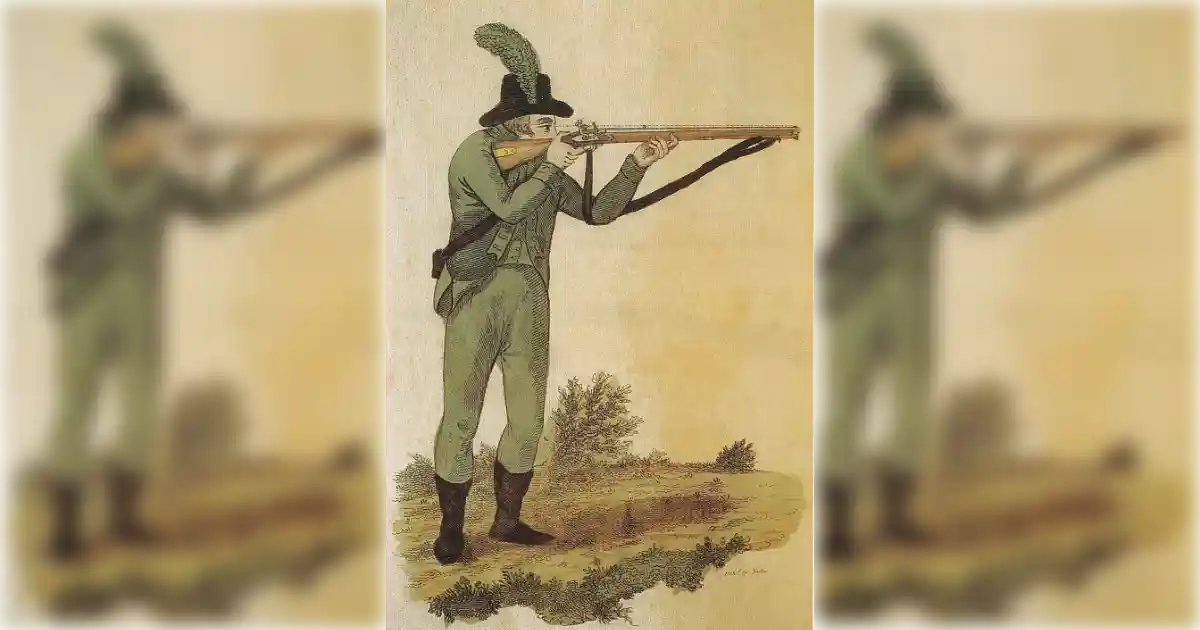
The British answer to American riflemen. The Baker Rifle after London gunsmith Ezekiel Baker who designed it in 1800. Canadian units used these rifles during the War of 1812.
The long barrel had spiral rifling for accuracy. British rifleman Tom Plunkett wrote about his experience with the Baker in the Napoleonic Wars: “200 yards was the greatest range I could fire with certainty. I have shot very well at over 300 when the wind was very calm. At 400 and 500 I have sometimes struck the object.”
These rifles came with a sword-bayonet that gave riflemen a fighting chance in close combat. The tradeoff: loading speed. You traded volume of fire for precision.
TOMAHAWK AND WAR CLUB
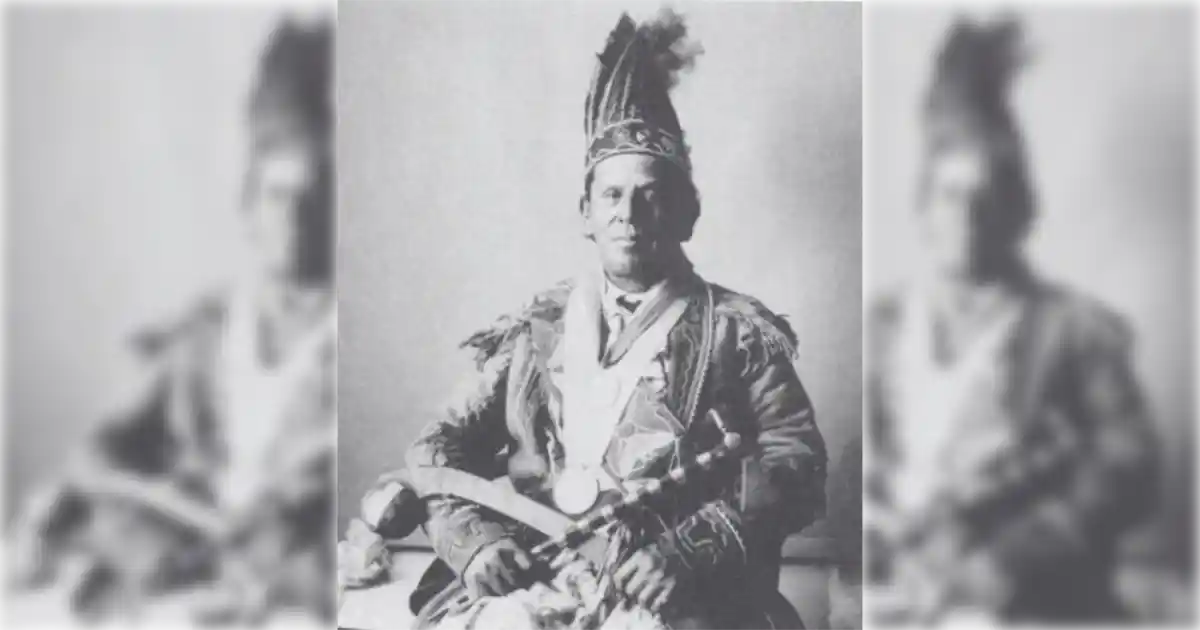
Indigenous warriors brought traditional weapons that proved devastatingly effective in forest warfare. Tomahawks worked at a distance when thrown or in hand-to-hand fighting. The metal head pierced skulls and cracked bones. Many had a pipe bowl opposite the blade (a weapon and peace pipe in one).
War clubs came in various designs with stone or metal heads, sharpened spikes, or flanges. They were quieter than guns, perfect for ambushes and night raids.
Indigenous fighters covered 30-50 miles a day, knew every trail and hiding spot, and used their mobility to devastating effect. They’d strike, disappear into the forest, and appear somewhere unexpected.
The natives used “a mixture of muskets, rifles, bows, tomahawks, knives and swords as well as clubs and other melee weapons.” That combination of ranged and close-combat weapons, traditional and modern, made them formidable.
THE PIKE
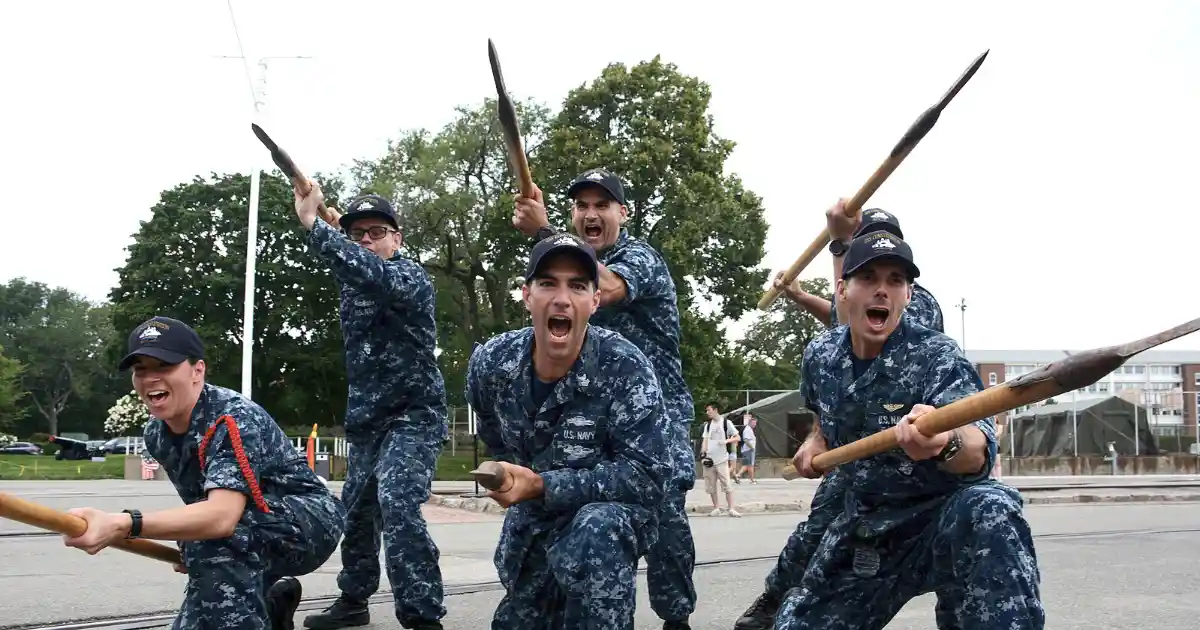
The pike was simply a spear on a long pole. The 15th Infantry Regiment carried these into battle during the War of 1812.
Pikes were medieval weapons still in service. When your rifle can’t mount a bayonet, or ammunition runs low, something sharp on a stick becomes appealing.
They were cheap, never ran out of ammunition, and required minimal training. You just simply pointed the sharp end at the enemy.
CUTLASS AND SABER
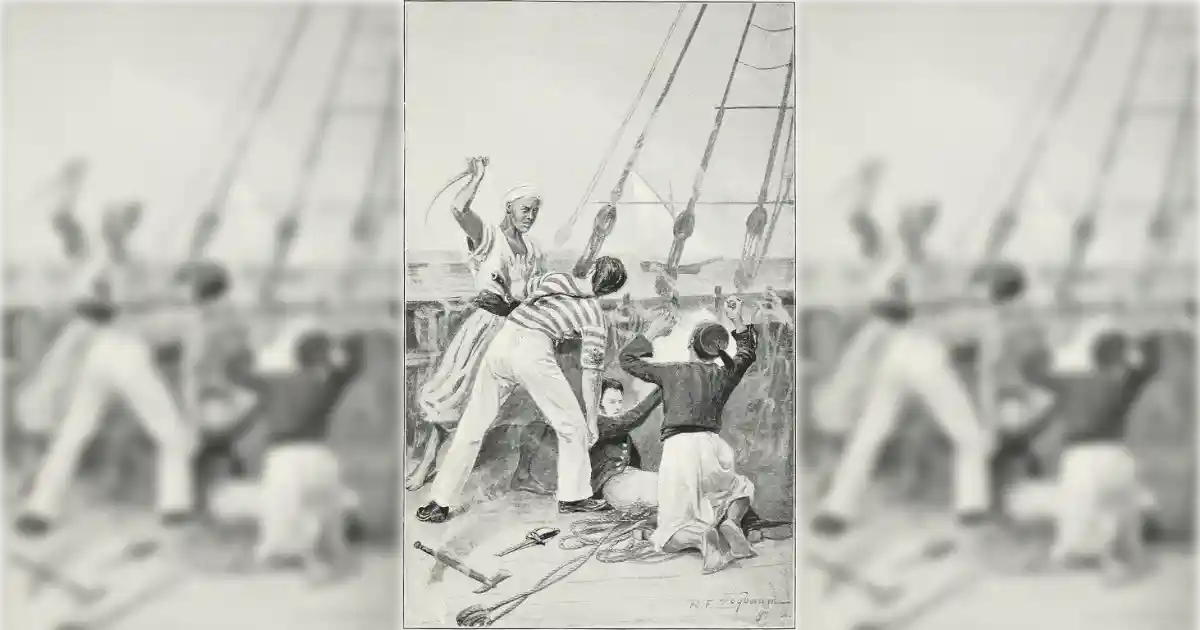
Swords saw heavy use in naval combat and cavalry charges. Officers carried swords as symbols of rank and as weapons.
Naval cutlasses were short, heavy blades designed for fighting in tight quarters below decks. Sailors swung these during boarding actions when ships came alongside each other.
Cavalry sabers were longer, curved blades perfect for slashing from horseback. Light dragoons were small units of mounted soldiers that carried sabers and pistols. The saber became iconic of cavalry charges, though mounted combat played a smaller role in the War of 1812 than in European theaters.
Hand-to-hand fighting was brutal and common when battle lines collapsed or during nighttime raids.