
7 min read
In the tumultuous years following the American Civil War, a grand venture known as the Western Union Telegraph Expedition, also called the Russian-American Telegraph or the Collins Overland Telegraph—embarked on a mission to connect the United States and Europe via a telegraph line spanning the vast, untamed wilderness of the North American continent and the Russian Empire.
The ambitious project, conceived by entrepreneur Perry Collins and backed by the mighty Western Union Telegraph Company, commenced in 1865, a time when the nation was still reeling from the wounds of war and the tragic assassination of President Abraham Lincoln.
The expedition, a testament to the indomitable spirit of human ingenuity and the relentless pursuit of progress, would continue for two years, facing untold challenges and hardships in its quest to bridge the continents and revolutionize global communication.
THE GOAL WAS TO LAY A TELEGRAPH LINE FROM SAN FRANCISCO TO MOSCOW
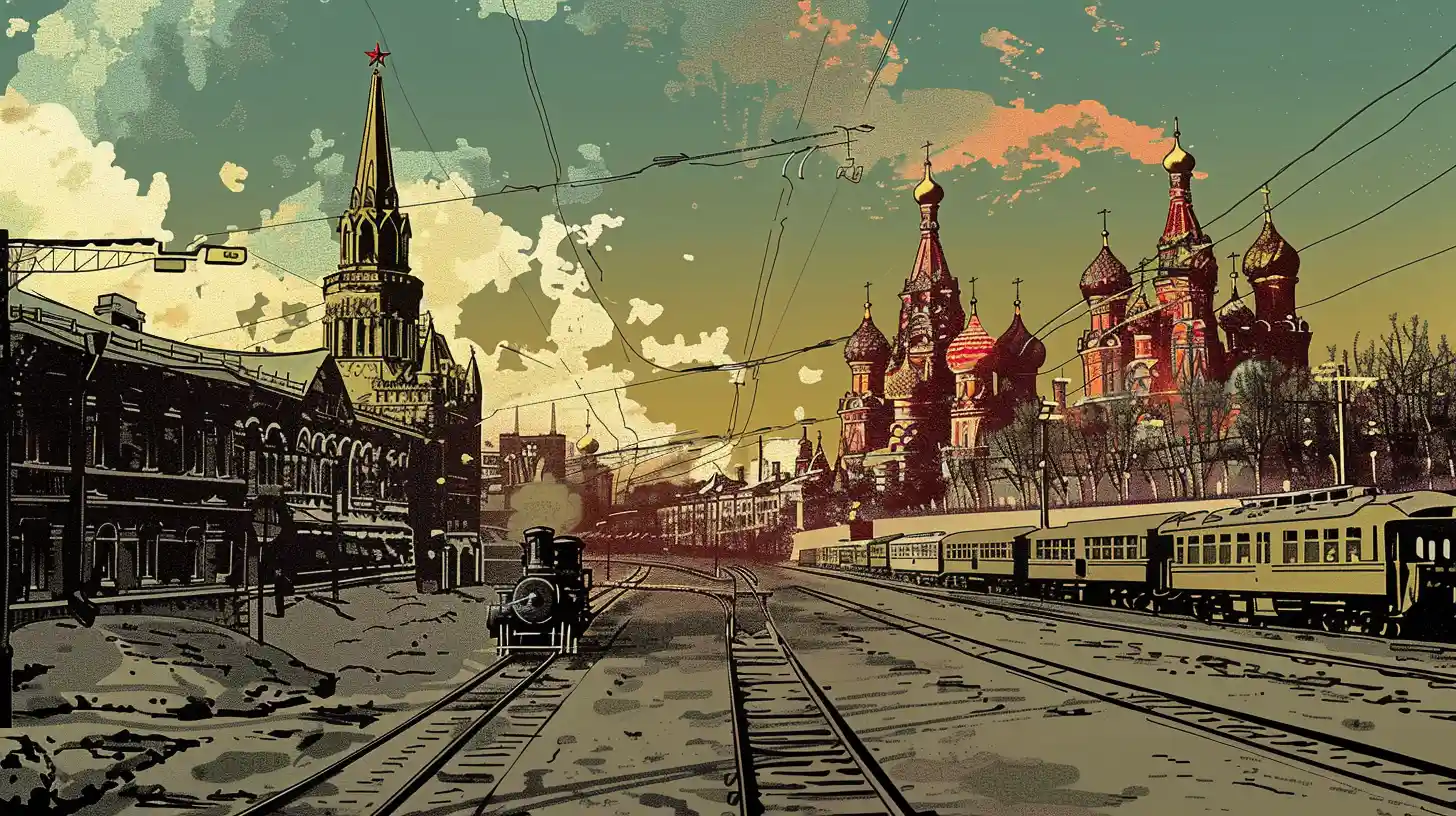
The audacious plan called for the construction of a telegraph line that would stretch across the vast expanse of the North American continent, starting from the bustling city of San Francisco.
The wire would extend its way through the rugged landscapes of Oregon, Washington Territory, and the untamed wilds of British Columbia.
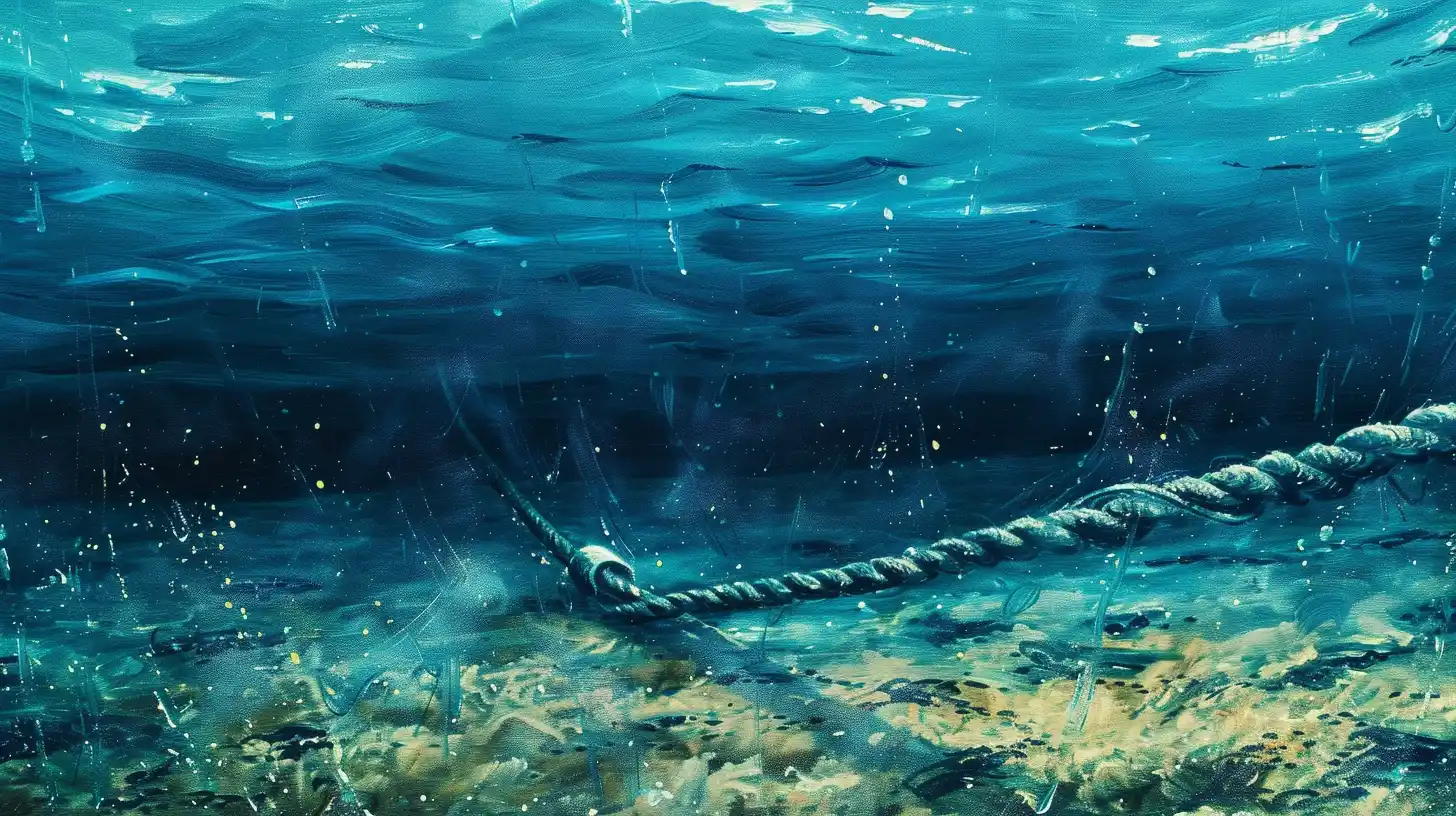
From there, the line would traverse the remote and largely unexplored territory of Russian America, now known as Alaska, before plunging beneath the icy waters of the Bering Sea and emerging on the far shores of Siberia.
It would continue its journey across the sprawling Russian Empire until it reached its ultimate destination: Moscow.
IT WAS PROPOSED AS A FEASIBLE ALTERNATIVE TO THE TRANSATLANTIC SEA CABLE
The Western Union Telegraph Expedition was conceived as a bold and ingenious solution to the formidable challenge of connecting the United States and Europe via telegraph.
A task that had been hindered by the immense difficulties of laying long underwater cables across the vast and treacherous Atlantic Ocean.
The expedition’s visionaries proposed an overland route that, while considerably longer in distance, promised a more feasible and cost-effective alternative, requiring only a single, relatively short underwater crossing at the narrow Bering Strait—the icy gateway between the North American and Asian continents.
This strategic choice, born from the brilliant minds behind the project, aimed to circumvent the technical limitations and astronomical costs associated with long-distance underwater cable installation, which had proven to be a daunting obstacle in the early days of global telecommunication.
THE EXPEDITION’S CHIEF OF EXPLORATIONS WAS NATURALIST ROBERT KENNICOTT, DIED DURING THE JOURNEY
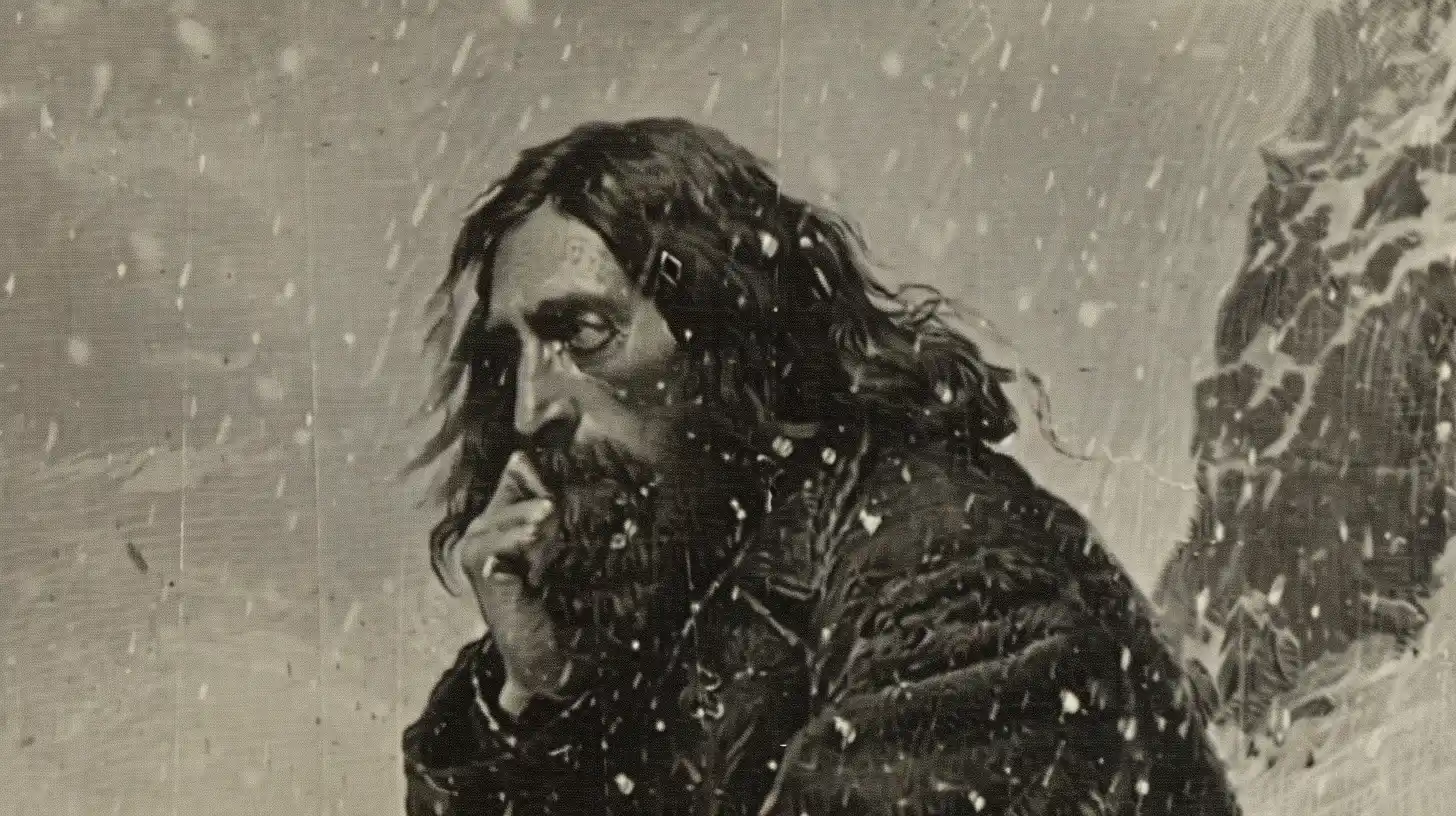
At the helm of the Western Union Telegraph Expedition’s scientific endeavors was the brilliant naturalist Robert Kennicott, a man whose passion for exploration and discovery knew no bounds.
Kennicott, a rising star in the field of natural history, embraced his role as the expedition’s Chief of Explorations with unwavering dedication, leading his team through the rugged and unforgiving landscapes of Russian America—all the while meticulously documenting the flora, fauna, and geological wonders they encountered.
Tragically, Kennicott’s life was cut short in May 1866, when he succumbed to the harsh realities of the Alaskan wilderness near the remote outpost of Nulato, leaving behind a legacy of scientific achievement and a void in the hearts of his fellow explorers that would never be filled.
THE EXPEDITION COST OVER $3 MILLION (EQUIVALENT TO $57.4 MILLION TODAY)

The Western Union Telegraph Expedition, a monumental undertaking that sought to revolutionize global communication, came at a staggering cost of over $3 million, a sum that would be equivalent to a whopping $57.4 million in today’s currency.
Despite the immense financial investment and the tireless efforts of the expedition’s brave men, who faced untold hardships and challenges in their quest to lay the telegraph line across the vast and unforgiving landscapes of North America and Siberia, the project was ultimately abandoned in 1867.
The expedition’s fate was sealed by the stunning success of the transatlantic cable, which managed to bridge the gap between the United States and Europe, rendering the overland route obsolete and dealing a fatal blow to the once-promising venture.
THE EXPEDITION PROVIDED VALUABLE SCIENTIFIC, GEOGRAPHIC & CULTURAL INFORMATION
Among the ranks of the Western Union Telegraph Expedition were several other remarkable individuals, chief among them William Healey Dall and Joseph Trimble Rothrock.
Dall, a young and ambitious naturalist, and Rothrock, a skilled botanist and physician, worked tirelessly alongside their fellow explorers to unravel the mysteries of the Alaskan wilderness, meticulously cataloging and studying the stunning array of flora and fauna they encountered.
Their contributions to the expedition’s scientific legacy were immeasurable, as they helped to shed light on the previously unknown wonders of Russian America, laying the foundation for future generations of researchers and naturalists.
The men were the first to thoroughly examine and document the natural history of Russian America, a land of untold beauty and diversity that had long remained shrouded in mystery.
Through their tireless efforts and meticulous observations, they uncovered a wealth of knowledge about the region’s flora, fauna, and geology, discovering countless new species of plants and animals that had never before been described by science.
THE EXPEDITION HELPED CONVINCE THE U.S. GOVERNMENT TO PURCHASE ALASKA FROM RUSSIA IN 1867
While the Western Union Telegraph Expedition ultimately fell short of its grand ambition, its impact on the course of American history cannot be understated.
The United States government began to recognize the immense value of this vast and resource-rich territory, leading to a growing interest in acquiring the land from Russia.
In a twist of fate, the expedition’s scientific findings played a crucial role in convincing the U.S. government to purchase Alaska in 1867, a move that would forever alter the nation’s destiny.
The decision to acquire this sprawling wilderness, which came to be known as “Seward’s Folly” after Secretary of State William H. Seward, who championed the purchase, was driven in no small part by the tantalizing reports of the expedition’s scientists, who painted a vivid picture of a land rich in natural resources and ripe for exploration and development.
SEVERAL PLACES WERE NAMED AFTER EXPEDITION MEMBERS
The legacy of the Western Union Telegraph Expedition lives on not only in the annals of scientific discovery but also in the very geography of the land it traversed.
As a testament to the bravery and dedication of the expedition’s members, several natural landmarks bear the names of these intrepid explorers, forever etching their contributions into the tapestry of North American history.
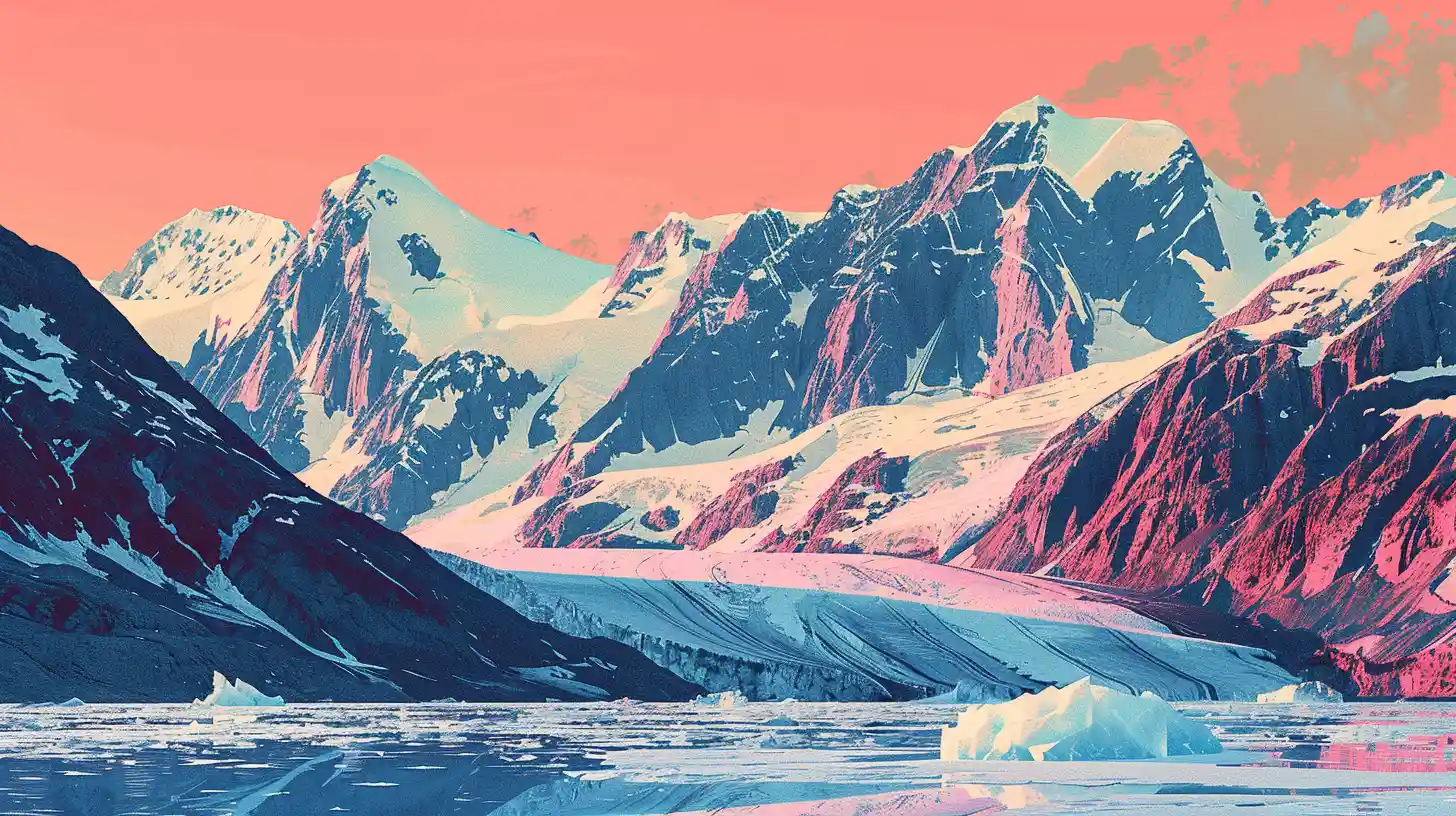
Among these enduring tributes are the majestic Kennicott Glacier, a vast expanse of ice and snow that stretches across the Alaskan wilderness, named in honor of the expedition’s ill-fated Chief of Explorations, Robert Kennicott.
Similarly, the Bulkley River, a pristine waterway that winds its way through the rugged terrain of British Columbia, stands as a monument to the expedition’s indefatigable leader, Colonel Charles Bulkley—whose unwavering commitment to the mission inspired his men to push beyond the limits of human endurance in pursuit of their goal.