
6 min read
Coffee’s timeline began in Ethiopia around the 9th century.
From there, coffee spread to the Middle East, Europe, and eventually the Americas, becoming a global commodity and cultural staple world wide
6TH-9TH CENTURY — ETHIOPIAN ORIGINS
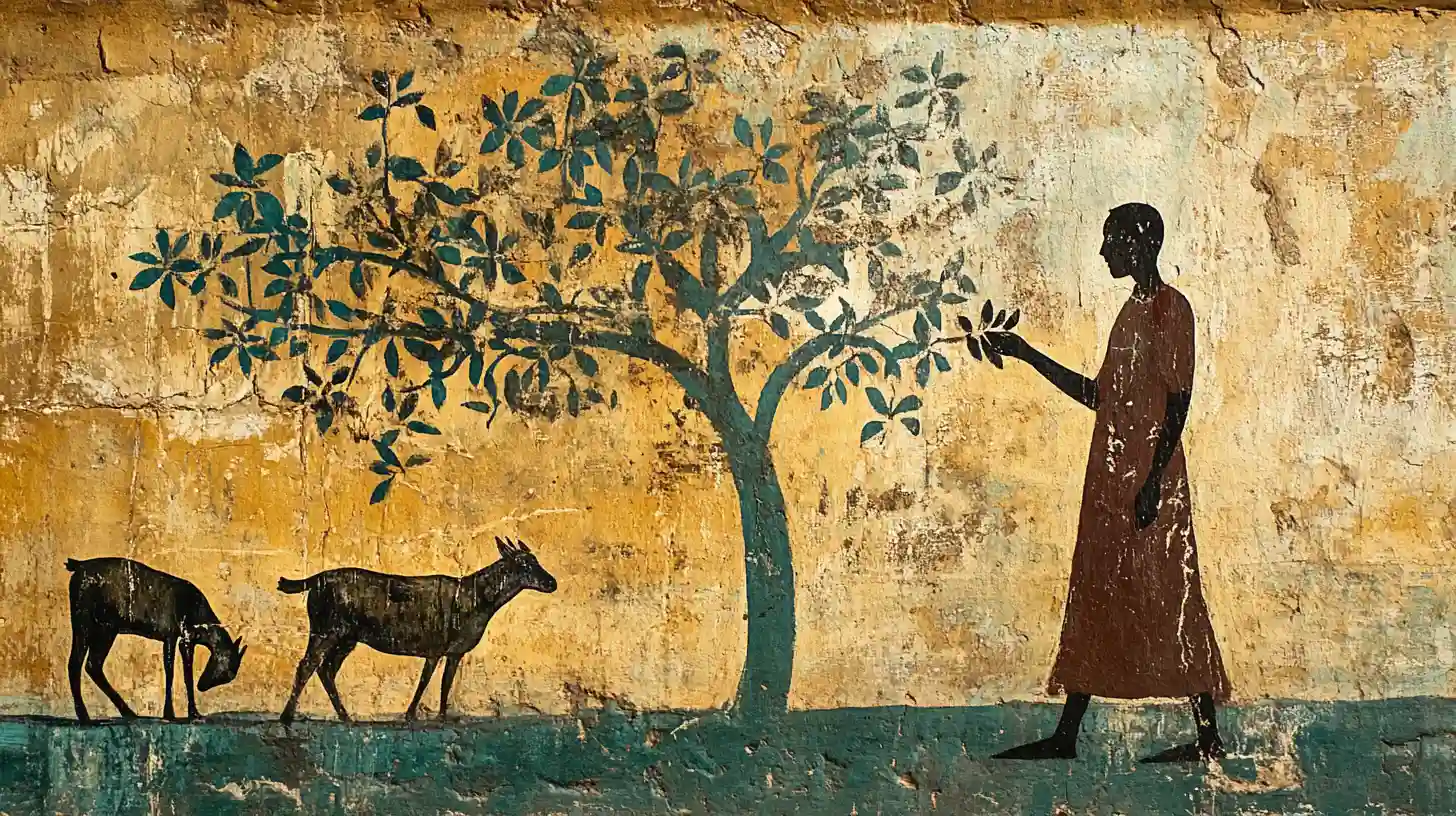
According to legend, an Ethiopian goatherd named Kaldi discovers the stimulating effects of coffee berries on his goats.
15TH CENTURY — ARABIAN COFFEE
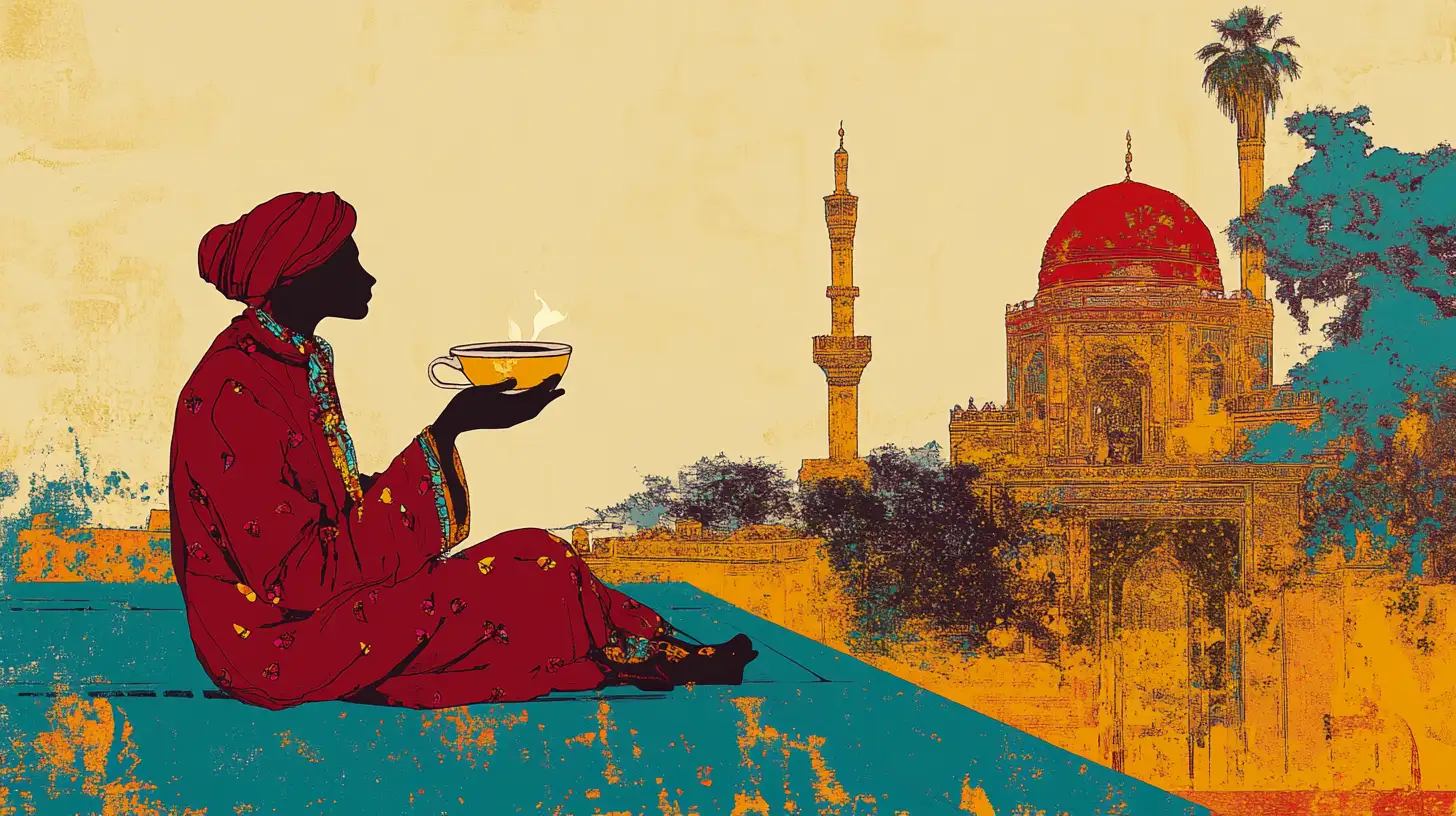
1414: Mecca
Coffee is known in Mecca.
Late 1400s: Yemen & Islamic Aid
Coffee cultivation begins in Yemen.
Sufi monasteries in Yemen use coffee as an aid to concentration during prayers.
16TH CENTURY — COFFEE IN THE MAINSTREAM
1511: Short Ban
Coffee is forbidden in Mecca for its stimulating effect, but the ban is soon overturned.
1524: Ottoman Fatwa
The Ottoman Turkish Sultan Suleiman I issues a fatwa allowing coffee consumption.
1532: Ban in Cairo
Coffee is banned in Cairo, but the ban is later lifted.
1554: First Coffee Houses
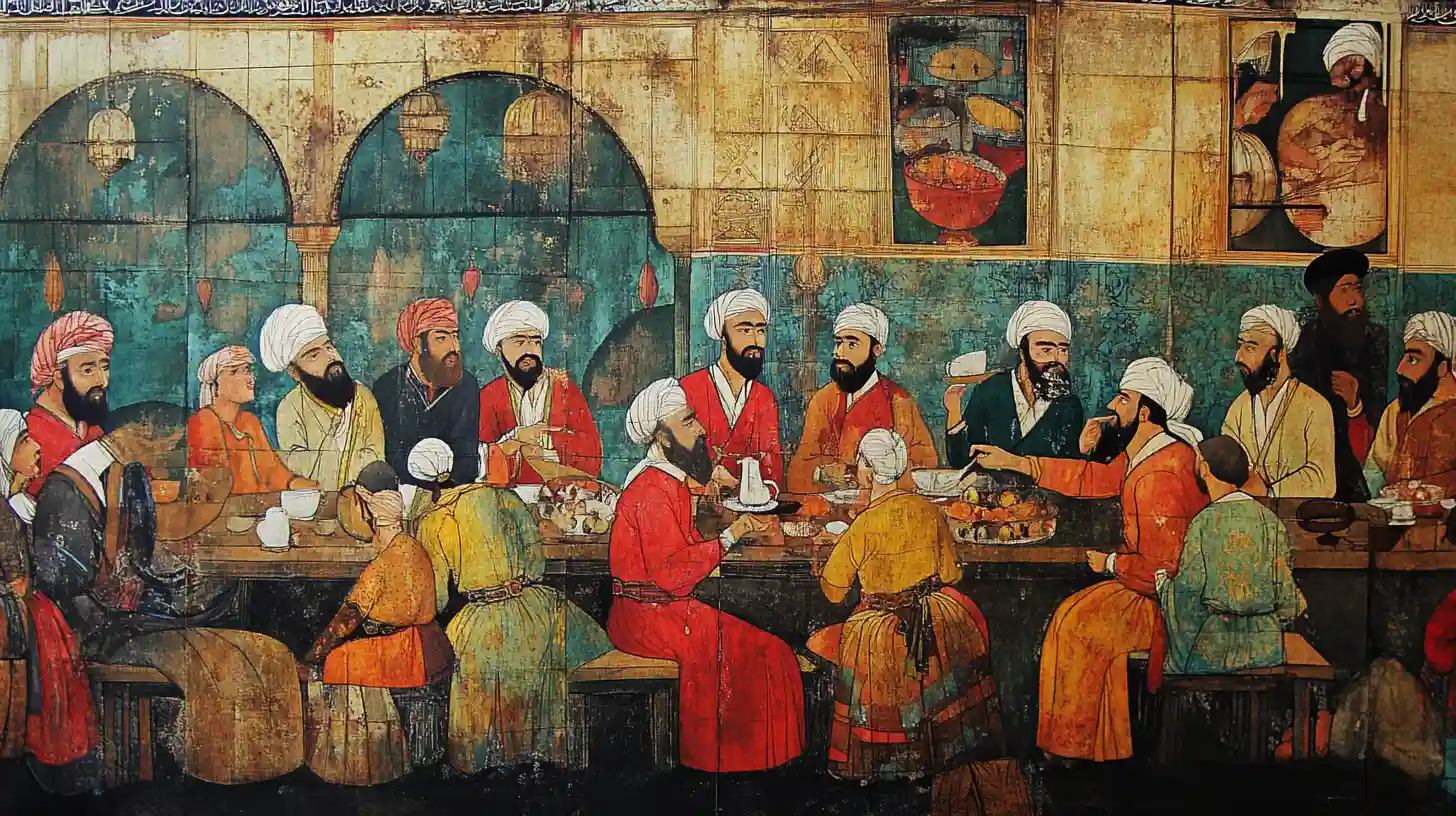
First coffee houses open in Constantinople (Istanbul).
1570s: Religious Dilema
Religious controversy over coffee in Egypt and Mecca.
1582: In the English Lexicon
The word “coffee” enters the English language.
1587: Abd al-Qadir al-Jaziri
Abd al-Qadir al-Jaziri compiles a work on the history and legal controversies of coffee.
17TH CENTURY — COFFEE & THE ENLIGHTENMENT
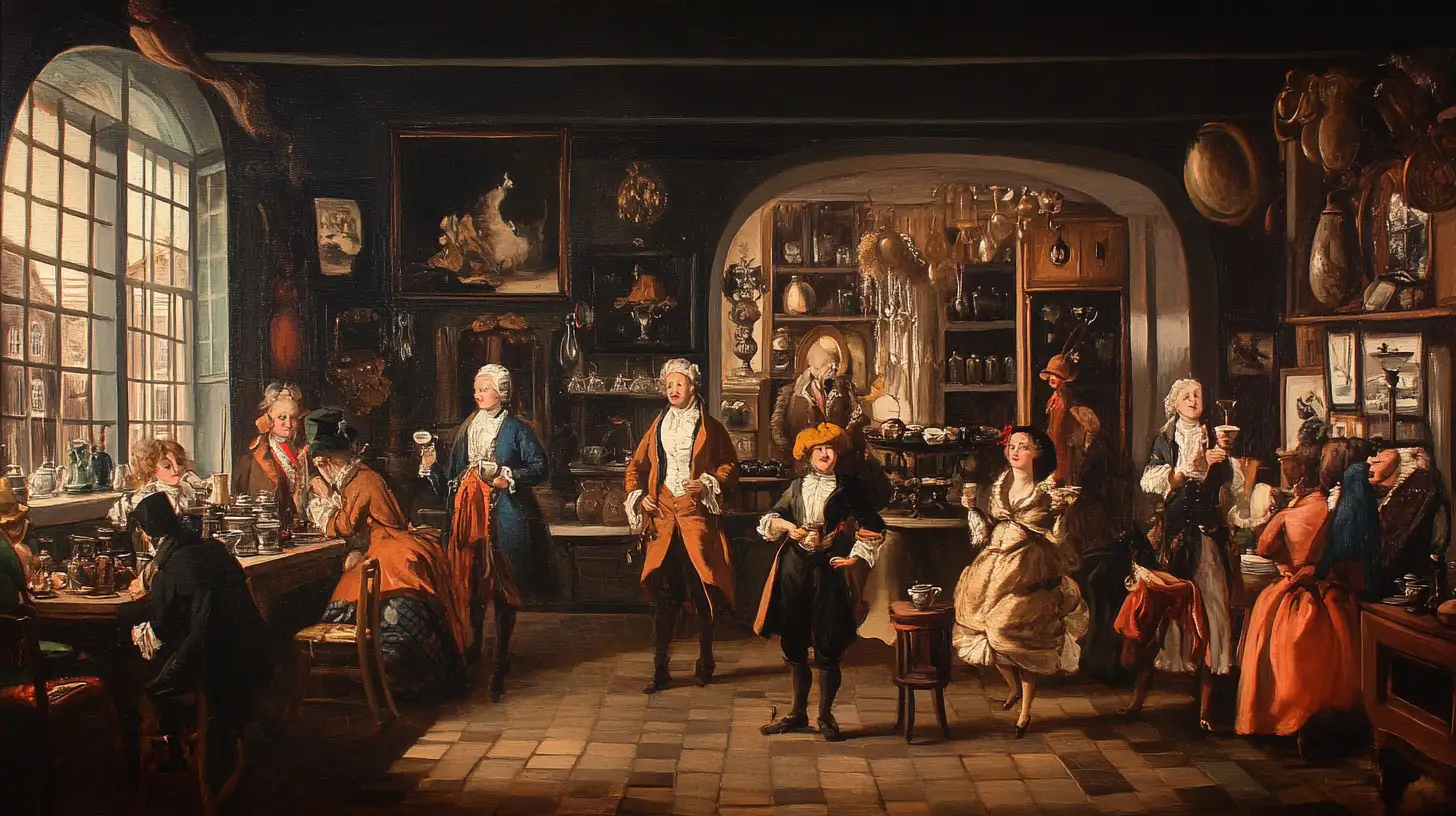
1600: Italy
Coffee likely reaches Italy through commercial Mediterranean trade routes.
1616: The Great Dutch Coffee Heist
Dutch successfully smuggle coffee plants from Mocha, Yemen.
1645: Venian Coffee Houses
First European coffee house (outside of the Ottoman Empire) opens in Venice.
1650s: English Coffee Houses
Coffee houses begin to open in England.
1668: North America
Coffee is introduced to North America.
1672: Paris
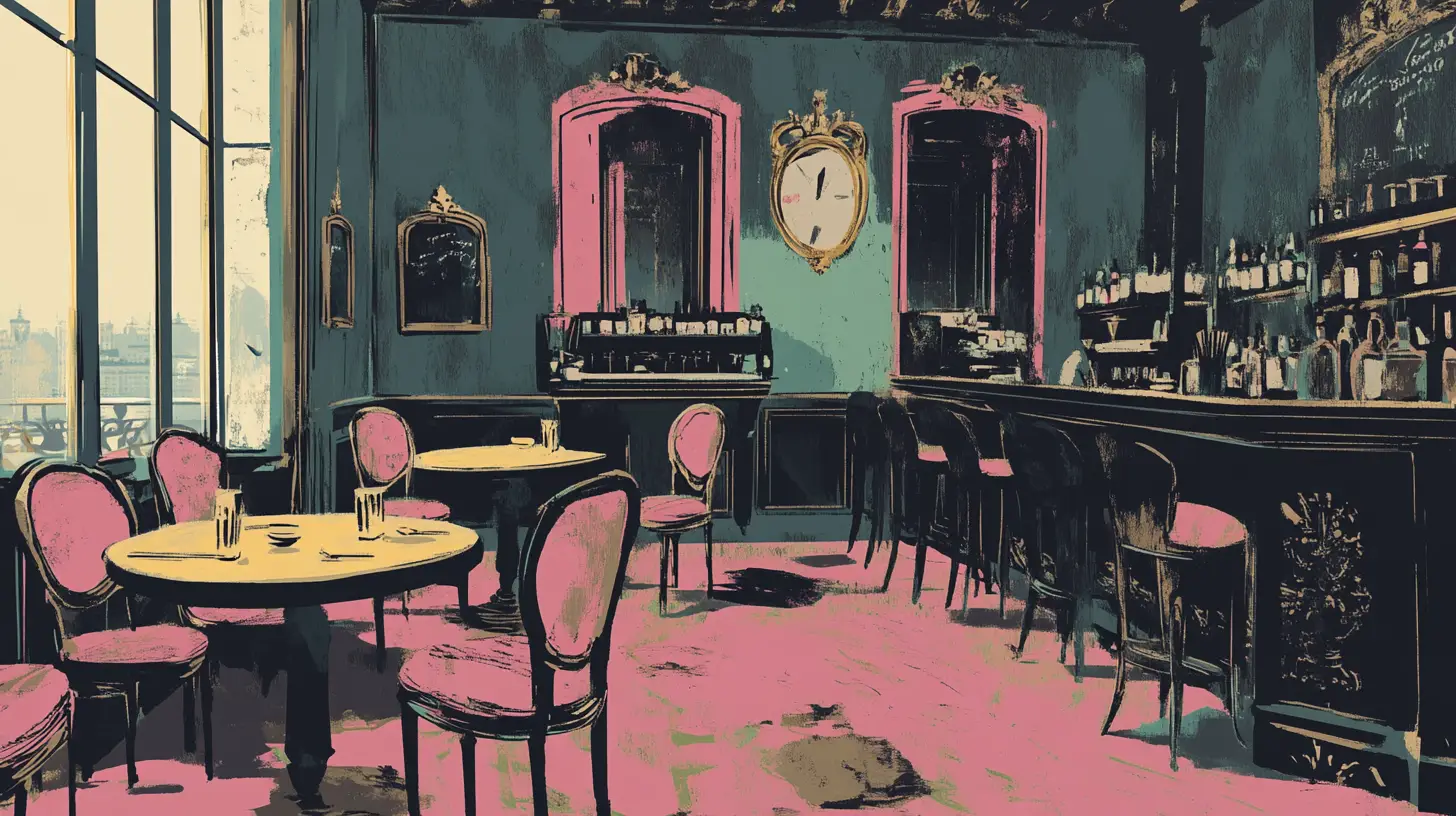
First Parisian café opens.
1675: English Expansion
Over 3,000 coffee houses in England.
1686: First Café in America
The first café in the Americas opens in Boston, called “London Coffee House”.
1689: Café de Procope
Café de Procope, the oldest operating café in Paris, opens.
1696: Java Cultivation
The Dutch begin large-scale coffee cultivation in Java.
18TH CENTURY — WORLD DOMINANCE
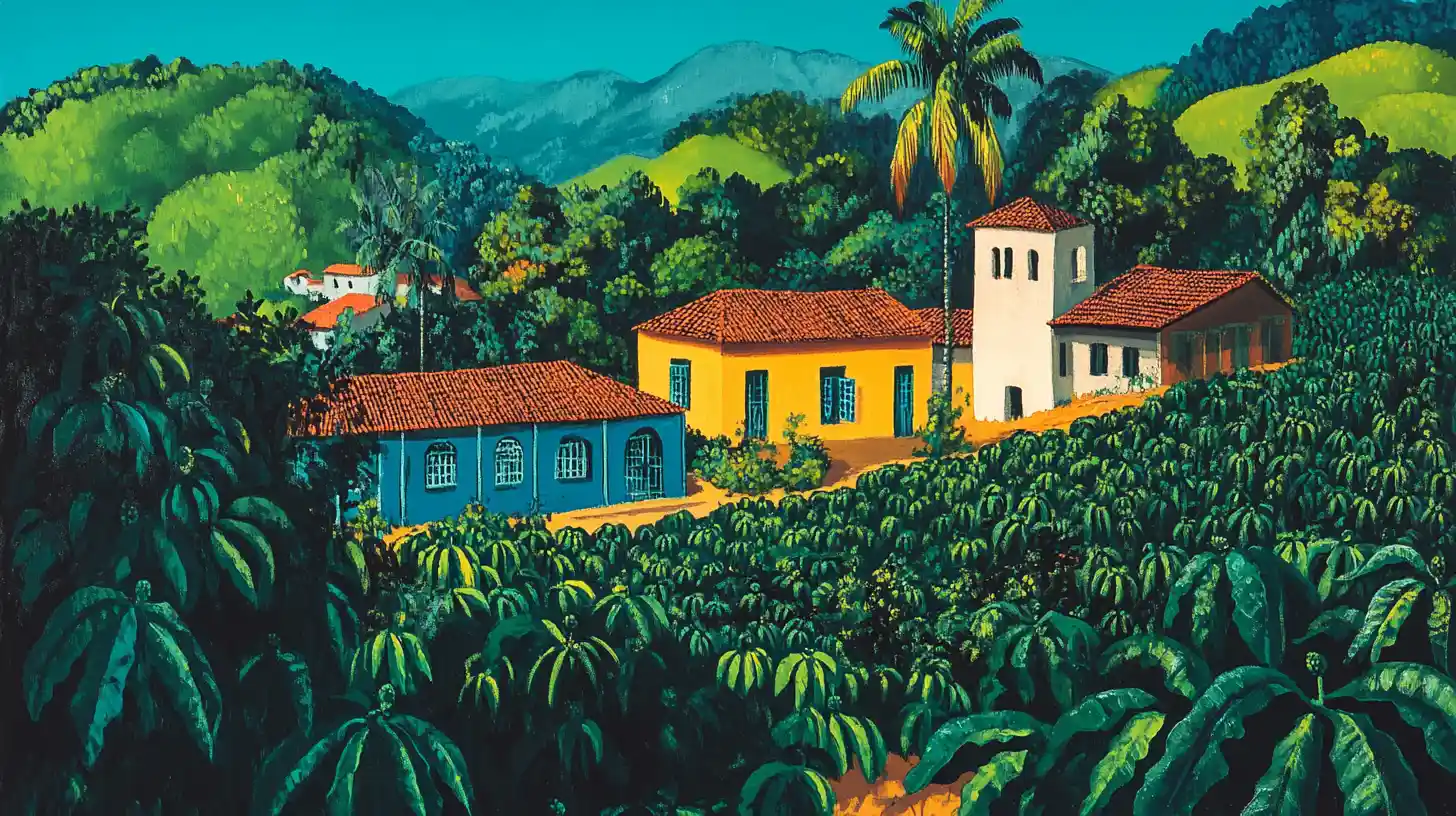
1715: Caribbean Cultivation.
The French begin cultivating coffee in the Caribbean.
1720: Martinique
Gabriel de Clieu brings coffee seedlings to Martinique in the Caribbean.
1723: South American Expansion
Coffee plants are introduced to the Americas through French Guiana.
1727: Brazil
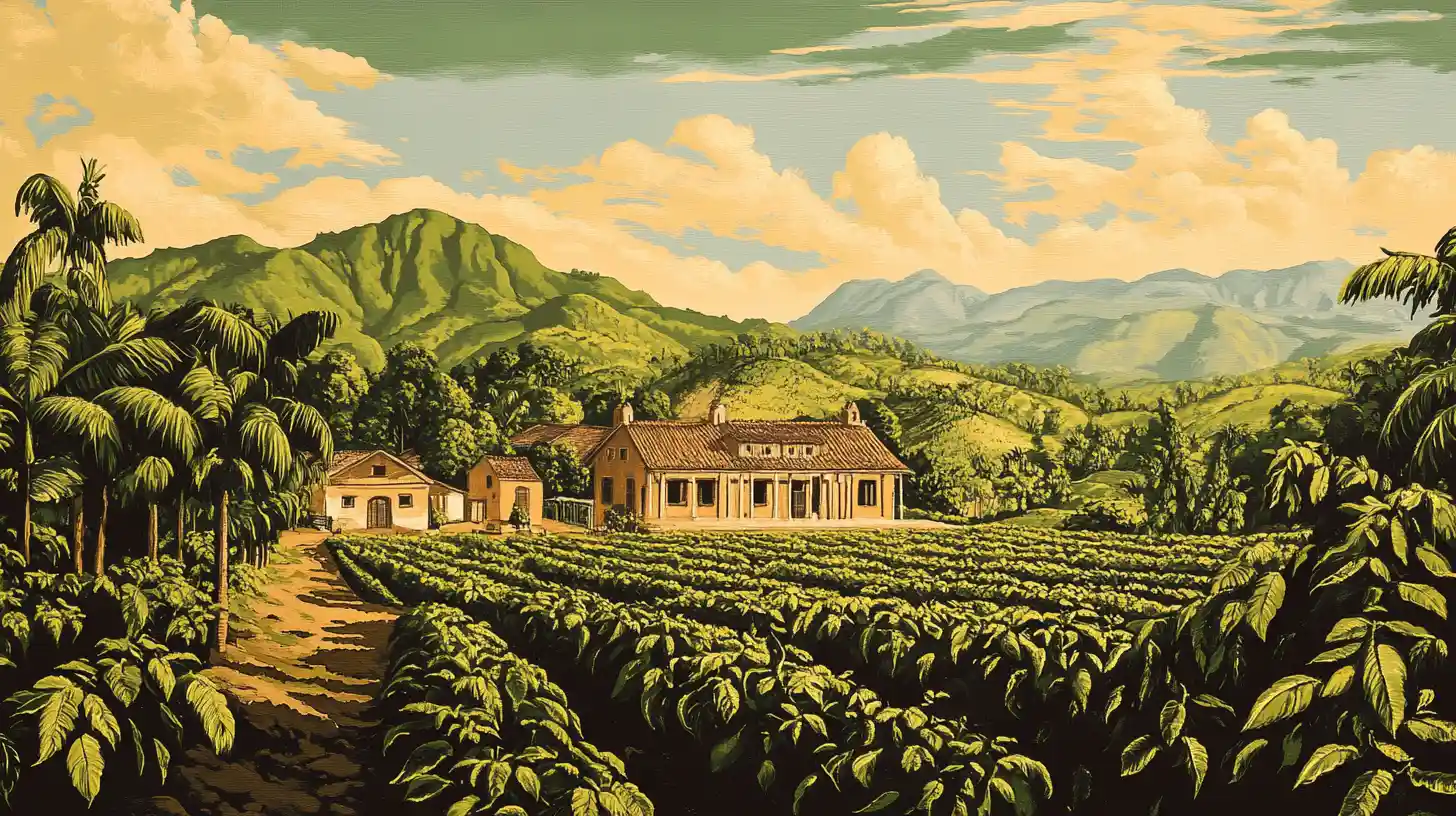
Coffee cultivation begins in Brazil.
1730: Jamaica
The British begin cultivating coffee in Jamaica.
1750: London Coffee House Expansion
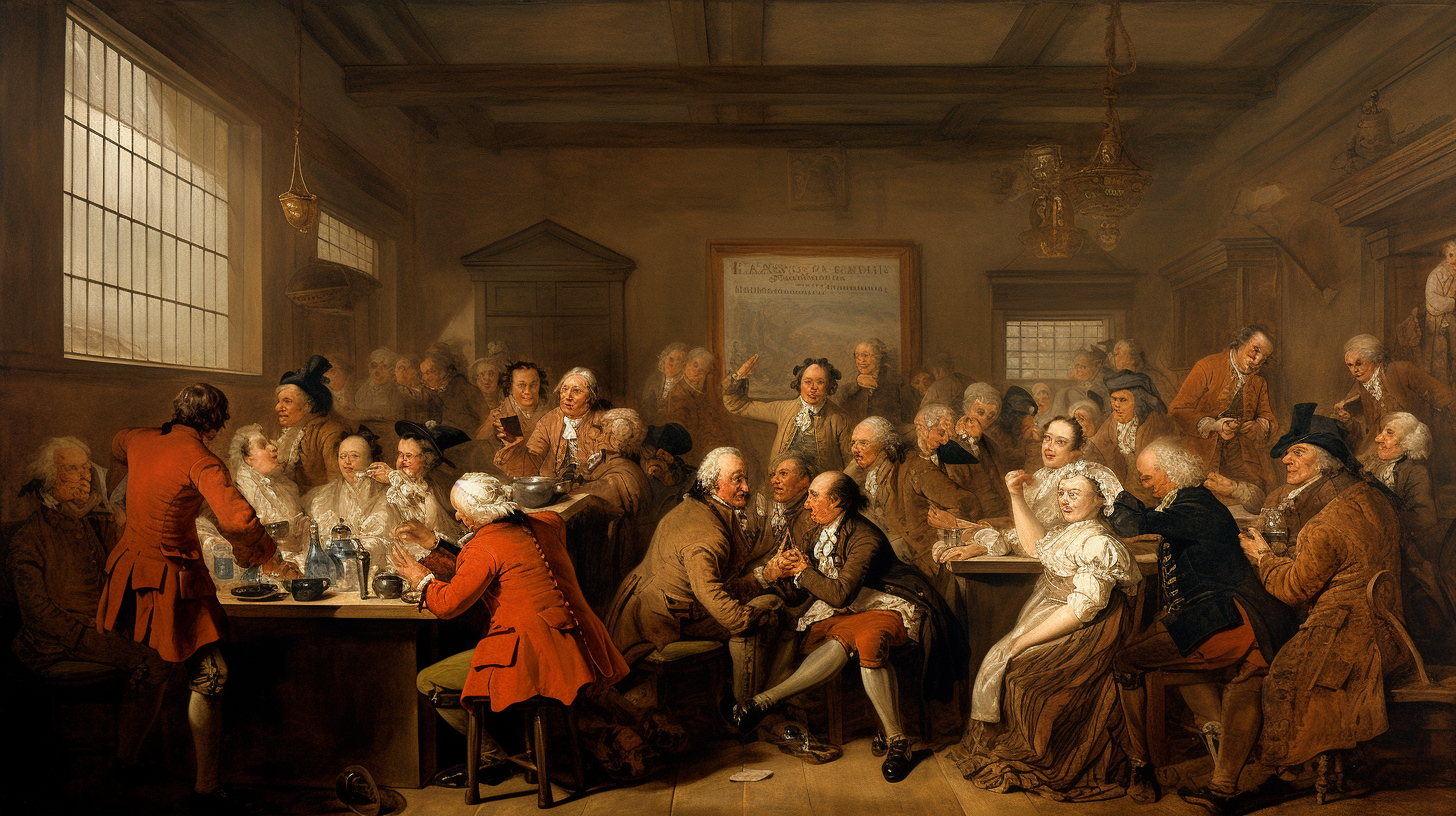
There are over 2,000 coffee houses in London.
1773: The Boston Tea Party
The Boston Tea Party makes coffee the preferred drink in the American colonies.
1788: New World Dominance
New World coffee production dominates the market, with Saint-Domingue (Haiti) as the largest producer.
19TH CENTURY — COFFEE INNOVATIONS
1822: Espresso
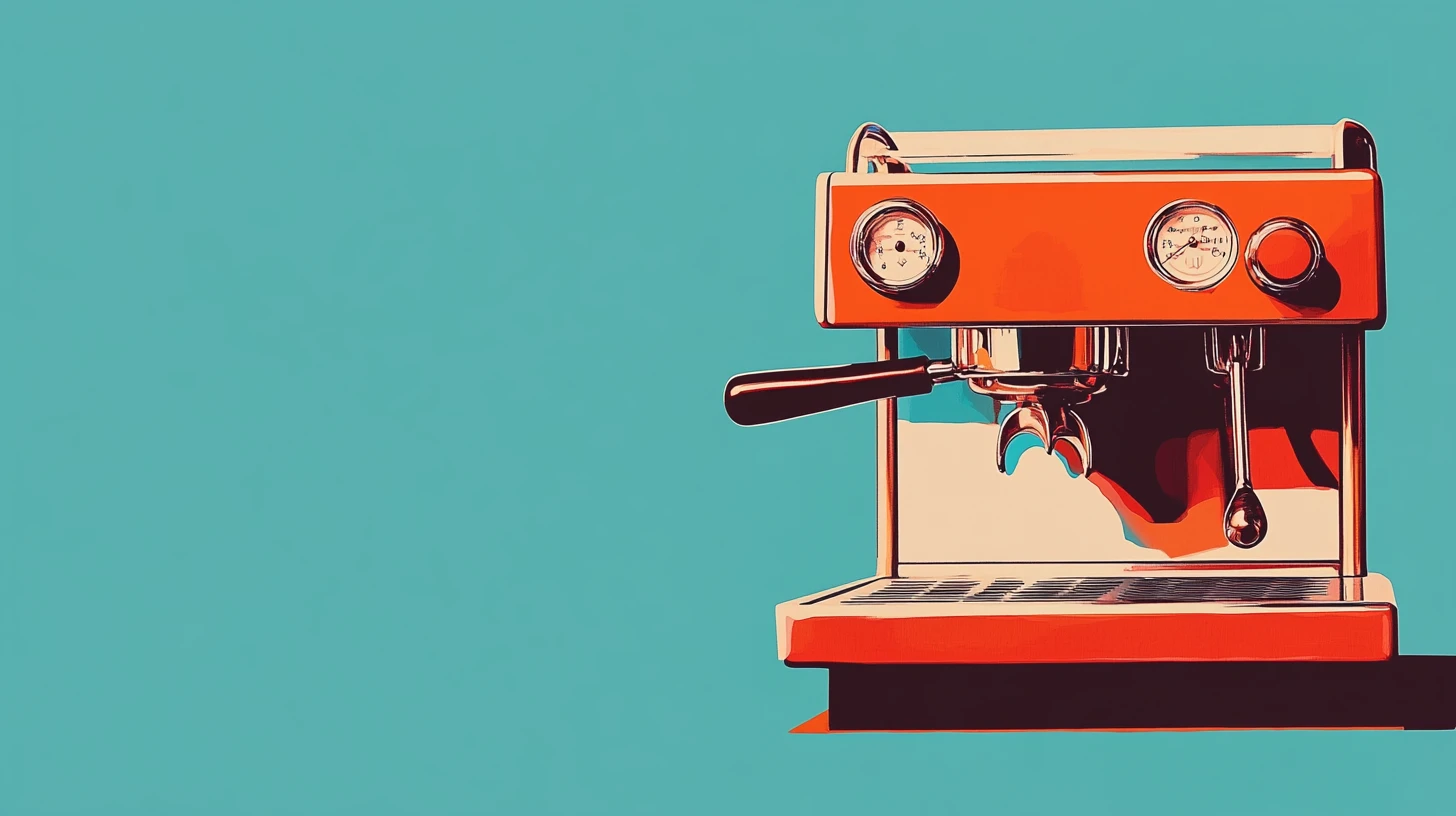
First espresso machine is invented in France. Different types of ways to prepare coffee start to appear.
1862: The Coffee Percolator
James Mason invents a new way to brew coffee with the coffee percolator.
1864: Pre-Roasted Coffee
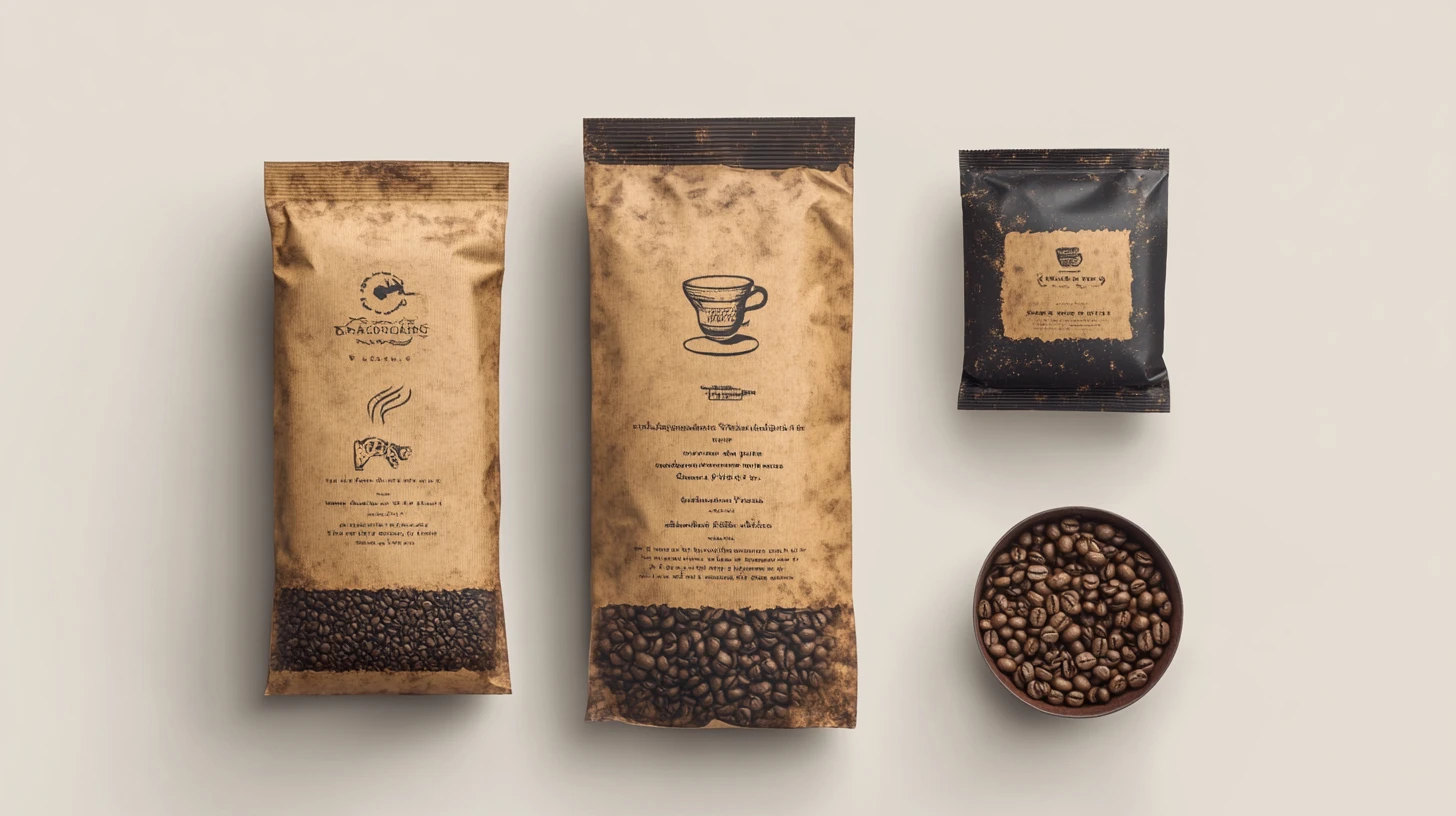
John and Charles Arbuckle begin selling pre-roasted coffee in paper bags (Arbuckle’s Ariosa Coffee).
1869: Rust
Coffee leaf rust devastates coffee crops in Ceylon (Sri Lanka).
1871: John Arbuckle Patent
John Arbuckle patents a method of glazing coffee beans with an egg and sugar mixture to seal in the flavor.
1878: Chase & Sanborn
Caleb Chase and James Sanborn form Chase & Sanborn, a coffee and tea company.
1892: Soluble Coffee
Max Morgenthaler of Nestlé begins developing soluble coffee.
1900: Vacuum Tins
Hills Brothers begins packing roast coffee in vacuum tins, marking a significant advance in maintaining coffee freshness.
20TH CENTURY — MORE INNOVATION & COFFEE CHAINS
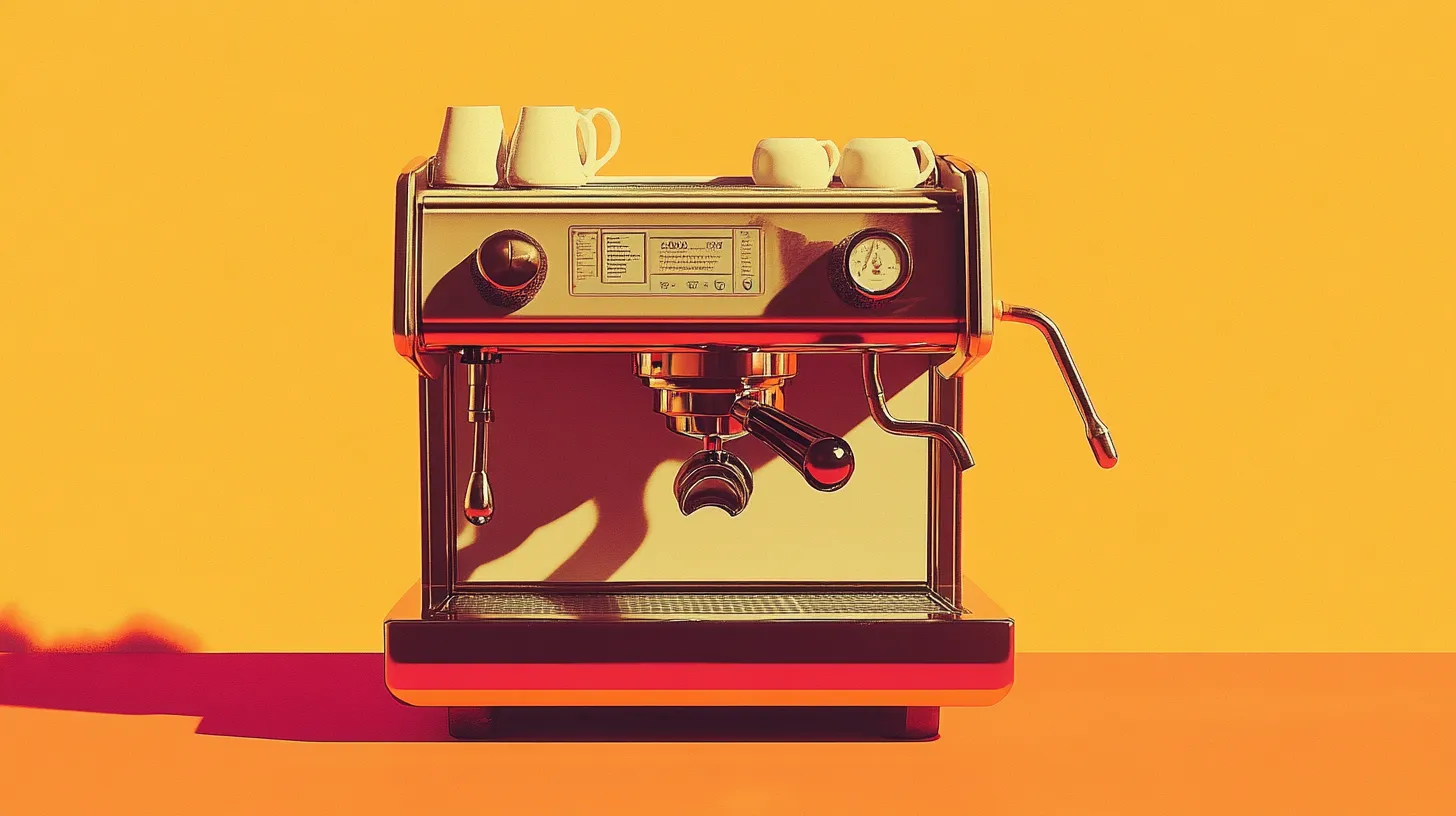
1901: Commercial Espresso Machine.
Luigi Bezzera patents the first commercial espresso machine.
1903: Decaf Coffee
German coffee importer Ludwig Roselius discovers the process to remove caffeine from coffee, leading to the development of Sanka, the first decaffeinated coffee brand.
1908: Paper Coffee Filter
Melitta Bentz invents the paper coffee filter.
1920: Prohibition
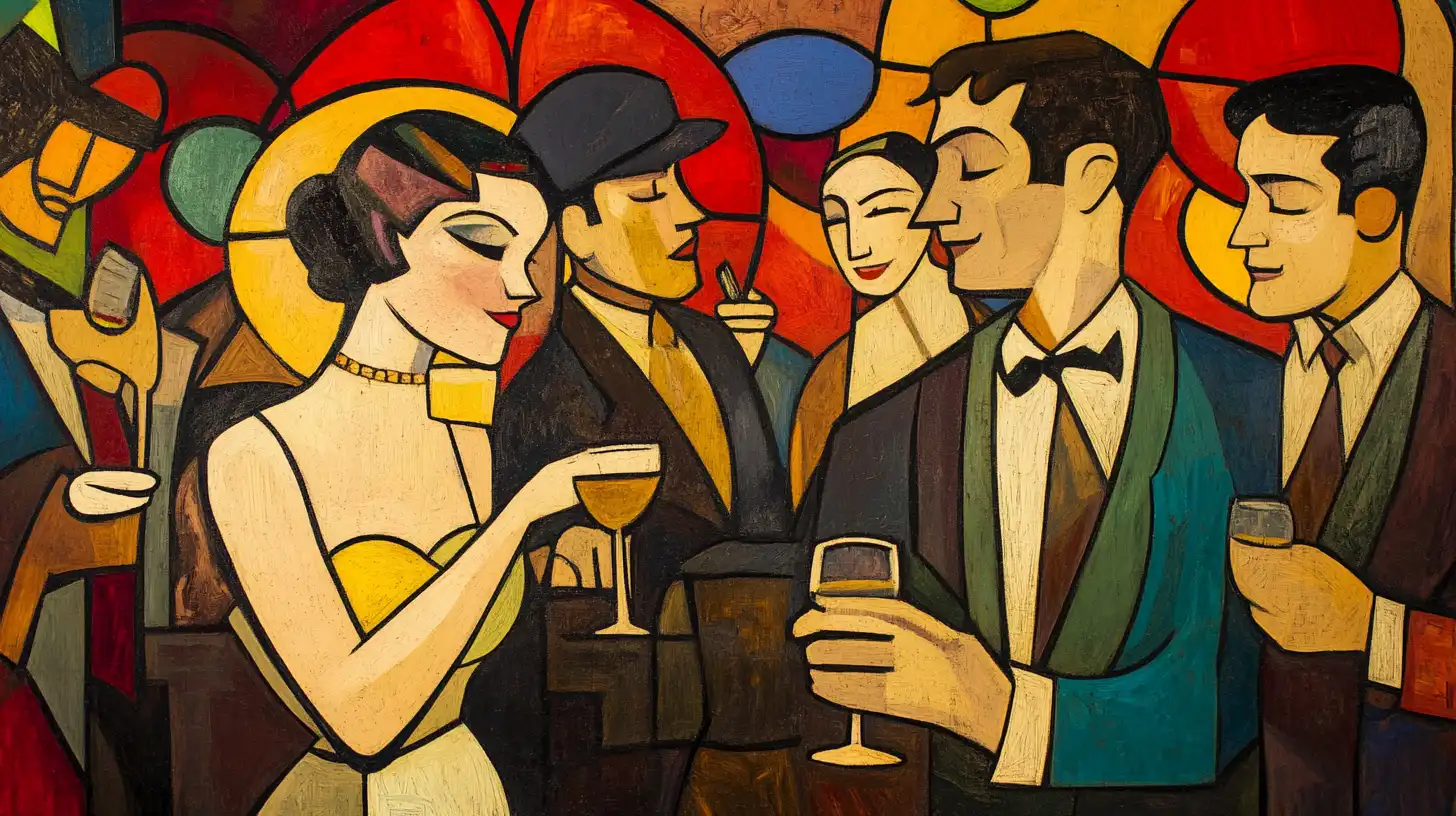
Prohibition in the United States helps fuel the popularity of coffee shops.
1938: Nescafé
Nestlé launches Nescafé, the first mass-produced instant coffee.
1940: WWII

The US government regulates coffee to ensure fair distribution during World War II.
1960: Fairtrade
The Fairtrade movement begins, aiming to help coffee farmers get a fair price for their crops.
1966: Peet’s Coffee
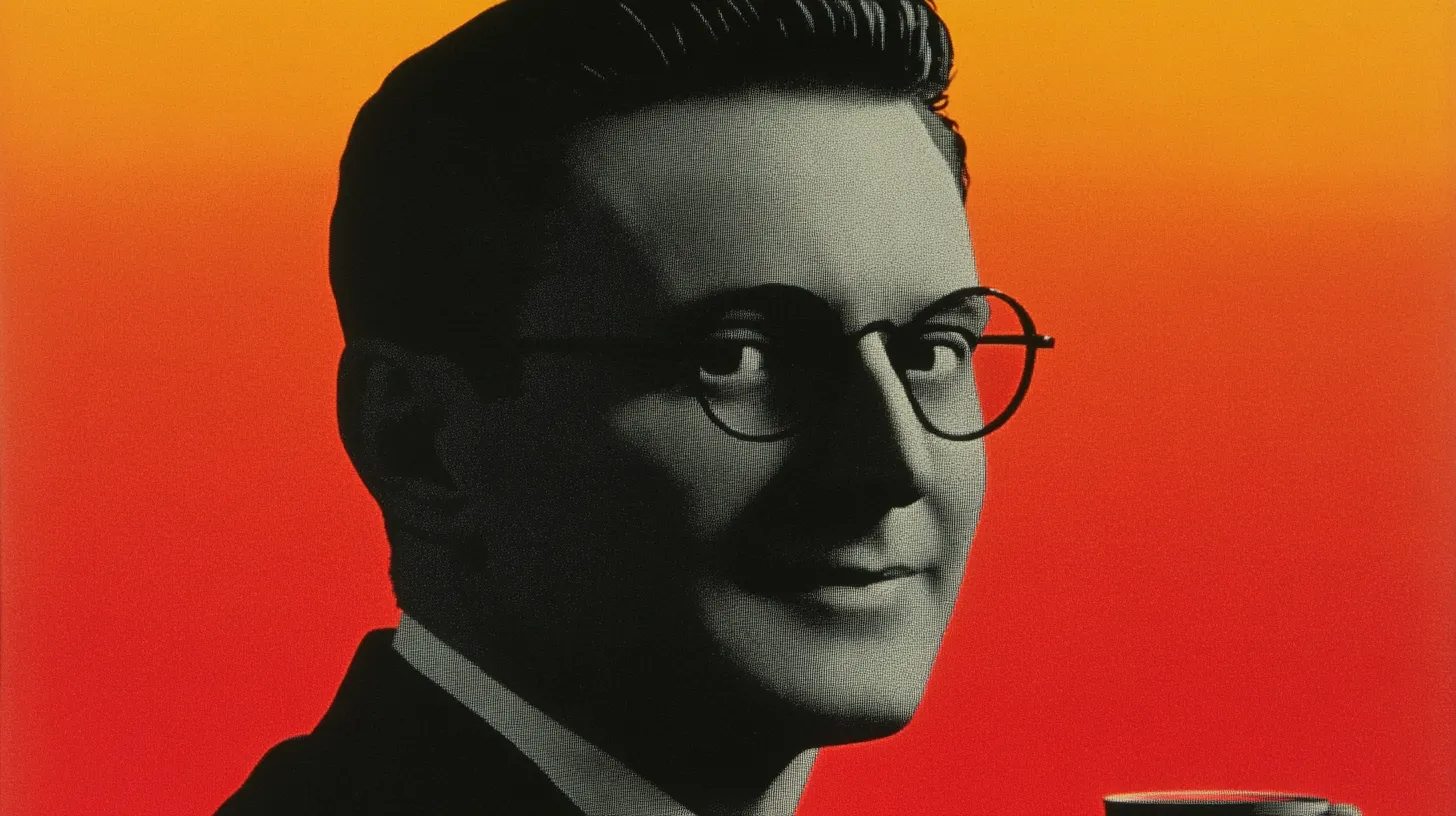
Coffee entrepreneur Alfred Peet opens Peet’s Coffee in Berkeley, California, influencing the specialty coffee movement.
1971: Starbucks
Starbucks is founded in Seattle by Jerry Baldwin, Zev Siegl, and Gordon Bowker. It will eventually become the most famous coffee chain on the planet.
Costa Coffee founded in London.
1975: Brazil Frost
Brazil suffers a devastating frost, leading to a worldwide spike in coffee prices.
1982: Coffee and Tea Festival
The first Coffee and Tea Festival is held in China.
1987: Howard Schultz
Howard Schultz acquires Starbucks and begins rapid expansion. The chain would go on to create bizzare flavors like the infamous Unicorn Frapuccino, only to be discontinued days later.
1992: SCAA
The Specialty Coffee Association of America is founded.
1995: Starbucks International Expansion
Starbucks begins its international expansion, opening its first store outside North America in Tokyo.
21ST CENTURY — COFFEE IN THE MODERN DAY

2000: ICO
The United Nations General Assembly approves Resolution 368, recognizing the International Coffee Organization (ICO) as the main intergovernmental body for coffee.
2010: Coffee Culture
Instagram is founded, leading to the rise of “coffee culture” on social media.
2018: Cancer Warnings
California judge rules that coffee must carry cancer warning (later overturned in 2019).
2020: COVID-19
COVID-19 pandemic significantly impacts coffee industry, particularly coffee shops and cafes.
2021: Supply Chain Problems
Coffee prices reach multi-year highs due to supply chain disruptions and climate-related crop issues in Brazil.