5 min read
China is known for its inventions, a variety of dynasties, and cultural quirks. Here is a list of fun and sometimes horrifying facts from ancient China:
FIRST SEISMOSCOPE (132 CE)
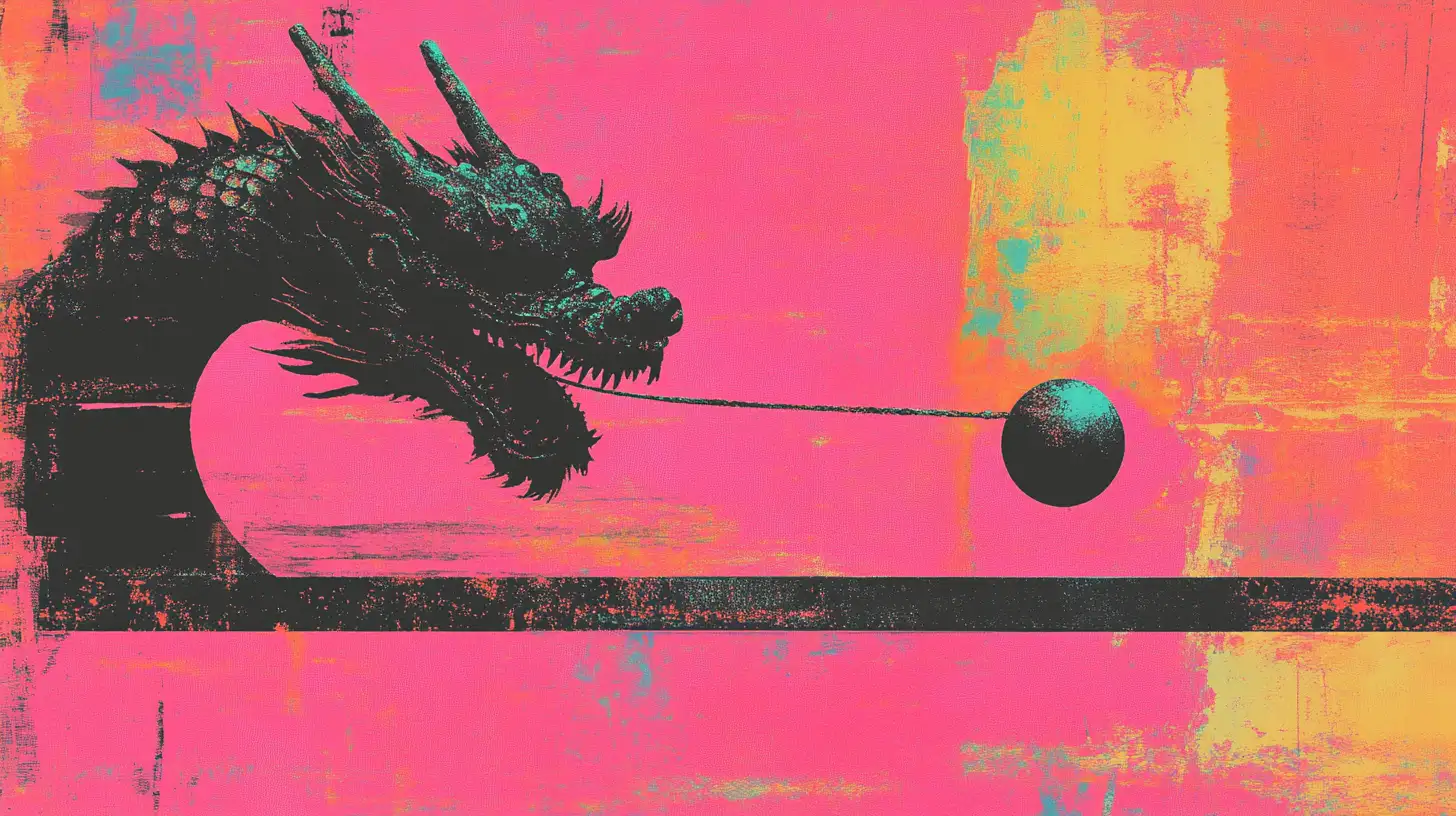
Zhang Heng of the Han Dynasty invented a bronze device (a seismoscope) to detect earthquakes. It used a pendulum and dragon-mouth balls to show the tremors’ directions.
TOILET PAPER PRIVILEGE
By the 6th century CE, wealthy elites in China used toilet paper to wipe their bums—the poor had to use sticks or leaves.
LIUBO

Liubo, was a mystical strategy game in China. It was played during the Han Dynasty, often accompanied by gambling and drinking.
WORLD’S OLDEST NOODLES
A 4,000-year-old noodle bowl was found in Lajia, China—made from millet. The oldest noodles ever found.
MERCURY TOMB DEFENSE

Qin Shi Huang’s massive underground tomb complex in China, houses a mercury-based defense system. Soil samples have revealed mercury levels 100 times higher than natural occurrence. It has successfully deteriorated grave robbers for thousands of years. The Terracotta Army guarding this same tomb went unseen for two millennia—how it finally came to light is one of the ten questions in our history IQ quiz.
ORACLE BONE SCRIPT
Shang Dynasty (1600–1046 BCE) priests had the habit of writing questions on animal bones, then cracking them with fire to “read” divine answers.
ZOMBIE APOCALYPSE FEAR
Han-era Chinese tied corpses’ feet during funerals to prevent them from becoming zombies.
HUMAN-FUELED AGRICULTURE
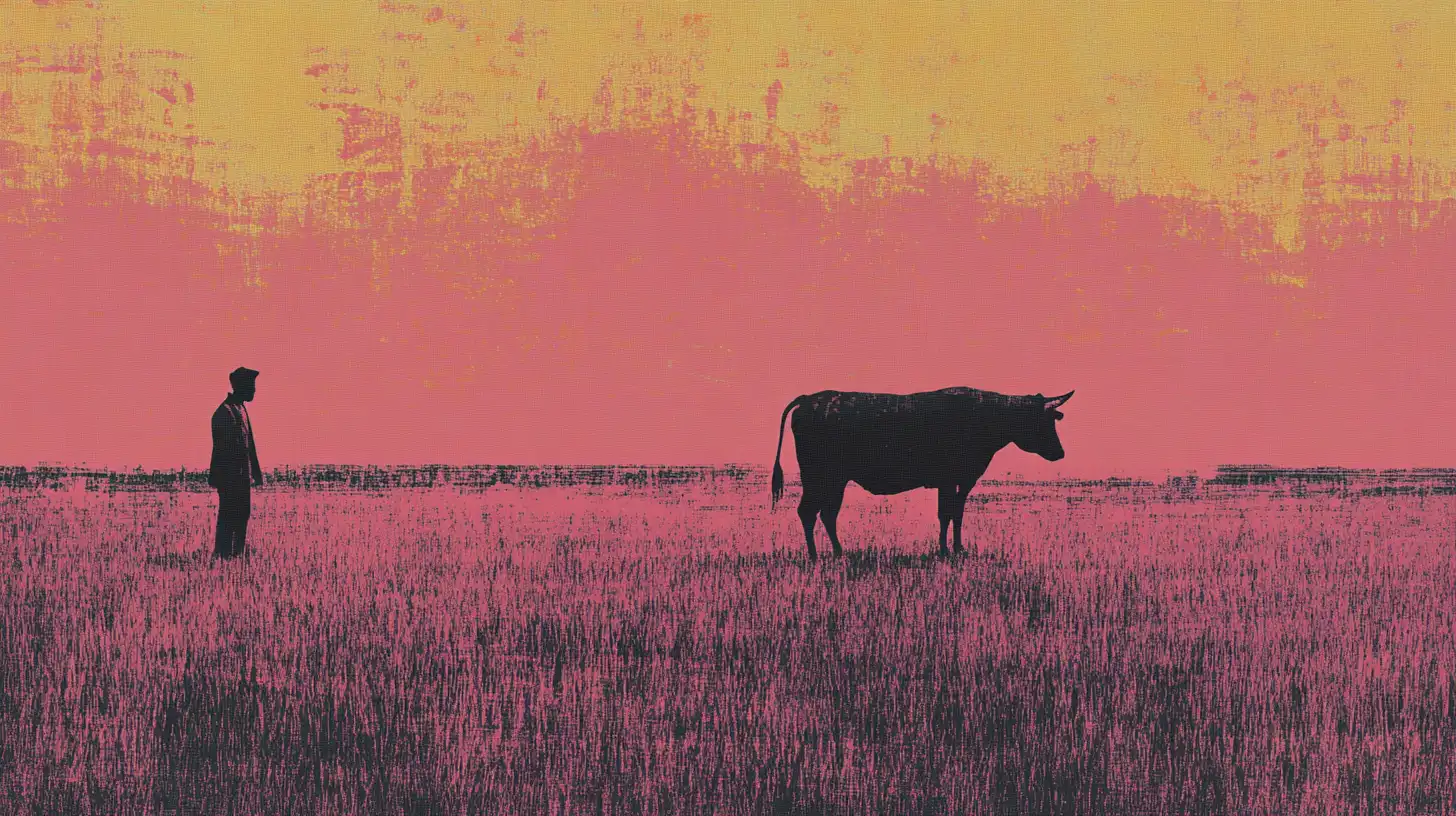
In ancient China, “Night soil” (human feces) was collected and sold as fertilizer in markets.
JADE BURIAL SUITS
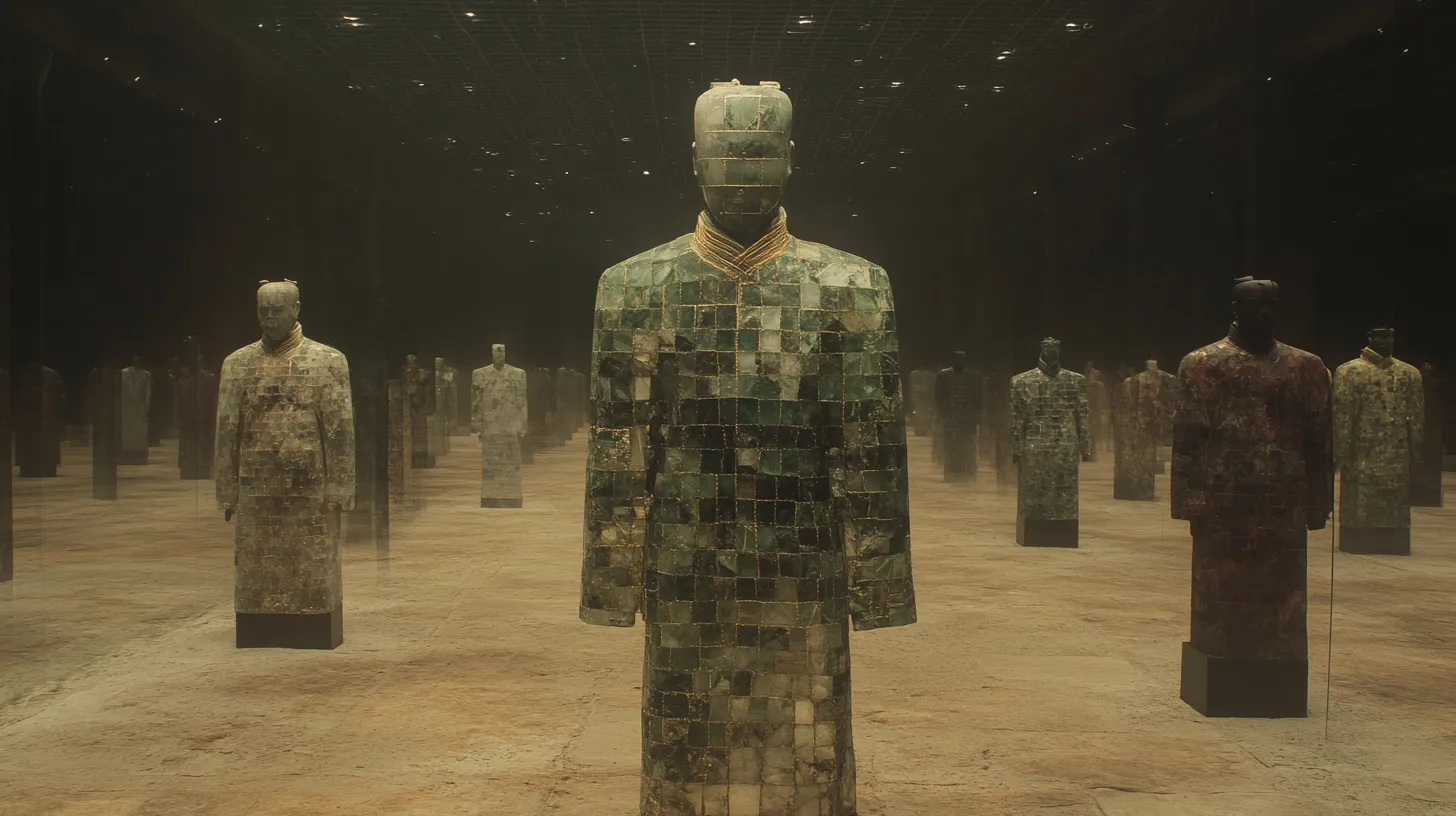
Chinese Han royalty were buried in suits made of thousands of jade pieces sewn with gold thread. They thought it would give them immortality.
NINE FAMILIAL EXTERMINATIONS
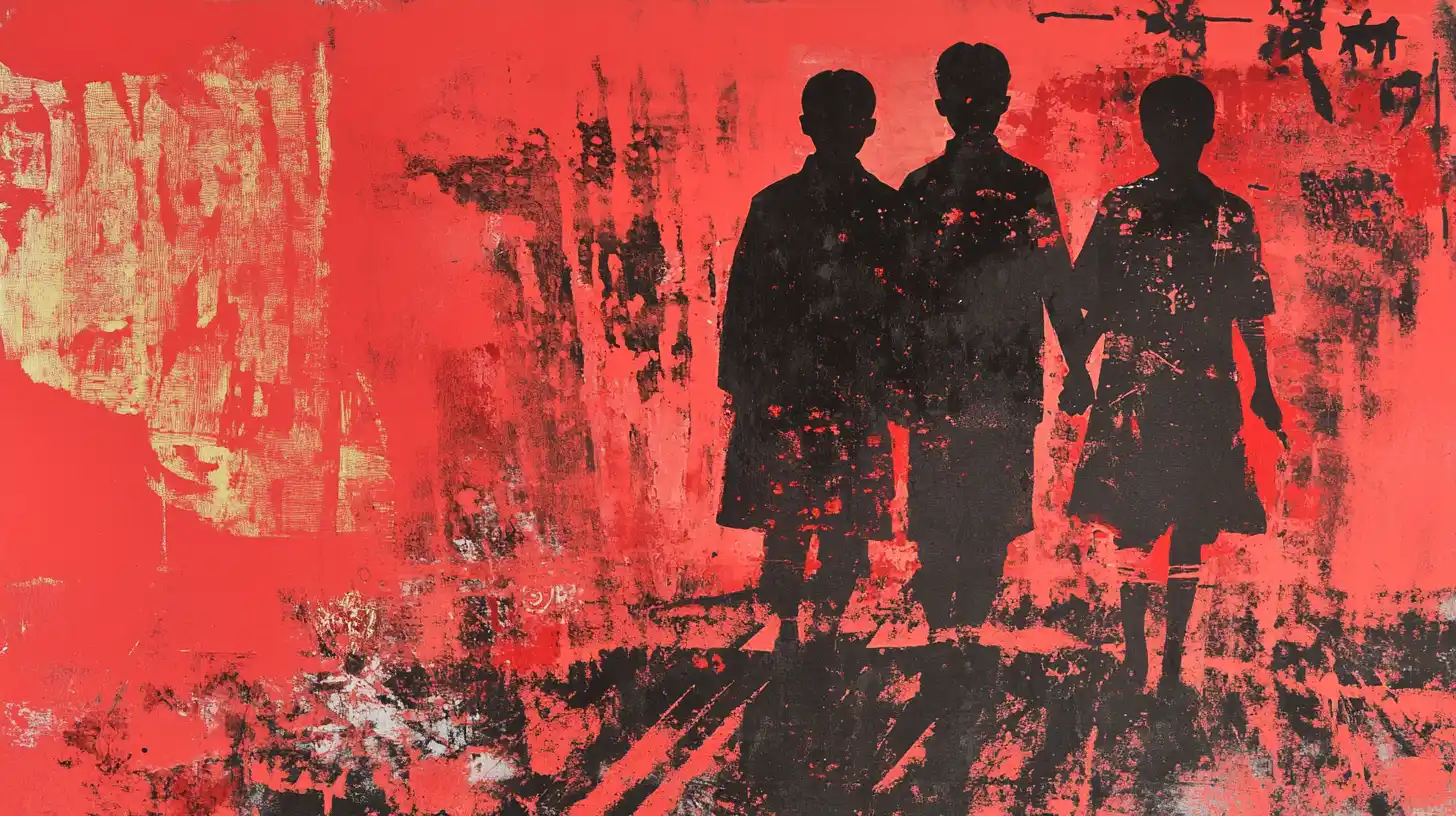
Treason in ancient China often resulted in the execution of a criminal’s entire family tree—including distant relatives.
QIN DYNASTY EXECUTIONS
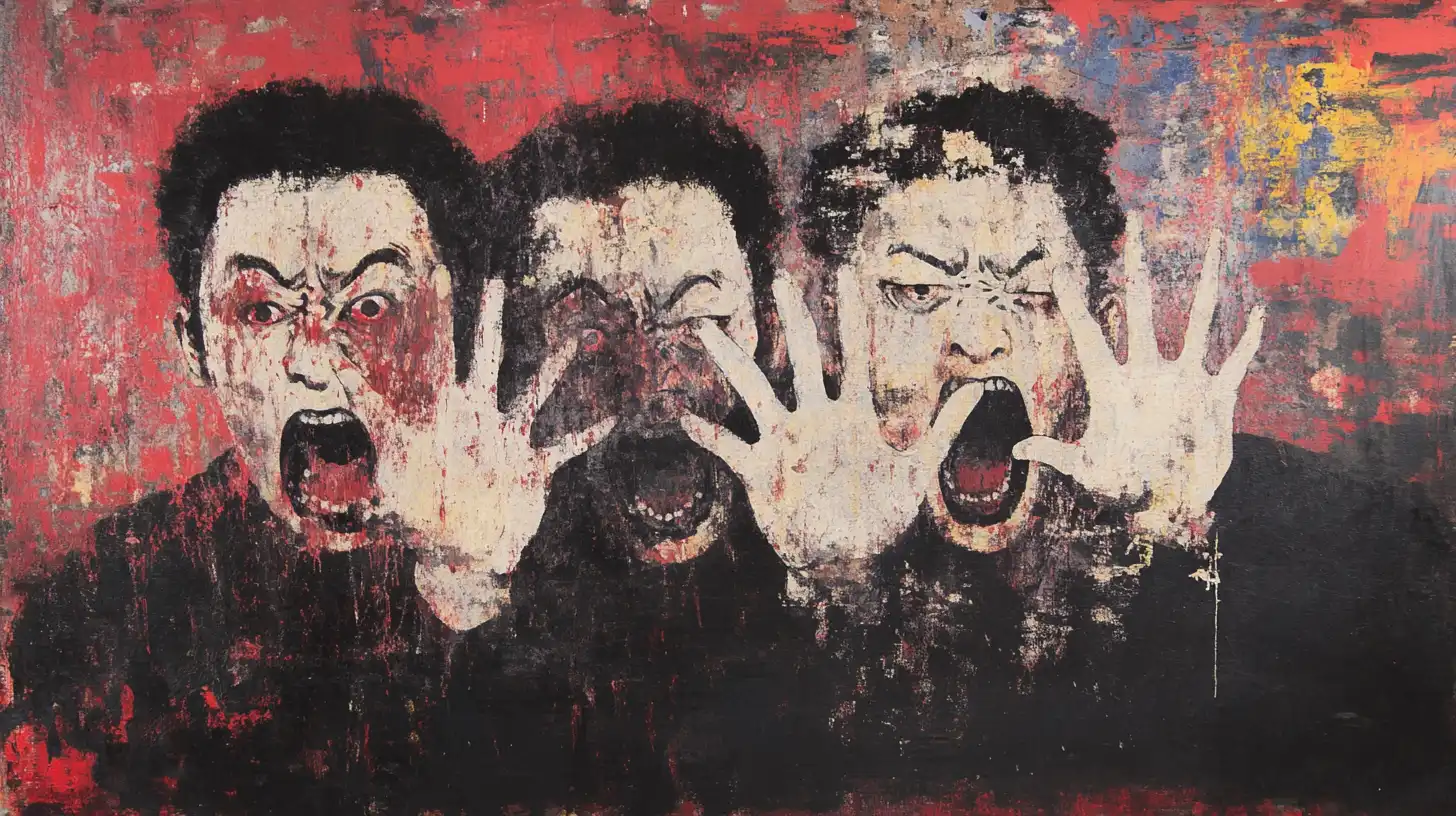
The legalist Qin Dynasty punished minor crimes with mutilation (e.g., nose/feet removal) or death by “Five Pains” (dismemberment + beheading).
HUMAN SACRIFICES
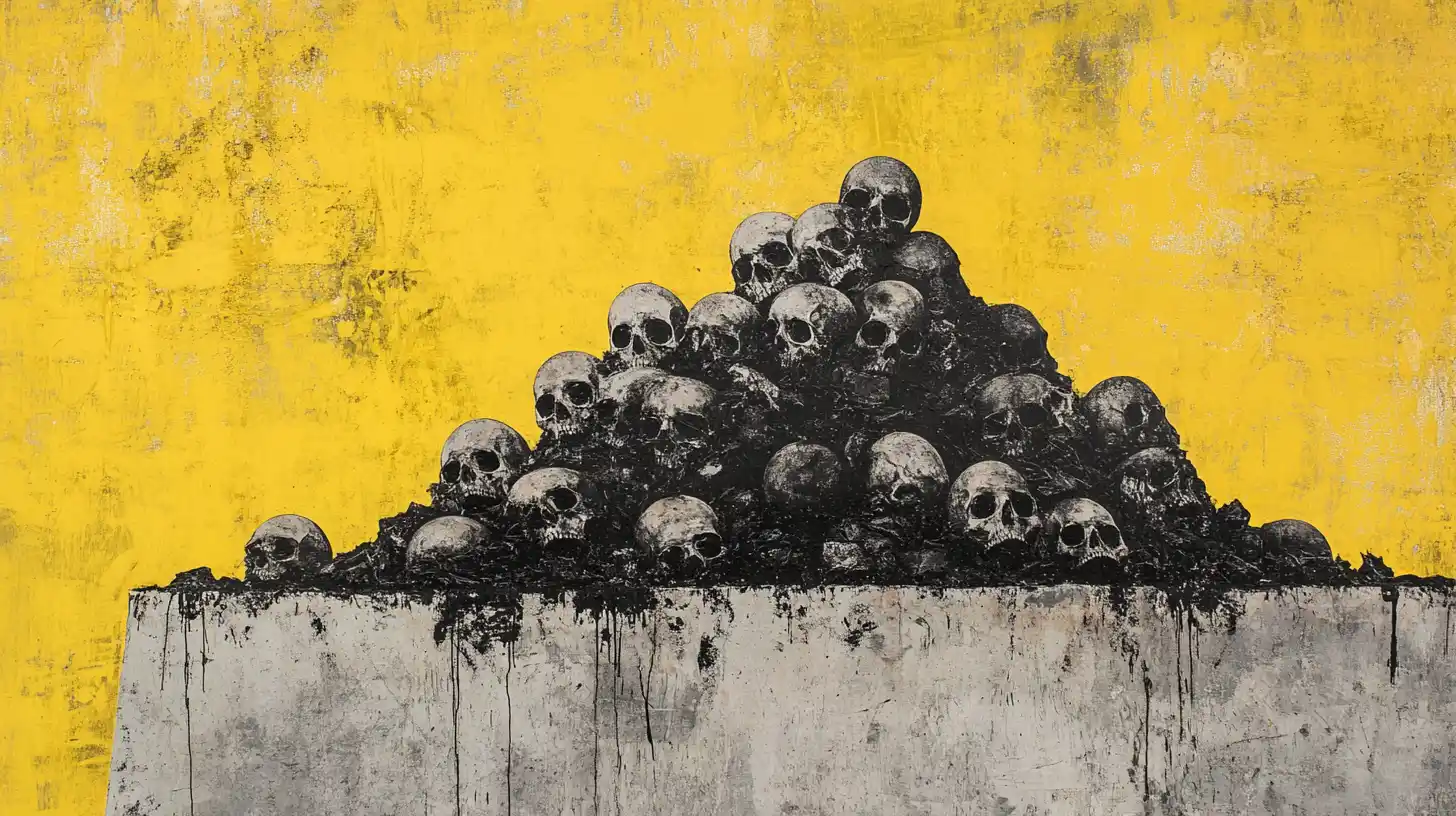
Shang rulers in China buried alive hundreds of slaves, soldiers, and concubines so that they could continue to serve them in heaven.
EMPRESS LÜ’S REVENGE
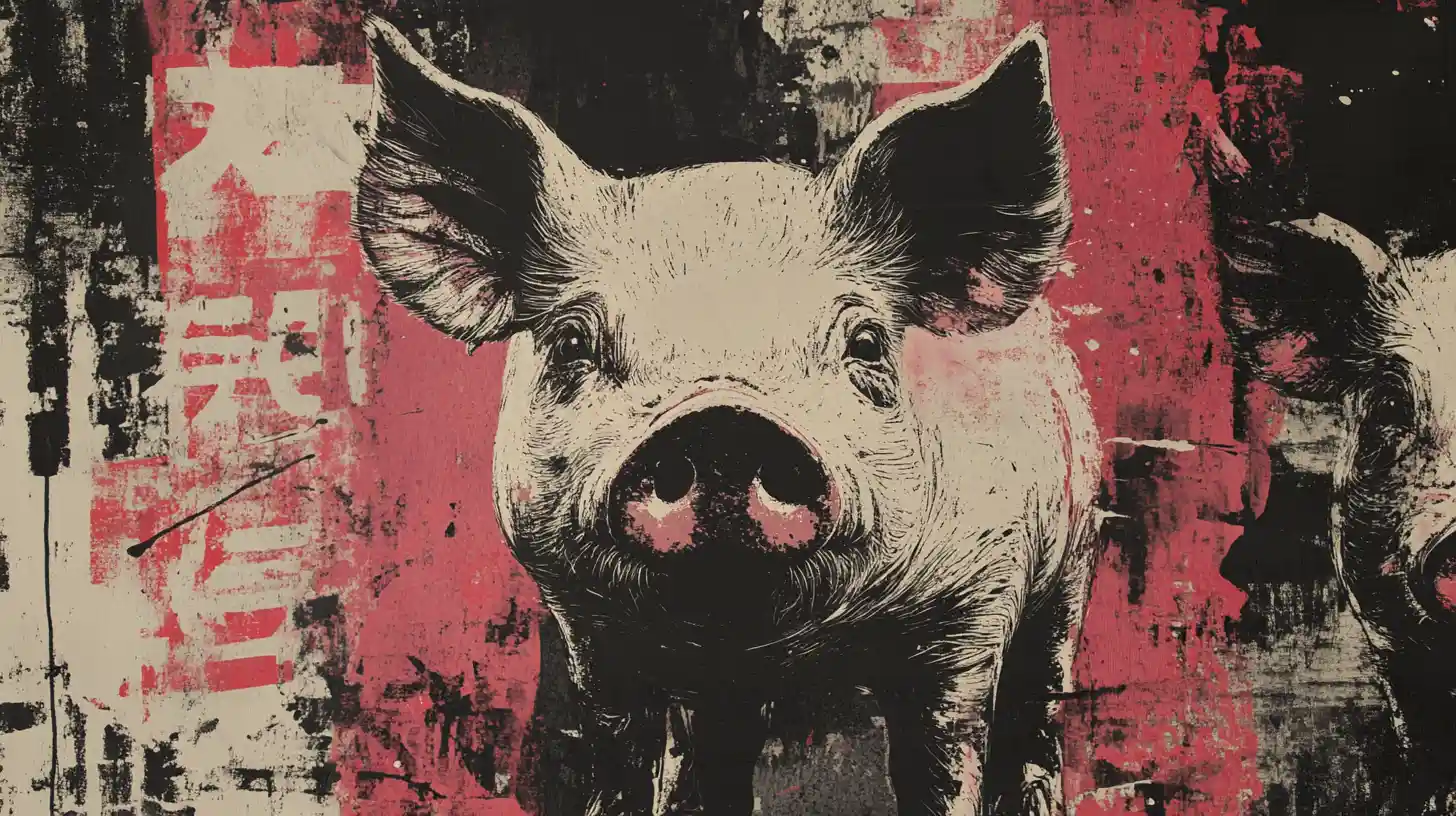
After a rival concubine’s death, Empress Lü of the Han Dynasty had her corpse mutilated and fed to pigs. She forced the concubine’s son to watch the ordeal.
CANNIBALISM IN SIEGES
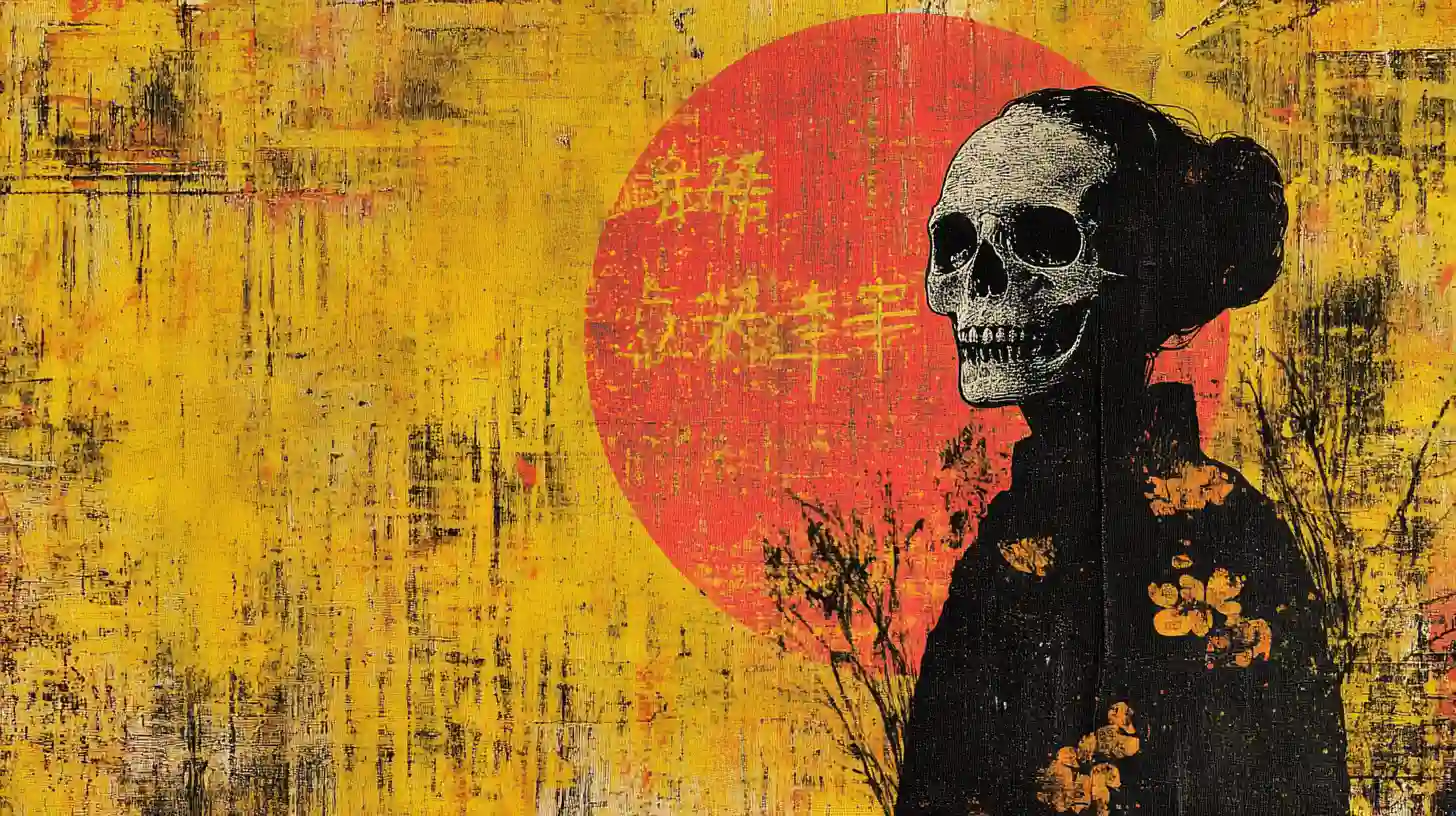
During wartime famines, ancient Chinese populations resorted to eating the dead or selling children as food.
FOOT-BINDING ORIGINS
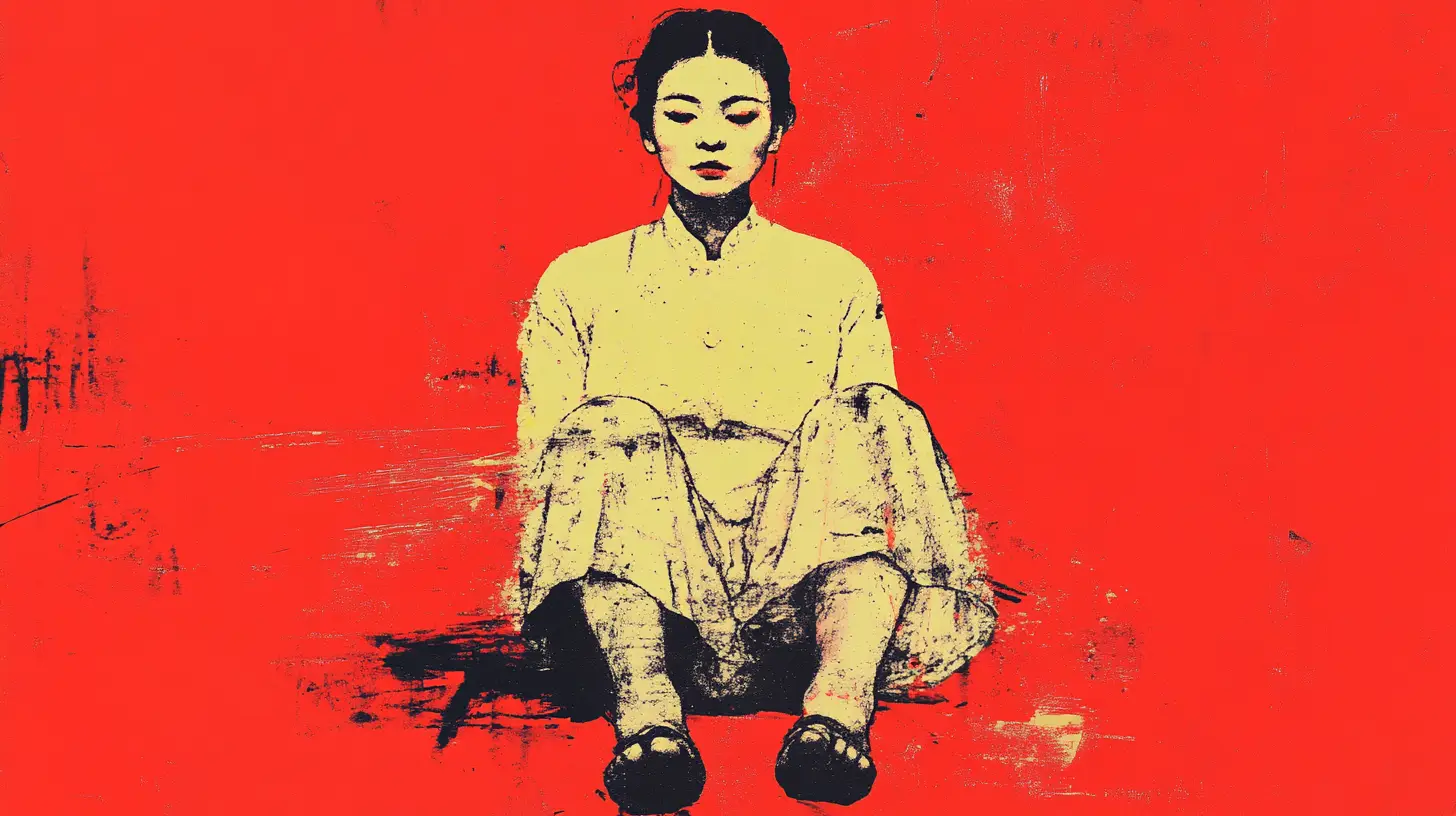
The painful practice of foot-binding originated among Tang Dynasty dancers in 10th century China. They compressed their feet to create the prized “lotus” shape—the custom spread more widely throughout Chinese society where its still practiced in some parts today.
CHOPSTICKS TABOO
In ancient China, sticking chopsticks upright in rice resembled funeral incense rites. It meant death.
GHOST MARRIAGES
Families in ancient China arranged weddings after a loved one died to ensure unmarried spirits wouldn’t haunt the living.
GUNPOWDER’S DARK USE
Gunpowder was first invented as Taoist immortality elixir in China. Military strategists later used it for flamethrowers and “flying fire” arrows in warfare.
IMPERIAL EUNUCH POWER
Castrated men in ancient China once held a lot of bureaucratic influence, with some (like Ming Dynasty eunuchs) even controlling emperors.
MANDATE OF HEAVEN
Chinese Emperors ruled by divine right. However, natural disasters or rebellions could “revoke” it, justifying dynastic overthrow.
BURNING OF BOOKS
Qin Shi Huang in China ordered the destruction of historical texts and philosophy. It was done to erase dissent. Only technical manuals survived the censorship.
GREAT WALL DEATH TOLL
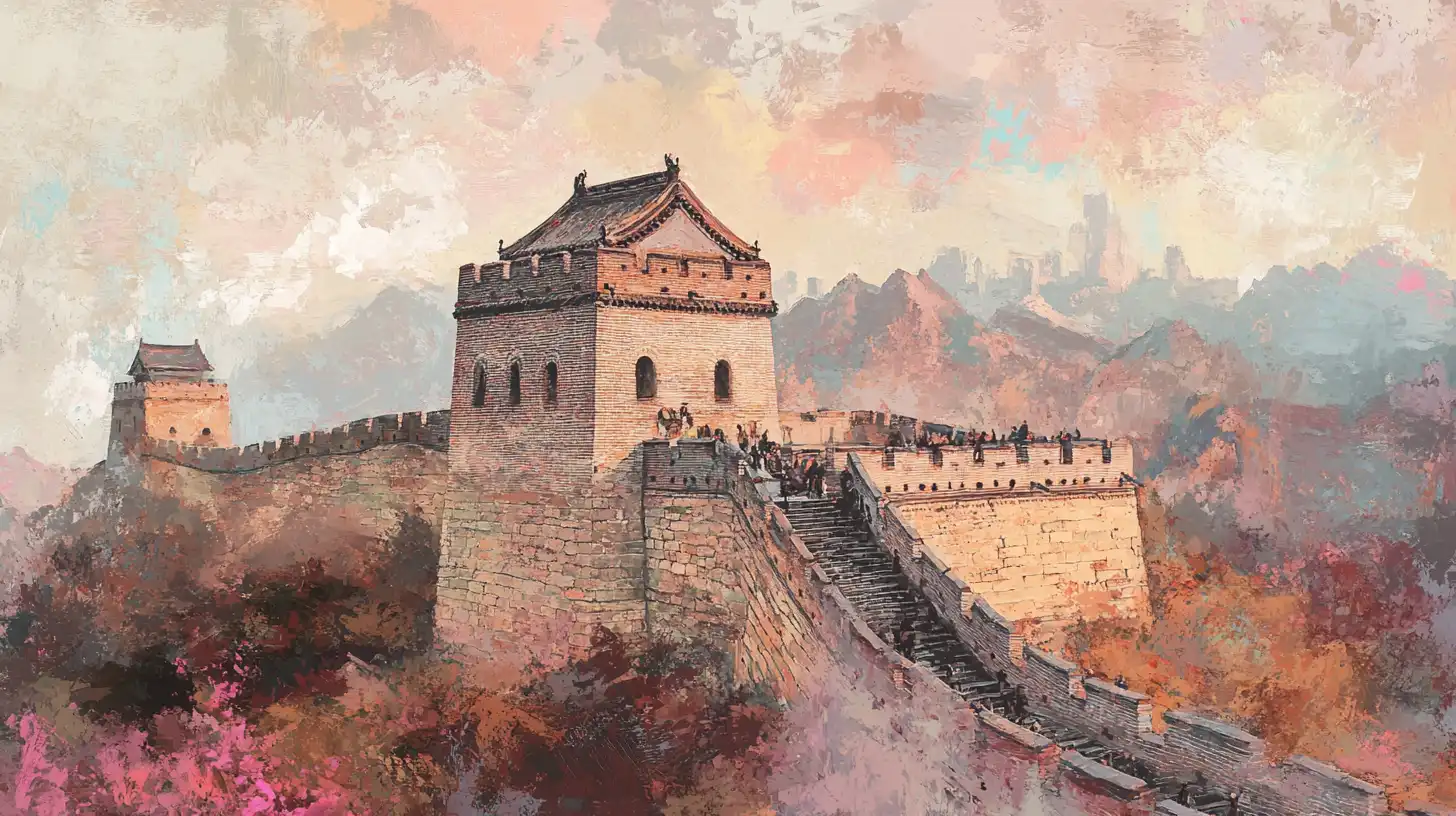
Thousands of laborers died building the Great Wall of China. Some folks were even buried directly in its structure.
CHU-HAN CONTENTION
In ancient China, rival warlords Liu Bang and Xiang Yu (206–202 BCE) boiled enemies alive and used severed heads in psychological warfare.
YELLOW TURBAN REBELLION
A peasant uprising called the Yellow Turban Rebellion (184 CE)—was led by a cult believing in magical healing and apocalyptic prophecies. It almost toppled the Han Dynasty.