
11 min read
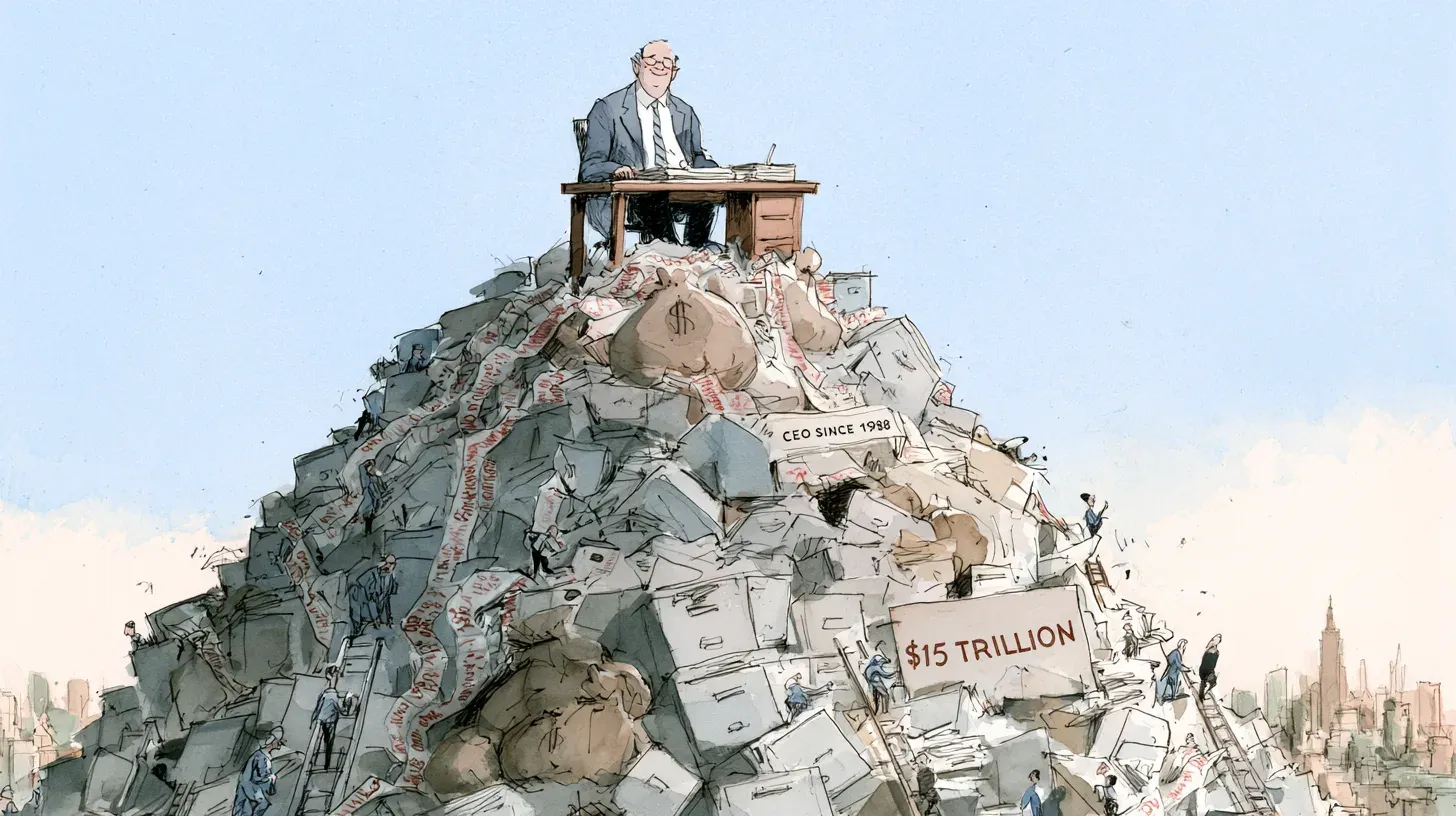
Larry Fink has been the chief executive of BlackRock since the day it opened in 1988. In 38 years the firm has grown from eight people in one room to $15.3 trillion under management — more money than any company has ever run — and it has never once changed CEOs.
That makes this the strangest entry in our CEO-history series. There is no succession table to build, no revolving door to trace. There is one man, now 73, and the question his own shareholders keep asking: what happens when he leaves?
The answer starts with the worst quarter of his life.
LIST OF BLACKROCK CEOS & CO-FOUNDERS
BlackRock has had exactly one CEO: Larry Fink. So the table other companies fill with successions, this company fills with founders — the eight partners who started the firm in 1988, and where each one landed.
| Co-founder | Role at BlackRock | Where they landed |
|---|---|---|
| Larry Fink | Chairman & CEO, 1988–present | Still running it |
| Robert Kapito | President since 2007 | Still there |
| Ralph Schlosstein | President, 1988–2007 | CEO of Evercore |
| Susan Wagner | COO, later vice chairman | Apple’s board |
| Barbara Novick | Vice chairman until 2021 | Intel’s board |
| Ben Golub | Chief risk officer | Co-built Aladdin |
| Keith Anderson | Chief investment officer | CIO for George Soros |
| Hugh Frater | Head of real estate | CEO of Fannie Mae |
Fink and Kapito are still in the building. The other six went on to run, advise, or sit on the boards of some of the largest institutions in American business — a diaspora that says as much about the firm as its asset count does.
THE $100 MILLION QUARTER
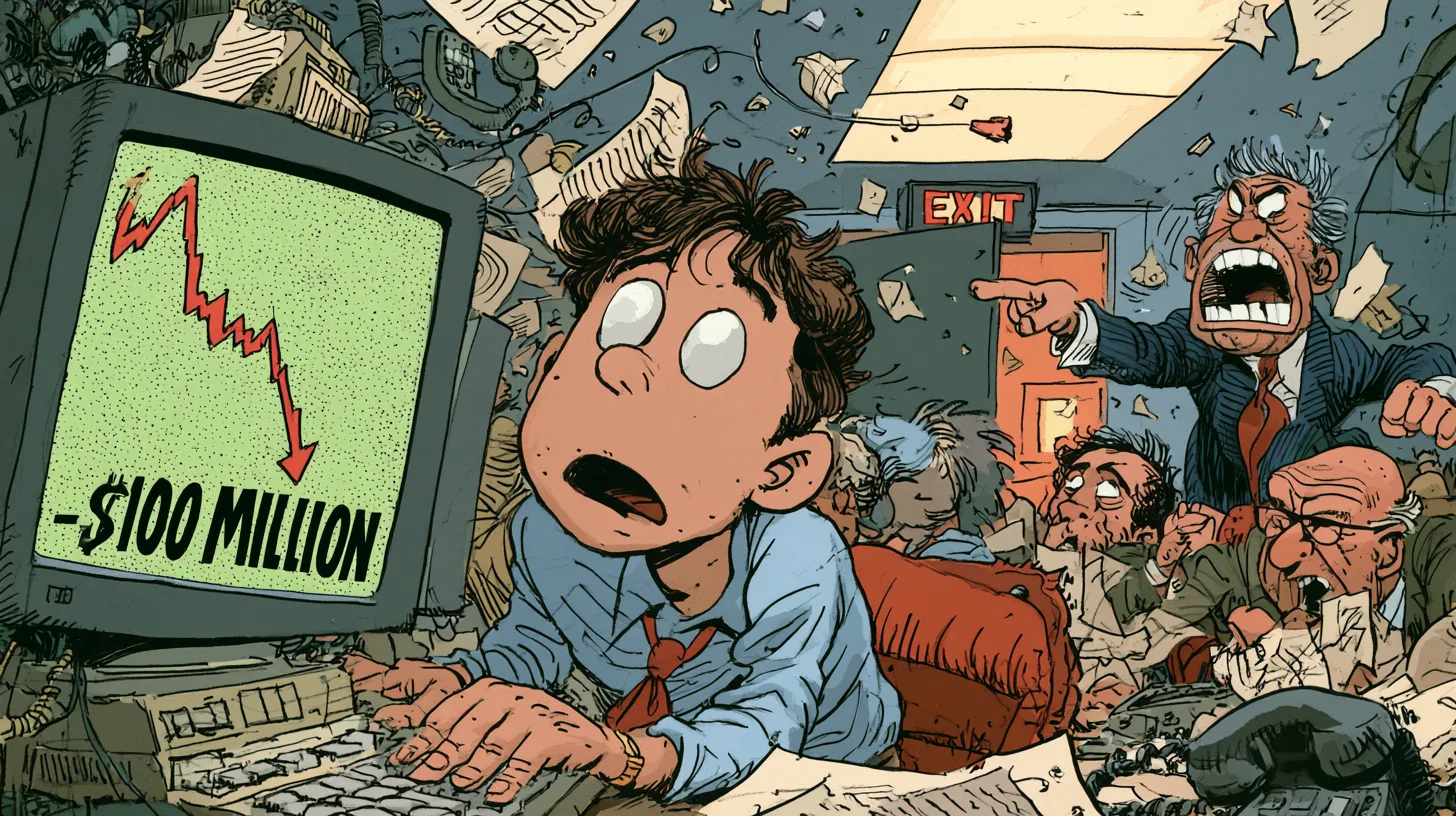
Larry Fink’s origin story is a catastrophe. At First Boston, which he joined in 1976 straight out of UCLA’s business school, Fink helped invent the mortgage-backed securities market and rose to run the bond desk that traded them. Then, in the second quarter of 1986, interest rates dropped, his desk’s hedges failed, and his department lost roughly $100 million.
“I screwed up,” he told Vanity Fair years later. “And it was bad.”
The star trader became a pariah, and he left the bank within two years. But the lesson Fink took from the loss was not caution. It was that no one at First Boston — himself included — had tools that could actually see the risk his desk was carrying. The next firm he built would start with the tools.
THE $5 MILLION BET
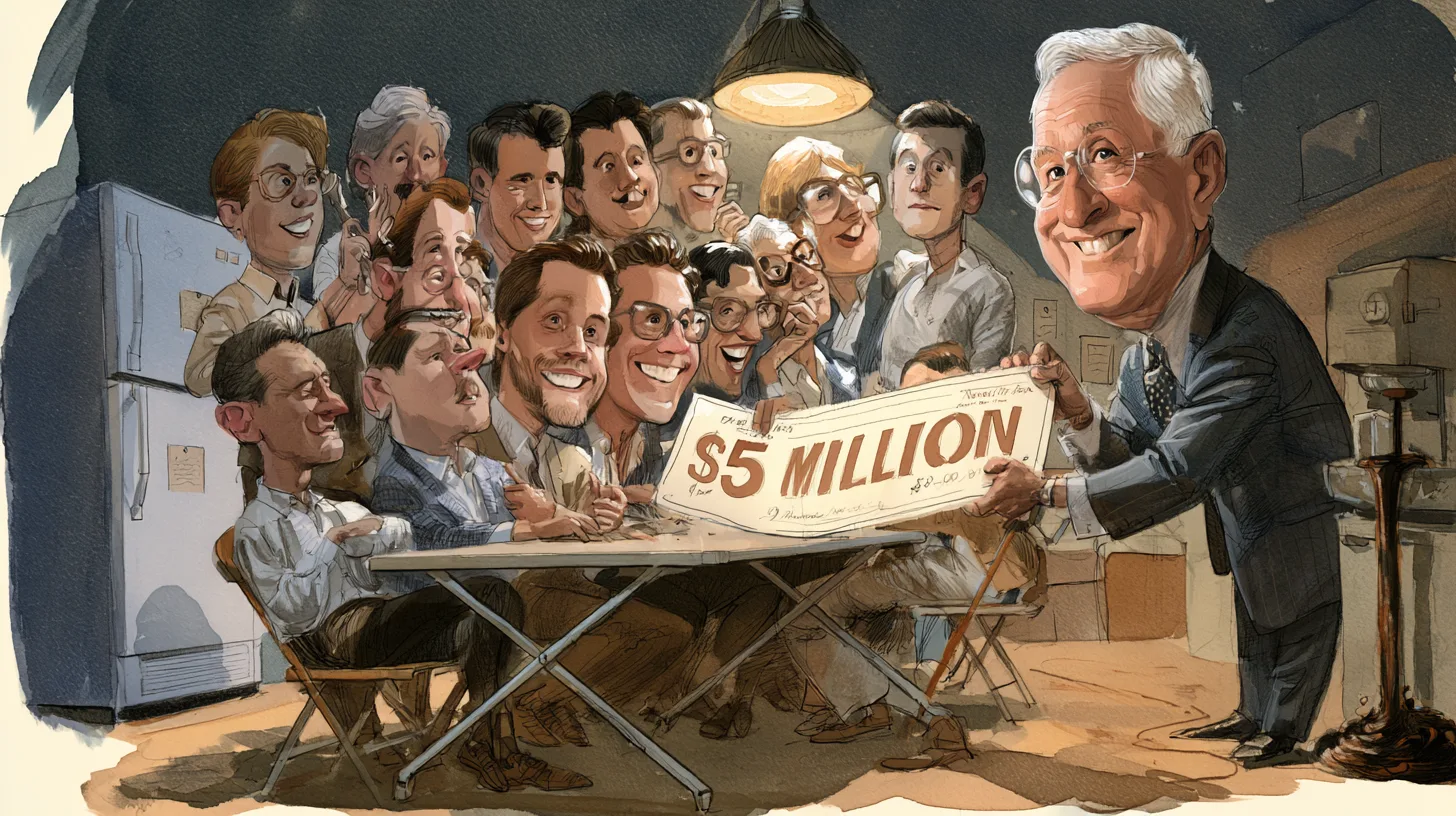
BlackRock began in 1988 as a bet inside someone else’s company. Blackstone, the private-equity firm run by Steve Schwarzman and Pete Peterson, gave Fink and seven partners a $5 million credit line in exchange for half the equity in a new bond-investment business. The venture opened as Blackstone Financial Management, sharing a single room.
The pitch was Fink’s First Boston scar turned into a product: fixed-income investing built around measuring risk before it detonates. Institutional clients — pension funds, the big insurance companies — signed on fast.
The partnership, though, had a fuse. Fink kept handing equity to new hires to attract talent, diluting Blackstone’s half toward a third, and Schwarzman objected to the giveaways. The disagreement over compensation would end the marriage.
A COMPUTER BETWEEN THE FRIDGE AND THE COFFEE MACHINE
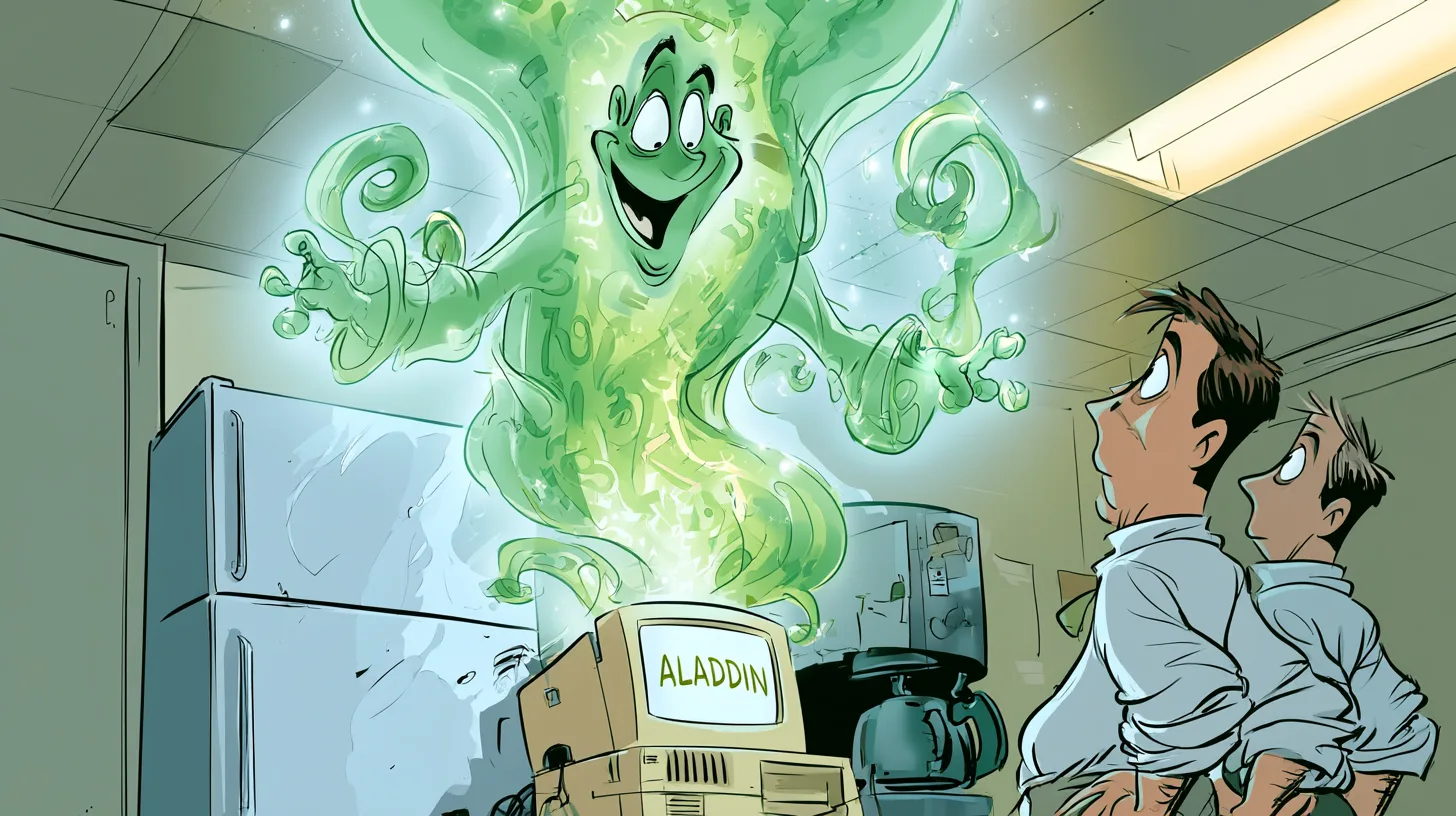
The most consequential purchase in BlackRock’s history was a single Sun Microsystems workstation, bought by early partner Charles Hallac and wedged between the refrigerator and the coffee machine in the firm’s one-room office. On it, Hallac and co-founder Ben Golub began building the risk models that became Aladdin — the Asset, Liability, Debt and Derivative Investment Network.
Aladdin got its public audition in 1994, when General Electric hired the firm to value the notoriously messy mortgage portfolio of its failed brokerage, Kidder Peabody. The system passed. In 2000 the firm began licensing Aladdin to outside institutions, turning its internal plumbing into a product; by 2020 the platform was running risk analytics on $21.6 trillion in assets for the firm and its clients combined.
The company Fink founded because a bank couldn’t see its own risk now sells sight to the rest of Wall Street.
THE NAME SCHWARZMAN LET GO
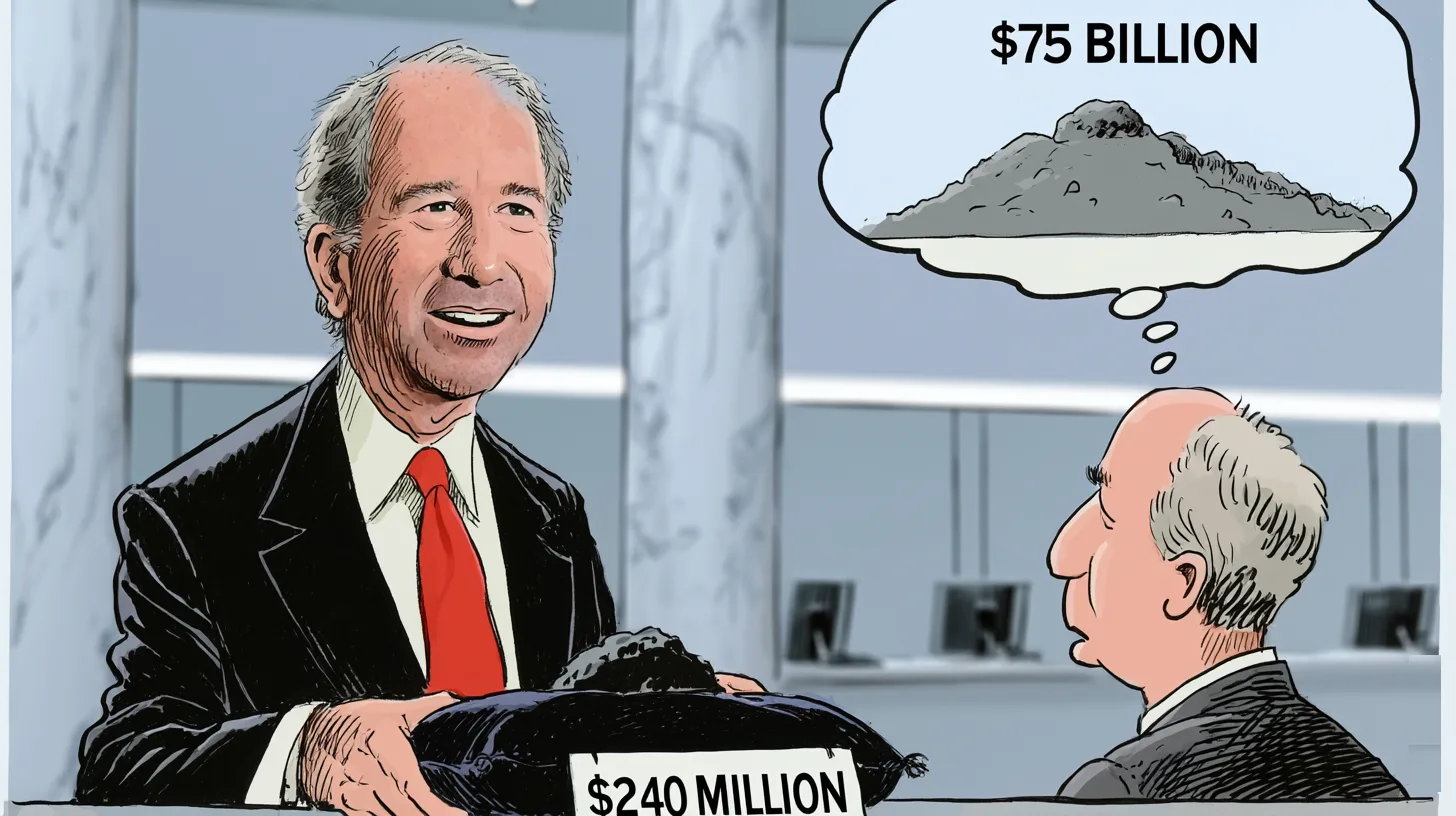
In 1994 Blackstone sold the whole unit — $23 billion in assets — to PNC Bank for $240 million, closing the sale in February 1995. As part of the divorce, Blackstone Financial Management needed a new name, and Fink chose one that kept the family resemblance: BlackRock.
Schwarzman has spent decades being asked about the decision. “Certainly a heroic mistake,” he called it in a 2013 Bloomberg Radio interview, by which point the half he had sold for $240 million would have been worth roughly $75 billion.
PNC did considerably better. The Pittsburgh bank held the stake for a quarter century and sold it in May 2020 for $14.4 billion — one of the great passive investments in banking history, made by the only bank that ever owned the firm outright.
THE DEALS THAT BUILT A $15 TRILLION GIANT
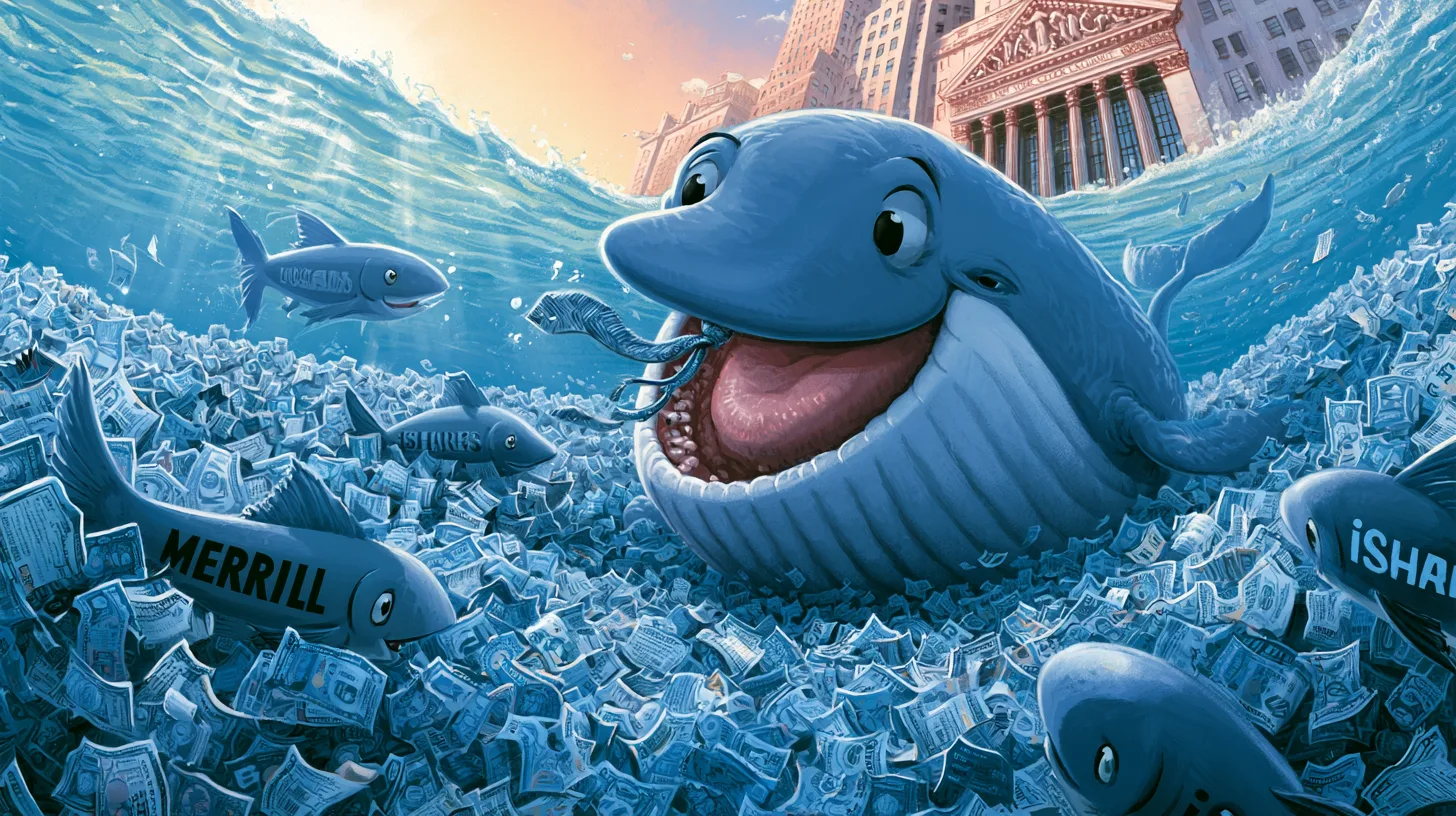
BlackRock became the world’s largest asset manager the straightforward way: it bought its rivals at their weakest moments. The firm went public in 1999 and then spent a decade swallowing businesses bigger than itself.
| Milestone | Year | What it added |
|---|---|---|
| NYSE IPO at $14 a share | 1999 | Independence, currency for deals |
| Merrill Lynch Investment Managers | 2006 | Retail funds, global reach |
| Barclays Global Investors | 2009 | iShares ETFs, world’s-largest title |
| $10 trillion under management | 2021 | First firm ever to reach it |
| GIP, HPS, and Preqin deals | 2024–25 | A $28 billion private-markets push |
| $15.3 trillion under management | 2026 | Its own record, again |
The 2006 Merrill deal — $9.7 billion for Merrill Lynch Investment Managers — doubled the firm’s size two years before Merrill itself collapsed into a shotgun sale to Bank of America. The defining purchase came in 2009: Barclays, desperate for capital after the crash, sold its Barclays Global Investors unit for $13.5 billion. The deal brought iShares, the ETF business that turned index investing into a mass-market product, and pushed the firm past every competitor on earth. It crossed $10 trillion at the end of 2021 — and, after a $28 billion push into private credit and infrastructure, reported $15.3 trillion in mid-2026.
WALL STREET’S CRISIS CONTRACTOR
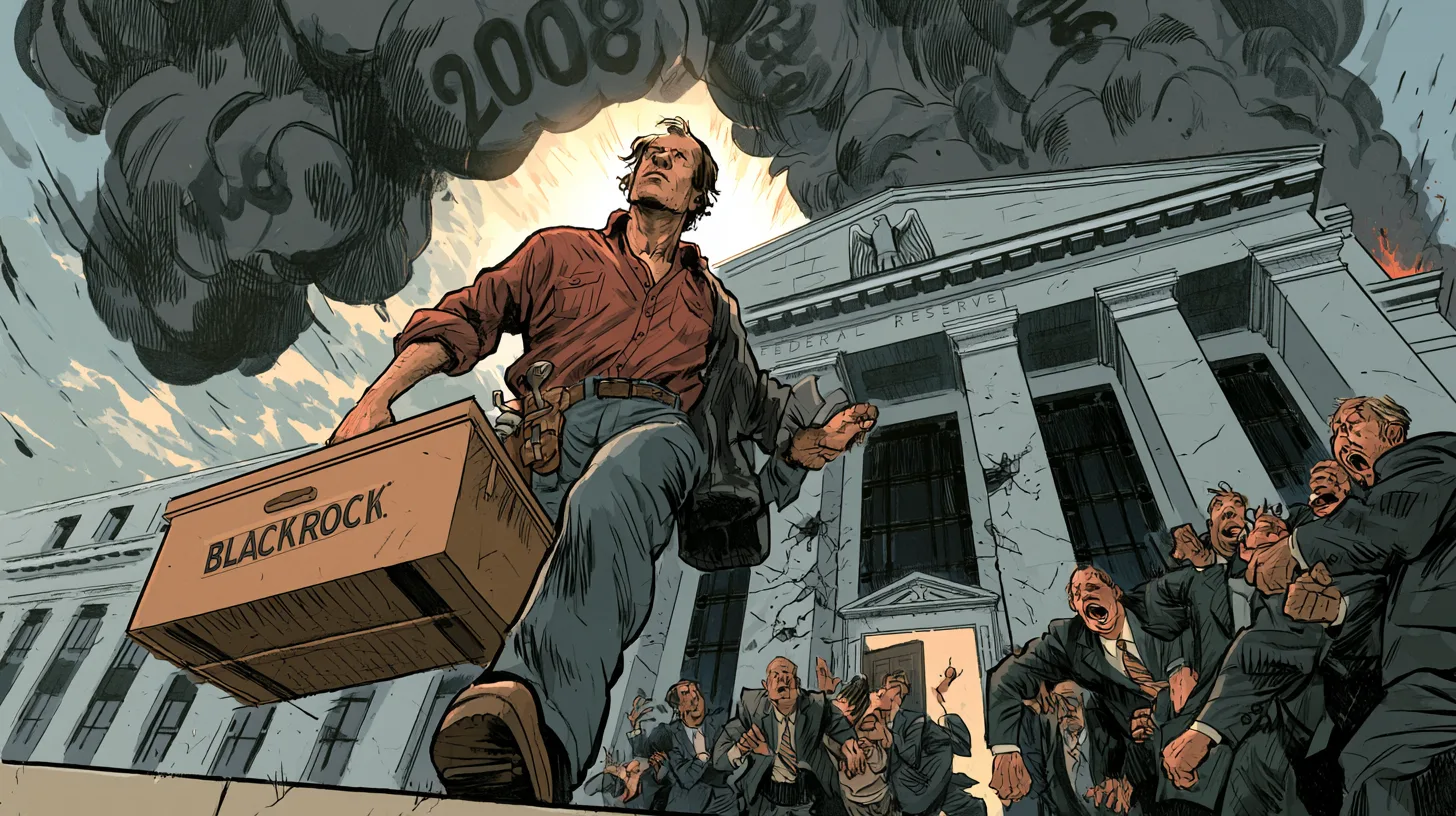
When the financial system breaks, the government hires BlackRock. During the 2008 crash, the Federal Reserve Bank of New York retained the firm to manage the Maiden Lane portfolios — the toxic mortgage assets left over from the Bear Stearns rescue that handed the broker to JPMorgan Chase and from the AIG bailout. The Fed’s loans behind those portfolios were repaid, with interest, by 2012.
In March 2020, with markets in free fall, the Federal Reserve called again, hiring the firm to execute its emergency corporate-bond-buying programs. No other private company has sat that close to the machinery of American crisis response twice — a position that has made Fink indispensable to Washington and, to his critics, far too close to it.
THE LETTERS THAT MADE HIM A TARGET
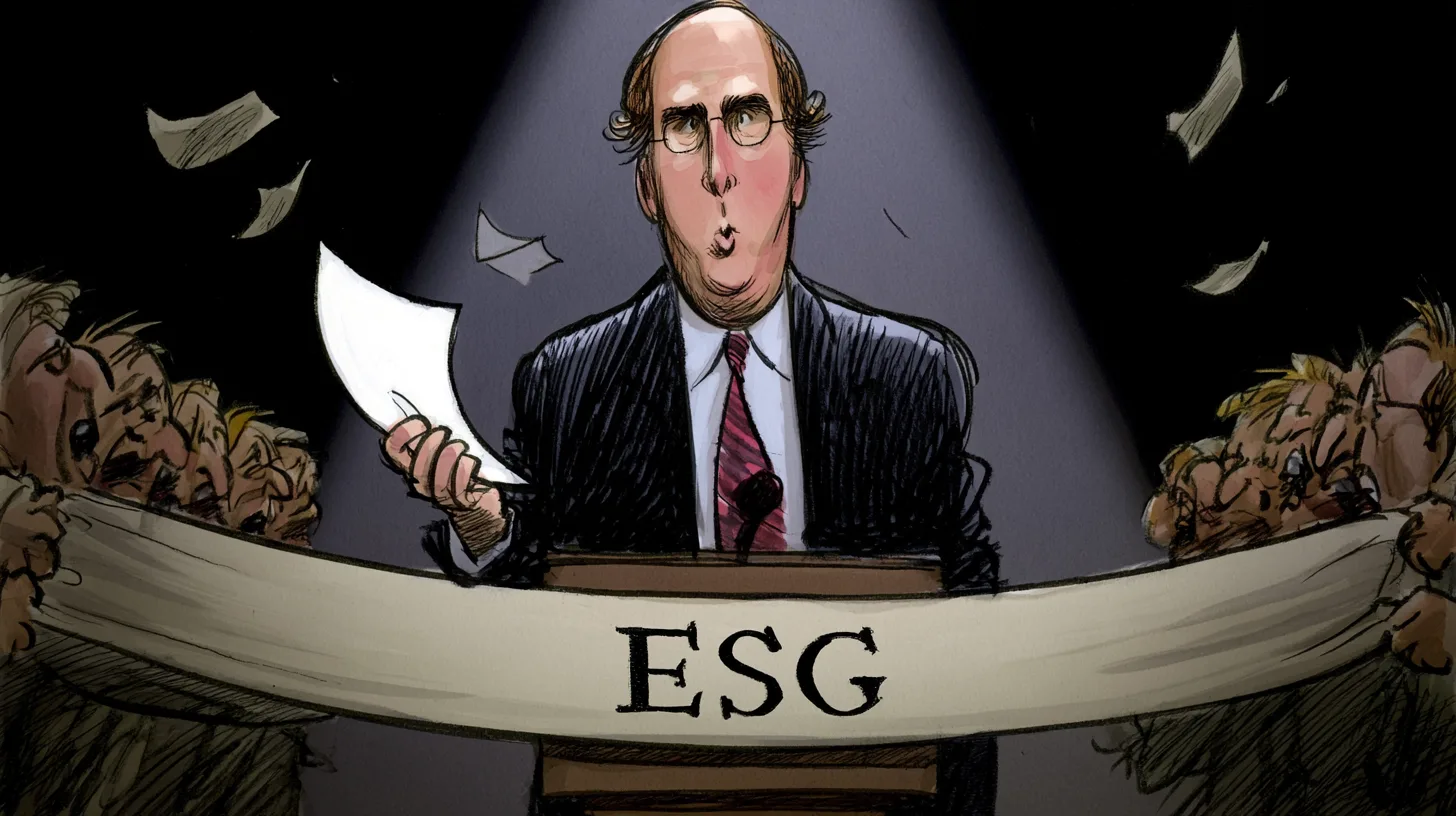
Beginning in 2012, Fink published an annual letter to the CEOs of the companies BlackRock invests in — which, through its index funds, is effectively all of them. The 2018 letter told executives that companies must serve a social purpose beyond profits. The 2020 letter put climate risk at the center of the firm’s investment approach and announced it would drop thermal-coal producers from its active funds.
The backlash arrived from both directions. In August 2022, Texas put the firm on its list of financial firms that “boycott” the energy industry — the only U.S. company among the first ten named — while climate groups attacked the firm for still holding billions in fossil fuels. By June 2023, at the Aspen Ideas Festival, Fink had stopped using the term ESG altogether: “I’m not blaming one side or the other, but it has been totally weaponized.”
The retreat became official policy. The firm walked out of the industry’s net-zero alliance, and in June 2025 Texas took the firm off its blacklist. The letters that once set the agenda for corporate America now read like dispatches from a war Fink decided to stop fighting.
THE SUCCESSION QUESTION
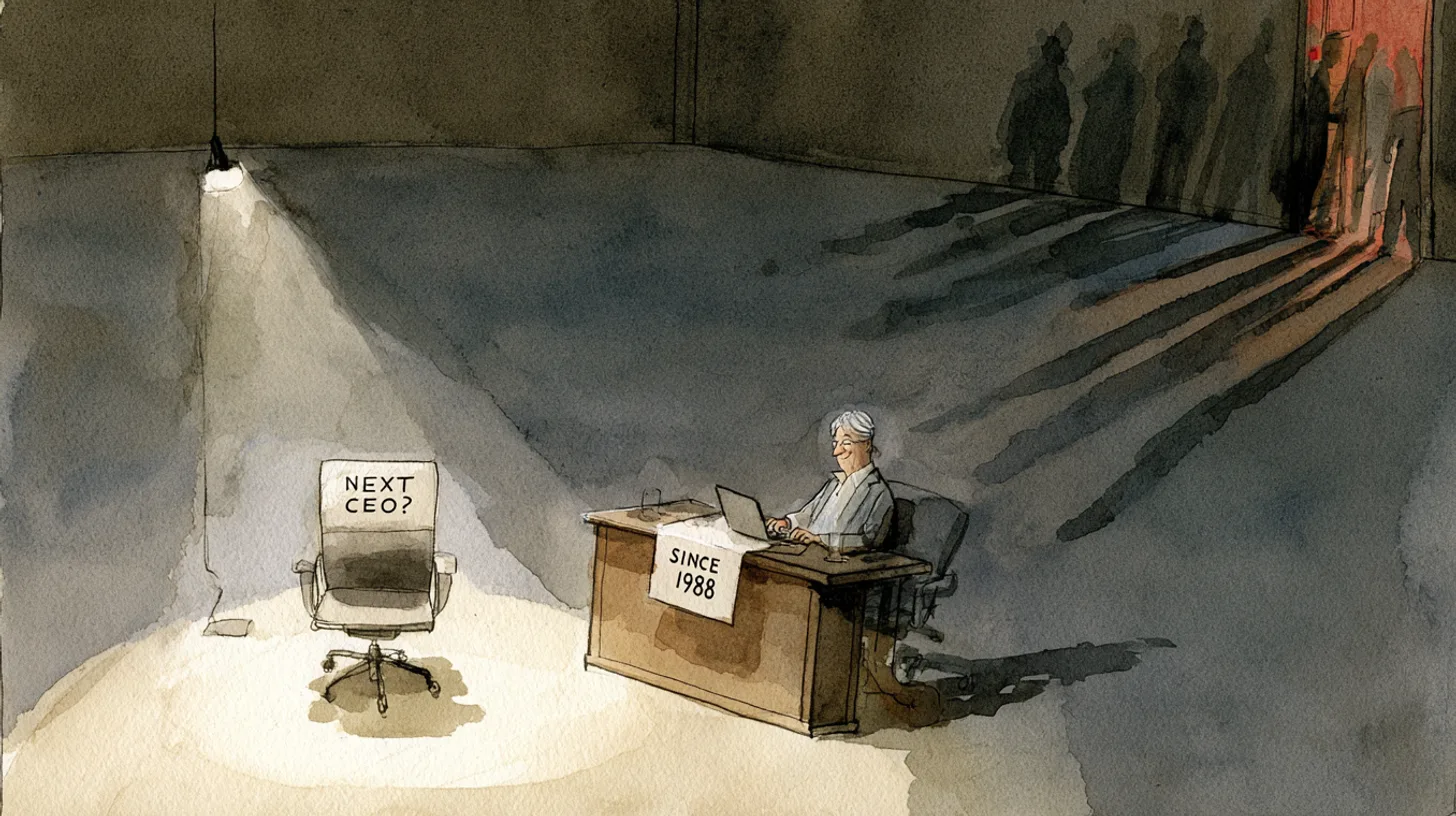
Larry Fink turns 74 in November 2026, and BlackRock has never named a successor — it has never had to, because no one else has ever held the job. Even Warren Buffett, fifteen years older, named Greg Abel and handed Berkshire over. Fink has announced no timeline at all.
The bench keeps thinning instead. Mark Wiedman, the executive Wall Street coverage treated for years as the likeliest heir, left in January 2025 after two decades at the firm. Shareholders have pushed back on the concentration of power too: an activist proposal to split Fink’s combined chairman-and-CEO roles failed at the 2024 annual meeting, with the board arguing the arrangement works.
Perhaps it does. But the history has a way of rhyming: Wiedman resurfaced three months later as president of PNC — the bank that bought BlackRock for $240 million in 1995 and sold it for billions. The man expected to inherit the empire went to work for the company that once owned it.
BLACKROCK CEO FAQ
Who founded BlackRock?
Larry Fink founded BlackRock in 1988 with seven partners: Robert Kapito, Susan Wagner, Barbara Novick, Ben Golub, Keith Anderson, Hugh Frater, and Ralph Schlosstein. The firm began inside Blackstone on a $5 million credit line, was sold to PNC Bank in 1995, and went public on the NYSE in 1999.
How rich is the CEO of BlackRock?
Forbes estimates Larry Fink’s net worth at roughly $1.3 billion as of 2026. Unlike most founders of comparably sized companies, he owns well under 1% of BlackRock — his fortune comes from decades of salary, bonuses, and stock awards rather than a controlling stake in the firm.
What is the BlackRock CEO’s salary?
Larry Fink’s base salary is $1.5 million, but his total compensation for 2025 was $37.7 million, according to BlackRock’s 2026 proxy statement — most of it paid in cash bonuses and stock awards tied to the firm’s performance. That was up from $30.8 million the year before.
Does Larry Fink still run BlackRock?
Yes. Larry Fink remains BlackRock’s chairman and CEO as of July 2026, a role he has held since founding the firm in 1988. He is 73, has announced no retirement date, and the company has never publicly named a successor.