4 min read
LIST OF DISCONTINUED NABISCO COOKIES
- Cameo Cookies (1910-2012)
- Ideal Cookies (1915-Early 2000s)
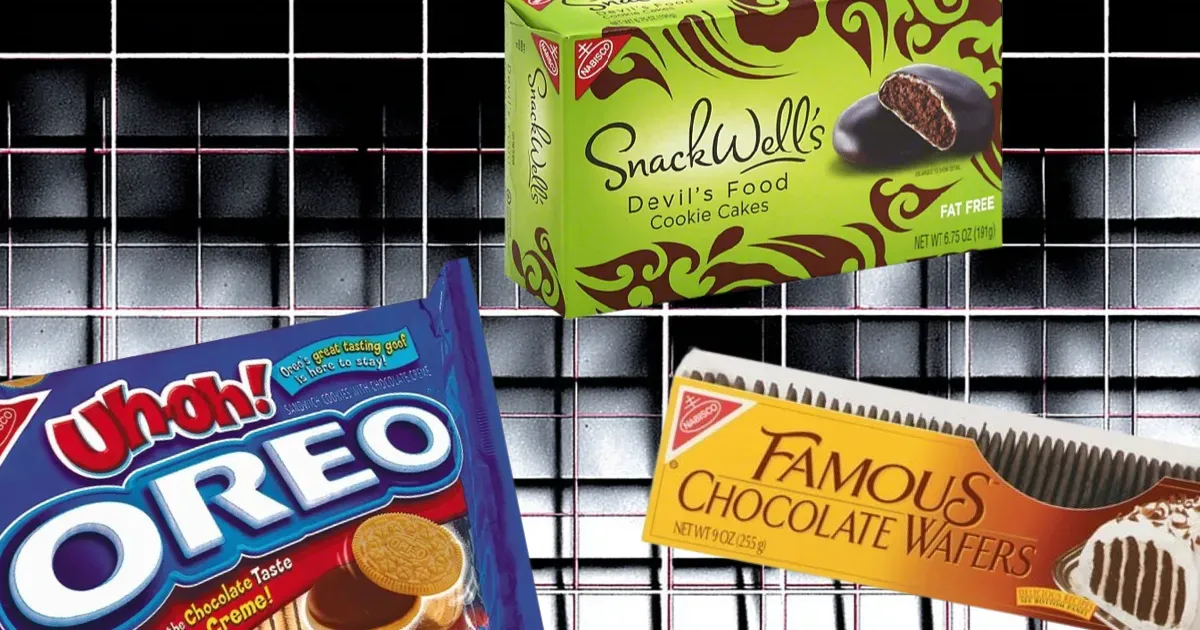
- Famous Chocolate Wafers (1924-2023)
- Devil’s Food Cookie Cakes (1980s-1992)
- Big Stuf Oreos (1984-1991)
- Giggles Cookies (1985-1990)
- Almost Home Cookies (1988-2000)
- Suddenly S’mores (1997-Early 2000s)
- Uh-Oh Oreos (2003-Mid 2000s)
- Oreo Cakesters (2007-2012)
- Chips Ahoy! Candy Blast (2018-2020)
CAMEO COOKIES
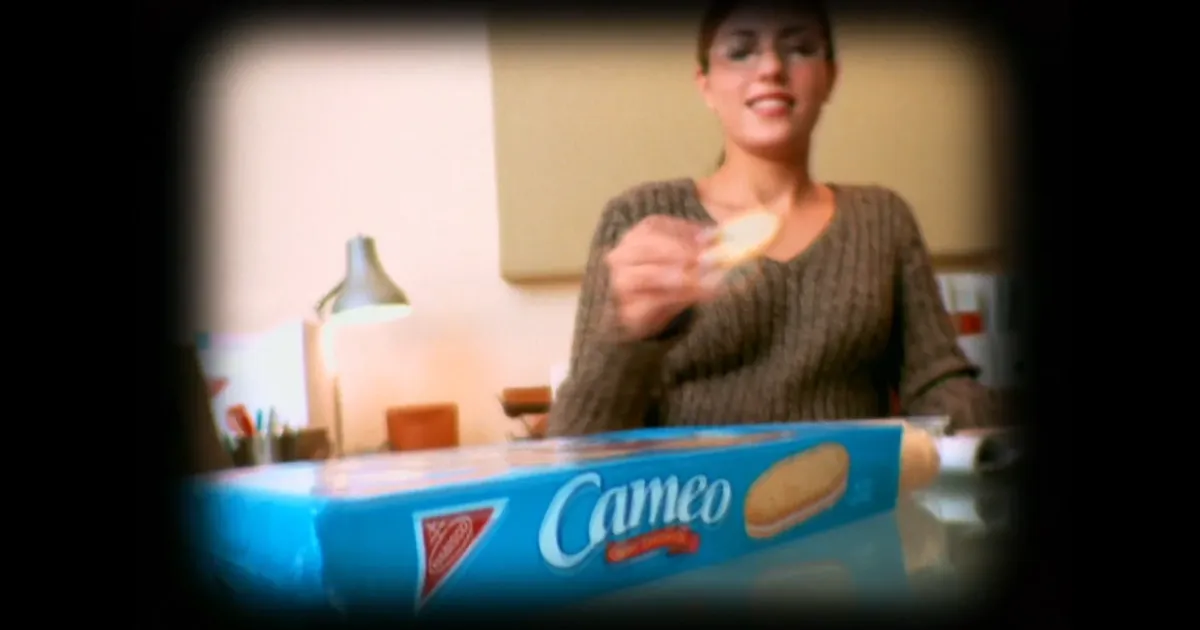
Discontinued: 2012
Nabisco launched these coconut cream sandwich cookies as an early specialty offering.
They positioned the cookie for a more sophisticated palate that wanted more than bland vanilla wafers.
The cookies maintained steady regional popularity for over a century, particularly in the Northeast and Puerto Rico.
Corporate restructuring and declining mainland sales led to their 2012 discontinuation, but production continues for the Puerto Rican market.
IDEAL COOKIES
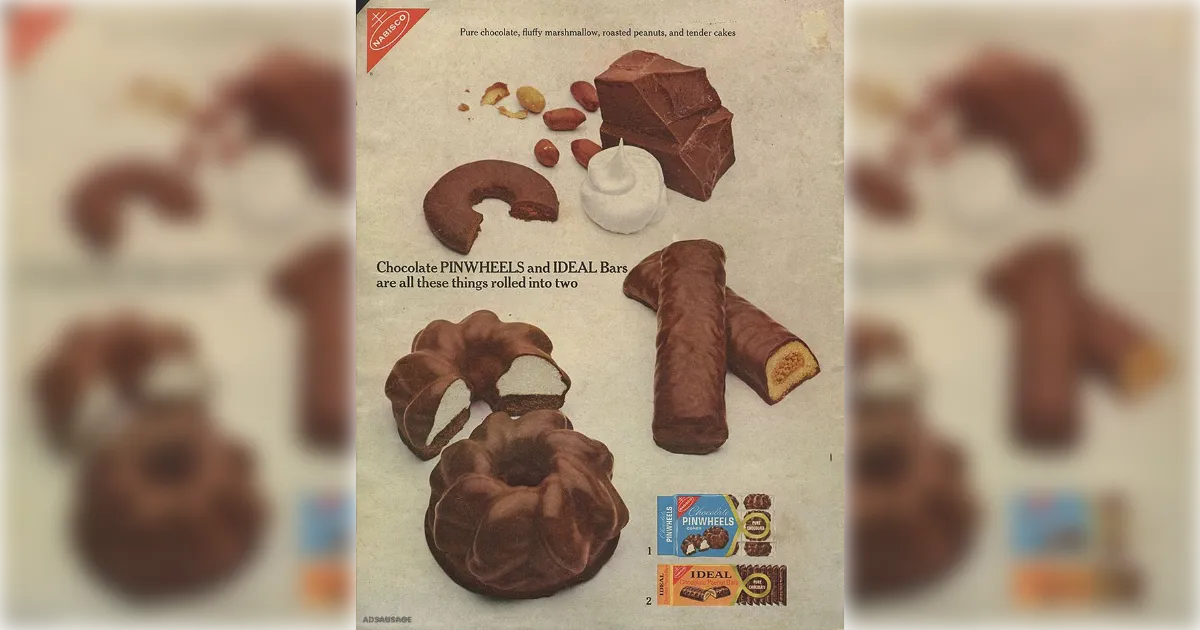
Discontinued: Early 2000s
Originally called “Ideal Peanut Sandwich,” these were the first commercial peanut butter cookies in America.
The chocolate-vanilla striped filling set them apart from competitors.
Rising production costs and shelf space competition from newer products ended their 90-year run.
FAMOUS CHOCOLATE WAFERS
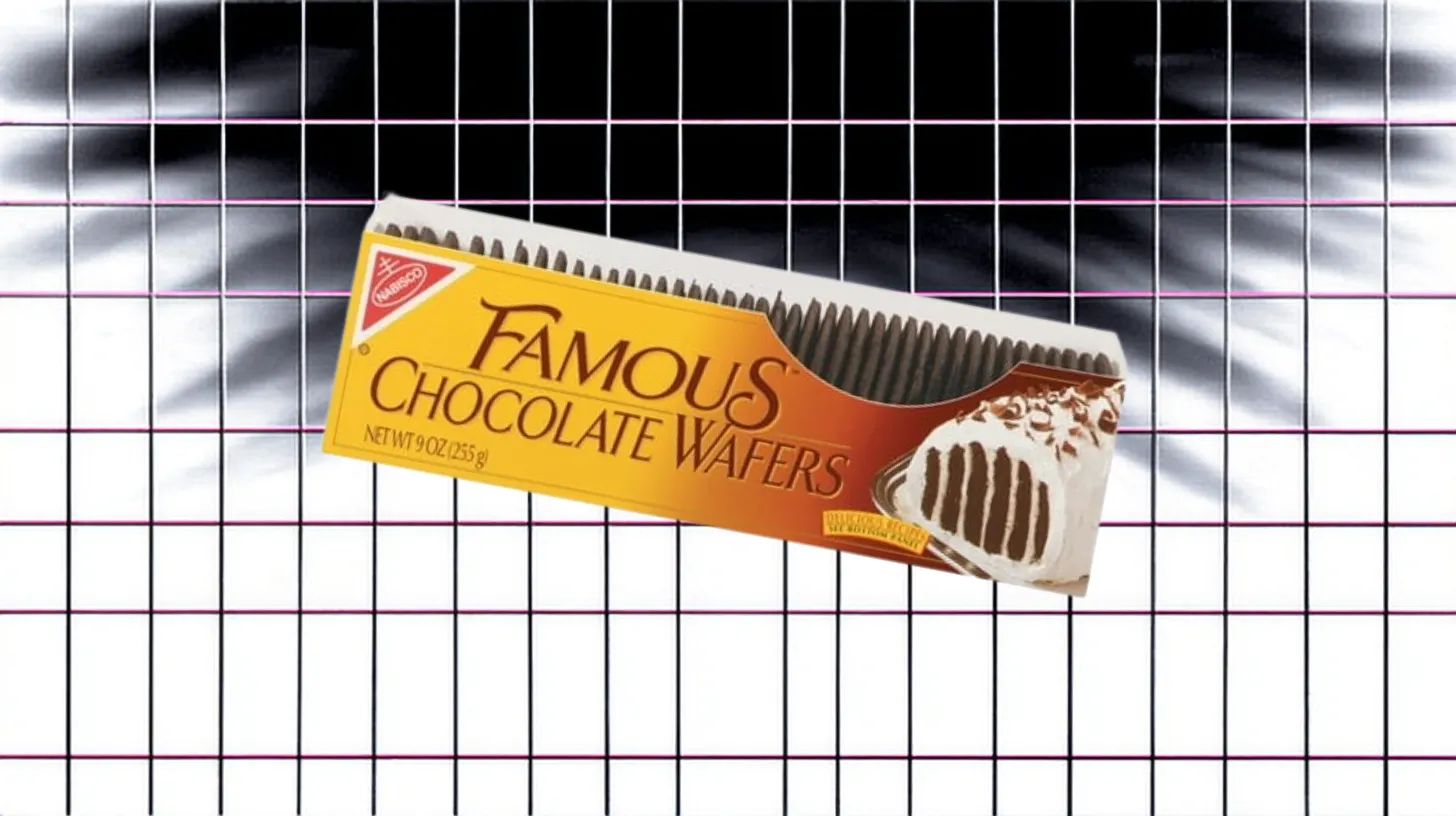
Discontinued: 2023
These thin, dark chocolate discs became inspired American icebox cakes for nearly a century.
Known for their unique texture—crisp when fresh, cake-like when layered with cream—made them irreplaceable in home baking.
The 2023 discontinuation sparked backlash, with Southern Living developing a clone recipe within months. It was one of the more recent entries in a long list of cookies pulled from American shelves.
DEVIL’S FOOD COOKIE CAKES
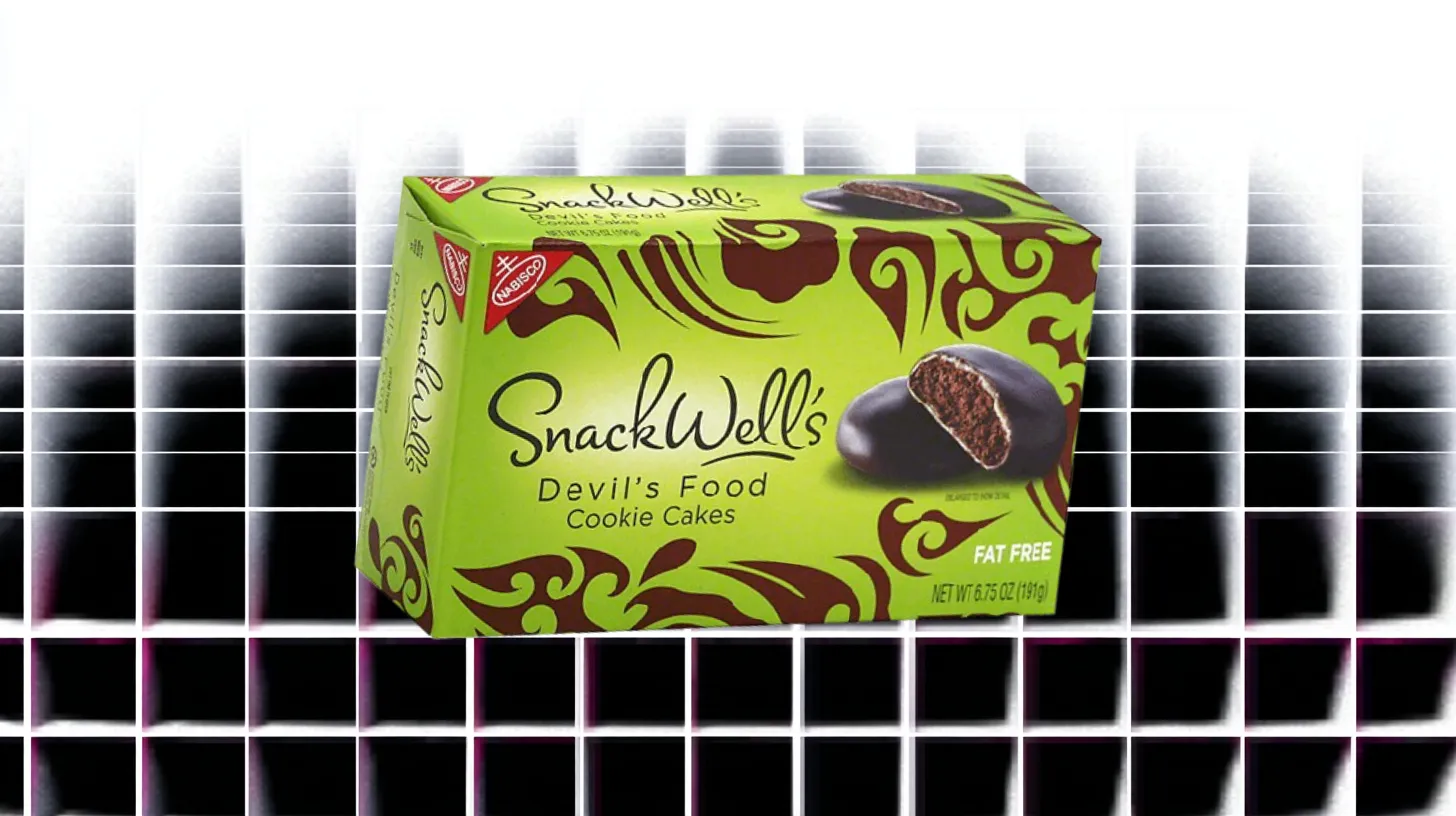
Discontinued: 1992
These rectangular chocolate cakes with marshmallow centers predated the popularity of soft cookies.
The product’s spongy texture made them stand out from traditional cookies, creating a hybrid snack category.
Nabisco’s 1992 rebrand under SnackWell’s altered the recipe and shape—killing the original.
BIG STUF OREOS
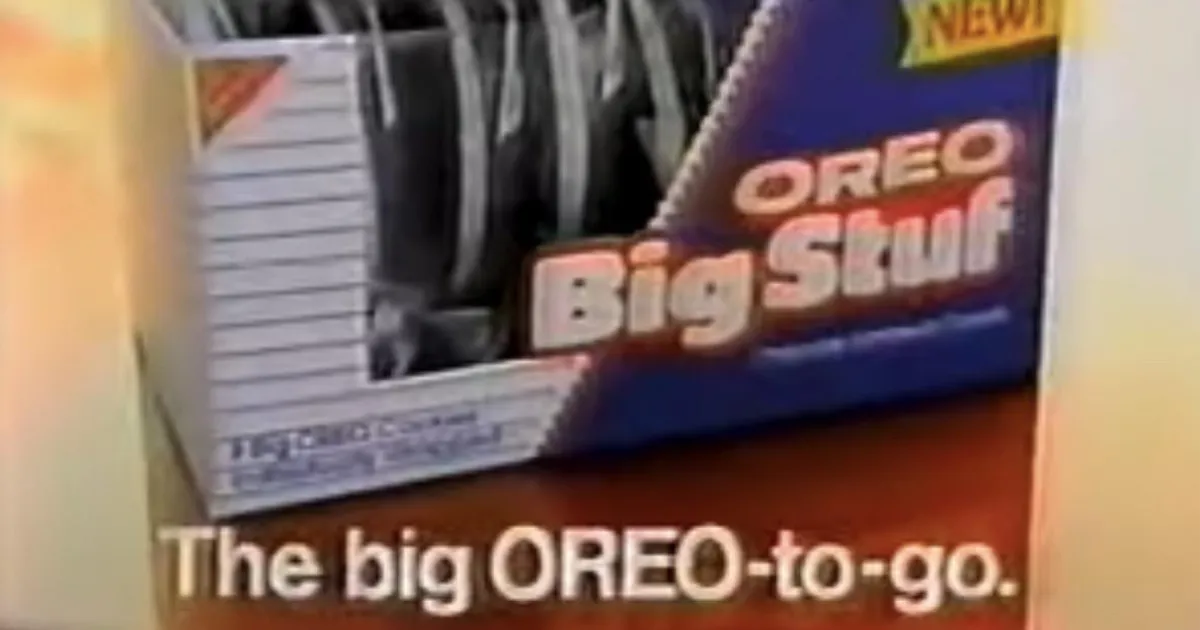
Discontinued: 1991
This three-inch diameter cookie represented Nabisco’s experiment in super-sizing.
Each cookie packed 250 calories and sold individually wrapped.
Despite novelty appeal, practical issues—too large for milk glasses, awkward portion size—limited repeat purchases. It wouldn’t be the last Oreo variant to get axed, either.
GIGGLES COOKIES
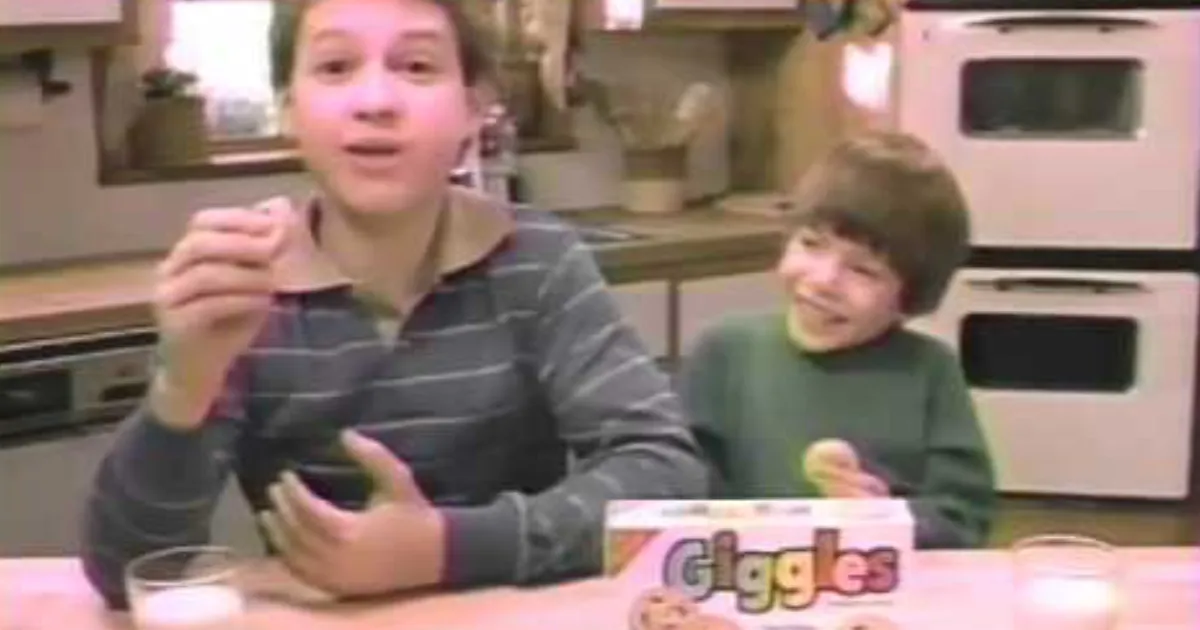
Discontinued: 1990
These sandwich cookies featured smiley faces stamped on vanilla wafers with dual-flavor cream centers.
TV ads targeted children with funny plot lines.
They lasted five years before they laughed no more.
ALMOST HOME COOKIES
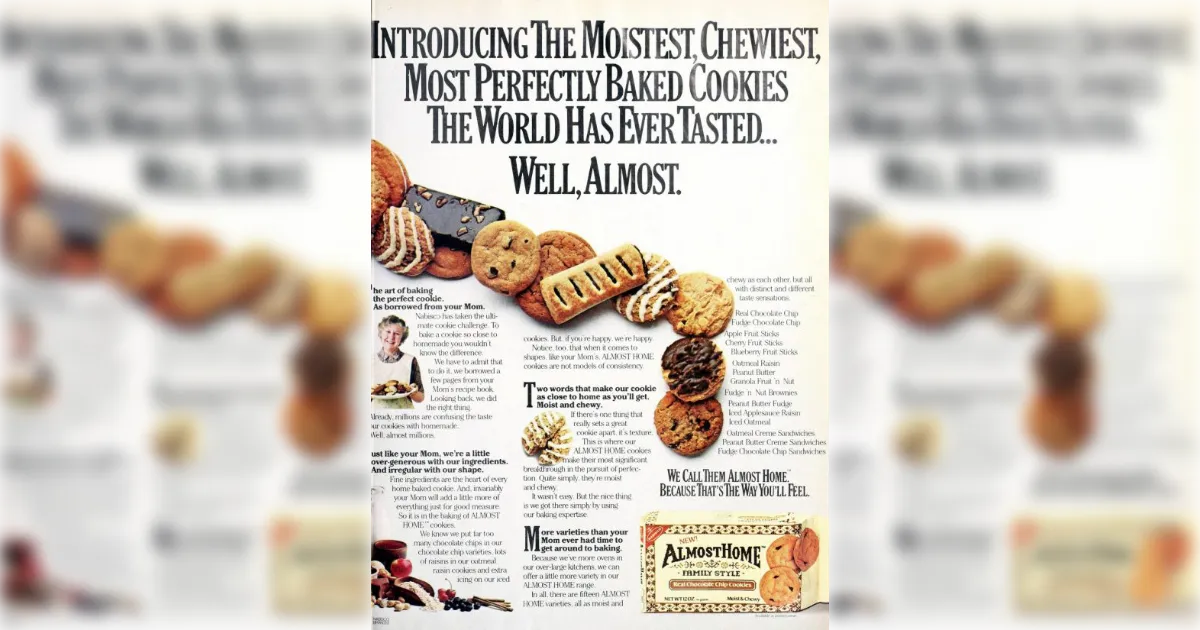
Discontinued: 2000
Nabisco’s answer to homemade-style competitors offered chocolate chip, oatmeal, and peanut butter varieties.
Cross-stitch packaging design reinforced the home-baked positioning.
The brand lost ground to Pepperidge Farm’s similar products and emerging health-conscious alternatives.
SUDDENLY S’MORES
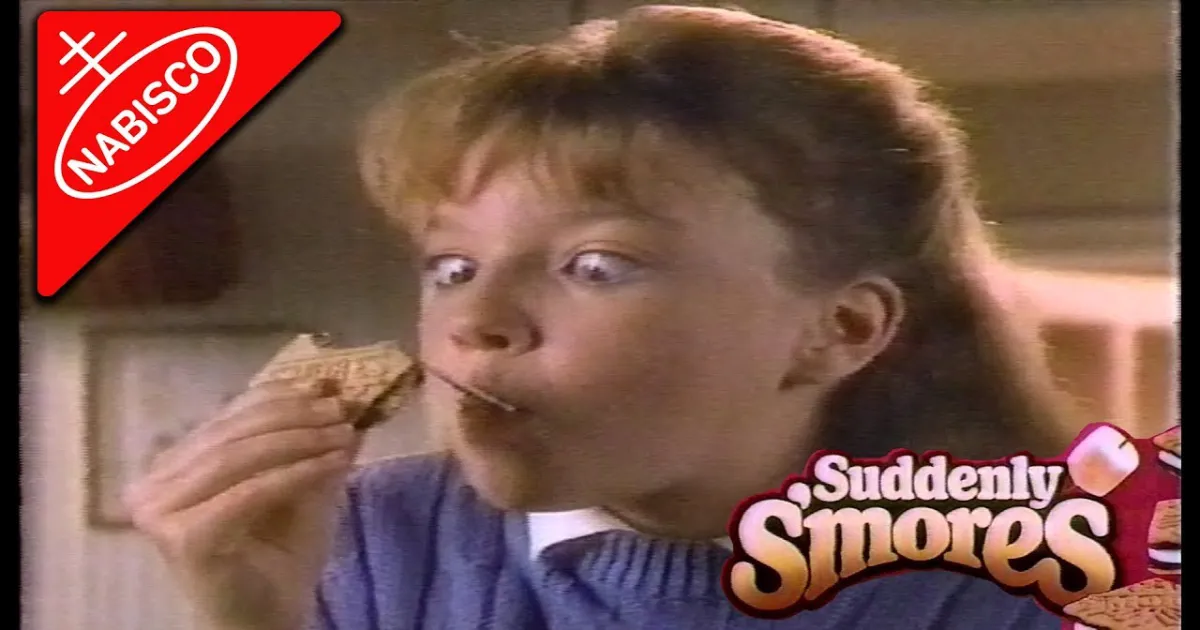
Discontinued: Early 2000s
These individually wrapped graham-marshmallow-chocolate cookie sandwiches aimed to capture a campfire treat in a cookie.
Nabisco instructed folks to microwave the cookie in an attempt to recreate the melted s’mores experience.
Seasonal sales patterns—strong summers, weak winters—undermined it.
UH-OH OREOS
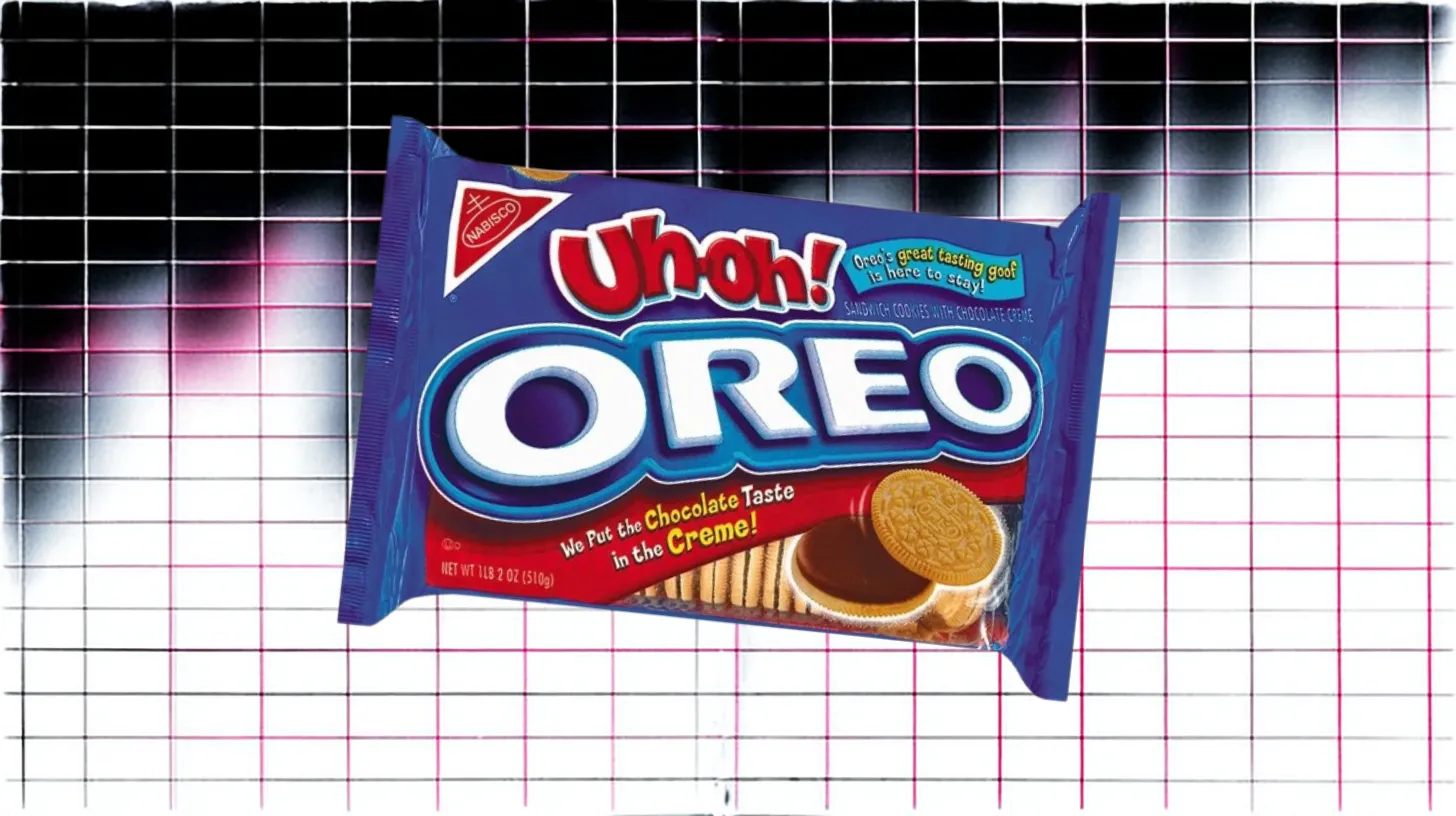
Discontinued: Mid 2000s
This “reverse” Oreo swapped traditional colors: vanilla cookies, chocolate filling.
Marketing played up the “mistake” angle with quirky commercials.
Limited consumer interest proved the original Oreo formula wasn’t broken.
OREO CAKESTERS
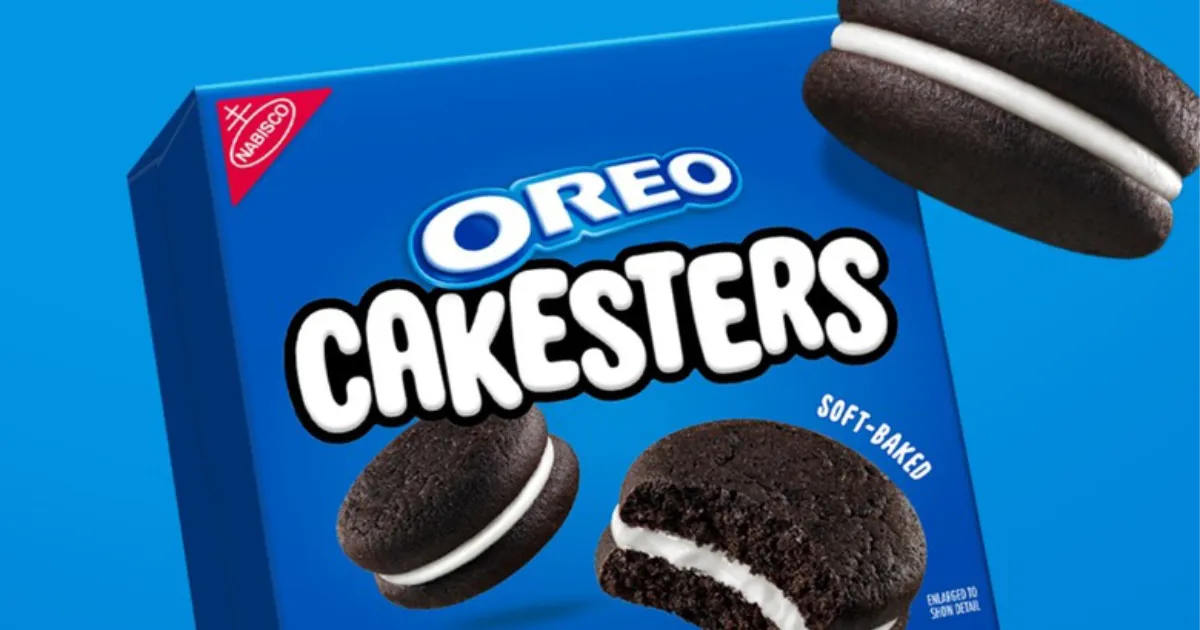
Discontinued: 2012
Soft-baked cake rounds with cream filling bridged cookies and the snack cakes Hostess built its name on.
Initial success rode the whoopie pie trend.
The 2012 discontinuation ended abruptly, but viral TikTok campaigns drove a successful 2022 relaunch.
CHIPS AHOY! CANDY BLAST
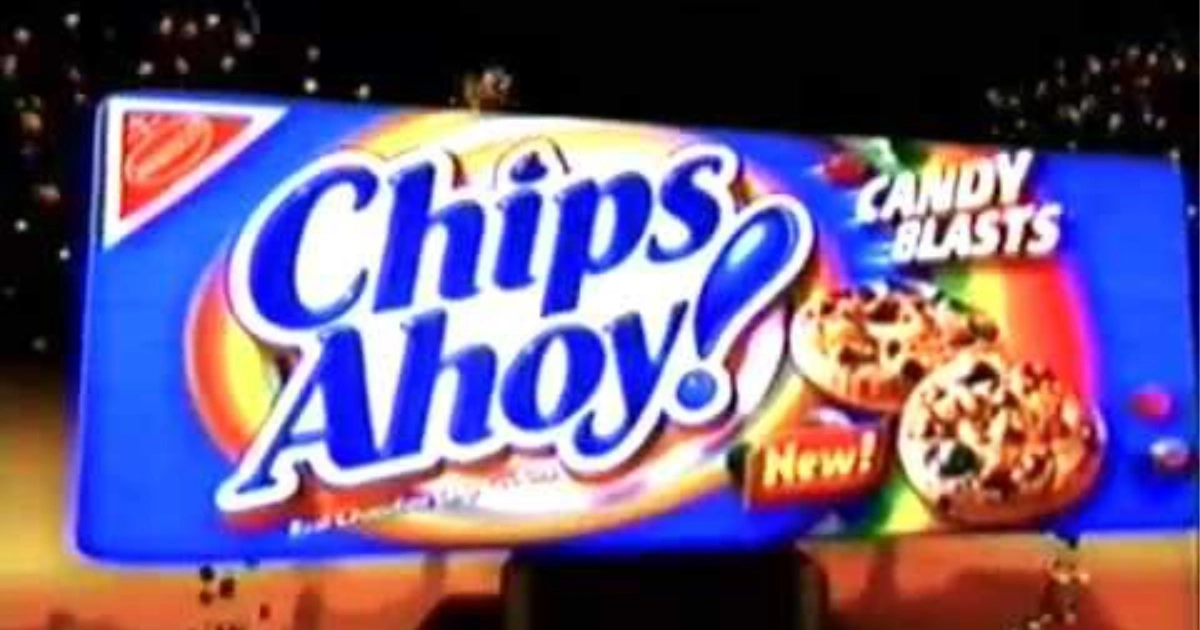
Discontinued: 2020
Chips Ahoy! Candy Blast was a 2020 cookie variant that mixed chocolate chips with candy-coated fudge pieces, targeting younger consumers during Nabisco’s brief experimental phase with candy-focused products.
But these Chips Ahoy! cookies didn’t last long and were discontinued a couple of years later.