4 min read
LIST OF DISCONTINUED ROCKSTAR ENERGY DRINKS
- Rockstar Alcoholic Version (US) (mid-2000s-2007)
- Rockstar/Cola Mix (2010-2013)
- Rockstar Revolt Series (US/Europe) (2015-2020)
- Rockstar Baja Series (US) (2016-2017)
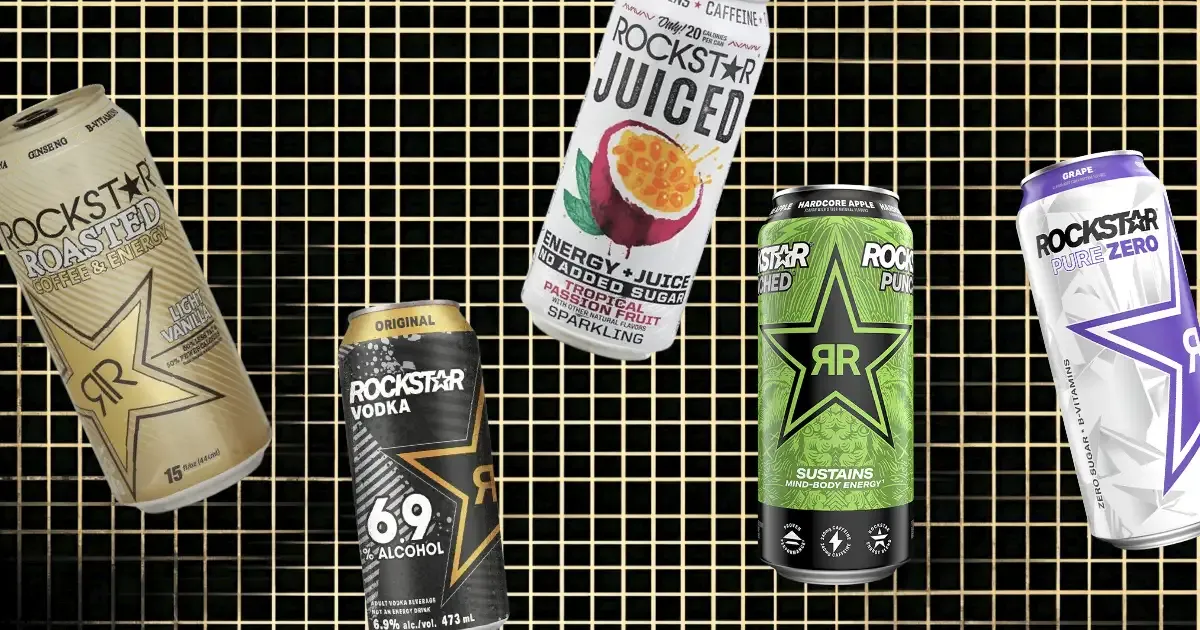
- Rockstar JUICED Tropical Passionfruit (unknown-2020s)
- Rockstar Pure Zero Grape (2015-≈2020)
- Rockstar Original (Original Formula) (2001-2021)
- Rockstar Hardcore Apple (2010s-≈2020s)
- Rockstar Roasted Coffee Series (2015-≈2020s)
- Rockstar Protein Series (2014- ≈2020s)
- Rockstar Hemp Seed Series (2018-≈2020)
ROCKSTAR ALCOHOLIC VERSION (US)
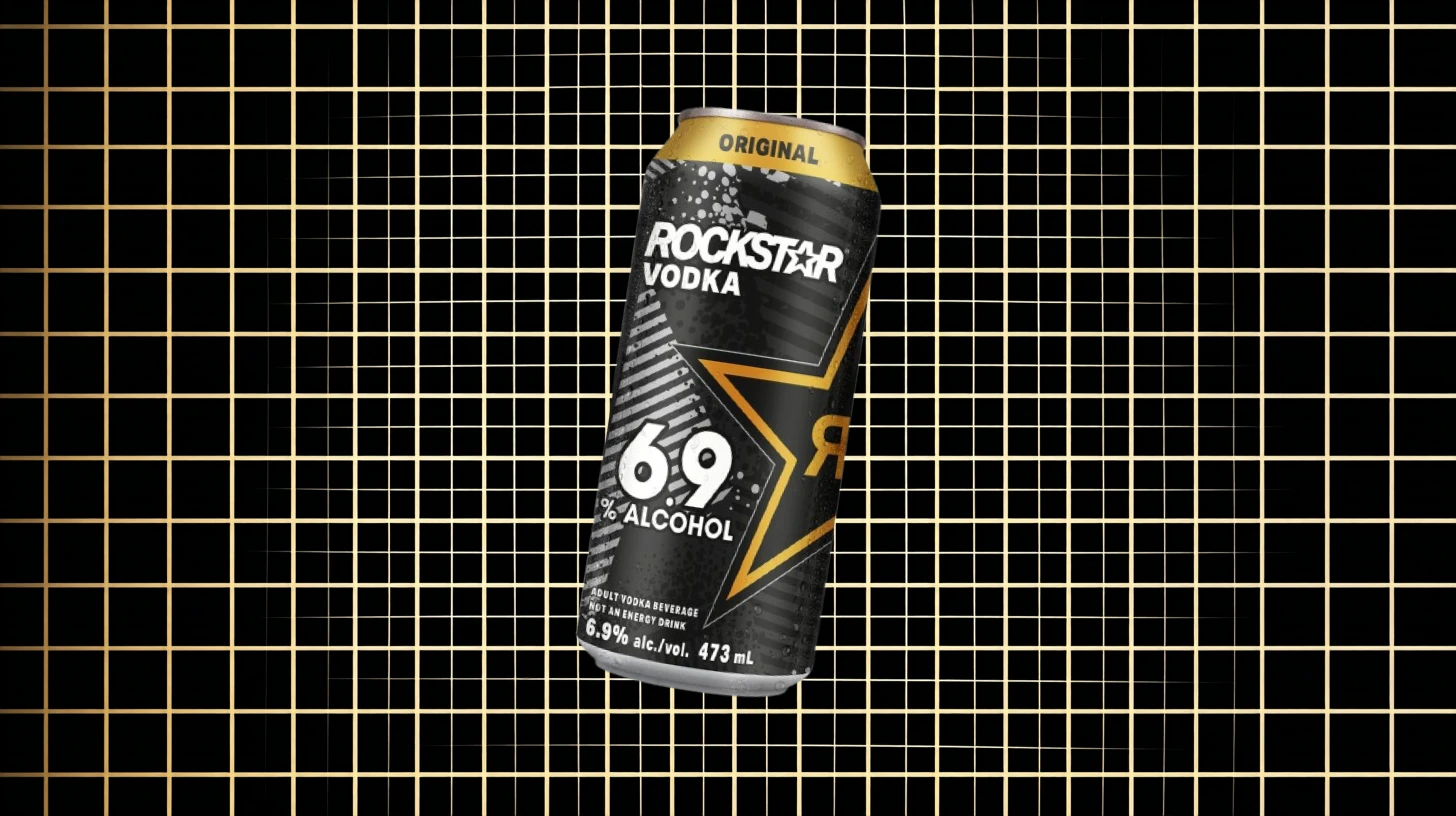
Discontinued: 2007
This was Rockstar’s first line of alcoholic energy drinks. They featured near-identical packaging to regular energy drinks, creating dangerous mix-ups among young consumers. Facing mounting criticism as a potential enabler of teenage intoxication, Rockstar discontinued its boozy offerings in 2007.
ROCKSTAR/COLA MIX
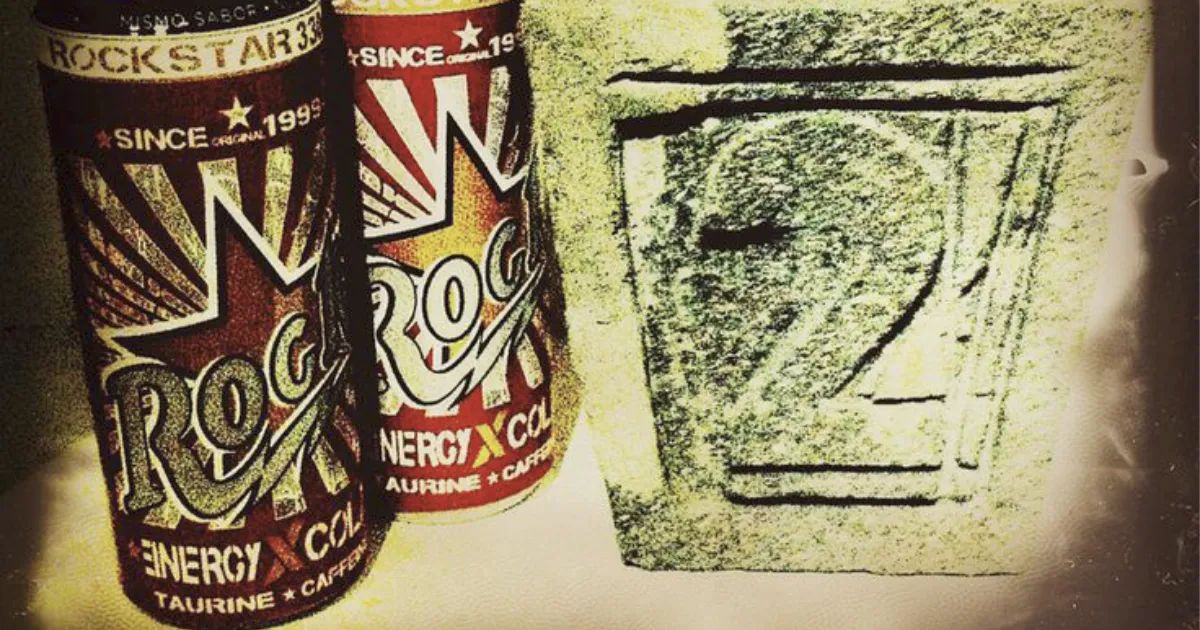
Discontinued: 2013
As a hybrid flavor, this Rockstar was a cola with an energy drink kick. The product disappeared from shelves by 2013, just two years after Red Bull Simply Cola exited the US market. Upset fans later recreated the flavor by mixing regular Rockstar with Coca-Cola.
ROCKSTAR REVOLT SERIES (US/EUROPE)
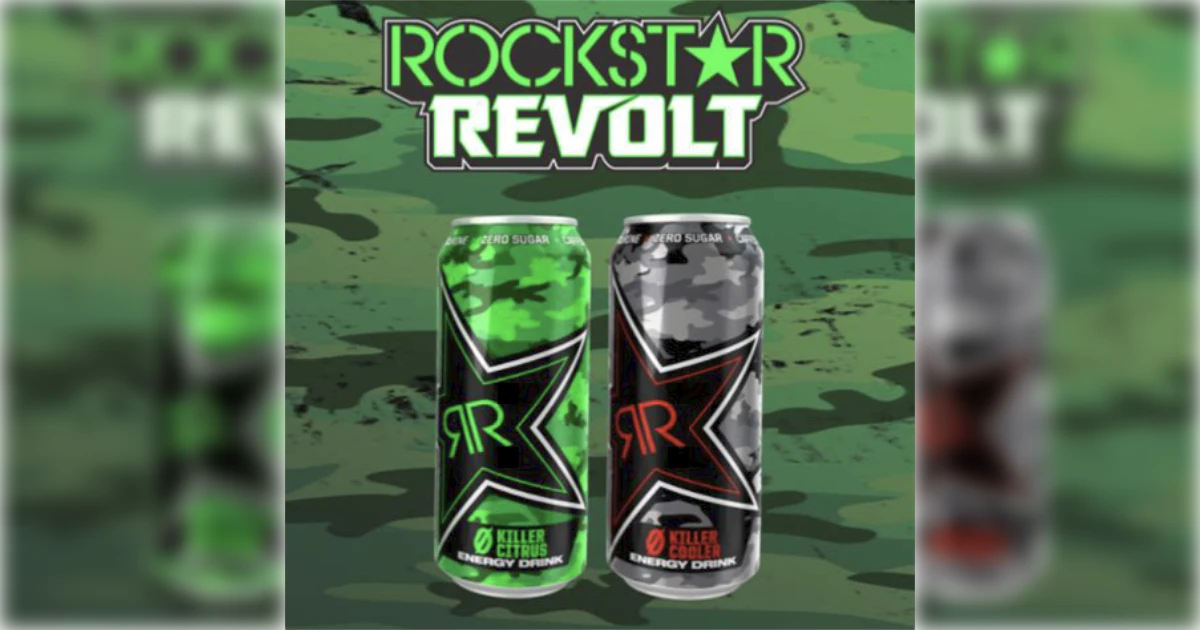
Discontinued: 2020
The Revolt series contained extra high caffeine (240mg caffeine content). It was first launched in the US and later expanded to Canada and Europe. This Rockstar series was created in response to the M-100 from its arch-rival Monster Energy. After the discontinuation of the energy drink M-100, the Revolt series continued to appear on shelves. The energy drink was later discontinued in the US and Europe, but new flavors are still being released in Canada. Some cans featured military camouflage-style designs.
ROCKSTAR BAJA SERIES (US)
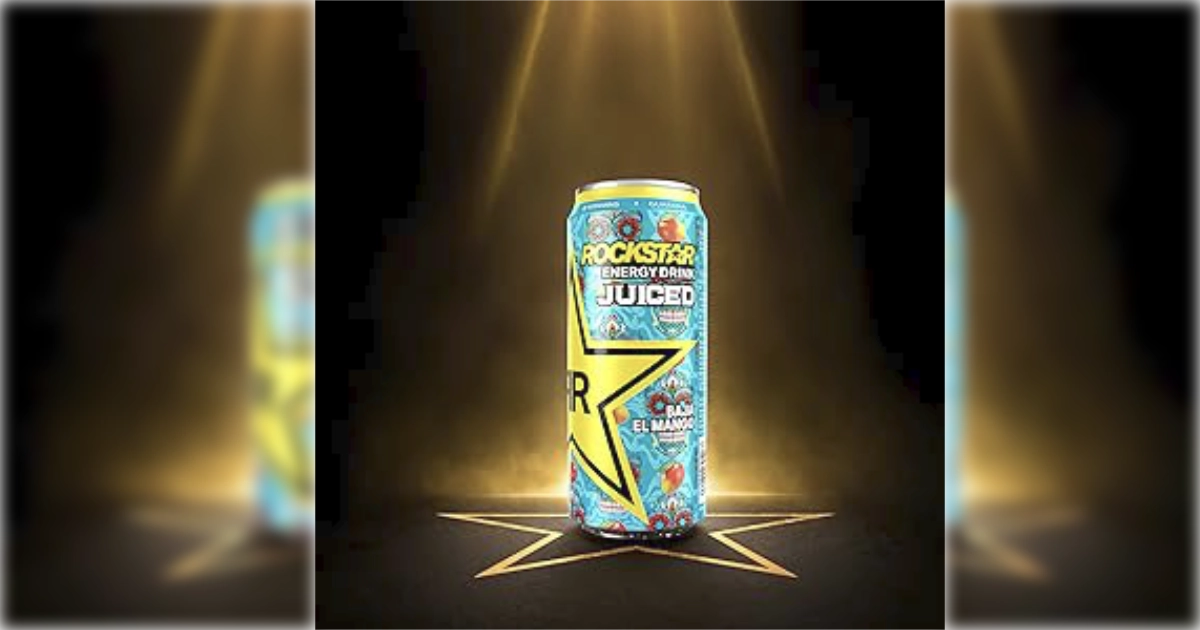
Discontinued: 2017
The Rockstar Baja was released in the US but discontinued within a year. But, in Europe, it continues with exclusive flavors unavailable in American markets. The series captures tropical market flavors.
ROCKSTAR JUICED TROPICAL PASSIONFRUIT
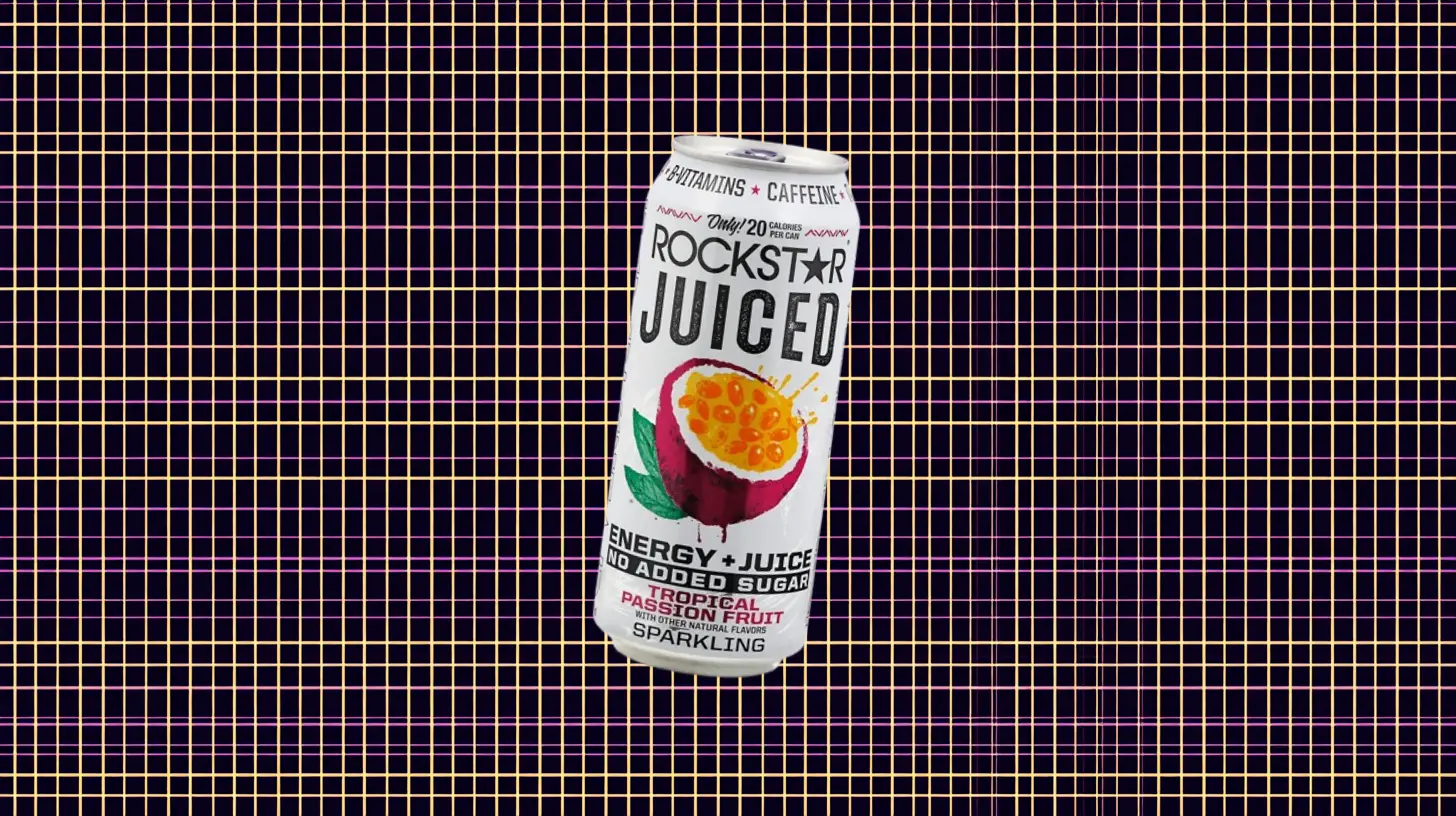
Discontinued: ≈2020s
This Rockstar JUICED flavor was a tropical passion fruit from the fruit juice series, and it has been revived from time to time. Its fruitiness appealed to a lot of the market. Unfortunately, at the time of this writing, it is off the market.
ROCKSTAR PURE ZERO GRAPE
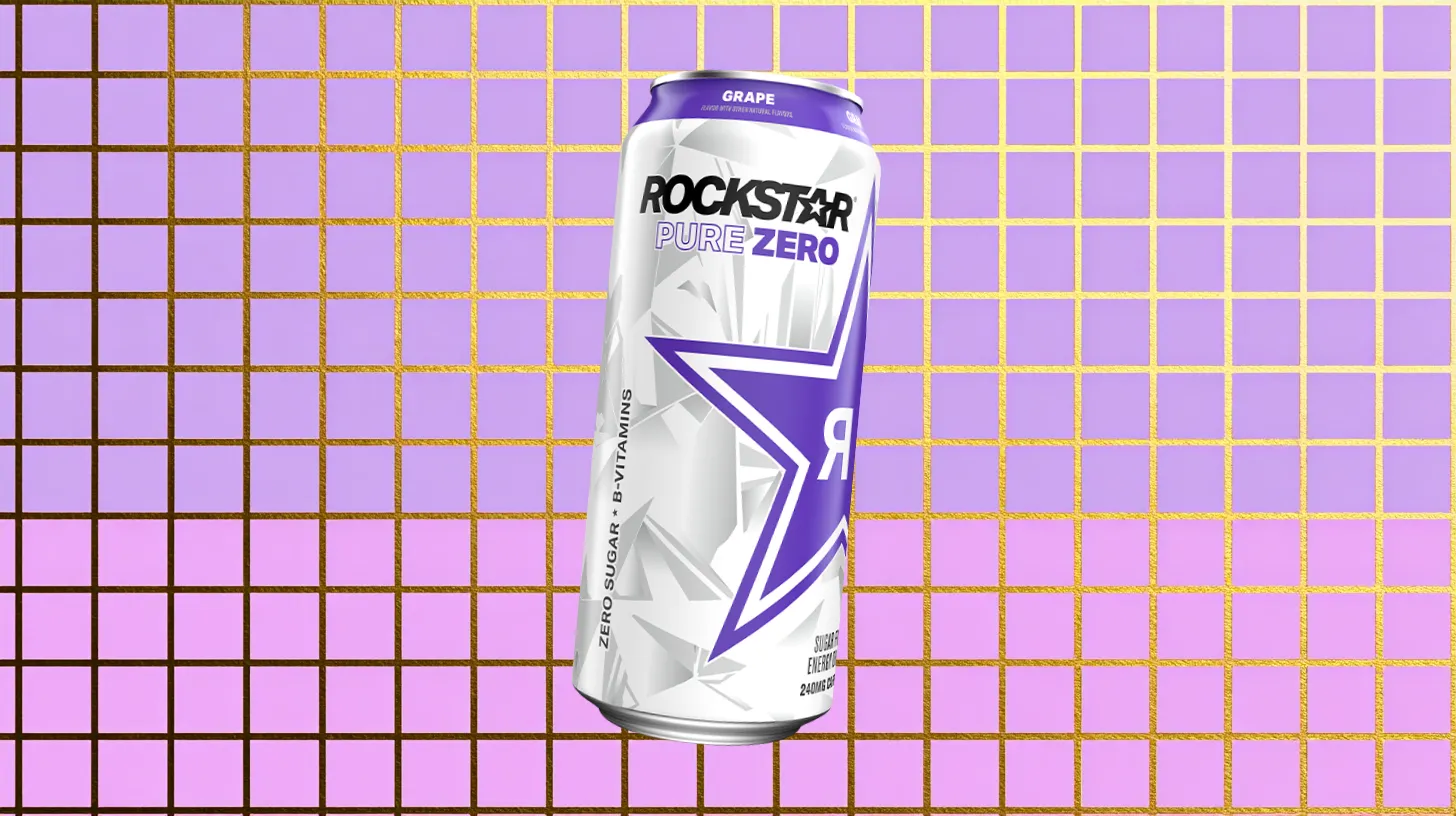
Discontinued: ≈2020
Pure Zero Grape was part of Rockstar’s zero-calorie line using artificial sweeteners, competing in the same sugar-free arms race as Bang’s now-vanished flavors. The grape variant was quietly phased out as the company streamlined its zero-sugar offerings. But you can still find other Pure Zero flavors for now.
ROCKSTAR ORIGINAL (ORIGINAL FORMULA)
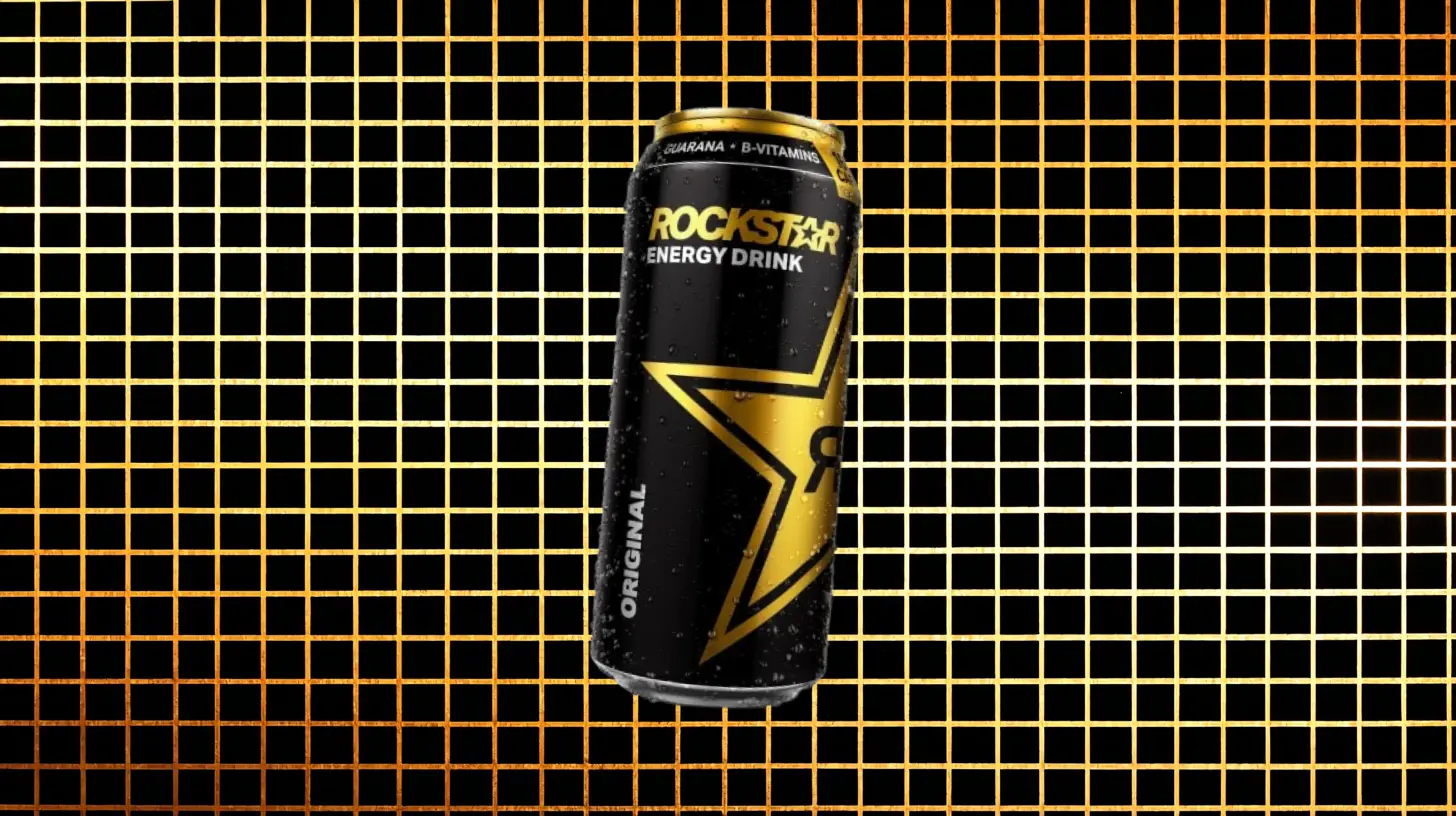
Discontinued: 2021
In 2021, Rockstar Energy altered the flavor of the “Original” version, and it can undergo a re-design as part of a new marketing campaign following PepsiCo’s acquisition. The reformulation marked the end of Rockstar’s original 20-year formula.
ROCKSTAR HARDCORE APPLE
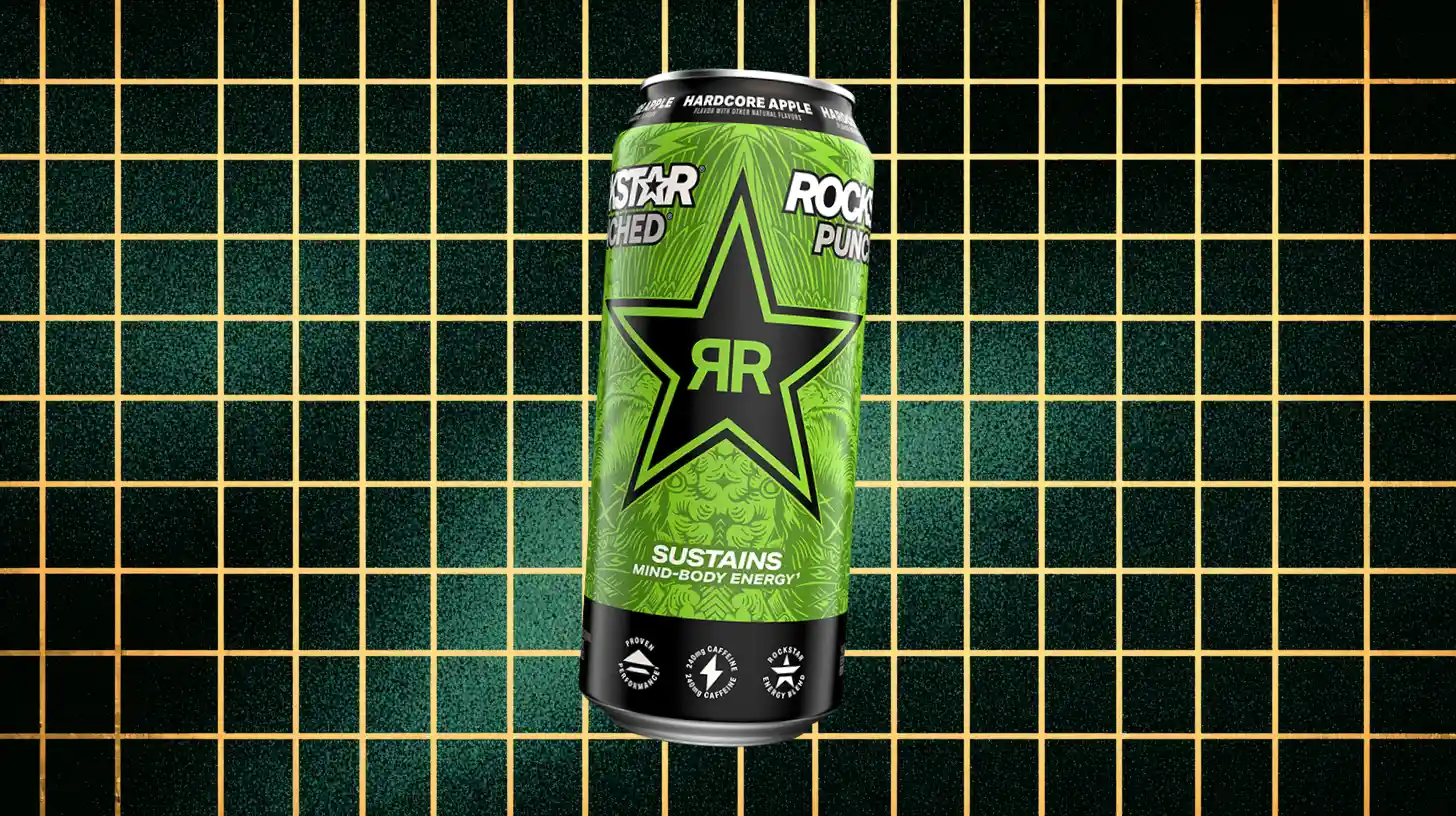
Discontinued: ≈2020s
Rockstar Harcore Apple was a synthetic apple flavor that was rich, sweet, and sour. Some say it had a unique, lasting aroma. It’s one of the most delicious Rockstar flavors to launch. For a time, it was Rockstar’s number-one-selling flavor.
ROCKSTAR ROASTED COFFEE SERIES
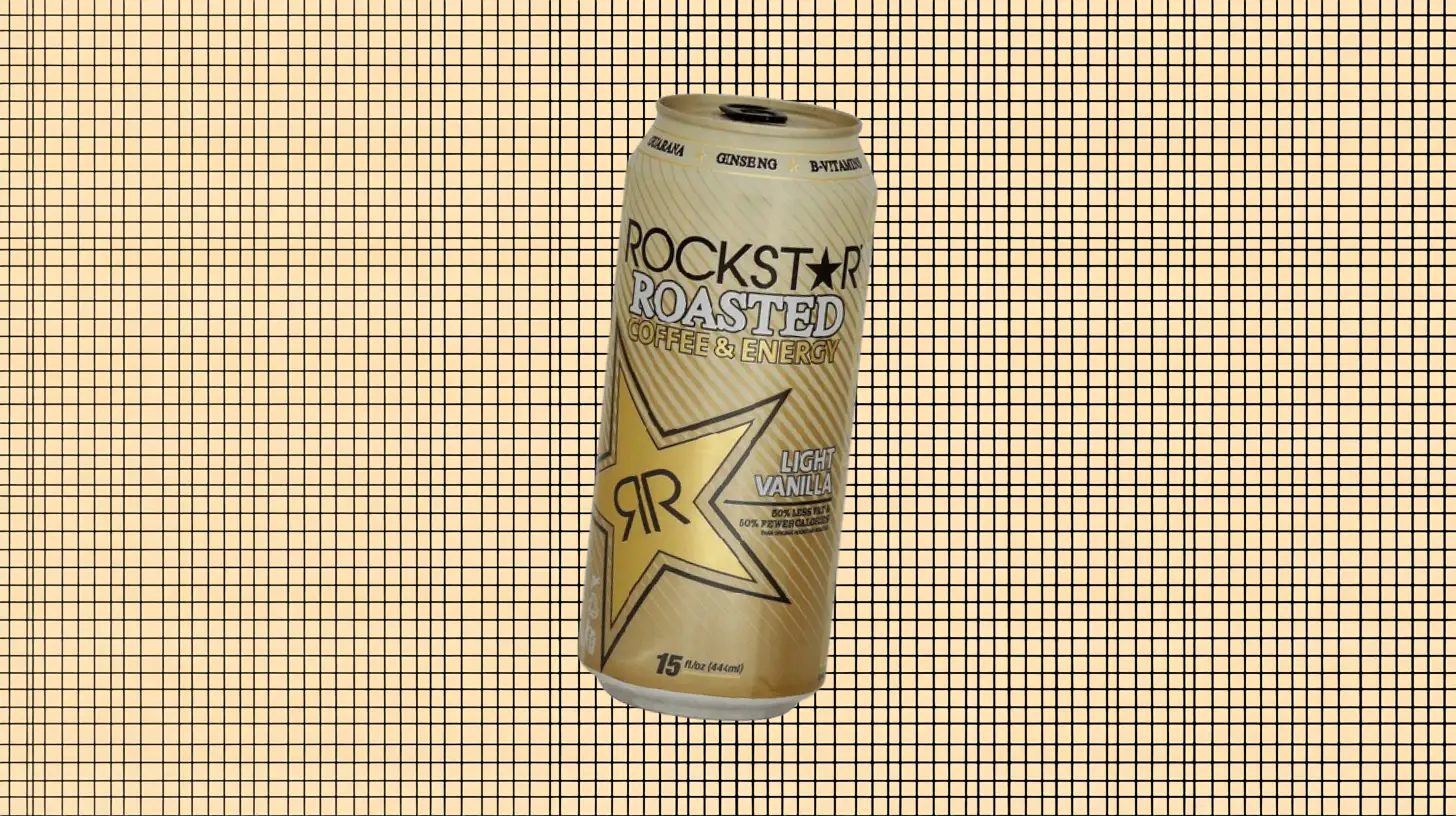
Discontinued: ≈2020s
This was a popular coffee series by Rockstar. This collection included a range of beverages, from sweet coffee to those made with almond milk. The line attempted to compete with coffee-energy hybrids but was eliminated during PepsiCo’s brand consolidation.
ROCKSTAR PROTEIN SERIES
Discontinued: ≈2020s
Launched in 2014 as a protein-packed series with 25g of protein, this protein energy drink was launched to compete with the Muscle Monster series. Rockstar did not focus on muscle training promotions, so they couldn’t build a strong brand identity, and the products disappeared. In contrast, Muscle Monster continues to be available today.
ROCKSTAR HEMP SEED SERIES
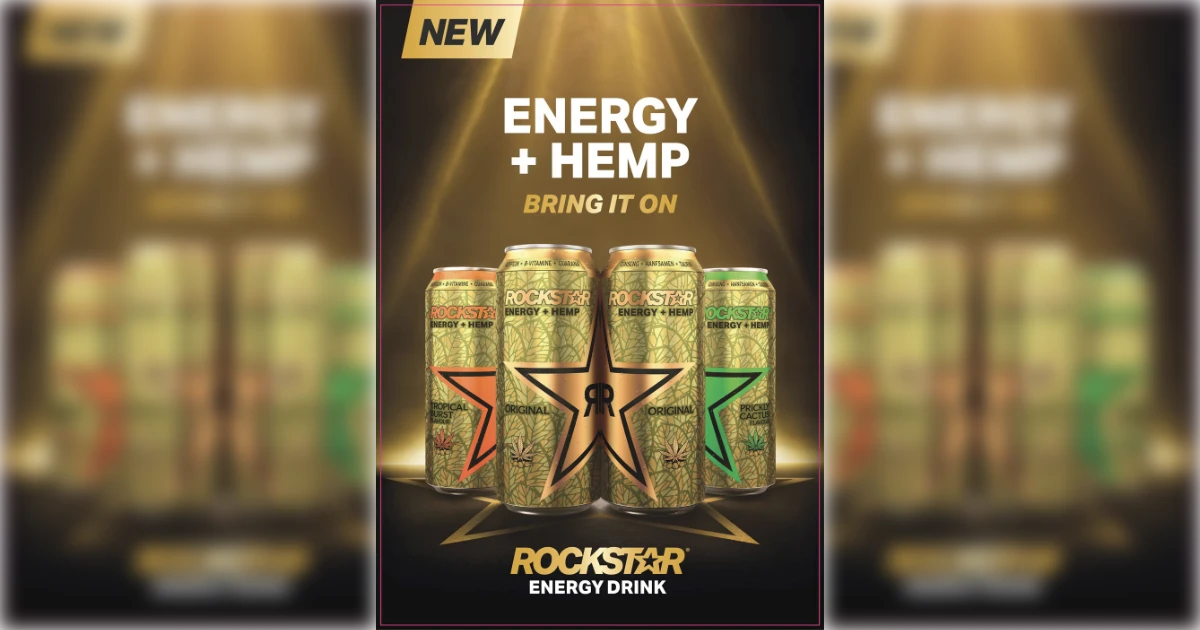
Discontinued: ≈2020
The Rockstar Hemp Seed series, containing legal cannabis ingredients, was released in certain parts of the US and Europe. Although it never became a mainstay, it was a unique series aligned with global trends. Limited distribution and regulatory complexity led to quick discontinuation.