
4 min read
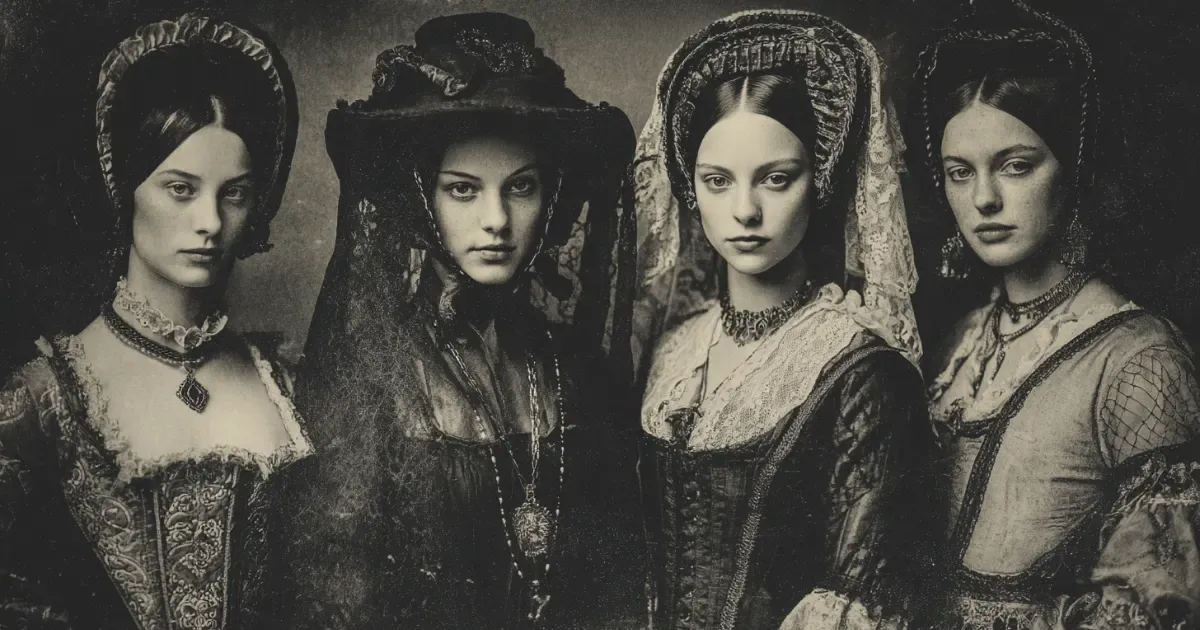
Medieval fashion from 500-1000 CE marked stark class divides.
Nobles wore silk and purple-dyed wool while peasants patched together rough hemp and old leather.
The wealthy suffered from lead-based cosmetics and tight lacing, while the poor endured lice-ridden clothes they rarely washed.
Clothing served both as a status symbol and tool of control.
CLOTHING WAS OFTEN INFESTED WITH PARASITES & CARRIED DISEASES
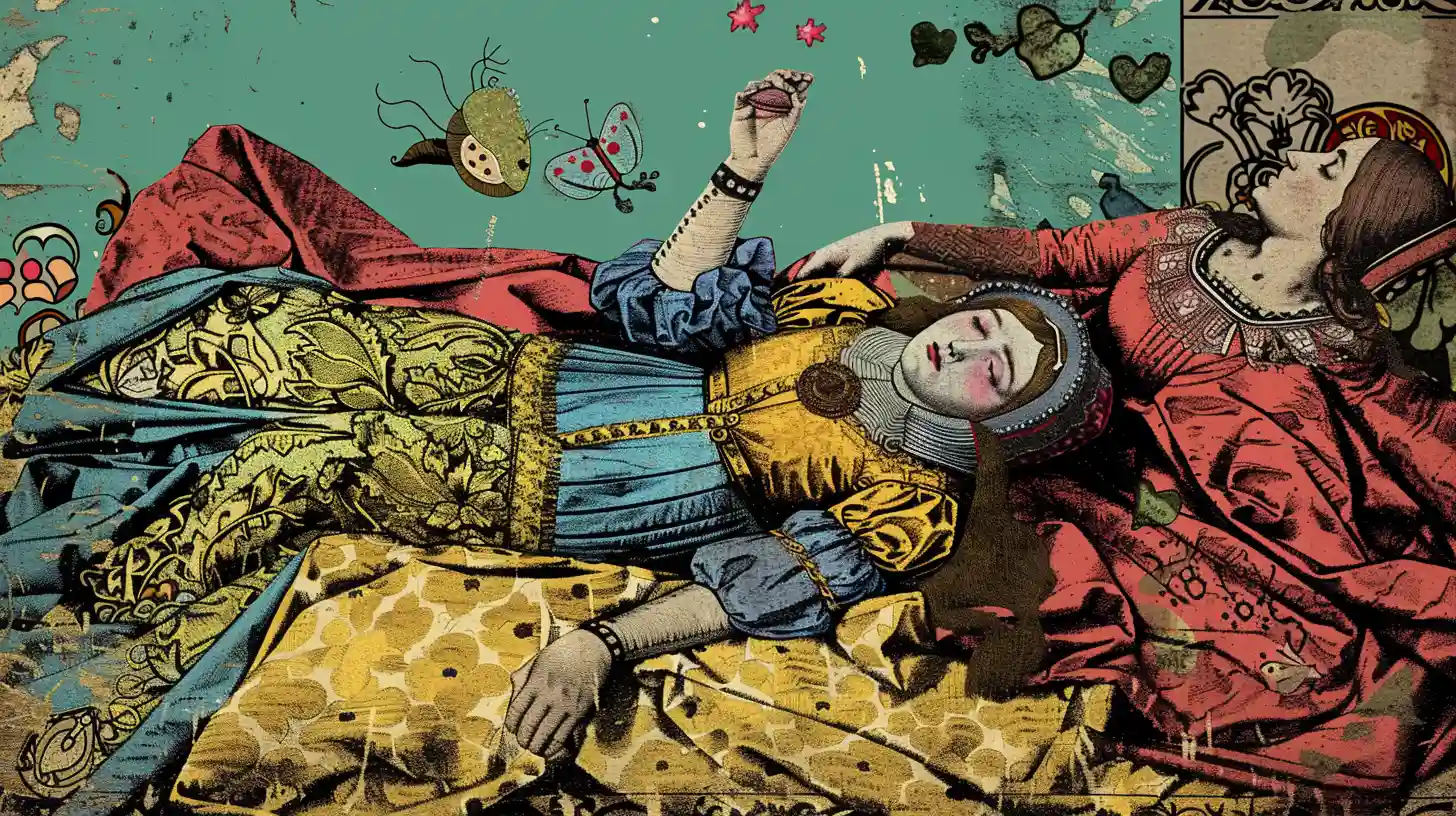
Medieval peasants rarely washed their clothes or bodies.
Lice and fleas multiplied in their wool garments.
After death, their family passed down these infested clothes to others, spreading diseases like tuberculosis.
THE WEALTHY WOULD SOMETIMES USE LEAD-BASED COSMETICS

Medieval nobles poisoned themselves with lead makeup.
They spread white lead powder and red lead across their faces to look pale—a sign of wealth in their society.
The toxic metals seeped into their bodies, causing intense stomach pain, brain damage, and sometimes death.
THE CATHOLIC CHURCH DISCOURAGED BATHING DURING THE MIDDLE AGES
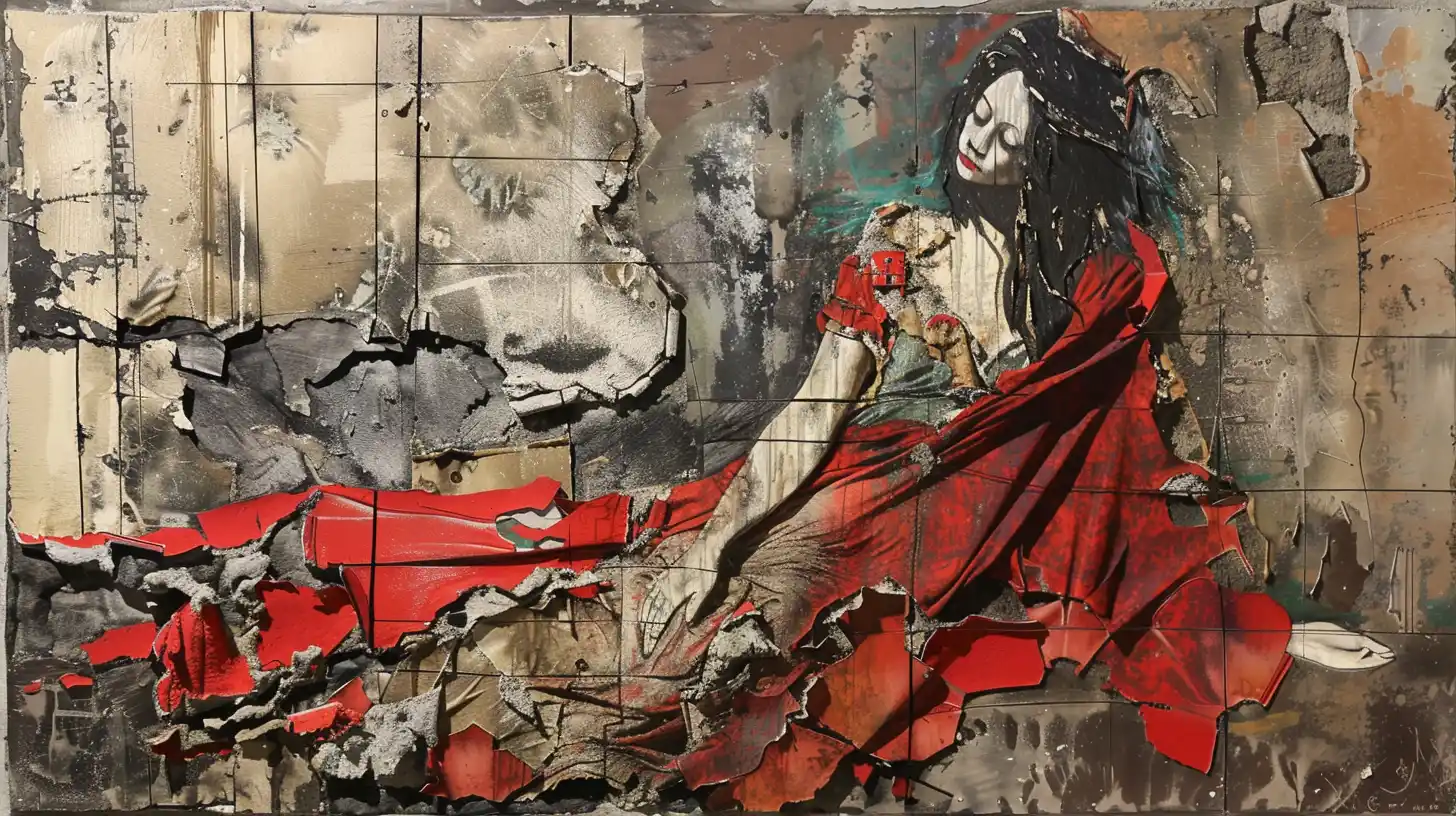
Medieval Catholic priests condemned bathing as sinful, claiming it led to lustful thoughts.
This doctrine led many people to avoid washing.
Their unwashed clothes and bodies spread disease throughout medieval communities.
FOOTWEAR WAS OFTEN UNCOMFORTABLE & ILL-FITTING
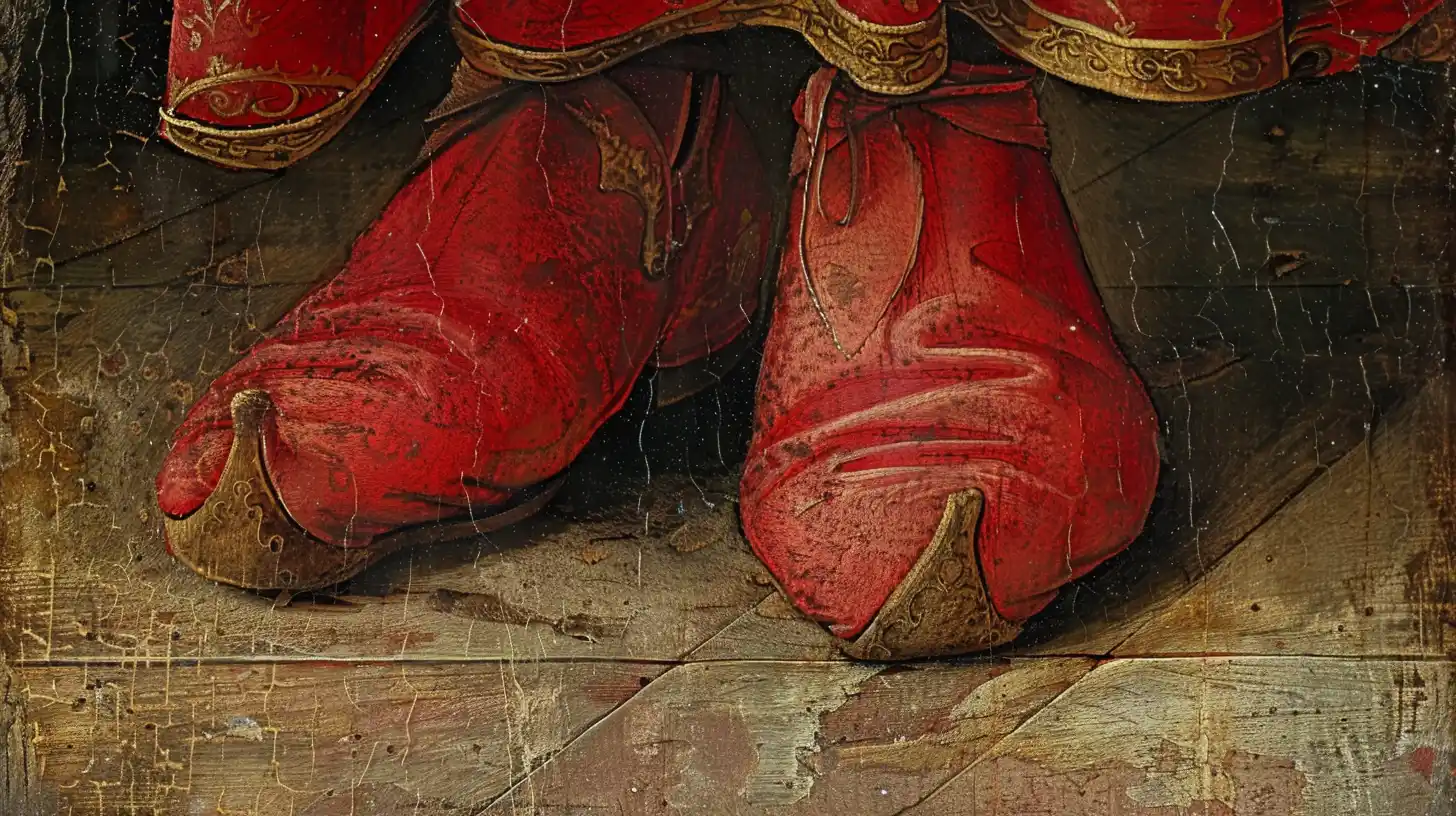
Medieval peasants wore basic leather shoes that damaged their feet.
The typical shoe consisted of a single leather piece folded and stitched around the foot, lacking any cushioning or arch support.
Without proper fit or protection, wearers developed bunions, twisted toes, and collapsed arches.
Since most peasants owned just one pair of shoes, the footwear deteriorated until it barely held together.
CLOTHING DYES WERE OFTEN DERIVED FROM TOXIC SUBSTANCES
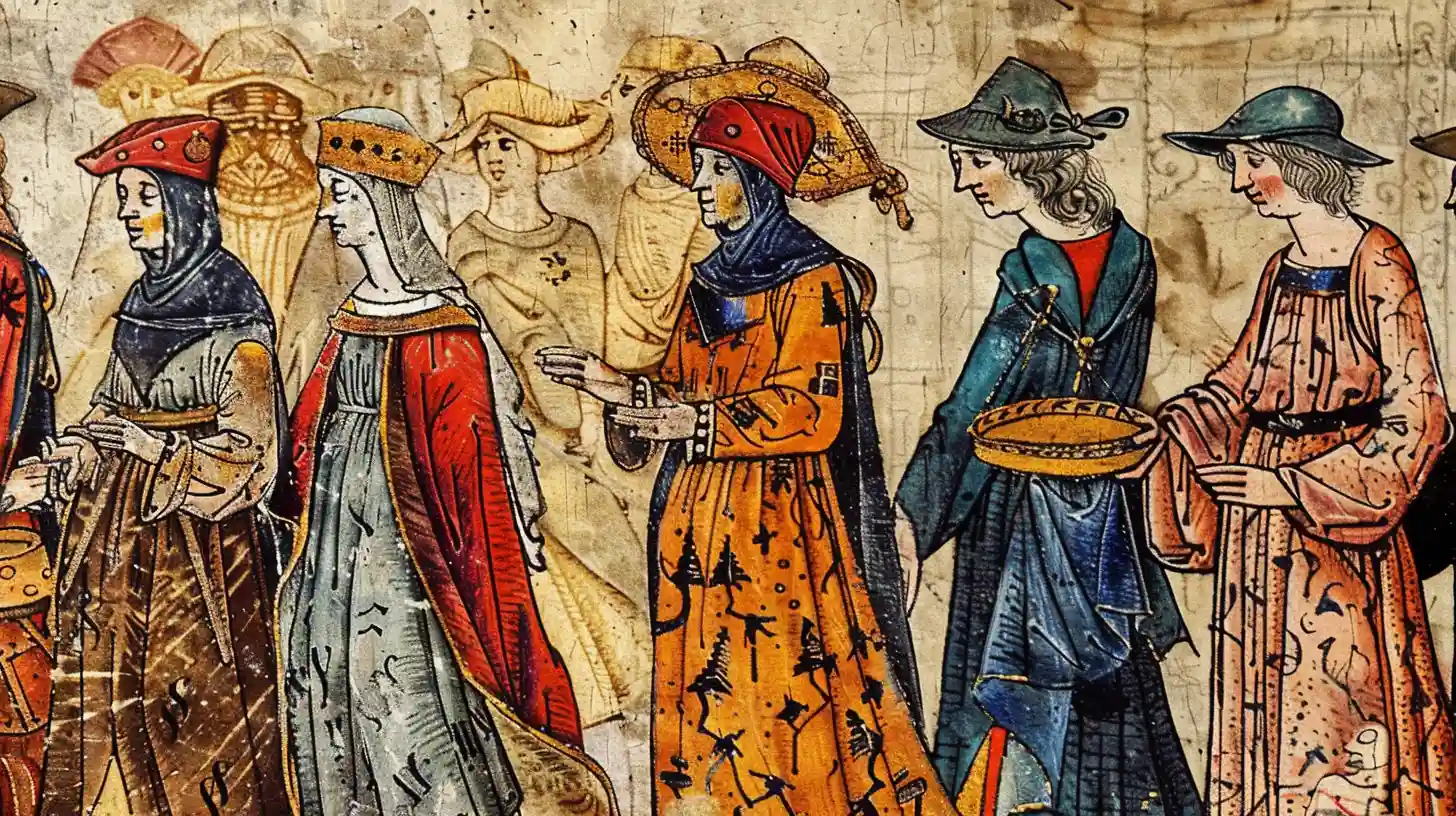
Medieval dyers used arsenic, mercury, and lead to create vibrant colors for wealthy clients.
These toxic substances damaged workers’ bodies through direct skin contact and fumes.
Dye workers suffered burns, lung damage, tremors, and often died young.
The industry sacrificed craftsmen’s health for fashion.
THE LACK OF PROPER UNDERGARMENTS LED TO SKIN IRRITATIONS
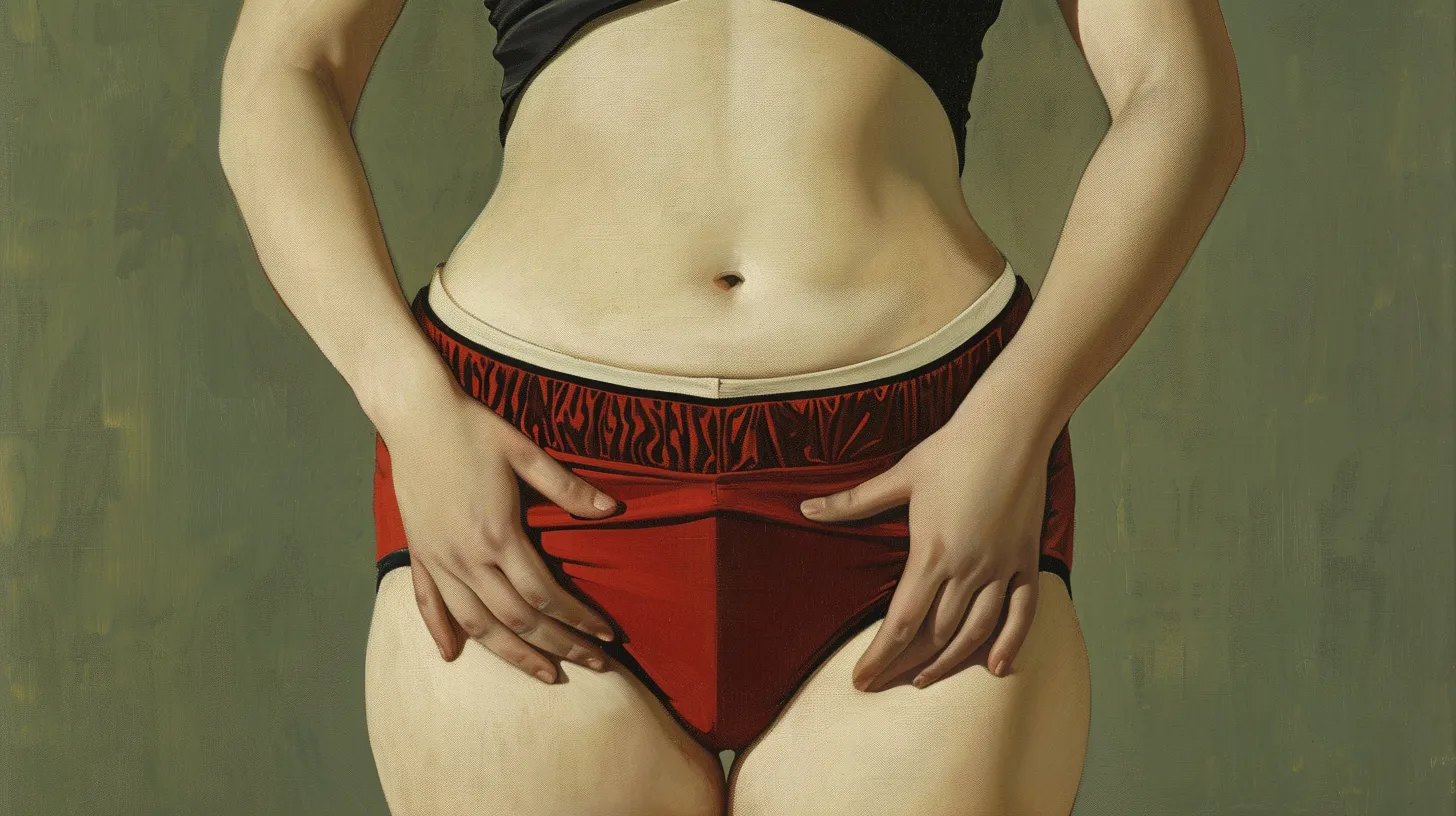
Medieval peasants wore the same unwashed clothes for weeks or months, lacking both spare garments and underclothes.
The wool and linen clung to their skin, trapping sweat and grime.
This damp, dirty fabric created perfect conditions for rashes and fungal infections.
TIGHT-LACING CLOTHING CAUSED A WHOLE HOST OF PROBLEMS

In medieval Europe, noble women compressed their torsos with tightly-laced bodices to signal their elite status.
The garments pinched the waist to extreme narrowness, but wreaked havoc on women’s bodies.
The crushing pressure prevented full breaths, as constricted ribs couldn’t expand properly.
Squeezed organs led to acid reflux and constipation.
In severe cases, women’s rib cages warped and spines twisted under years of constriction.
IN SOME CASES, CLOTHING WAS USED AS A FORM OF PUNISHMENT
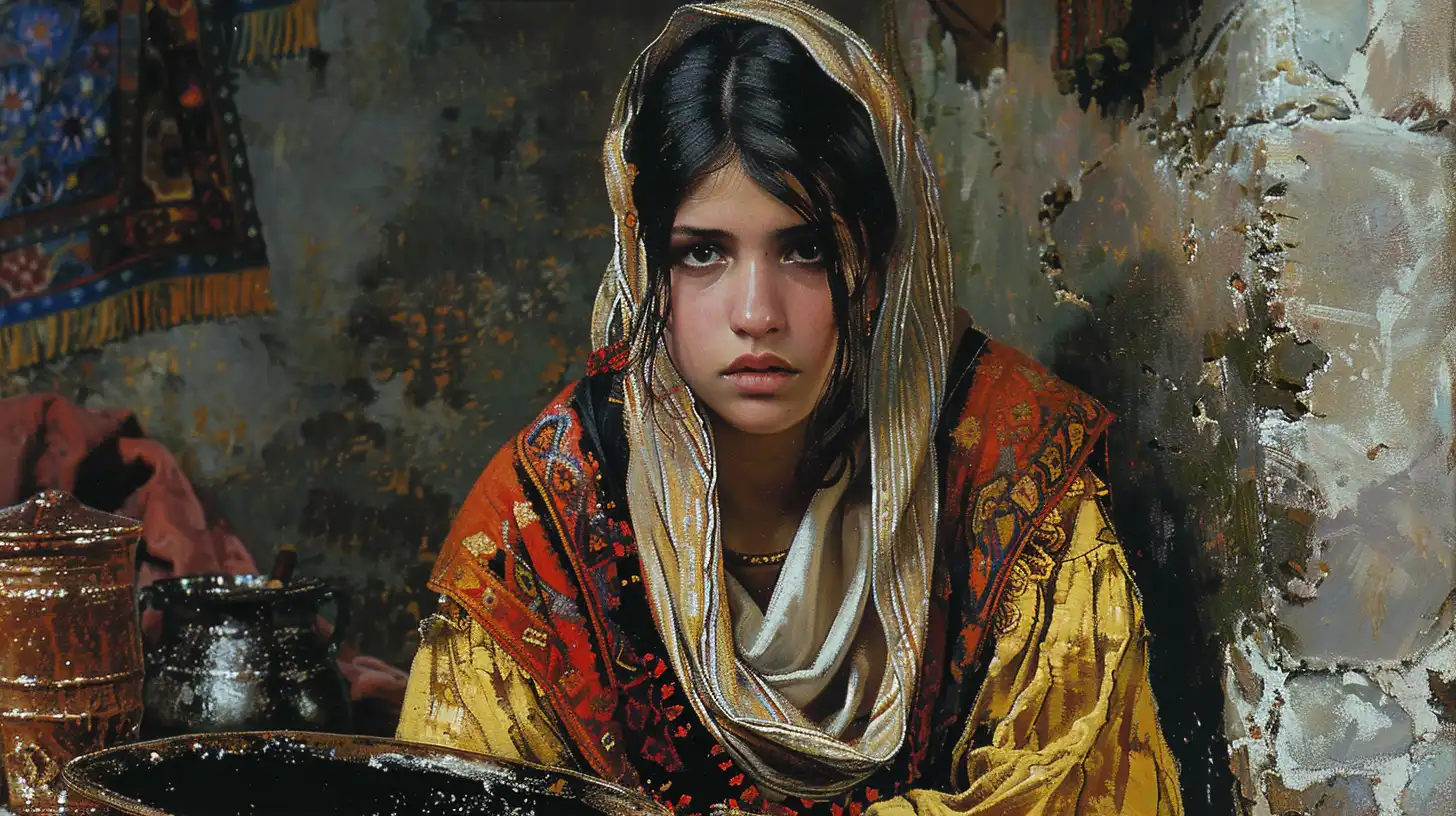
In medieval Europe, criminals and adulterers were forced to wear “shame suits” — coarse garments in bright colors that marked them as outcasts.
These clothes used scratchy wool and gaudy reds or yellows to publicly brand the wearer as immoral, warning others against similar misdeeds.
SOME PEOPLE RESORTED TO USING CLOTHING MADE FROM UNUSUAL MATERIALS
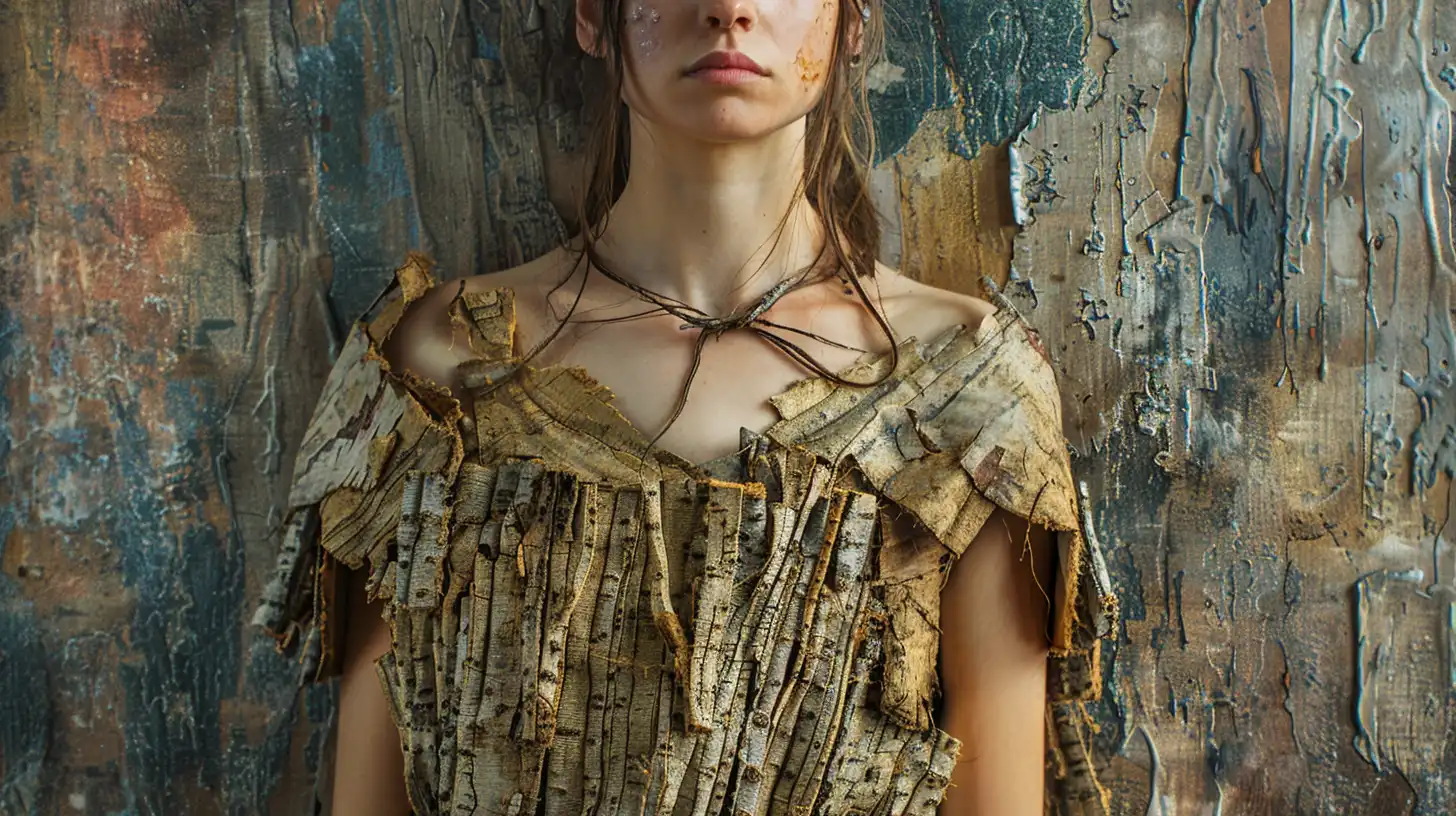
In medieval famines, peasants made clothes from whatever they could find: bark strips peeled from trees, woven nettle stems, and untanned animal hides.
These makeshift garments failed to protect them.
Bark clothes cracked and rotted in the rain.
Nettle fabric stung the skin and let in winter winds.
Animal skins grew stiff, hosted fleas, and smelled when wet.