6 min read
Lighthouses have long been beacons of safety for mariners, but some have acquired reputations far more sinister than their noble purpose suggests.
From mysterious disappearances to gruesome executions, these famous lighthouses harbor dark secrets and chilling legends that continue to captivate and unsettle visitors to this day.
ST. AUGUSTINE LIGHTHOUSE
The St. Augustine Light, first established in 1824 and rebuilt in 1874, has a long history of guiding ships and preserving maritime heritage in America’s oldest port.
According to ghost hunters, the lighthouse is allegedly haunted, with reports of paranormal activity and unexplained phenomena, though skeptics attribute these claims to mundane factors like seagulls and wind.
EXECUTION ROCKS LIGHTHOUSE
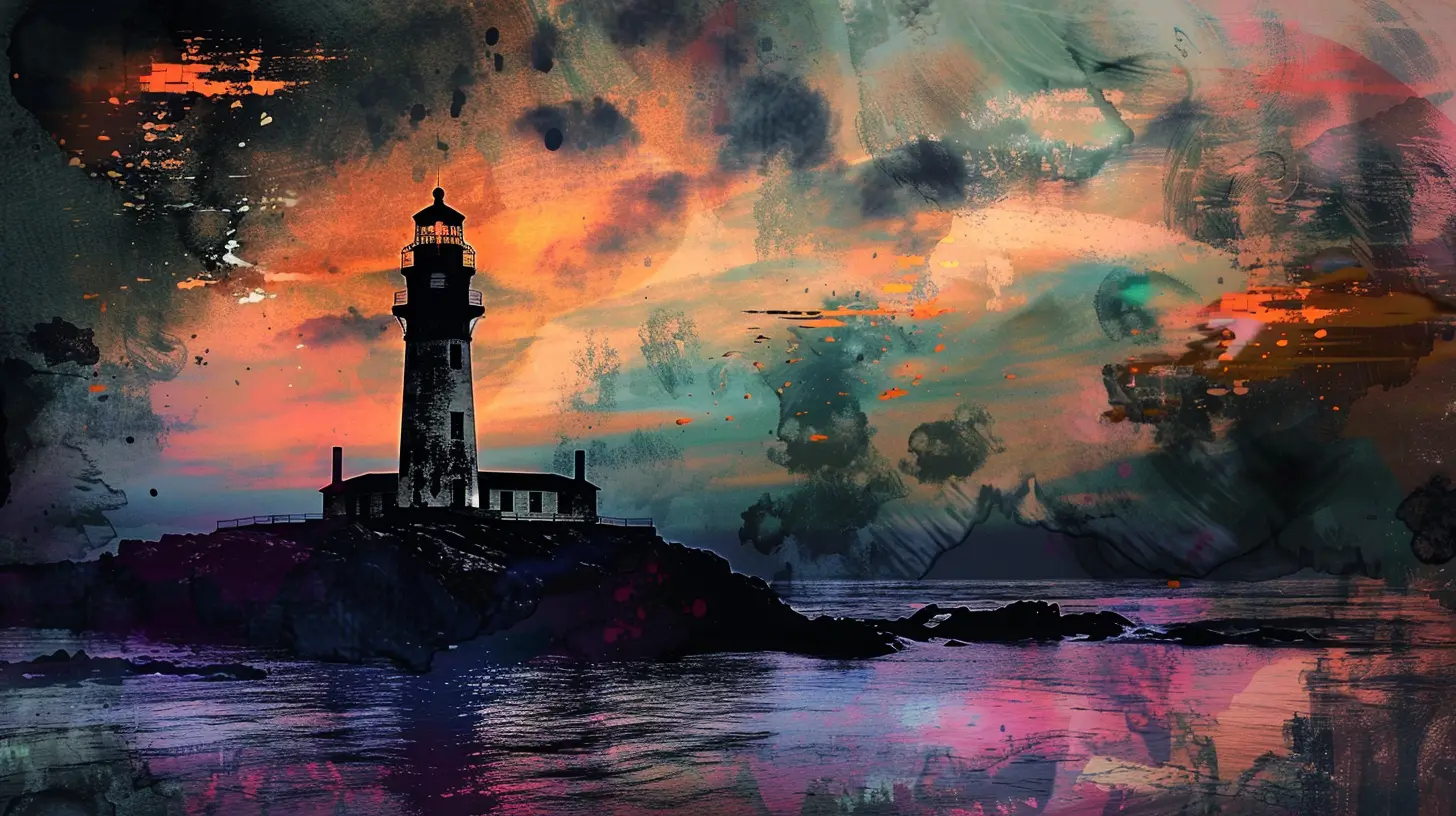
The Execution Rocks Light, built in 1849 off the coast of New York, has a dark history shrouded in grim tales.
According to local lore, the rocks were used by British colonists to execute prisoners by chaining them to the rocks at low tide to drown, and in 1920, serial killer Carl Panzram claimed to have murdered ten sailors and dumped their bodies near the lighthouse.
POINT LOOKOUT LIGHTHOUSE
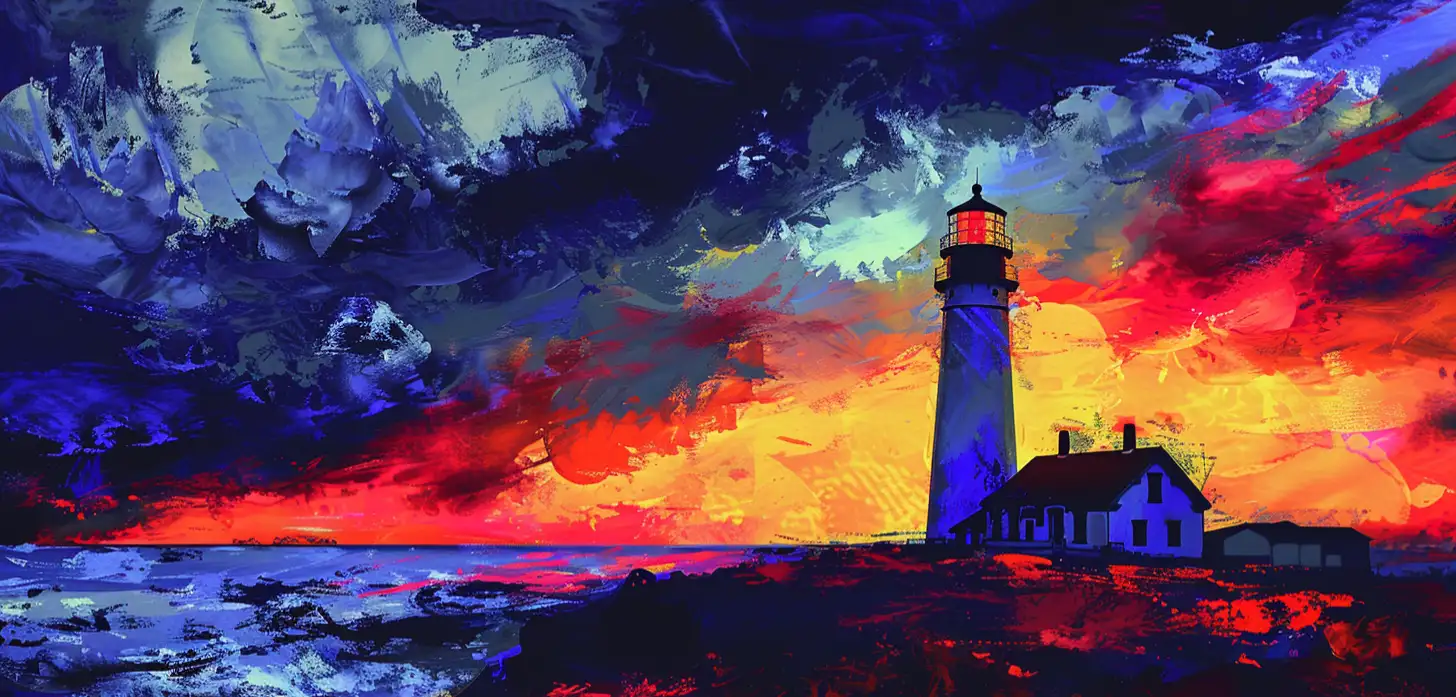
Point Lookout Light, constructed in 1830 at the southernmost tip of Maryland’s western shore, has a dark history intertwined with the Civil War.
During the conflict, the area around the lighthouse was transformed into Camp Hoffman, a vast Civil War prison camp that held up to 20,000 Confederate prisoners, of whom over 3,000 perished due to harsh conditions, limited food rations, and poor shelter from the elements.
EILEAN MOR LIGHTHOUSE
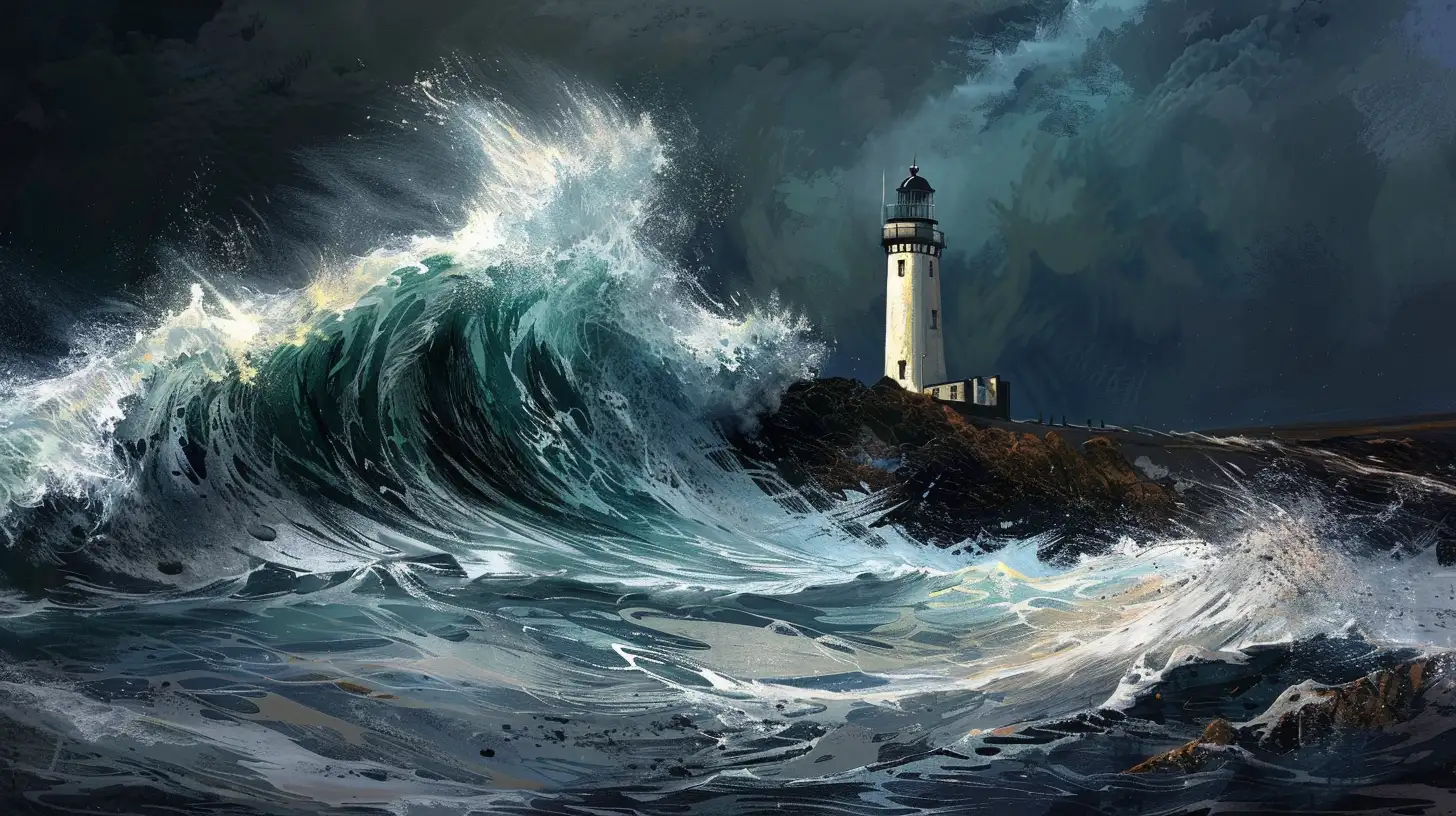
The Flannan Isles Lighthouse, completed in 1899 off the west coast of Scotland, became infamous in December 1900 when its three keepers mysteriously vanished without a trace.
The disappearance led to wild speculation, including tales of sea serpents and ghost ships, while the official investigation found evidence of severe storm damage at heights of up to 200 feet above sea level, suggesting the men may have been swept away by an enormous wave—an end strange enough to sit among history’s most unusual deaths.
PENFIELD REEF LIGHTHOUSE
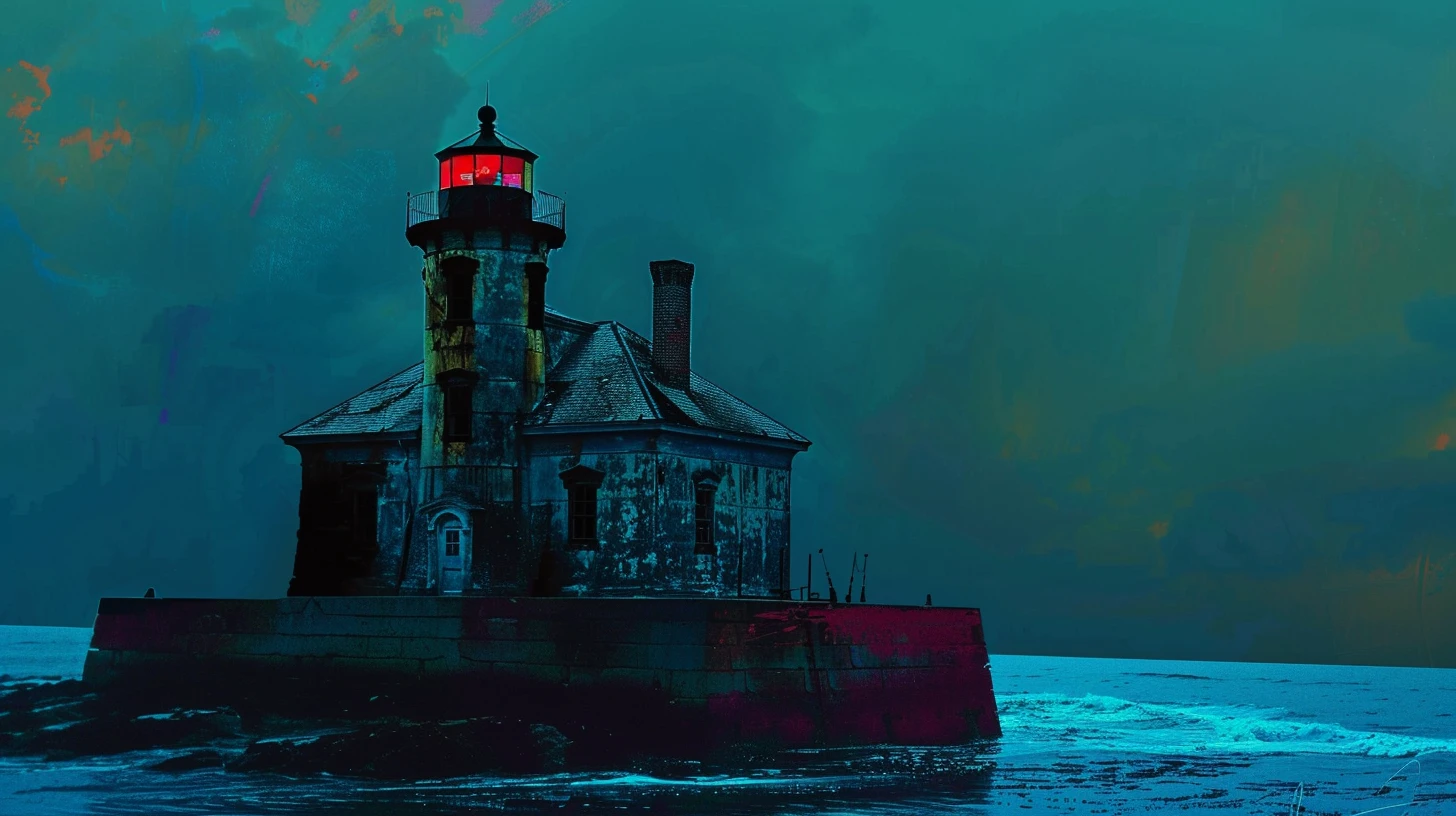
The Penfield Reef Light, constructed in 1874 off the coast of Fairfield, Connecticut, has a haunting history tied to the tragic death of Lighthouse Keeper Frederick A. Jordan in 1916.
According to local legend, Jordan’s ghost has been sighted by subsequent keepers, with reports of the light behaving strangely, the logbook mysteriously opening to the page recording Jordan’s death, and even claims of the ghostly keeper rescuing two boys from drowning in 1942.
SEGUIN ISLAND LIGHTHOUSE
Seguin Light, established in 1795 as the second-oldest lighthouse on the Maine coast, has a rich history spanning over two centuries of guiding ships safely through treacherous waters.
Among its intriguing past is the tale of a keeper who, driven mad by his wife’s incessant piano playing of the same tune, allegedly murdered her and then took his own life, leaving the island with a haunting legacy that persists to this day.
OWLS HEAD LIGHTHOUSE
The Owls Head Light, established in 1825 at the entrance of Rockland Harbor in Maine, has been guiding ships through the treacherous waters of Penobscot Bay for nearly two centuries.
Perhaps the creepiest aspect of this historic lighthouse is its isolation atop a cliff, where lighthouse keepers endured long, lonely vigils in the fog-shrouded nights, with only the eerie sound of the fog horn breaking the silence every 20 seconds.
TILLAMOOK ROCK LIGHTHOUSE
The Tillamook Rock Light, nicknamed “Terrible Tilly” due to its treacherous location, was built in 1881 on a small basalt rock off the Oregon coast, becoming one of the most expensive and dangerous lighthouses to operate in the United States.
Shortly before its completion, the barque Lupatia wrecked nearby in thick fog, resulting in the deaths of all 16 crew members whose bodies washed ashore the next day, with only the ship’s dog surviving the tragedy.
GIBRALTAR POINT LIGHTHOUSE
The Gibraltar Point Lighthouse, built in 1808 and still standing on the Toronto Islands, is the oldest existing lighthouse on the Great Lakes and one of Toronto’s oldest buildings.
Its first keeper, John Paul Radelmüller, was murdered under mysterious circumstances in 1815, leading to enduring ghost stories and the discovery of a jawbone and coffin fragments near the lighthouse in 1893, though these were never definitively linked to Radelmüller.
NEW LONDON LEDGE LIGHTHOUSE
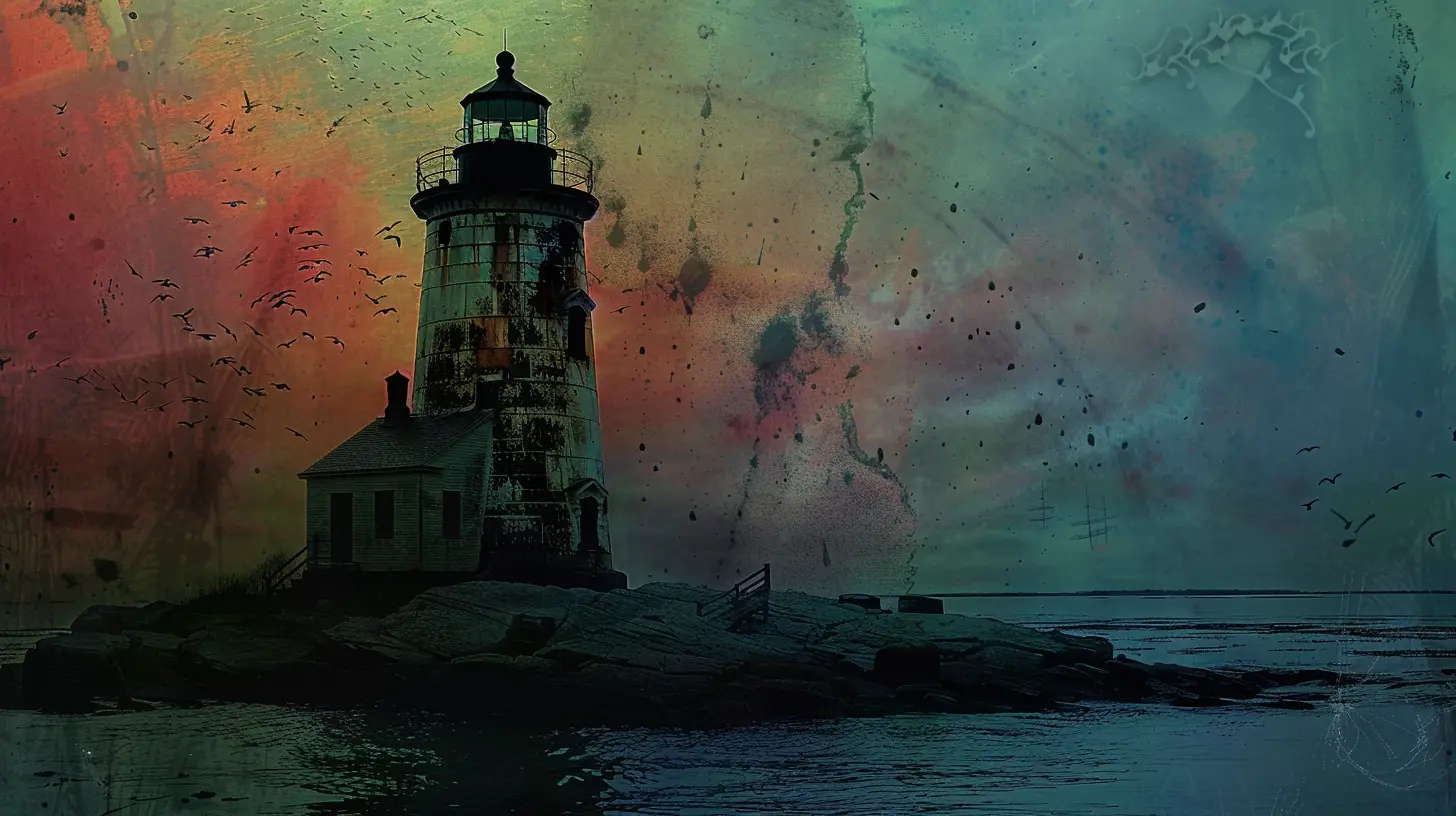
The New London Ledge Lighthouse, built in 1909 at the mouth of New London Harbor in Connecticut, has a rich history as a vital navigational aid that was automated in 1987.
Perhaps its creepiest aspect is the persistent ghost legend surrounding a former keeper named Ernie, which has made the lighthouse a subject of paranormal investigations and reality TV shows.
MONTAUK POINT LIGHTHOUSE
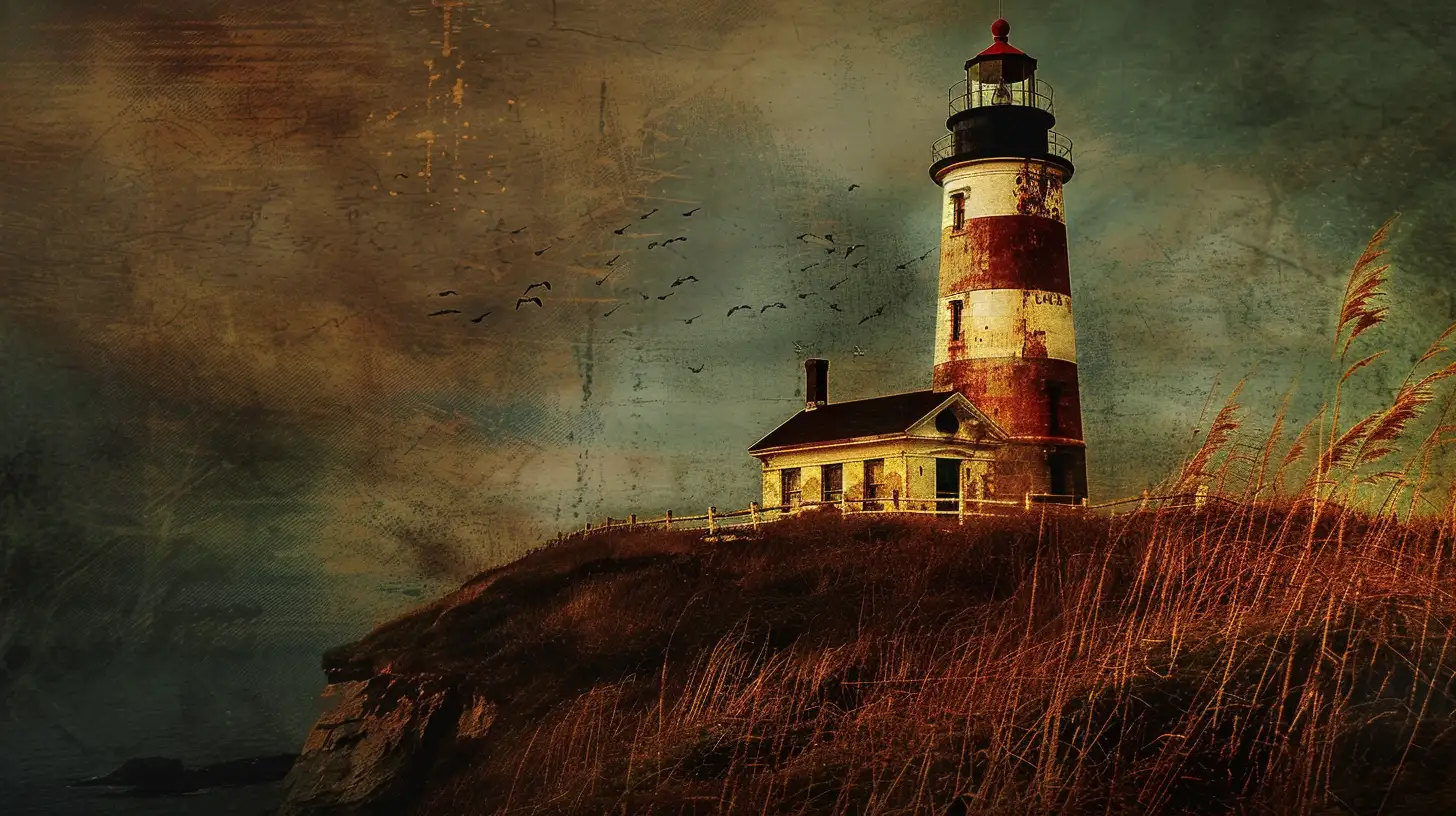
The Montauk Point Light, built in 1796 as the first lighthouse in New York State, has stood witness to centuries of maritime history and was even involved in coastal defense during World War II.
Local legends speak of the infamous pirate Captain Kidd allegedly burying treasure at the foot of the lighthouse site around 1699 near two ponds now ominously called “Money Ponds”.
LONGSTONE LIGHTHOUSE
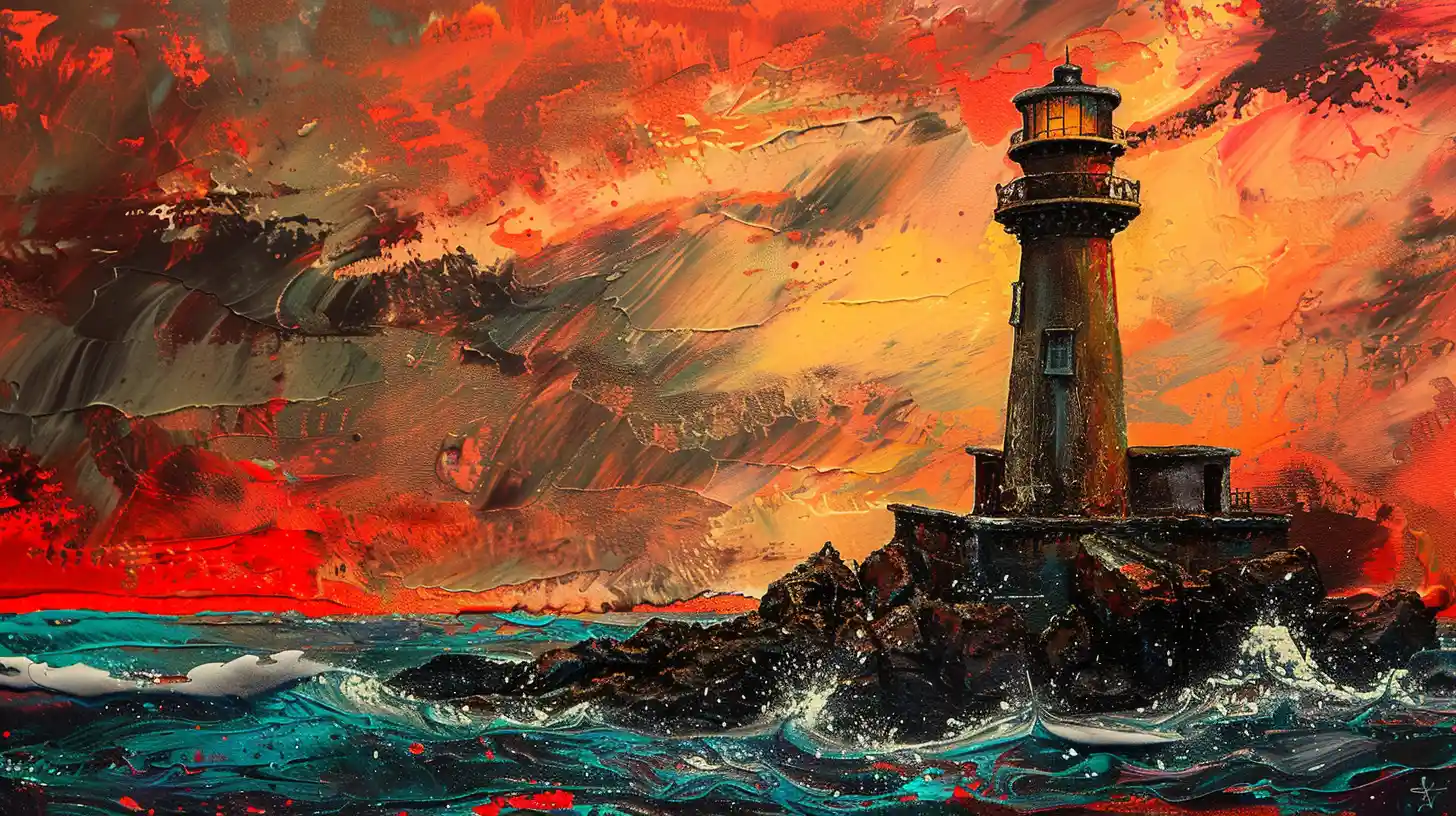
Longstone Lighthouse, built in 1826 on the treacherous Farne Islands off the Northumberland coast, is best known for the heroic rescue efforts of Grace Darling during the 1838 Forfarshire shipwreck.
The lighthouse was constructed in response to the loss of multiple ships in the area, including the George and Mary which sank with all 100 souls on board, their bodies likely still entombed in the wreckage on the seafloor near the lighthouse to this day.
CAPE HATTERAS LIGHTHOUSE
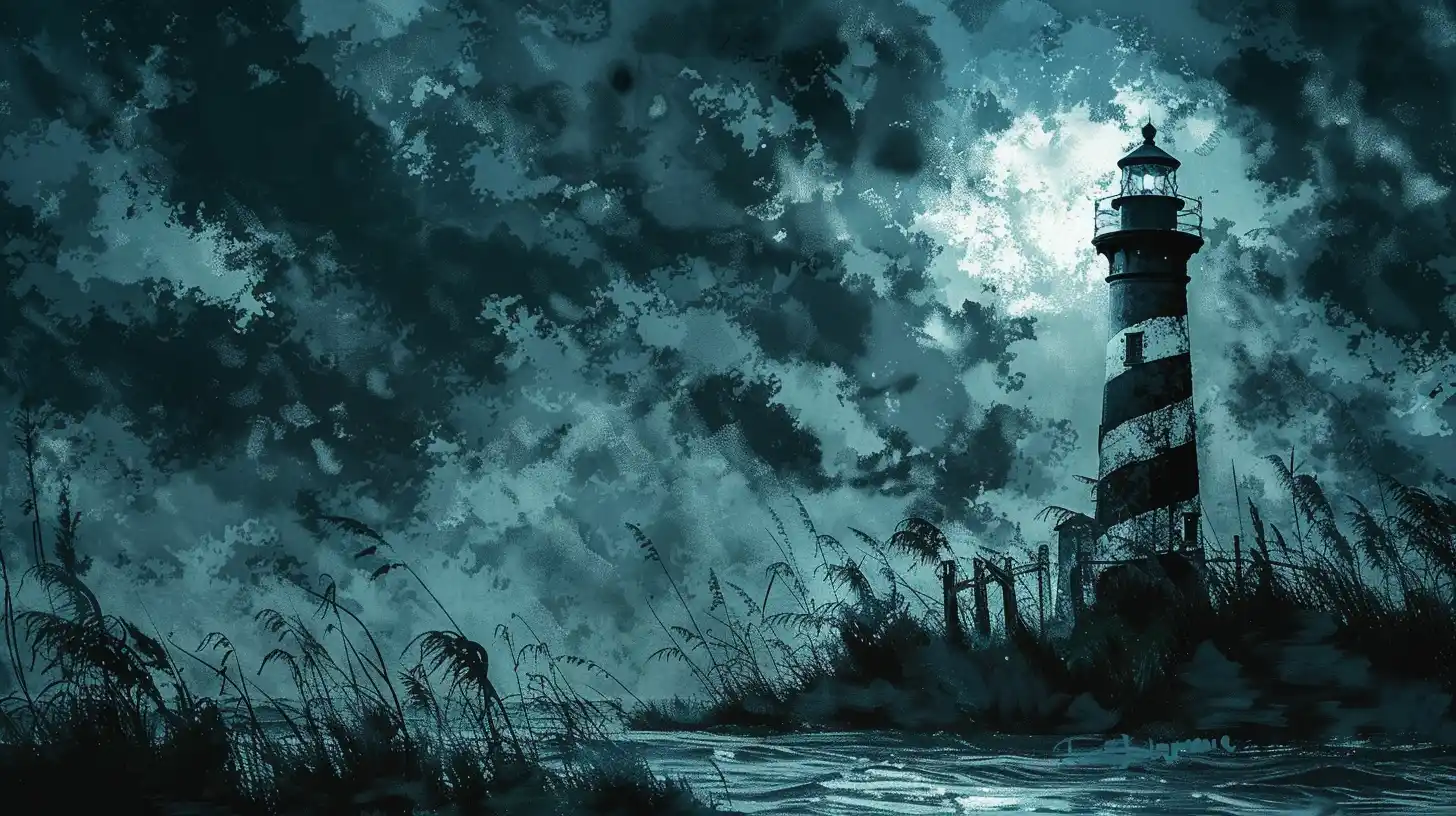
The Cape Hatteras Lighthouse, originally built in 1802 and rebuilt in 1870, has stood guard over the treacherous waters known as the “Graveyard of the Atlantic” for over two centuries.
The lighthouse had to be relocated 2,900 feet inland in 1999 due to encroaching seas, as if the ocean itself was trying to claim this historic sentinel that has witnessed countless shipwrecks and maritime disasters off the dangerous shoals of North Carolina’s Outer Banks.