5 min read
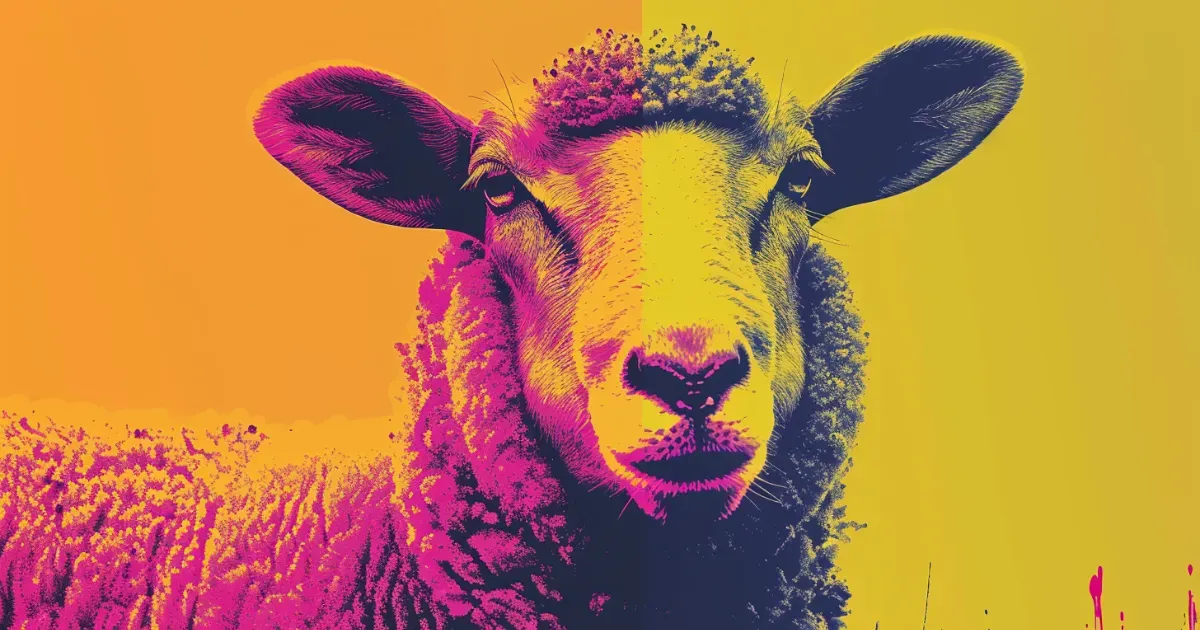
Throughout history, several “famous sheep” have made their mark on the world, from groundbreaking scientific achievements to pop culture stardom and even psychic predictions.
DOLLY
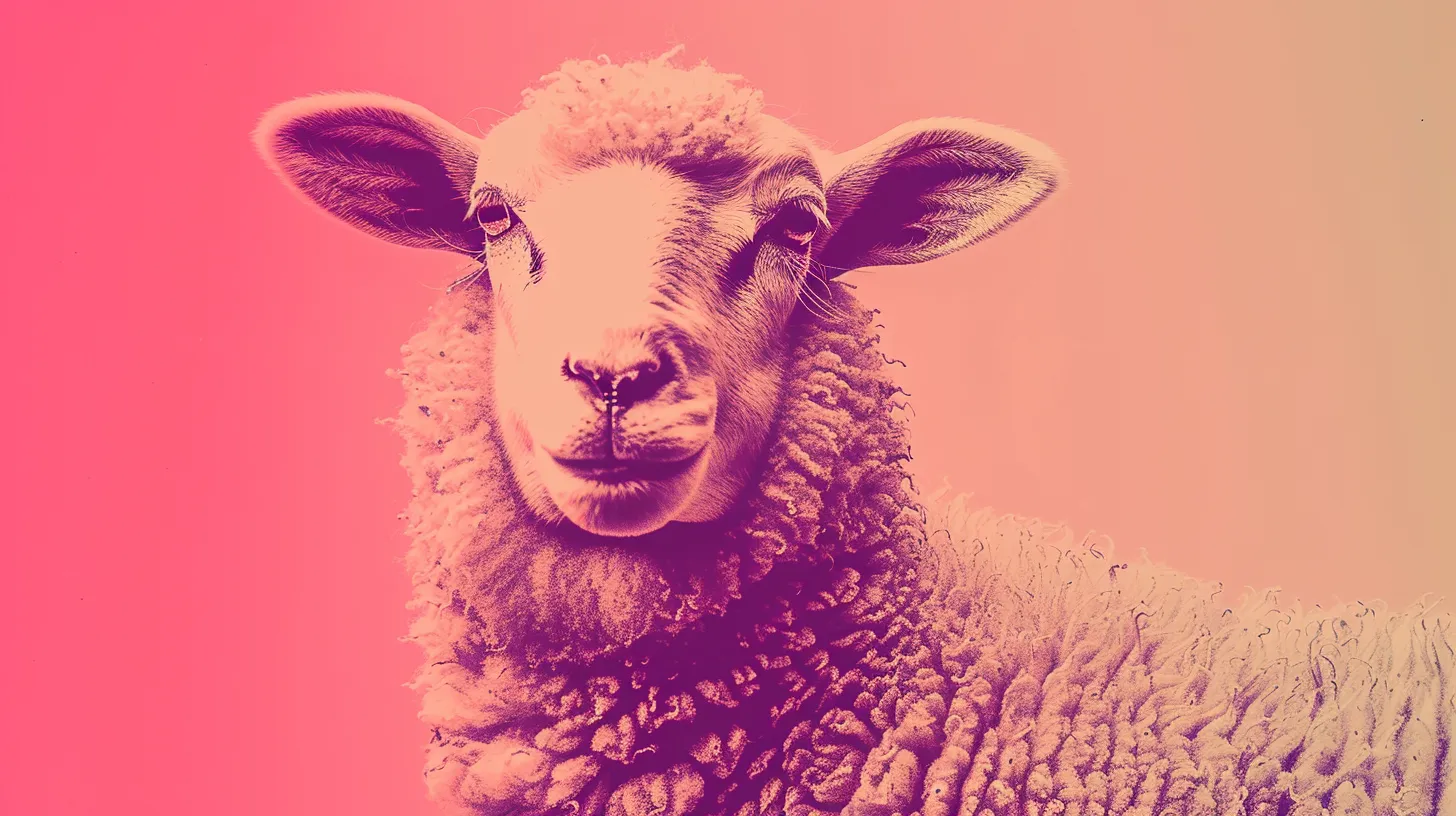
Dolly, the first mammal cloned from an adult somatic cell, was born on July 5, 1996, at the Roslin Institute in Scotland, and named after Dolly Parton due to being cloned from a mammary gland cell.
Dolly had three mothers—one providing the egg, another the DNA, and a third carrying the cloned embryo to term—and went on to produce six lambs of her own before being euthanized at the young age of 6.5 years due to lung disease and arthritis. Her taxidermied remains are now on display at the National Museum of Scotland.
SHREK
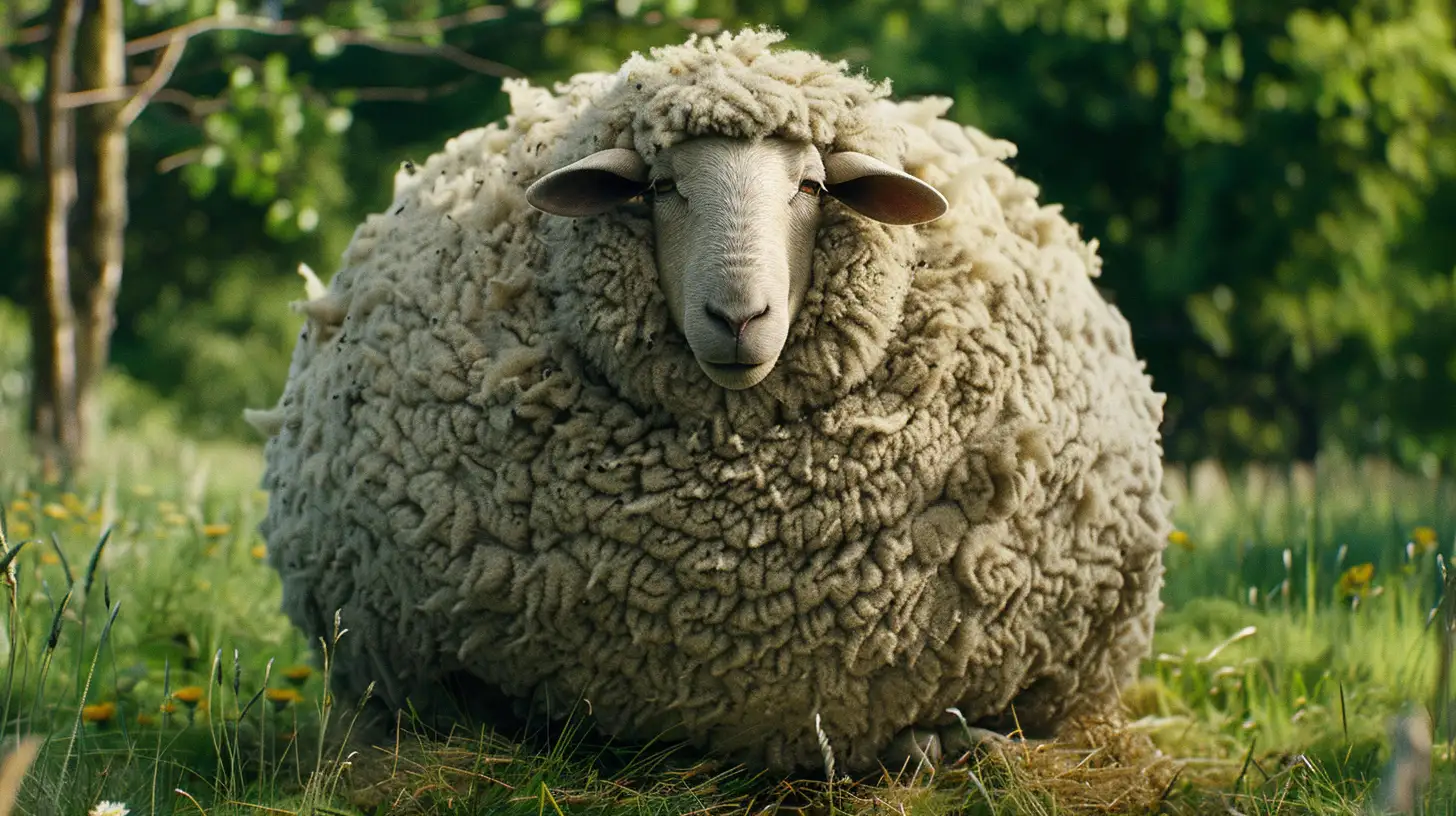
Shrek, a Merino wether from New Zealand, gained international fame in 2004 after avoiding capture and shearing for six years, resulting in a fleece weighing an astonishing 27 kg—enough wool to make 20 large men’s suits.
This celebrity sheep not only met the Prime Minister of New Zealand but also had his second shearing broadcast live from an iceberg floating off the coast of Dunedin, cementing his status as a national icon.
SHAUN THE SHEEP
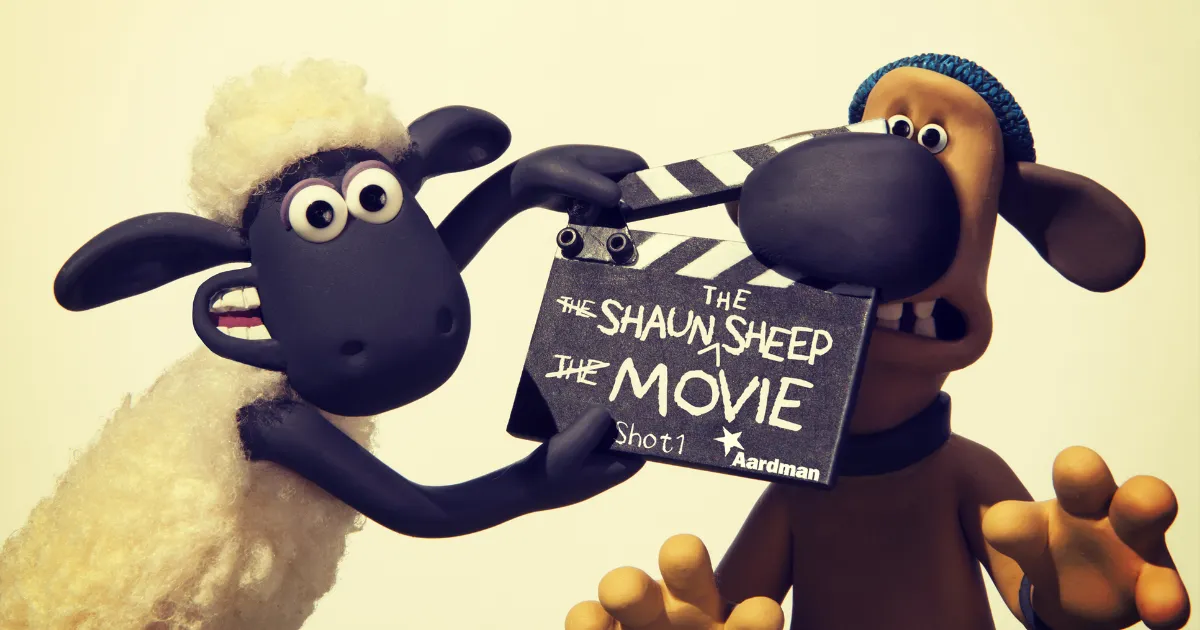
Shaun the Sheep, a beloved stop-motion animated series created by Aardman Animations, debuted in 2007 as a spin-off from Wallace and Gromit and has since become a global phenomenon with 170 episodes across 6 series.
Shaun Shaun was the mascot for the NASA’s Artemis I lunar mission in 2022, serving as the mission’s official “astronaut” mascot and returning safely to Earth after orbiting the Moon.
LAMB CHOP
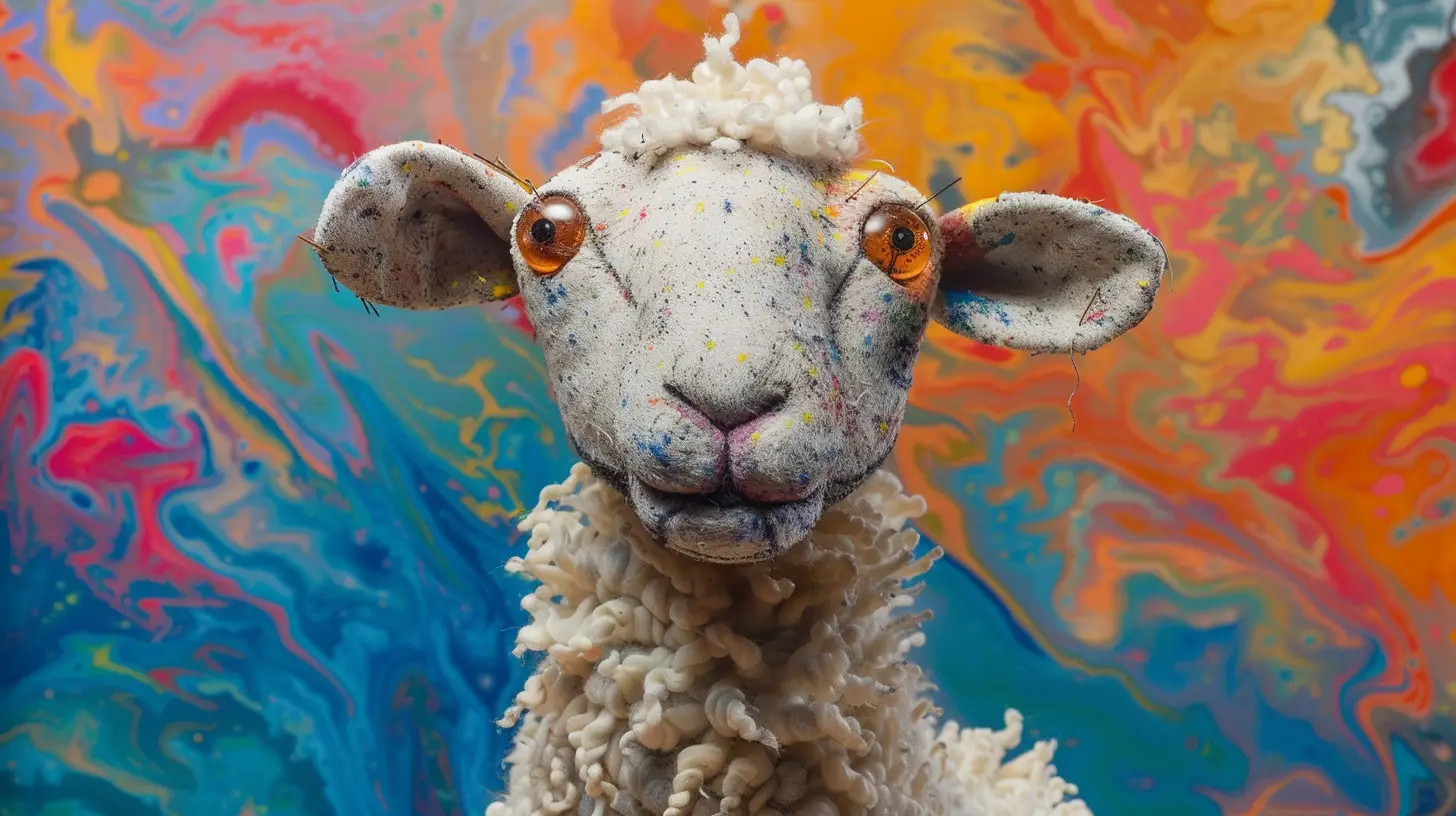
Lamb Chop, a sock puppet sheep created by ventriloquist Shari Lewis in 1956, became a beloved children’s television character and even testified before the U.S. Congress in 1993.
Lamb Chop is an honorary three-star general in the Marines and has been described as having the political views of a “liberal Jewish Democrat.”
MONTAUCIEL
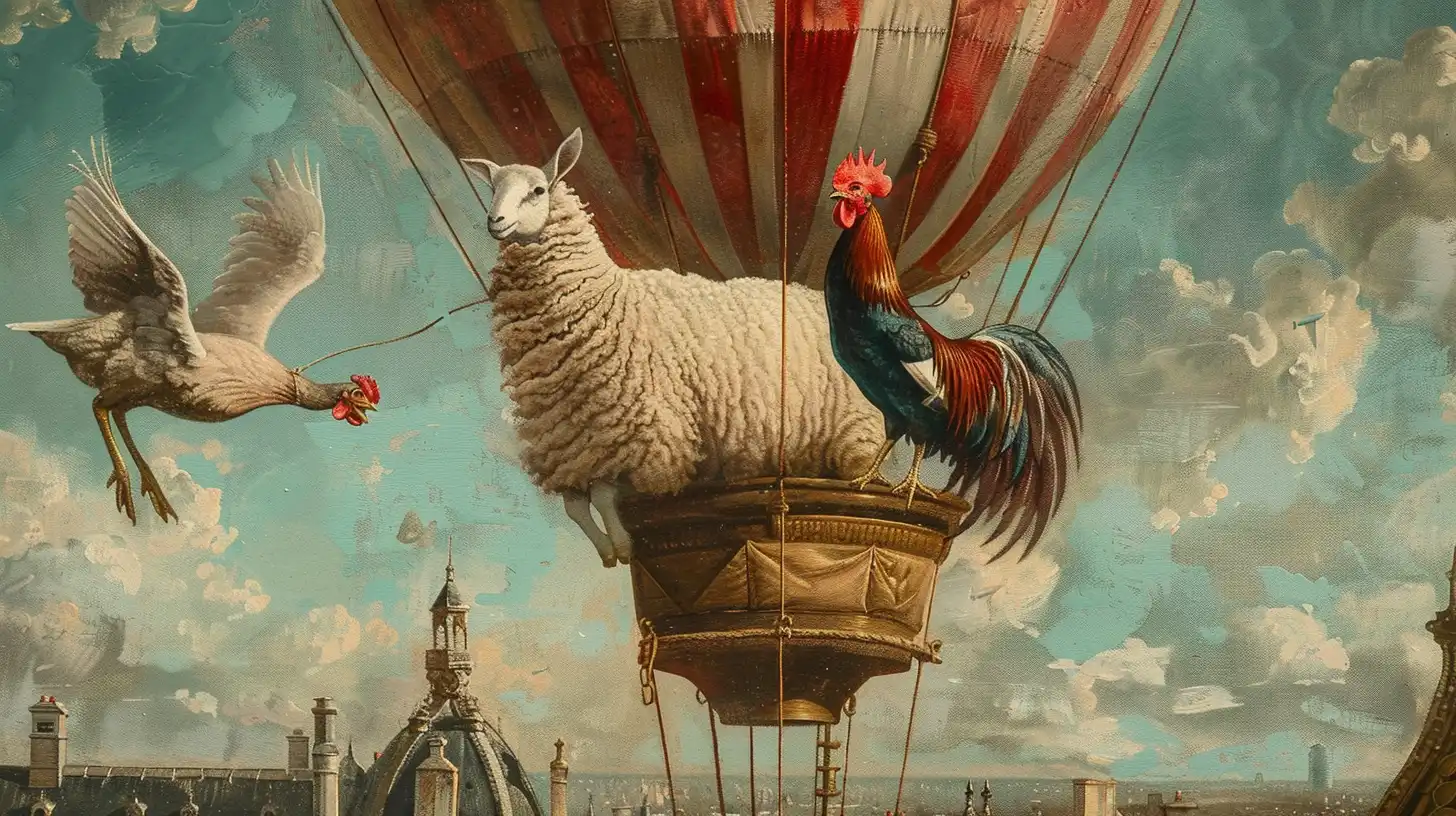
In 1783, the Montgolfier brothers made aviation history by sending a sheep, a duck, and a rooster on the first hot air balloon flight with living passengers, testing the effects of altitude on animals before attempting human flight.
The sheep, named Montauciel (French for “Climb to the Sky”), was chosen for its physiological similarities to humans, while the duck served as a control and the rooster as a comparative case, with the only reported injury being the sheep kicking the rooster during the eight-minute flight that landed two miles away from the launch site at Versailles.
METHUSELAH
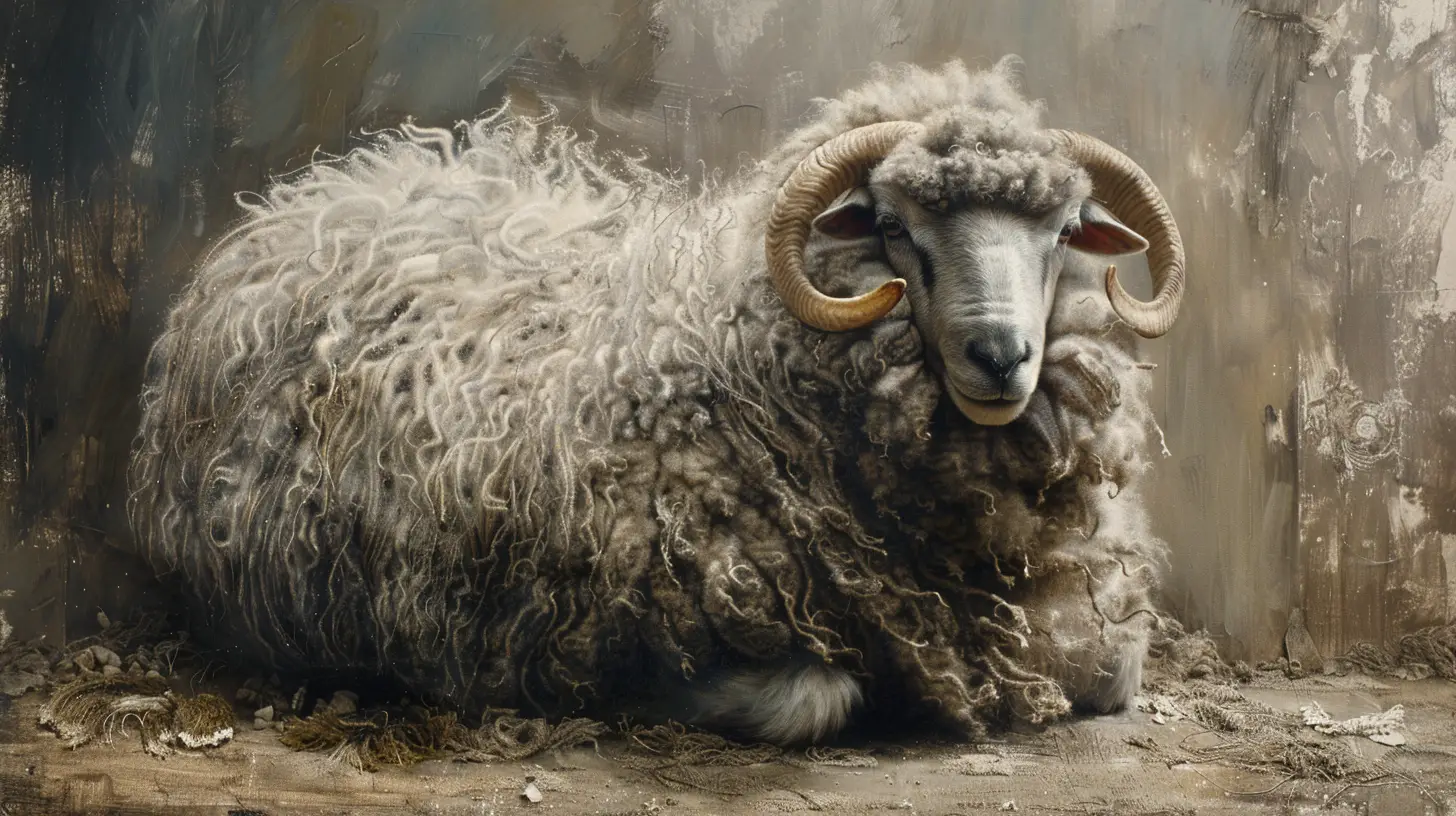
In 2012, a ewe named Methuselah from Lewis in the Western Isles of Scotland, believed to be a contender for the world’s oldest sheep at nearly 26 years old, tragically died after falling off a cliff.
This remarkable ovine outlived the previous record holder, Lucky from Australia, who died at 23 years old during a heatwave in 2009.
The overall record for oldest sheep was held by a 28-year-old crossbred from Wales that incredibly gave birth to a healthy lamb at the age of 28 after lambing successfully more than 40 times.
THE GOLDEN FLEECE
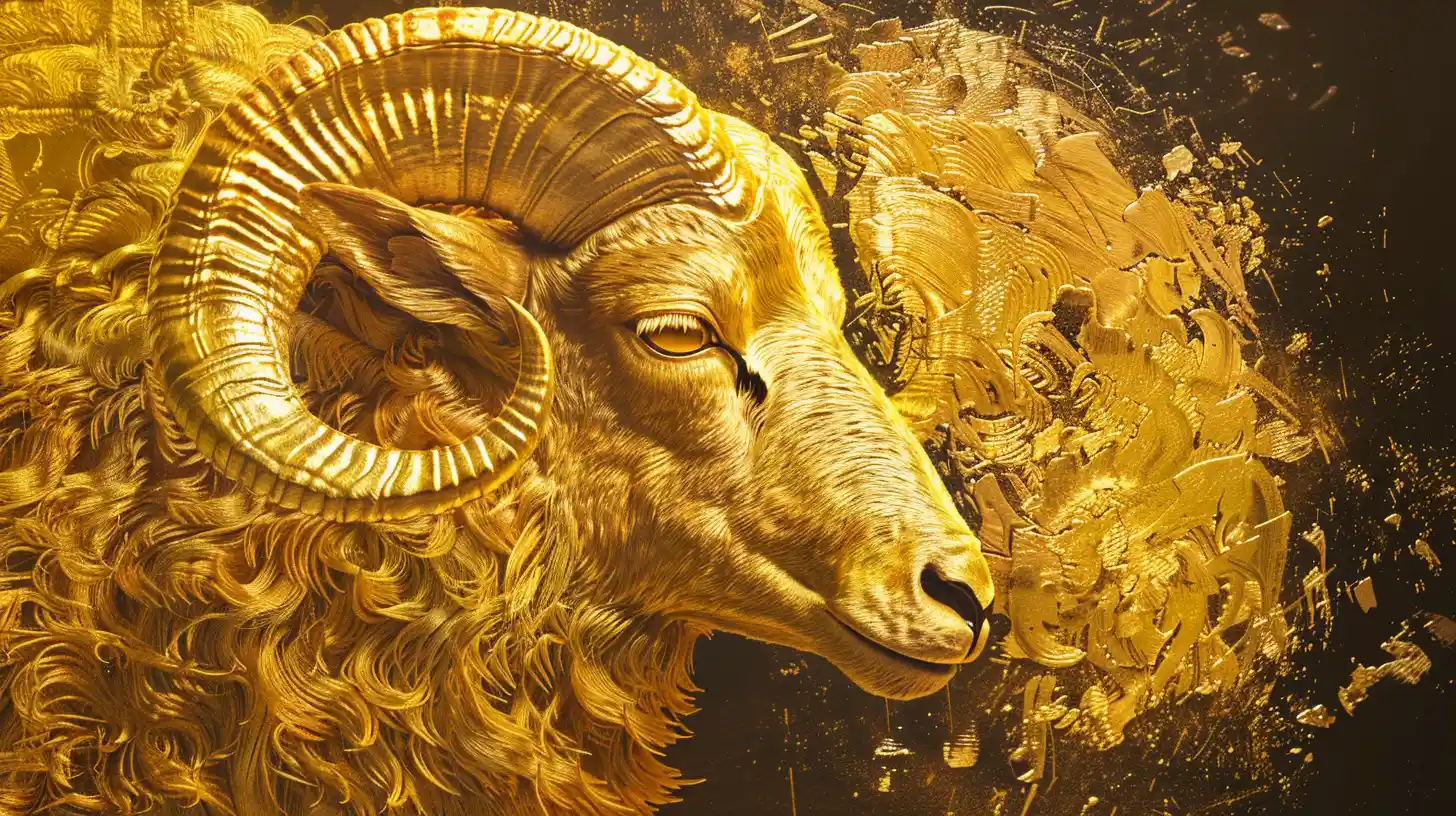
The Golden Fleece, a legendary golden-haired ram’s pelt sought by Jason and the Argonauts in Greek mythology, may have been inspired by an ancient gold-mining technique using sheep fleeces to collect gold flakes from rivers.
The mythical ram that provided the fleece was said to be the offspring of the sea god Poseidon, who had transformed a nymph into a ewe so he could mate with her among a flock of sheep without being detected by her other suitors.
BAARACK
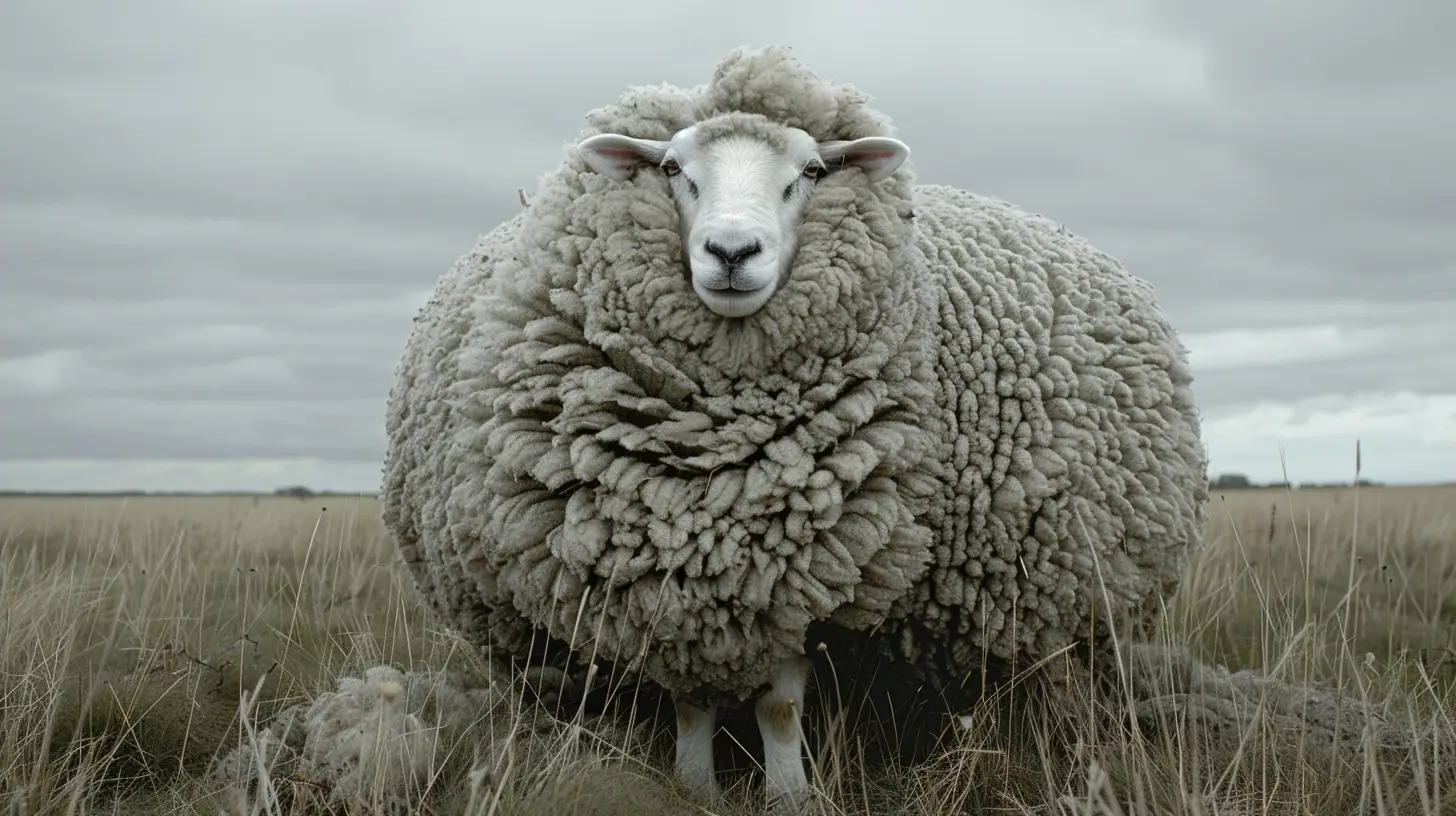
In 2021, a rogue merino sheep named Baarack was discovered in rural Australia with an astonishing 35kg of overgrown fleece, surpassing even the famous New Zealand sheep Shrek’s 27kg coat.
This wooly wonder’s fleece was estimated to be enough to produce 61.3 wool sweaters or 490 pairs of men’s business socks, though it still fell short of the world record 41kg fleece held by Chris, a Canberran ram found in 2005 with a coat weighing twice his body weight.
ALBERT
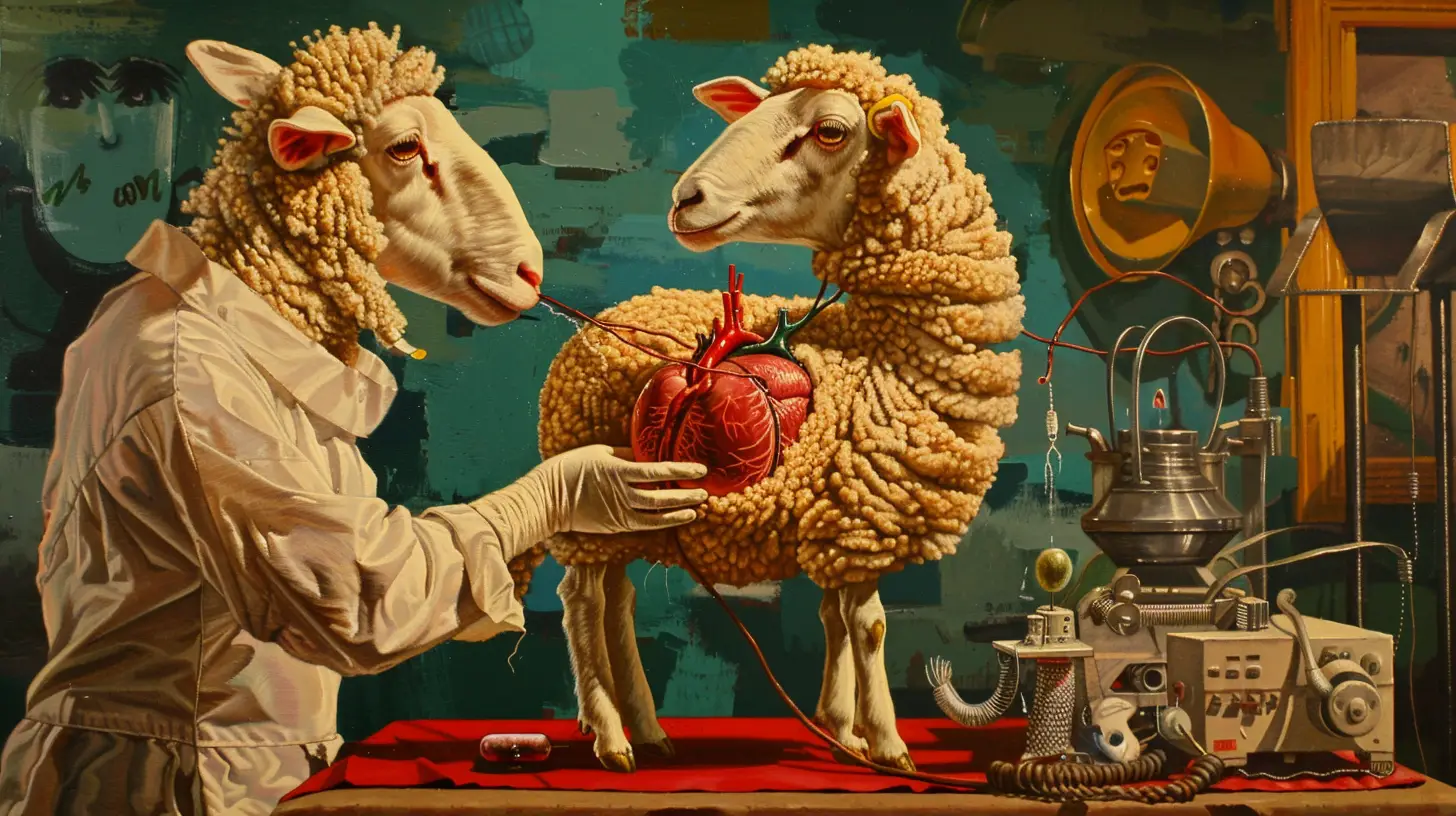
In 1968, just months after performing the world’s first human heart transplant, Dr. Christiaan Barnard’s team successfully transplanted a heart into a sheep named Albert, who survived for 9 days.
This groundbreaking achievement came during a bizarre era of medical experimentation that included attempts to “rejuvenate” elderly men by transplanting chimpanzee testicles in the 1920s.
SONNY WOOL
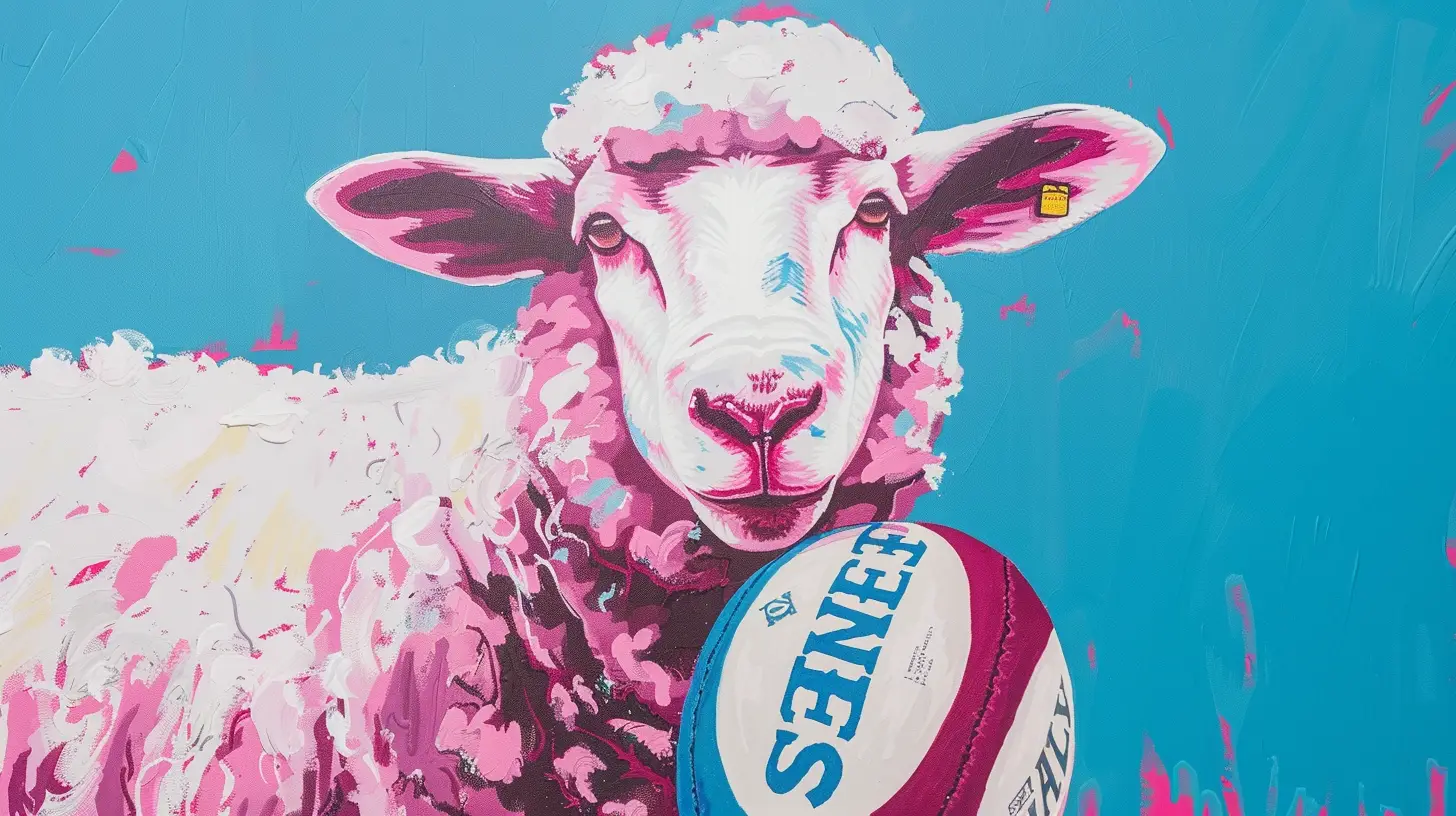
Sonny Wool, a sheep from New Zealand named after rugby player Sonny Bill Williams, gained fame during the 2011 Rugby World Cup by correctly predicting the outcomes of all of New Zealand’s matches through his feeding behavior.
Remarkably, this prescient sheep not only has his own website, Facebook, and Twitter accounts, but was also reportedly placed under 24-hour security after receiving death threats.