
5 min read
A list of Greek Gods and what they were known for:
ZEUS
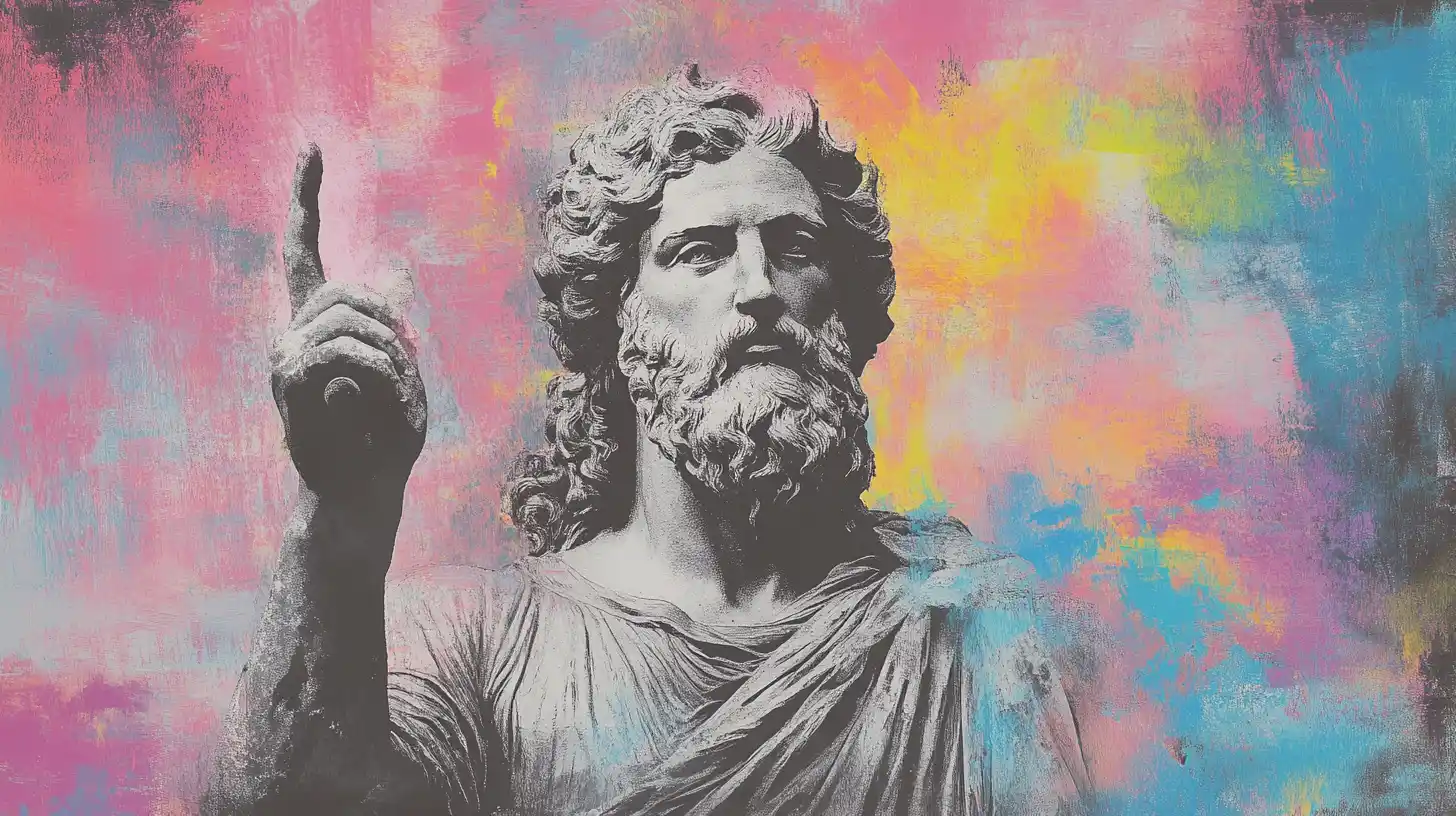
As the supreme ruler of the ancient Greek gods, Zeus led the Olympians to victory against the Titans. Known for his thunderbolt—where it symbolized divine authority. Ancient myths often depict his many love affairs—it was a way to symbolize how ancient Greeks grappled with power and morality.
HERA
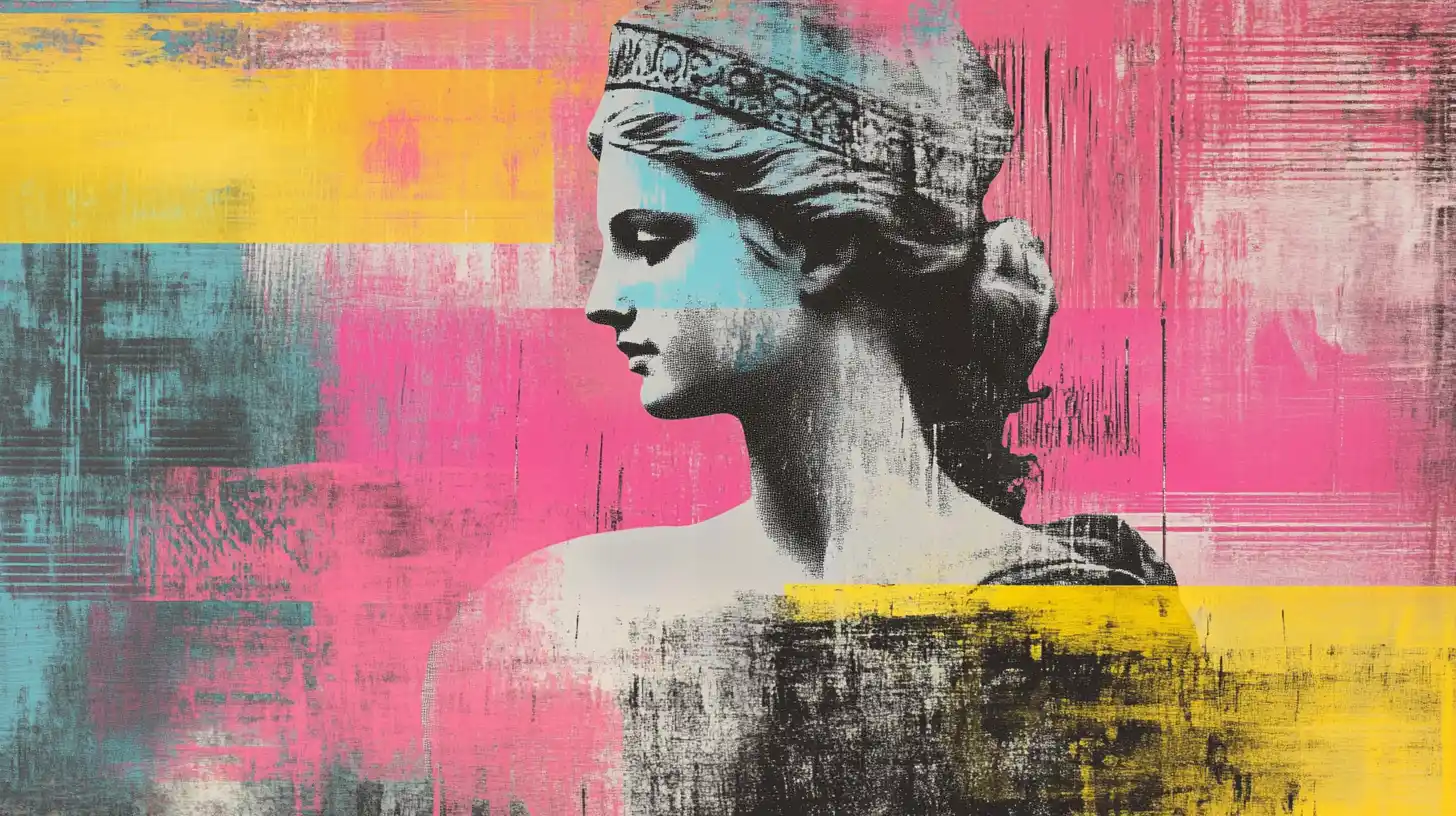
The ancient Greek goddess Hera (Zeus’s wife) was widely depicted for her marital devotion and vengeance. Her stories showed how ancient Greeks viewed marriage’s sanctity—and the consequences of betraying it.
POSEIDON
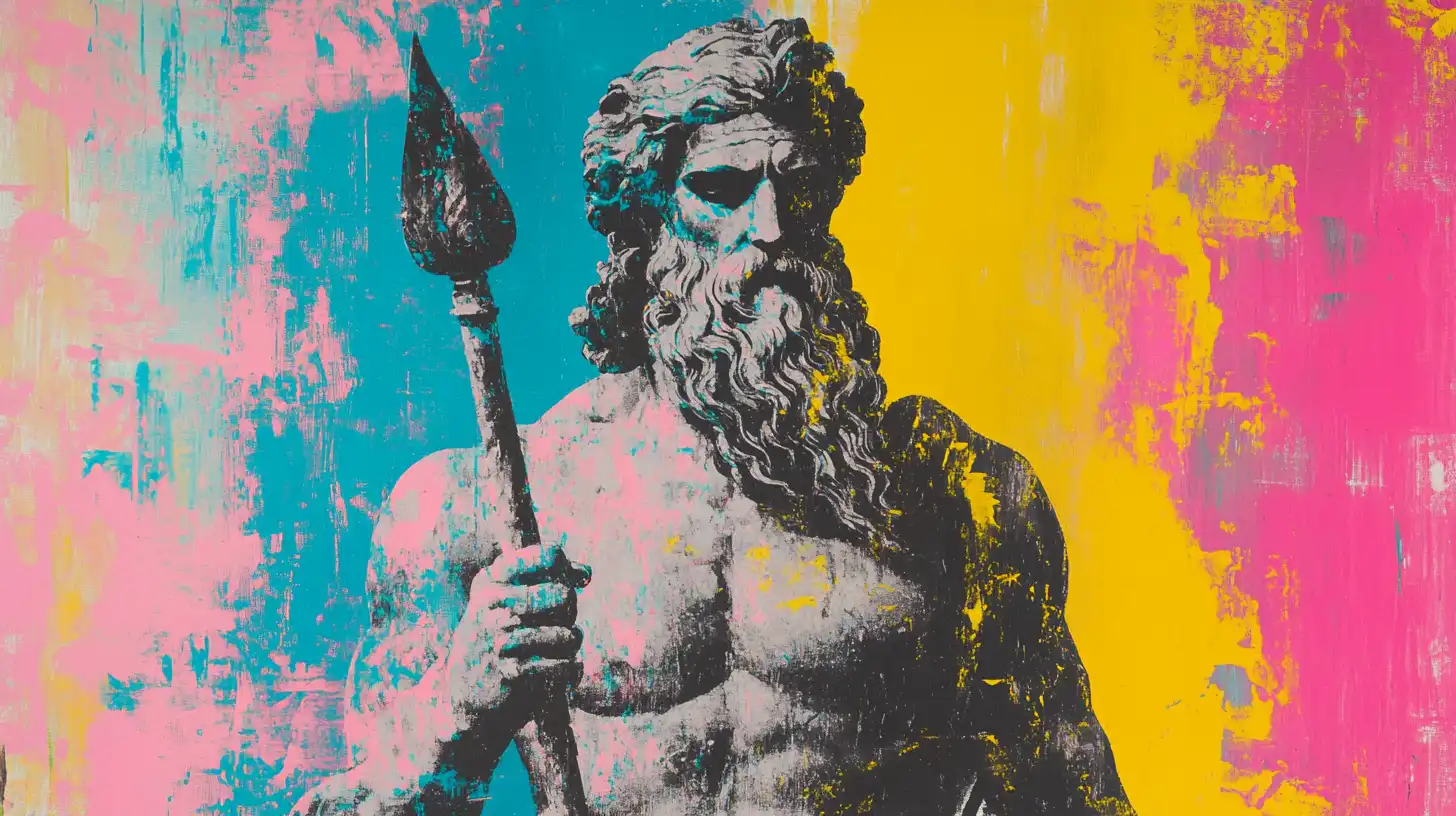
Worshipped by sailors and feared for his storms, Poseidon was one of the most volatile ancient Greek gods. Best known for his rivalry with Athena over Athens (won by gifting the olive tree). It revealed how Greeks linked deities to civic identity.
DEMETER
The Goddess Demeter’s grief over Persephone’s abduction explained the seasons to ancient Greeks. Her Eleusinian Mysteries, secret rites promised hope in the afterlife and were central to Greek spirituality.
ATHENA
Born from Zeus’s head, the Goddess Athena became Athens’ patron and a symbol of strategic warfare. Ancient Greeks linked her owl to wisdom and her aegis (shield) to divine protection in battle.
APOLLO

Apollo’s Oracle at Delphi was the most influential in ancient Greece. His dual nature—healing plagues yet causing them—showcased the Greeks’ belief in gods balancing light and dark forces.
ARTEMIS

Ancient Greeks associated the Goddess Artemis with untamed nature and female independence. Young girls were known to dedicate toys to her before marriage.
ARES
Though the God Ares represented war’s chaos, ancient Greeks rarely worshipped him. His unpopularity was largely based on their preference for the Goddess Athena’s strategic warfare over his mindless bloodshed.
APHRODITE

The Goddess Aphrodite’s origin—born from sea foam—symbolized love’s unpredictable power to ancient Greeks. Her affair with Ares is symbolized by myths that show tensions between passion and societal duty.
HEPHAESTUS
As the only disabled Olympian God, Hephaestus’s craftsmanship (like Achilles’ armor) showed ancient Greeks’ respect for skill over physical perfection. He was largely symbolized by volcanoes as Earth’s creative-destructive power.
HERMES
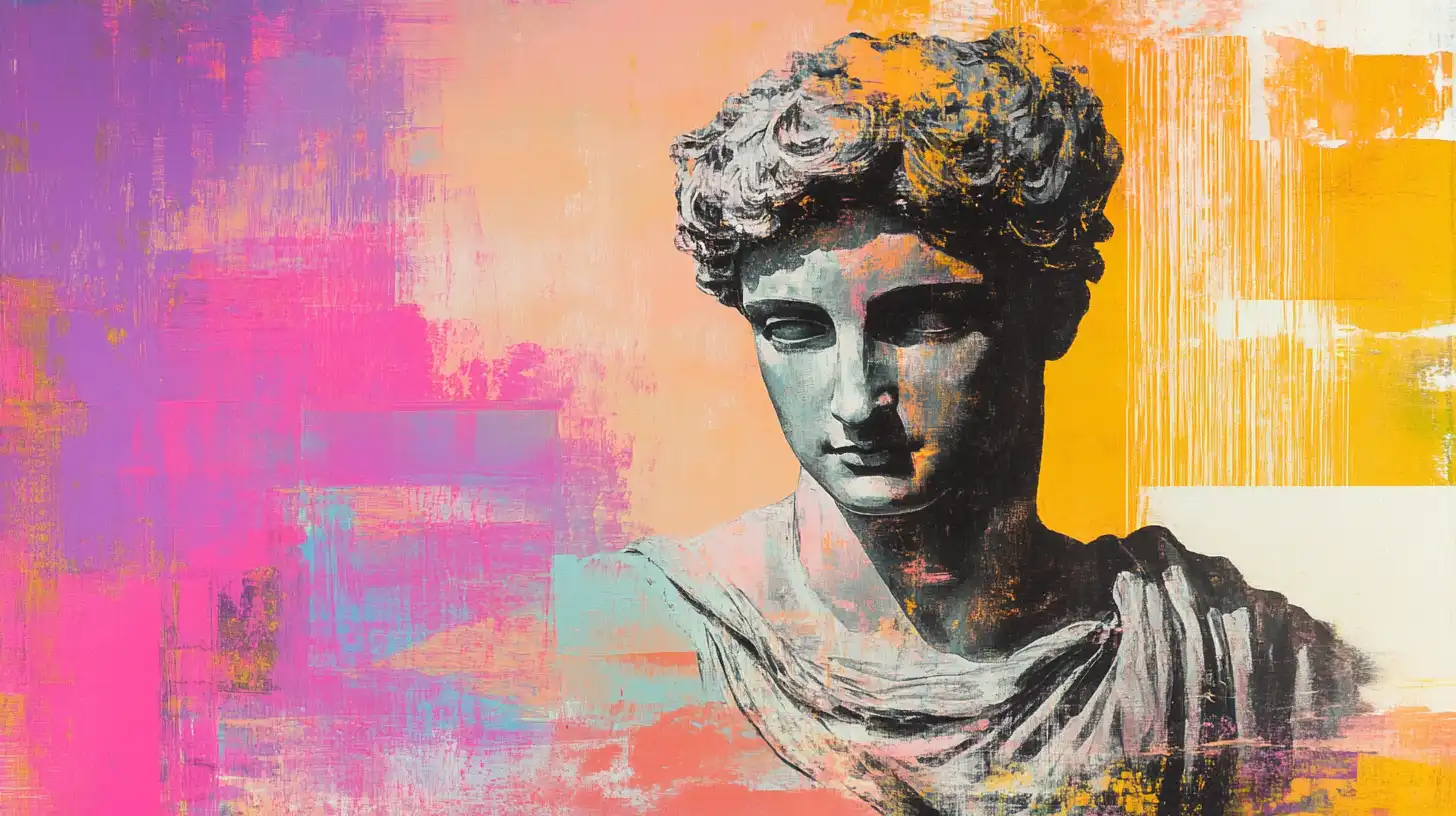
The God Hermes’ winged sandals and his snake staff made him the ancient Greeks’ guide between realms. His trickster nature was used to reflect their appreciation for wit and adaptability.
HESTIA

The Goddess Hestia’s sacred flame once burned in every Greek home—symbolizing unity. Ancient Greeks saw her as the quiet, stabilizing force among quarrelsome gods.
HADES
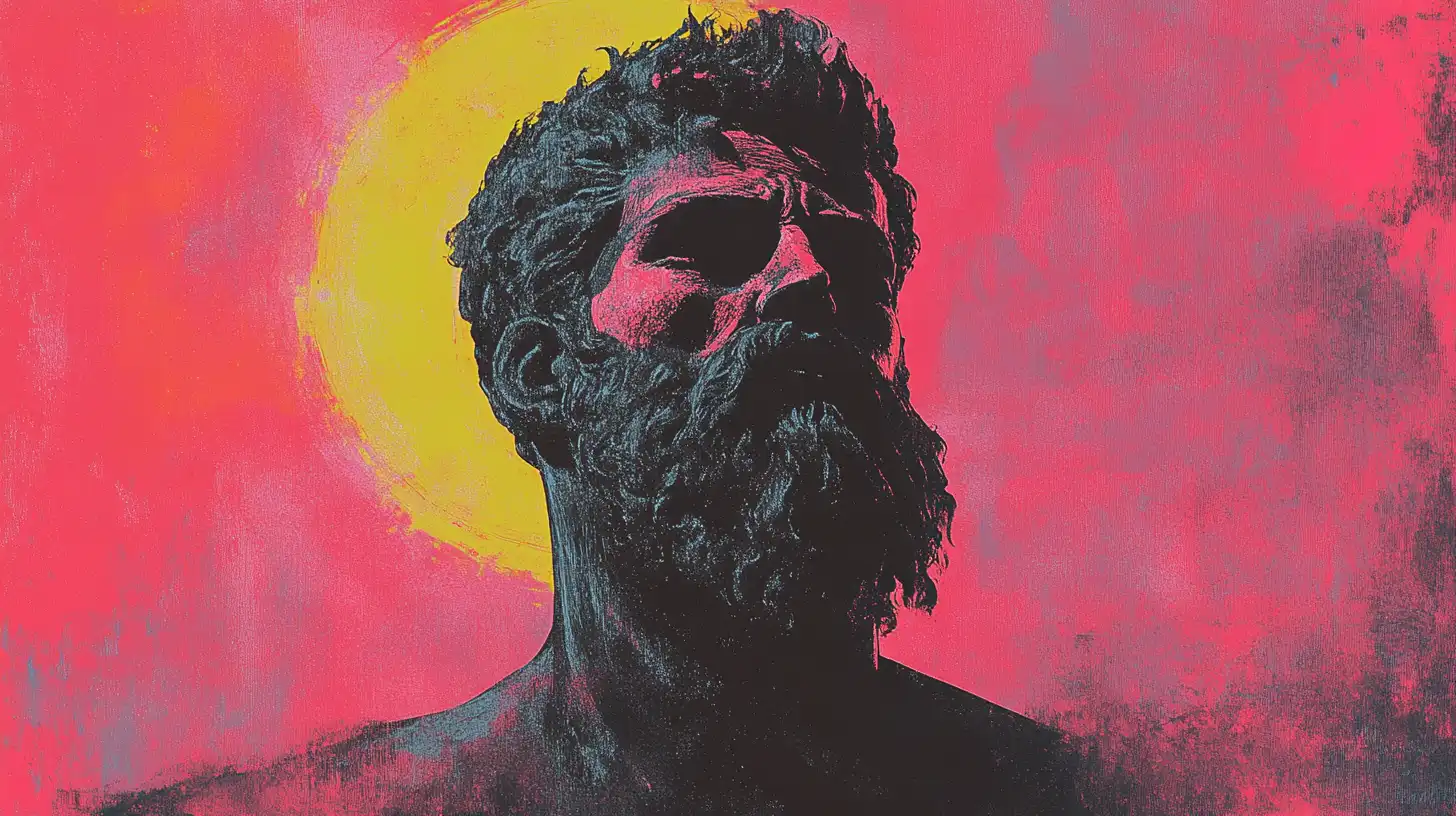
Though feared, the God Hades ruled the dead fairly in ancient Greek myth. His name was rarely spoken aloud—largely due to taboos around death and the afterlife.
DIONYSUS
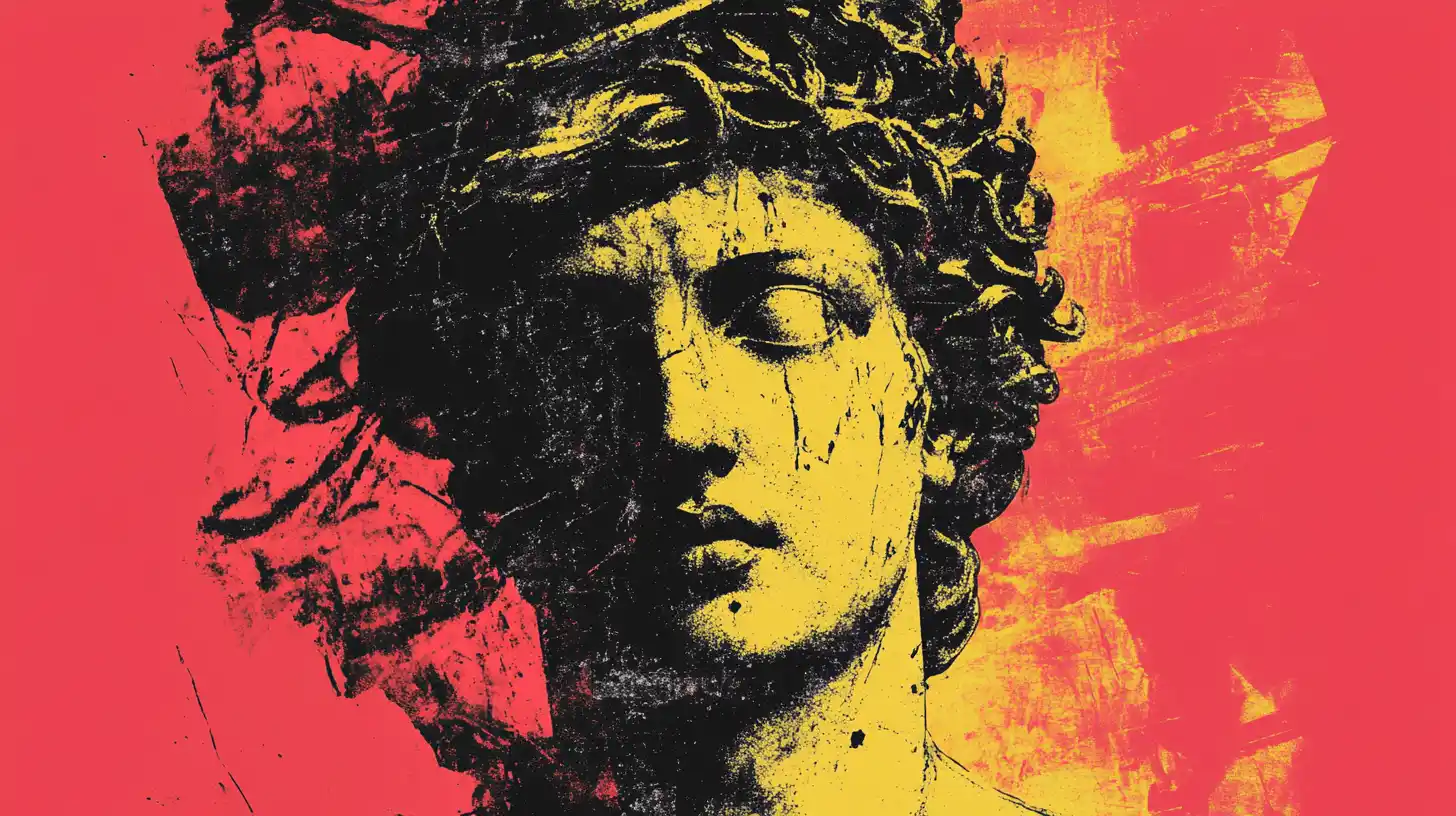
The God Dionysus’s wild festivals inspired ancient Greek theater, blending chaos and art. His dual nature—joyful liberation and madness—mirrored wine’s drunken effects on man.
Greek colonists carried the wine culture of his cult across the Mediterranean, seeding vineyards from Italy to southern France.
PERSEPHONE

The Goddess Persephone’s annual return from the Underworld gave ancient Greeks hope for spring’s renewal. Her myth explained life’s cyclical nature and the balance between life and death.
CRONUS
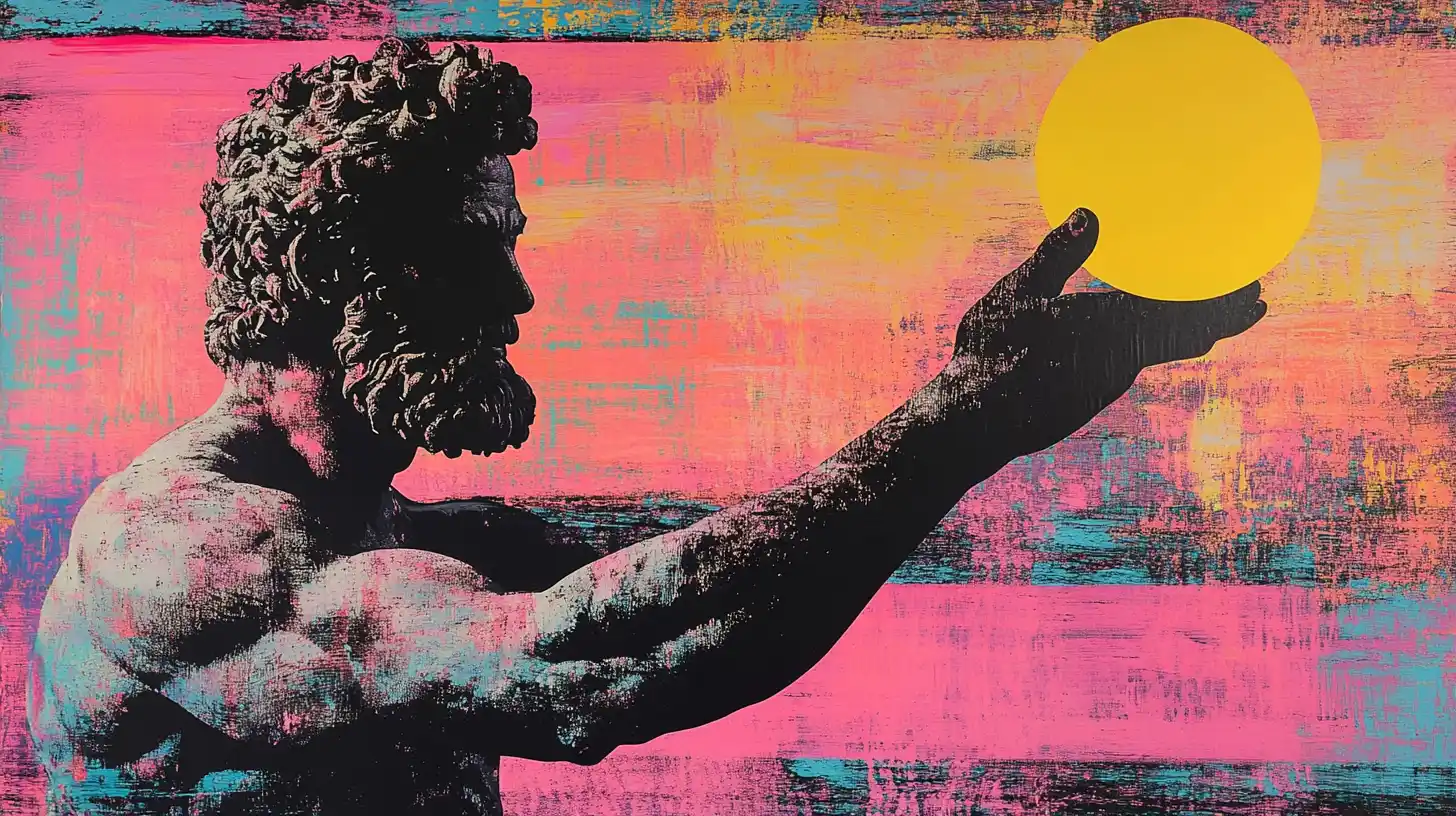
Cronus was the leader of the Titans. He ruled a primordial era before the Olympian Gods. Ancient Greeks saw the defeat of Zeus as the triumph of order over chaos.
RHEA
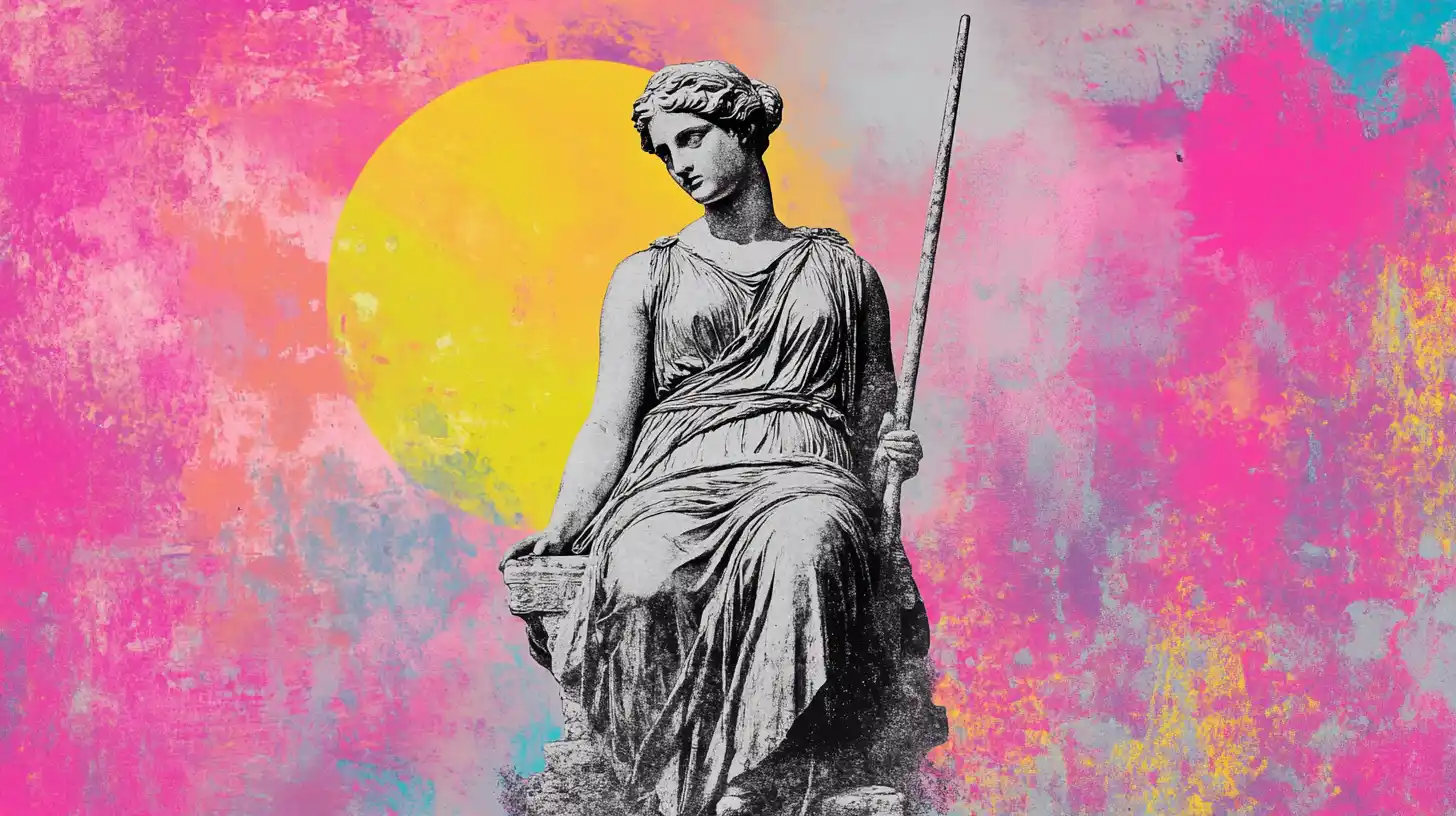
The Titaness Rhea’s cunning nature saved Zeus, ensuring the Olympians’ rise. She often symbolized maternal sacrifice and resilience in ancient Greek cosmology.
PROMETHEUS
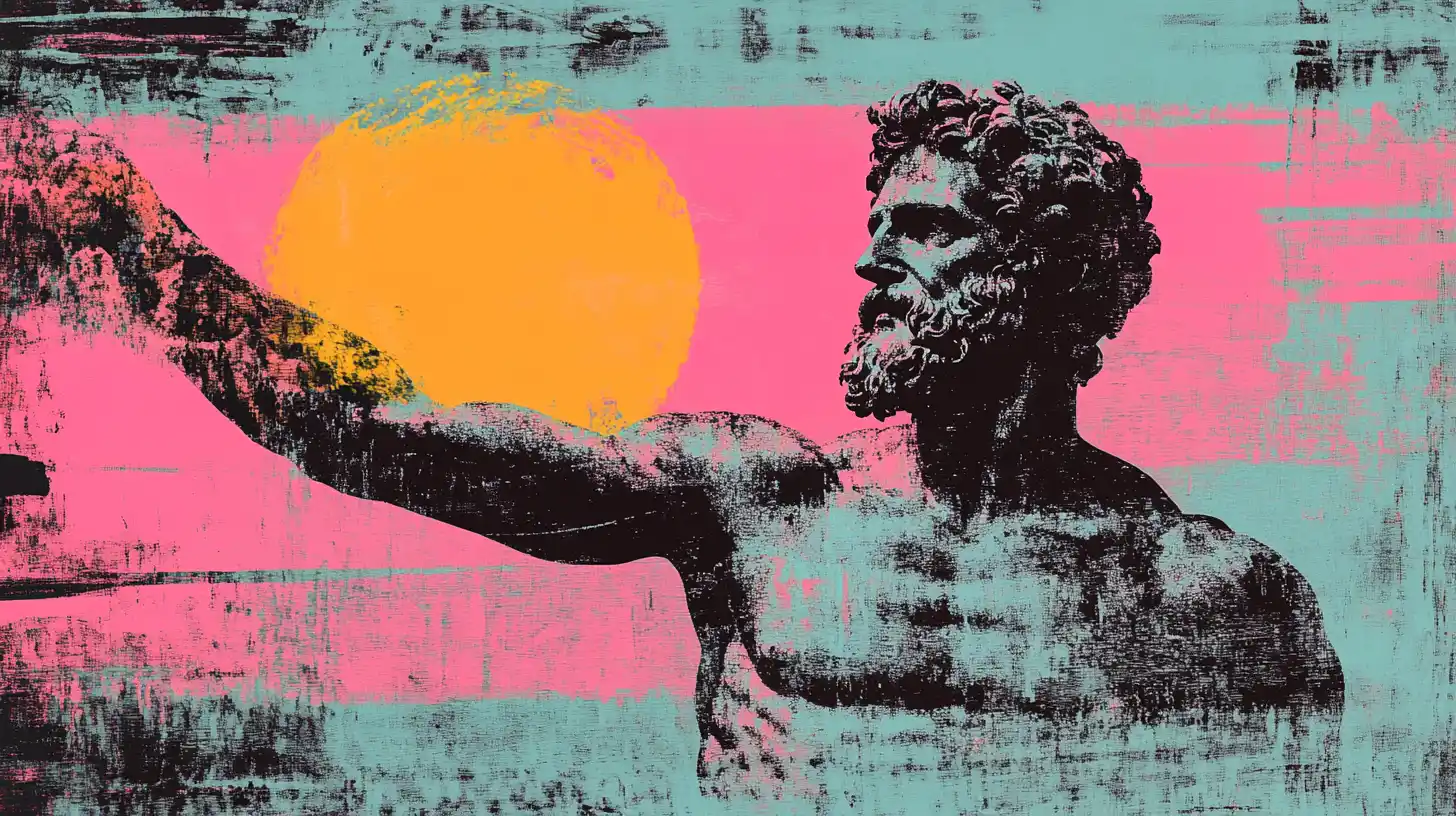
The Titan Prometheus’s theft of fire for humanity made him a rebel-hero in ancient Greek lore. However, his eternal punishment for doing so highlighted their fear of divine retribution.
ATLAS
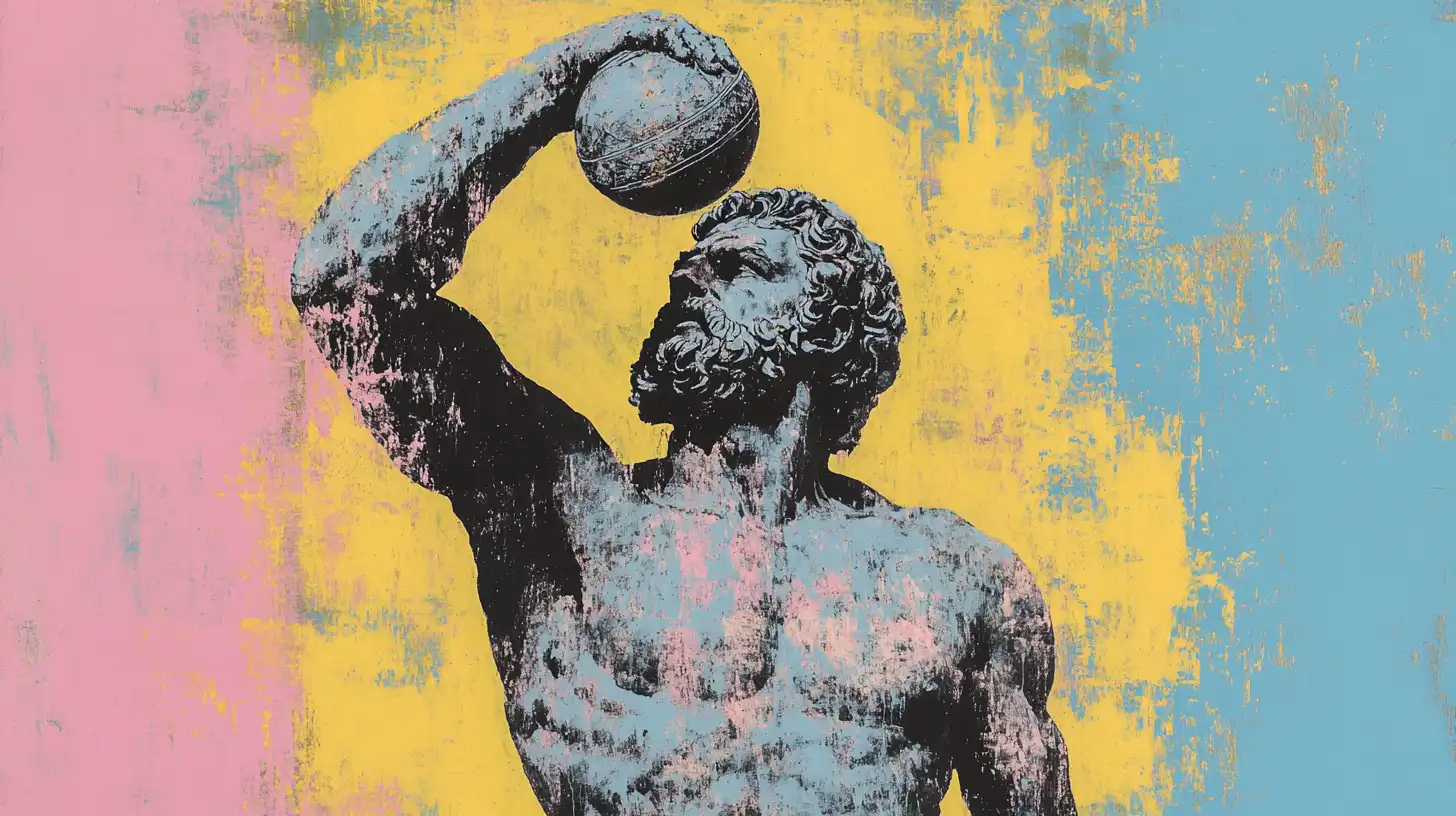
The Titan Atlas’s punishment—holding the sky—symbolized ancient Greek views on rebellion’s cost. His name later inspired maps (“atlases”)—later myths related him to cosmic order.
HELIOS
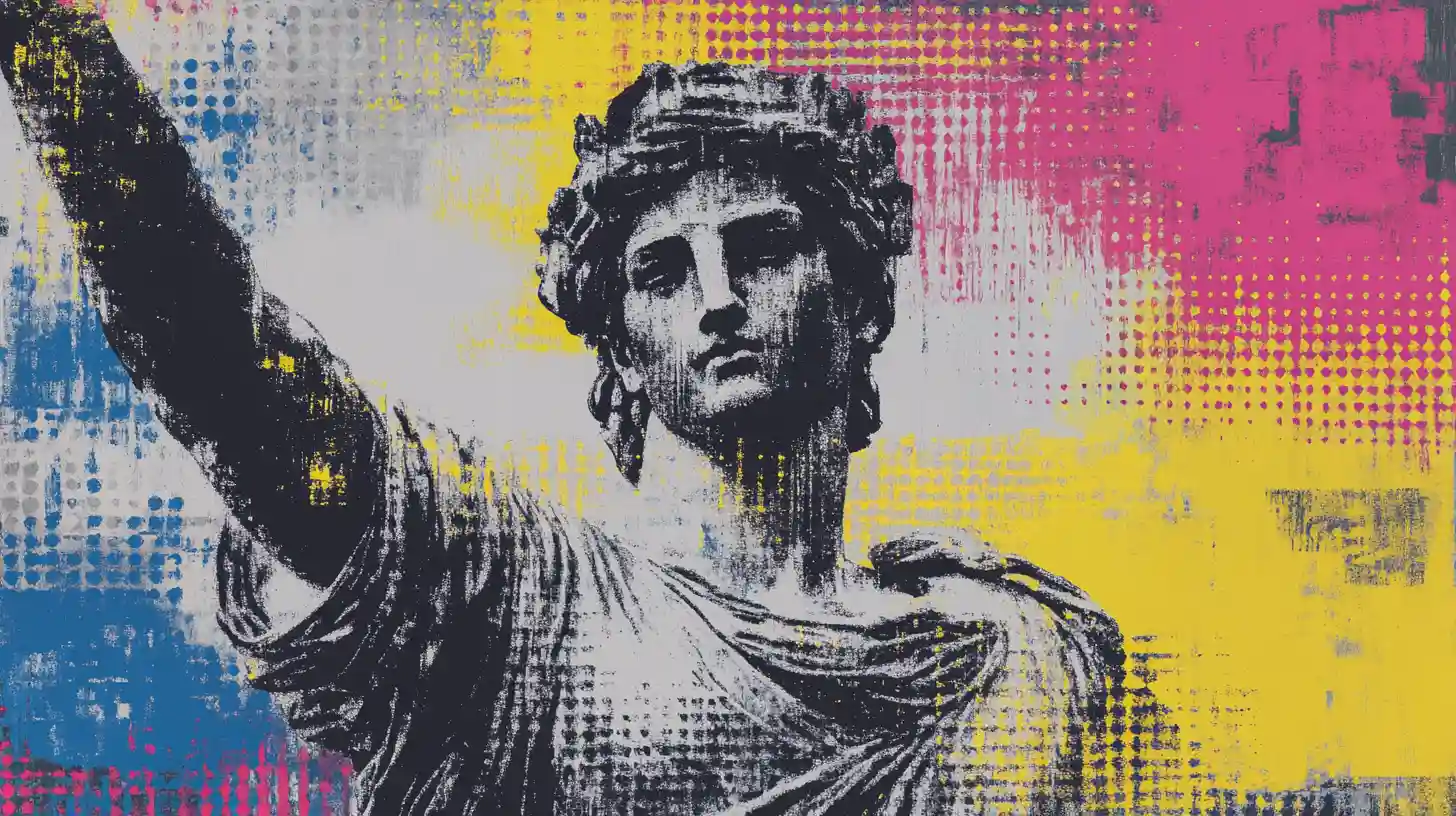
Before the God Apollo’s rise, the Titan Helios personified the sun in ancient Greek myth. His daily chariot ride across the sky symbolized celestial cycles.
EROS
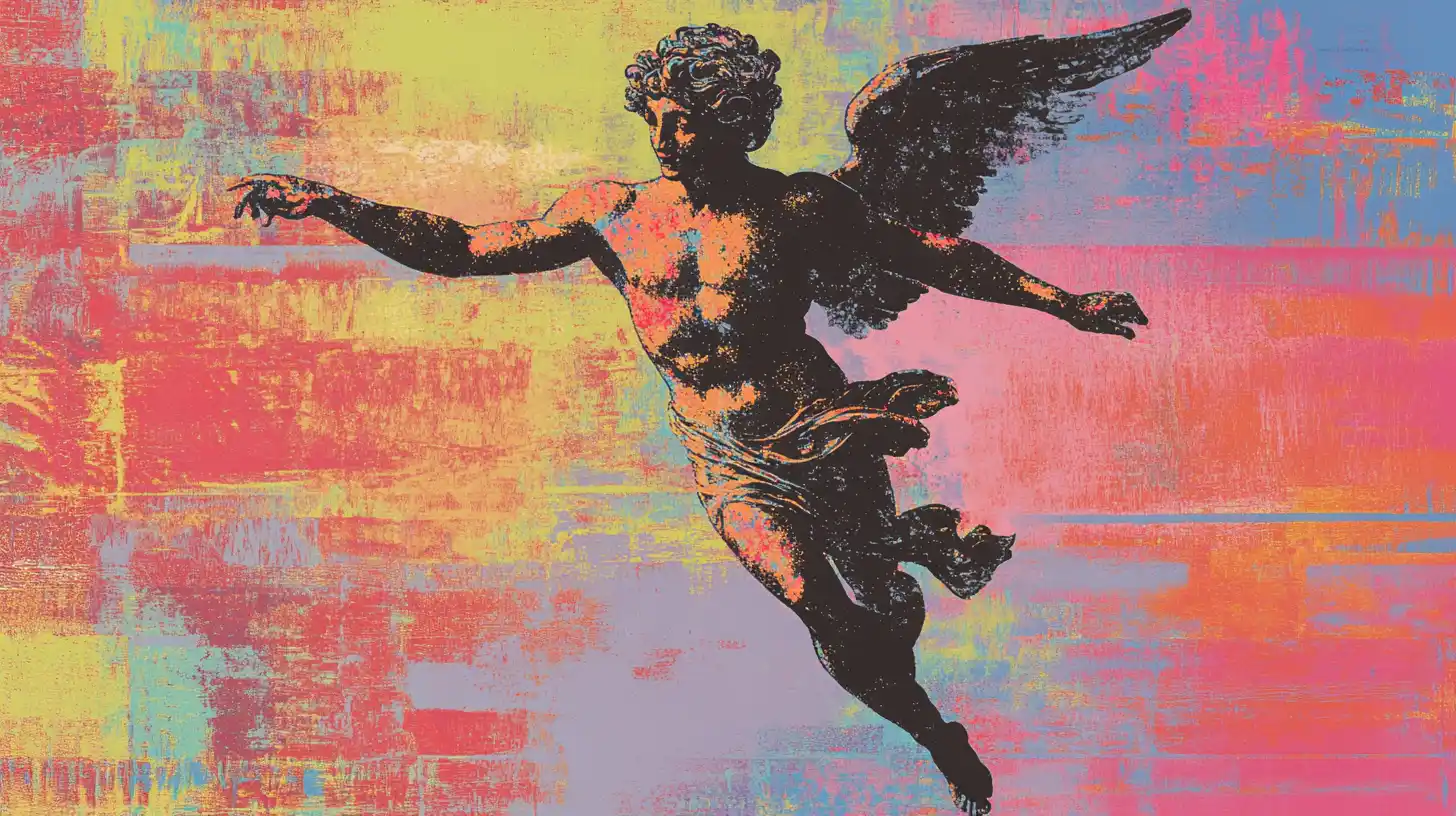
Originally a primordial force, the God Eros evolved into Aphrodite’s winged son. Ancient Greeks saw love as both playful and dangerous (like his arrows).
NIKE
The Goddess Nike’s wings symbolized swift triumph in ancient Greek culture. Her image on coins and statues celebrated military and athletic glory.
PAN
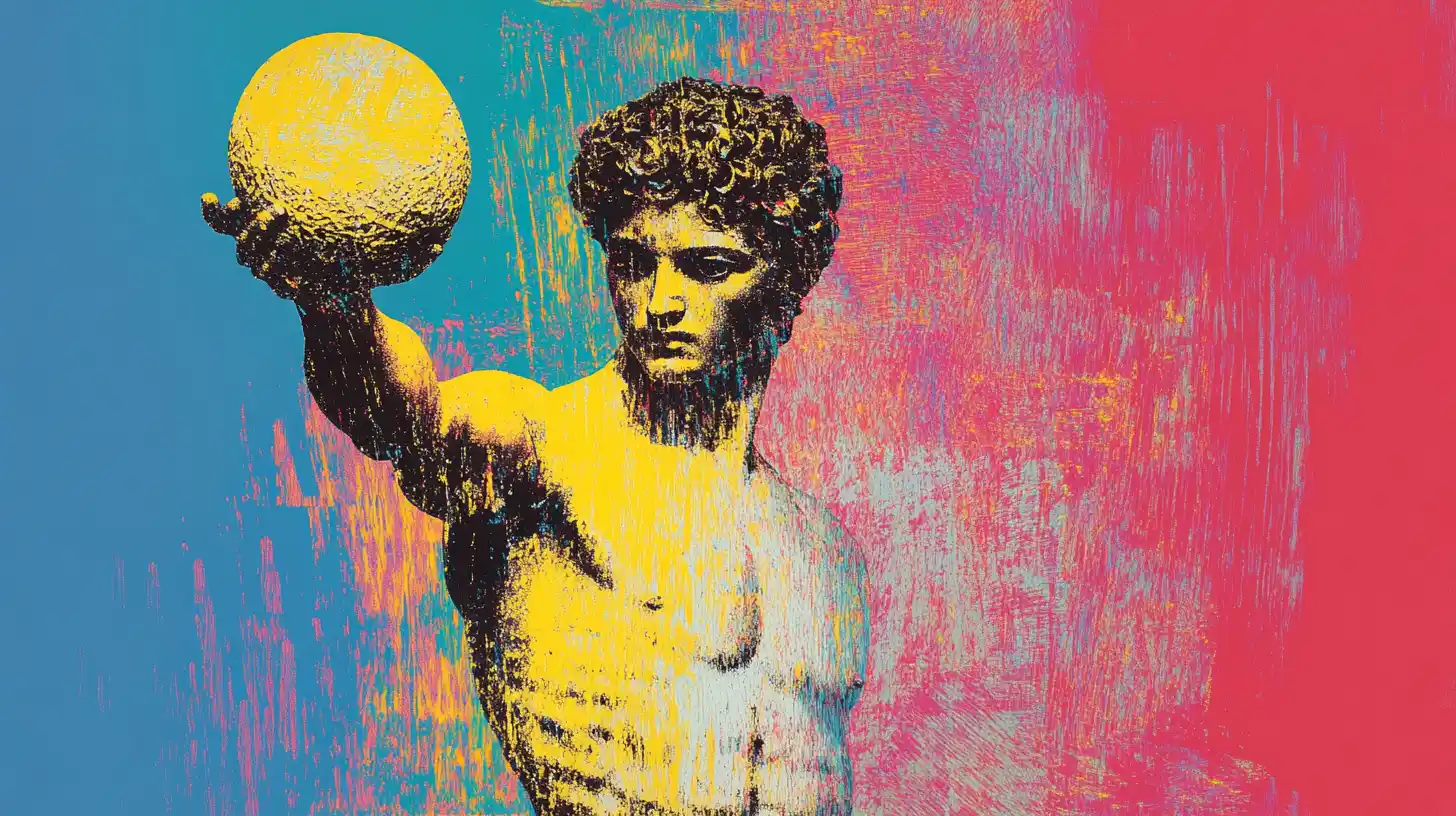
The God Pan’s goat-like form embodied nature’s raw beauty for ancient Greeks. Rural communities worshipped him. As they thought he’d protect their flocks and help grow food.
THANATOS
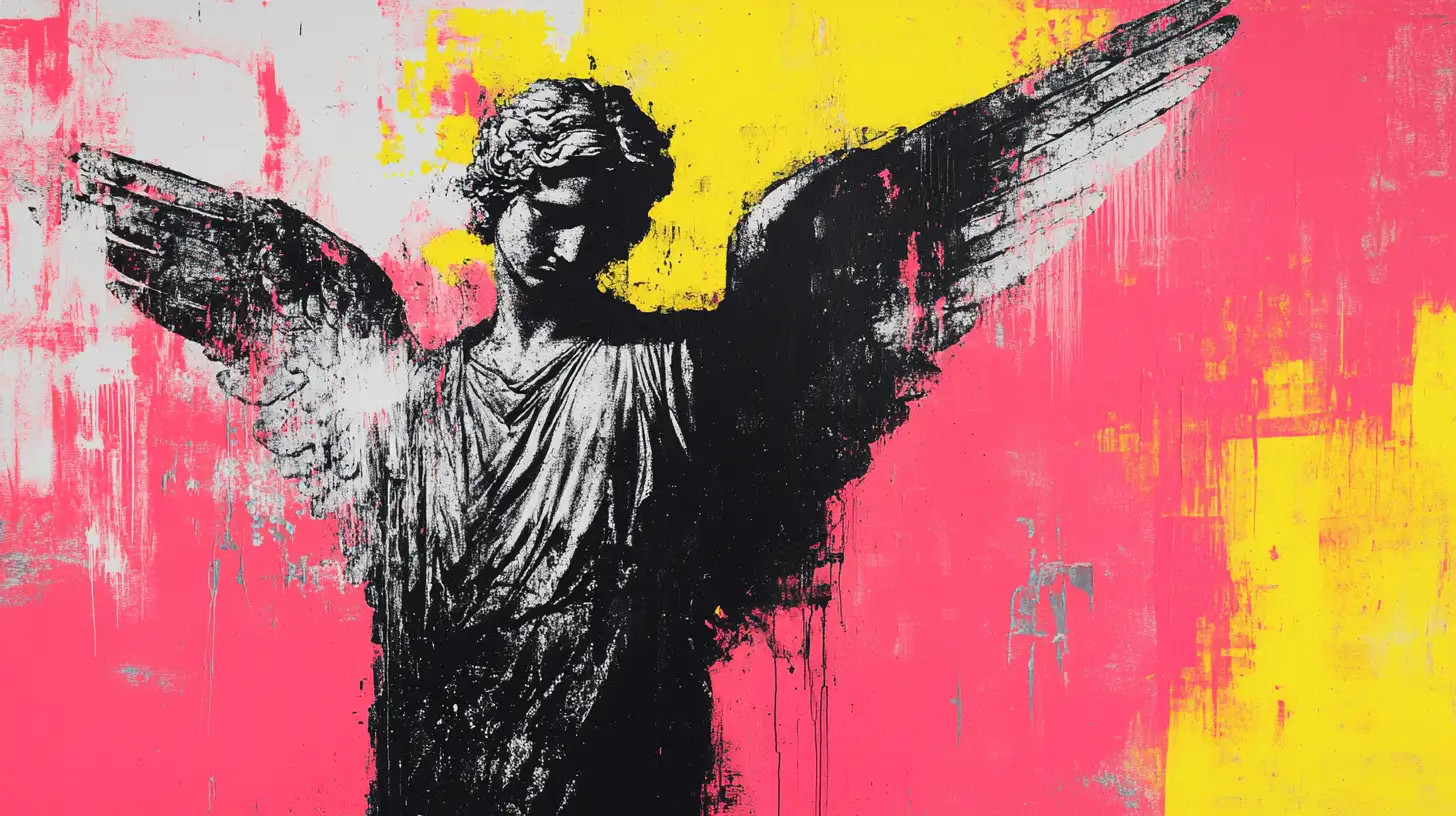
The God Thanatos represented death as a gentle release in ancient Greek belief. His myths contrasted with violent ends caused by war or monsters.
HECATE

The Goddess Hecate guarded liminal spaces (crossroads, thresholds) in ancient Greek myths. Her torch-lit rituals were used as protection from restless spirits and dark forces.
Think you can keep all these gods and goddesses straight? Take the Greek mythology quiz and find out.