14 min read
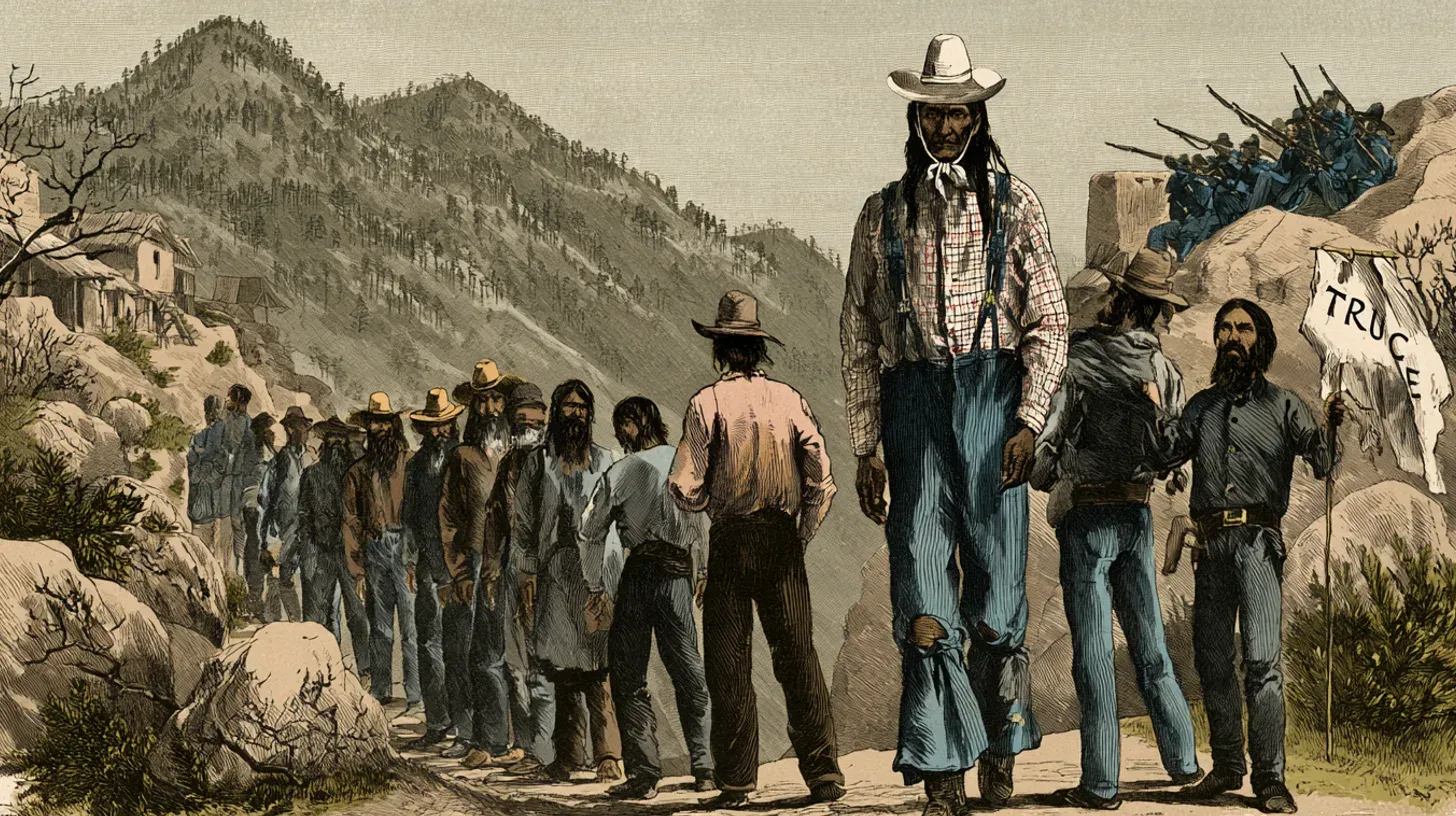
Before daylight one morning in January 1863, a party of prospectors and a half-company of California volunteers left their camp at old Fort McLane, in southwestern New Mexico, and climbed toward the gap above the mining camp of Pinos Altos. The soldiers hid themselves in the chaparral and in the old shacks, “hiding every uniform,” and a frontiersman named Jack Swilling led the civilians out across the treeless summit. “All was silent; not a human being was seen,” one of them, Daniel Conner, remembered. Then Swilling let out a war whoop, and before long the man they had come for was seen in the distance, walking toward them on an old mountain trail with more than a dozen men behind him. He was Mangas Coloradas, the chief of the Bedonkohe Apaches, the band Geronimo was born into, and he had come to talk.
He was about seventy. “Swilling, though six feet tall, looked like a boy beside Mangas,” Conner wrote, and that evening, when the old man stood about the camp as a prisoner, he was “a head and shoulders above any paleface present.” He wore a cheap checked shirt and blue overalls cut off at the knees, and a white sombrero with a square crown, much too small for him, tied on under his chin with a string. His hair reached his waist. By the next morning he was dead, shot by his guards, and the army’s report said he had been killed trying to escape. The men who were there told it otherwise, and they did not agree with one another.
Red Sleeve at the Copper Mines
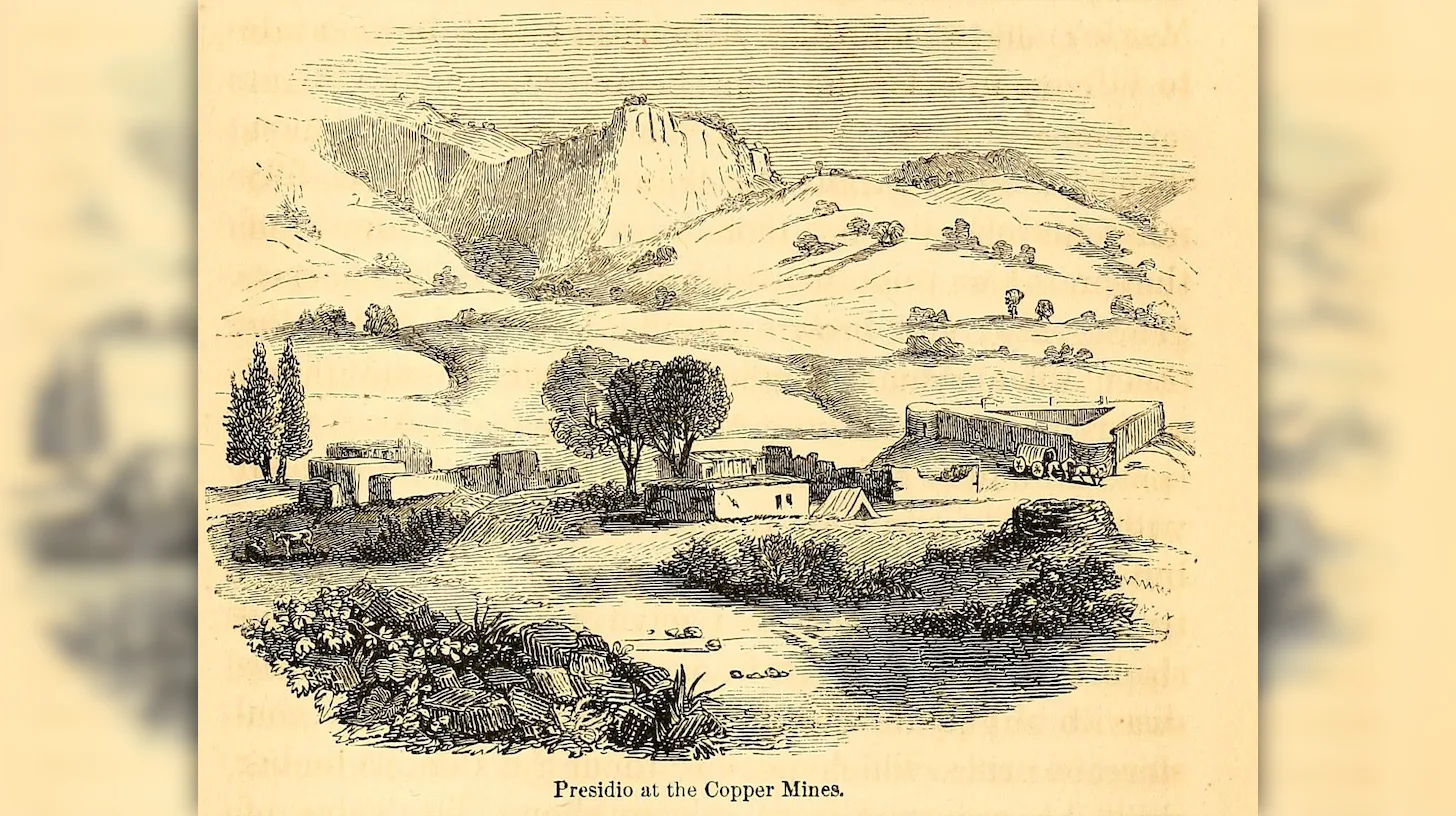
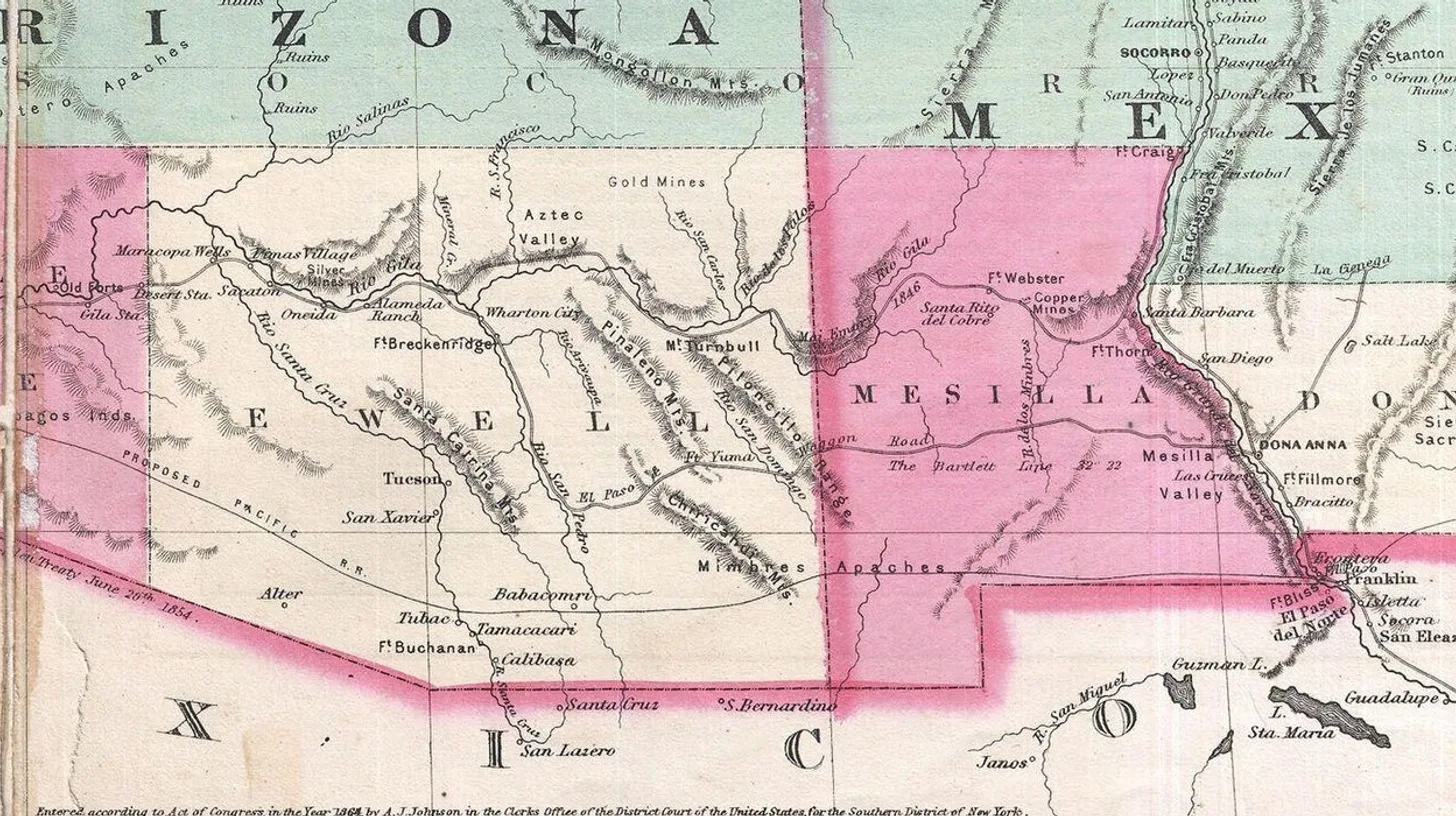
The Americans had known him for twelve years. In the summer of 1851 the commission surveying the new boundary with Mexico camped at the old copper mines of Santa Rita del Cobre, and its commissioner, John Russell Bartlett, met the Apaches there, “headed by their head chief, Mangus Colorado, or Red Sleeve.” He said he was a friend of the Americans, Bartlett wrote, “and that his people desired to be at peace with us.” Bartlett had a full suit of blue broadcloth made for him, with a frock coat lined with scarlet and ornamented with gilt buttons, and a white shirt and a red silk sash to go with it.
The trouble began when the commission took Mexican captives away from the Apaches who held them. One of the commission’s men took down what Mangas said at the council that followed.
“We concealed nothing. We came not here secretly or in the night. We came in open day and before your faces, and we showed our captives to you.”
“We were friends! We were brothers!” he told them. John Cremony, who was with the commission and wrote about it later, not always reliably, gave the most careful description of him: “His height was about six feet; his head was enormously large, with a broad, bold forehead, a large acquiline nose, a most capacious mouth, and broad, heavy chin.” His eyes, Cremony wrote, were small but “exceedingly brilliant and flashing when under any excitement.” Within a week, by Cremony’s story, Mangas had gambled the uniform away.
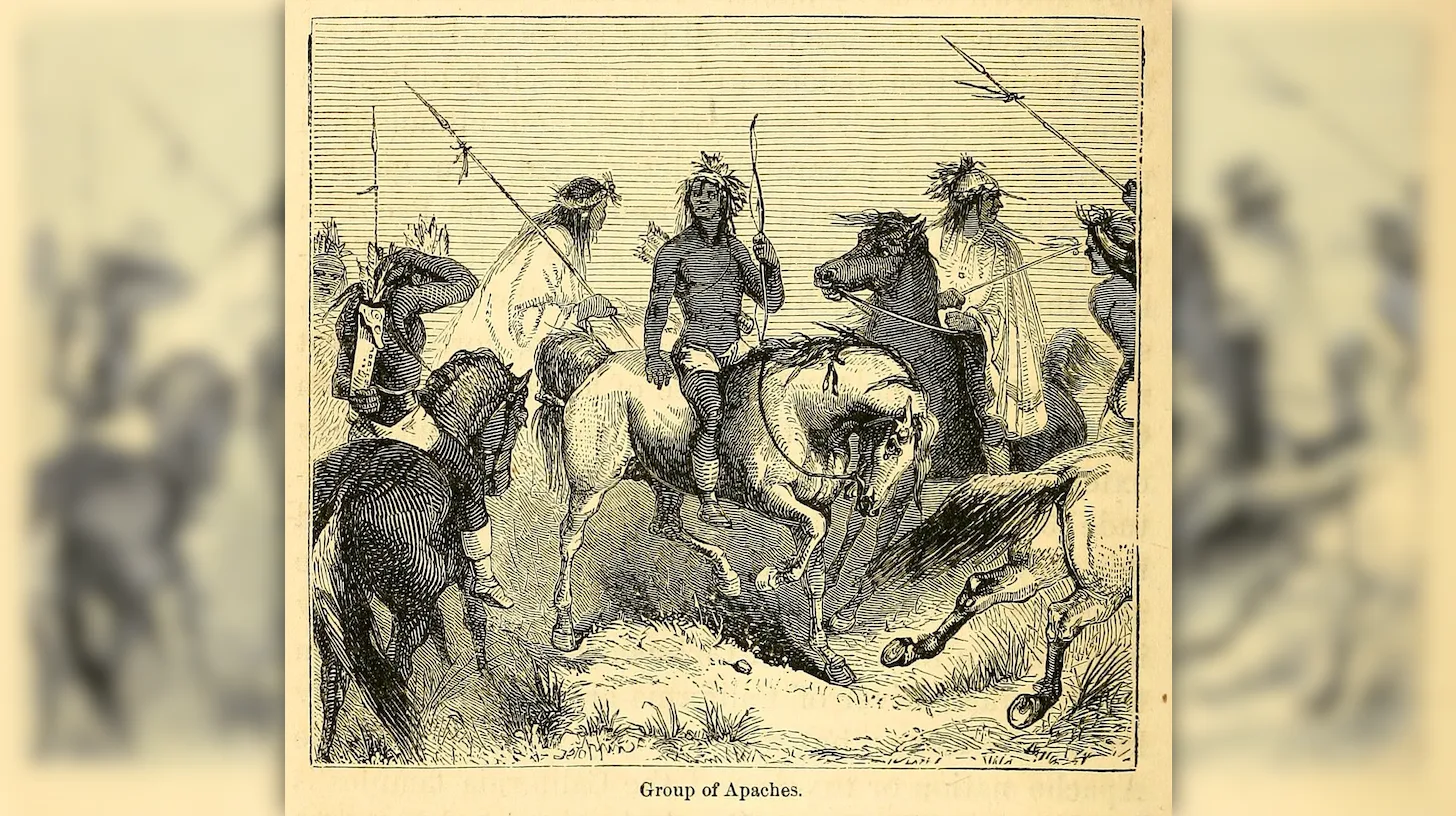
Mangas Coloradas’s height grew with the telling. Cremony, who knew him, said about six feet. Conner put him a head and shoulders above every white man in the camp. The figure of six feet six inches that is often repeated now appears in no account written by anyone who saw him.
A carbine ball at Apache Pass
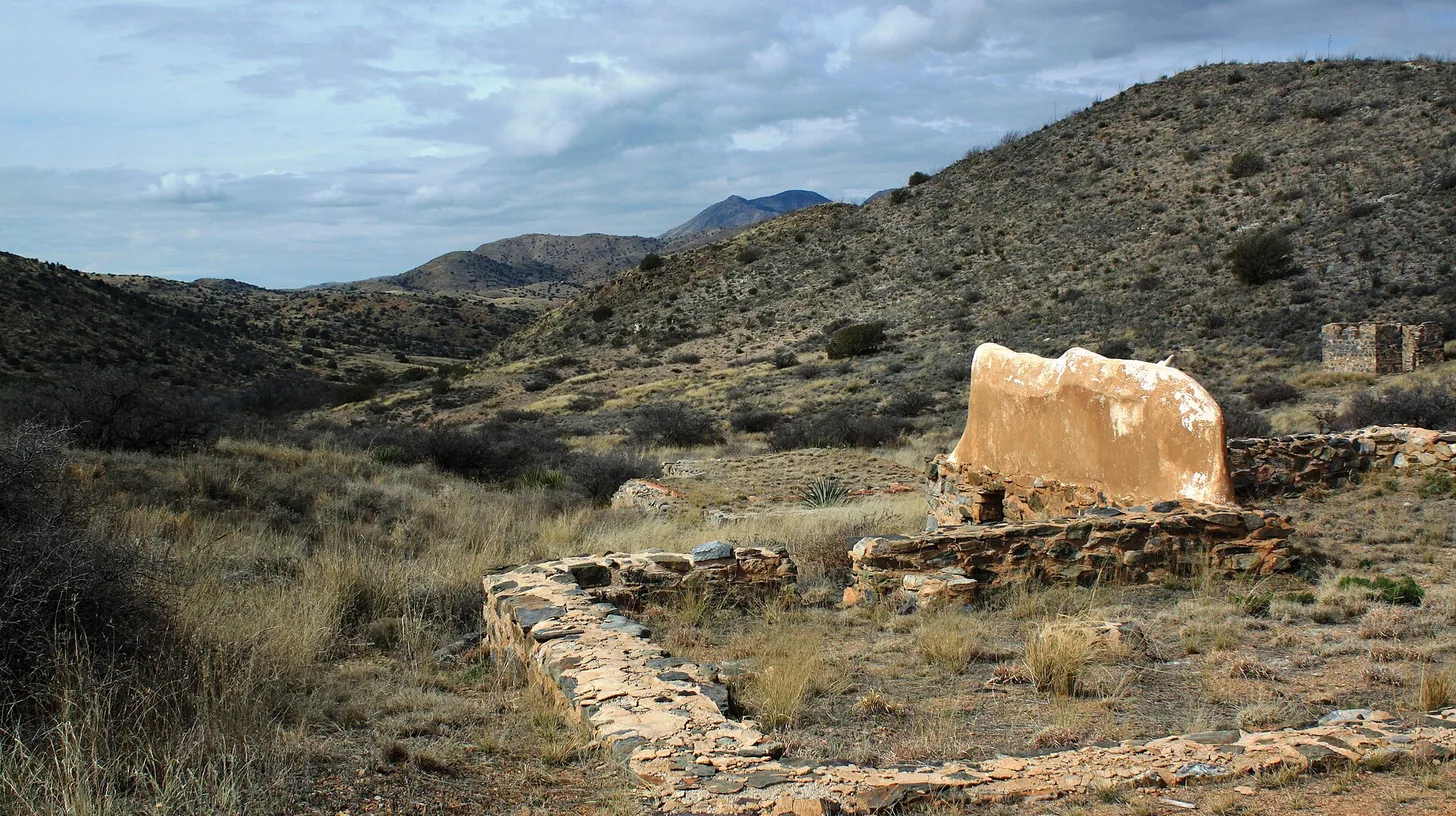
In the summer of 1862, with the Civil War on, a column of California volunteers marching east fought the Apaches in the battle of Apache Pass, in what is now southeastern Arizona. Mangas had joined Cochise there with two hundred warriors, and in the fighting a California cavalryman, cut off and alone behind his dying horse, kept firing at the warriors around him.
“In this way the fight continued for over an hour, when I got a good chance at a prominent Indian and slipped a carbine ball into his breast.”
The man he hit was Mangas, and his people carried him south to the town of Janos, in Chihuahua, to be treated. He recovered. By the autumn he was sending word that he wanted peace, and the commander of the department, Brig. Gen. James H. Carleton, wrote to the colonel in charge of the column’s advance, Joseph R. West, that “Mangus Colorado sends me word he wants peace, but I have no faith in him.”
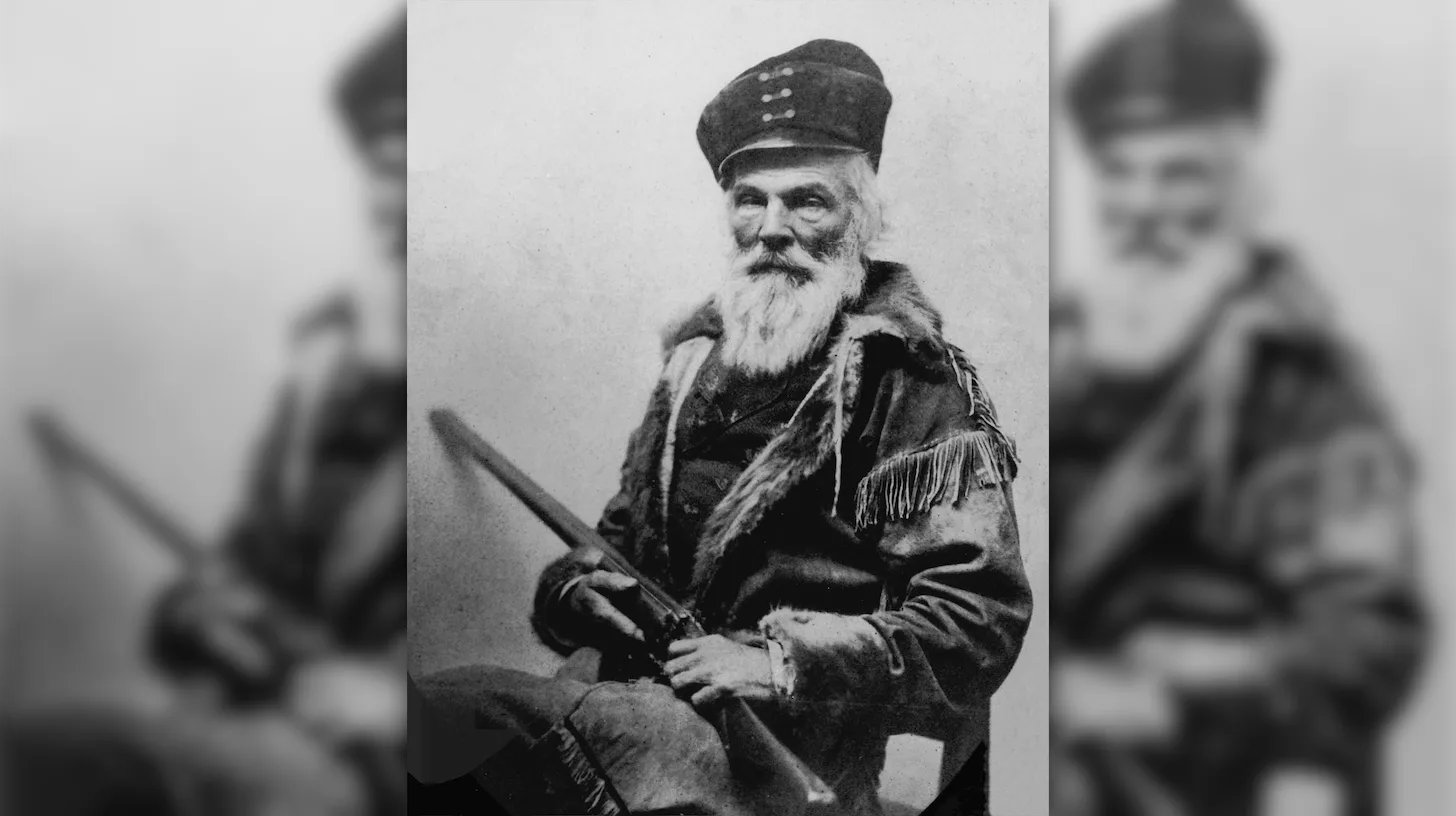
In January 1863 West marched west from the Rio Grande against the Apaches of the Gila country, and he sent a cavalry captain, Edmond Shirland, ahead with twenty men, under orders to succeed “in either fighting the chief or getting him into his possession.” Shirland found a party of prospectors already camped at Fort McLane, a post the army had abandoned in 1861. Their leader was Joseph Reddeford Walker, an old mountain man, and he wanted to take his men and his sixty mules into the Arizona mountains to prospect. Walker, Conner wrote, “conceived the idea of capturing Mangas to hold as a hostage,” which would let the party take a short route across Apache country. Shirland agreed to join him.
The gap at the summit
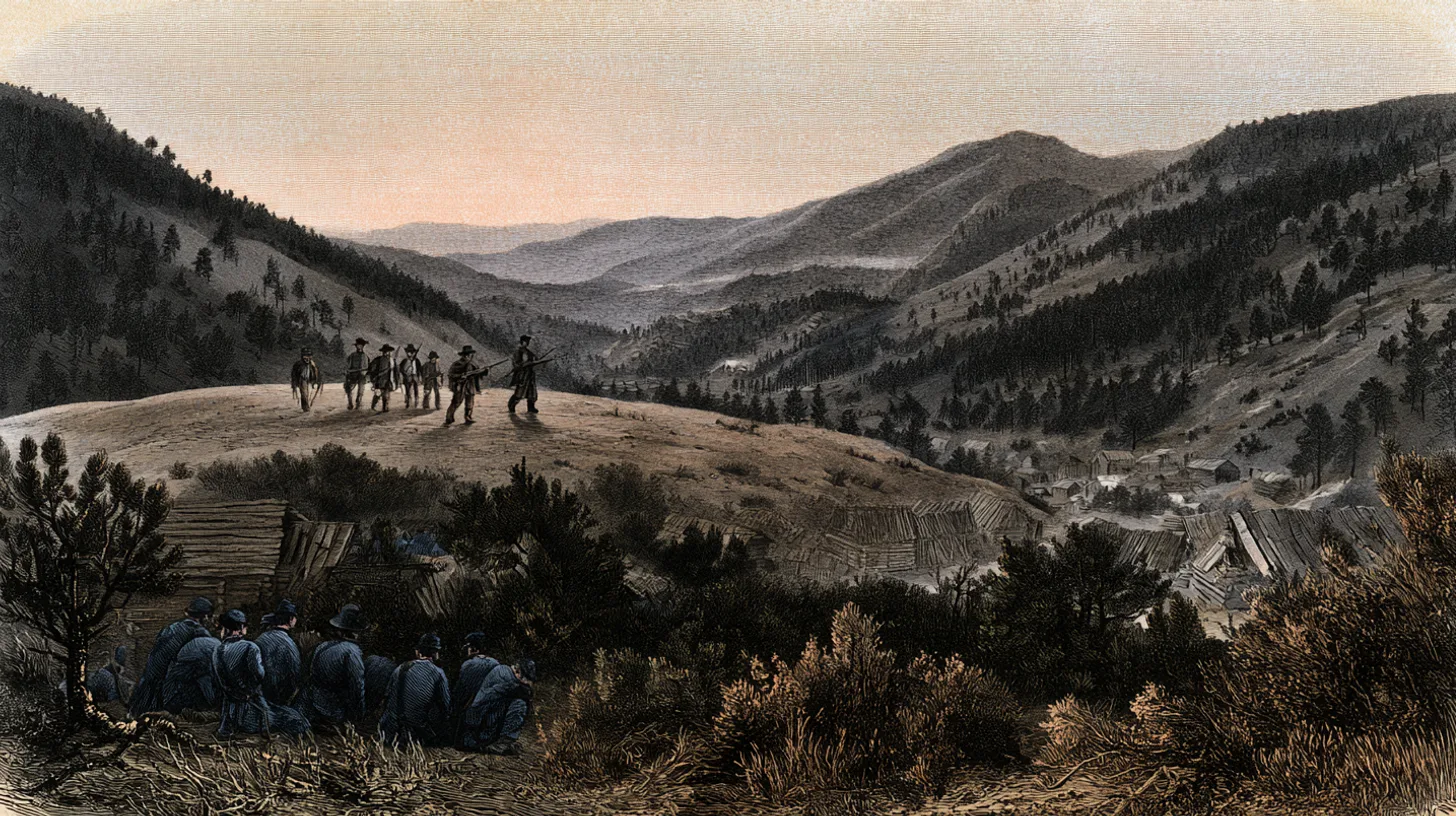
The two parties went out together in the dark, to keep the Apaches’ signal smokes from reporting them, and they reached the gap early. Swilling took command of the civilians, the soldiers hid, and Mangas answered the war whoop. A ravine cut down the mountain between the two groups, and the trail crossed it at a shallow place about a hundred and fifty yards away. Swilling walked out alone to meet him. The two men spoke in broken Spanish, which they both knew, and the others could not hear what was said.
Whether a white flag was flying is a question the witnesses leave open. Conner’s letter of 1916, the earliest version of his account in print, has the war whoop and no flag, and the general’s report says only that Mangas “voluntarily placed himself in my power.” The white flag appears in the fuller manuscript Conner left, which was published in 1956, and in the Apache memory of the day, in which a man who went to his enemies under a truce was not supposed to be harmed. What all the accounts agree on is that he came in of his own will, to talk.
He was not. Swilling looked back at the prospectors, and they took the look to mean that he wanted to be covered. “When our squad suddenly levelled our guns upon the party,” Conner wrote, it was the first time Mangas showed that he saw how serious his position was. Swilling laid a hand on the chief’s shoulder and persuaded him that a fight would kill all his men. Mangas spoke to his bodyguard in Spanish and sent them home.
“Tell my people to look for me when they see me.”
When the party crossed back over the summit, the soldiers came out of their hiding places, “disgusting Mangas beyond measure,” and the whole party hurried down the fifteen miles to the camp, because the men knew there were warriors nearby. They reached it at three o’clock in the afternoon without firing a shot. West had arrived with two more companies while they were gone, and he had the prisoner brought to his quarters.
I want him dead
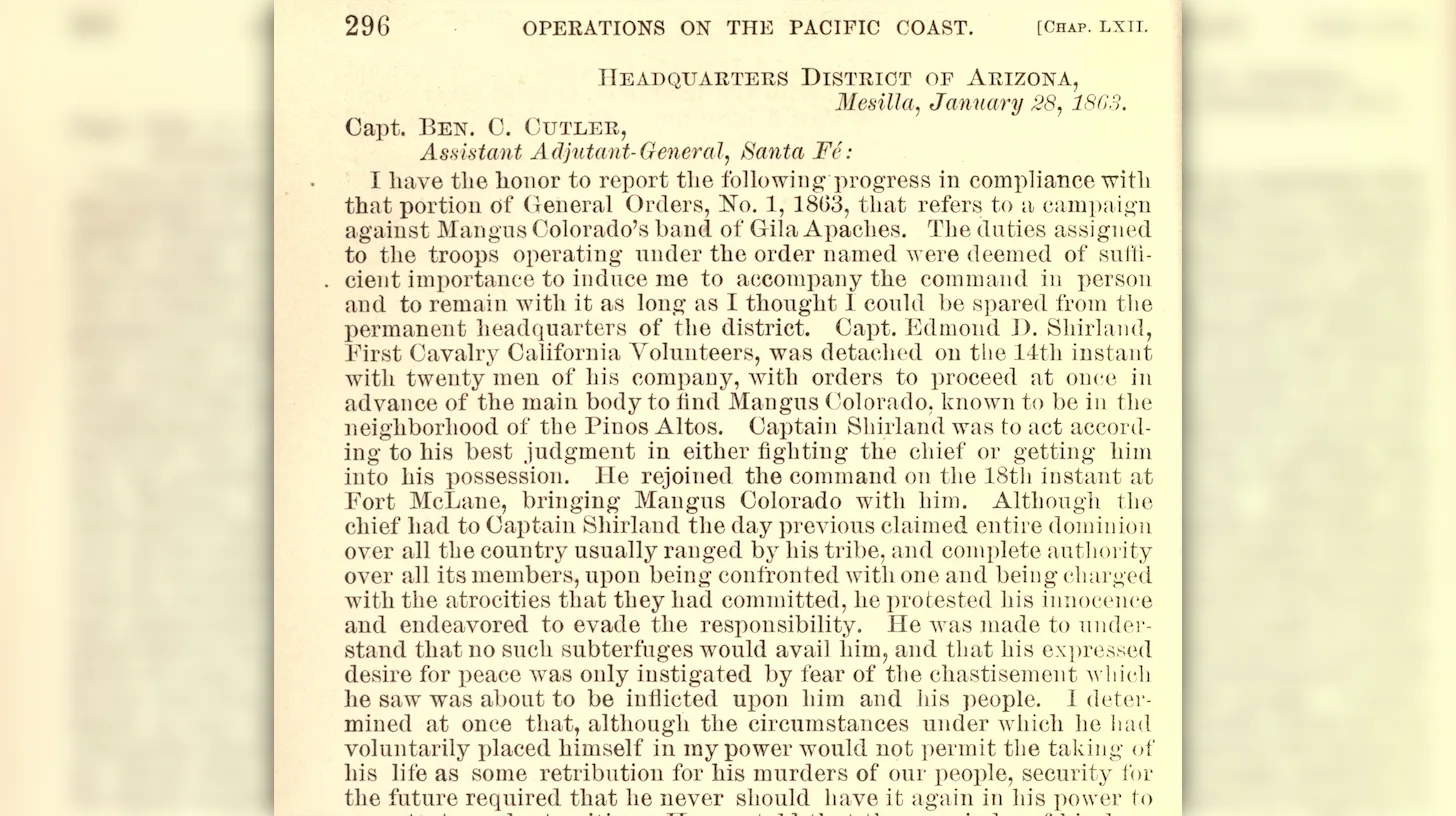
What West said to Mangas, Conner did not hear. West’s own report, written ten days later, says the chief was told “that the remainder of his days would be spent as a prisoner,” that his family would be brought in to live with him, and that “upon making any attempt to escape his life would be the immediate forfeit.” A soldier of the California volunteers, Clark Stocking, gave a different account of the evening many years later. In it the colonel told Mangas that he had murdered his last white victim, and the old man answered “that for the last five years he had kept his young men from killing the whites.” Then, Stocking said, the colonel turned to the two men who would guard the prisoner.
“I want him dead or alive tomorrow morning, do you understand? I want him dead.”
Stocking was not a neutral witness. He thought the killing was justified, if not honorable, and he said of Mangas, “He got what he deserved and no one in our command pitied him or cried about it.” His version of the order was published in 1916, more than fifty years after the night it describes, and no other witness reports it. The department commander, for his part, wrote to Washington two weeks after the killing that Mangas had been “doubtless the worst Indian within our boundaries.”
A fire at Fort McLane
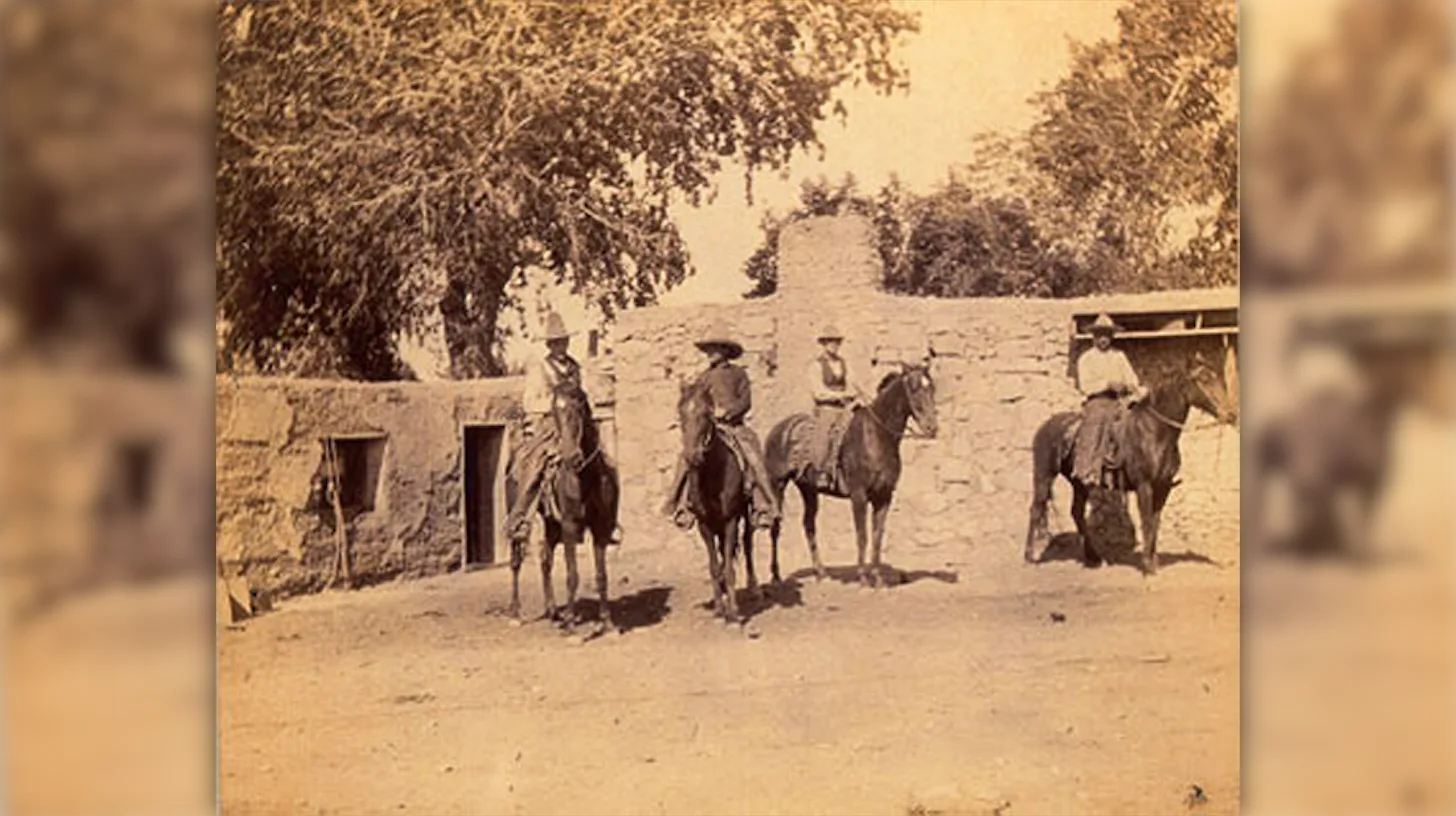
That night Conner stood guard for the Walker party, to be relieved at midnight. At the end of his beat there was a fire, and the two soldiers who had charge of Mangas brought him to it, “for the night was cold.” The old man lay on the ground beside it with one blanket. Conner’s beat took him a hundred and fifty yards out into the darkness and back, and each time he came in he stopped at the fire to warm himself. At about nine o’clock he noticed that the soldiers were doing something to the prisoner, which they stopped while he stood near them.
“Watching them from my beat in the outer darkness, I discovered that they were heating their bayonets and burning Mangas’ feet and legs.”
They kept it up. Conner asked George Lount, another of Walker’s men, to take his place on guard and went out on his beat once more, and when he came back Mangas had raised himself on his left elbow and was “angrily protesting that he was no child to be played with.” The two soldiers, without taking their bayonets off their muskets, each fired into him, and then each fired twice more with a navy revolver. Mangas fell back on his left side and did not move again. “An officer came, glanced at the dead body and returned to his blankets,” Conner wrote. In twenty minutes the camp was quiet.
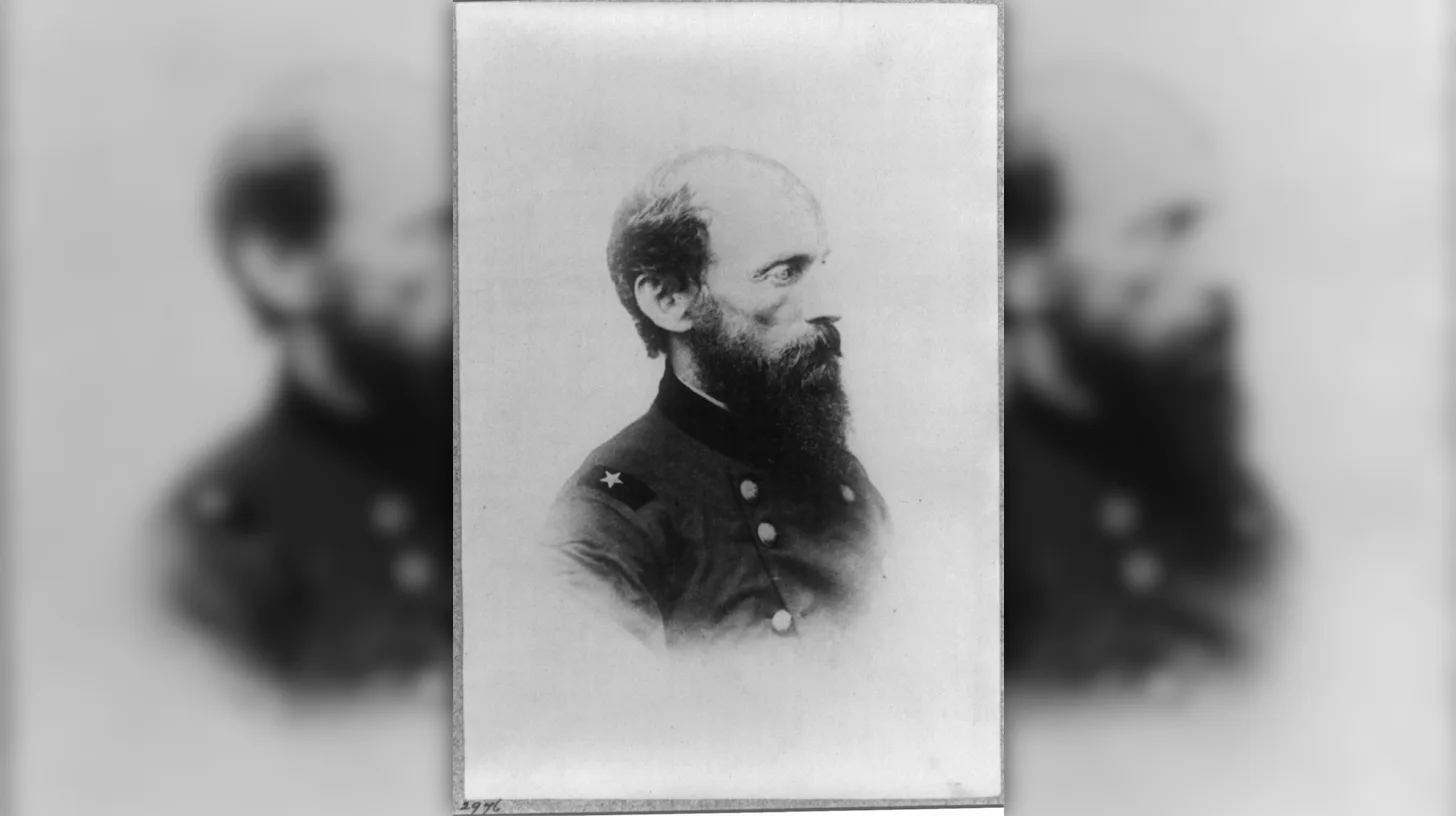
The official account is West’s. He wrote that a sergeant and three privates took over the guard at midnight, that within the hour Mangas “made three efforts to escape, and was shot on the third attempt,” and that “the good faith of the U. S. military authorities was in no way compromised.” Stocking remembered a room in an adobe house, a guard who threw a rock against the wall at about ten o’clock to make the prisoner start, and a sergeant who came in afterward and shot him through the head. The witnesses do not agree on the hour, the place or even the date, which the department’s record gives as the morning of January 18 and West’s report as a day later. Neither of the men who were there describes an escape.
The skull of Red Sleeve
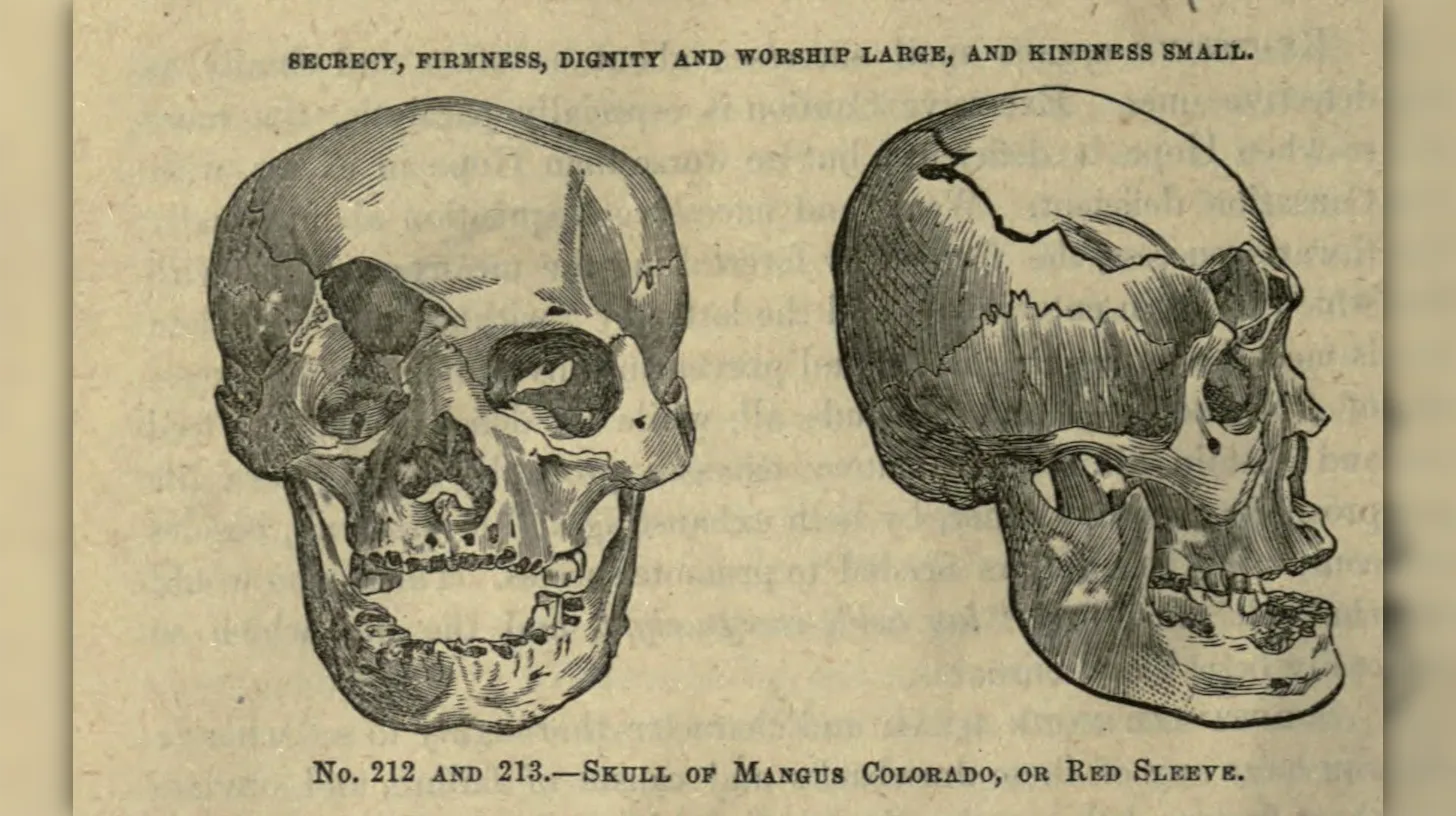
In the morning Conner took a few small things from the body, among them a block of oak about four inches long with marks burned into one side. A soldier scalped the dead man with a borrowed bowie knife, and then five soldiers lifted Mangas, blanket and all, into an old ditch and covered him with a foot and a half of earth. A few nights later the army surgeon, D. B. Sturgeon, dug the body up and took the head. Later accounts say he boiled it in a kettle to clean the skull, and Mangas Coloradas’s skull went east. In 1873 the New York phrenologist Orson S. Fowler printed two engravings of it in a book on reading character from the shape of the head, with a note that the surgeon “prepared this skull expressly for me.”
“Cunning is his largest organ, and far exceeds any other development of it I have ever seen, even in any and all Indian heads. It is simply monstrous.”
The troops went after the rest of the band at once. In the days after the killing they attacked Apache camps near Pinos Altos, killing eleven people at one and wounding a woman who turned out to be Mangas Coloradas’s wife, and nine at another. Geronimo, who had stayed behind when Mangas went to talk because he did not believe the promises, heard of Mangas Coloradas’s death from others. He was elected chief of the band in his place, and he called the killing perhaps the greatest wrong ever done to the Indians. Joseph West later sat in the United States Senate for Louisiana.
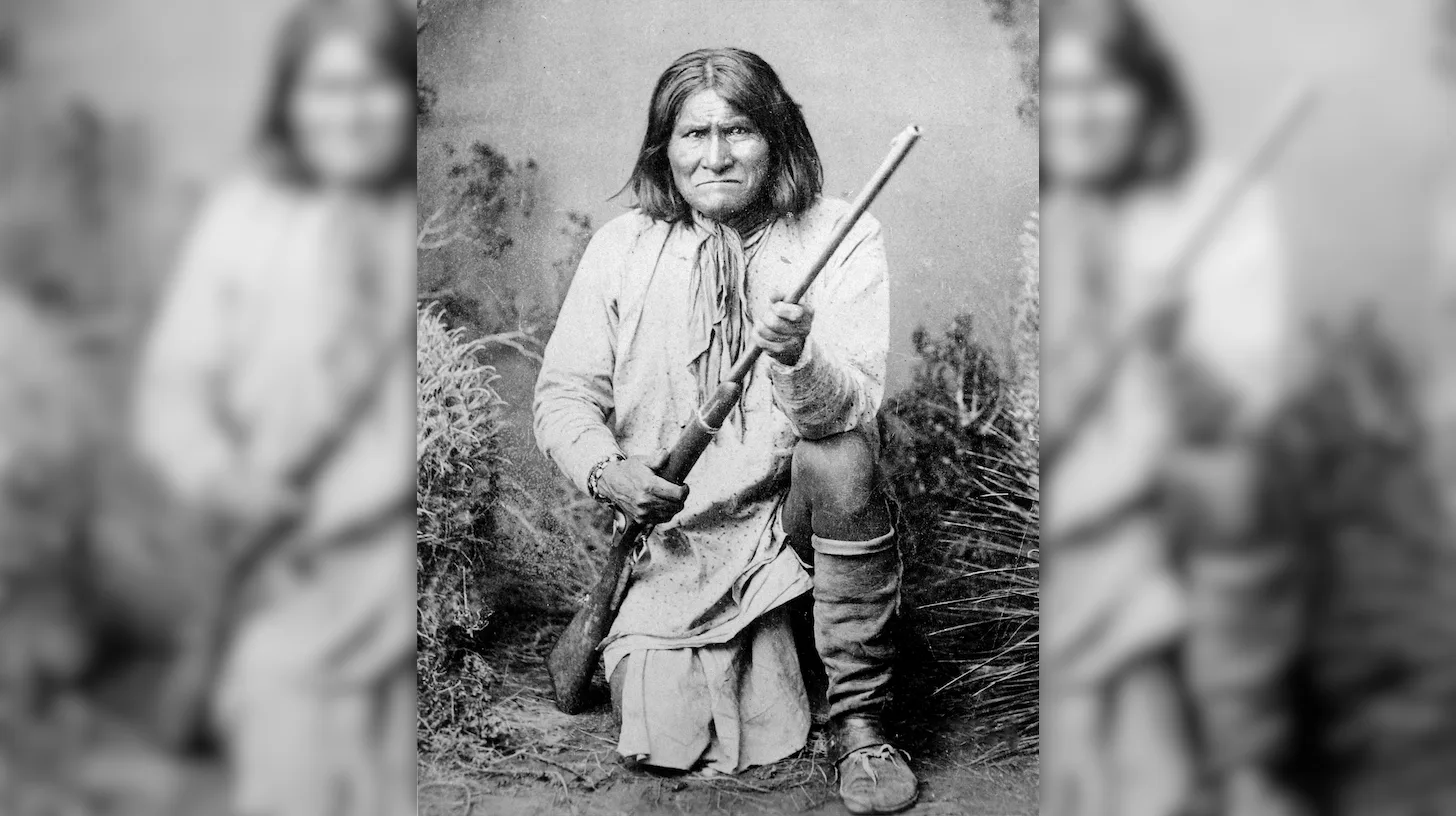
Later writers said the skull went to the Smithsonian Institution in Washington. No record shows that the Smithsonian ever received it, and where it went after it left Fowler’s hands is not known. He had told his people to look for him when they saw him.