10 min read
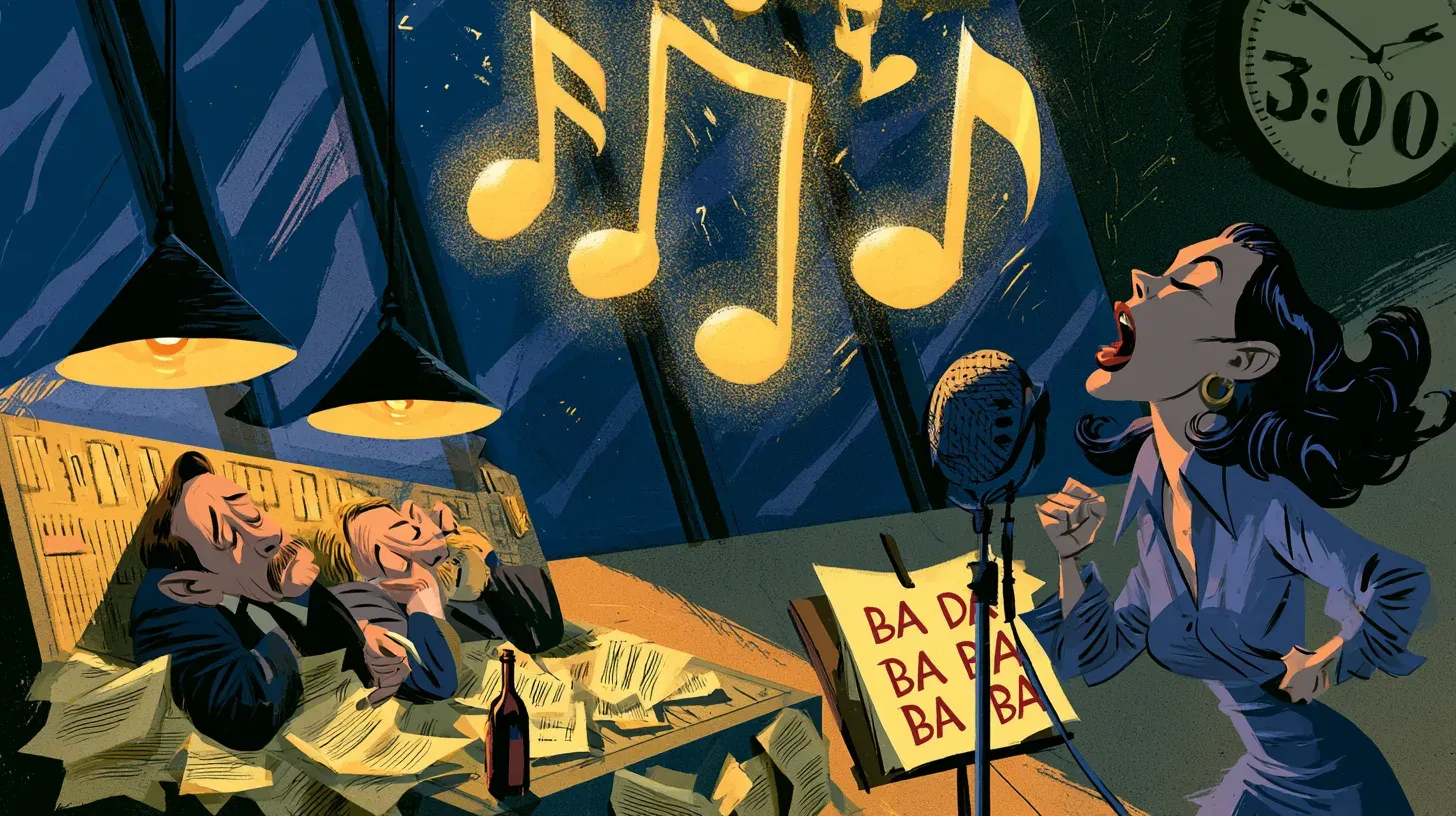
The McDonald’s jingle — five notes, “ba da ba ba ba” — was composed by accident around 3 a.m. in a Munich studio in early 2003, by two men who had run out of ideas and were working through the white wine. Their names are Tom Batoy and Franco Tortora. Almost nobody who hums their melody has ever heard of them.
That anonymity built a small industry of competing credit. Over two decades the five notes have been claimed for Pusha T, attached to Pharrell Williams, and pinned on Justin Timberlake, who sang them. The two Germans hold the songwriting registration, and they have spent those decades pointing at it.
The company had been writing earworms for thirty years before Munich — including one Advertising Age called the best of the twentieth century, and one that paid a Virginia teenager $1 million for playing a record.
| Jingle | Year | Written by |
|---|---|---|
| ”You Deserve a Break Today” | 1971 | Sid Woloshin (music) |
| “Two all-beef patties…“ | 1974 | Keith Reinhard’s team; Mark Vieha |
| ”You, You’re the One” | 1975 | Sid Woloshin, Ginny Redington Dawes |
| The Menu Song | 1988 | Uncredited |
| ”Ba da ba ba ba” | 2003 | Tom Batoy, Franco Tortora |
YOU DESERVE A BREAK TODAY
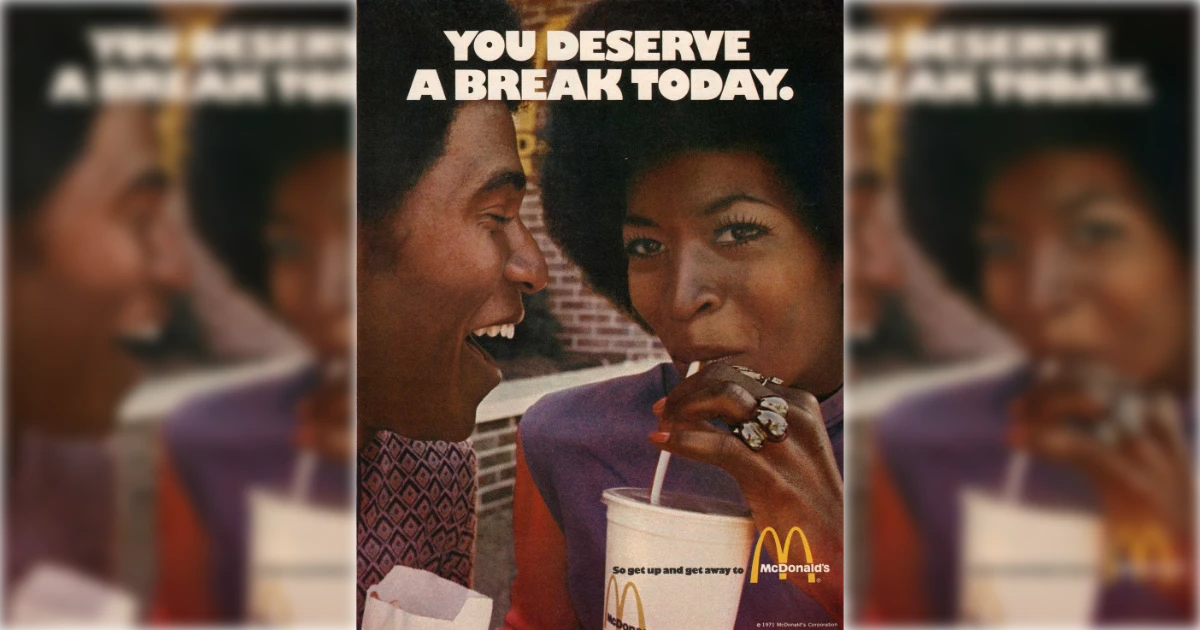
McDonald’s first great jingle debuted in 1971, in a commercial where John Amos — three years from Good Times — mopped a restaurant floor in rhythm. The line came out of Needham, Harper & Steers in Chicago, where a young copywriter named Keith Reinhard wrote it; the melody came from New York jingle composer Sid Woloshin. Advertising Age ranked it the #1 jingle of the twentieth century, and the campaign it carried fifth on the century’s top-100 list.
A stubborn rumor says Barry Manilow wrote it. He didn’t. Manilow really did write State Farm’s “Like a Good Neighbor” — for the same agency — but on this one he was a session singer, not the composer.
It was a good year for the form. The same twelve months put Coca-Cola’s “I’d Like to Teach the World to Sing” on an Italian hilltop.
THE BIG MAC JINGLE — TWO ALL-BEEF PATTIES
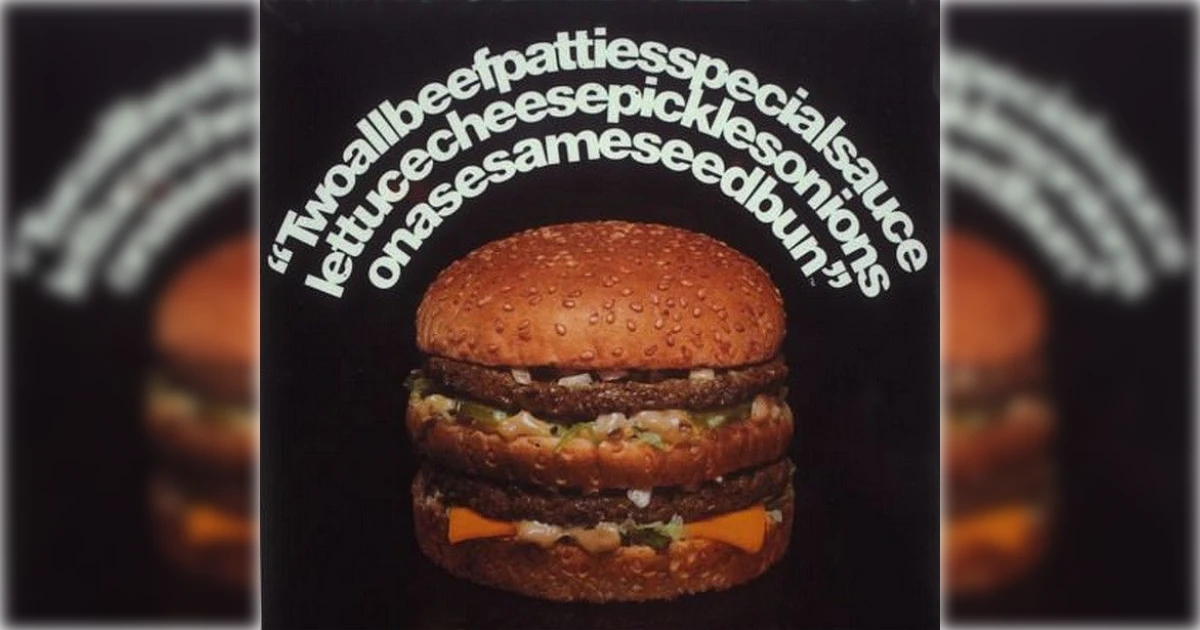
“Two all-beef patties, special sauce, lettuce, cheese, pickles, onions — on a sesame seed bun.” The Big Mac jingle started in 1974 as ad copy, the sandwich’s ingredients strung into one breathless sentence by Reinhard’s creative team. Composer Mark Vieha set it to music and sang the original spot himself.
The 60-second commercials repeated the chant five times, and the campaign ran through 1976. Restaurants turned it into a game: recite the whole thing in under four seconds and the burger was free. Tasting Table’s history of the chant records New York locations running out of sesame-seed buns while the promotion ran.
The chant did double duty as an official tagline — one entry in a lineage of McDonald’s slogans that runs from “Look for the Golden Arches” to today.
YOU, YOU’RE THE ONE
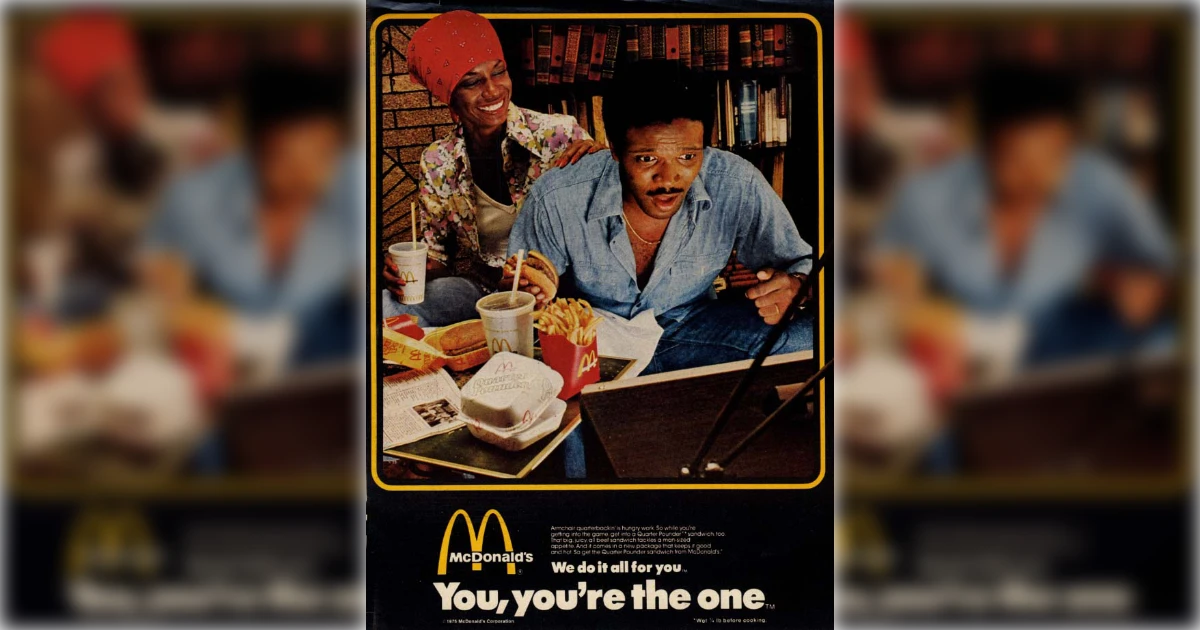
Sid Woloshin’s name came back in 1975. He co-wrote “You, You’re the One” with songwriter Ginny Redington Dawes, and the campaign ran until 1979 — which made Woloshin the quiet constant of the chain’s first jingle era: two of its three big melodies of the decade carried his credit, and almost no one outside the ad business knew his name. It would not be the last time the person who wrote the tune stayed invisible.
THE MENU SONG THAT PAID OUT $1 MILLION
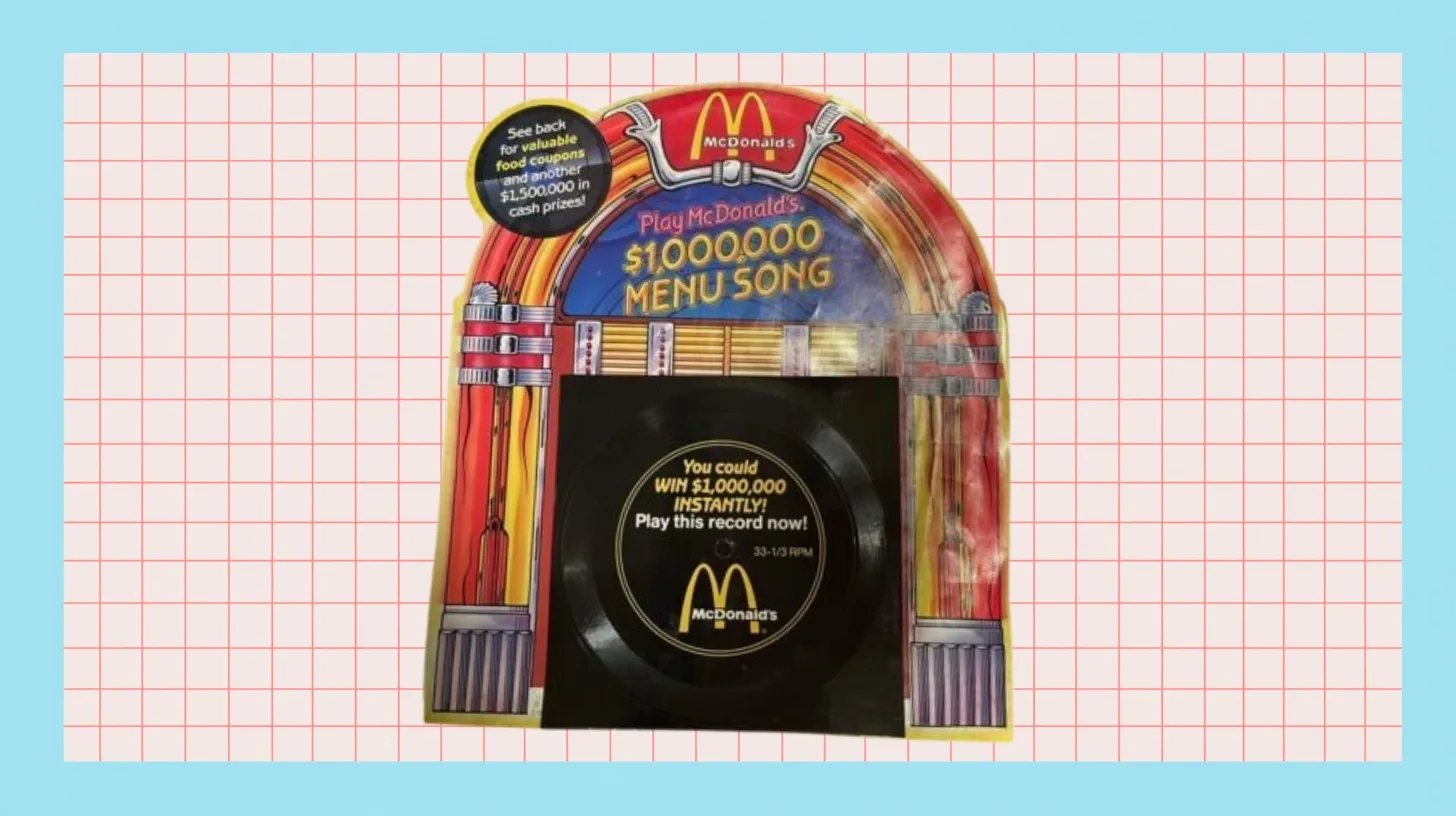
In 1988, McDonald’s pressed its menu onto 80 million flexi-disc records and sent them out with newspapers. Nearly every copy carried the same recording: a classroom of voices trying to sing the entire menu and failing. One pressing carried the Menu Song sung correctly straight through — and finishing it triggered an instruction to call and claim $1 million.
The winning record ended up in a stack of newspapers in Galax, Virginia. In February 1989, 13-year-old Scotty Landreth pulled the stack apart to start a fire in the family wood stove, played the disc instead of burning it, and heard the prompt. His mother, Charlene Price, collected the prize on her minor son’s behalf — and later sold the annuity for a lump sum.
FIVE NOTES FROM A MUNICH STUDIO
In February 2003, weeks after posting the first quarterly loss in its history — the slump that had just brought CEO Jim Cantalupo out of retirement — McDonald’s asked 14 agencies across several countries to pitch its first global campaign, built around music. The winner was Heye & Partner, the company’s longtime German agency in the Munich suburb of Unterhaching, with a line in its own language: “Ich liebe es.” Franco Tortora, whose Mona Davis Music studio would turn the line into sound, remembered the decision meeting as “really like the Oscars… The guy in front said, ‘And the winner is Germany.’”
The melody arrived at the end of a session that had stretched to 3 a.m. Out of material, Tortora asked the vocalist to sing “ba-ba-ba-whatever.” “It wasn’t intentionally composed; it was accidentally composed, because we had no other ideas,” he said twenty years later.
The campaign launched in Munich on September 2, 2003, and reached American TV on September 29. It has not left since.
WHO REALLY WROTE BA DA BA BA BA?
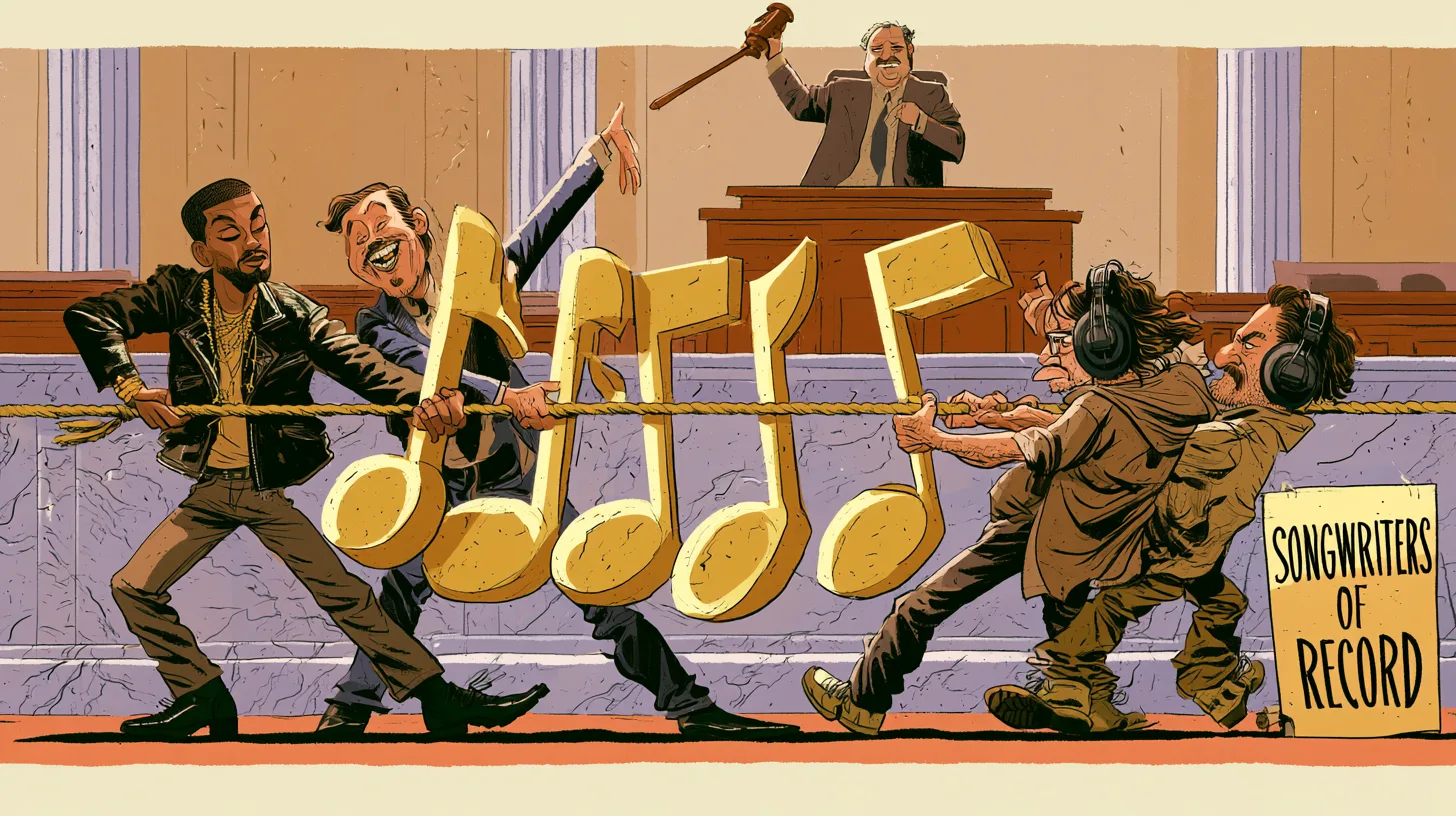
The songwriters of record are Batoy and Tortora — royalty databases have listed the two Mona Davis composers since the campaign began. The disputes came later, and they came from famous people.
In 2016, music executive Steve Stoute — whose agency Translation handled the campaign’s American launch — told Hot 97: “You know who did that? Pusha T. That’s crazy that Pusha T wrote the song for McDonalds.” A representative for the rapper backed him up: “It’s true.” Pusha T himself went further, telling Rolling Stone he was “solely responsible for the ‘I’m Lovin’ It’ swag and the jingle of that company.”
What nobody disputes: Pusha T and his brother No Malice rapped on an early version of the track, produced by The Neptunes. What the studio side disputes is everything else. Danny Saber, the engineer on the original sessions, called the later claims “bullshit”; Batoy described Pusha T as “basically a background singer in this crowd of Pharrell.” Even McDonald’s took a side: Larry Light, its global marketing chief at the time, confirmed the composers’ account.
Pharrell’s credit is real but narrower than the headlines. The Neptunes produced the full song Justin Timberlake released in November 2003, and Pharrell Williams shares its writing credit with Batoy, Tortora, and Andreas Forberger. Timberlake’s reported $6 million fee has been repeated for two decades without anyone involved confirming it on the record.
Pharrell’s history with the chain ran deeper anyway. As a teenager in Virginia Beach, he was fired from three separate McDonald’s. “I thought it was ironic, and I thought it was very funny,” he said in 2024, of co-writing the company’s theme song.
THE TRADEMARK PAPER TRAIL
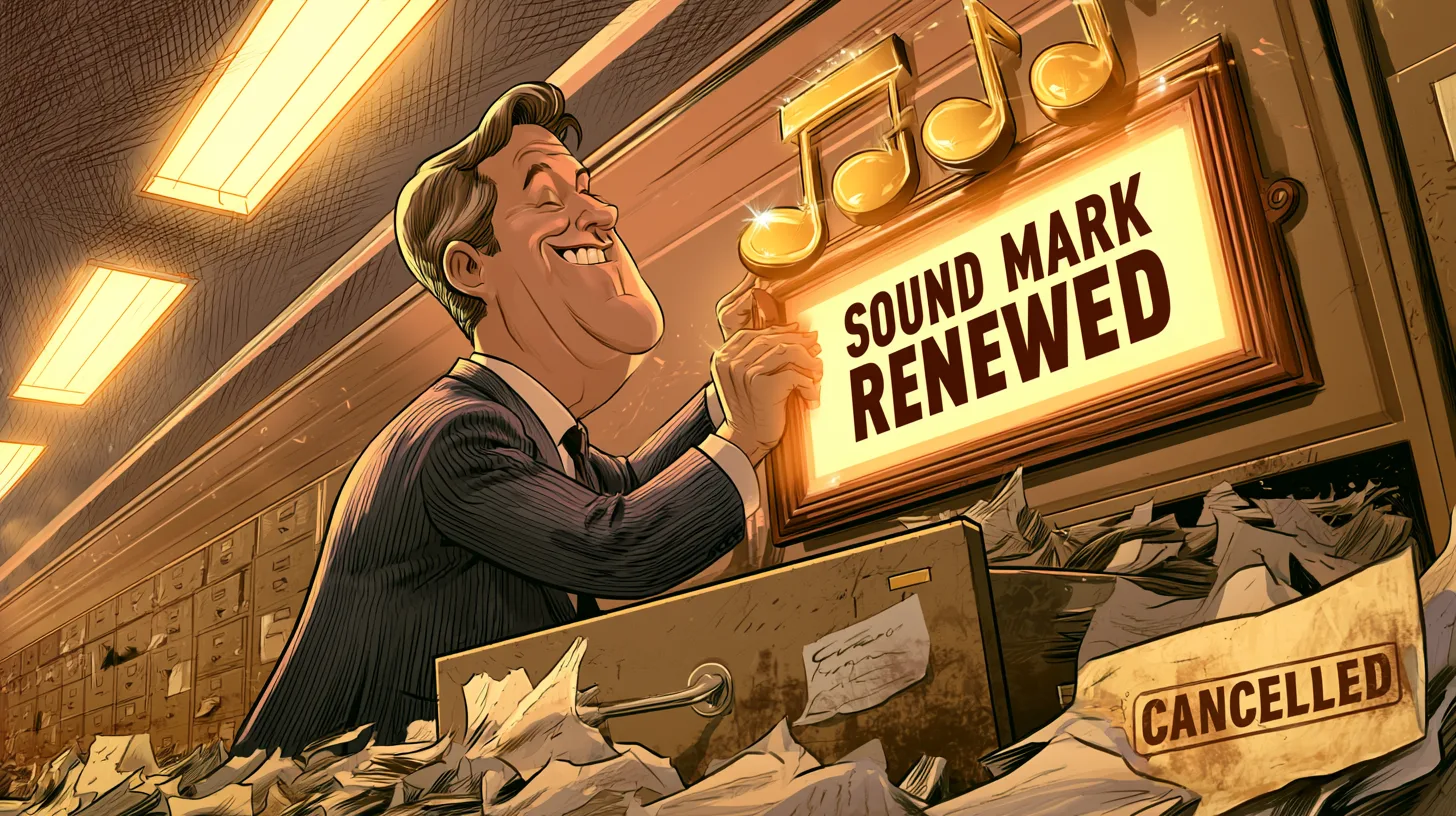
McDonald’s protected the five notes harder than it protected the words. Four federal filings tell the story:
| Mark | Filed | Status |
|---|---|---|
| ”I’m Lovin’ It” (words) | Jun 2003 | Live; renewed 2025 |
| Five-note sound mark | Feb 2004 | Live; renewed 2025 |
| ”Ba da ba ba ba” (words) | Jul 2004 | Cancelled 2019 |
| ”Ba da ba ba ba” (refiled) | Apr 2023 | Live; registered 2024 |
The “I’m Lovin’ It” wordmark was filed on June 2, 2003 — an intent-to-use application lodged three months before the public had heard the phrase. The sound followed in February 2004, registered as a sensory mark the government describes as “a five tone audio progression of the notes A B C E D”; the USPTO renewed it in August 2025.
The words “ba da ba ba ba,” registered separately as text, fared worse. McDonald’s let that registration lapse under Section 8 — the same maintenance-paperwork failure that killed its original 1961 arches trademark — and it was cancelled in November 2019. In April 2023, twenty years after the Munich session, the company quietly refiled the phrase, and it re-registered in March 2024. The melody never needed rescuing; the paperwork on five notes was apparently easier to remember than the paperwork on five words.
MCDONALD’S JINGLE FAQ
What are the lyrics to the McDonald’s jingle?
The jingle is “ba da ba ba ba, I’m lovin’ it.” McDonald’s own trademark filing describes the hook as a five-tone progression of the notes A, B, C, E, D, sung to those syllables. The verses belong to Justin Timberlake’s 2003 single, which was built around the same five notes.
What was the original McDonald’s jingle?
Before 2003, the jingle most Americans learned first was 1971’s “You Deserve a Break Today,” written at Needham, Harper & Steers with music by Sid Woloshin. The Big Mac’s “two all-beef patties” chant followed in 1974. Advertising Age ranked “You Deserve a Break Today” the best jingle of the twentieth century.
Did Justin Timberlake sing the McDonald’s jingle?
Yes. Timberlake voiced the “I’m lovin’ it” tag for the 2003 launch commercials and released the full Neptunes-produced song that November. It was never issued as a commercial single in the United States, and its chart run was modest and mostly European. The five-note melody itself predates his version.
What is the current McDonald’s commercial song?
McDonald’s still closes its commercials with the five-note “ba da ba ba ba” sonic logo, more than twenty years after its debut — the longest-running campaign in company history. The trademark record backs that commitment: the sound mark was renewed in August 2025, and the text version was re-registered in 2024.