6 min read
Rare historical events, by their very nature, often catch societies off guard and can dramatically alter the course of human affairs—sometimes reshaping entire civilizations or sparking paradigm shifts in our understanding of the world.
THE YEAR WITHOUT A SUMMER (1816)
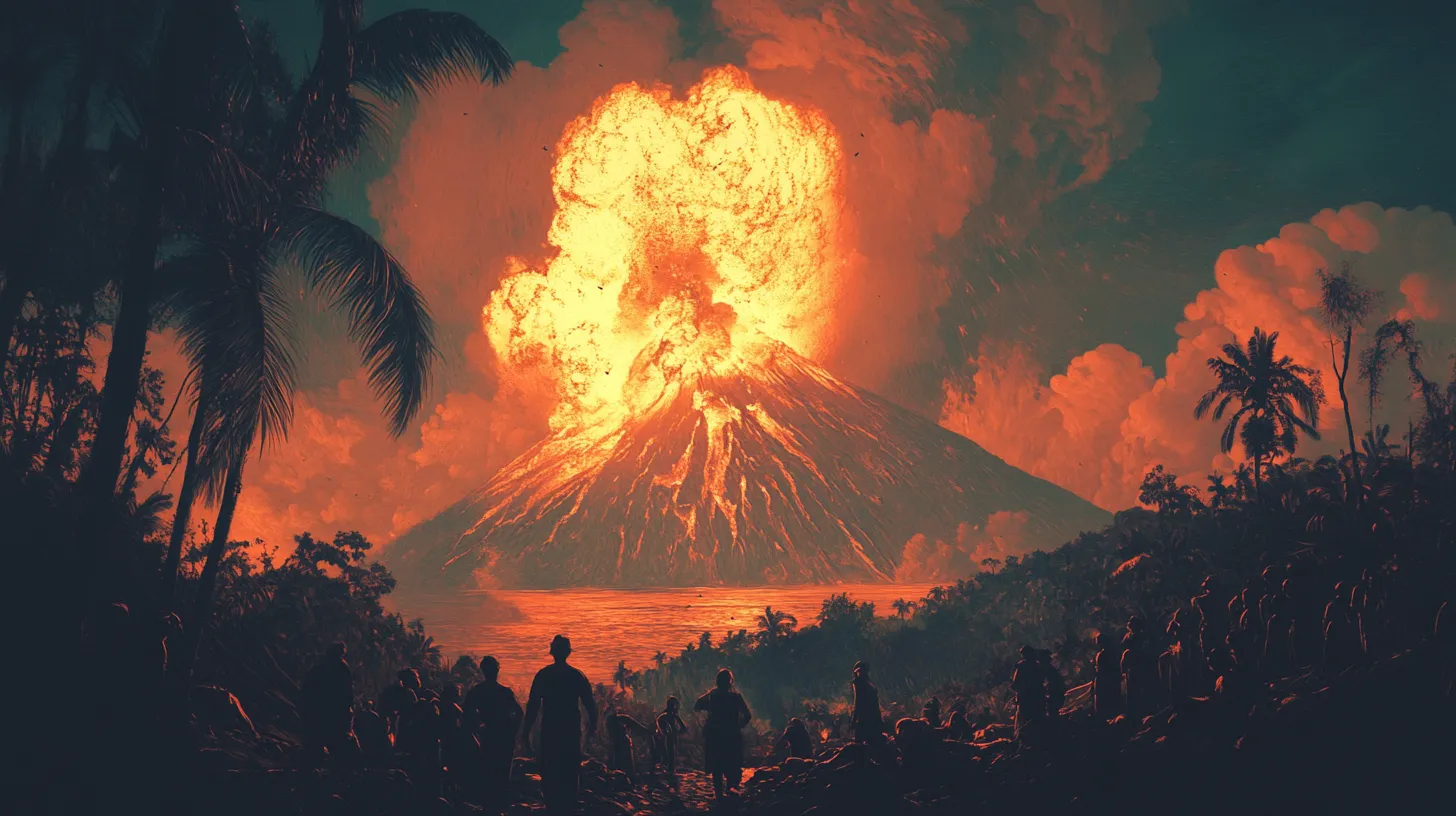
In 1816, a massive volcanic eruption of Mount Tambora in Indonesia caused a “Year Without a Summer,” leading to widespread crop failures, famine, and bizarre weather phenomena across the Northern Hemisphere.
Among the strangest effects were brown and blue snowfall in parts of Europe and North America. Frost in August that killed crops, and such persistent cold and gloom that Mary Shelley was inspired to write “Frankenstein” during an unusually dark summer in Switzerland.
THE CARRINGTON EVENT SOLAR STORM (1859)
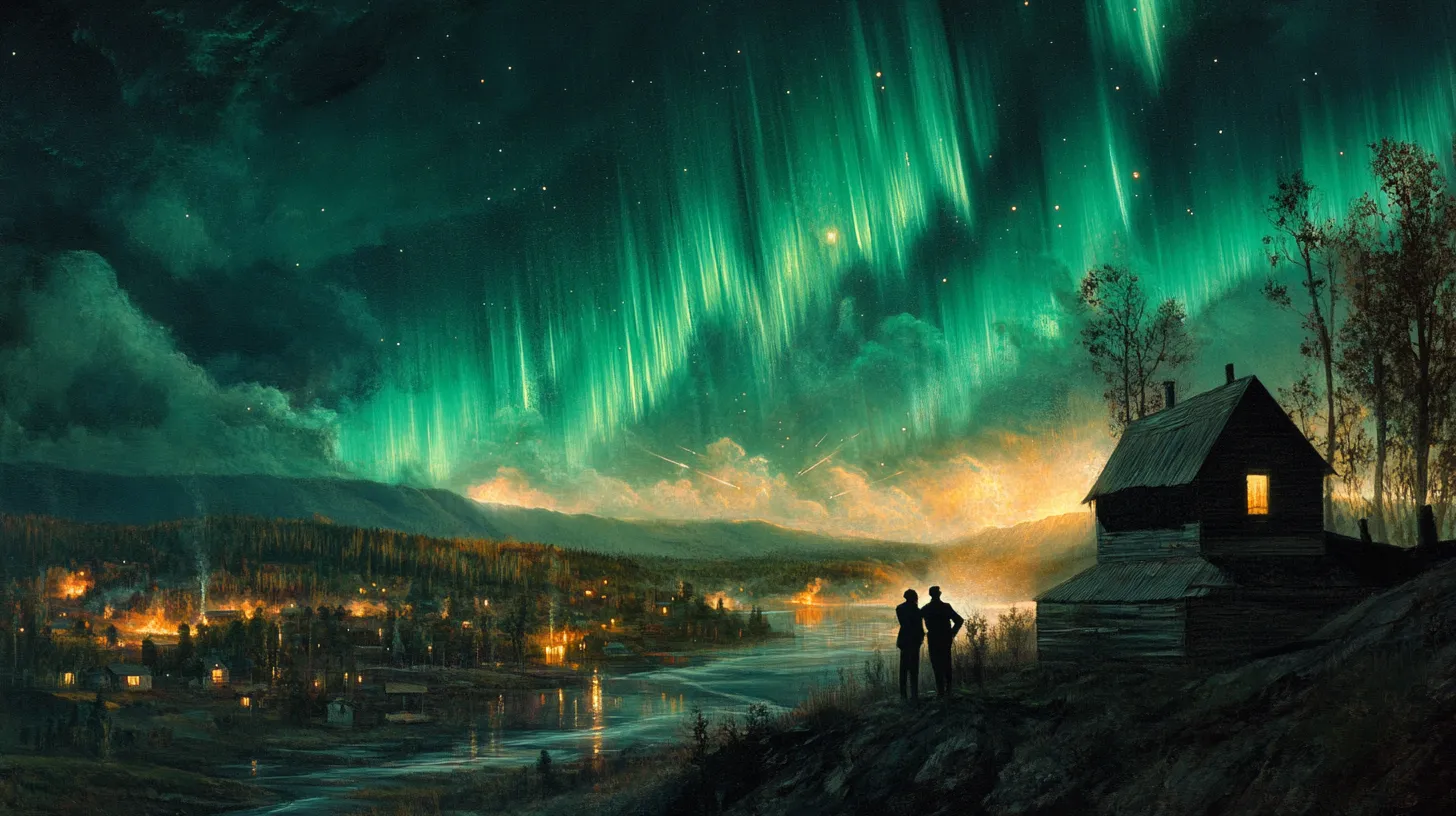
The Carrington Event of 1859 was the most intense geomagnetic storm in recorded history, causing auroras visible as far south as Colombia and disrupting telegraph systems worldwide.
Some telegraph operators were able to send and receive messages even with their power supplies disconnected, as the aurora-induced geomagnetic currents in telegraph lines were strong enough to operate the systems on their own.
THE ERUPTION OF KRAKATOA (1883)
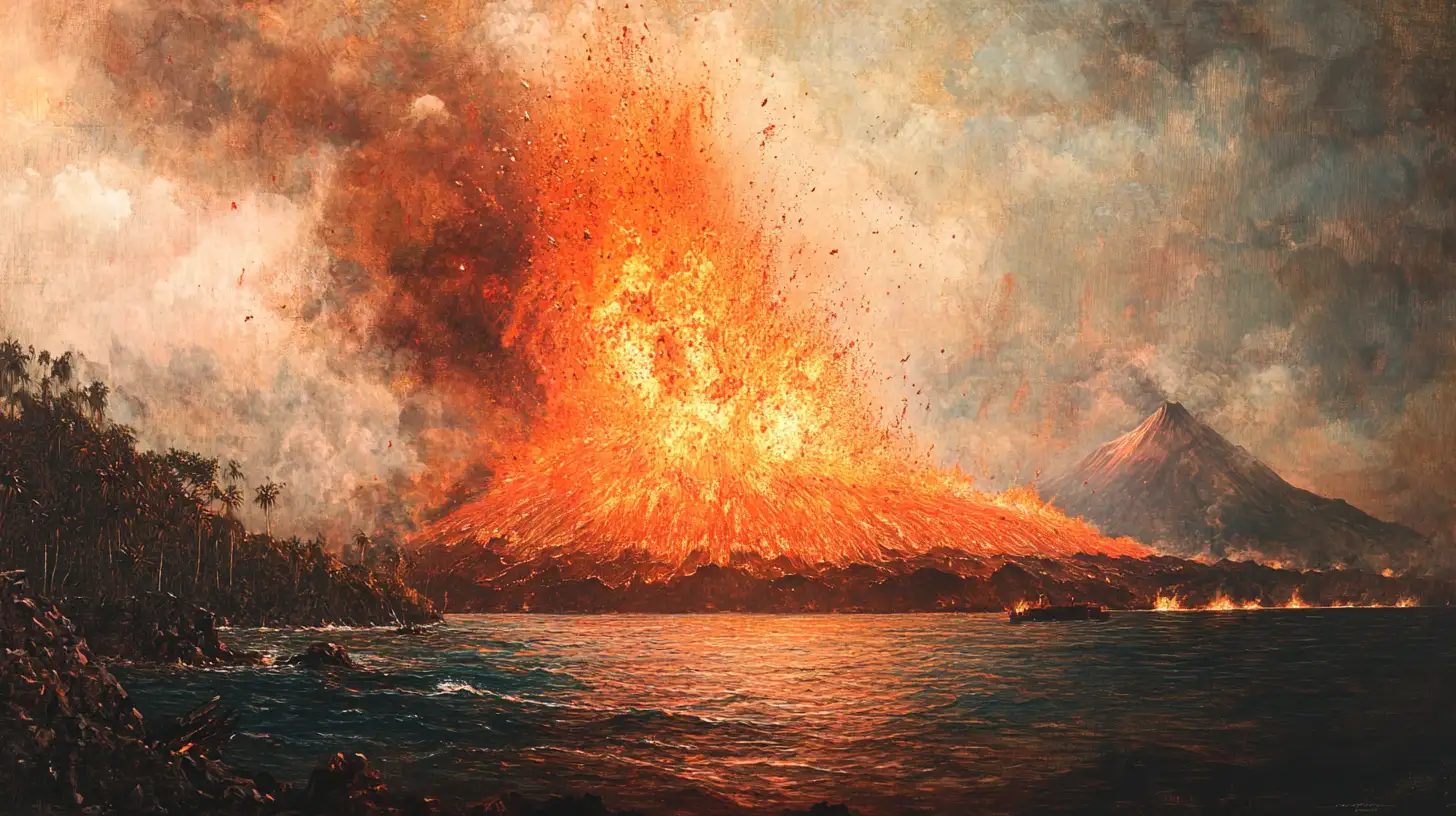
The 1883 eruption of Krakatoa was one of the deadliest and most destructive volcanic events in recorded history, killing over 36,000 people and producing tsunamis up to 42 meters high that devastated nearby islands.
The explosion was so powerful that it was heard 4,800 km away in Australia, produced a pressure wave that circled the globe multiple times, and caused spectacular red sunsets worldwide for months afterwards due to the ash injected into the atmosphere.
THE DANCING PLAGUE OF 1518
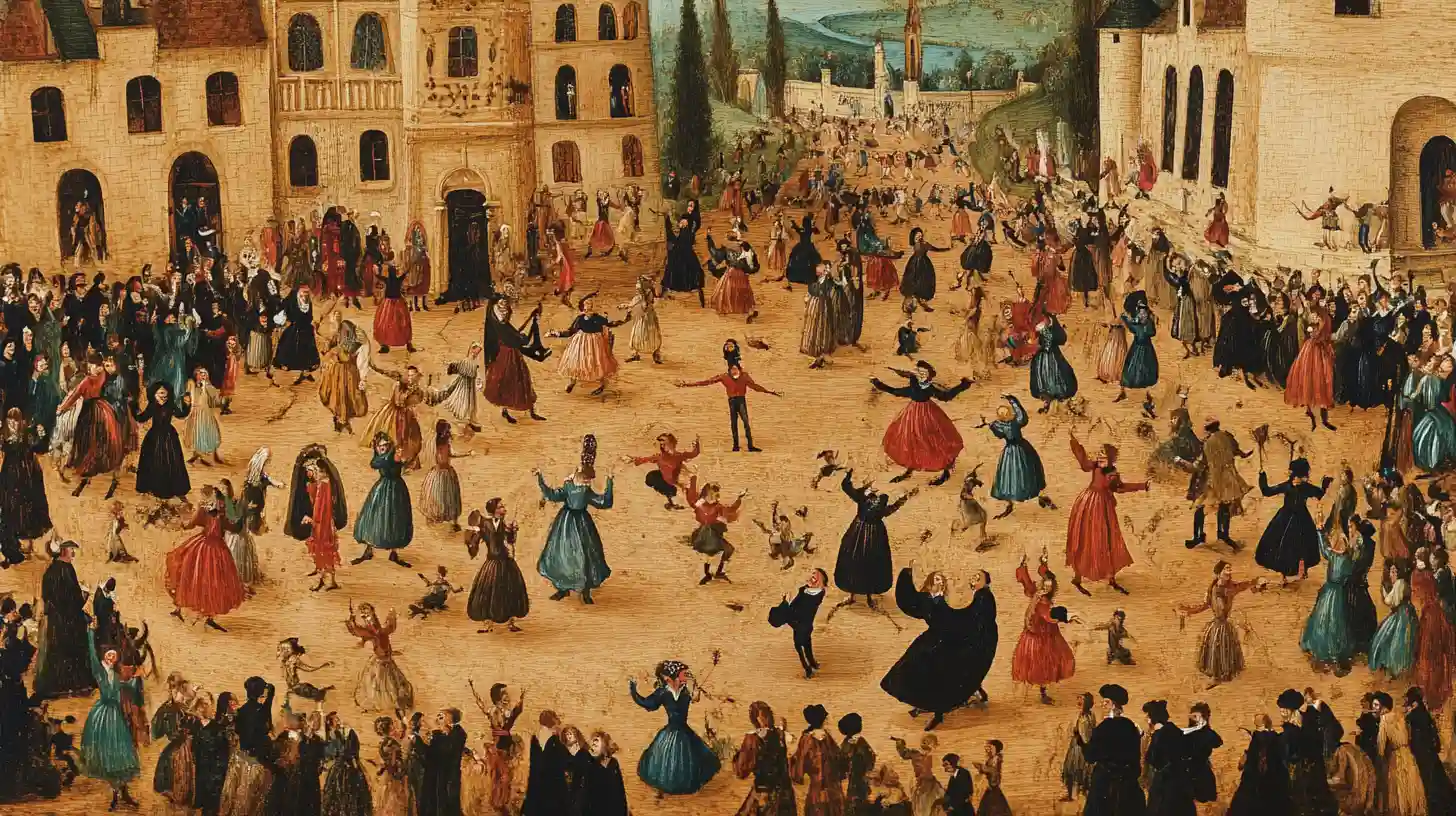
In 1518, a bizarre “dancing plague” struck Strasbourg, causing somewhere between 50 and 400 people to dance uncontrollably for weeks, with some allegedly dancing themselves to death.
The outbreak was so severe that local authorities initially prescribed more dancing as a cure, even hiring musicians and strong people to keep the afflicted upright, before ultimately banning music and sending the dancers to pray at a mountain shrine dedicated to Saint Vitus.
THE TUNGUSKA EVENT (1908)
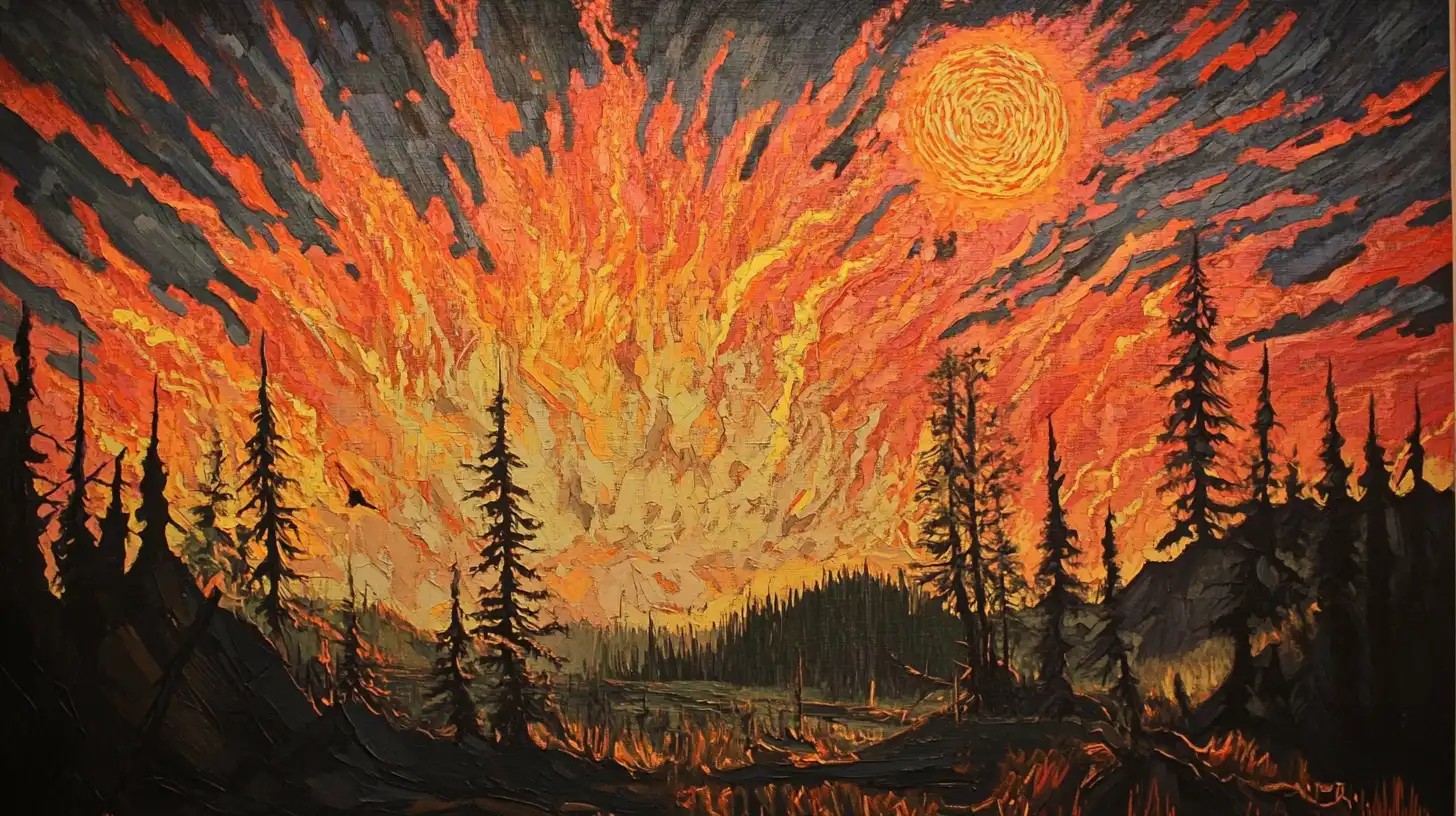
The Tunguska event was a massive explosion that occurred in Siberia on June 30, 1908, flattening an estimated 80 million trees over 2,150 square kilometers.
Despite being the largest impact event on Earth in recorded history—with an explosive force estimated between 3-30 megatons of TNT—no impact crater was ever found. This led to wild theories ranging from antimatter annihilation to UFO crashes, though the prevailing scientific explanation is an air burst from a large meteoroid or comet fragment.
THE CHRISTMAS TRUCE DURING WORLD WAR I (1914)
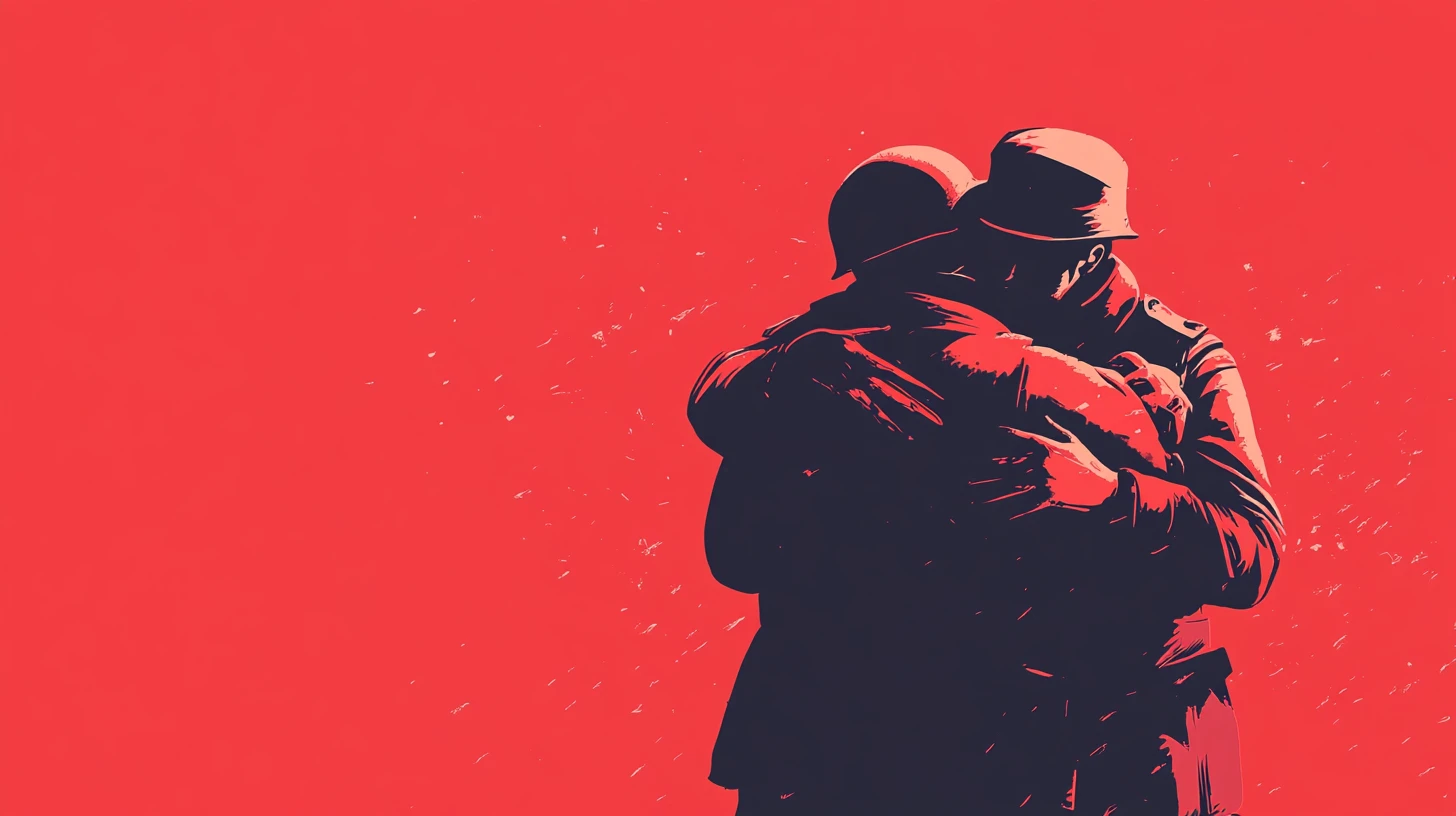
The Christmas truce of 1914 was a series of widespread unofficial ceasefires along the Western Front of World War I, where opposing soldiers left their trenches to exchange seasonal greetings, food, and souvenirs.
Some people even engaged in friendly football matches in no-man’s land. German soldiers placed candles on small Christmas trees on their trenches and sang carols, leading to British soldiers joining in the singing and both sides venturing into the contested territory between their lines to mingle and exchange gifts.
THE DISCOVERY OF TUTANKHAMUN’S TOMB (1922)
The discovery of Tutankhamun’s tomb in 1922 by Howard Carter revealed an unprecedented wealth of ancient Egyptian artifacts and sparked a global “Tutmania” craze, despite the tomb being robbed twice in antiquity.
Carter and his team had to chisel apart Tutankhamun’s mummy, which had become glued to the coffin by solidified burial unguents, in order to examine it and remove the burial goods.
THE BALTIC SEA ANOMALY DISCOVERY (2011)
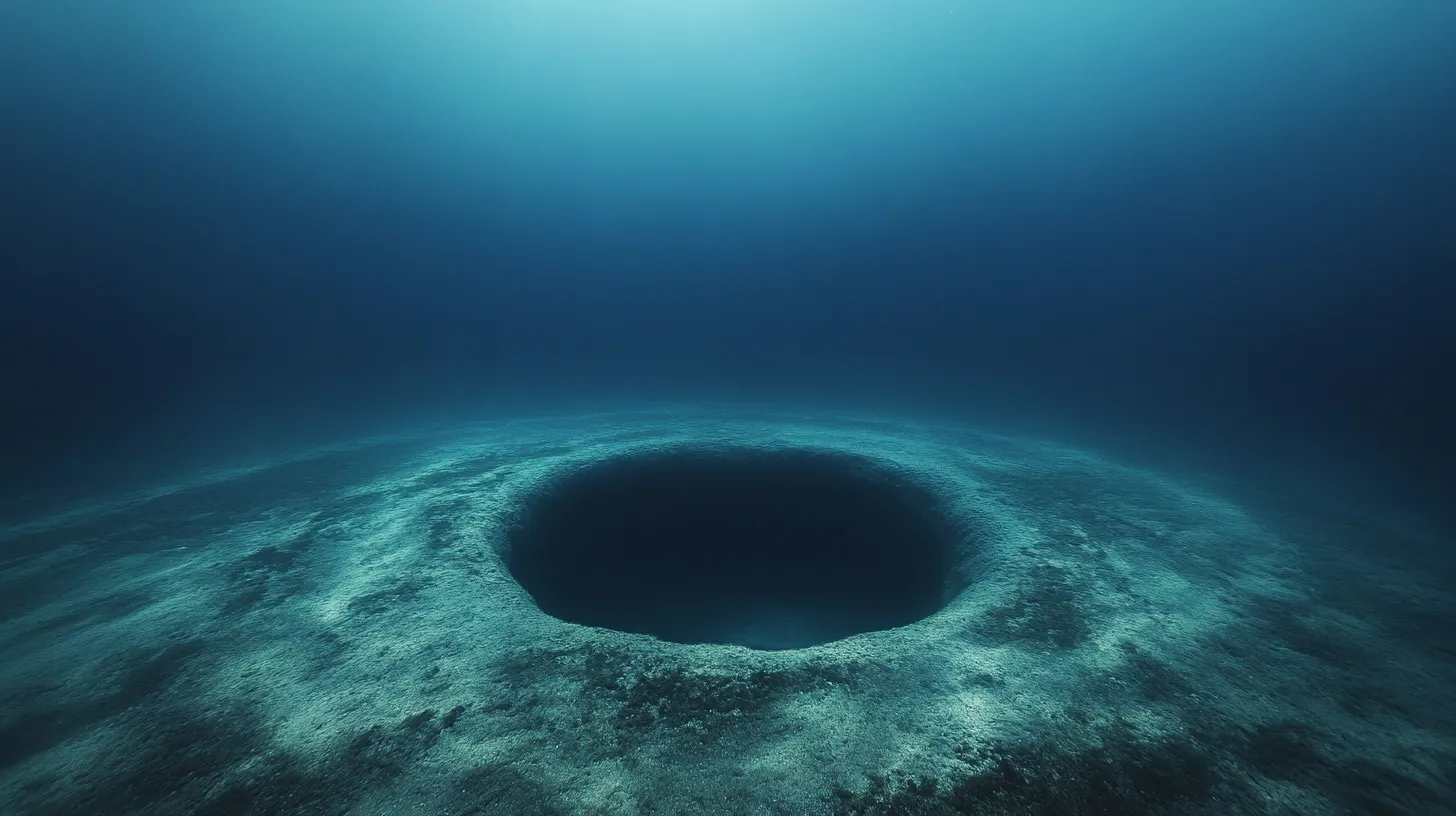
The Baltic Sea anomaly, discovered in 2011 by Swedish treasure hunters, is a circular formation on the seafloor that sparked wild speculation about being a sunken UFO due to its unusual appearance in sonar images.
Scientific consensus points to it being a natural geological formation, likely shaped by glacial processes, with volcanic rock samples found at the site being typical of the region’s glacial history rather than evidence of an extraterrestrial object.
THE DYATLOV PASS INCIDENT (1959)
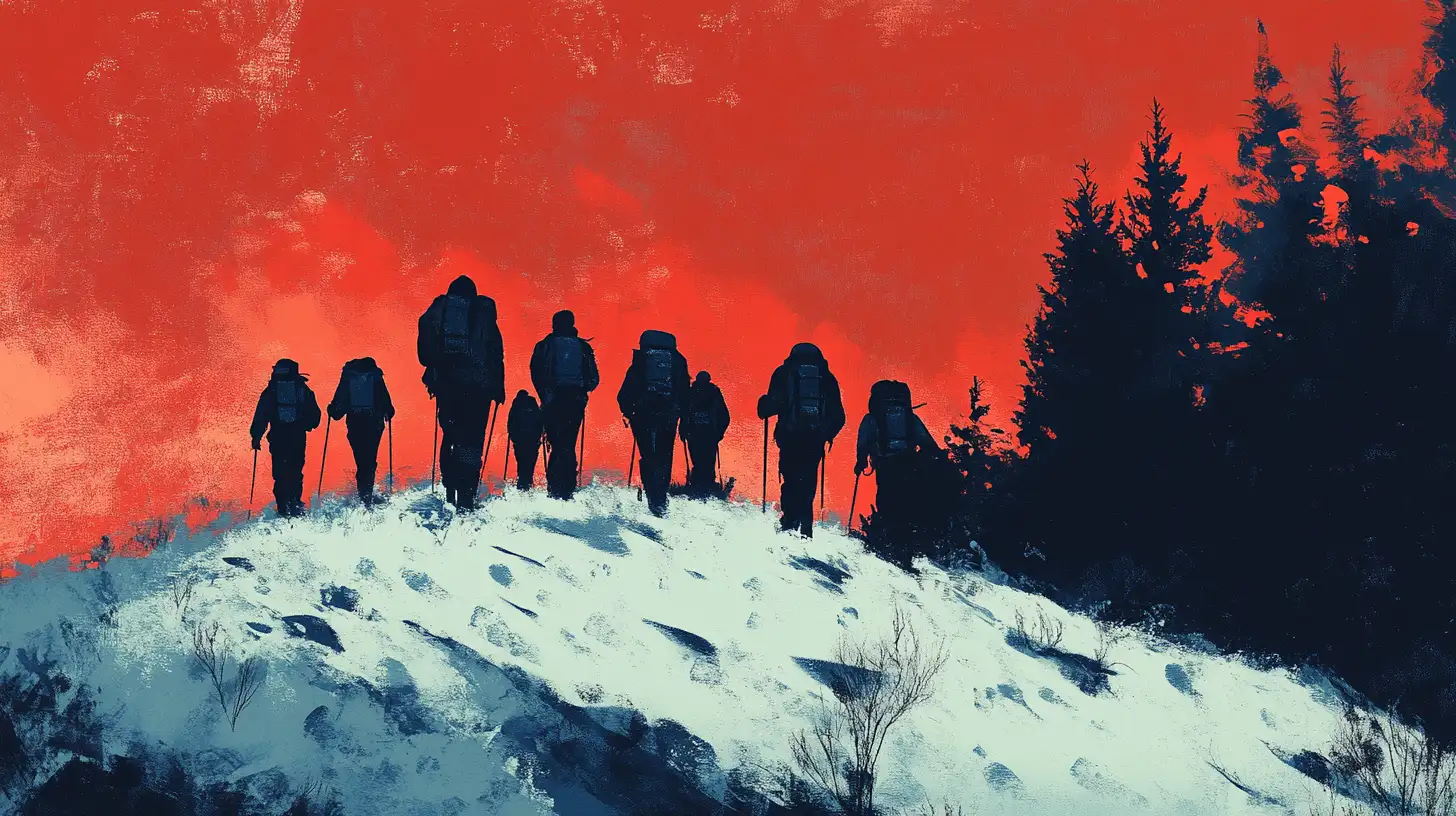
The Dyatlov Pass incident of 1959 remains one of the most perplexing mysteries in Soviet history, where nine experienced hikers died under bizarre circumstances in the Ural Mountains.
Some victims were found partially undressed with inexplicable injuries including a missing tongue, while others showed signs of radioactivity on their clothes—all factors that have fueled decades of speculation and conspiracy theories.
THE MARY CELESTE GHOST SHIP MYSTERY (1872)
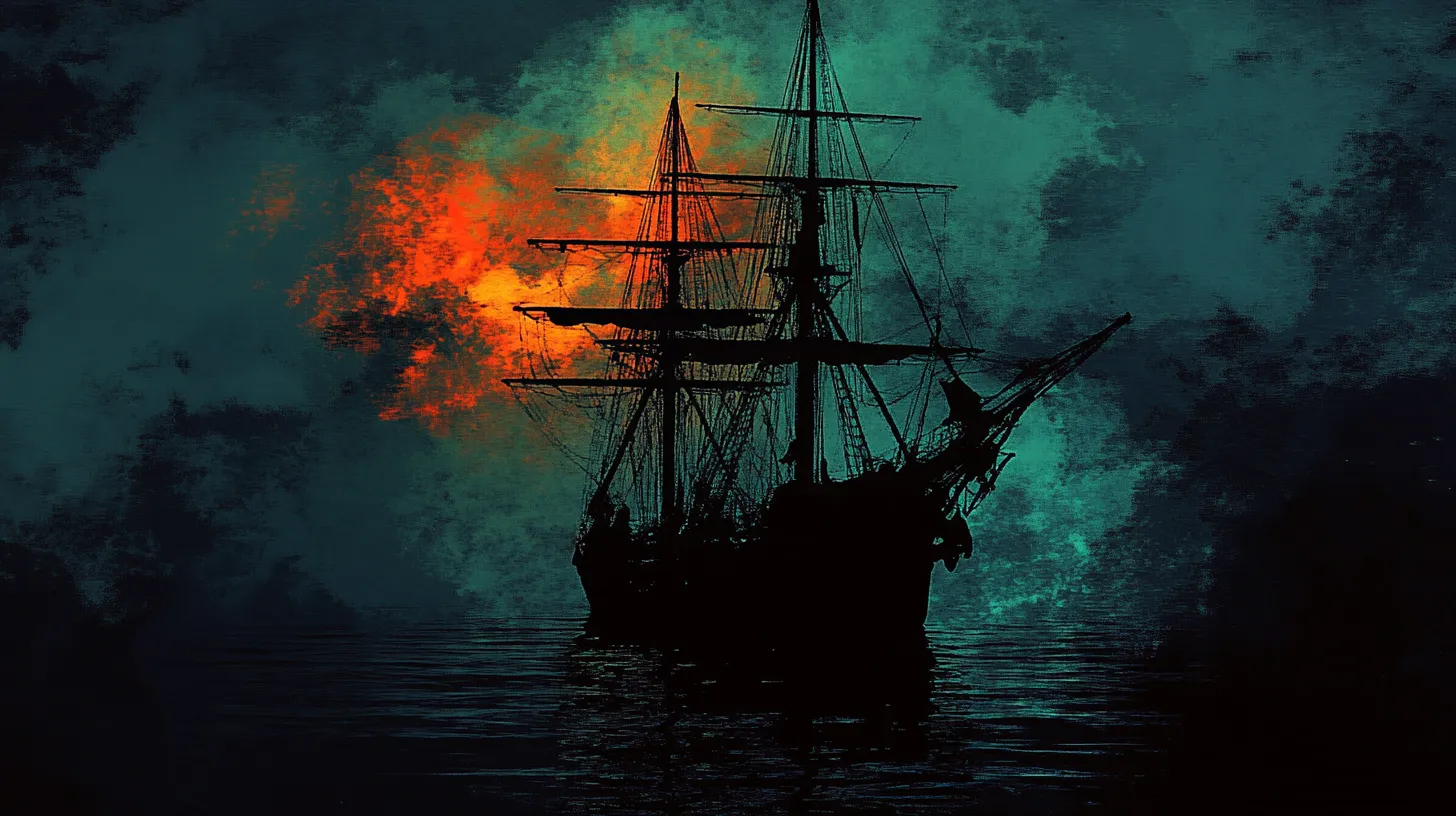
The Mary Celeste, a merchant brigantine found abandoned in the Atlantic Ocean in 1872, became one of the most enduring maritime mysteries, spawning countless theories about the fate of her crew.
The ship was found with ample provisions, the crew’s personal belongings undisturbed, and a cargo of alcohol intact, yet all ten people aboard had vanished without a trace, leaving behind only a disassembled pump on deck and a missing lifeboat.
THE VOYNICH MANUSCRIPT DISCOVERY (1912)
The Voynich manuscript, a mysterious 15th-century book written in an unknown script and language, has baffled scholars and cryptographers for centuries despite numerous attempts at decipherment.
In 1921, William Romaine Newbold claimed to have decoded it by viewing each character under magnification as a series of tiny markings in ancient Greek shorthand—purportedly revealing information about Roger Bacon’s use of a compound microscope 400 years before its actual invention.
THE GREAT THUNDERSTORM OF WIDECOMBE-IN-THE-MOOR (1638)
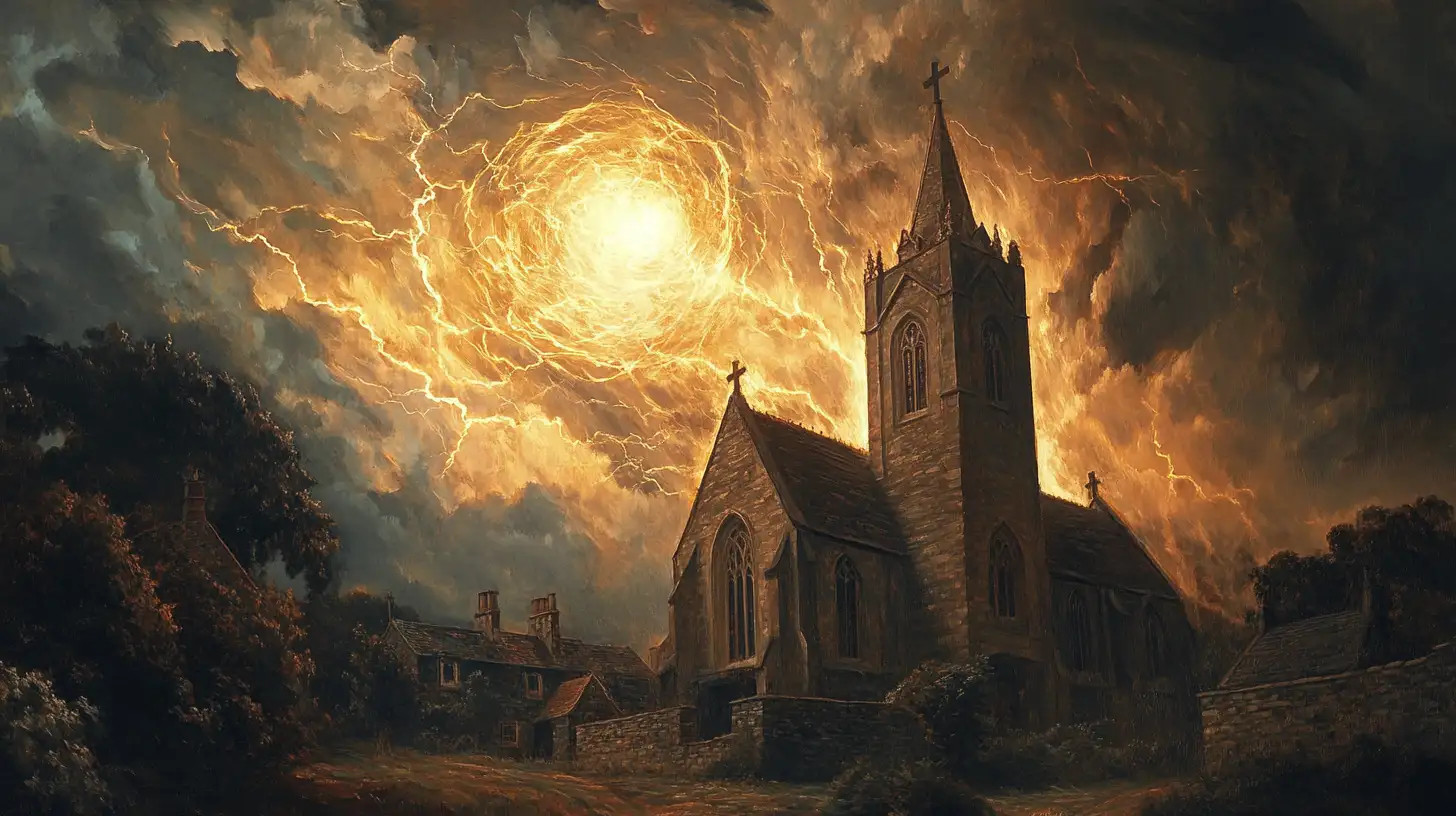
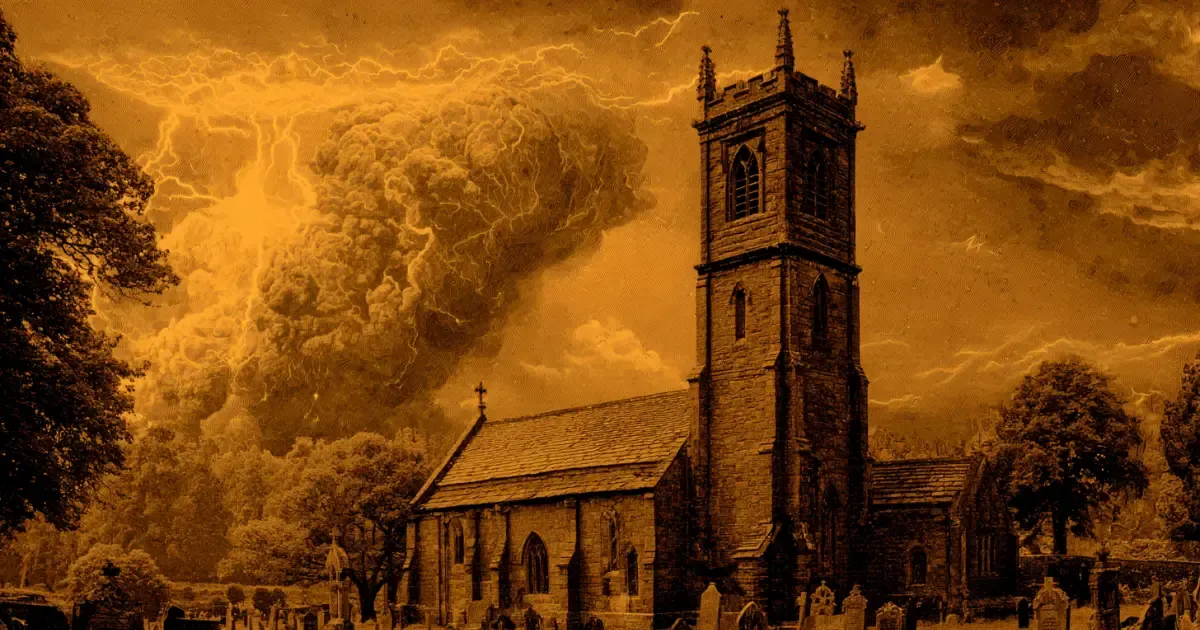
On October 21, 1638, a violent thunderstorm struck the church of St Pancras in Widecombe-in-the-Moor, England, during a packed Sunday service, resulting in four deaths and about 60 injuries when what was likely ball lightning tore through the building.
Eyewitness accounts describe surreal phenomena, including a dog being whirled around by a small tornado before dropping dead, people’s bodies being burned without damage to their clothes, and a man’s brain being hurled to the ground after his skull was shattered against a pillar.