14 min read
On Thursday, October 18, 1759, the Great Warrior of the Cherokee town of Chota, Oconostota, stood before the governor of South Carolina in the Council Chamber at Charleston and said that he had come to talk peace but that his hands were bare. He had brought no tokens, he said, and he would give his talk the next day.
He had come a long way to give it, with more than fifty of his people, after being told he could come and go home in safety. In the four months that followed, the governor refused the talk, marched the Cherokee leaders back to their own country under guard, and left the leading men locked in a frontier fort as hostages. The garrison of that fort killed them, and the war that the delegation had come to prevent came anyway.
Skins at the governor’s feet
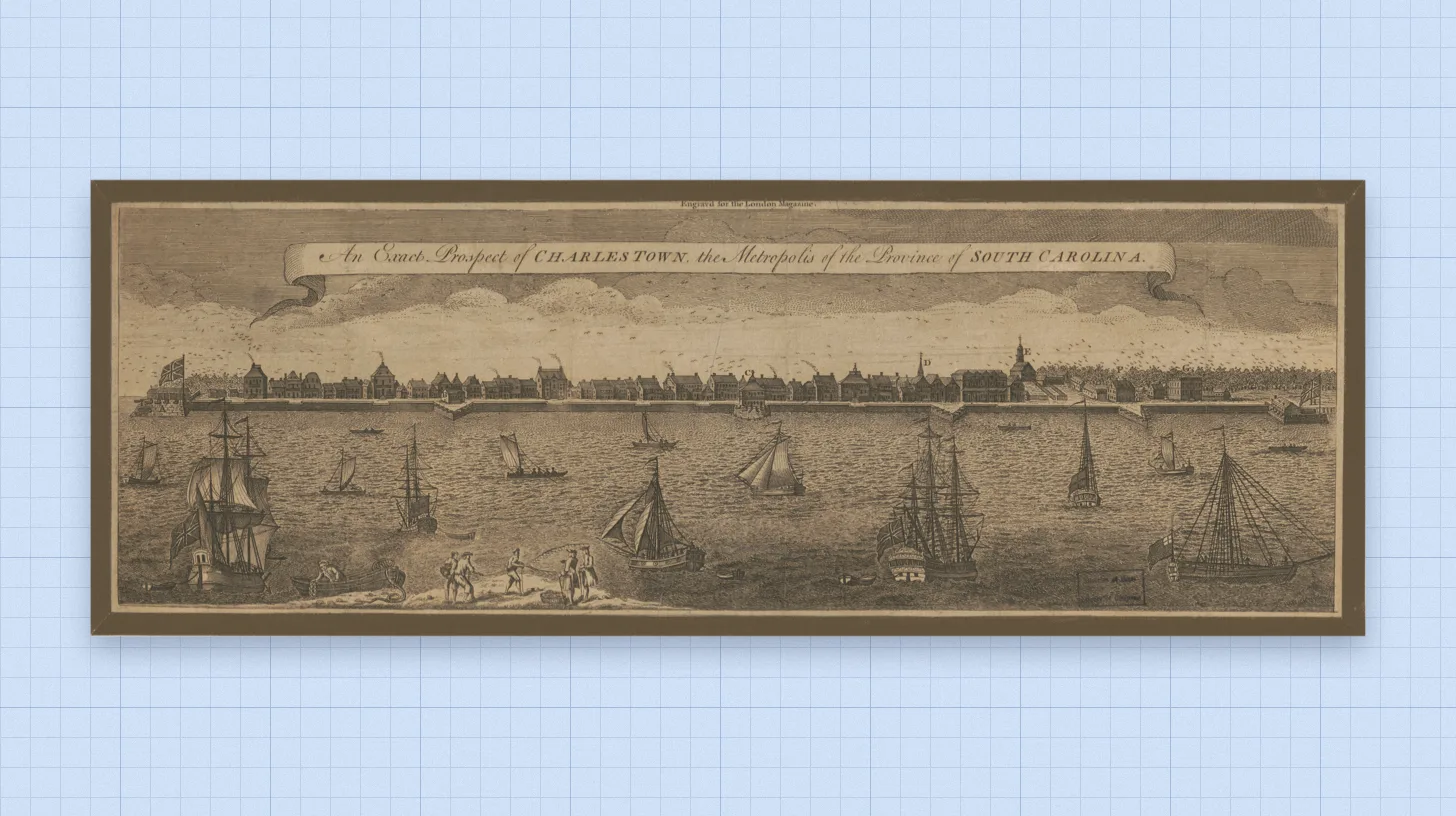
There was a good deal to talk about. That year there had been killings on the Carolina frontier, and the colony held the Cherokee to blame. The Cherokee headmen had their own complaint. At Fort Prince George, the colony’s post beside the town of Keowee in the mountains, the commander, Lt. Richard Coytmore, had been abusing their warriors and their women, and Tistoe, the headman of Keowee, complained bitterly of it. When Oconostota went to the fort that autumn and asked for powder, he was refused. He decided to go down to Charleston himself, but only after being assured, the South Carolina Gazette reported, that he should come and return in safety.
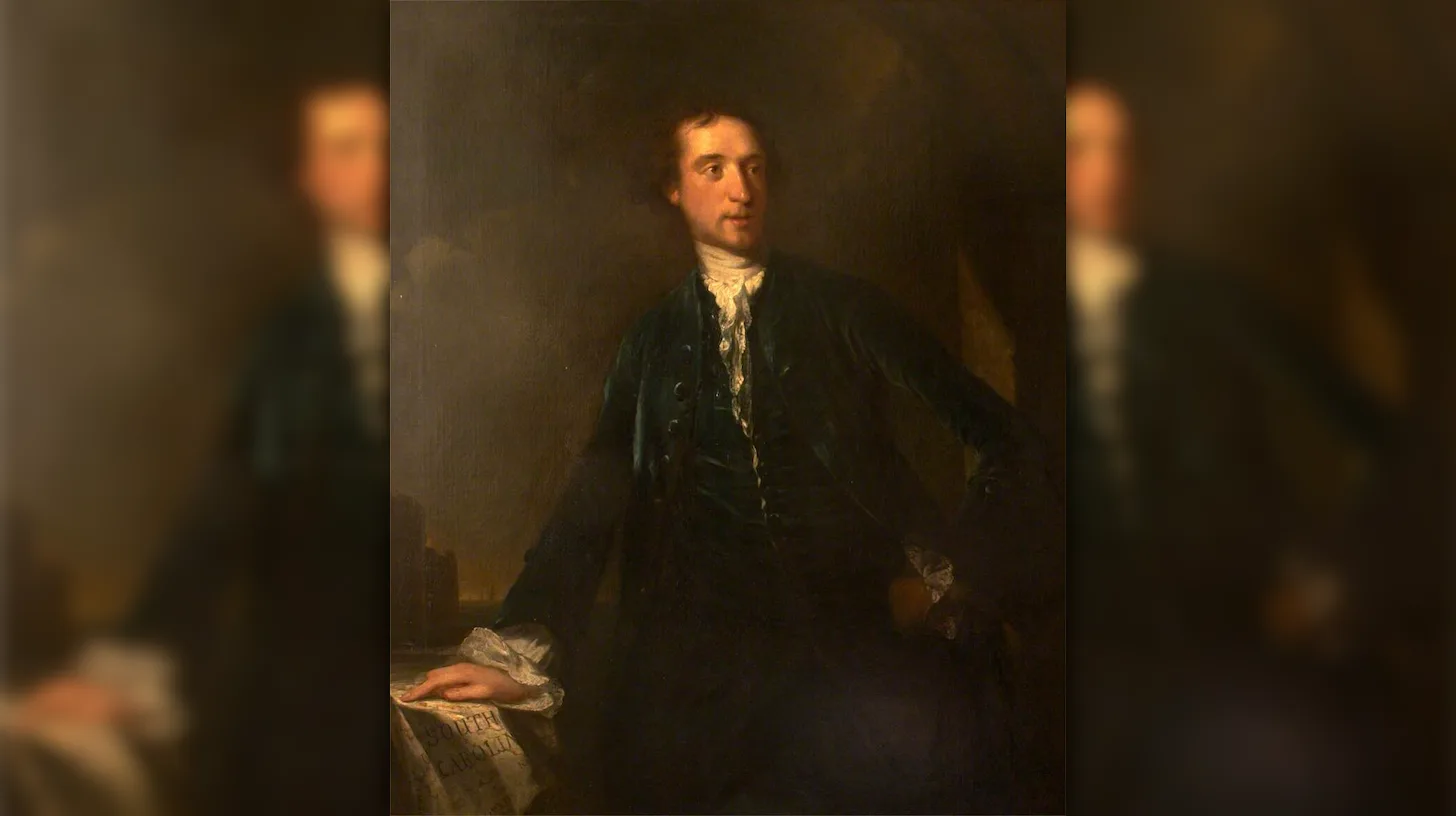
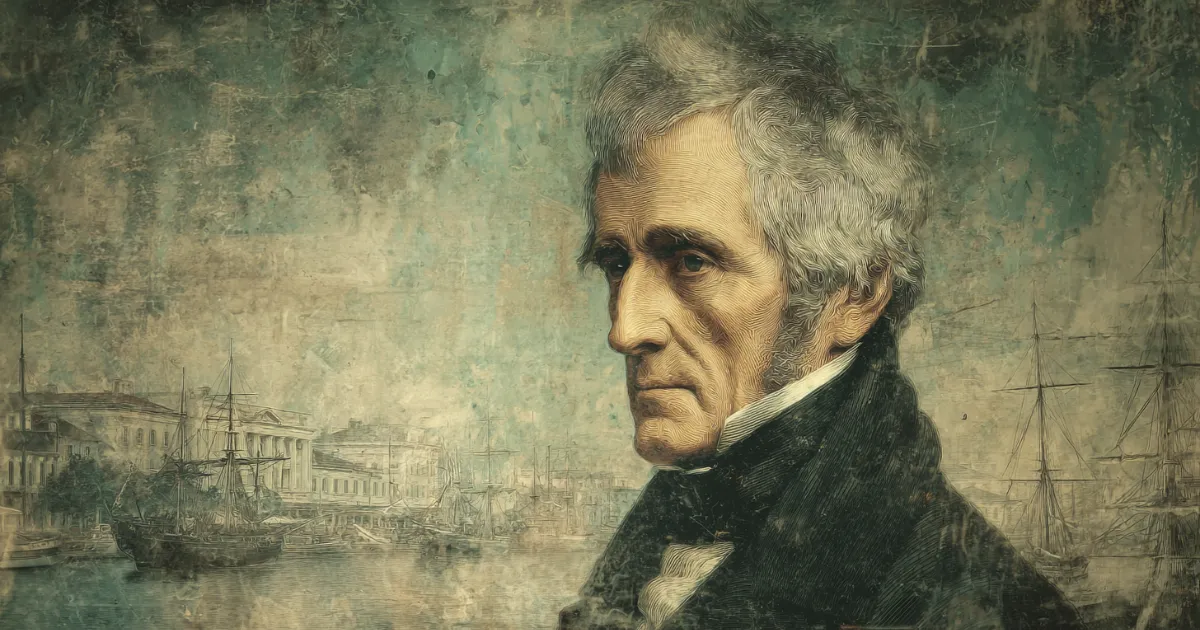
No likeness of him is known. He was about fifty, and he had held his title for years. An officer who wrote about the Cherokee a few years later said that he was known for taking such care on his expeditions that he had never lost a man. The governor he came to see, William Henry Lyttelton, was thirty-four, educated at Eton and Oxford, and three years in the colony.
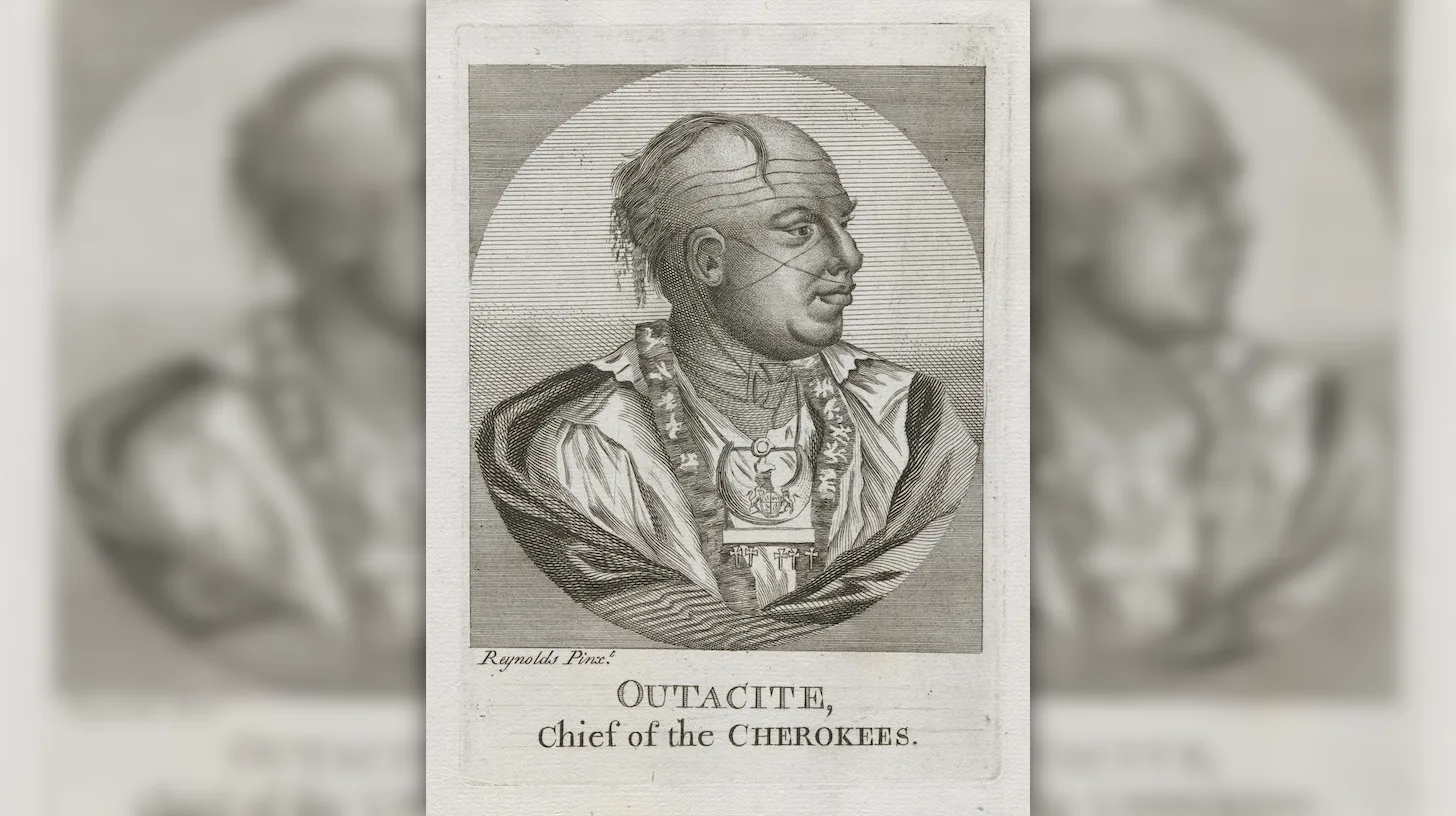
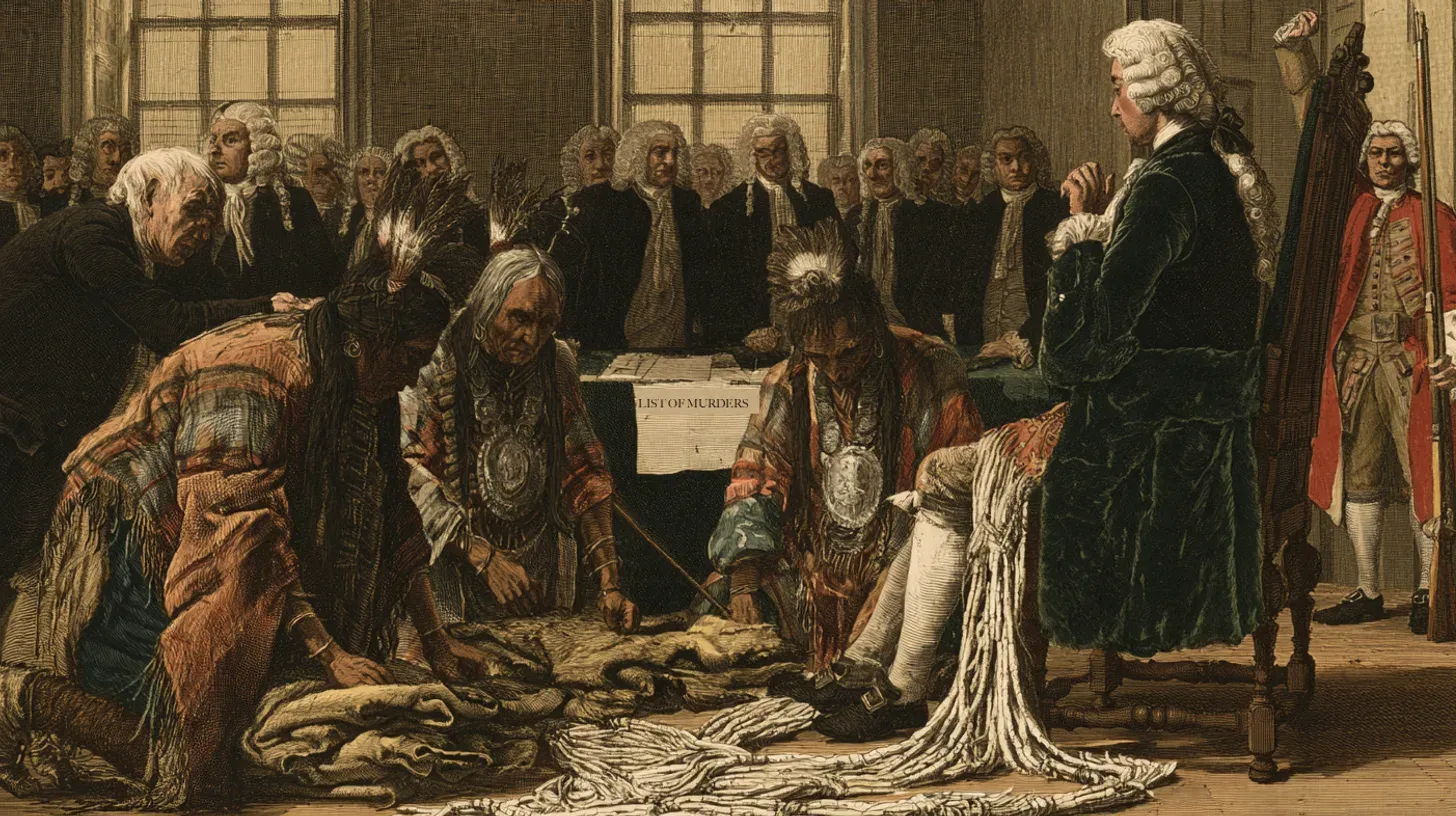
The Gazette counted the first party as 37 men, 13 women and 5 children when it came within a mile of the town, and another band followed under a headman called the Round O. On the second day of the talks the Cherokee laid skins at the governor’s feet and offered strings of white beads, which Lyttelton let them lay down but would not receive. Oconostota said they had been sent by the old headman at Chota to make the path straight and brighten the chain. The killings, he said, had been the work of young men who would not listen.
Lyttelton gave his answer the following Monday. He read out a list of the murders and told them that a soldier from the fort had lately had his hat cut to pieces with a tomahawk and been told to go home and say it was war. The headmen, he said, could go home with him and his army, and they would be safe “only by going with” it. Alexander Hewatt, a Charleston minister who wrote a history of the colony, wrote twenty years later that the lieutenant governor, William Bull, had urged Lyttelton to hear the Great Warrior out, and that Lyttelton had ended the conference instead.
A captain’s guard at the Congarees
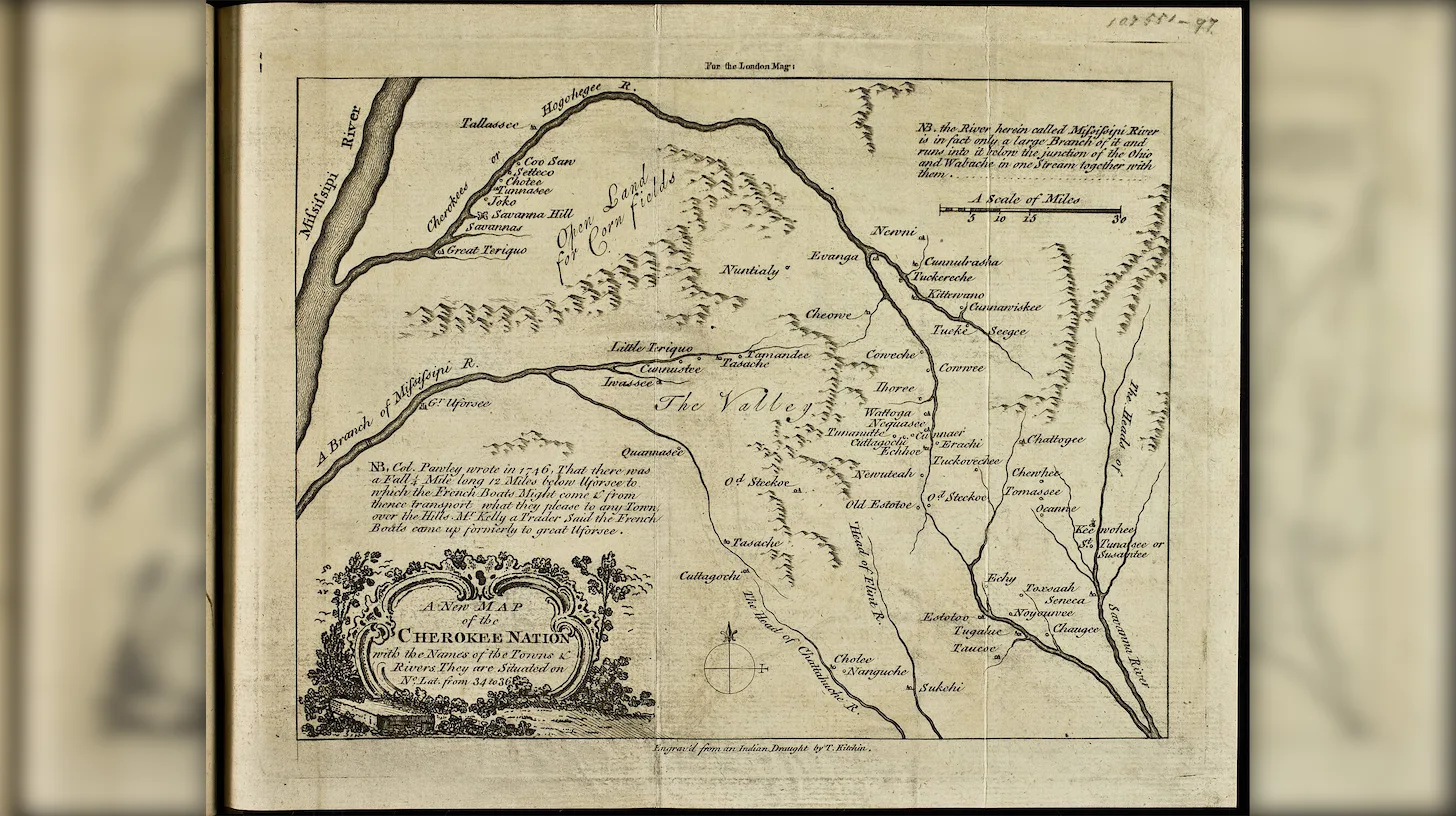
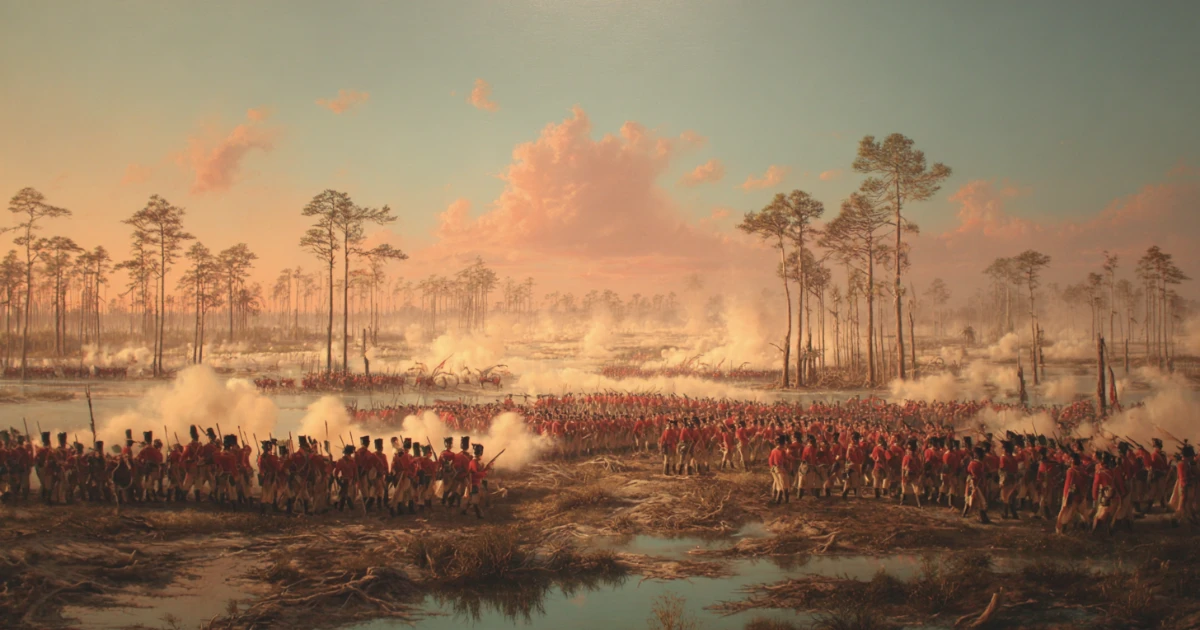
The governor left Charleston near the end of October for the militia’s meeting place at the Congarees, and the Cherokee went with the army. On the march two of the Round O’s men slipped away in the night, and then two more, and Lyttelton put a captain’s guard over the rest. He went to their camp, which lay in the middle of the army’s, took their leader by the hand and told him that the guard was there only to keep the common white people from troubling them. When Oconostota’s party came into camp with the troops, the two bands of Cherokee, the Gazette reported, gave a great shout at seeing each other. A captain’s guard was put over them as well.
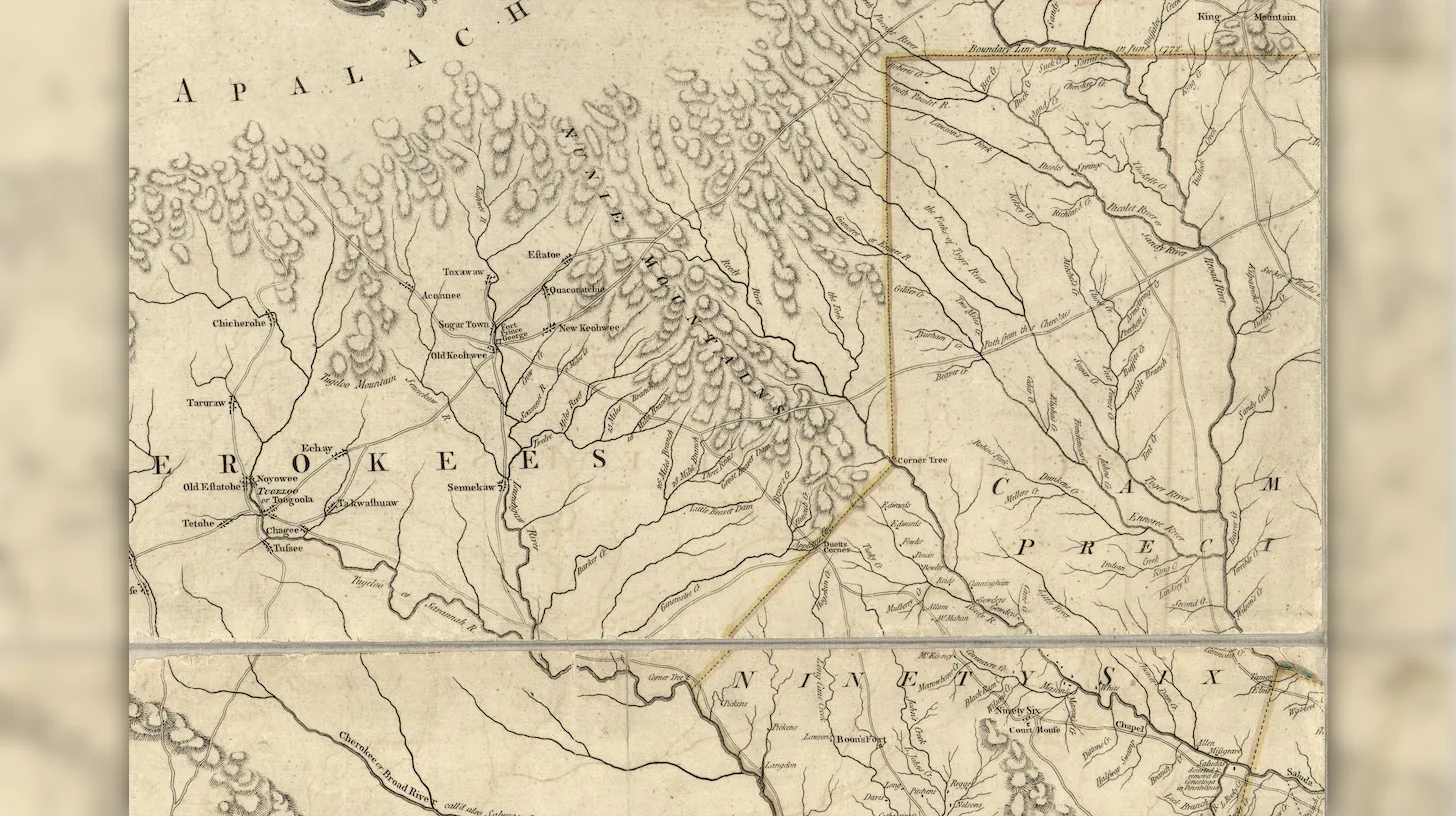
Hewatt, writing from Charleston, put it more plainly. When the army moved on from the Congarees, he wrote, “the chieftains, very unexpectedly, were all made prisoners.” At Ninety Six the governor reviewed his force and counted 1,299 effective men. Measles was in the camp, and fevers. The army reached Fort Prince George on December 9, after what a letter from the camp called “a very fatiguing March of ten Days.”
The fort was a square of earthen walls about a hundred feet on a side, with a ditch and a palisade and a bastion at each corner, on the east bank of the Keowee River across from the town. There Lyttelton dismissed the other Cherokee who had come with him but kept twenty-eight of the leading men. Hewatt says they were shut up in a hut “scarcely sufficient for the accommodation of six soldiers.”
Twenty-two names on a treaty
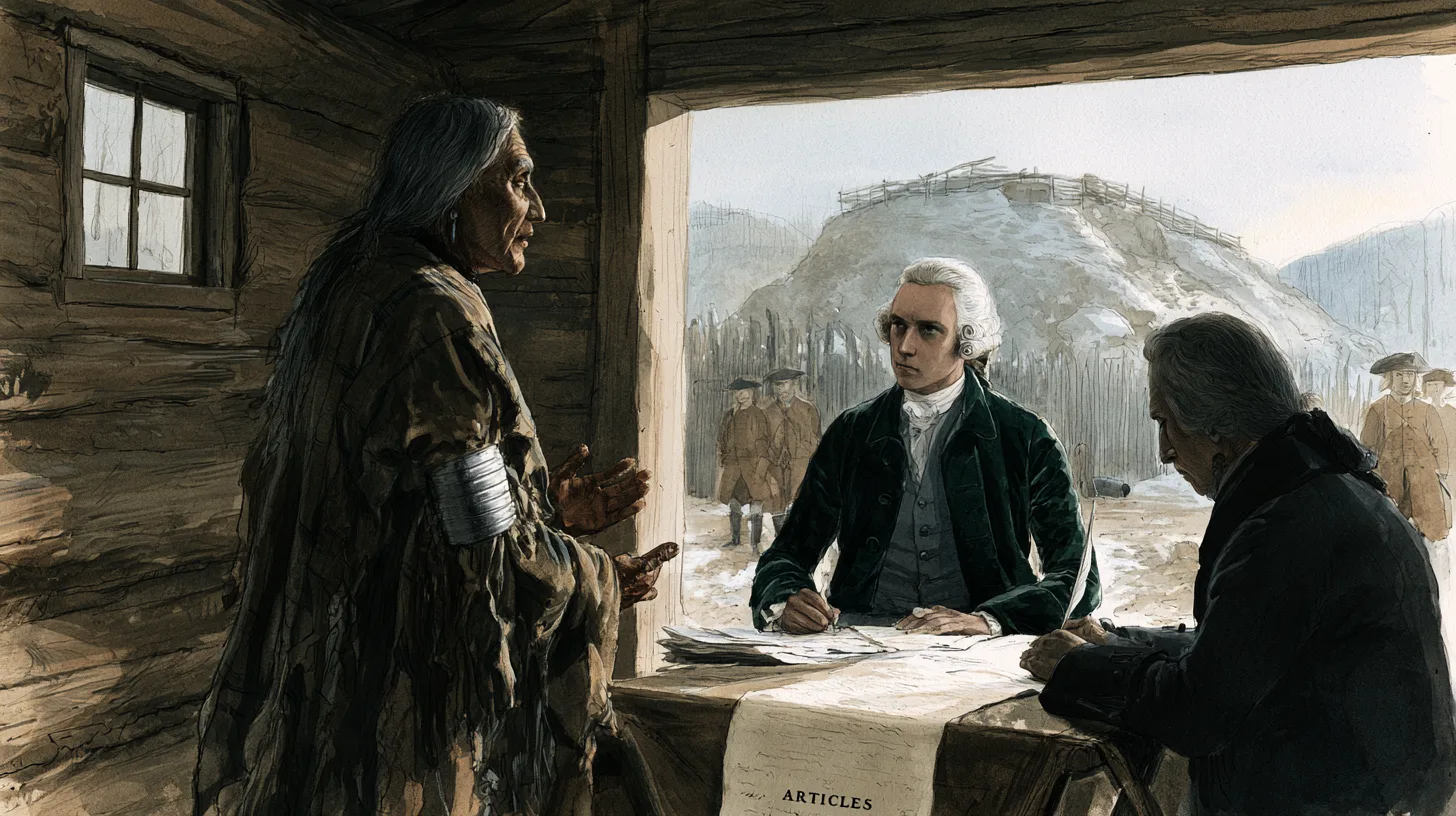
The man the governor waited for was Attakullakulla, the Little Carpenter, the Cherokee leader best known for his friendship with the English, which led some of his own people, Hewatt wrote, to consider him “no better than an old woman.” He came to the fort in the middle of December, and Lyttelton gave him his terms. In Hewatt’s version, which he said was “to the following effect,” the governor spoke like this.
“If I make war with you, you will suffer for your rashness; your men will be destroyed, and your women and children carried into captivity. What few necessaries you now have will soon be done, and you will get no more.”
He wanted twenty-four men of the nation handed over, one for every settler killed, to be put to death or otherwise disposed of as he saw fit. Attakullakulla said he would do what he could, though he believed it could not be done, “as they had no coercive authority one over another.” He asked for some of the headmen in the fort to be let go so that they could help him, and Lyttelton freed Tistoe and the old warrior of Estatoe. Hewatt says Oconostota was released too, and he signed what followed as a free man.
The treaty was dated December 26 and signed by six Cherokee, Attakullakulla among them. It named twenty-two men who would stay in the fort as hostages until twenty-two more of the accused killers were brought in, one hostage to be freed for each man delivered. The people of Keowee had already handed over two men, and when a third was brought in, the camp journal noted, the hostages “are now only 21.” Oconostota, according to a historian of the colony writing from its records, soon disowned his signature.
Then smallpox reached the army. Within an hour of the news, nearly seven hundred men had packed up, and the governor left for home. He reached Charleston early in January and was, Hewatt wrote, received like a conqueror, though “not a drop of blood had been spilt during the expedition.”
A bridle swung three times
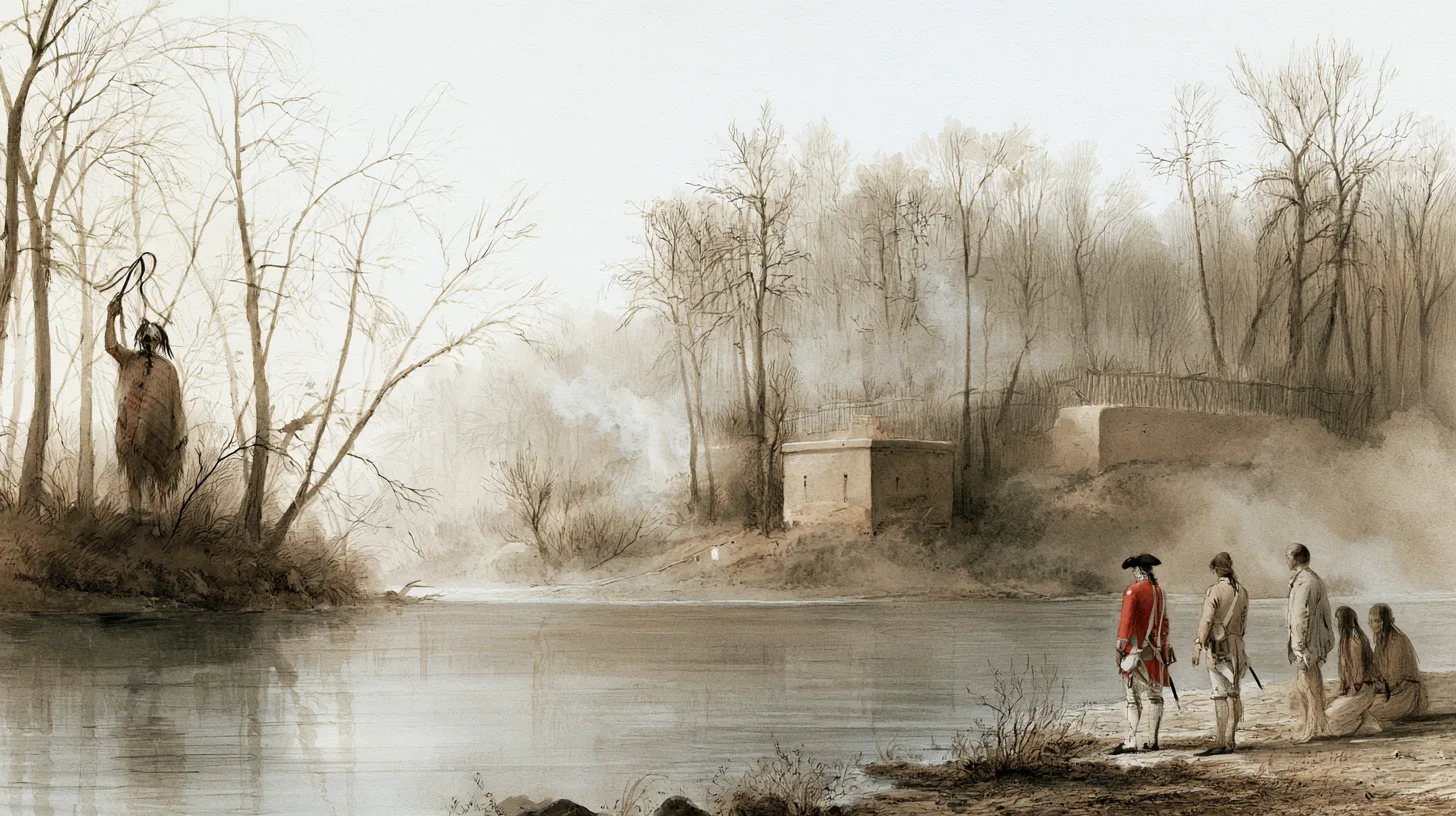
The fort stayed behind with about ninety men of the regular independent companies under Coytmore, and with the hostages. Smallpox came inside the walls too, and the garrison lost fifteen men to sickness that winter. The fort had, a letter from it reported, “every Thing but Fire-wood.” Outside, the war Lyttelton had threatened was already starting, in raids on the settlements below the mountains.
On Saturday, February 16, 1760, two Cherokee women appeared on the riverbank opposite the fort. The trader Dougharty went out to ask them for news, and Oconostota was on the far side, and he asked for the commander. The Great Warrior said that he meant to go down to the governor and would be glad to have a white man go with him as a safeguard. Coytmore answered that he should have one. Then Oconostota said he would go and catch a horse for him, and Coytmore told him not to trouble himself, but the Warrior insisted.
Coytmore walked down to the bank with Ensign Bell, Dougharty and the interpreter Foster. As they stood there, Oconostota swung a bridle he had been holding carelessly in his hand “thrice over his Head,” and “25 or 30 Guns” fired at once from ambushes that had been laid, the letter writer judged, before daylight. Coytmore was hit in the left breast, Bell in the calf of his leg and Foster in the buttock. Coytmore lived for nine days and died of the wound.
The room where the hostages were kept
Ensign Alexander Miln was now in command, and he ordered the soldiers to bind the hostages and put them in irons. The South Carolina Gazette printed what the fort reported happened next. The first soldier who tried to take hold of one of the Cherokee was “killed on the Spot,” struck on the head with a tomahawk, stabbed in the belly with a knife and “having his Jaw broke,” and a second was cut on the forehead. The garrison then decided to put all the hostages to death at once, and did.
In the evening Cherokee outside the fort fired two signal guns and called out in their own language, not knowing what had happened inside, and for part of the night they fired on the fort from all sides without doing any damage. Miln searched the room afterward and reported to Lyttelton what he found.
“found a bottle of Poison that they had hid under Ground, which we imagined was to poison the well.”
The Gazette added that the soldiers had found “Tomahawks buried in the Earth” of the floor, which the hostages’ friends must have slipped in on their visits.
That was the garrison’s account, and it did not go unanswered. James Adair, a trader who knew the Cherokee and had no love for the colony’s government, wrote fifteen years later that the hostages’ only crime was sounding the war-whoop to the men outside, that a soldier cut through the planks above their heads and shot them, and that the poison story was false, “like the wolf in the fable.” The historian Robert Meriwether, working from Miln’s own letter in the colony’s Indian books, found that the soldiers had demanded the hostages’ deaths before any of it, that Miln ordered the irons to quiet them, and that then the garrison, “beyond control, fell upon the prisoners and slew them to a man.” No record found gives the number killed. The treaty’s list and the camp journal point to about twenty-one.
Fifteen towns
Hewatt’s history describes what the news did in the mountains.
“There were few men in the Cherokee nation that did not lose a friend or a relation by this massacre, and therefore with one voice all immediately declared for war.”
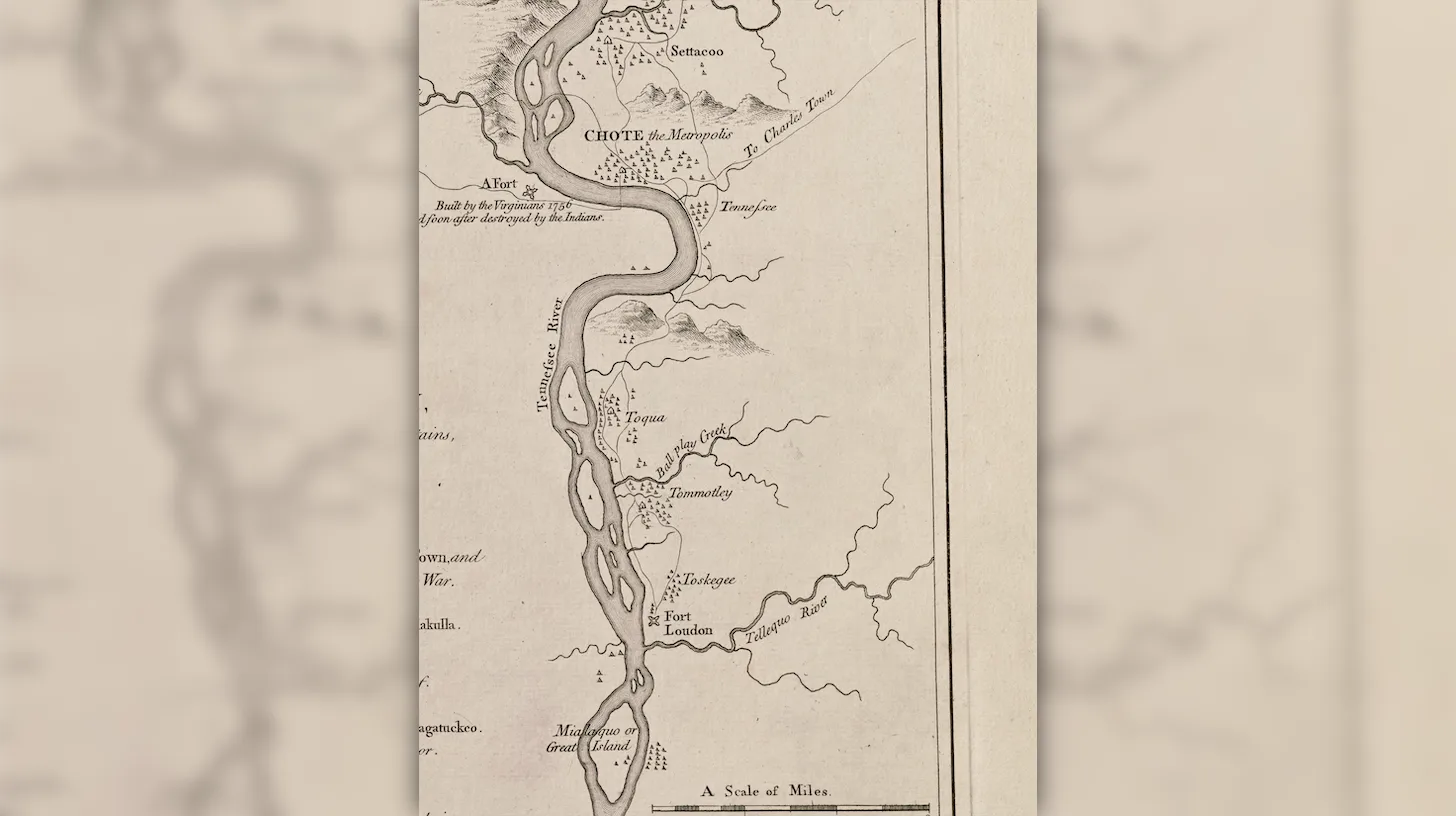
Lyttelton was gone by then. In April he sailed for England, on his way to be governor of Jamaica, and others fought the war his expedition had started. A British force under Colonel Montgomery burned the Lower Towns that summer, fought the Cherokee near Echoee in June and turned back. In August the garrison of Fort Loudoun, the colony’s post far over the mountains, surrendered to Oconostota and marched out, and the next morning it was attacked at Cane Creek. By the lieutenant governor’s count the captain, three other officers, twenty-three privates and three women were killed. Attakullakulla bought one of the surviving officers, John Stuart, from his captor with everything he owned.
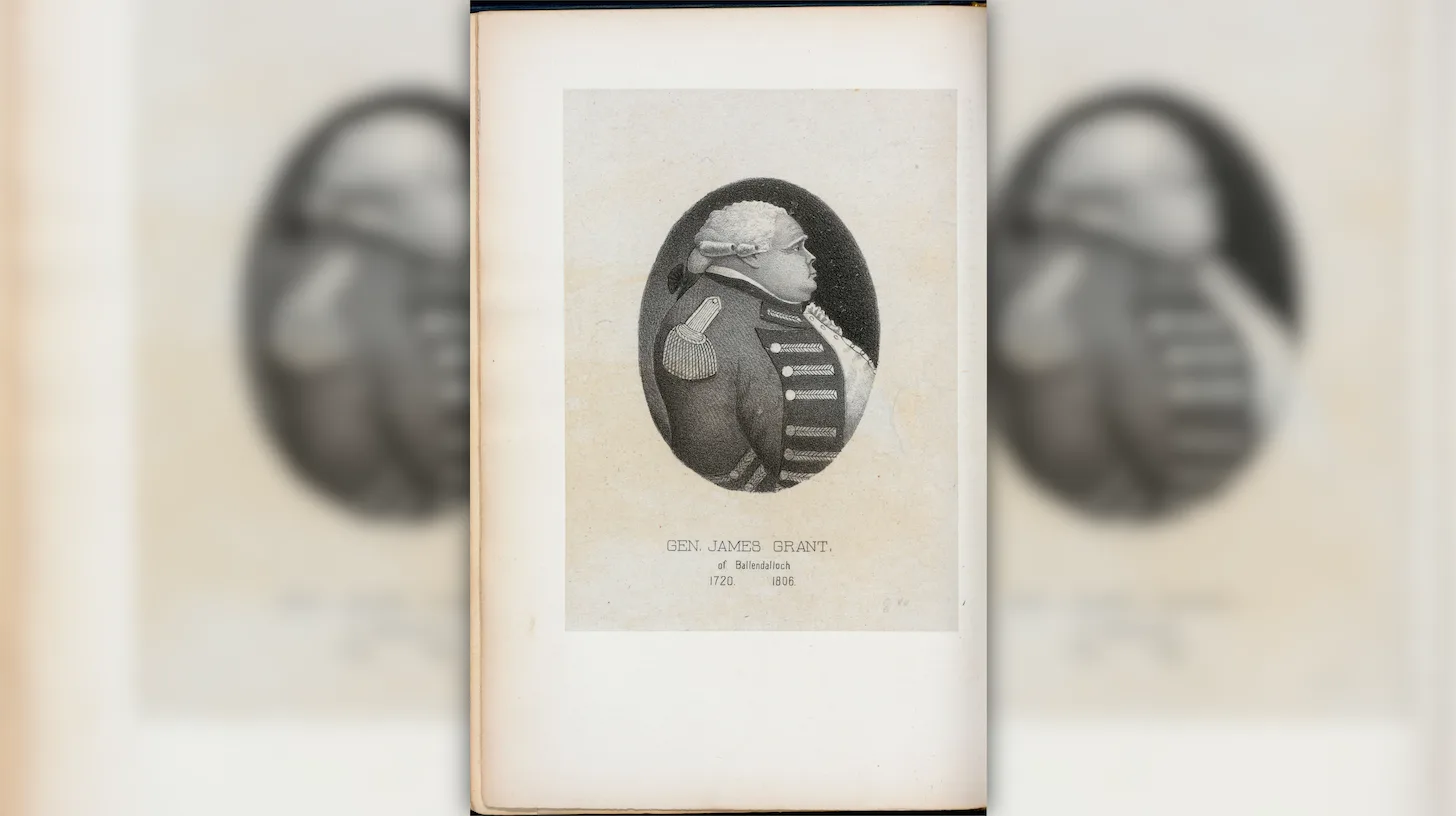
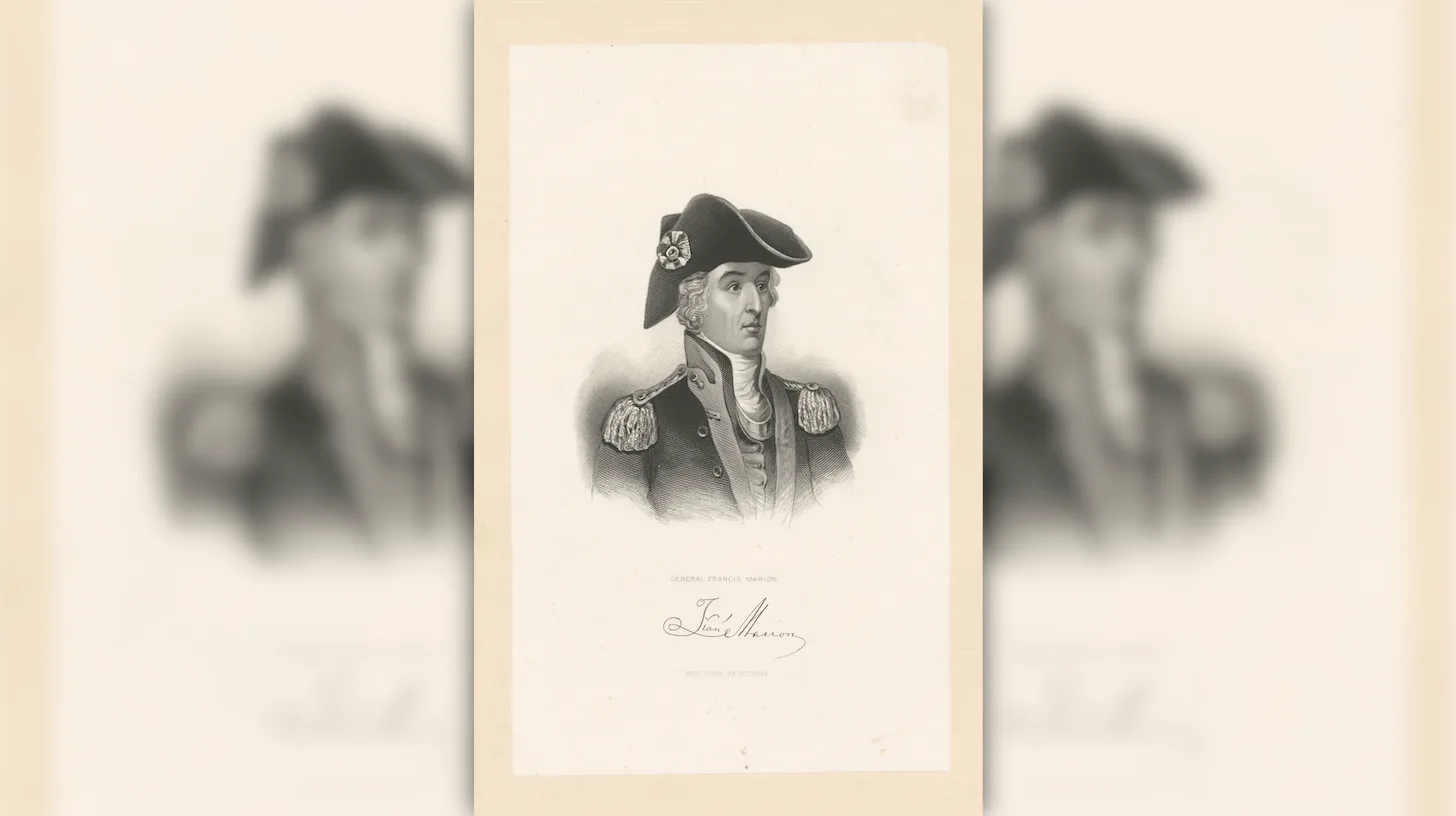
The next year a second army went in under Col. James Grant. Among its provincial officers was a young South Carolinian, Francis Marion, commissioned a lieutenant in the fall of 1760. His captain, William Moultrie, remembered long afterward that they had entered “the field of Mars” together in that campaign and that Marion was “an active, brave and hardy soldier, and an excellent partisan officer.” Grant’s army fought near Echoee again in June 1761 and then destroyed the Middle Towns, fifteen of them, with their granaries and cornfields. A letter in which Marion is supposed to have wept at cutting down the corn is quoted in many accounts of him, but it appears first in Parson Weems’s biography of 1809, and Weems admitted that he had turned his informant’s facts into a military romance.
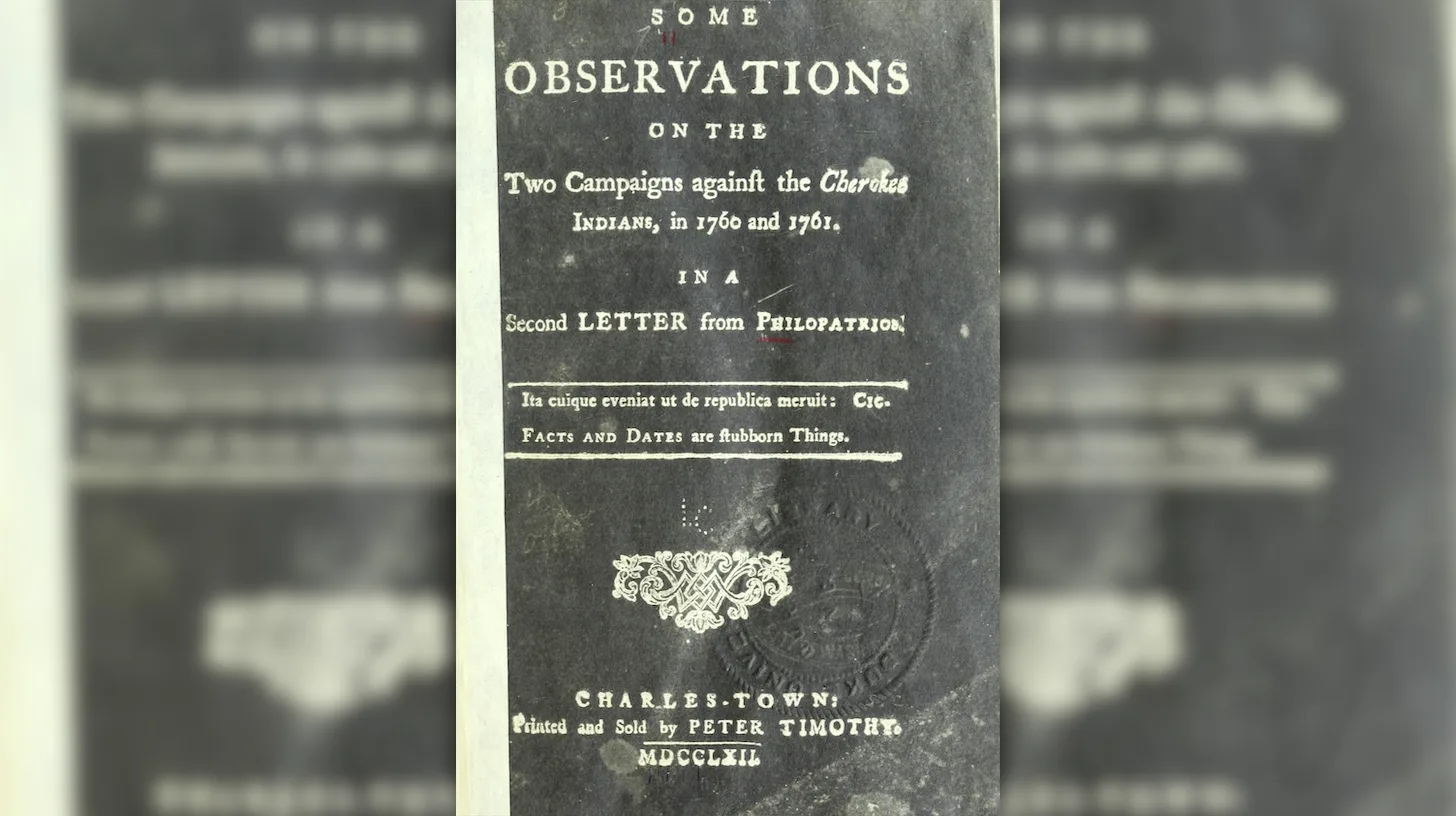
The Cherokee made peace at Charleston in September 1761. Fort Prince George was abandoned seven years later. The site has lain under Lake Keowee since 1968.