
5 min read
Some of the most horrible discontinued medications that should have never been subscribed:
THALIDOMIDE
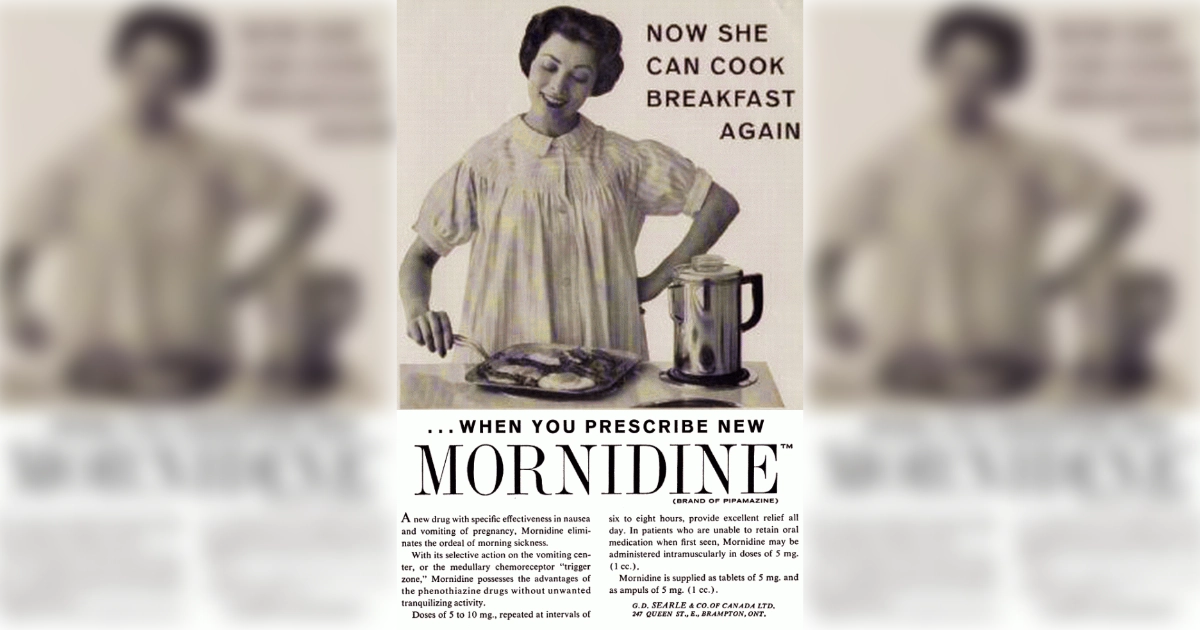
Discontinued: 1961
Thalidomide was used as a sedative and morning sickness treatment in the late 1950s.
However, it was withdrawn globally by 1961 after causing approximately 10,000 cases of severe birth defects—primarily phocomelia (underdeveloped limbs).
VIOXX (ROFECOXIB)
Discontinued: 2004
Vioxx (rofecoxib), Merck’s blockbuster anti-inflammatory drug, was withdrawn in 2004 after studies confirmed it doubled heart attack and stroke risks. The medication made $2.5 billion in annual sales before internal documents revealed Merck had known about cardiovascular dangers for years.
Vioxx was linked to an estimated 88,000-140,000 cardiovascular events.
The company paid $4.85 billion to settle lawsuits while denying wrongdoing.
FEN-PHEN
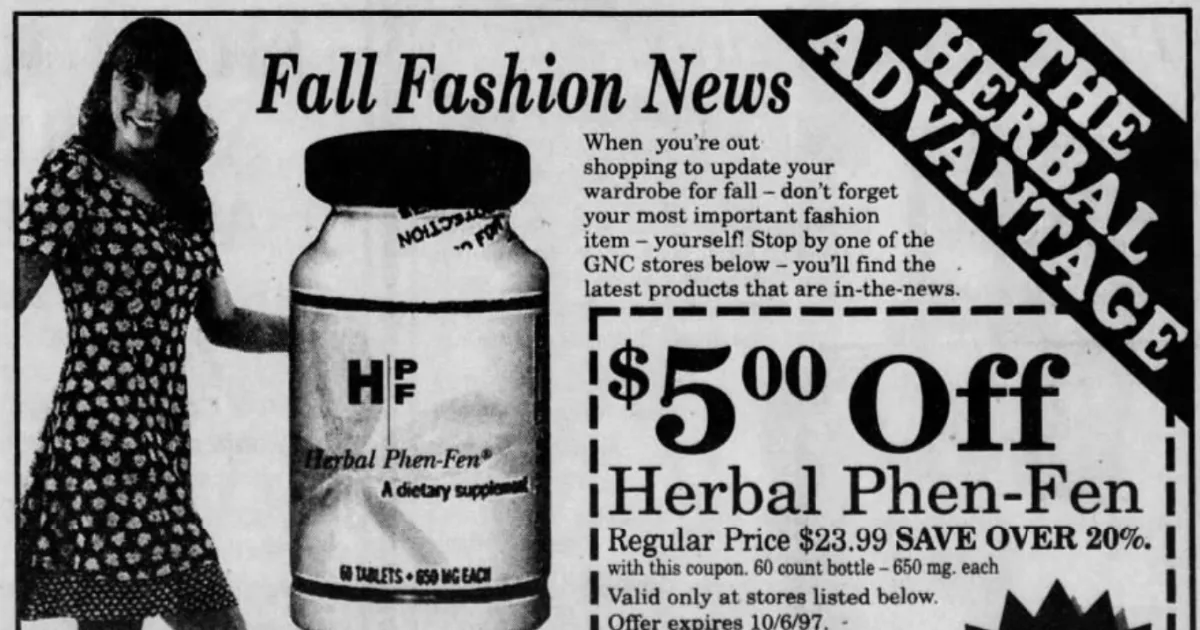
Discontinued: 1997
Fen-Phen was a weight loss medication that included fenfluramine and phentermine.
It was discontinued in 1997 when studies linked it to severe heart valve damage and pulmonary hypertension.
Research later revealed heart valve abnormalities in up to 30% of users, and American Home Products (later Wyeth) had to pay over $13 billion in legal settlements to those affected.
BAYCOL (CERIVASTATIN)
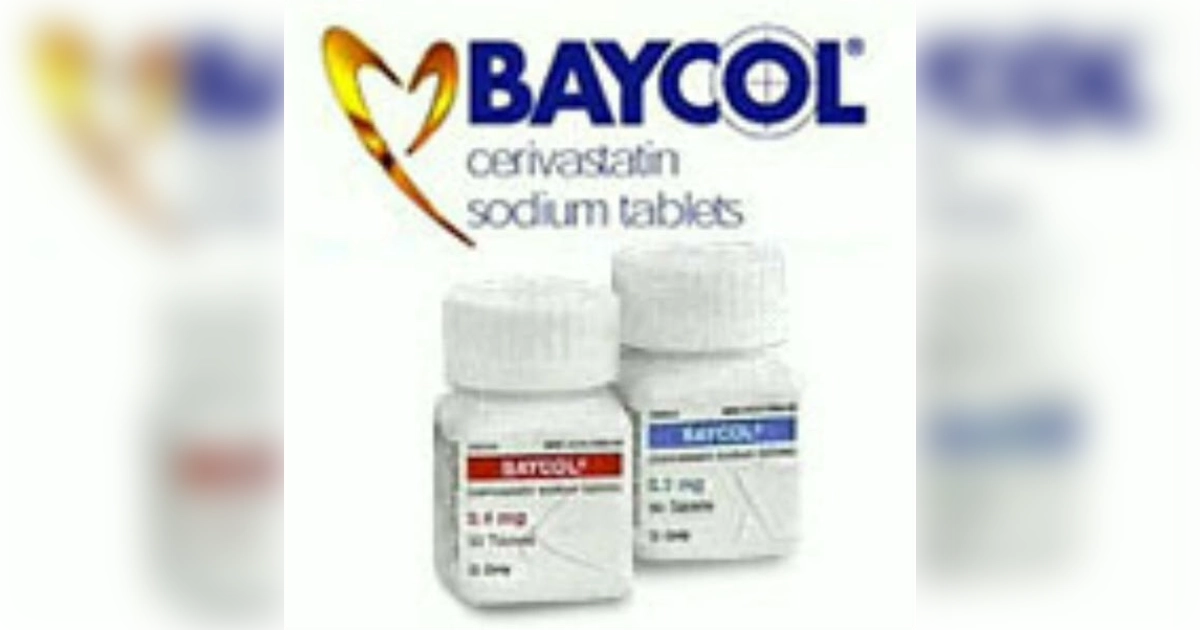
Discontinued: 2001
Baycol (cerivastatin), a cholesterol-lowering statin manufactured by Bayer, was withdrawn worldwide in August 2001 after being linked to 52 deaths from rhabdomyolysis—a severe muscle-wasting condition.
After the discontinuation, Bayer faced over 14,000 lawsuits and paid about $1.2 billion in settlements.
QUAALUDE (METHAQUALONE)
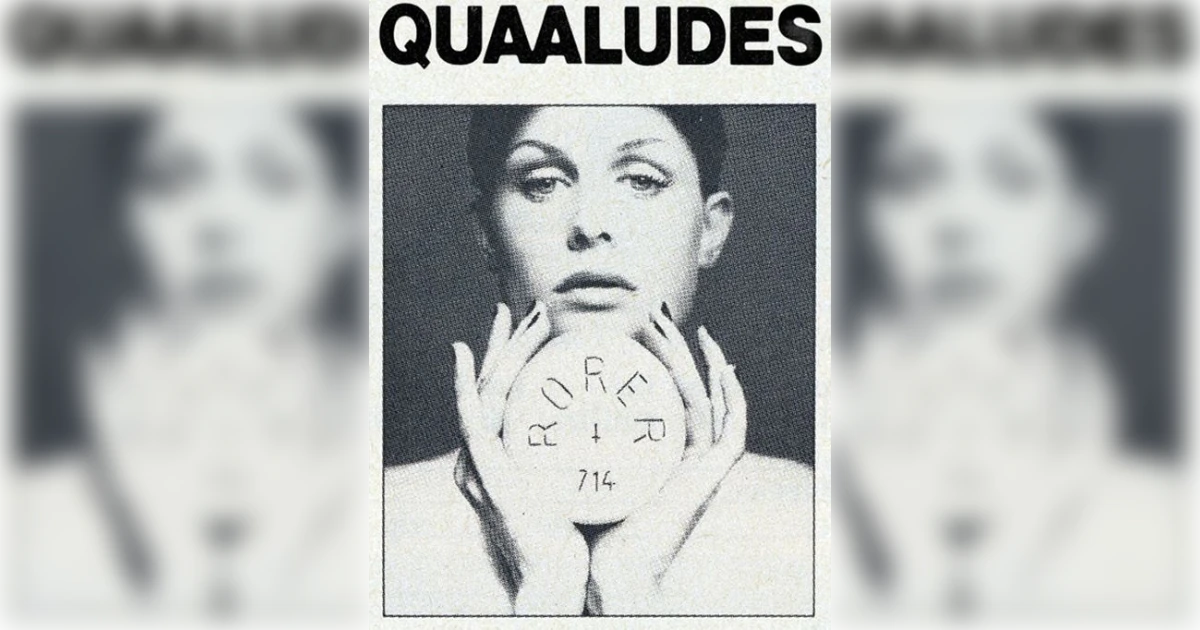
Discontinued: 1985
Quaalude was introduced as a non-barbiturate sedative in the late 1950s. It became popular in the 1960s-70s as a prescription sleep aid.
The drug earned notorious status for its widespread recreational abuse, producing euphoric and hypnotic effects that made it a fixture in disco-era nightlife.
It led to strict regulation because of its high addiction potential and association with sexual assault.
By 1984, the DEA classified methaqualone as Schedule I and commercial production ceased in 1985.
Illicit manufacturing continues to this day in South Africa and India.
DIETHYLSTILBESTROL (DES)
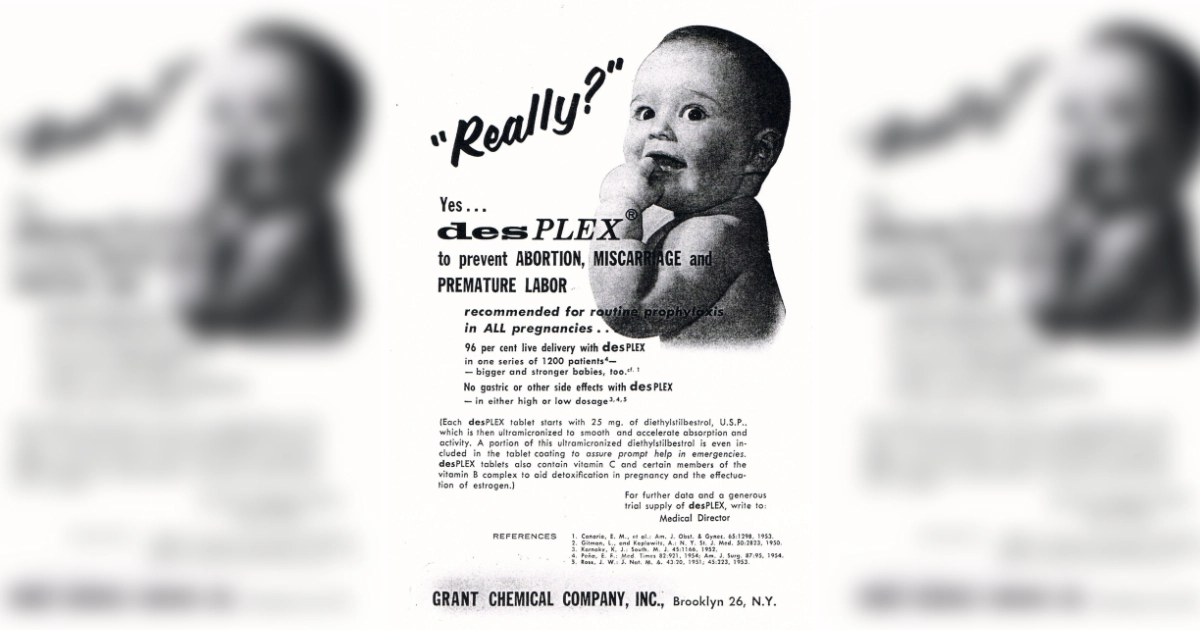
Discontinued: 1971
DES was a synthetic estrogen prescribed to millions of pregnant women between 1940-1971.
It would later be banned for pregnancy use after being linked to rare vaginal cancers and reproductive abnormalities in children exposed in utero.
The drug caused a medical disaster that continued to affect 5-10 million people. Daughters developed clear cell adenocarcinoma, and both sexes of the mothers faced reproductive issues.
DARVON/DARVOCET (PROPOXYPHENE)
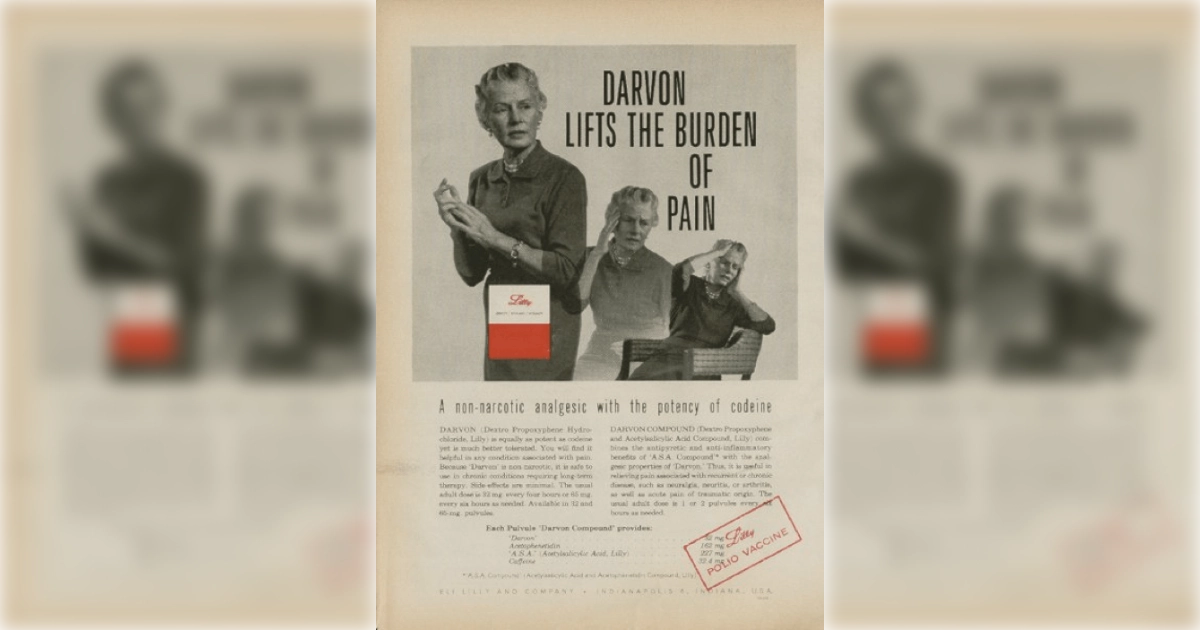
Discontinued: 2010
First marketed in 1957, Darvon and Darvocet were widely prescribed painkillers removed from the U.S. market in 2010.
This was because studies revealed they caused fatal heart rhythm abnormalities and didn’t offer much pain relief compared to other drugs.
The FDA dragged its feet on banning the drug for years, even though there were approximately 2,000 annual overdose deaths.
REZULIN (TROGLITAZONE)
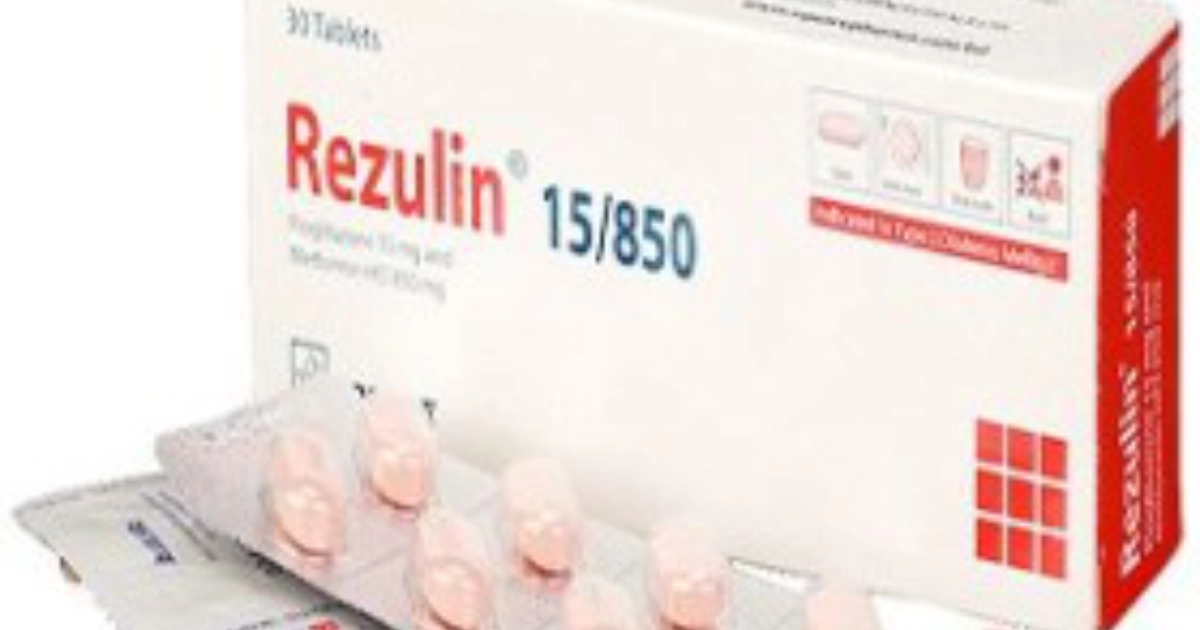
Discontinued: 2000
Rezulin, approved in 1997 as a breakthrough for Type 2 diabetes, was withdrawn from the U.S. market in March 2000 after causing 63 confirmed deaths from liver failure.
Despite being withdrawn in Britain within two months of its launch, the medication remained available to Americans for about two more years.
BEXTRA (VALDECOXIB)
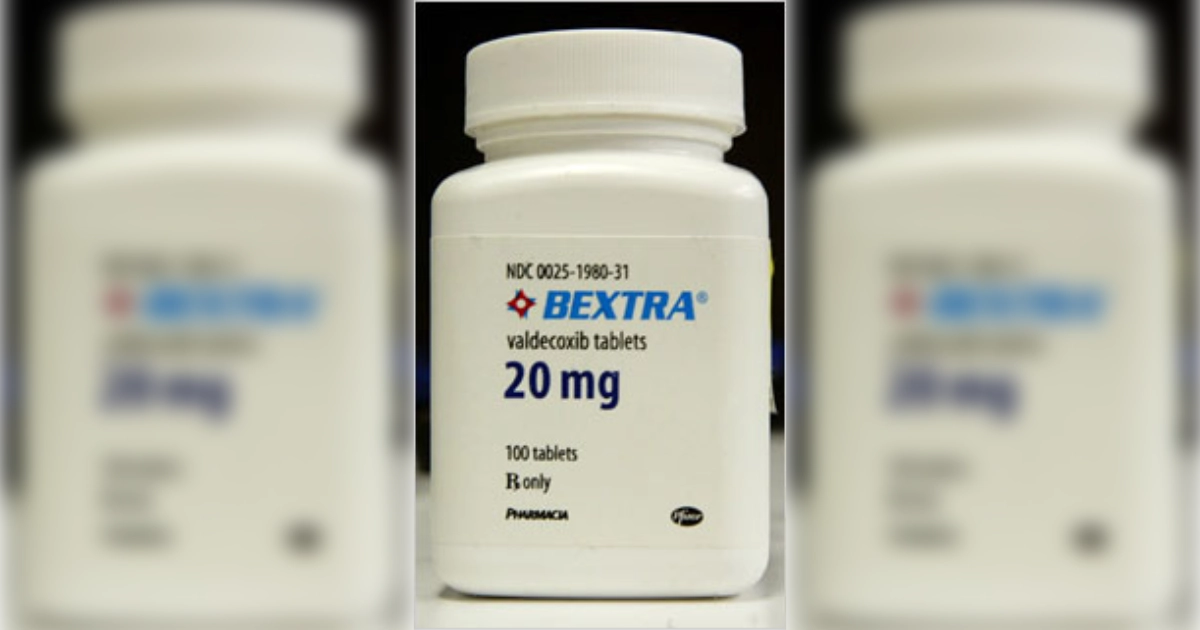
Discontinued: 2005
Bextra was a COX-2 inhibitor developed by Pfizer.
It was used as a pain management option in 2001.
However, the FDA withdrew approval in April 2005 after studies revealed significant cardiovascular risks and potentially fatal skin reactions (Stevens-Johnson syndrome).
Pfizer paid out $2.3 billion in 2009 to resolve fraud allegations.
MERIDIA (SIBUTRAMINE)

Discontinued: 2010
Meridia (sibutramine), approved in 1997 as an appetite-suppressing weight loss medication, was discontinued in 2010 after the SCOUT trial revealed a 16% higher risk of cardiovascular events. This included heart attack and stroke.
The drug was most dangerous for patients with existing heart issues.
PHENYLPROPANOLAMINE (PPA)

Discontinued: 2000
Phenylpropanolamine served as a key ingredient in over-the-counter cold remedies and weight loss products for decades.
In 2000, the FDA requested its removal from all consumer products.
This was because a Yale University study showed women using PPA faced a 16-fold higher risk of hemorrhagic stroke.
Drugstore shelves had been cleared this way before—beauty products that blinded and poisoned their users were pulled decades earlier.
TRASYLOL (APROTININ)
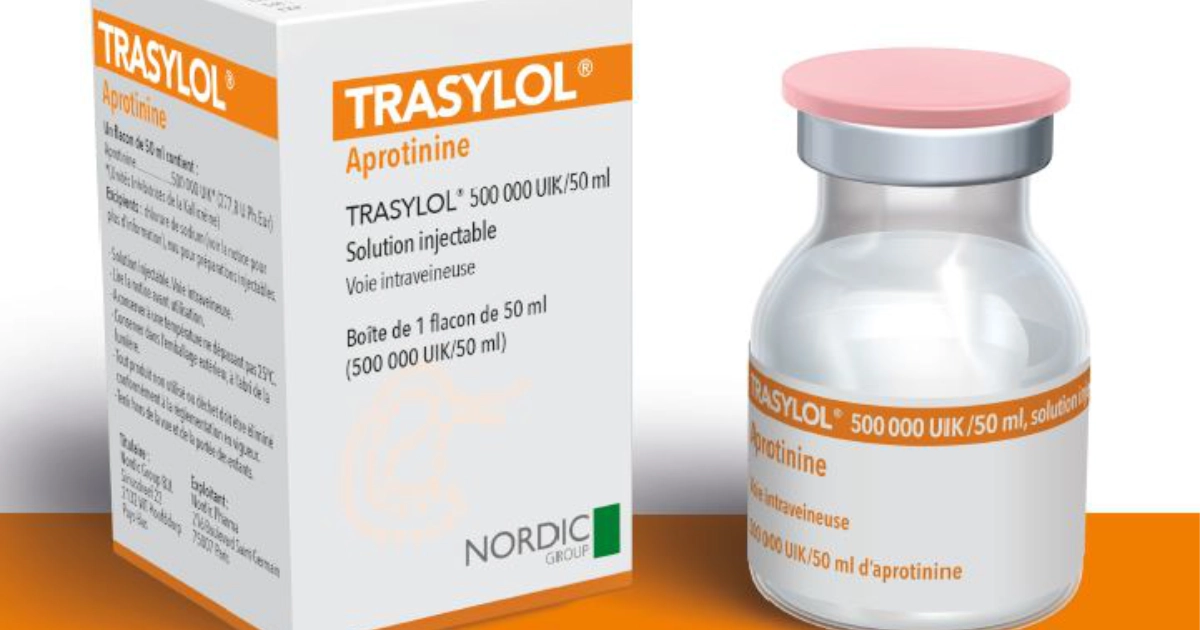
Discontinued: 2007
Trasylol, a blood-loss prevention drug used during heart surgery, was abruptly withdrawn from global markets in 2007. As there was conclusive evidence that it increased patient mortality by 53%.
Bayer charged $1,300 per dose for this medication—nearly 30 times the cost of equally effective options ($44).
The company concealed a damning 2006 study from FDA regulators that revealed these severe risks.
The drug might have caused up to 1,000 preventable deaths monthly before its discontinuation.