10 min read
At a quarter past eleven on the morning of Wednesday, August 19, 1953, the radio operator at the American embassy in Tehran brought Kermit Roosevelt a message from Washington with tears streaming down his face. It came from the under secretary of state, Walter Bedell Smith, and in effect, as Roosevelt remembered it, it said, “Give up and get out.” By then crowds were already marching through the city on behalf of the Shah. Had the message come a day sooner, Roosevelt wrote, “I should have had a real problem.”
Roosevelt was the grandson of Theodore Roosevelt and the Central Intelligence Agency’s man in charge of a secret Anglo-American plan, called TPAJAX in Washington, to remove Iran’s prime minister, Mohammad Mosaddegh. Four days earlier it had failed. By evening on the 19th it had succeeded. The 1953 Iran coup has been told many times, most often in a sentence about a young American and a hired mob, and the CIA’s own histories, the cables of that week and Roosevelt’s debrief nine days later tell it in more detail, and less simply.
Mr. Scar on Right Forehead
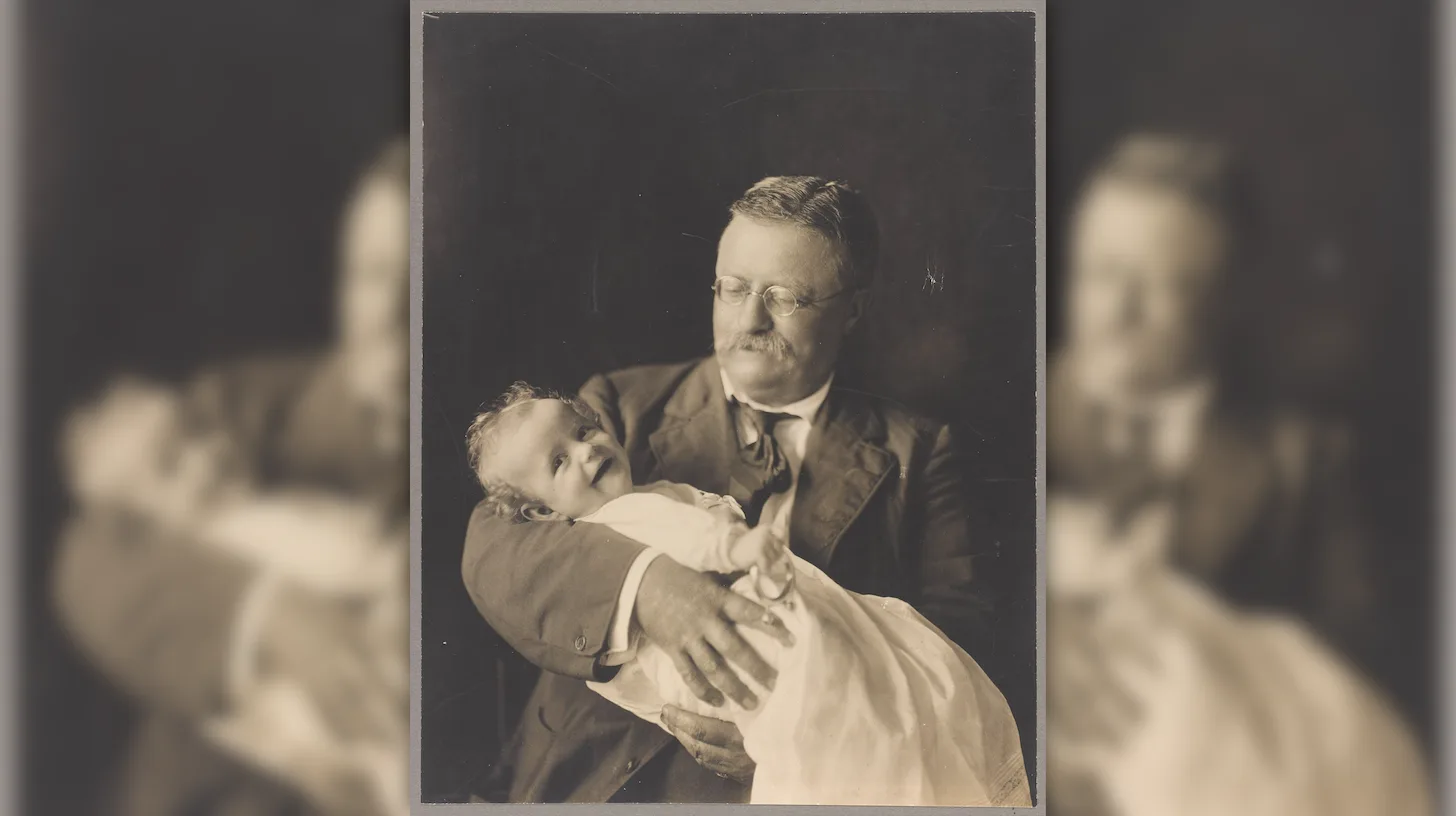
Kermit Roosevelt Jr. was thirty-seven. He had graduated from Harvard, taught, served in the Office of Strategic Services in the war, and become chief of the CIA’s division for the Near East and Africa. A British intelligence officer who knew him called him, as Roosevelt himself later quoted it, “a courteous, soft-spoken Easterner with impeccable social connections,” and added that he was the last person anyone would expect to be up to the neck in dirty tricks. A historian of the agency wrote that Roosevelt did not “look” like an operative. His passport noted a scar on his right forehead.
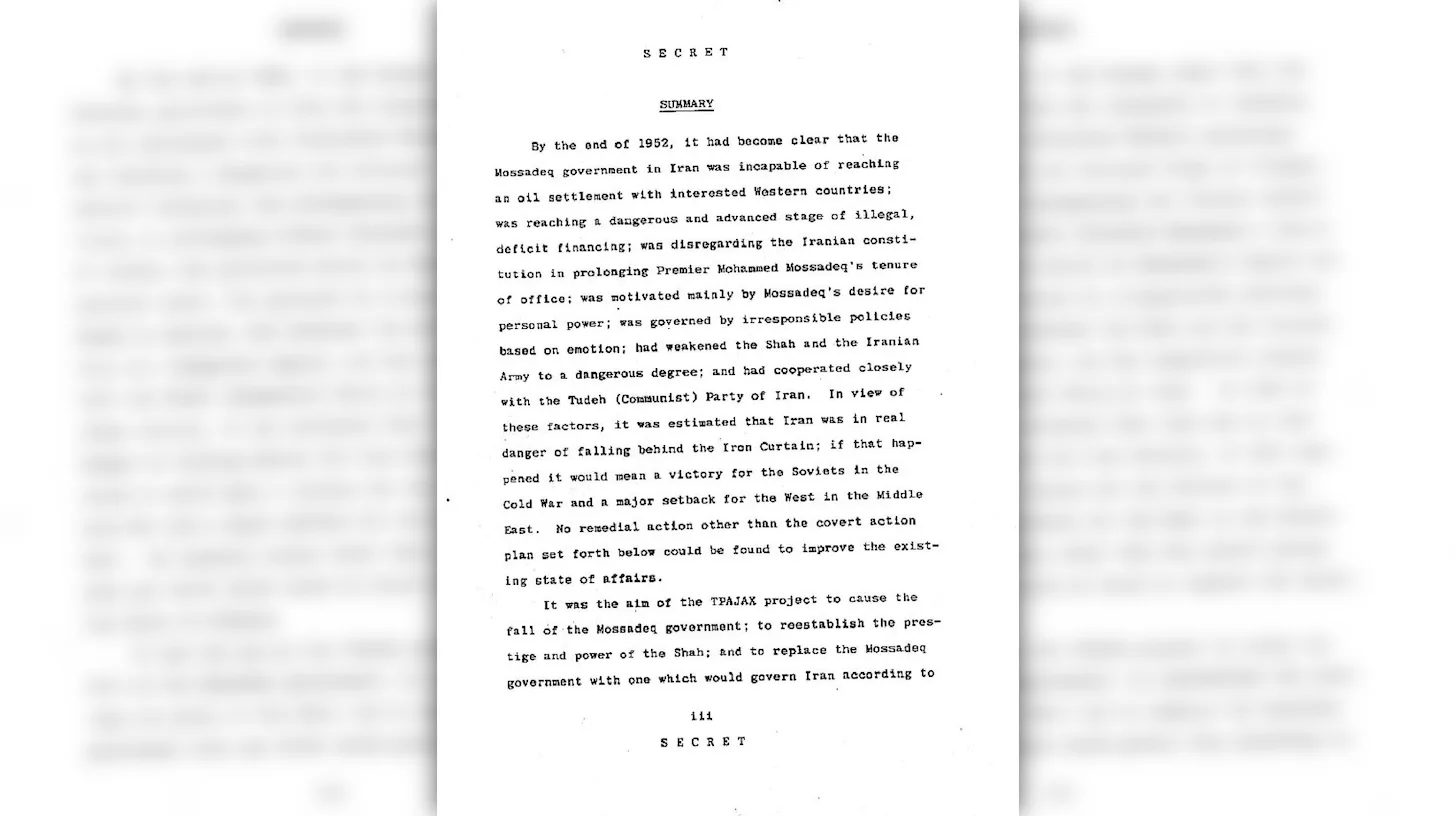
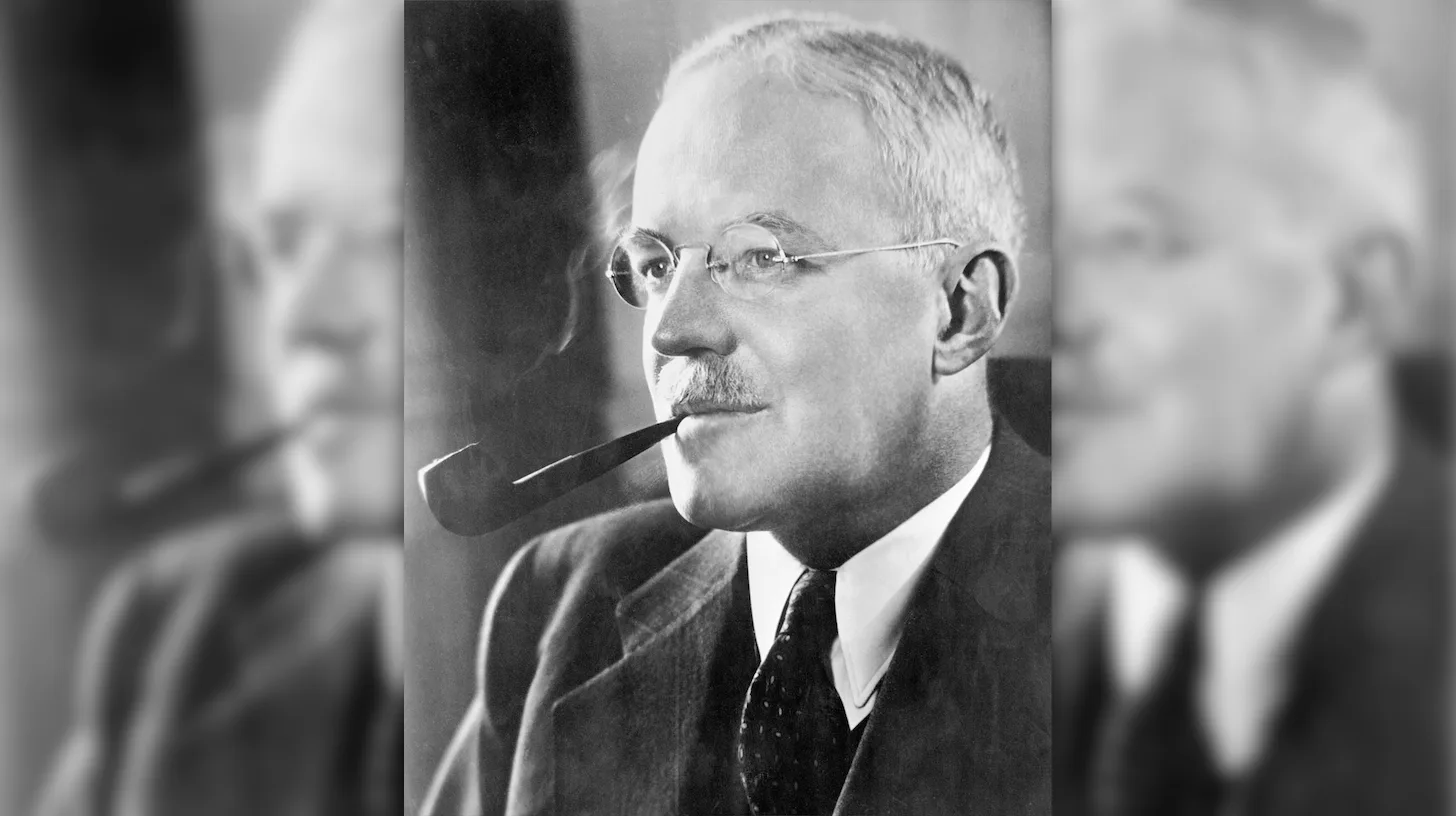
The plan was a joint American and British one, drawn up by a CIA officer, Donald Wilber, with a colleague from British intelligence, and the Eisenhower administration, as Secretary of State Madeleine Albright said in 2000, “believed its actions were justified for strategic reasons.” The Tehran station was authorized to spend up to $1,000,000 in support of General Fazlollah Zahedi, the man meant to replace Mosaddegh. When Allen Dulles, the director of the agency, asked Roosevelt what it would cost, he guessed, “One, or perhaps two, hundred thousand.”
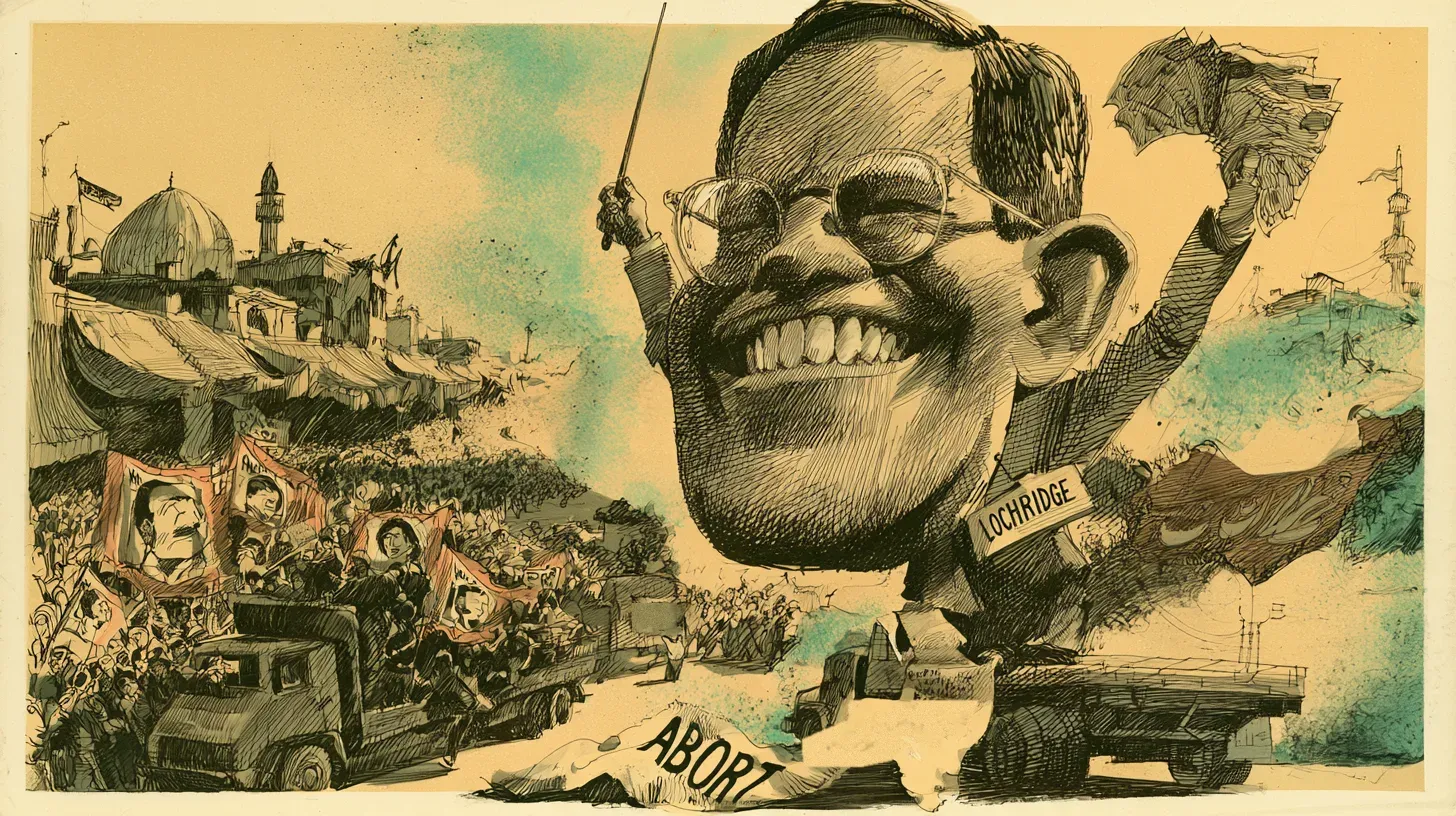
Just before he left, a doctor found a kidney stone that he thought should come out at once, and Dulles overruled him. On July 19, 1953, Roosevelt drove from Baghdad before dawn to the Iranian frontier at Khanaqin, where an unusually listless guard copied out his passport and wrote his name down, by its description, as “Mr. Scar on Right Forehead.” Roosevelt took it for a good omen. He had lunch in Hamadan and reached Tehran before the embassy closed. Inside Iran he went by a pseudonym. “To the rest of the world I am James Lochridge,” he told one of Zahedi’s men, “and hope to remain so as long as possible.”
Seven hours’ warning
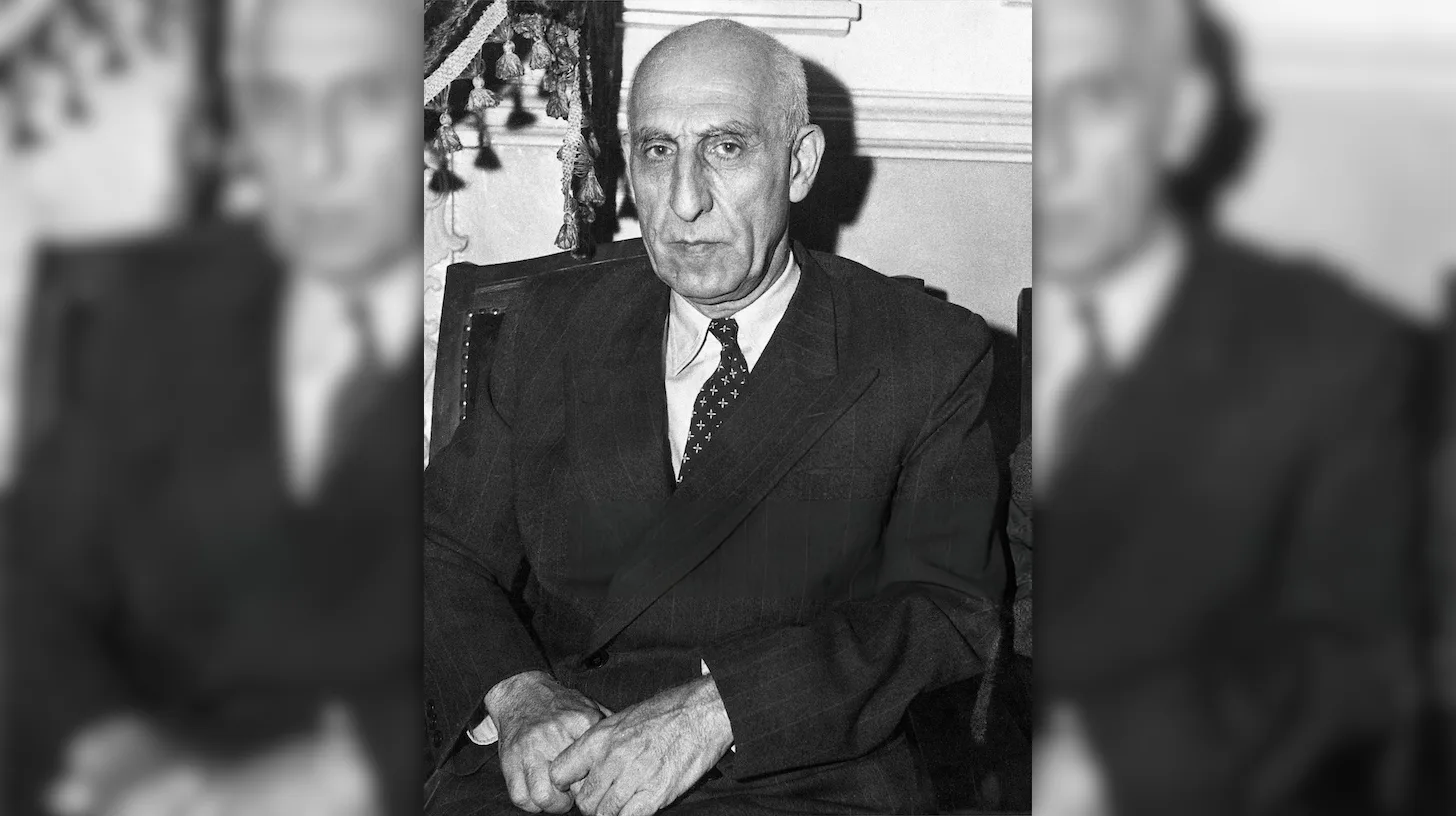
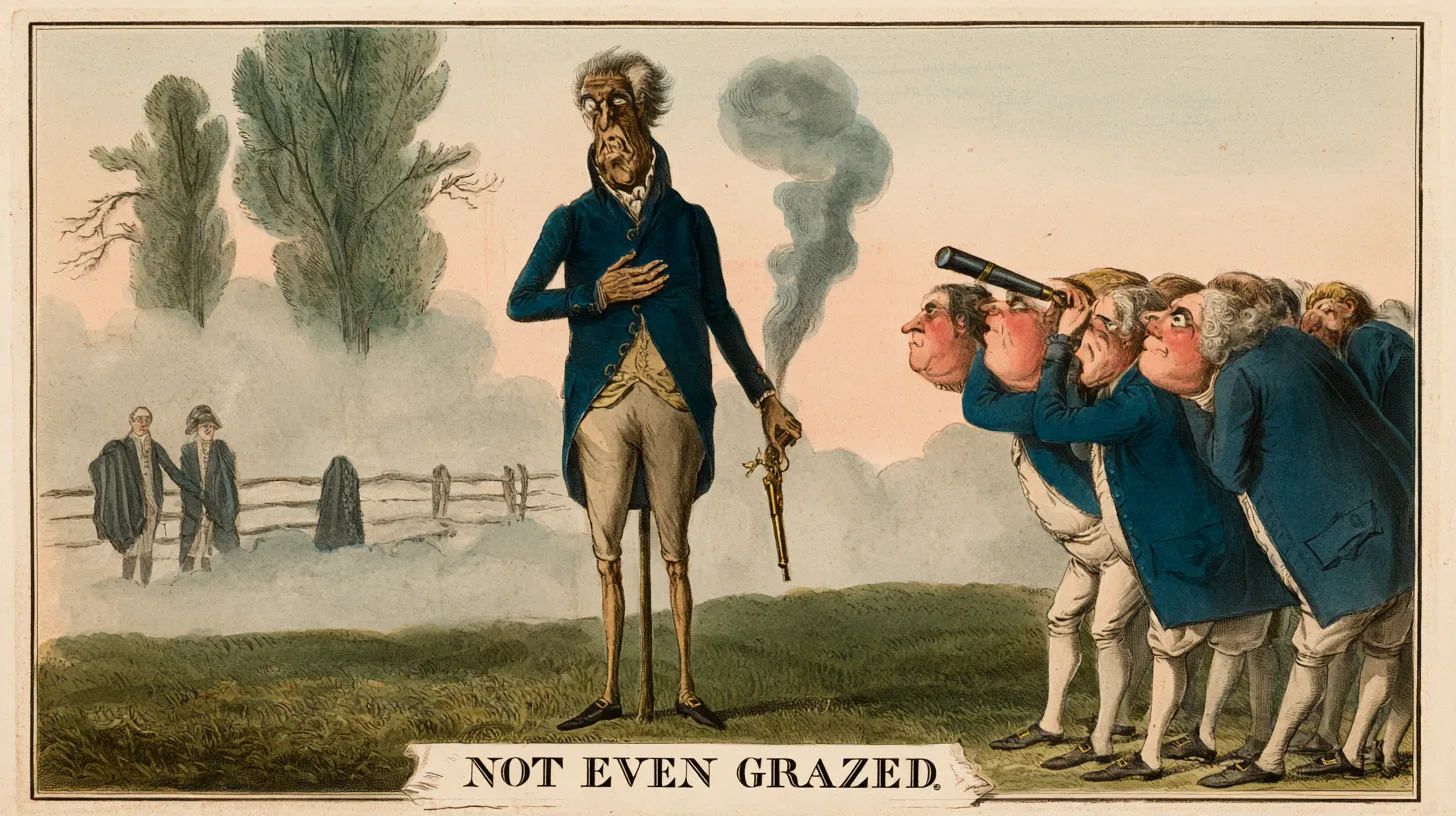
The Shah, Mohammad Reza Pahlavi, signed two decrees, called firmans, dismissing Mosaddegh and naming Zahedi in his place, and an officer named Nasiri brought them back to Tehran late on the 13th. On the night of August 15 Nasiri went to deliver the dismissal to the prime minister. But the army chief of staff, loyal to Mosaddegh, had been warned, and by the station’s own account he used seven hours’ warning to advantage. Nasiri walked into a superior force and was arrested.
At a quarter to six on the morning of August 16, Radio Tehran announced that a coup had failed. The Shah flew from Ramsar on the Caspian to Baghdad, and then on to Rome. “He never communicated with us at all,” Roosevelt said afterward. “He just took off.” The American ambassador in Baghdad found him worn from three sleepless nights and puzzled by the turn of events, but with no bitterness toward the Americans who had urged him on. Zahedi was in hiding, and the agency’s man in Tehran held a plan that had failed and a Shah who had left the country.
Not yet quite dead
Roosevelt insisted that there was still “a slight remaining chance of success.” On the afternoon of the 17th headquarters wired that he should, in the interest of safety, leave at the earliest moment. He answered with arguments. “Nothing can be gained by selling the Shah, constitution, army, Islam, down drain,” the station cabled, and, “Project is not yet quite dead.” In Washington the State Department had concluded that the operation had been tried and failed, and Bedell Smith told the British ambassador that it might now be necessary to cultivate good relations with Mosaddegh. On the evening of the 18th a cable went out from headquarters. “In view foregoing and in absence strong contrary recommendations from you and Ambassador Henderson”, it read, “operations against Mossadegh should be discontinued.”
Roosevelt did not send the strong recommendations. He sent almost nothing. He told his British counterparts later that if he had reported what he was doing, London and Washington “would have thought they were crazy and told them to stop immediately,” and at his debrief he said he had a choice between reporting fully and getting out and acting, and could not do both. The ambassador, Loy Henderson, told him afterward, “You did the only thing you could do. You had to tell them, but you also had to do your business.” He kept Zahedi and the other principals hidden in American houses, and smuggled them in and out of the embassy compound in the bottoms of cars and closed jeeps.
“We were desperately afraid that if he were captured the whole damn thing would collapse, and, therefore, we took the risk of hiding the principal people out in American houses.”
The plan was to build a great demonstration for Wednesday around religion and the throne. Messengers went out to army garrisons in the provinces carrying papers made at the station, and on the morning of the 19th the newspapers printed the Shah’s firman. The Sunday before, by Roosevelt’s account, soldiers had broken up a demonstration of the Tudeh party and carted away “four truckloads of bloody Tudeh demonstrators.”
A roaring blaze
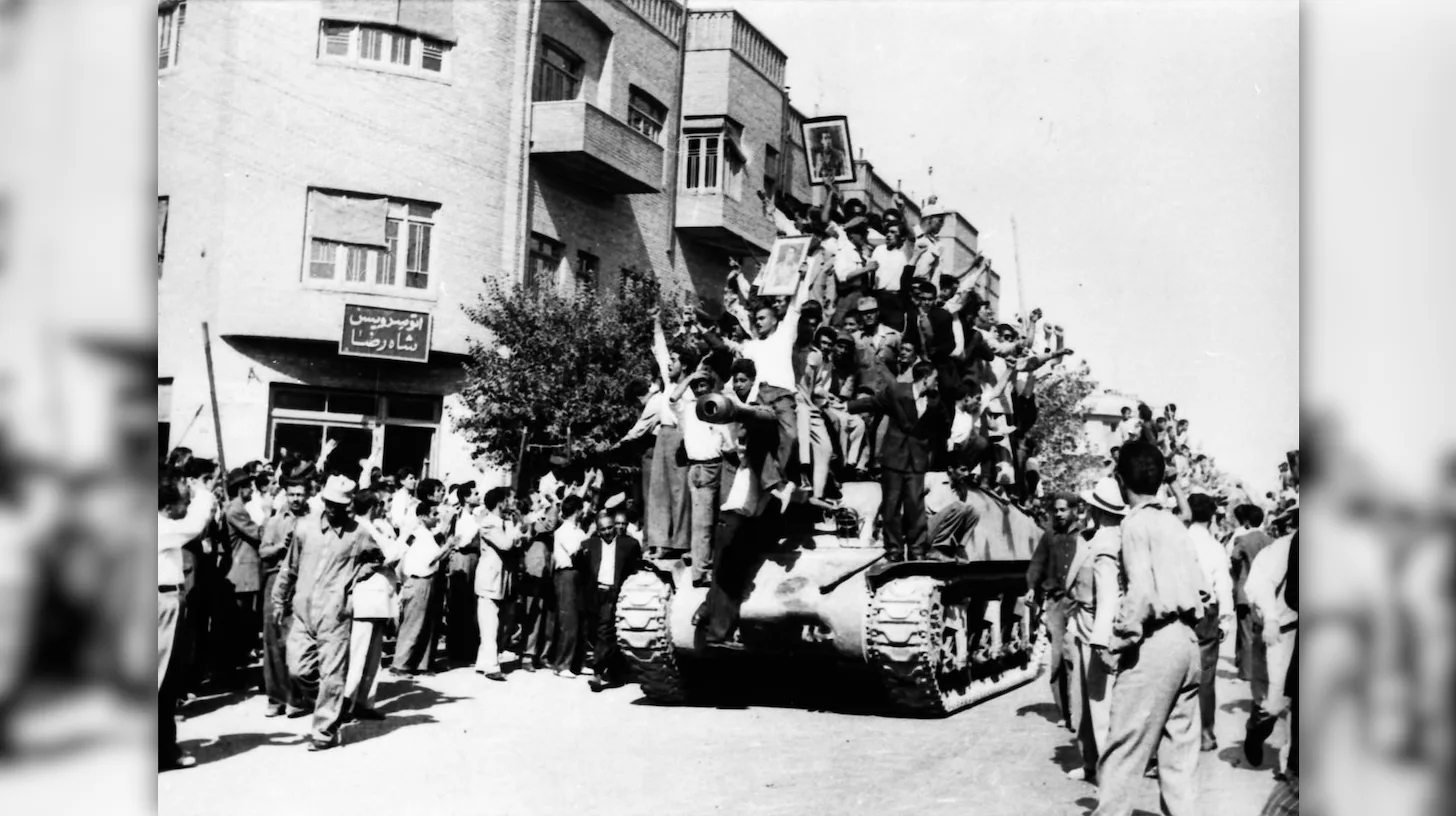
Before nine on the morning of the 19th, crowds were gathering in the bazaar. The National Security Archive has published a map of the bands of ruffians who were paid to demonstrate that morning, and the agency’s own historian wrote that the strongmen of the zurkhaneh, the traditional gymnasiums, were brought out “almost certainly” through two brothers who worked for British intelligence. Roosevelt’s safe was jam-packed with stacks of Iranian rial notes, and he wrote that the operation used less than $100,000 worth of them. A strongman named Shaban Jafari is often said to have led the crowd, though he later said he was in prison that day. Asked at his debrief who had led the bazaar crowd, Roosevelt answered, “We don’t know.” Wilber’s history stressed that the crowds were made up of all classes, and that they “needed only leadership.” Drivers were told to stick a ten-rial note, which carried the Shah’s portrait, under the windshield wiper, cars went by with their headlights burning to show which side they were on, and the crowds chanted “Shah piruz ast,” the Shah is victorious. Henderson described the day for Washington.
“This demonstration began in small way in bazaar area but initial small flame found amazingly large amount combustible material and was soon roaring blaze which during course of day swept through entire city.”
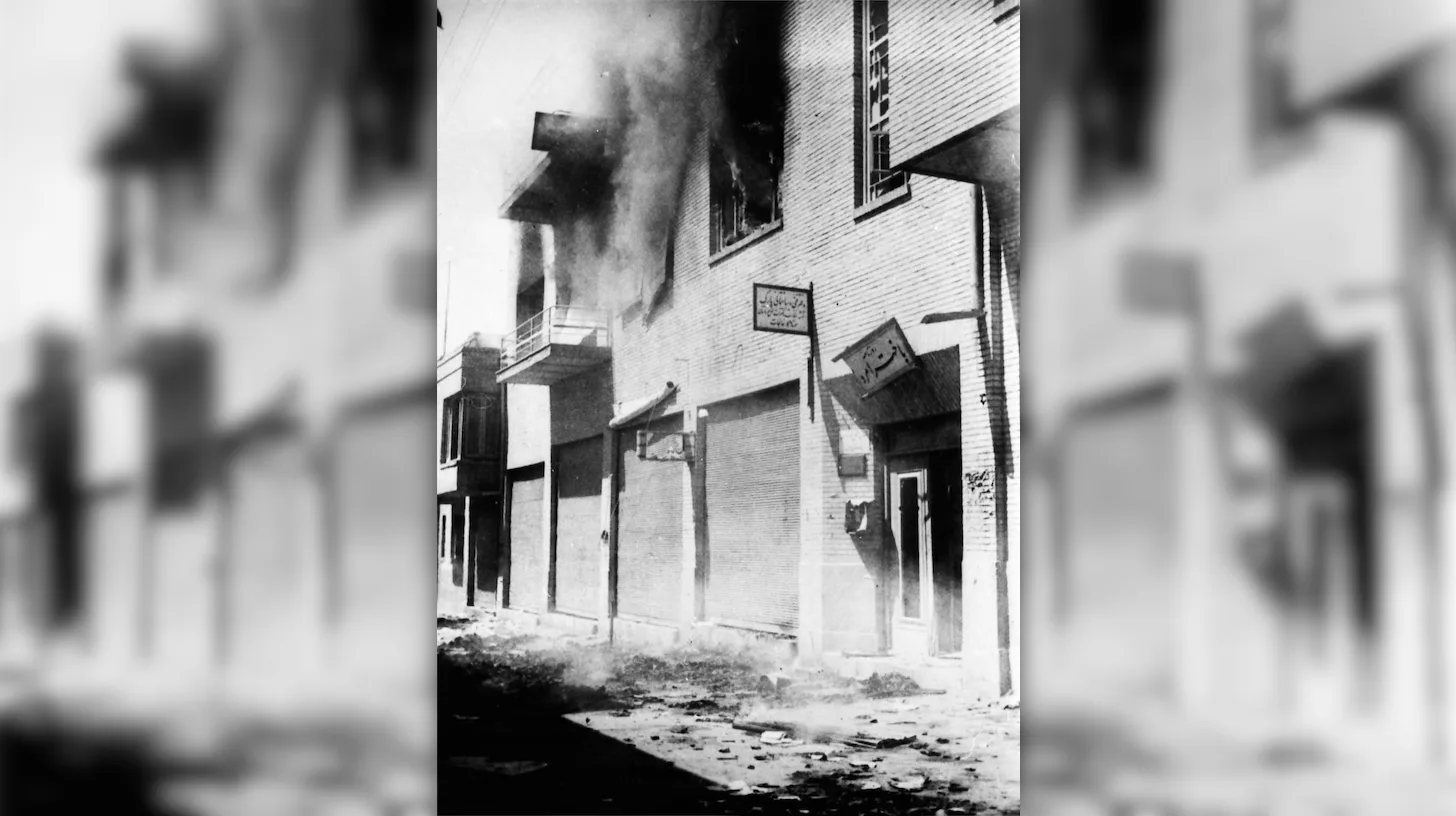
The crowds wrecked the offices of the newspaper Bakhtar-e Emruz, which spoke for Mosaddegh, and the security forces would not fire on them. Soldiers who had joined them seized trucks, and by a quarter past ten there were truckloads of soldiers for the Shah at all the main squares. Within the hour Bedell Smith’s message arrived. Roosevelt answered it, by his own recollection, with a report that the pseudonym for Zahedi was safely installed and the Shah would be returning in triumph, and he signed it, “Love and kisses from all the team.” For hours Radio Tehran went on discussing cotton prices. Then, after a brief struggle in which three deaths were reported, the station fell to the royalists at 2:12 in the afternoon.
The time has come now
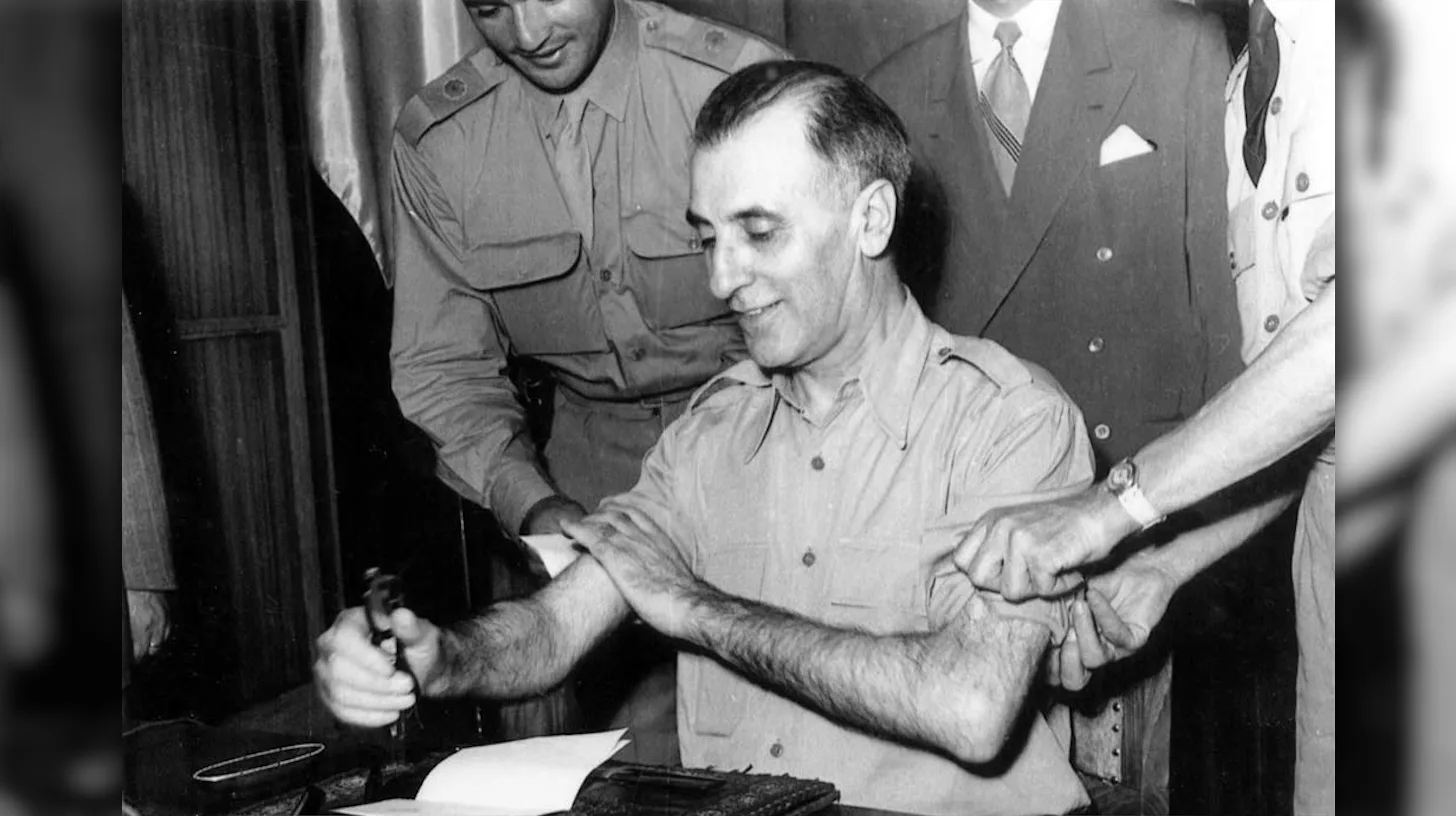
A little before four, Roosevelt drove to the hiding place, a basement near the embassy. He found Zahedi there in his underwear and khaki pants, eating lunch.
“Gentlemen, the time has come now. You are going to have to get out on the streets and take command of the”
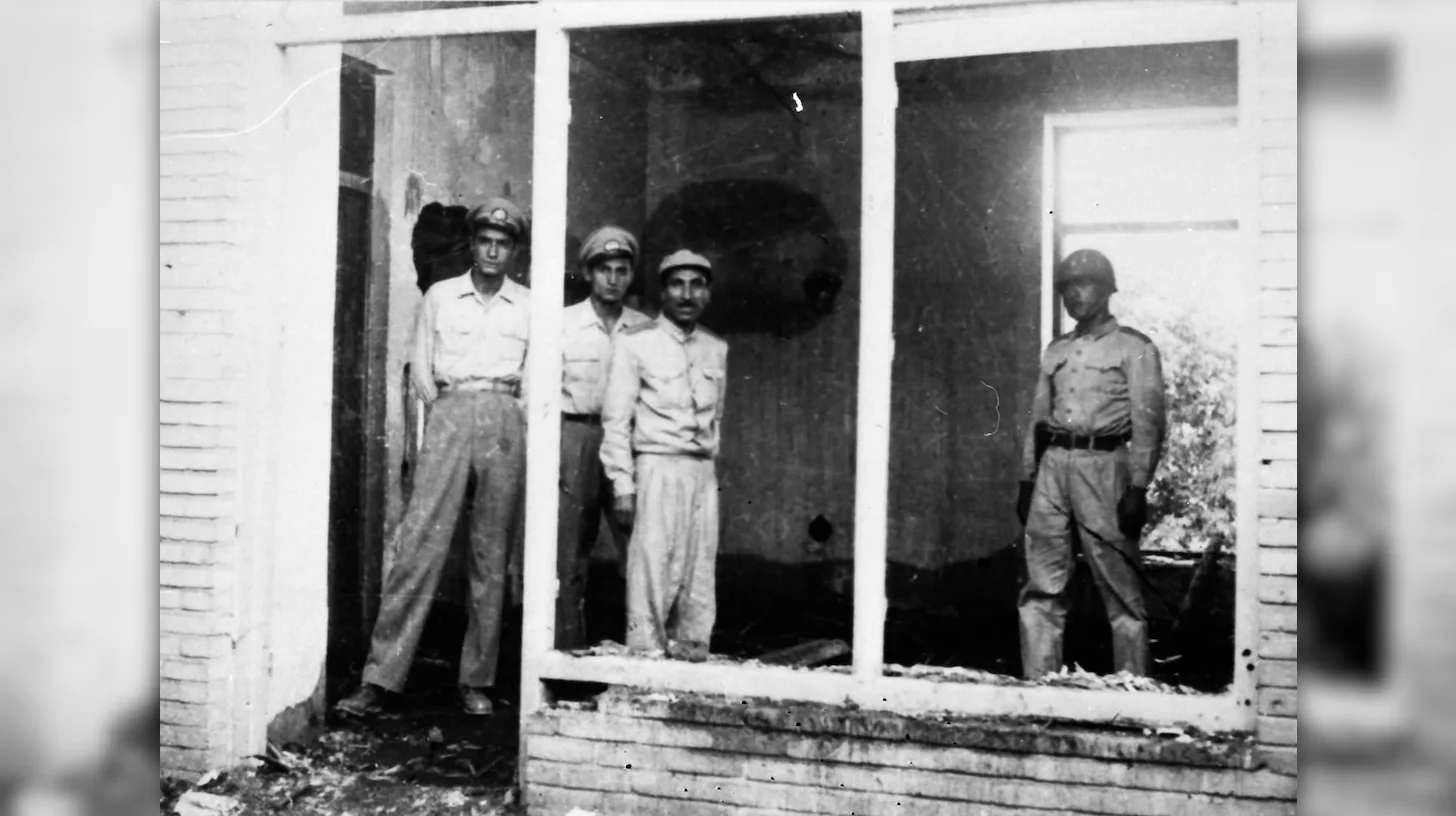
Zahedi went to the radio station on a tank and spoke to the country at 5:25. Mosaddegh climbed over the wall of his garden and escaped, and his house was attacked and wrecked. How many people died that day is not known. Wilber recorded three deaths at the radio station, the embassy reported loss of life in the fighting at Mosaddegh’s house, Roosevelt said the newspaper figures were greatly exaggerated, and later writers have given figures in the hundreds. Only two cables from the station reached Washington all day. One of them asked that five million dollars be held ready for the new government, and another said, “Imperative that Shah of Iran be prepared for immediate triumphant return.”
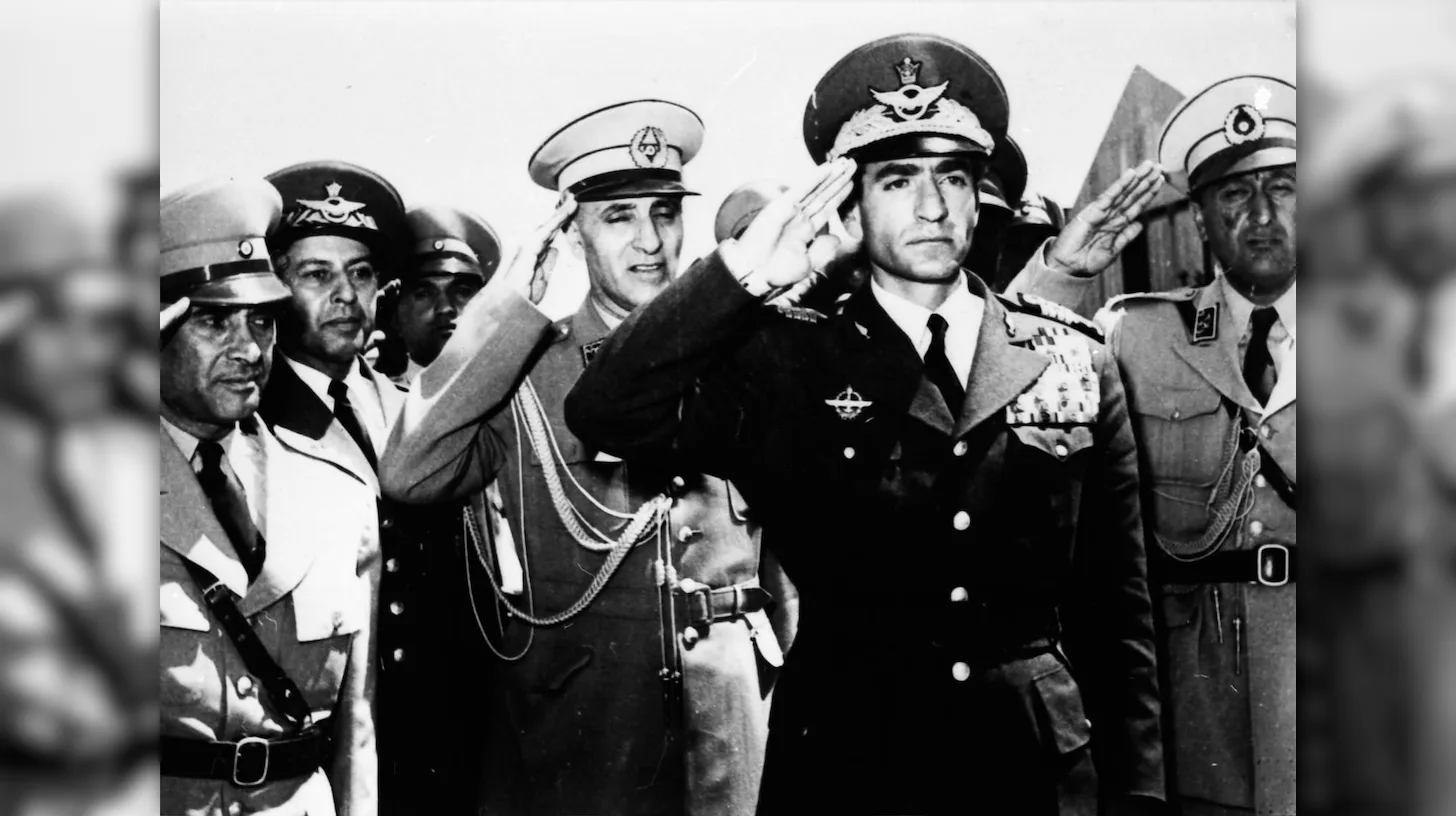
The Shah came home on August 22. Allen Dulles cabled that he “wished to extend his warmest personal congratulations to Kermit Roosevelt for a superbly and successfully executed mission,” and that Roosevelt’s persistence, competence and courage should be commended most highly.
The finest operation since the war
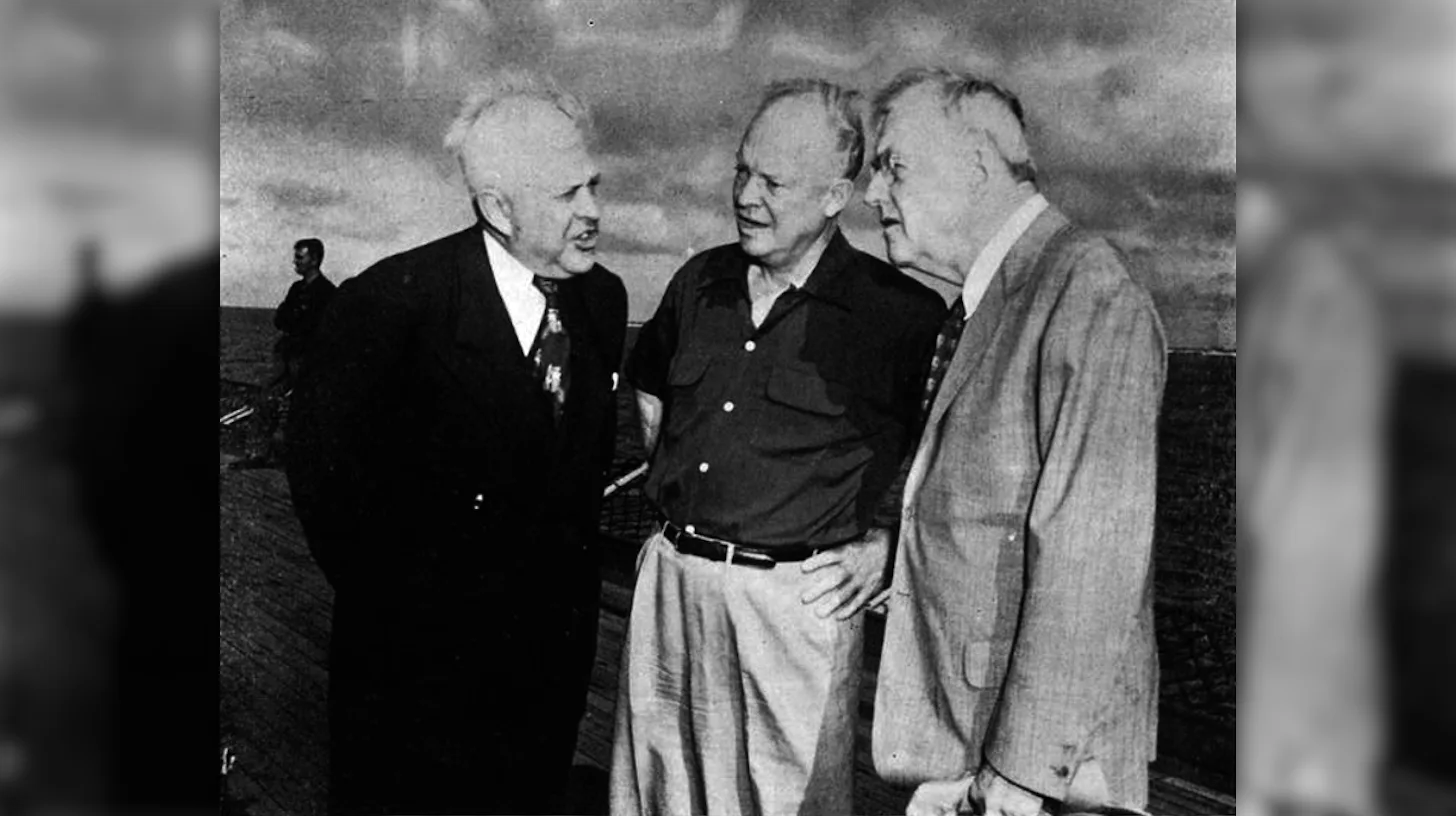
Roosevelt flew out through Bahrain and reached London on August 25. The next afternoon Winston Churchill received him in bed at 10 Downing Street, still recovering from a stroke. He grumbled that he could not hear a thing with his left ear and had Roosevelt move his chair. If the result could be held, the prime minister said, it would be the finest operation since the end of the war. On September 4 Roosevelt told the story at the White House to President Eisenhower and both Dulles brothers, and he remembered John Foster Dulles, the secretary of state, purring like a giant cat. Eisenhower later gave him the National Security Medal in secret; whether in 1954 or in 1956 the accounts disagree.
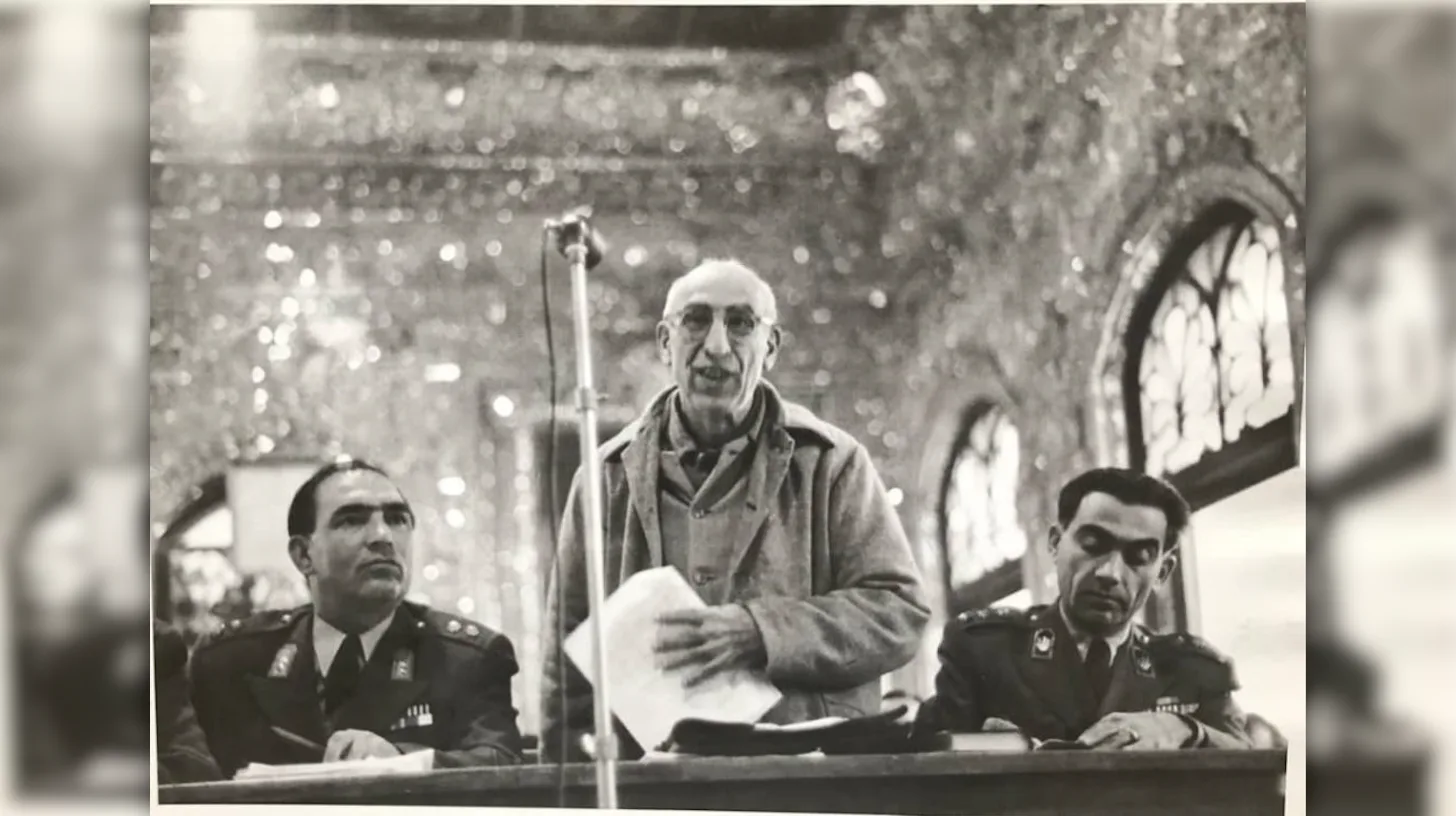
A military court sentenced Mosaddegh that December, and he was exiled to his village of Ahmadabad, where he died in 1967. Kermit Roosevelt left the CIA in 1958 and told his version in a book, Countercoup, in 1979. Operation Ajax, as TPAJAX came to be known, was the joint plan Roosevelt had managed on the ground, and for nearly half a century the American government did not publicly acknowledge the CIA coup in Iran in 1953. In 2000 The New York Times published Wilber’s history, and Secretary Albright said publicly that the United States had played a significant role. In 2009 President Obama said so in Cairo. In August 2013 the National Security Archive released a CIA history saying the coup was carried out “under CIA direction,” which it called the agency’s first formal acknowledgement, and in 2017 the State Department published the cables of that August.
Wilber, writing his history in 1954, said of August 19 that “it was a day that should never have ended.”