14 min read
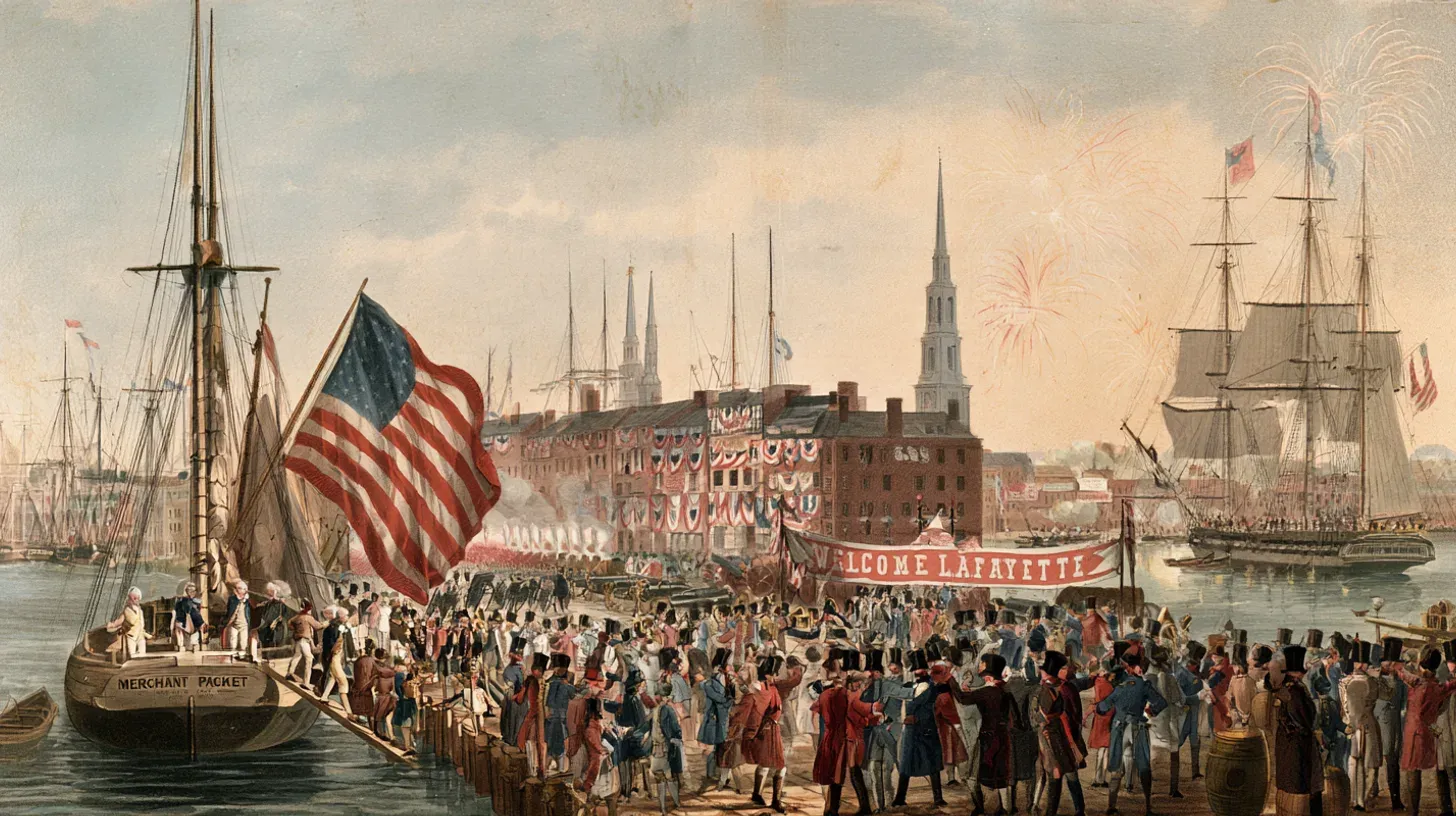
At daybreak on Sunday, August 15, 1824, a pilot climbed aboard the Cadmus, an American merchant ship a month out of Le Havre, and brought her in past Staten Island to the quarantine ground below New York. On her deck stood the Marquis de Lafayette, sixty-six years old, the Frenchman who had fought for the Americans in the Revolution, coming back as the guest of the nation. Small boats came out and circled the ship, and the men in them called up to ask whether he was aboard. The guns of Fort Lafayette, his secretary wrote, “announced the arrival of the Cadmus to the city of New York.”
Congress had voted to send a ship of the Navy to fetch him, and he had turned it down and paid his passage on a merchant vessel instead. He had come for what was to be a visit of a few months, and he stayed for thirteen, and before he left he had been in every one of the 24 states. His secretary, a Frenchman named Auguste Levasseur, kept a journal of all of it, and it is the record of what an aging hero and a young republic made of each other.
A merchant ship at Le Havre
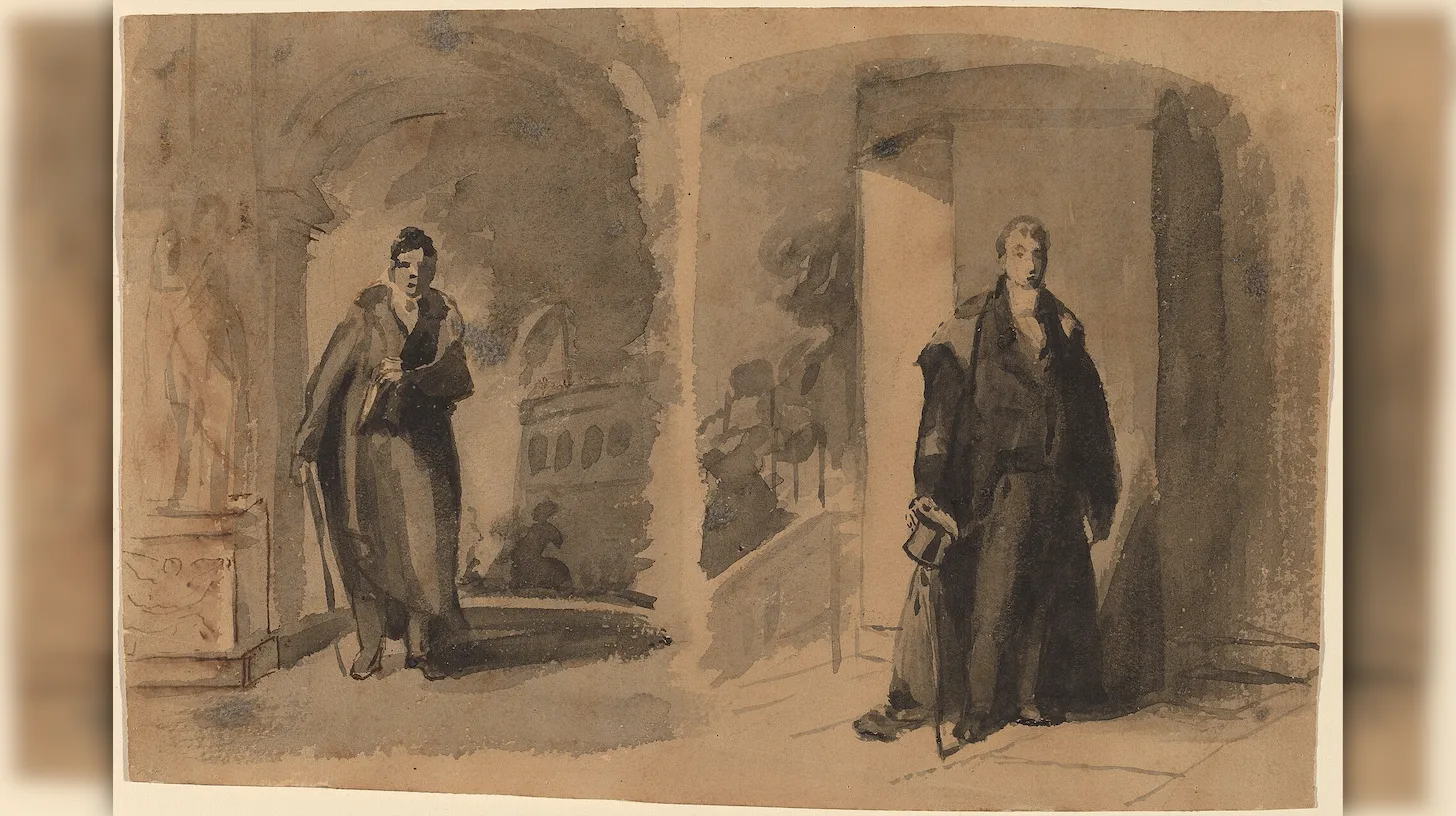
On February 4, 1824, Congress passed a resolution asking President James Monroe to tell Lafayette of the nation’s “grateful and affectionate attachment,” and to see that a national ship was employed to bring him over. Monroe wrote three days later that “a public ship shall be immediately ordered to the port which you may designate.” Lafayette answered from Paris in May. He accepted the invitation and declined the ship, and his letter gave no reason except the hope that it would not “appear insincere” of him. To a friend in Boston, Josiah Quincy, he wrote in the same vein.
“While I profoundly feel the honor intended by the offer of a national ship, I hope I shall incur no blame by the determination I have taken to embark, as soon as it is in my power, on board a private vessel.”
What he did not say has been filled in since. Retellings now have him refusing the warship as undemocratic, but no letter or newspaper of 1824 or 1825 uses the word, and when President John Quincy Adams spoke of the choice at the end of the tour he credited it only to Lafayette’s “delicacy.”
He left Paris on July 11 with his son, George Washington Lafayette, and Levasseur, and no one else. The Cadmus had waited for him at Le Havre for some weeks, under her captain, a man named Allyn, and the crowds that came to see him off were held back by the police. He went aboard at noon on July 13. A squall on the first morning carried away two of the ship’s topgallant masts. On the first of August, becalmed, they were visited by British officers rowing over from a transport bound for Halifax, who wanted to know who the passenger was. Captain Allyn pointed to him and named him, and the officers took off their hats.
The man the Americans were about to see was described the next summer by Quincy’s son, who stood beside him for a day. He was “a fine, portly figure, nearly six feet high,” and his brown wig, set low on his forehead, hid the wrinkles that time had written there. He walked with a slight lameness, and he spoke English with a French accent that the younger Quincy thought very touching. He carried a snuffbox ornamented with a picture of George Washington.
Monday on the Battery
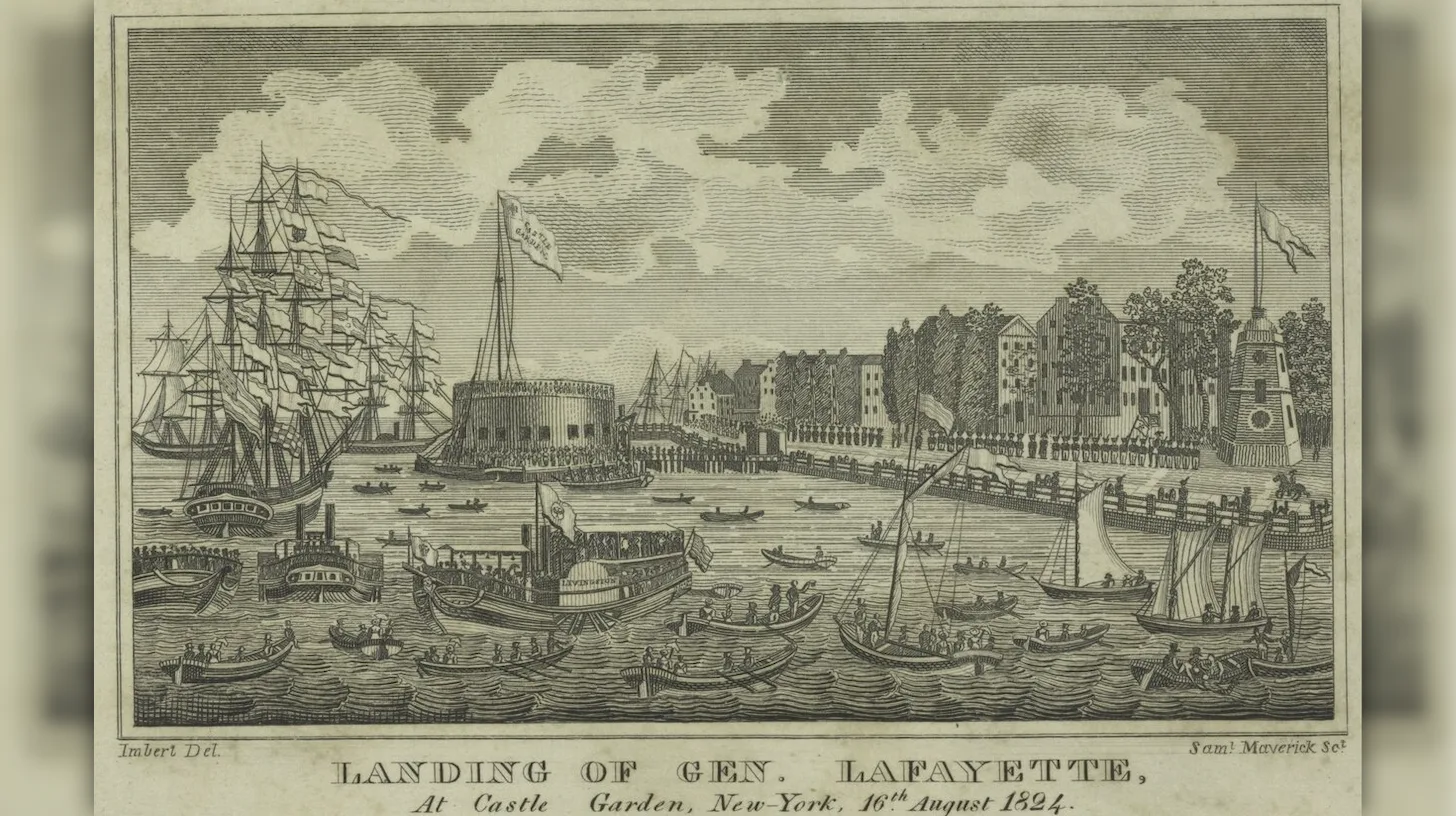
The city sent word that the day was Sunday and asked him to wait, and so he spent the night on Staten Island. He stayed at the house of the vice president of the United States, Daniel D. Tompkins, who met him on the shore “without his coat,” Levasseur noted, in a military cap. Early on Monday, August 16, the city’s preparations were finished. At one o’clock the cannon of Fort Lafayette gave the signal. The steamboat Chancellor Livingston carried him across the harbor with a crowd of citizens and old soldiers aboard and a band playing a French air whose words ask where one can be better than in the bosom of one’s family. Other steamboats went with them, “all resembling floating palaces.”
He landed at the Battery about two in the afternoon and was taken up Broadway to City Hall in a carriage drawn by four horses, with flowers and wreaths thrown down from the windows on either side. The newspapers had already given him a name, “THE NATION’S GUEST,” and at City Hall the mayor welcomed him in the name of the city. Old officers of the Revolution pushed through the crowd to take his hand. Thurlow Weed, writing of the day in his memoirs nearly sixty years later, remembered that “The joy of our citizens was exprest more by tears than in any other way.”
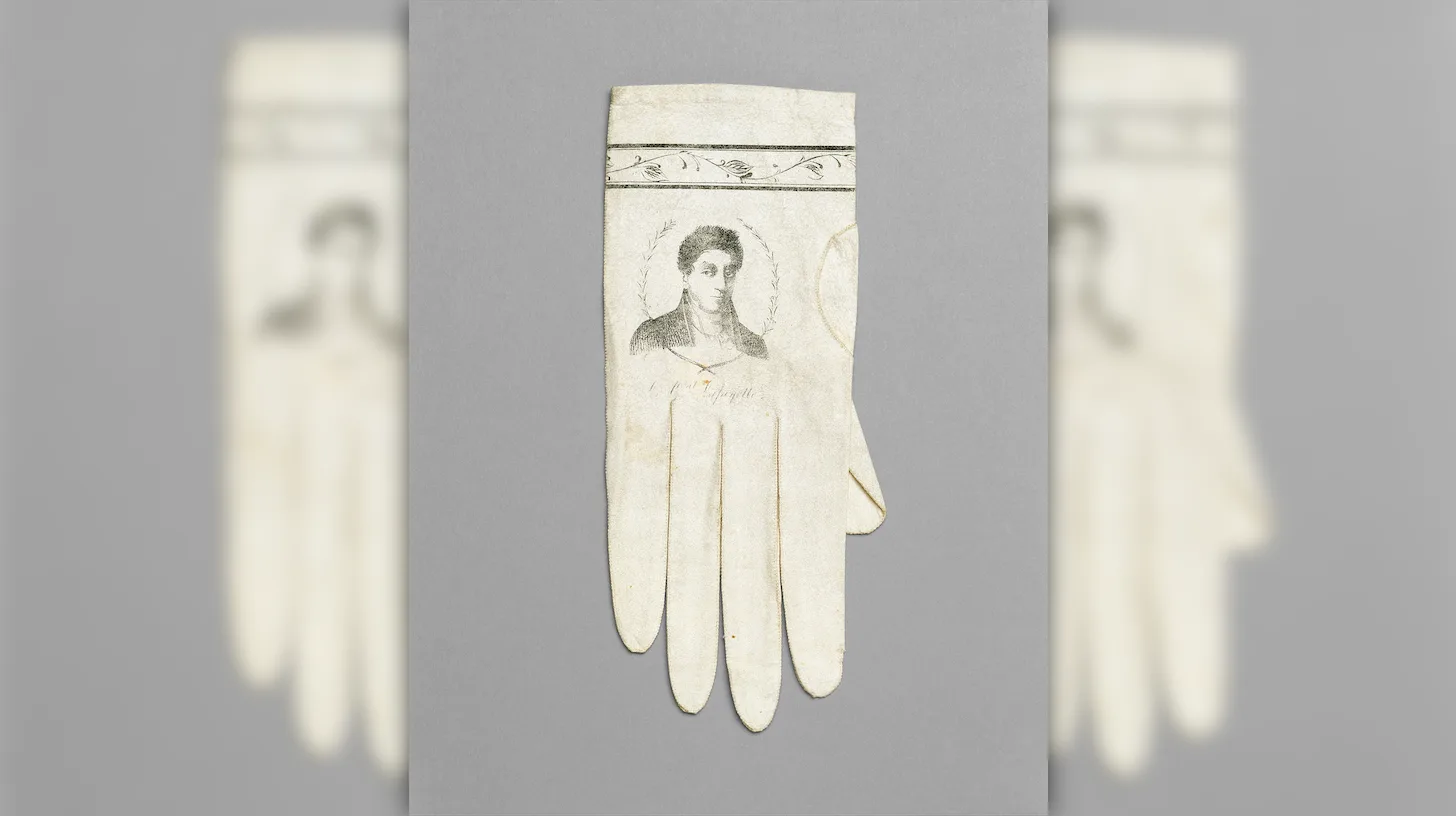
For the next four days he gave two hours each day to the public at City Hall, where the crowd pressed in as it had on the first, and spent the rest of each day with the city’s societies, its officers and its dinners. On the 18th the officers of the Navy took him to the yard at Brooklyn. On the morning of August 20 he left for Boston. The city’s grandest party came later, when he returned in September and some 6,000 people filled Castle Garden, the old fort on the Battery, for a ball. Levasseur wrote that the moon shone on the harbor, and that every time the general moved toward the dancers they stopped dancing to crowd around him. The signal to leave came at two in the morning, and he went straight from the ball to the steamboat for Albany.
Twenty-four states
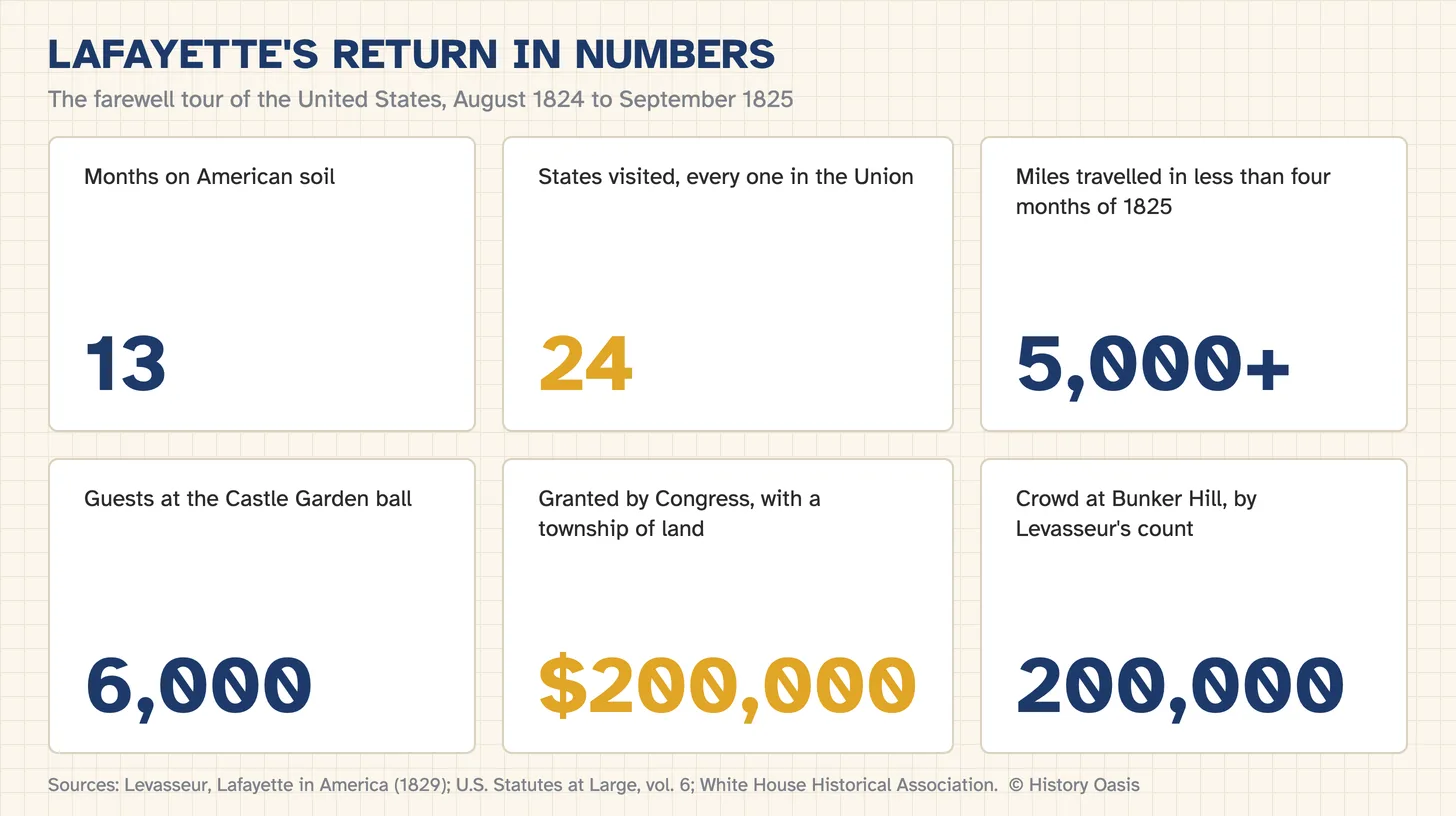
He had been expected to stay a few months. The White House Historical Association, following a modern biography, says the visit was first planned as a four-month tour, and it became a journey of thirteen months to every state in the Union. He went north to Boston and south to Savannah, and in the spring of 1825 he travelled the rivers of the West, more than five thousand miles in less than four months by Levasseur’s count. Levasseur, who was with him through all of it, admitted that he had to pass over in silence a great number of receptions because there were too many to record.
Congress, meanwhile, settled what it owed him. On December 28, 1824, the President signed an act that paid him “the sum of two hundred thousand dollars” and granted him “one township of land,” in recognition of his services and sacrifices in the Revolution. The township was later laid out beside Tallahassee, in Florida, and he never saw it.
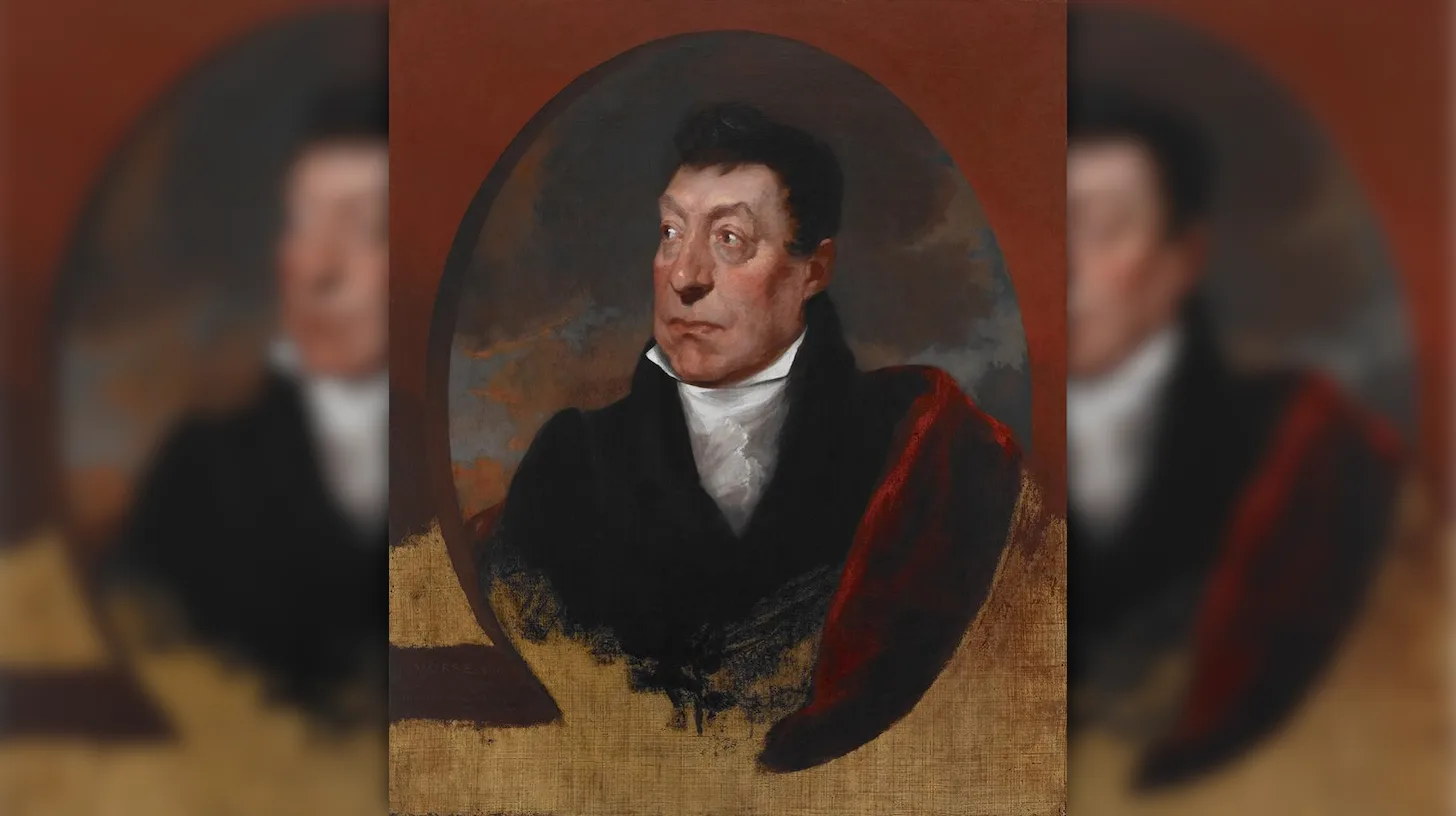
In Washington that winter the painter Samuel F. B. Morse began a portrait of him for the City of New York. “He has a noble face,” Morse wrote to his wife on February 8, 1825, after their first meeting. Morse had begun his second sitting when a letter came to tell him that his wife had died. She had died on February 7, the day before he wrote to her. The portrait he finished hangs in New York’s City Hall.
Monticello in November
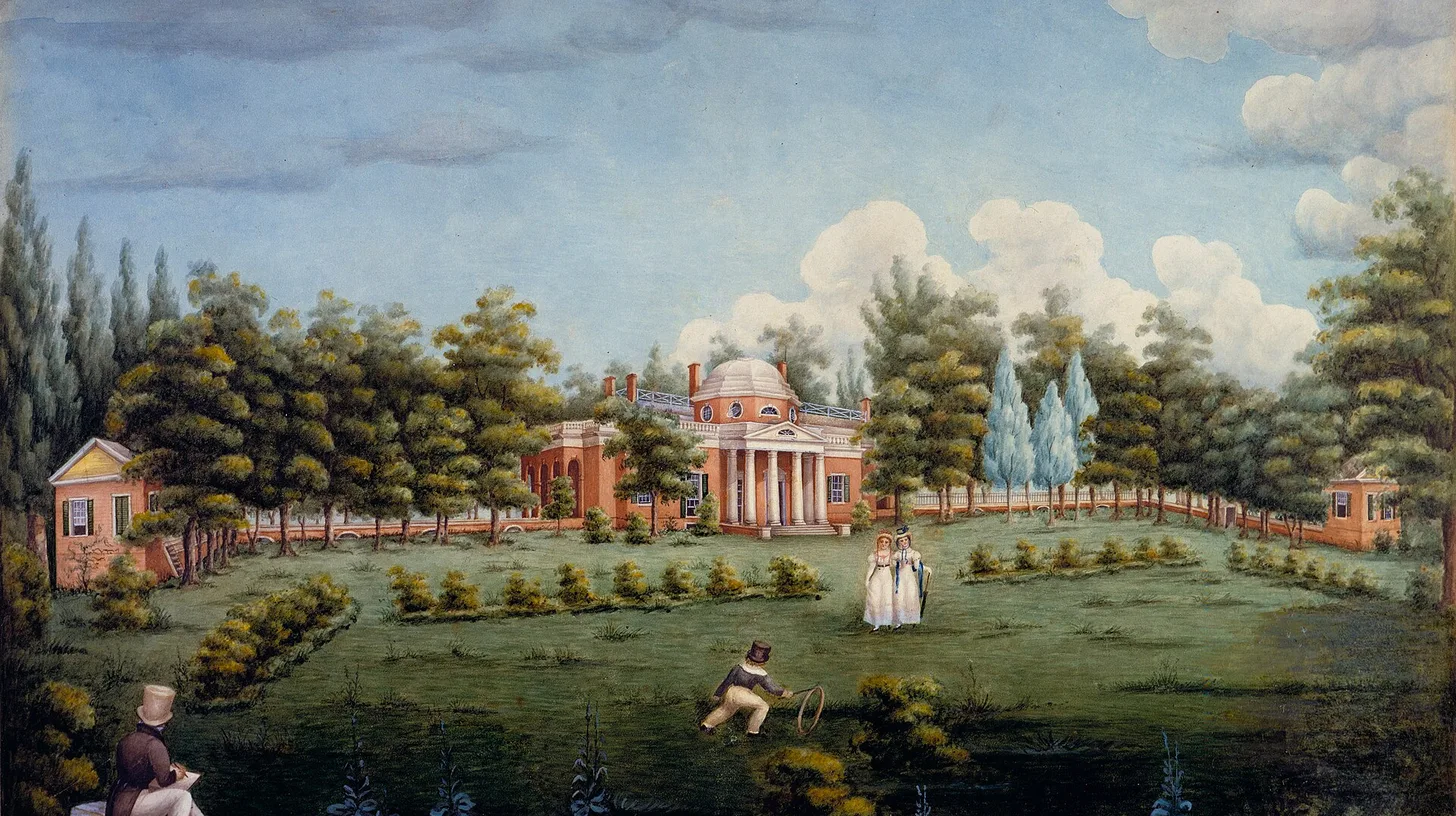
On Thursday, November 4, 1824, about two in the afternoon, a bugle sounded on the road up to Monticello, and Thomas Jefferson came out of his house at Monticello to meet his old friend. The procession that came up the mountain had an escort of 120 horsemen, who drew up in a half circle from the carriage to the house, and a crowd stood on the other side to watch.
The Charlottesville paper, the Central Gazette, described the meeting six days later. As soon as the general drove up, it said, Jefferson “advanced to meet him, with feeble steps; but as he approached, his feelings seemed to triumph over the infirmities of age.” The two old men embraced again and again, and tears were shed by both. “God bless you General” and “Bless you my dear Jefferson” were the only words the paper heard.
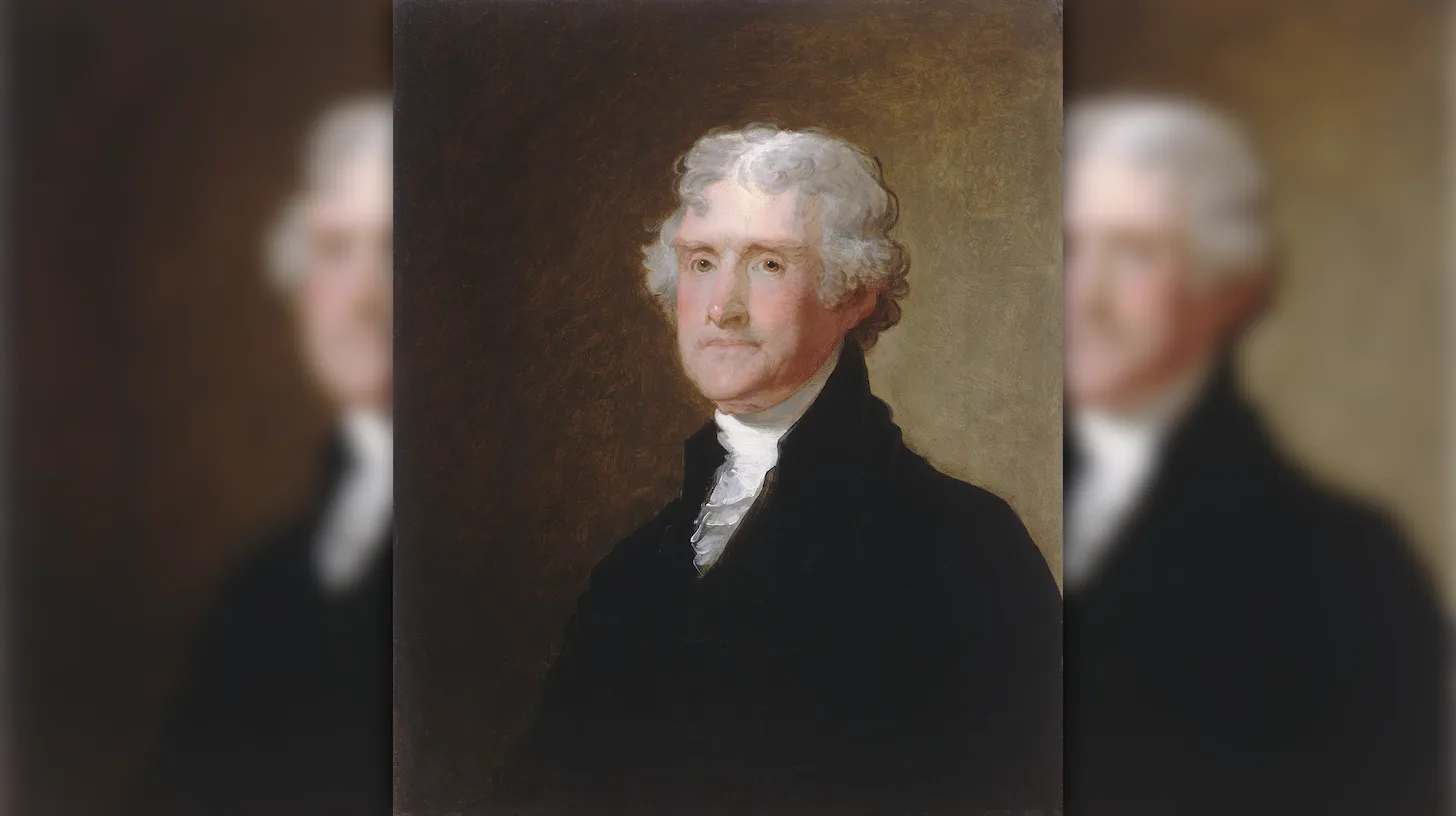
Jefferson’s grandson, Thomas Jefferson Randolph, remembered it decades later a little differently. Lafayette was lame and Jefferson feeble, he wrote, and as they came toward each other their uncertain gait “quickened itself into a shuffling run,” and they fell into each other’s arms in tears. In his telling each man called the other’s name. Levasseur, who had stayed behind ill at the village of Milton, came up soon afterward and found Jefferson still moved by the pleasure of having embraced his old friend. The visit lasted eleven days. In the dining room there were four busts, Levasseur noticed, of Washington, Benjamin Franklin, John Paul Jones and Lafayette himself.
A snag on the Ohio
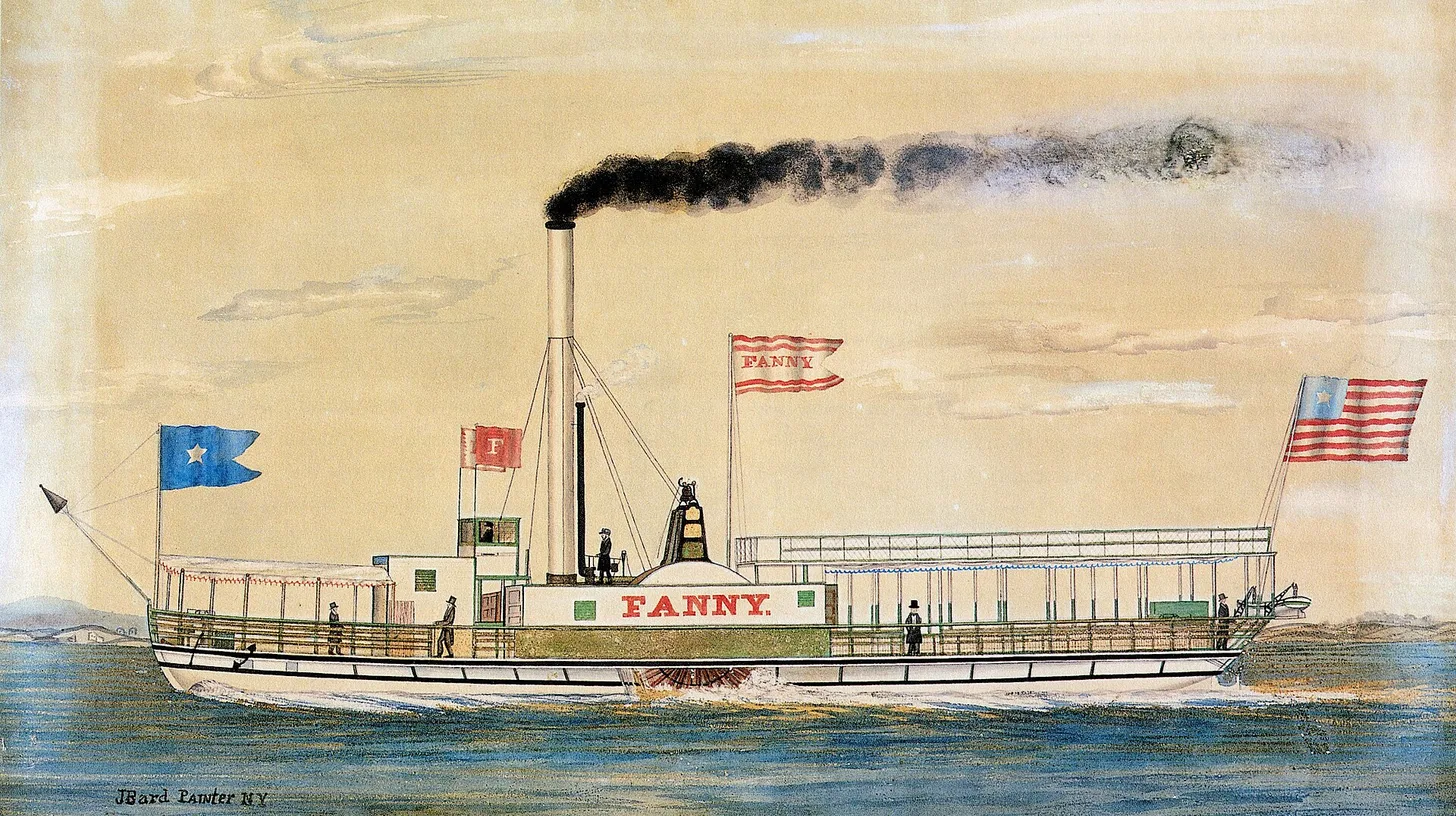
On the night of May 8, 1825, the party was steaming up the Ohio River toward Louisville on the steamboat Mechanic (Levasseur’s translator called her the Artisan). George Lafayette had remarked that on so dark a night the captain might at least slow down. Lafayette had gone to bed early after a day of writing letters, and Levasseur was up correcting notes when, he wrote, “Twelve o’clock struck, and sleep was beginning to invite us to repose, when our vessel suddenly received a horrible shock, and stopped short.”
Levasseur took a light and ran forward with the captain, and they opened the hatches on a hold already half full of water rushing in through a large opening. The boat had struck a snag, a sunken tree, and was going down.
“A snag! a snag!” cried the captain, “hasten Lafayette to my boat! bring Lafayette to my boat.”
Lafayette was half dressed by his valet. On the stairs he wanted to turn back for his snuffbox with Washington’s picture on it. On deck, in the dark and the crowd, Levasseur called out that this was General Lafayette, and the passengers made way, and the old man was lowered by his shoulders into the captain’s boat, which lay more than four feet below the deck. In less than three minutes they reached a bank covered with thick woods. There were nine of them, and George was not one. Lafayette called for him in great distress until Levasseur, back at the wreck, found him at the stern, still helping others. Levasseur called to ask whether he was safe. “I could not be better,” George answered.
No one drowned. They spent the rest of the night by fires on the bank, and Lafayette slept a little on a floating mattress that was nearly dry on one side. A heavy rain fell for a while and stopped. In the morning they breakfasted on what had been saved, a leg of smoked venison, some biscuits, a case of claret and a keg of Madeira. That morning a steamboat called the Paragon, bound down to New Orleans with whiskey and tobacco, came along and took them off. Of two hundred letters Levasseur had readied for the post, about sixty were saved.
The new frigate Brandywine
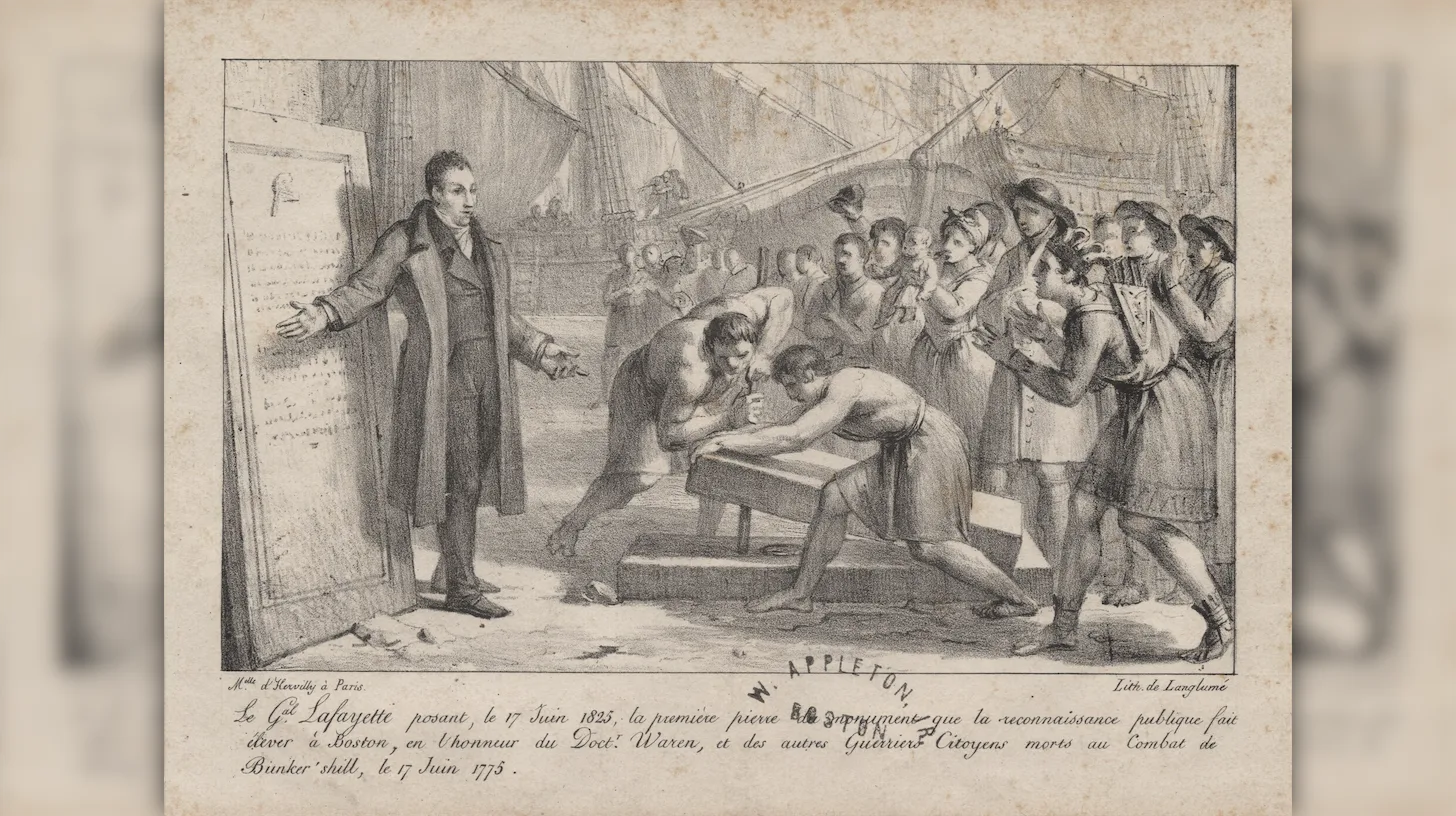
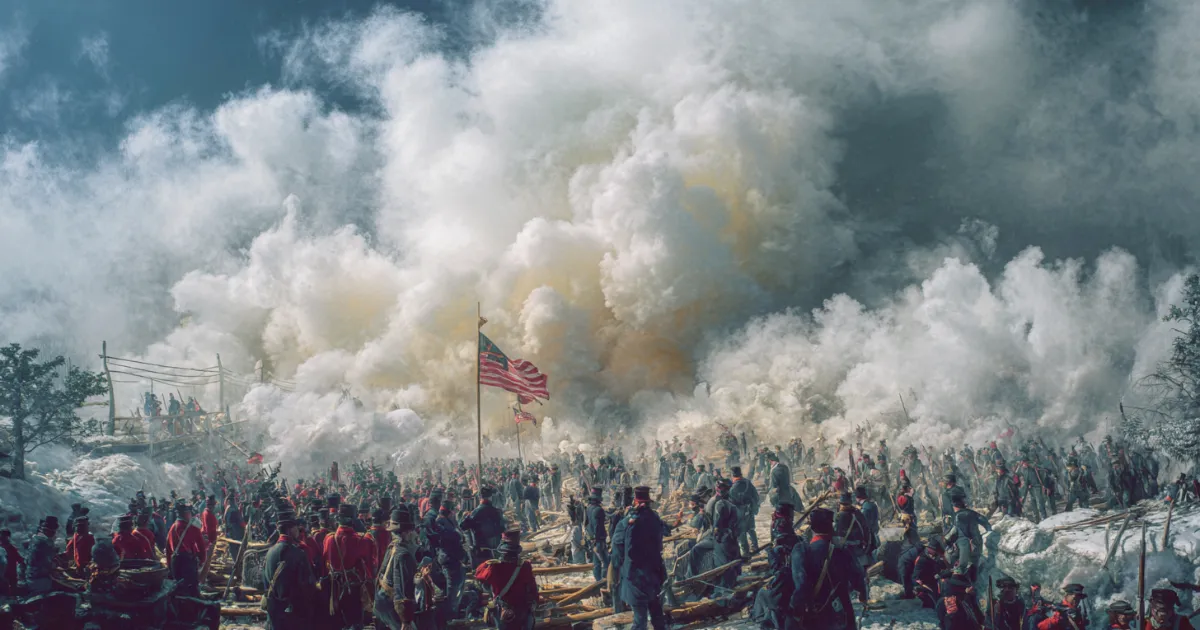
He hurried east to be in Boston for the fiftieth anniversary of the battle of Bunker Hill, where he was to lay the cornerstone of the monument. On June 17, 1825, before a crowd Levasseur put at two hundred thousand, the grand master poured corn, wine and oil on the stone, and Lafayette laid it. The day, the younger Quincy wrote, “was simply perfect.” Daniel Webster, whose Washington household would later employ Dolley Madison’s freed valet, gave the oration, and at one point he turned to the old general and spoke to him directly.
“Heaven saw fit to ordain, that the electric spark of Liberty should be conducted, through you, from the new world to the old”
He had laid other cornerstones on the way, for monuments to Nathanael Greene and Casimir Pulaski at Savannah in March, and he laid another for a library at Brooklyn on the Fourth of July. In September he went to Washington to say goodbye. On September 7, at the entrance to the White House, President Adams gave the farewell address. He told Lafayette that the government had named its newest frigate the Brandywine, after the battle in which he had been wounded in 1777, and that it would carry him home. It was a national ship, the kind he had declined thirteen months before, and he went aboard it. His answer to Adams ended in a blessing on the American people, and before that came this.
“Accept this patriotic farewell of an overflowing heart; such will be its last throb when it ceases to beat.”
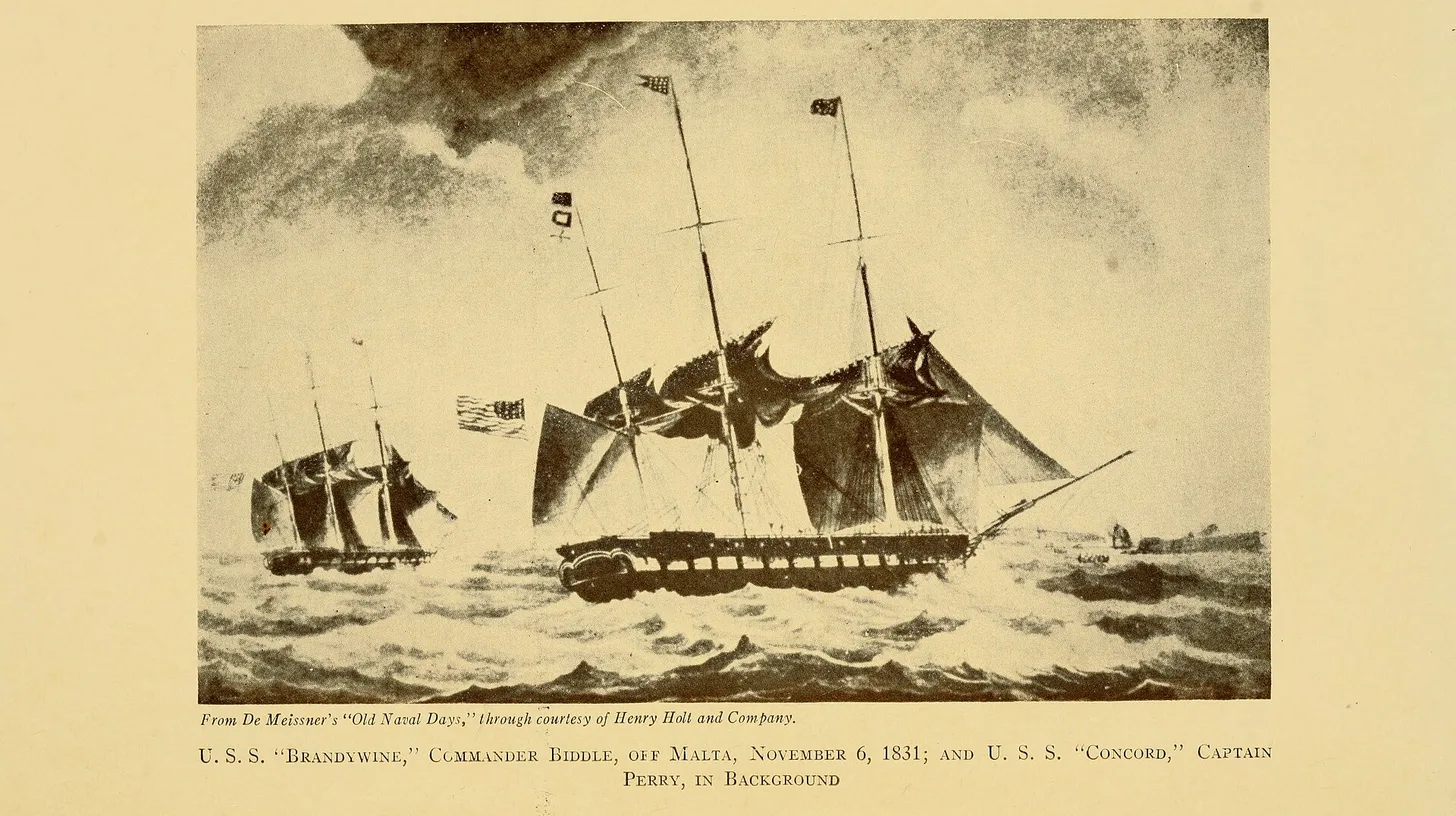
A steamboat took him down the Potomac to the frigate, and it was too late that night to sail. The Brandywine weighed anchor the next morning and went down the Chesapeake under full sail, and Levasseur saw the same sign over the bay that he had seen over Fort Lafayette on the day they arrived. The frigate went out, he wrote, “traversing the centre of a brilliant rainbow.”