16 min read
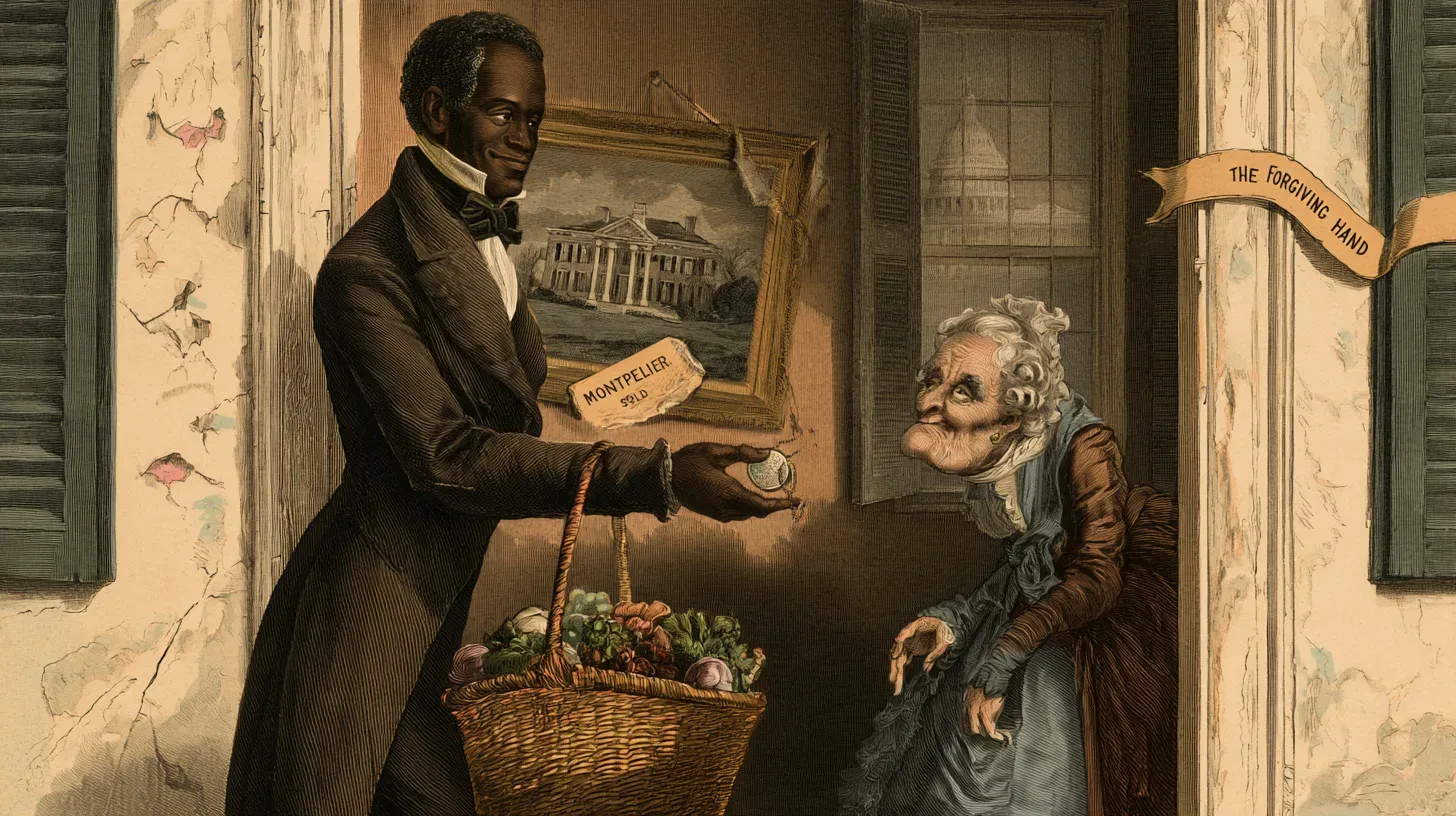
In the months after March 1847, a man named Paul Jennings, who had lately become free, would leave Senator Daniel Webster’s house on Lafayette Square in Washington with a market basket full of provisions and carry it across the square to the widow of James Madison. He had been a Madison slave all his life. In September of the year before, she had sold him for two hundred dollars.
Dolley Madison was then nearly eighty and, as Jennings put it, “in a state of absolute poverty.” The food in the basket was Webster’s, and Jennings carried it, and now and then he left her a little money of his own. He had been her husband’s footman in the White House, his valet for sixteen years and the man beside him when he died. How he came to be carrying food to the woman who sold him, he told long afterward to a man who worked in the same government office, and the result, printed in 1863, was the first memoir about the White House by someone who had lived in it.
A footman of ten in the President’s House
Paul Jennings was born a slave at Montpelier, Madison’s estate in Virginia, in 1799. His mother was enslaved by Madison, and his reputed father, according to the preface to his memoir, was an English trader named Benjamin Jennings. In 1809, when Madison went to Washington as President, the household took along a ten-year-old boy to be a footman in the president’s mansion, and the boy was Paul. He learned to read and write, the White House Historical Association says, while accompanying Dolley Madison’s son, John Payne Todd, to school and watching his lessons.
“The city was a dreary place,” Jennings remembered. Pennsylvania Avenue “was always in an awful condition from either mud or dust,” and the house he served in stood at one end of it, with the Capitol at the other.
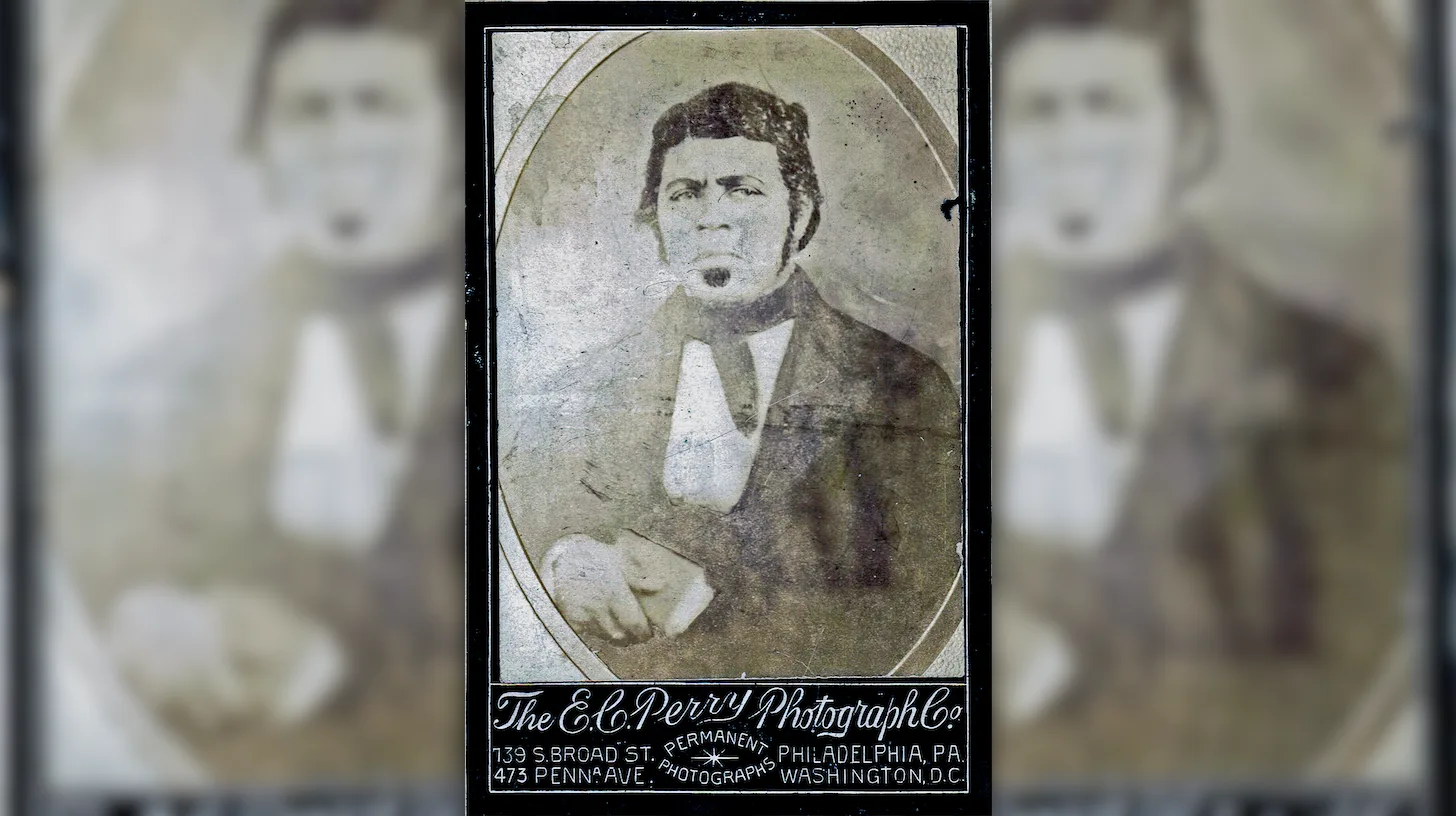
No one who knew him left a description of his face. The one likeness is a photograph made in middle age by the E.C. Perry company, which shows him in a dark coat and a wide white cravat, his hair brushed up and back, with long side-whiskers, heavy brows and a small tuft of beard below the lip, one hand resting in front of him. What the record does give is character. The man who wrote down his story called his “sobriety, truth, and fidelity” unquestioned, and Webster, who later employed him, wrote that he was “very honest, faithful & sober.” He played the violin. He was about fifteen in the summer the British came.
Dinner was ordered for three o’clock
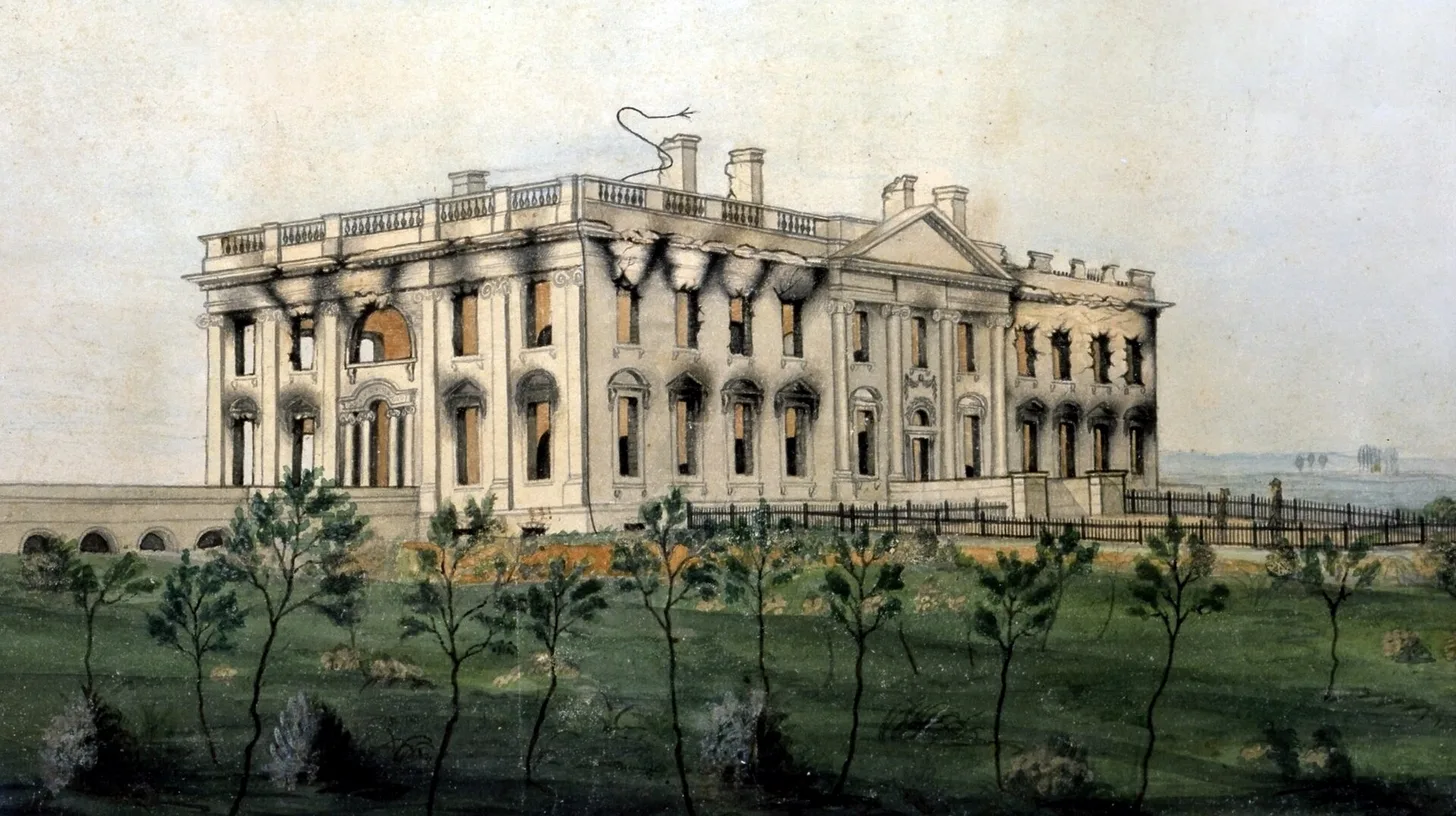
On Wednesday, August 24, 1814, in the War of 1812, a British army met the American militia at Bladensburg, Maryland, northeast of the capital, and the fight began, as Jennings recalled, “between 11 and 12.” At the President’s House nothing was changed. Mrs. Madison ordered dinner to be ready at three, as usual, and the Cabinet and several military gentlemen were expected.
“I set the table myself, and brought up the ale, cider, and wine, and placed them in the coolers”
At about three o’clock Sukey, a young woman who waited on Mrs. Madison, was leaning out of an upstairs window when a free Black man named James Smith came galloping up to the house, waving his hat and crying, “Clear out, clear out!” General Armstrong, he called, had ordered a retreat. “All then was confusion.” Mrs. Madison, by Jennings’s account, caught up what silver she could crowd into her old-fashioned reticule, a small drawstring bag, “and then jumped into the chariot with her servant girl Sukey,” and was driven off toward Georgetown. Before any British soldier arrived, a crowd of people from the city ran through the house and “stole lots of silver and whatever they could lay their hands on.”
About sundown Jennings walked to the Georgetown ferry and found the President and his party there. That night he was at the house of a Methodist minister, and while the minister was at prayer he heard “a tremendous explosion,” and ran out to see the public buildings, the navy yard and the ropewalks on fire. The British, he learned, had come into the President’s House first, and “they ate up the very dinner, and drank the wines” he had put out.
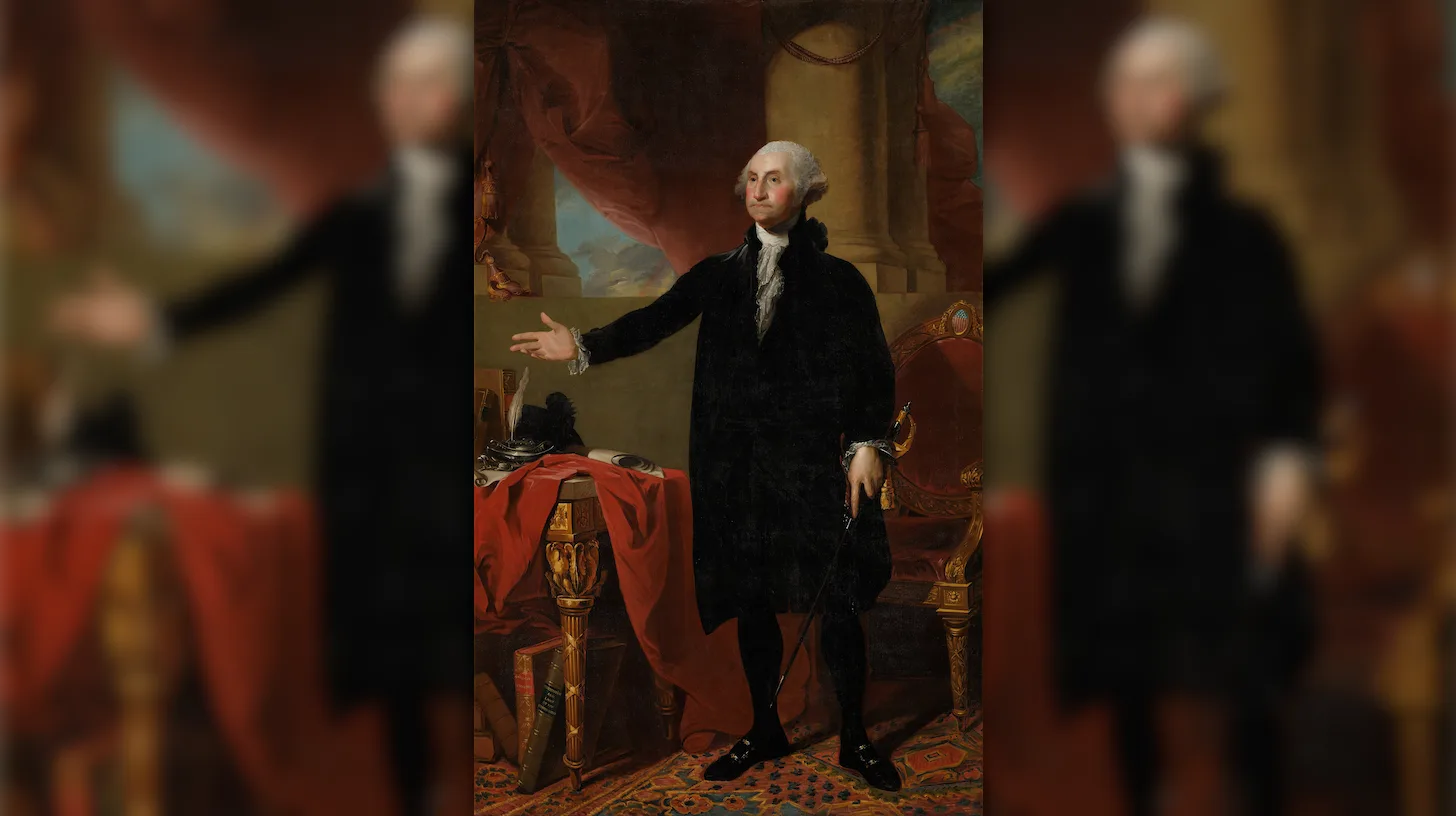
Years later a story went around that Dolley Madison had cut George Washington’s portrait out of its frame with her own hands and carried it away. Jennings would have none of it.
“This is totally false. She had no time for doing it. It would have required a ladder to get it down. All she carried off was the silver in her reticule, as the British were thought to be but a few squares off, and were expected every moment.”
The doorkeeper and the President’s gardener took it down, he said, and sent it off on a wagon. Her own letter of that day, which survives only in a copy she made in 1836, says, “I have ordered the frame to be broken, and the canvass taken out.” When conservators examined the painting in 1978 they found no sign that the canvas had ever been cut. The rest of that day is told in the British burning of Washington.
Sixteen years with a razor
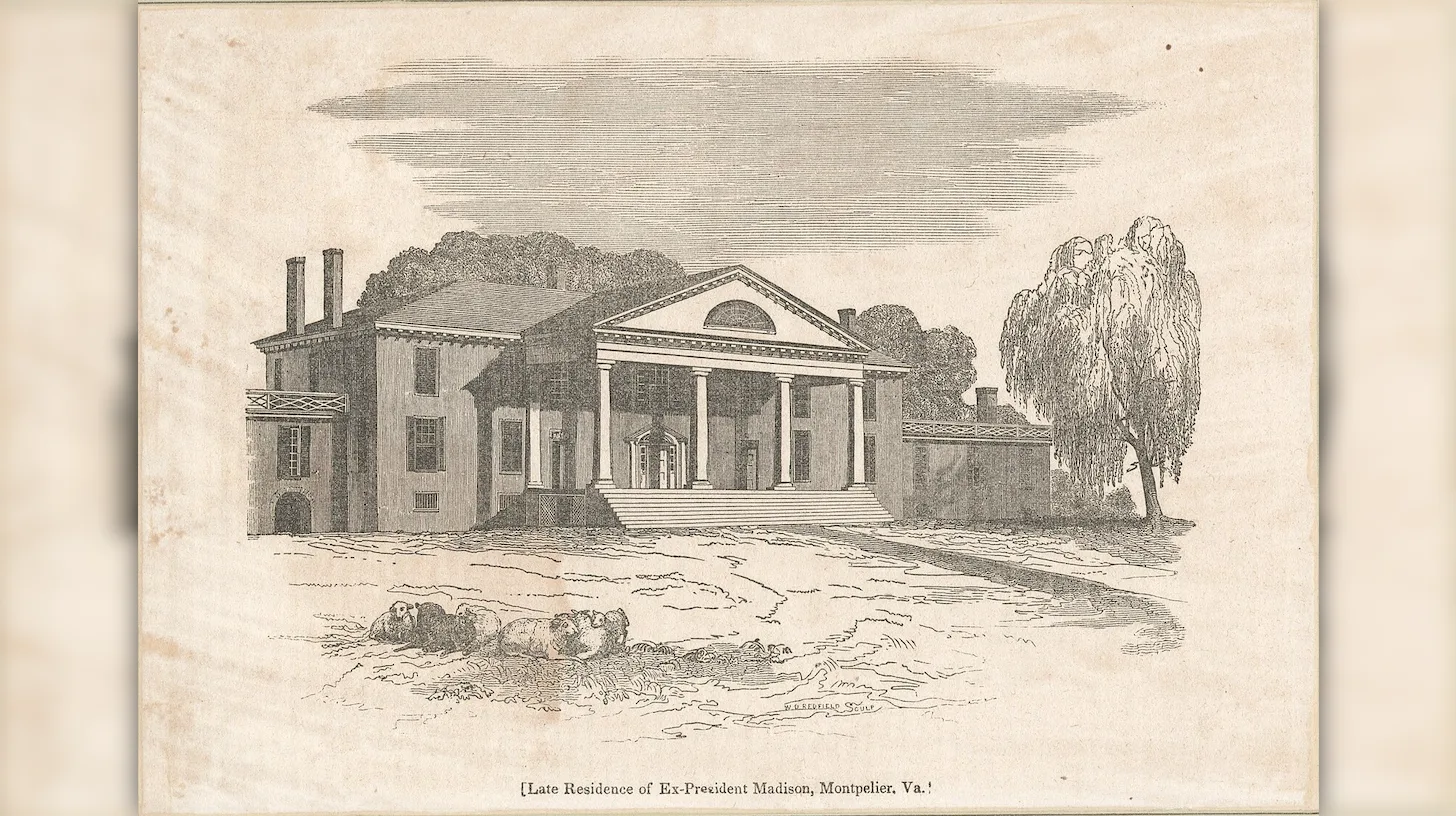
Paul Jennings went home to Montpelier with the Madisons when the second term ended in 1817, though not, it seems, gladly. That January a relative wrote to Madison that three of his servants, “Jim, Abram & Paul,” had said in front of a witness “that they never intended to return to Va.” One of Dolley Madison’s nieces wrote later that Jennings “sighed for freedom.” Whatever he planned, he stayed.
“I was always with Mr. Madison till he died, and shaved him every other day for sixteen years.”
He came to know the old man closely. Madison dressed “wholly in black,” drank a single glass of wine at dinner and in his last fifteen years none, and, in Jennings’s words, he “never knew him to strike a slave, although he had over one hundred.” In 1822 Jennings married a woman named Fanny Gordon, who was enslaved by a neighbor, and they had five children.
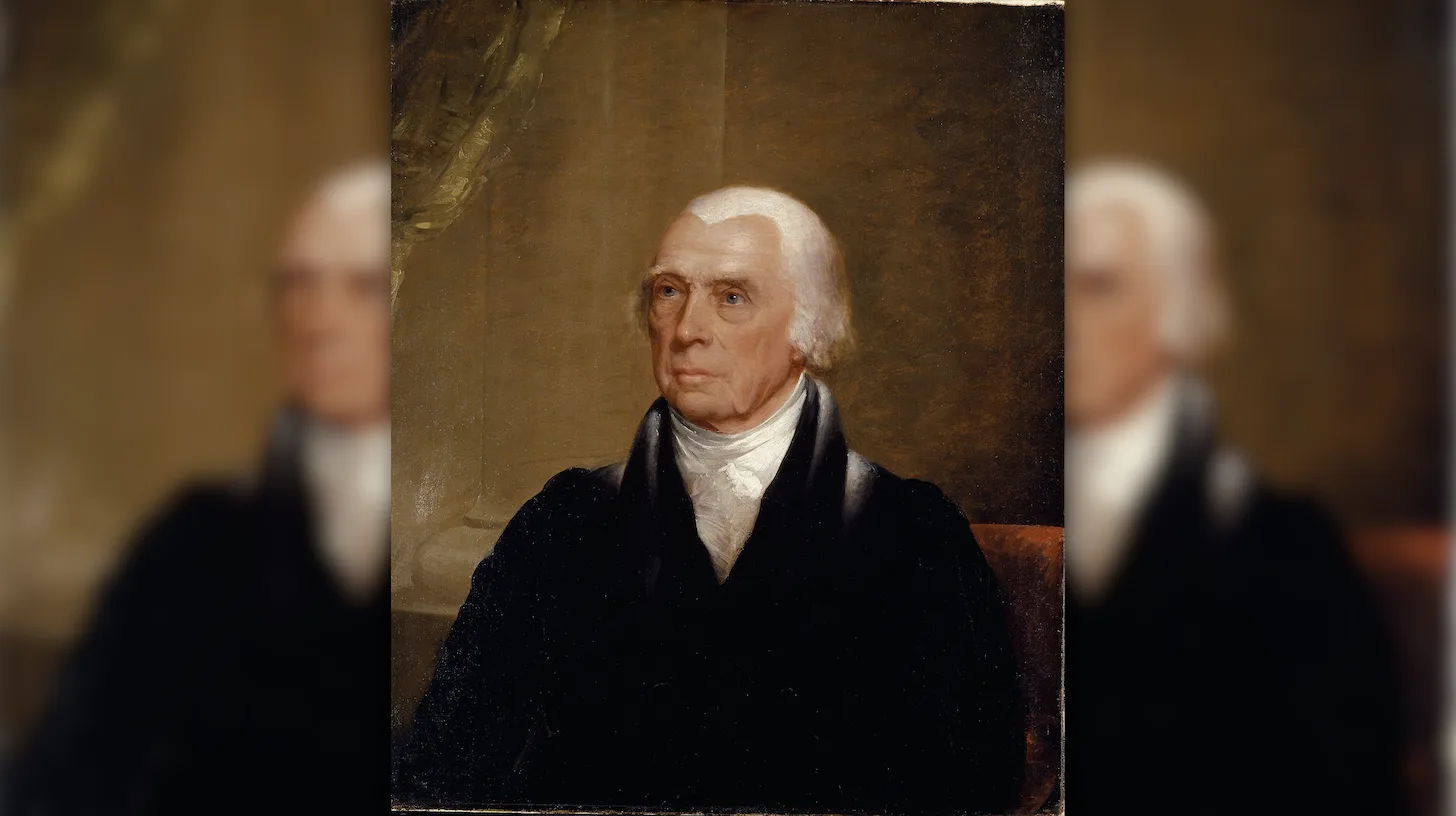
For six months before his death Madison could not walk and lay most of the day on a couch, his mind still clear. On the morning of Tuesday, June 28, 1836, Sukey brought him his breakfast as usual. “He could not swallow.” A niece who was in the room asked him what the matter was, and Madison answered, “Nothing more than a change of mind, my dear.”
His head dropped, and, in Jennings’s words, he ceased breathing “as quietly as the snuff of a candle goes out.” It is the only account of the death by a witness. Madison was eighty-five. He left his slaves to his widow, and he left her his debts, and the debts of her son.
A son’s debts and a house sold
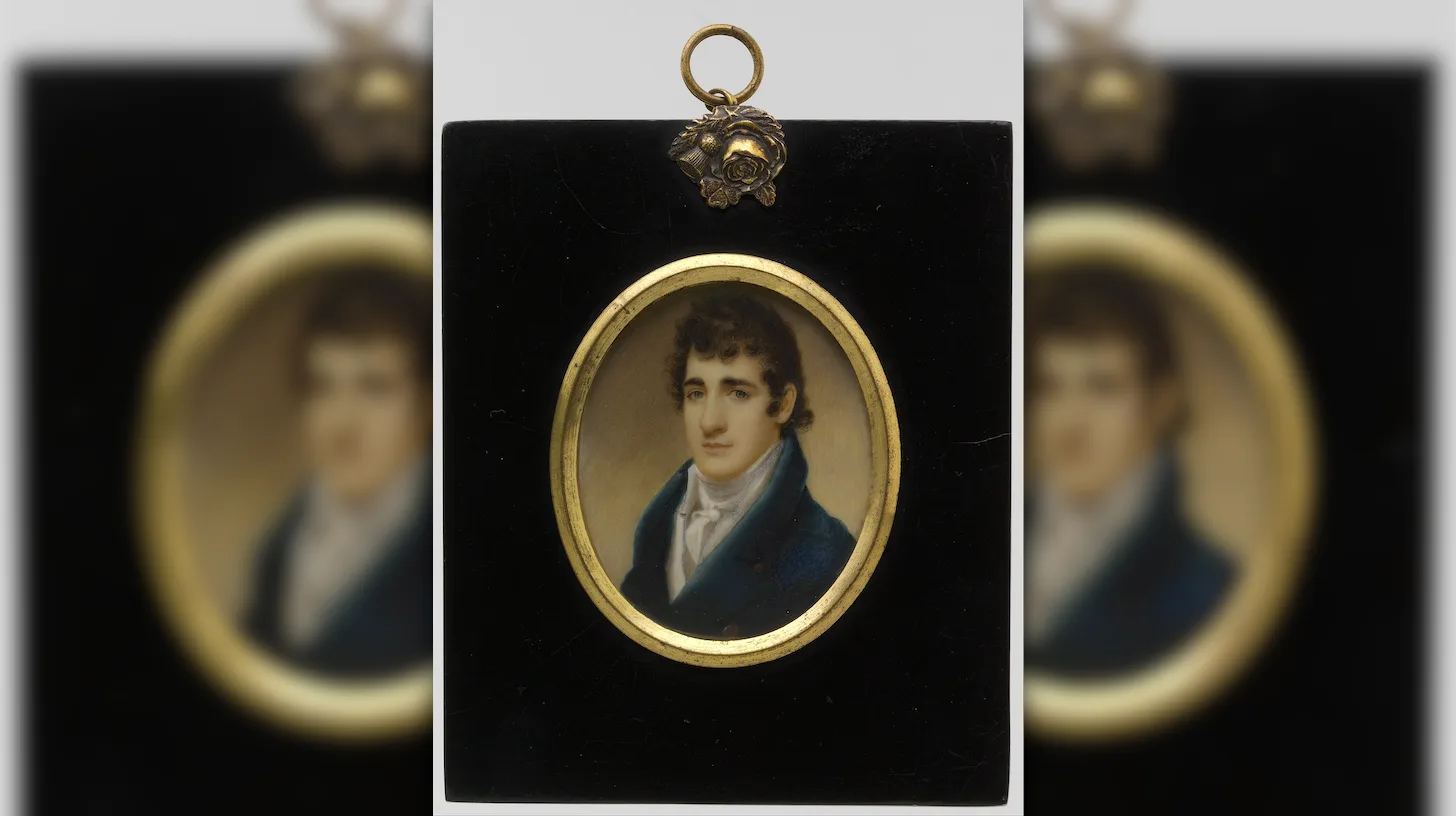
John Payne Todd drank and gambled, and by the reckoning of Encyclopedia Virginia, James Madison had spent about $40,000 on Todd’s debts, “at least half of which he concealed from Dolley Madison.” Todd had sat in a debtors’ prison in Philadelphia around 1830. Tobacco prices were falling, and the estate was dragged into lawsuits, including one over a debt to Madison’s own brother, for which a county sheriff tried to sell some of the slaves. In a will she signed in 1841, Dolley Madison left Jennings, and only Jennings, his freedom. It would take effect when she died.
Fanny Jennings died at Montpelier on August 4, 1844. Four days later the widow sold the plantation. A few days afterward she wrote to the buyer that no one could appreciate “my feelings of grief and dismay” at giving up the house.
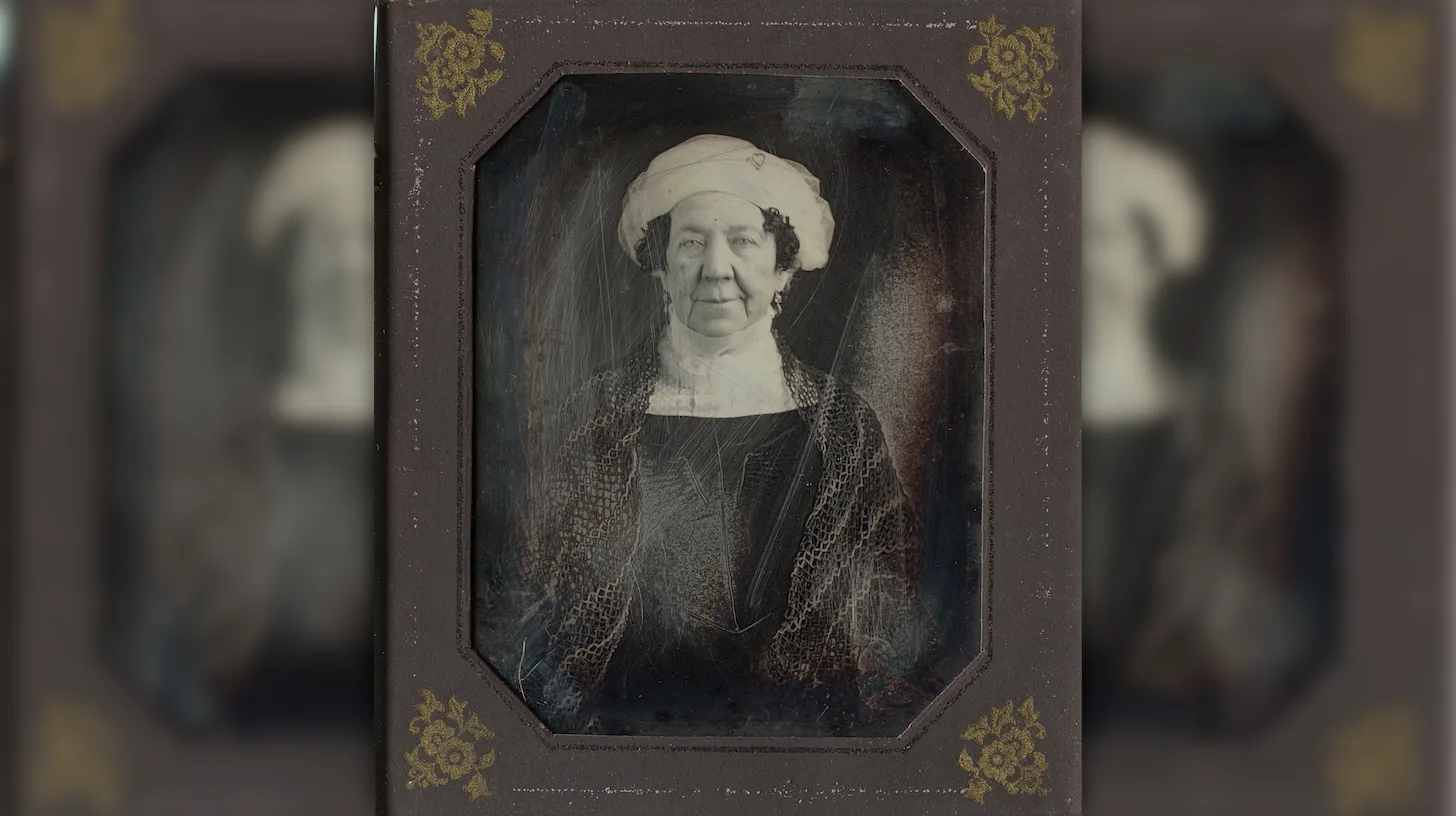
She moved to Washington, to a house on Lafayette Square across from the White House, and in 1845 she hired Jennings out to the new President, James K. Polk. His wages came to her. That summer he went to see his family in Virginia and did not come back on time, and she wrote to her son in July. “It was of importance to me that he shd. have been punctual, but he has not appeared or written an apology,” she wrote, and now he “will lose the best place.”
The same month two papers were drafted, one letting Jennings buy himself for $200 and the other selling him to Todd. Neither was made official. On September 28, 1846, she sold him instead to a Washington insurance agent named Pollard Webb, for $200. The bill of sale survives.
Eight dollars a month
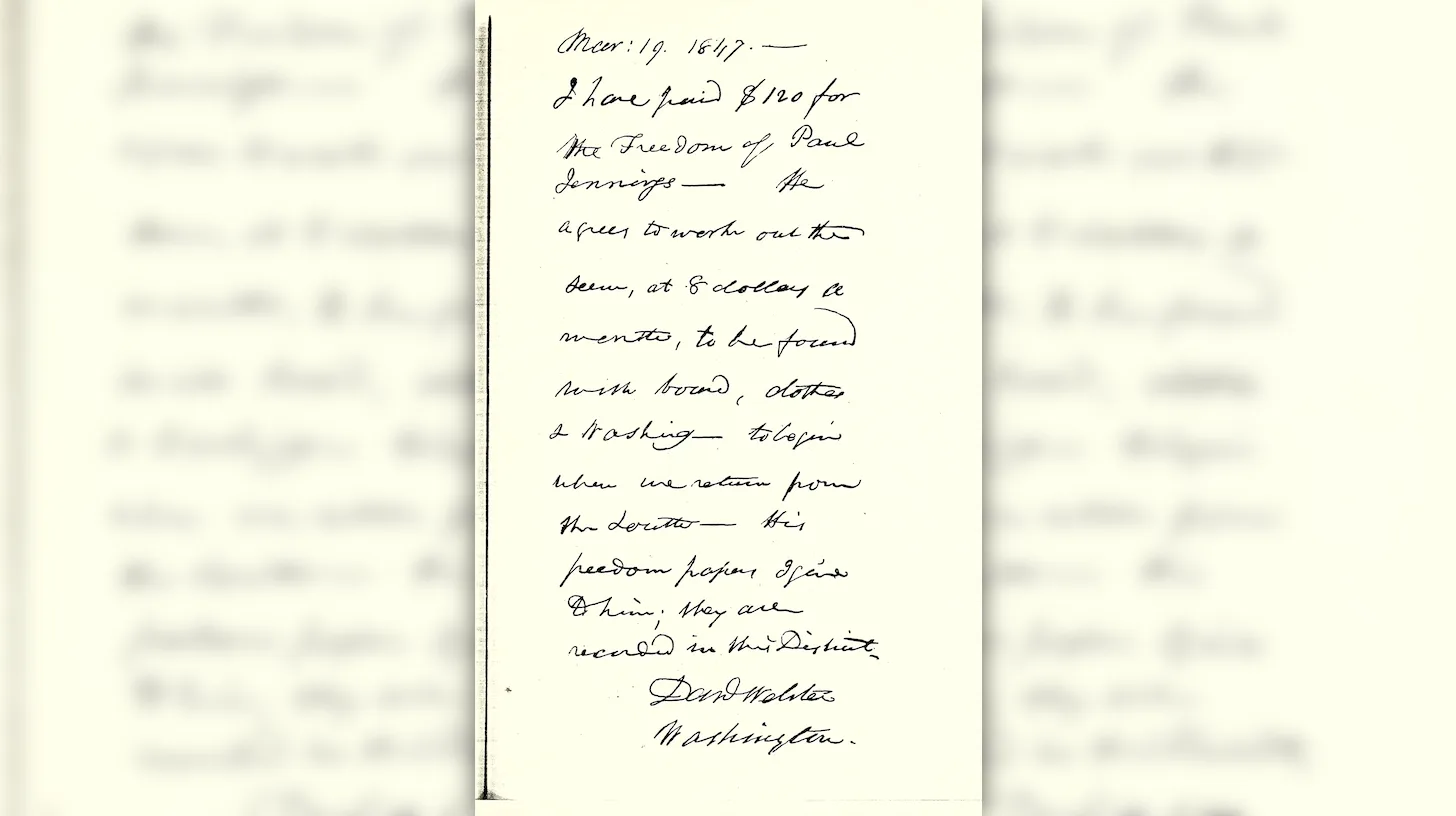
Six months later, in March 1847, Daniel Webster, the senator from Massachusetts, paid Pollard Webb $120 for Jennings, and set down the terms in a memorandum dated March 19: “I have paid $120 for the freedom of Paul Jennings.” Jennings agreed, the note went on, “to work out the same, at 8 dollars a month, to be furnished with board, clothes & washing.” It came to fifteen months of work. The historian of Jennings’s life at Encyclopedia Virginia thinks it “probable that Webster had arranged for the first purchase.”
An abolitionist who signed himself Hampden told the story another way the next winter in an Albany paper. Jennings, he wrote, “induced a distinguished Northern Senator to advance for him the purchase-money, and give him time to work it out,” after working for years on wages that Mrs. Madison “took to the last red cent.” Hampden was hostile to her, and some of his figures do not agree with the papers of the sale.
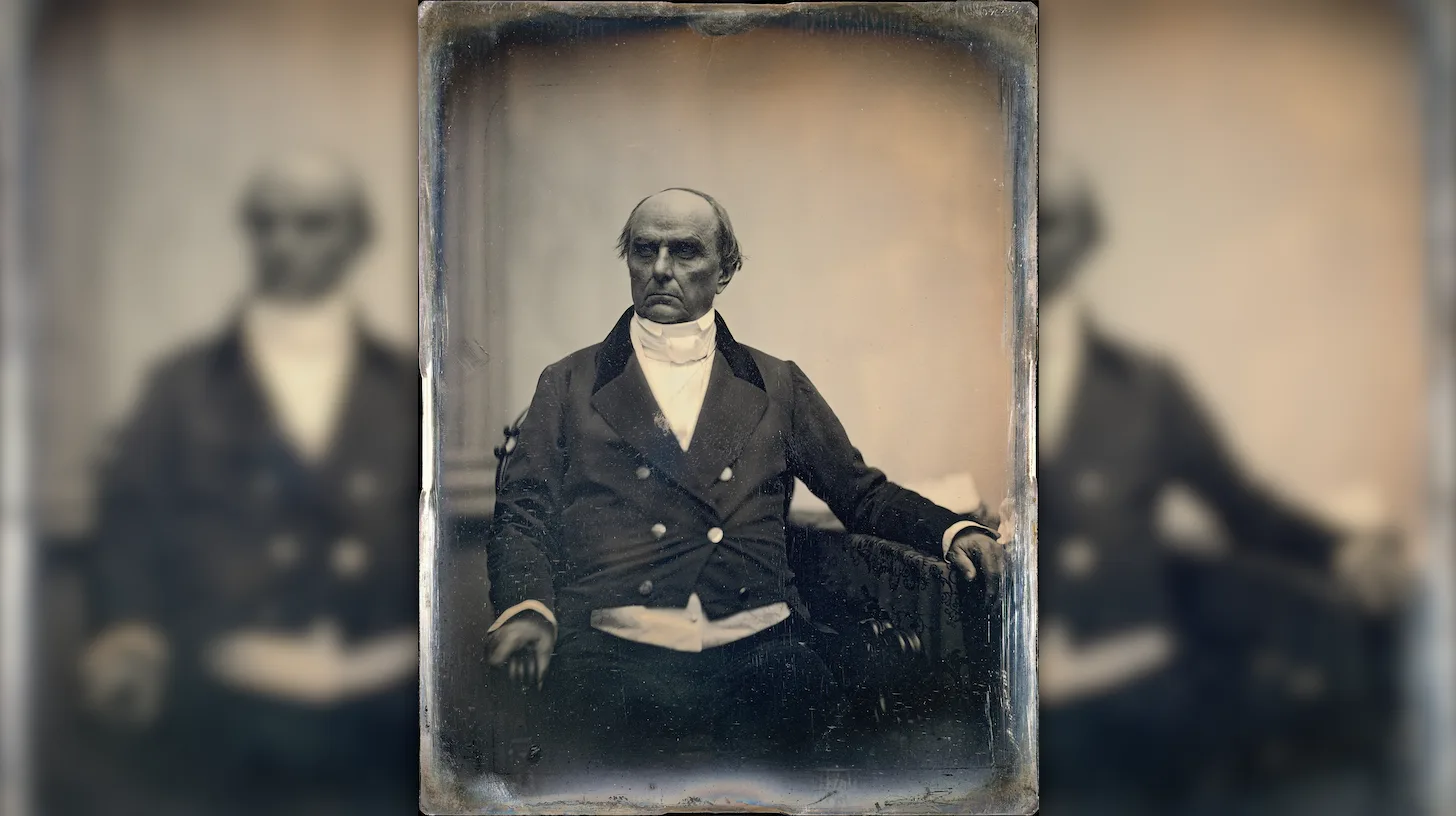
So Jennings became a free man who still owed his labor, and the house he owed it to stood across Lafayette Square from hers. He waited on Webster’s table. Congress had bought part of Madison’s papers in 1837 for $30,000; it had not yet bought the rest. Of those months Jennings said this.
“While I was a servant to Mr. Webster, he often sent me to her with a market-basket full of provisions”
Webster told him, too, to take her anything he saw in the house that she needed. “I often did this,” Jennings went on, and occasionally he “gave her small sums from my own pocket, though I had years before bought my freedom of her.” By the dates on the papers it had been a year or two, not years, and it was Webb, not Jennings, who had paid her. But that is how he remembered it, as a debt between the two of them that he had settled.
The basket came from Webster’s kitchen. The money did not. In February 1848 Hampden’s letter attacked her by name, and in April the North Star, Frederick Douglass’s paper, wrote that no want she could suffer “could tempt her, if she has a heart, to sell another’s child away into Southern bondage.”
Seventy-seven people in the hold of the Pearl
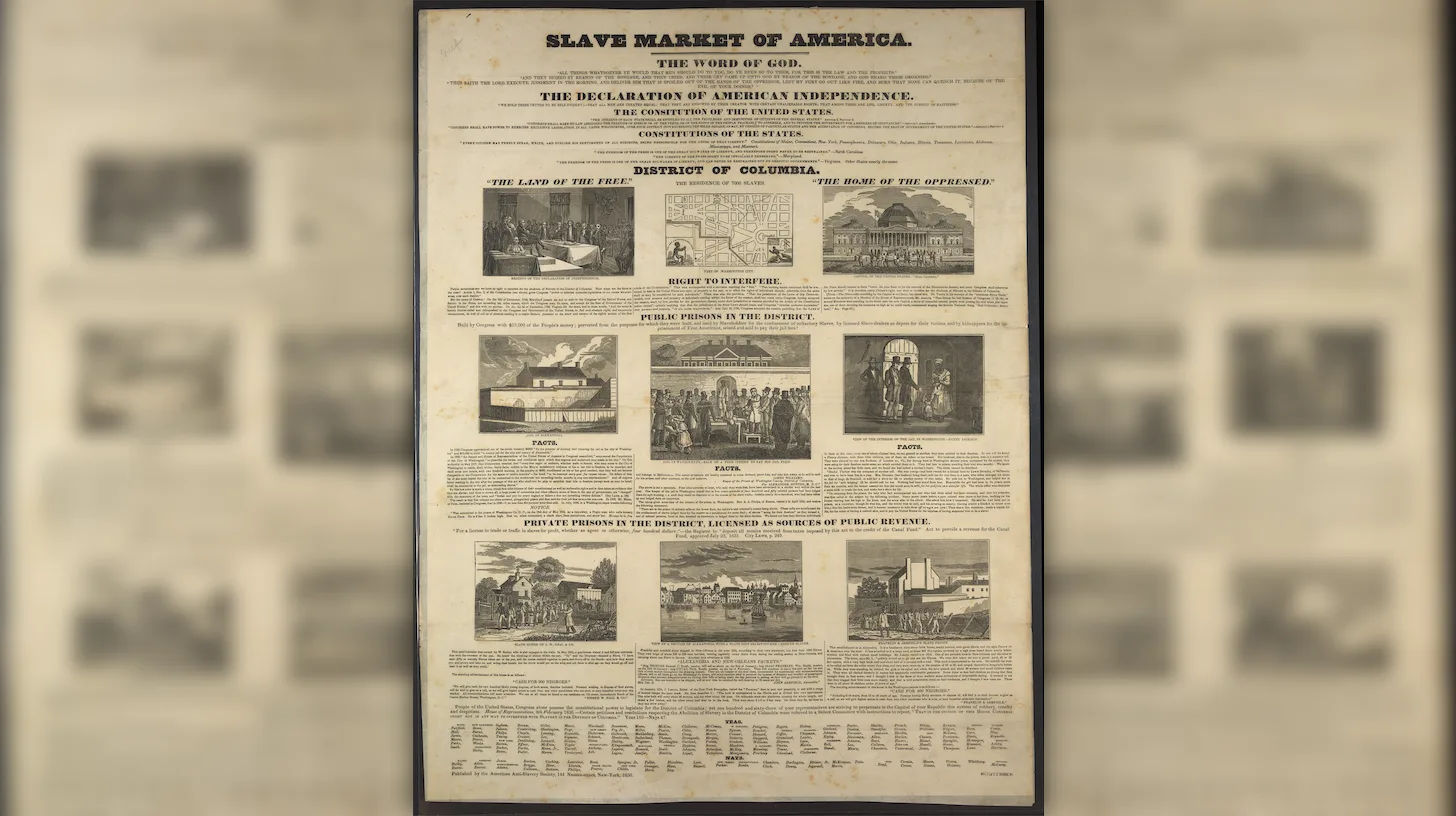
On Saturday evening, April 15, 1848, after dark, seventy-seven enslaved people, thirty-eight men, twenty-six women and thirteen children, crept aboard a schooner called the Pearl at a wharf on the Potomac and hid in the hold. The vessel had been chartered by a sea captain named Daniel Drayton, who meant to sail them down the river and up the Chesapeake to freedom. The wind turned against them. Two days later, at two in the morning, a posse of about thirty men caught the Pearl at anchor near Point Lookout, where the river meets the bay, and brought everyone back.
One of the people in the hold was Ellen Stewart, fifteen years old, the daughter of Sukey, the maid who had ridden away from the burning city with Mrs. Madison. Ellen belonged to Mrs. Madison, and she ran, Encyclopedia Virginia says, “rather than be sold.”
Historians of the escape believe Paul Jennings helped to plan it. No paper of 1848 names him, and Drayton, who went to prison for the voyage, refused to give the names of the others in the plot, so that Jennings’s part “was never known to authorities.” The account he gave of his life says nothing about it. He did not sail. He stayed and kept his bargain with Webster.
That spring Congress agreed at last to buy the rest of Madison’s papers, for $25,000, and put the money in trust so that her son could not reach it. Dolley Madison died in Washington on July 12, 1849, at eighty-one.
A laborer at the Pension Office
Jennings married again that summer, a free woman named Desdemona Brooks. In 1851 Webster wrote him a reference, and by the early 1850s Jennings had a post as a laborer at the Pension Office of the Interior Department, where the work included much of a clerk’s. He bought houses on L Street, a few blocks from the White House, and lived in one of them with his family. Three of his sons served in the Union army in the Civil War.
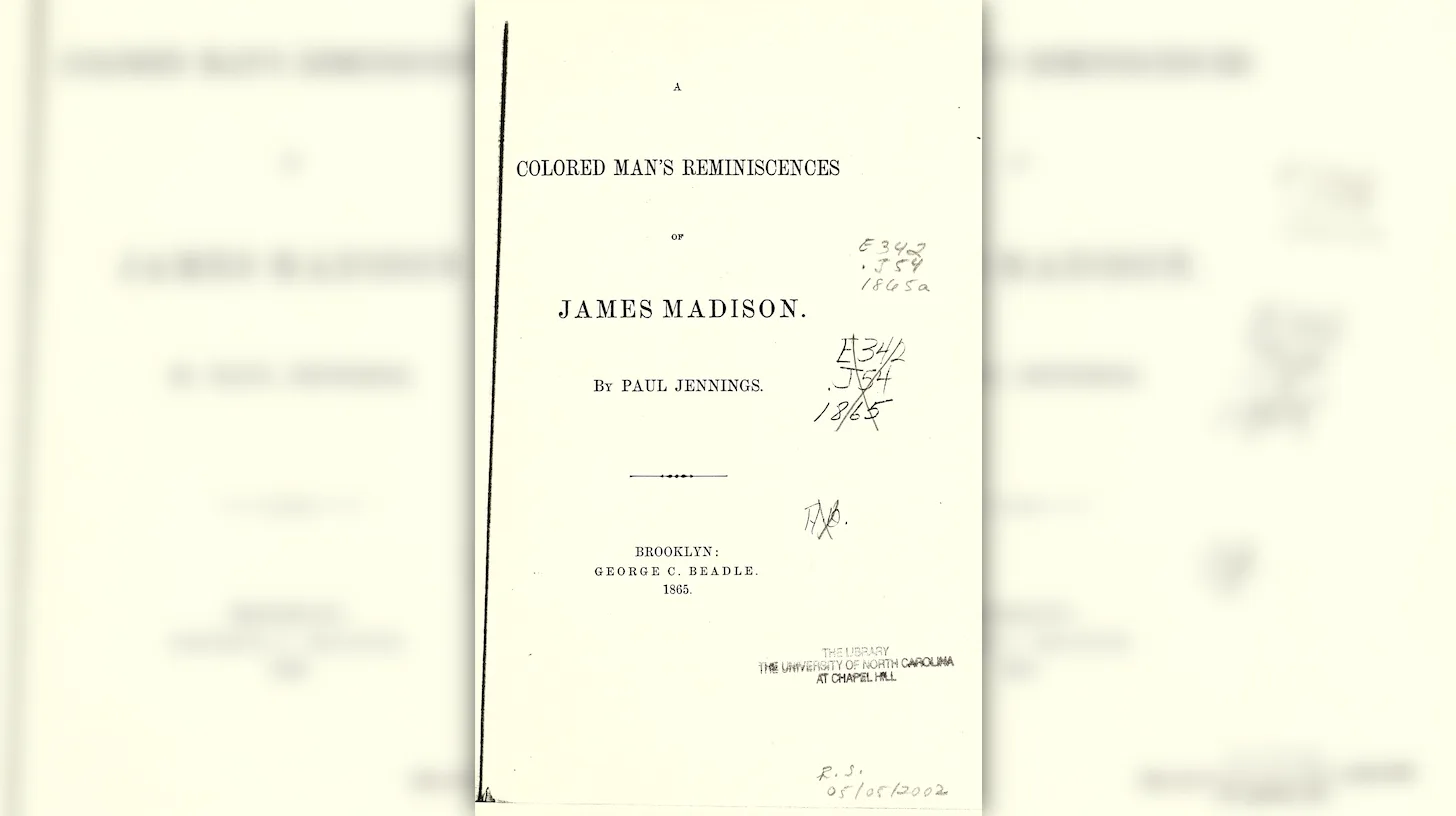
In 1862 a younger man at the Pension Office, John Brooks Russell, began to write down what Jennings told him about the Madisons, “in almost his own language.” It appeared in the Historical Magazine in January 1863, and two years later as a small book, A Colored Man’s Reminiscences of James Madison, seventy-five copies printed. That same winter Webster’s memorandum of the $120 turned up for sale at an autograph auction in New York, among the papers of another Black man who had worked in government offices.
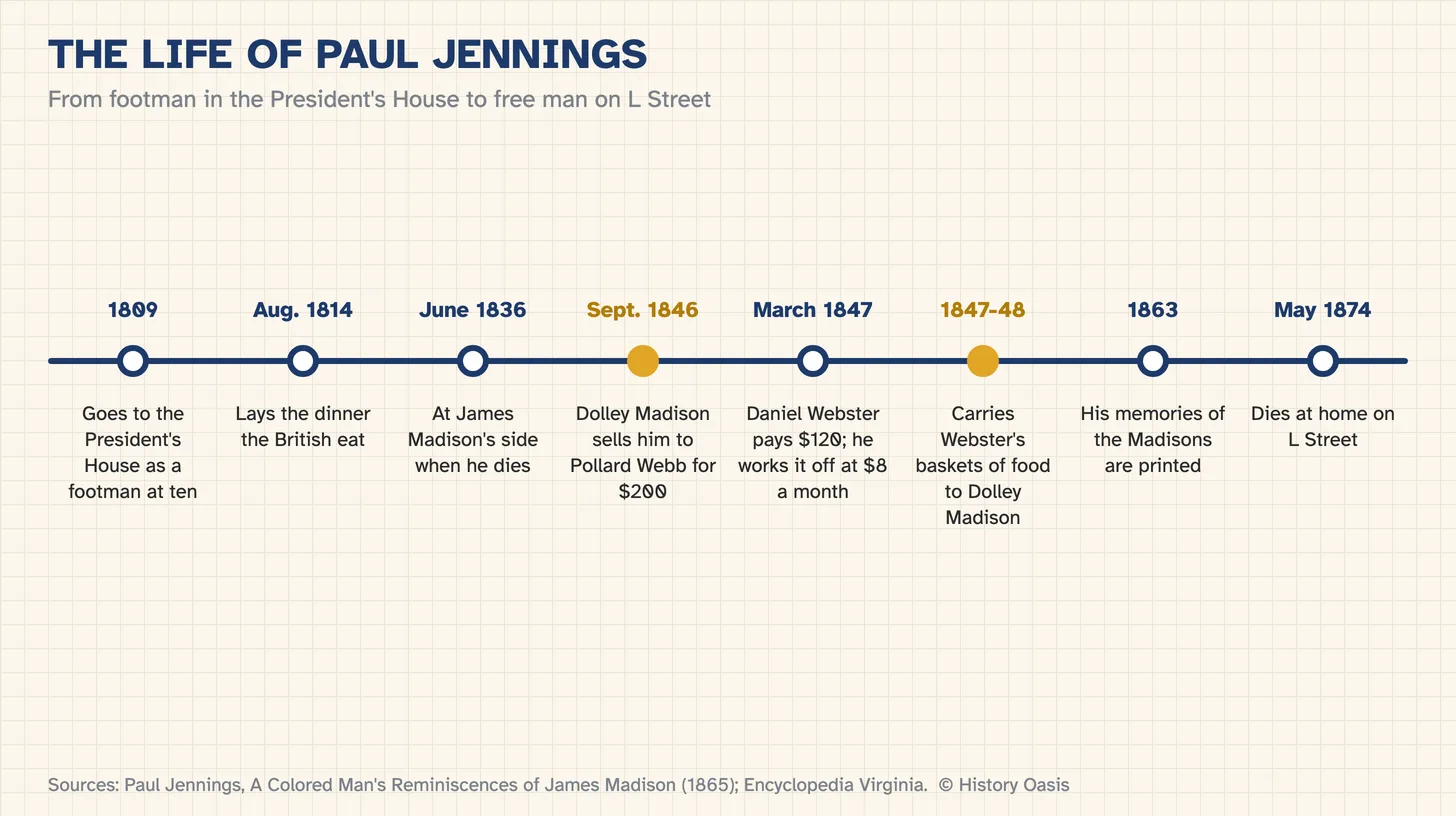
Paul Jennings died at home on L Street on May 20, 1874. In August 2009, on the 195th anniversary of the day the British came, about a dozen of his descendants were taken through the White House to see the portrait of Washington he had watched being carried out. One of them, a great-great-grandson, said afterward, “I saw a number of people just stand there in silence, and keep looking.”
The account Jennings gave Russell runs to fewer than three thousand words. The baskets take up four sentences. He had paid for his freedom at eight dollars a month.