6 min read
Alright, here are some genuinely wild facts about the War of 1812 that’ll make you question everything you thought you knew about this forgotten conflict.
THE MOST FAMOUS BATTLE HAPPENED AFTER THE WAR ENDED
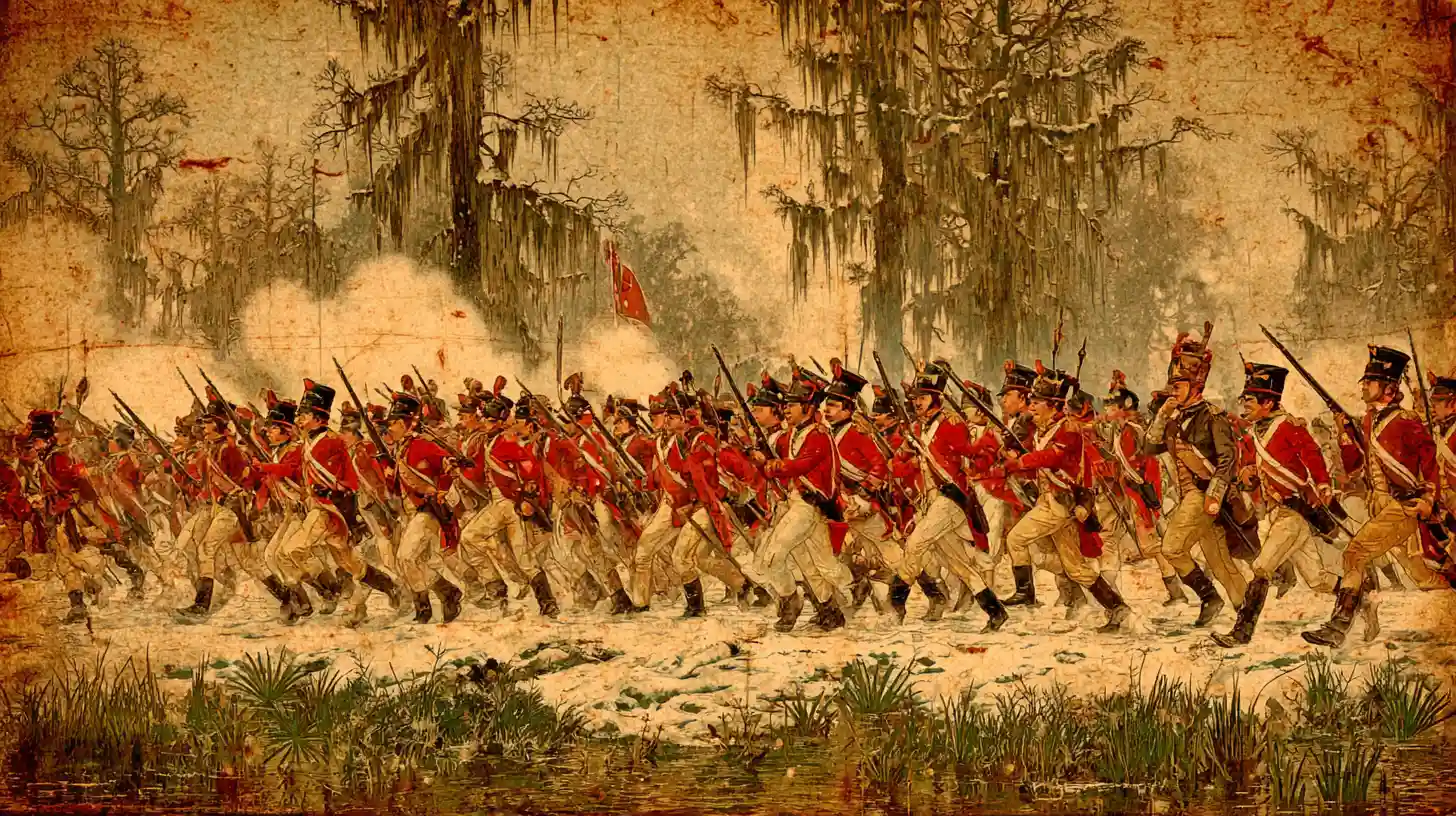
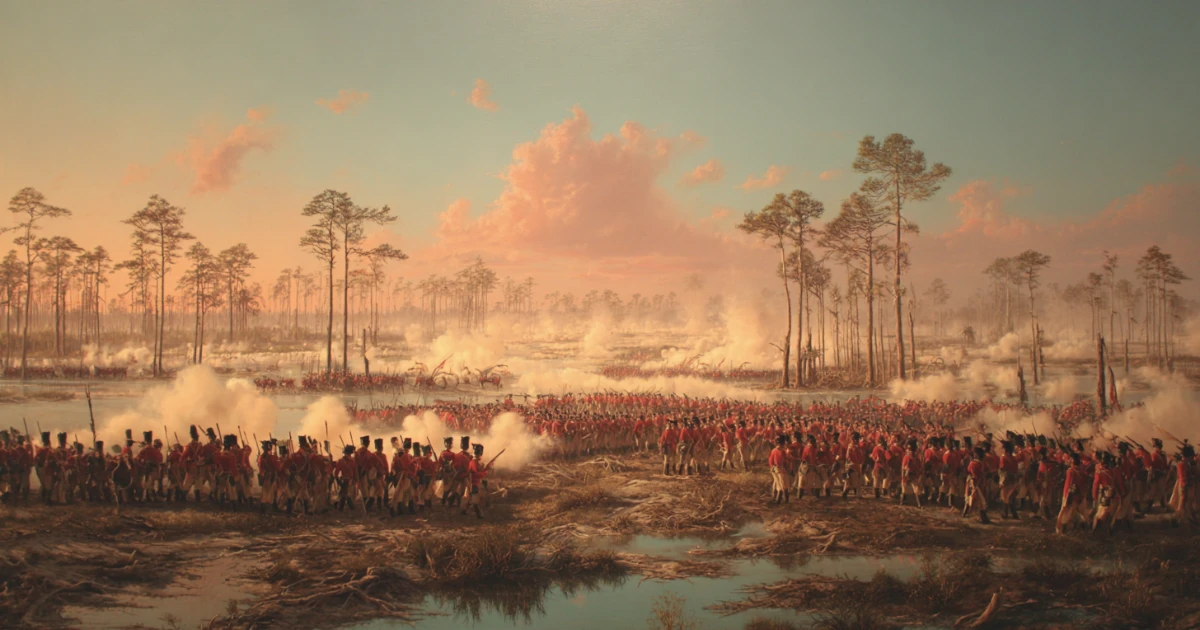
Andrew Jackson crushed the British at New Orleans on January 8, 1815. He killed 2,000 British soldiers while losing only 71 Americans.
There was just one big problem: the war had ended two weeks earlier.
Britain and America signed a peace treaty on December 24, 1814. In those days, news traveled slowly by sailing ship. Nobody in Louisiana knew.
Jackson’s army was made up of pirates, free Black militiamen, Filipino sailors, and backwoods riflemen—demolishing the British assault.
The victory was real. The war was over. Nobody got the memo.
A FORT COMMANDER SURRENDERED BECAUSE HE DIDN’T KNOW WAR HAD STARTED
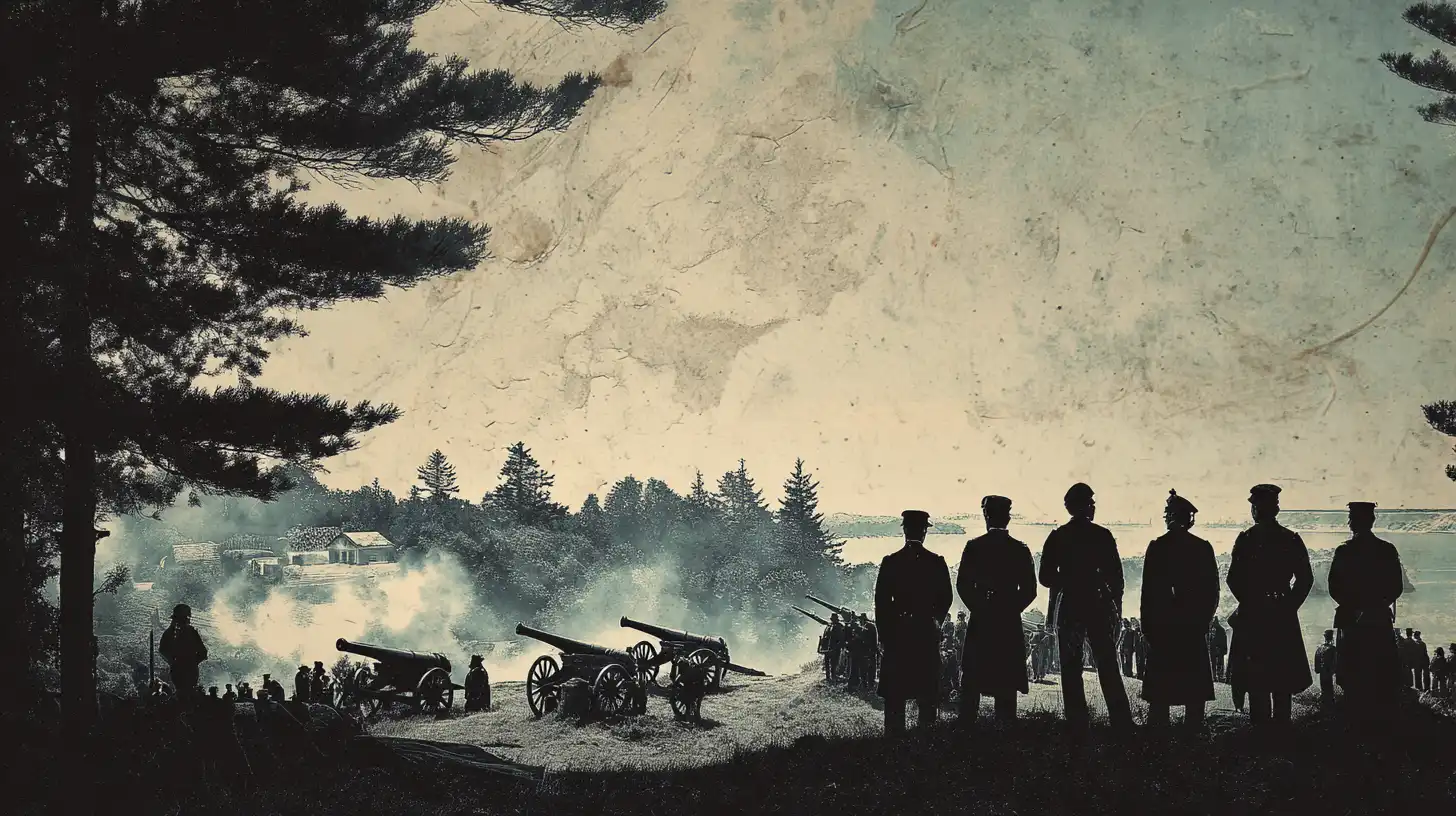
Lieutenant Porter Hanks commanded Fort Mackinac in Michigan. On July 17, 1812, he woke to find 600 British soldiers and Native warriors on the heights above his fort, cannons aimed down.
The U.S. had declared war a month earlier. The Secretary of War sent notification by regular mail. Hanks never received it.
But the British knew.
They’d paddled across the straits at night, dragged artillery through woods, and positioned themselves perfectly. When Hanks learned he was both at war and surrounded, he surrendered without firing a shot.
He died later awaiting court martial for cowardice.
THE LAST VETERAN DIED IN 1905
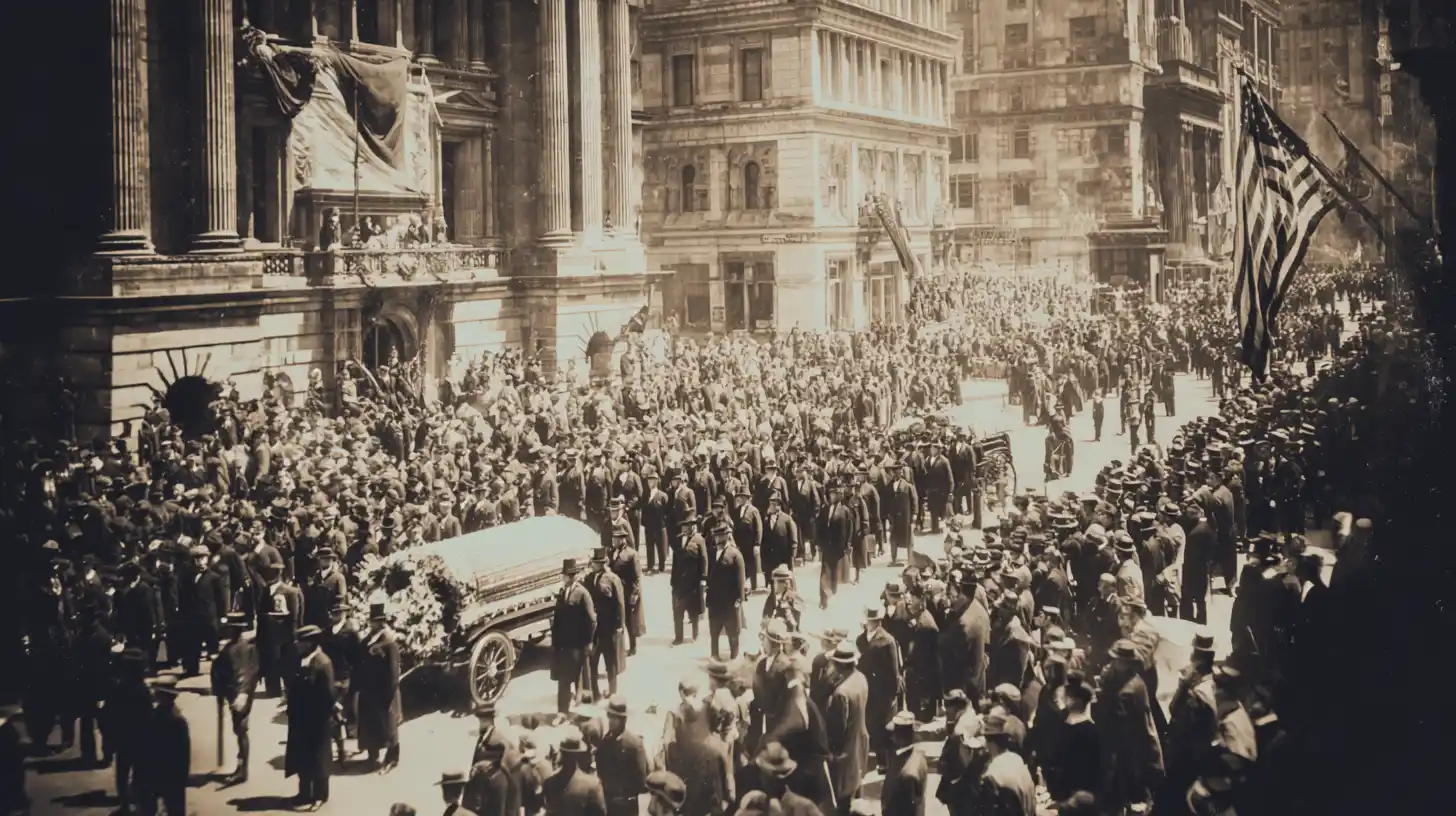
Hiram Cronk fought in the War of 1812 and died on May 13, 1905, at age 105. People alive today had grandparents who could have met him.
He voted for Andrew Jackson in his first election and Grover Cleveland in his last. New York City gave him a parade and a massive funeral.
The war ended in 1815. Cronk was the last soldier who fought in it and died 90 years later.
UNCLE SAM CAME FROM MEAT BARRELS
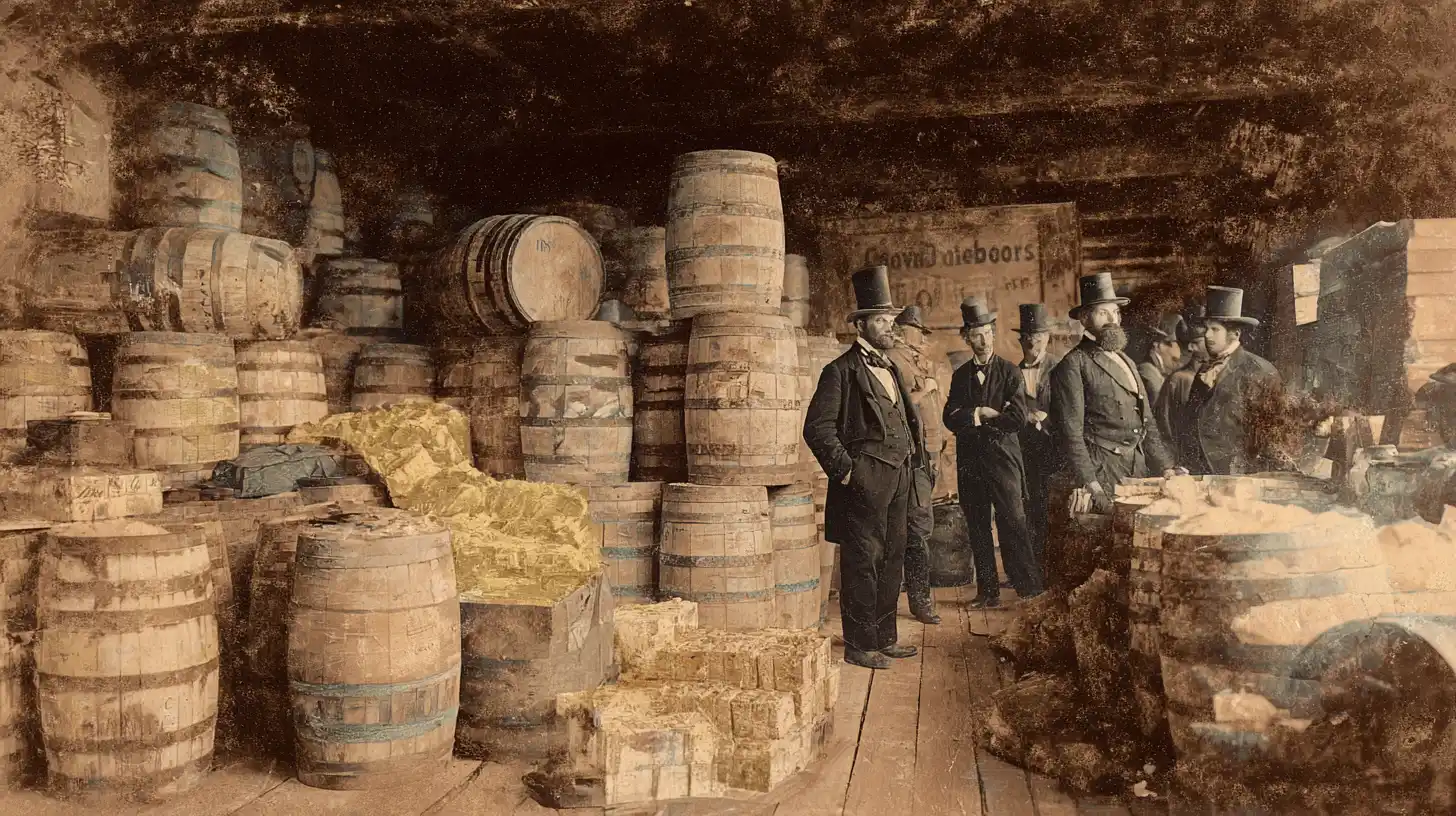
Sam Wilson owned a meat-packing business in Troy, New York. He supplied army rations in barrels stamped “U.S.” for the United States. Soldiers joked the initials stood for “Uncle Sam” Wilson, who was feeding them.
The nickname stuck.
The actual Uncle Sam looked nothing like the stern, white-bearded figure on World War I posters. He was a meat supplier with the right initials at the right time.
The name outlived the meat barrels by more than a century. In 1941 an Army recruiting poster was still invoking it — “Uncle Sam needs pilots” — beneath the air arm’s wartime slogan, “Keep ‘em flying.”
THE NATIONAL ANTHEM CAME FROM A BRITISH DRINKING SONG
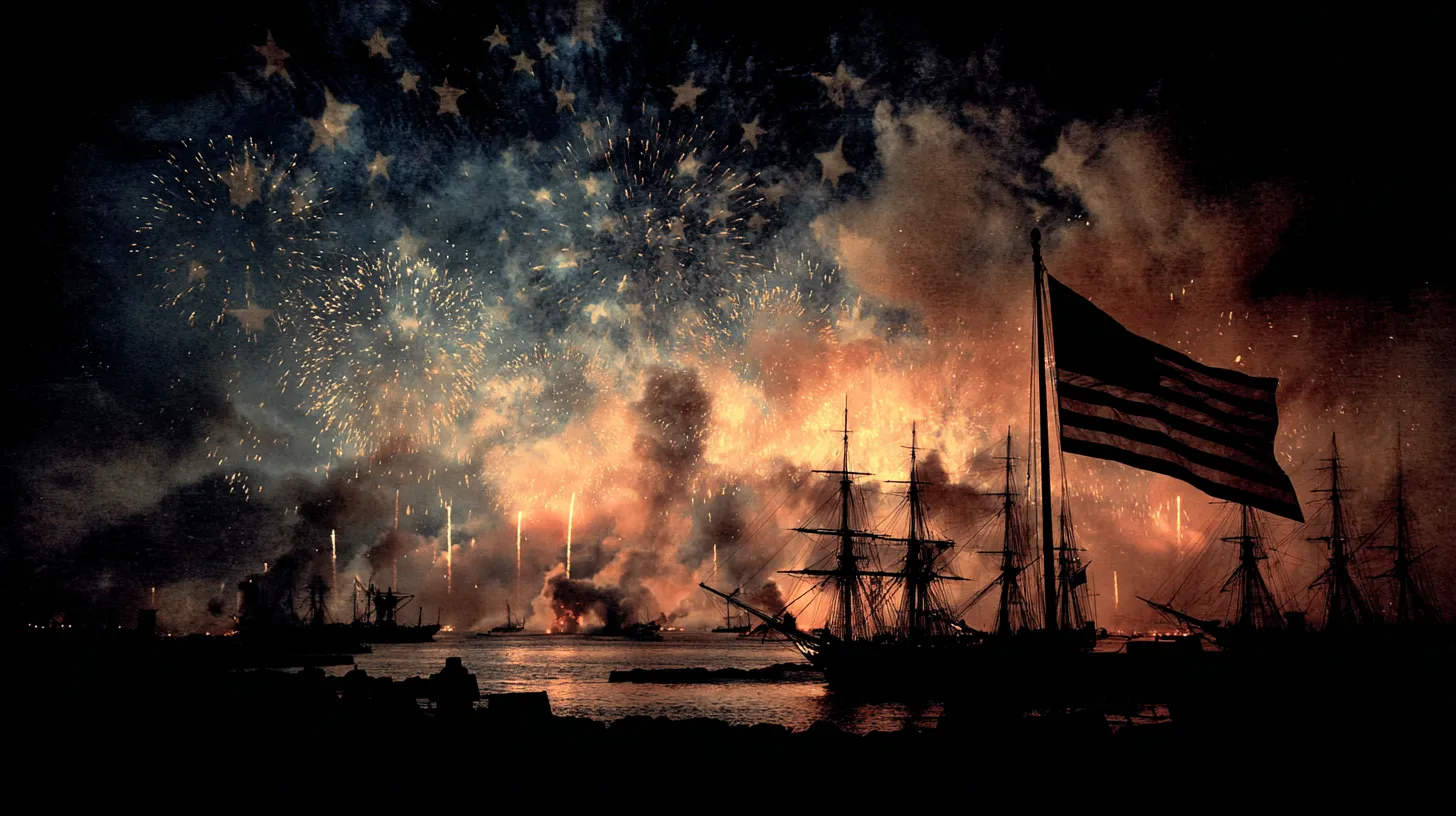
Francis Scott Key wrote “The Star-Spangled Banner” after watching Fort McHenry survive British bombardment on September 13-14, 1814. The poem is genuinely inspiring.
The melody? He borrowed it from “To Anacreon in Heaven,”a British drinking club song about wine and revelry. America’s national anthem uses music from the people we were fighting.
The song wasn’t officially adopted until 1931, when Herbert Hoover made it official. The song spent 117 years in limbo.
TENNESSEE GOT ITS NICKNAME FROM OVER-ENTHUSIASM
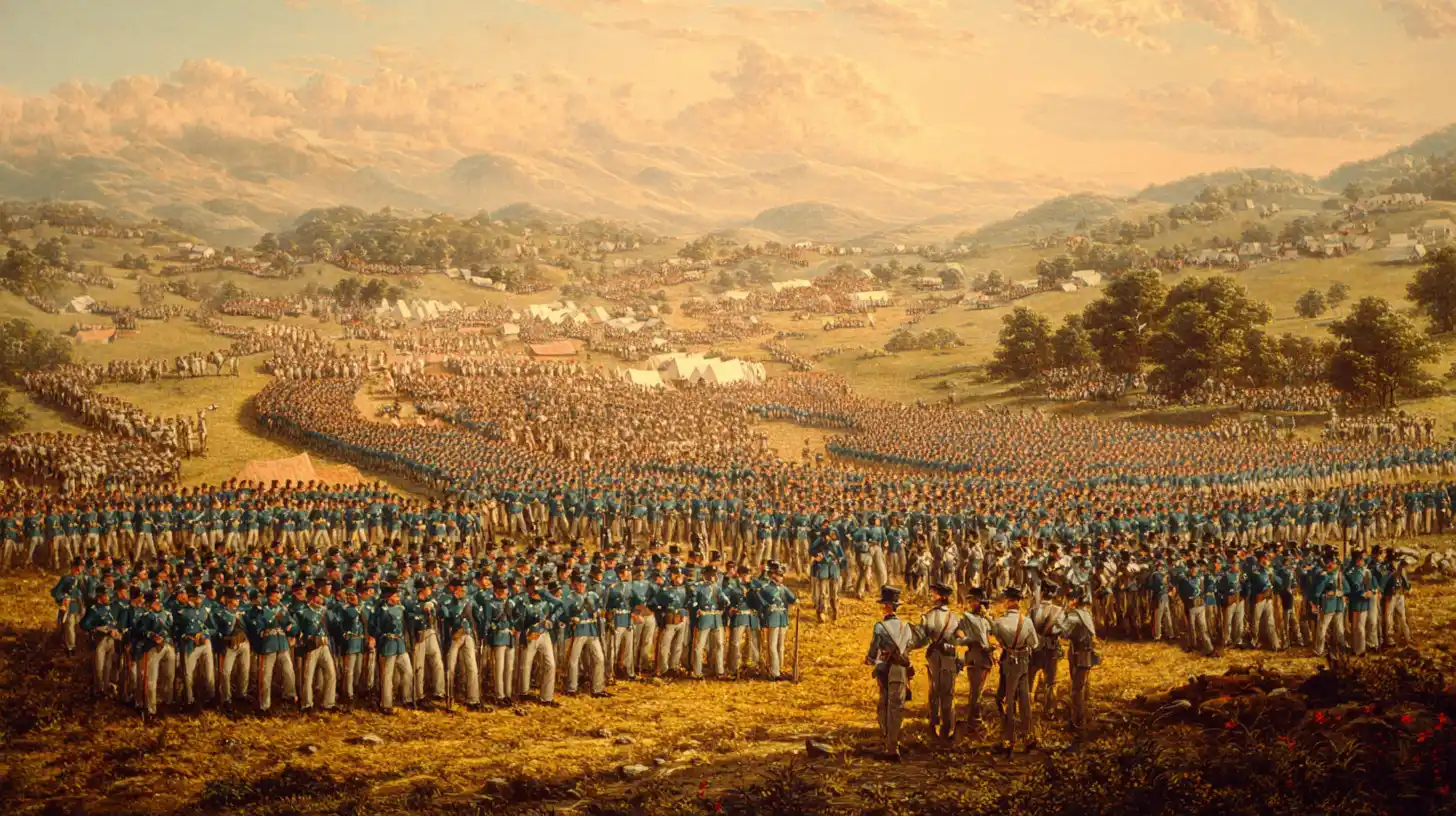
President Madison asked Tennessee for 3,500 volunteers. The state sent 28,000 men.
This overwhelming response earned Tennessee the nickname “The Volunteer State.” Andrew Jackson led those troops and talked about it constantly.
The nickname stuck for over 200 years.
AMERICANS THOUGHT CANADA WOULD WELCOME INVASION
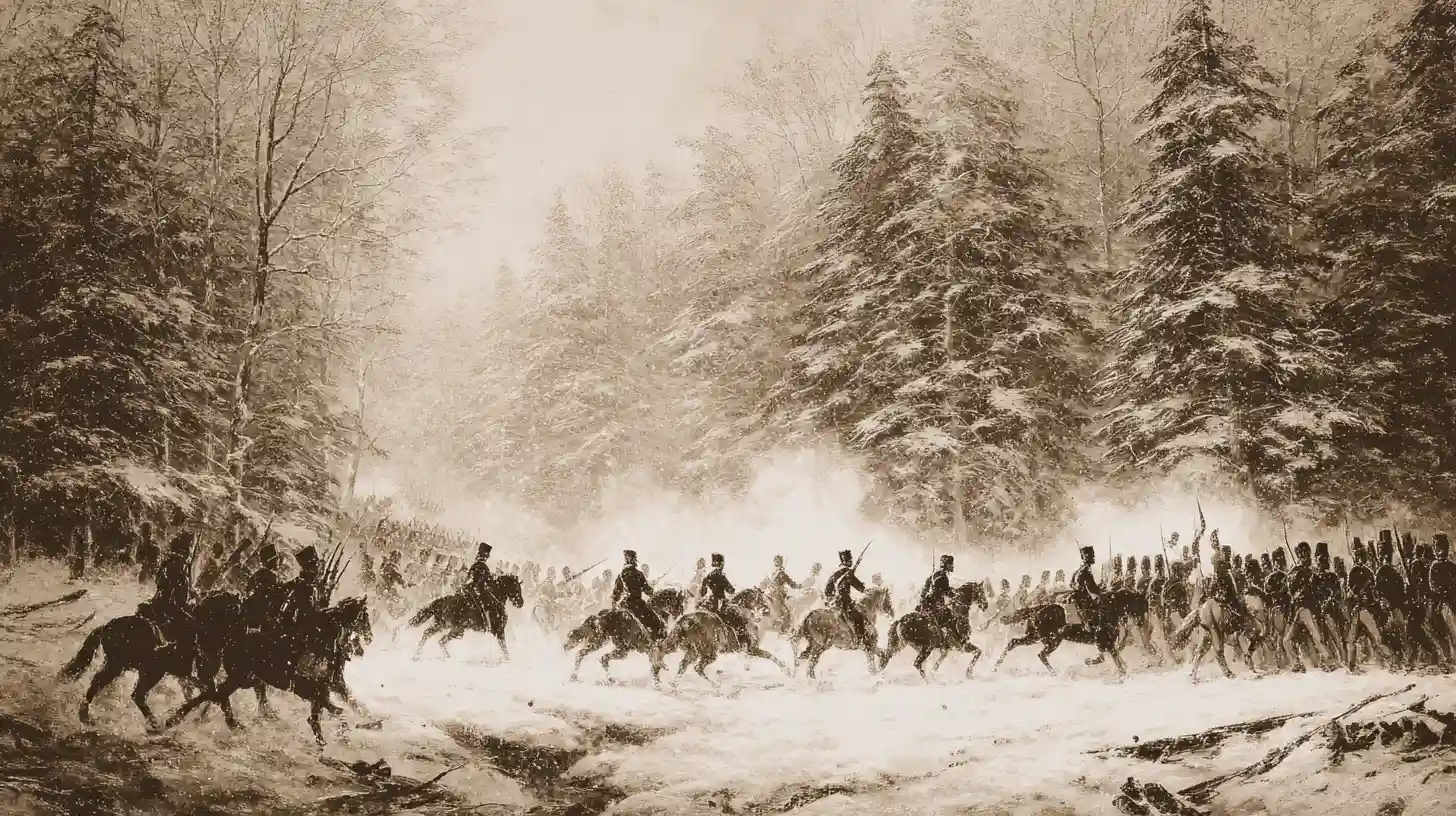
Thomas Jefferson predicted conquering Canada would be “a mere matter of marching.” Americans assumed Canadians would welcome liberation.
The U.S. invaded Canada multiple times. All three invasions failed. The armies and weapons didn’t matter. Canadian militia, British regulars, and Native warriors defeated each attempt. Canada wanted nothing to do with becoming American.
The war helped forge Canadian national identity through mutual “we don’t like Americans” sentiment.
THE WHITE HOUSE WASN’T CALLED THE WHITE HOUSE YET
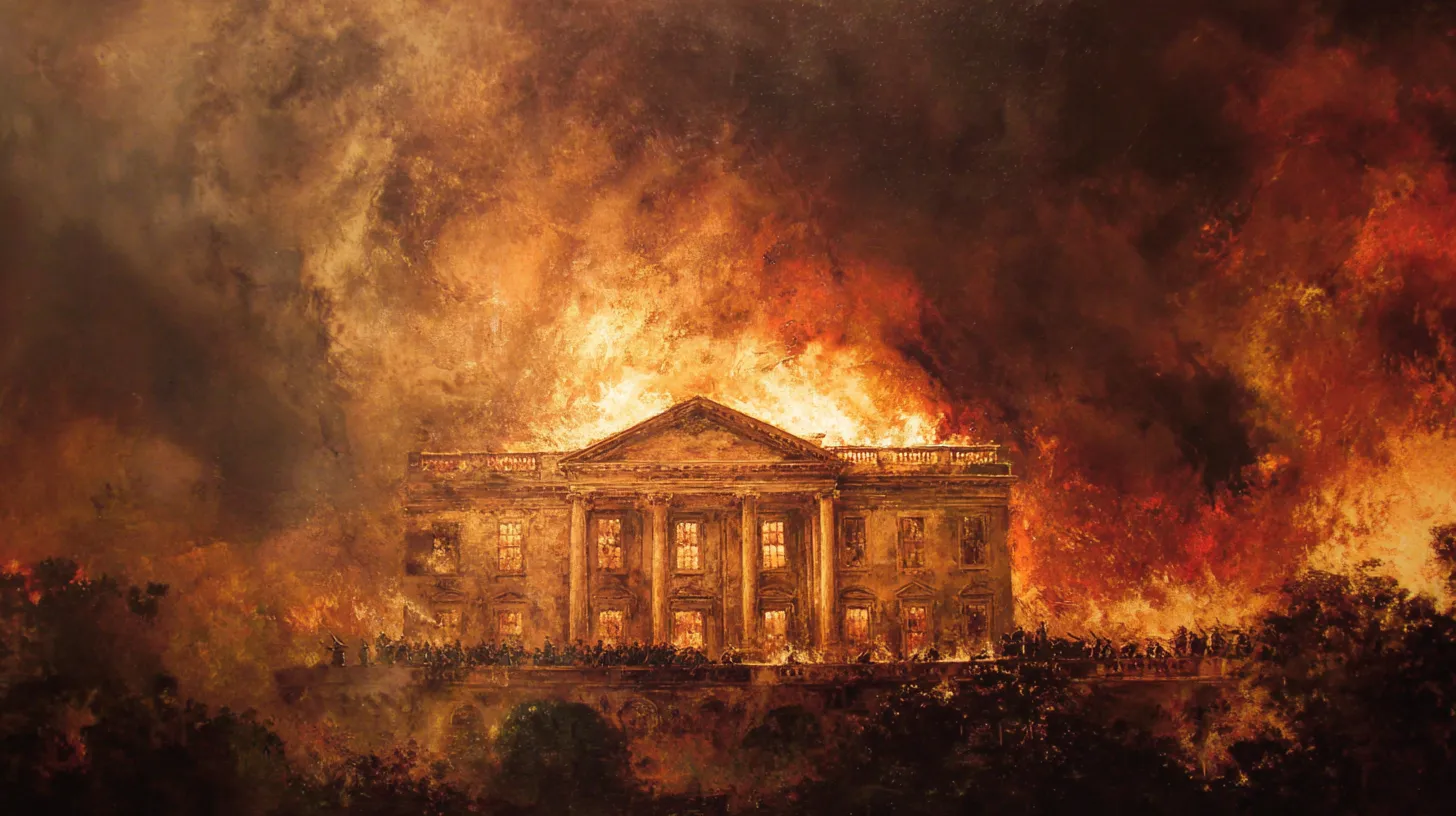
When British troops burned Washington in August 1814, they torched the “President’s House.” The building was sandstone painted white.
After the fire, workers repainted the scorched exterior white. The informal name “White House” became common, but wasn’t official until Theodore Roosevelt made it so in 1901.
The British burned down a building that wasn’t called the White House yet. The fire led to the paint job that led to the nickname.
DISEASE KILLED MORE AMERICANS THAN COMBAT IN THE WAR OF 1812
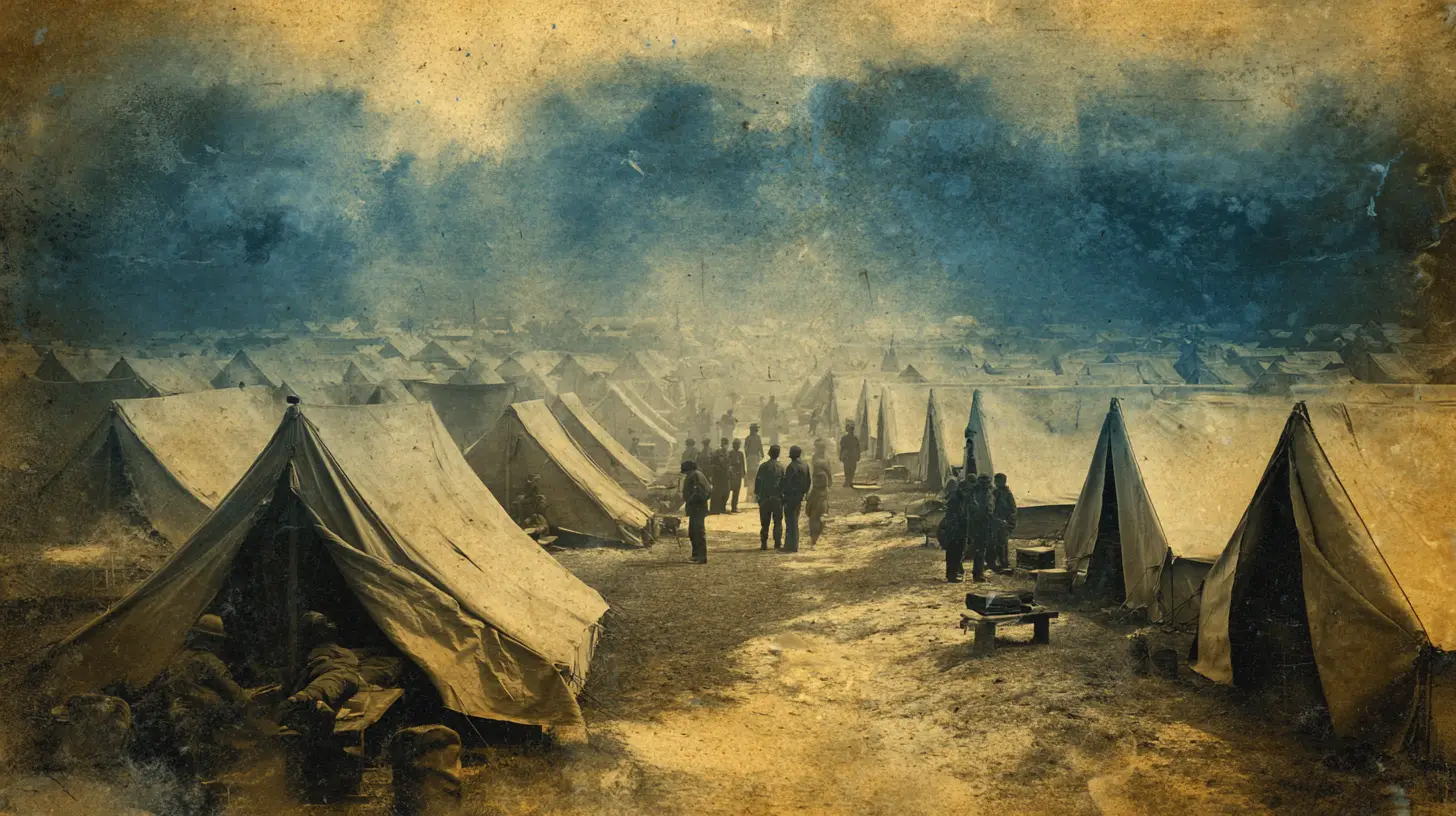
Combat killed 2,260 Americans. Another 4,505 were wounded. Disease and accidents killed an estimated 15,000 soldiers.
Typhus, dysentery, and pneumonia ran rampant. Camp diseases ripped through poorly supplied militia units. Basic sanitation didn’t exist. Medical care was primitive.
NEW ENGLAND NEARLY SECEDED
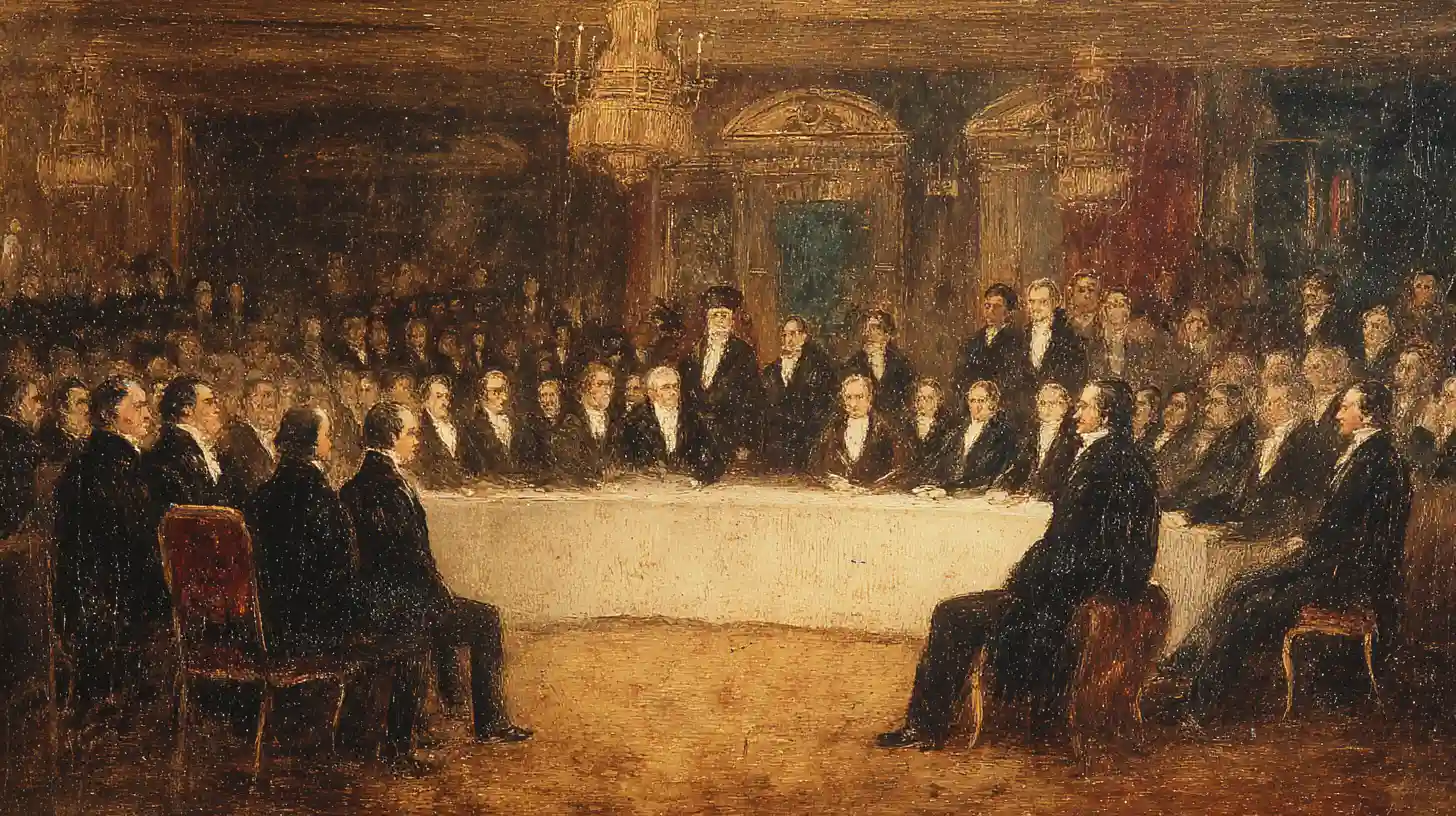
The Hartford Convention of 1814-1815 saw New England Federalists meet to discuss their grievances.
Some openly advocated secession.
The region suffered under British blockades. Trade collapsed. Massachusetts nearly negotiated a separate peace with Britain. Some New Englanders even traded with the enemy during combat.
The convention ended just as news of Jackson’s victory arrived. The war was over. The Federalists looked like traitors. The party never recovered.
We remember Southern secession from the Civil War. We forget New England almost did it first.
FILIPINOS FOUGHT AT NEW ORLEANS
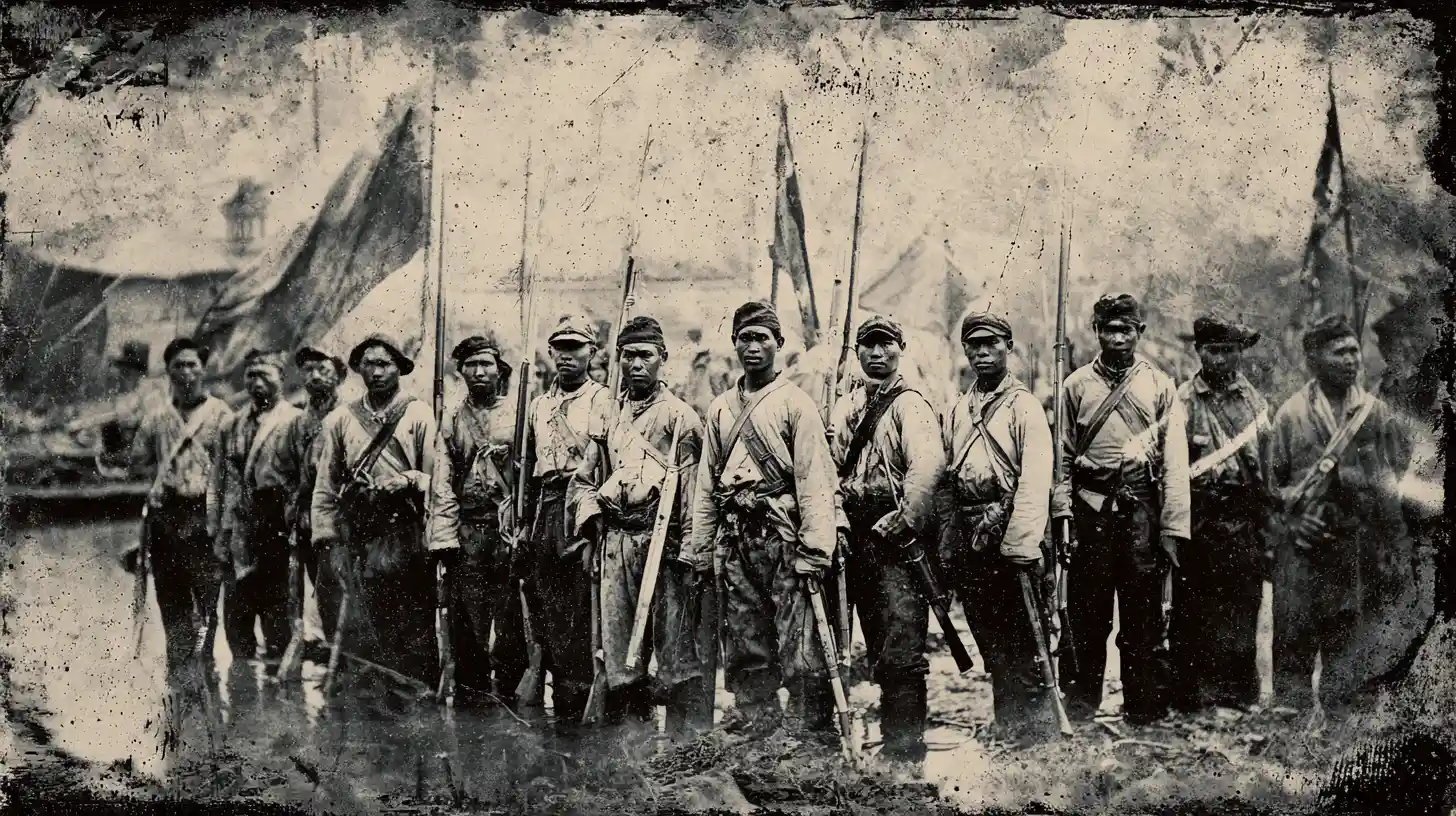
Pirate Jean Lafitte brought Filipino sailors from Saint Malo, Louisiana to help Andrew Jackson defend New Orleans.
These “Manilamen” represented America’s first Filipino community.
This marks the first documented instance of Asian-Americans serving in U.S. military combat. They were part of Lafitte’s crew of smugglers and privateers who knew the bayous better than anyone.
The Battle of New Orleans mixed professional soldiers, militia, free Black troops, Choctaw warriors, and Filipino pirates—all commanded by a future president fighting a war that had already ended.
BRITAIN BARELY REMEMBERS IT
Americans see the War of 1812 as formative. Canada celebrates it with monuments and bicentennial events.
Britain calls it “The American War of 1812” to distinguish it from the real war: fighting Napoleon. America was a minor sideshow distracting resources from Europe.
When Napoleon abdicated in April 1814, Britain sent reinforcements. By then everyone was tired. The Treaty of Ghent restored everything to pre-war status. Britain won nothing. America won nothing. Everyone just stopped fighting.