
8 min read
From its 19th century origins as Caleb Bradham’s digestive tonic to its contemporary status as a sprawling international beverage and snack food giant, the history of PepsiCo has been defined by ambition, innovation, and aggressive competition with rival Coca-Cola.
This comprehensive timeline chronologically traces PepsiCo’s major milestones from a single-product regional upstart to one of the most ubiquitous food and drink brands in 21st century consumer culture across five distinct eras of evolution and growth for the company.
Ultimately, this timeline of PepsiCo encapsulates over a century of savvy branding, groundbreaking marketing, and transformative mergers and acquisitions that enabled PepsiCo’s ascent into a modern corporate titan within the global food and beverage industry.
ORIGINS (1893-1934)
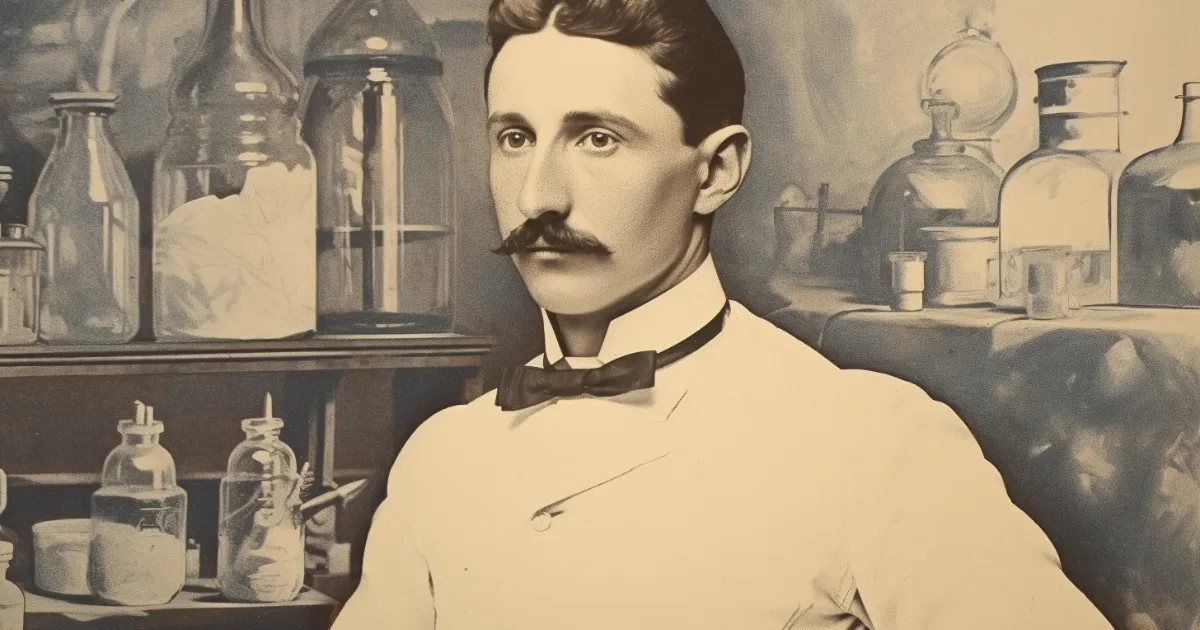
1893 — Brad’s Drink
Caleb Bradham, a pharmacist and businessman in New Bern, NC, invents a drink called “Brad’s Drink” in his pharmacy.
He develops it specifically to aid digestion and energy levels.
The key ingredients included sugar, vanilla, and kola nuts.
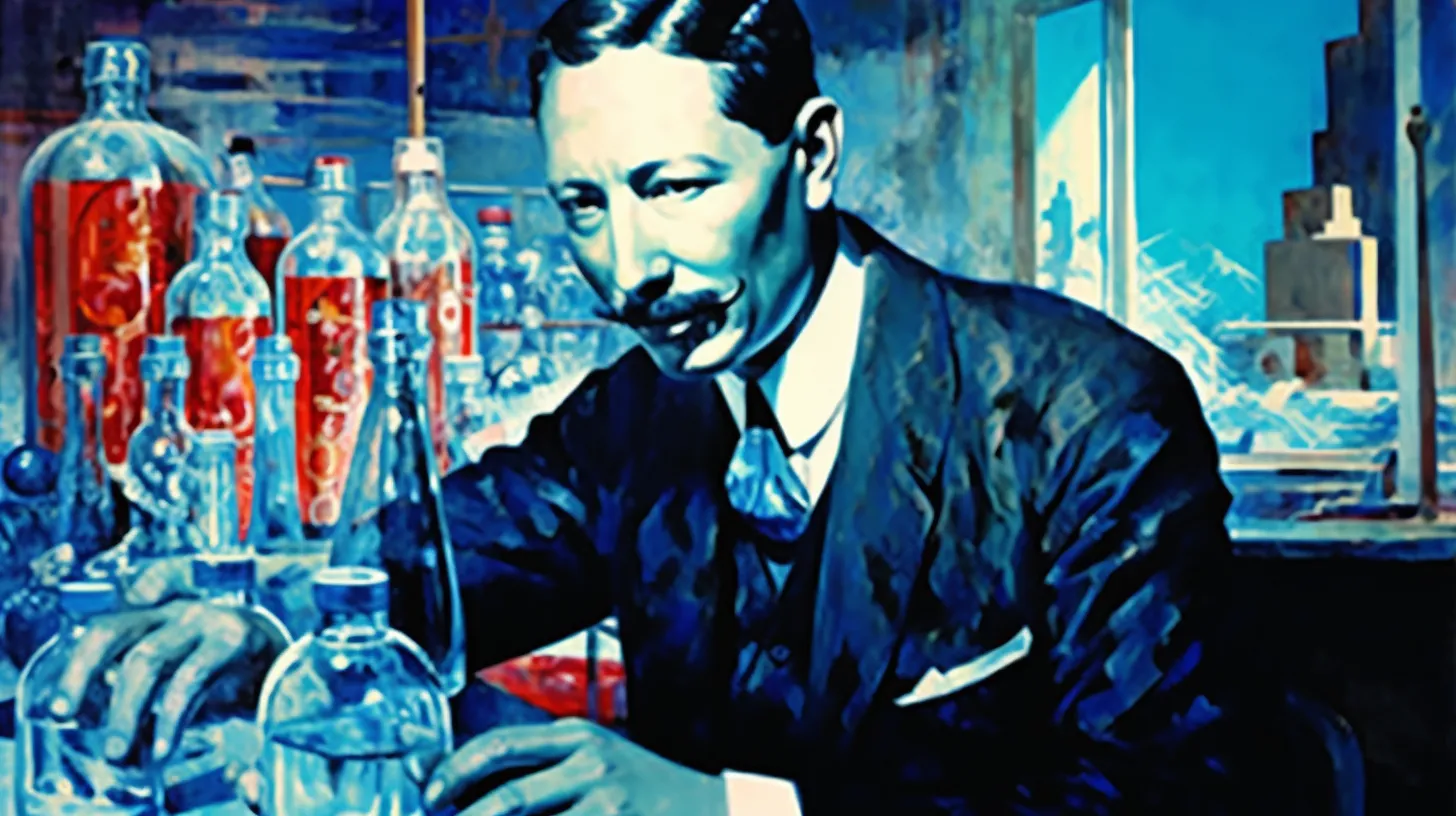
1898 — Pepsi-Cola
After enjoying brisk sales and positive customer feedback, Bradham renames his drink “Pepsi-Cola” due to the pepsin enzyme he hoped it would aid in digestion and the tasty cola flavor.
1902 — 20,000 Gallons
On the success of Pepsi-Cola, Bradham incorporates the Pepsi-Cola Company in 1902 to begin mass bottling and distribution.
Sales reach almost 20,000 gallons by 1904.
1910s — Delicious and Healthful
Pepsi-Cola grows popularity through celebrity endorsements such as racing legend Barney Oldfield and advertising emphasizing its refreshing, invigorating and “Delicious and Healthful” qualities.
1923 — Bankruptcy
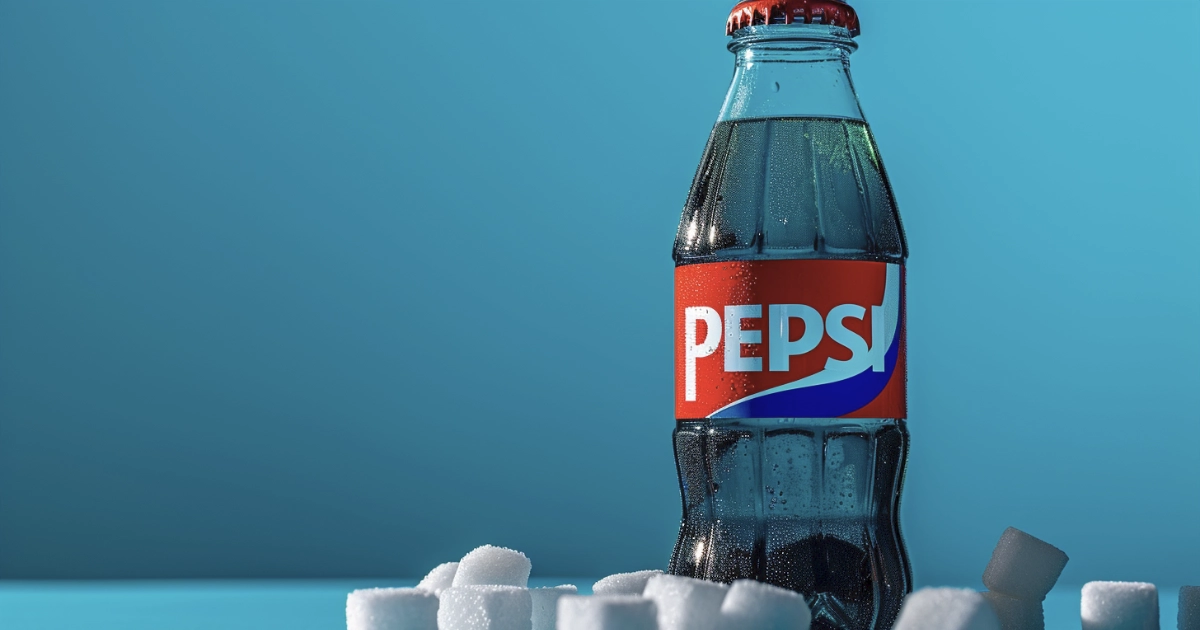
Despite huge growth leading up to WWI, Pepsi-Cola Company declares bankruptcy after volatile sugar prices and rationing during WWI aftermath damage company finances.
1931 — Court
Caleb Bradham loses the rights to Pepsi in bankruptcy court.
Pepsi trademarks and business purchased by Roy C. Megargel and Charles G. Guth.
1933 — Recipe Reformulation
Guth uses his Loft Candy Company resources to reformulate the Pepsi recipe, aiming to replace Coca-Cola in his stores.
This lays the groundwork for future growth.
EARLY GROWTH & BRAND DEVELOPMENT (1935–1960)
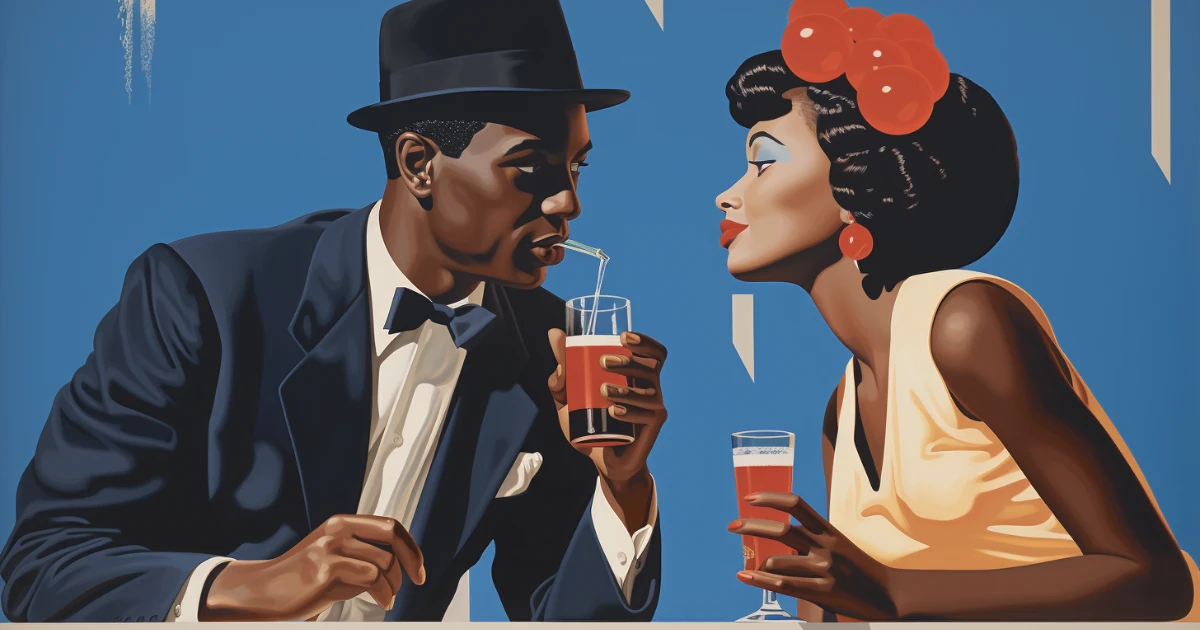
1935 — Loft Candy Company
Loft Inc. President & CEO Charles G. Guth uses his candy company’s resources to rebuild the Pepsi-Cola Company after acquiring the trademark.
This forms the foundation for future growth.
1939 — Twice as Much for A Nickel
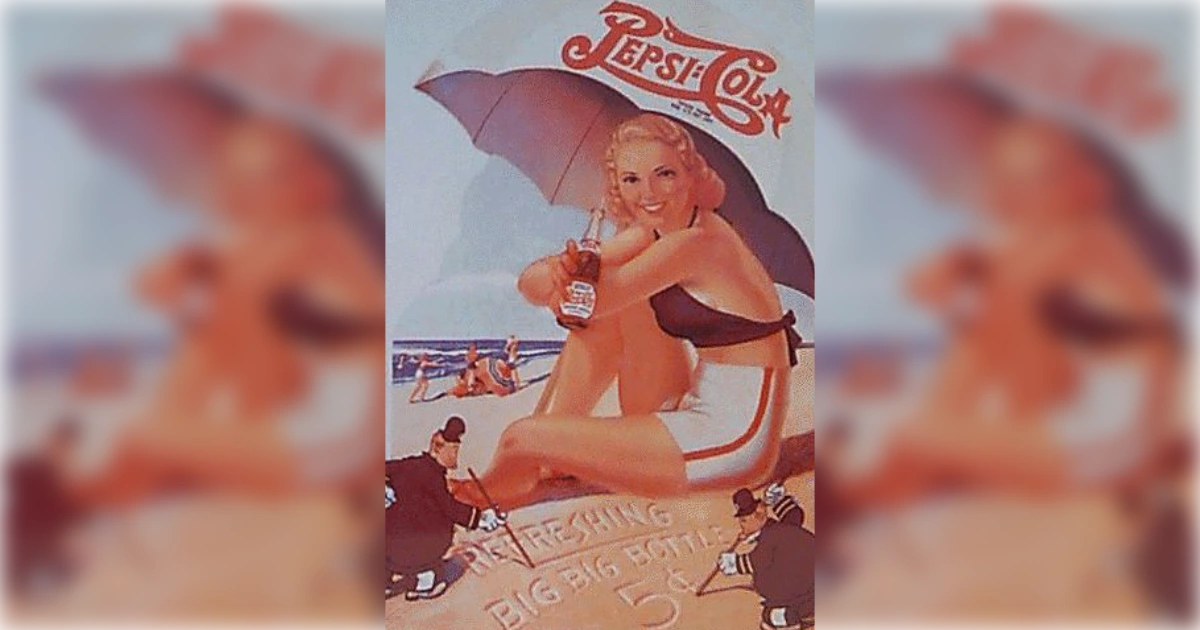
Pepsi’s 1939 “Twice as Much for a Nickel” campaign used a catchy radio jingle and integrated marketing tactics like taste tests and colorful delivery trucks to emphasize the greater value of Pepsi, helping double their market share during the Great Depression.
This ambitious campaign initiated an enduring brand identity for Pepsi as the plucky upstart challenger to dominant Coca-Cola.
1940s — African American Outreach
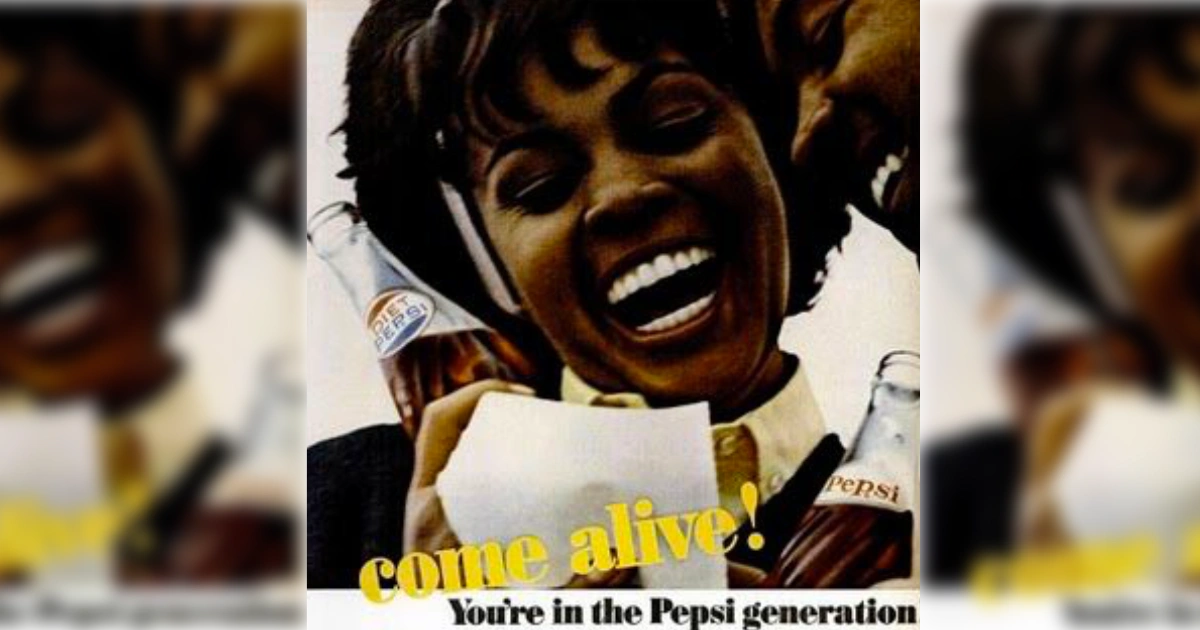
Under progressive new president Walter Mack, Pepsi begins successfully marketing to the largely untapped African-American demographic with ads portraying positive images.
A 12-man all-black sales team promoted Pepsi in Black communities.
In 1943, Pepsi releases it’s hit jingle, “Pepsi Hits the Spot”.
1950 — $100 Million
Pepsi surpasses $100 million in sales for the first time after two decades recruiting African-American personnel, consumers and celebrities.
This success leads Coca-Cola to begin targeting African-Americans.
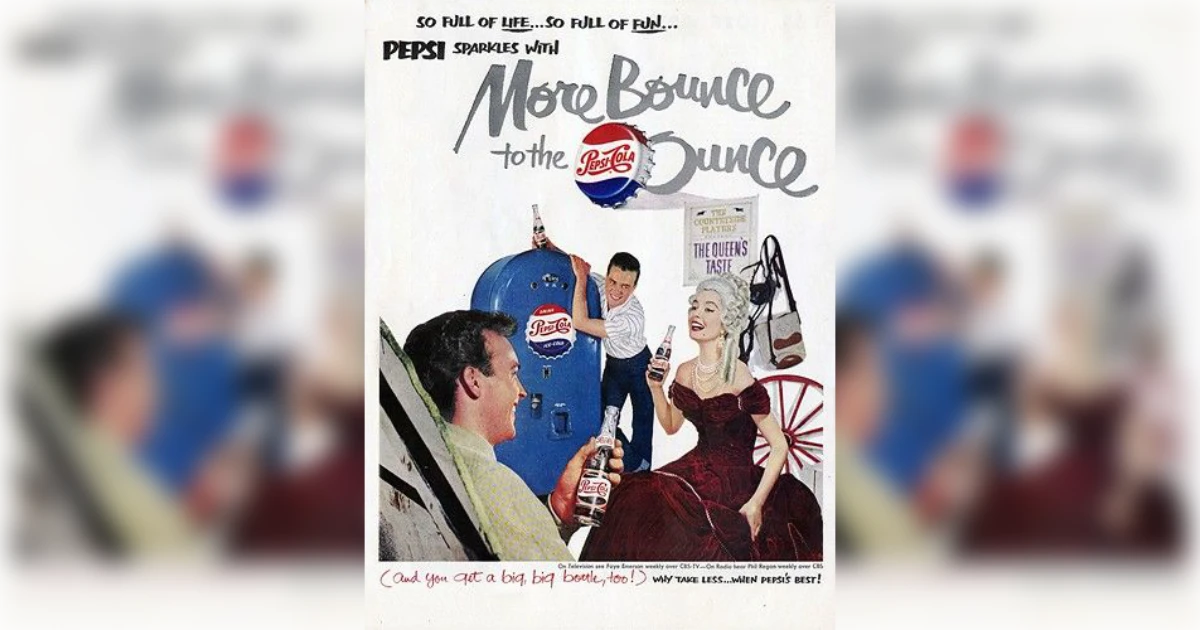
Pepsi launches it’s youthful “More Bounce to the Ounce” slogan.
Pepsi starts selling Pepsi-Cola in cans.
Mid 1950s — Nickel Nickel
Pepsi jingle “Nickel Nickel”—emphasizing affordability & value—is a radio and TV marketing success. Allowing purchase of 12oz Pepsi for the same 5 cent price as 6.5oz Cokes.
Becomes a pop culture phenomenon.
Pepsi-Cola sponsors it’s own sitcom “The Pepsi-Cola Playhouse”.
Late 1950s — Joan Crawford
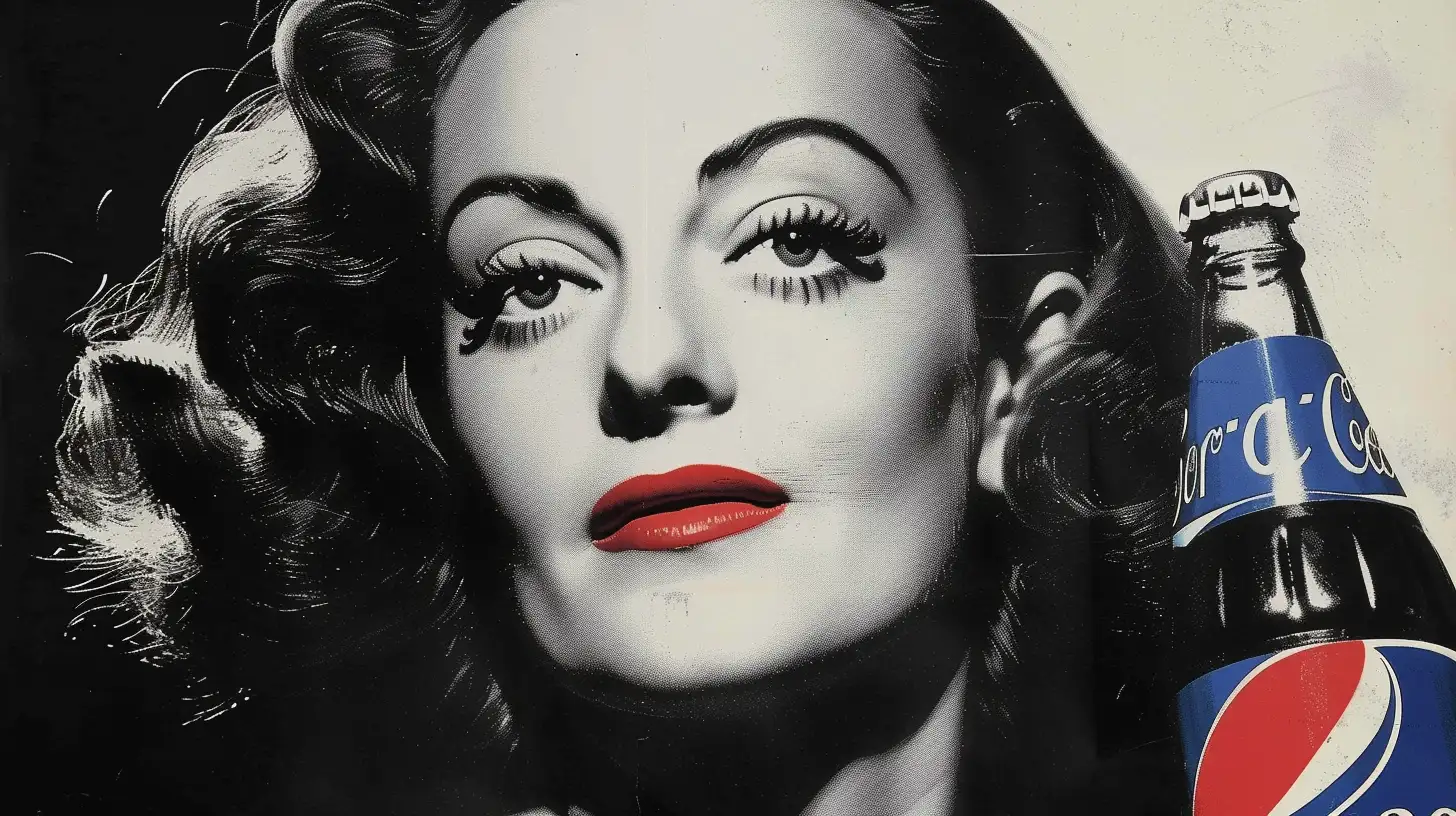
Actress Joan Crawford leverages her celebrity through marriage to Pepsi president Alfred Steele.
Appears prominently in ads and brand promotion helping cement Pepsi as a cultural icon.
Launch of 7 Up and Sprite competitor Teem in 1959.
DIVERSIFICATION & COLA WARS (1961-1997)
1961 — Frito-Lay Pepsi-Cola
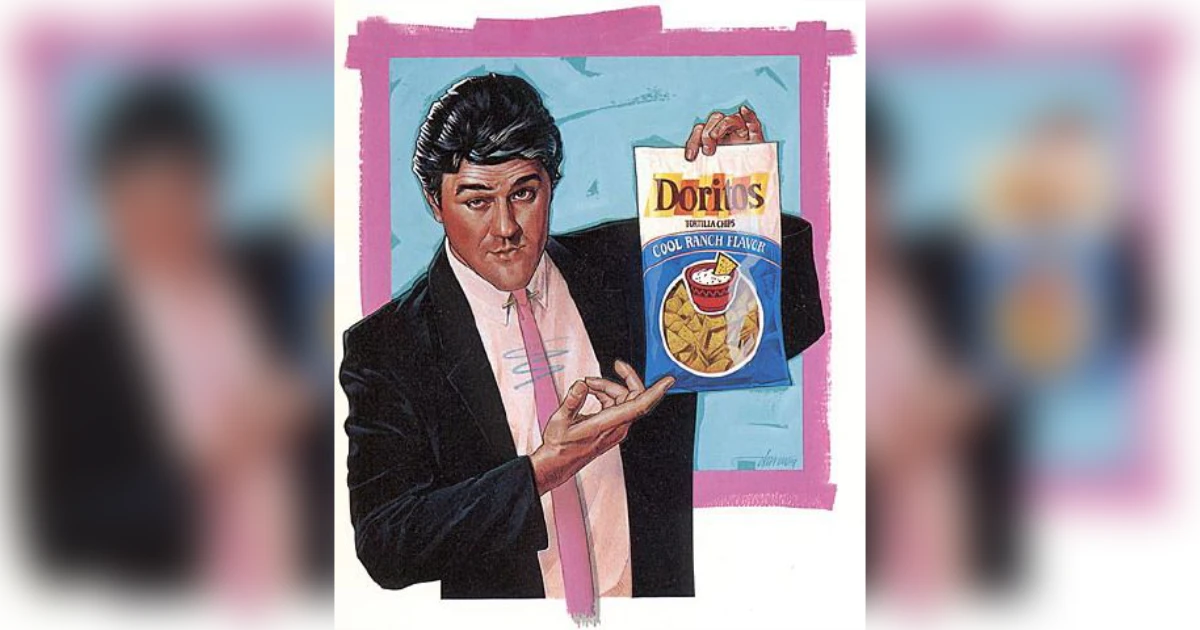
Company officially merges with snack food giant Frito-Lay to incorporate as PepsiCo.
Acquiring Frito-Lay expands offerings beyond just soft drinks into snacks like potato chips, corn chips and tortilla chips with brands like:
- Fritos
- Lay’s Potato Chips
- Cheetos& Flamin’ Hot Cheetos
- Doritos
- Cracker Jack
- Pork Rind “Baken-Ets”
- Funyuns
- Sun Chips
- Ruffles
1964 — Diet Pepsi
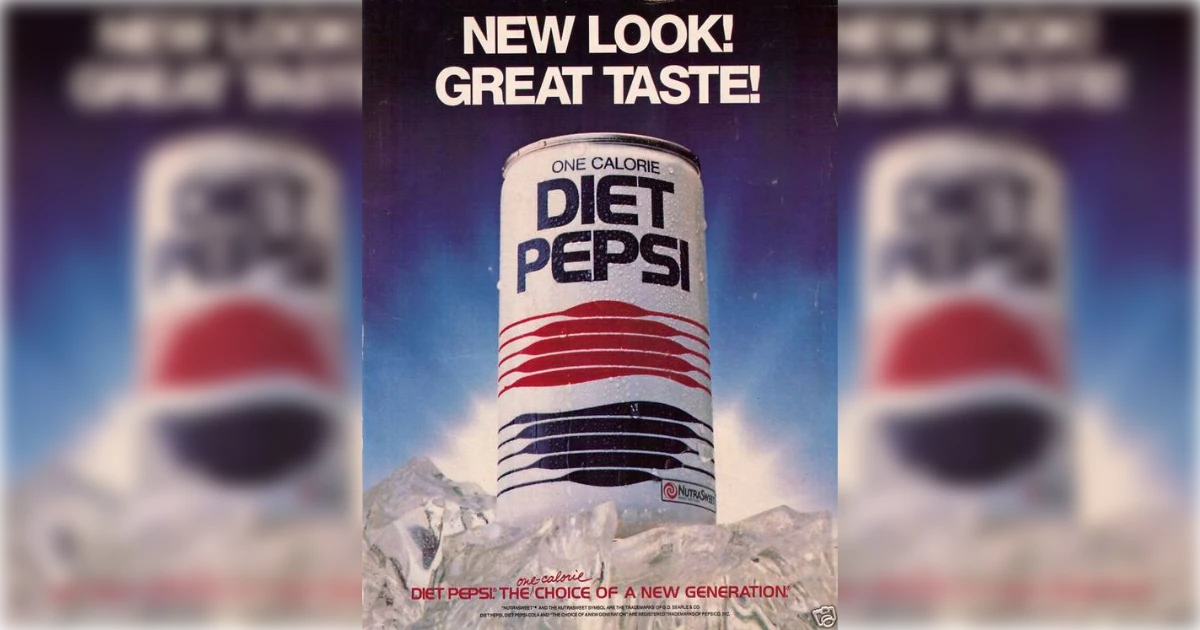
Diet Pepsi is launched to extend product portfolio to calorie-conscious consumers, four years ahead of archrival Diet Coke.
Pepsi launches it’s famous decade long slogan “Taste that Beats the Others Cold”.
1966 — Sabritas
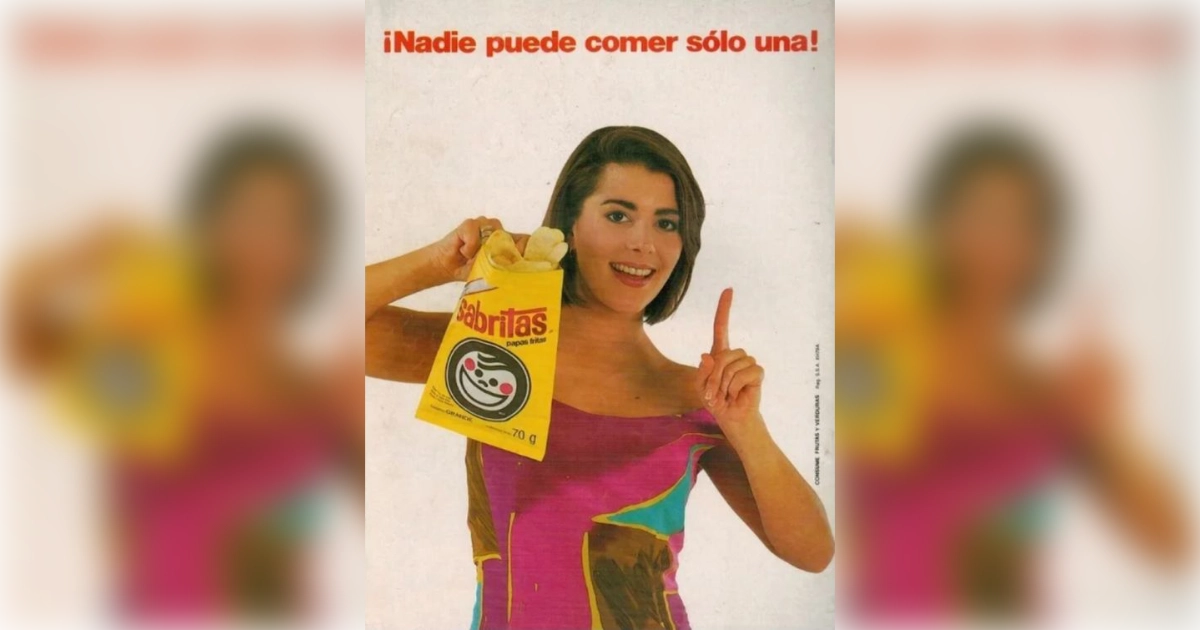
PepsiCo acquires Mexican snack food giant Sabritas.
Mid 1970s — Pepsi Generation
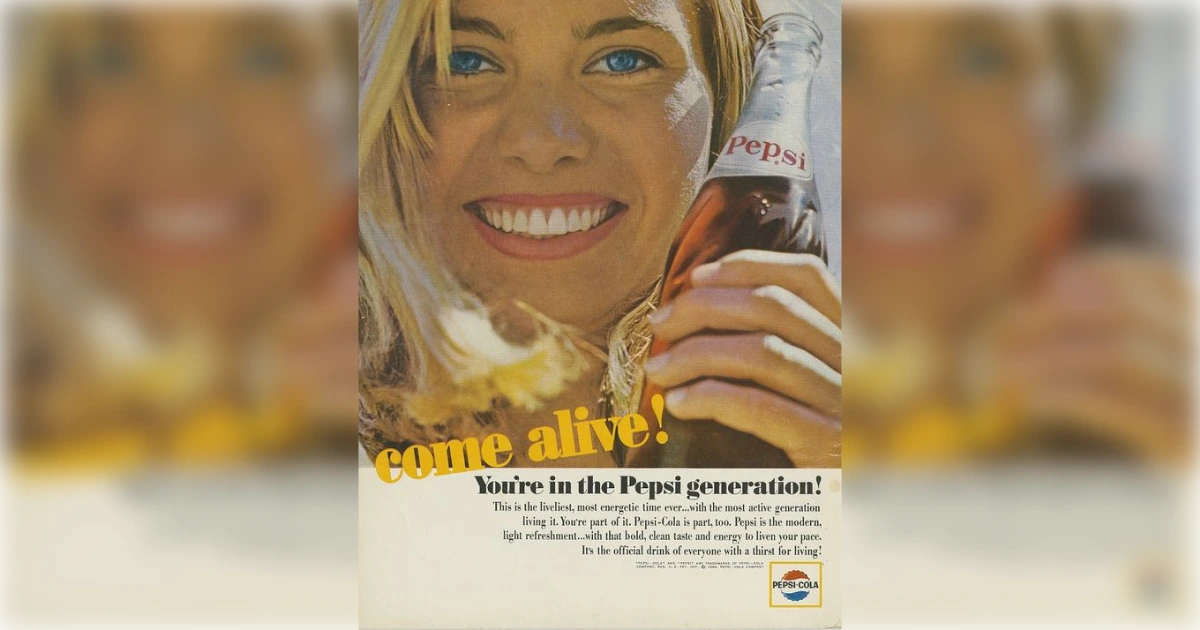
Pepsi shifts branding to a younger, edgier image to aggressively challenge Coke.
“Pepsi Generation” ads use pop celebrities appealing to youth culture. Pepsi would later relaunch the campaign with the New Generation sponsored by Michael Jackson.
The two liter Pepsi PET bottle is introduced.
The “Have a Pepsi Day” commercial rocks the Cola Wars.
1975 — Cola Wars
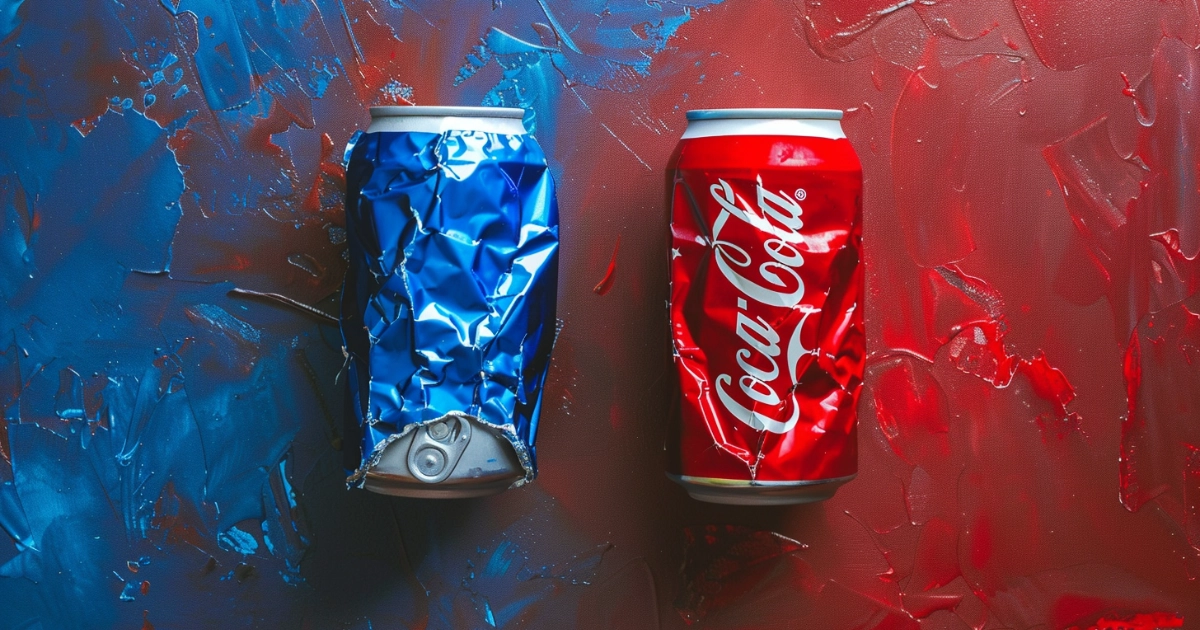
Pepsi directly confronts Coca-Cola by launching the famous “Pepsi Challenge” taste test marketing campaign leading to resurgent sales. Sparks “cola wars” rivalry.
1977 — Pizza Hut
PepsiCo acquires Pizza Hut. They acquire Taco Bell a year later.
Mid 1980s — New Coke Blunder
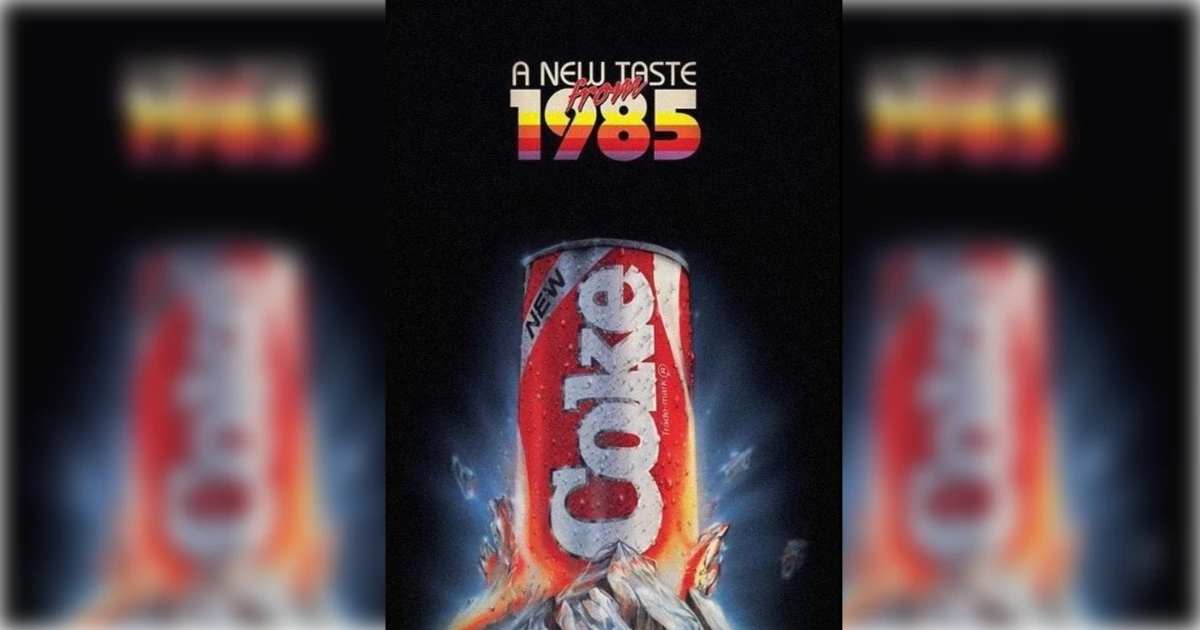
Reformulated sweeter Coke outrages consumers.
Pepsi seizes opportunity, rapidly gaining market share during “New Coke” PR blunder and rebranding to “Coca-Cola Classic”.
Pepsi acquires Kentucky Fried Chicken (KFC) in 1986. Pepsi also acquires the international rights to 7 Up.
Pepsi launches it’s “Catch that Pepsi Spirit” campaign.
The apple flavored Aspen Soda is discontinued after four years.
1986 — Mug Root Beer
PepsiCo acquires the San Francisco based Mug Root Beer.
1989 — Pepsi & Madonna Clash
Pepsi’s controversial sponsorship of Madonna’s video “Like a Prayer” causes outrage and cancellation of Madonna.
CONTINUED GROWTH & TRANSFORMATION (1998-PRESENT)
1990s — Major Acquisitions
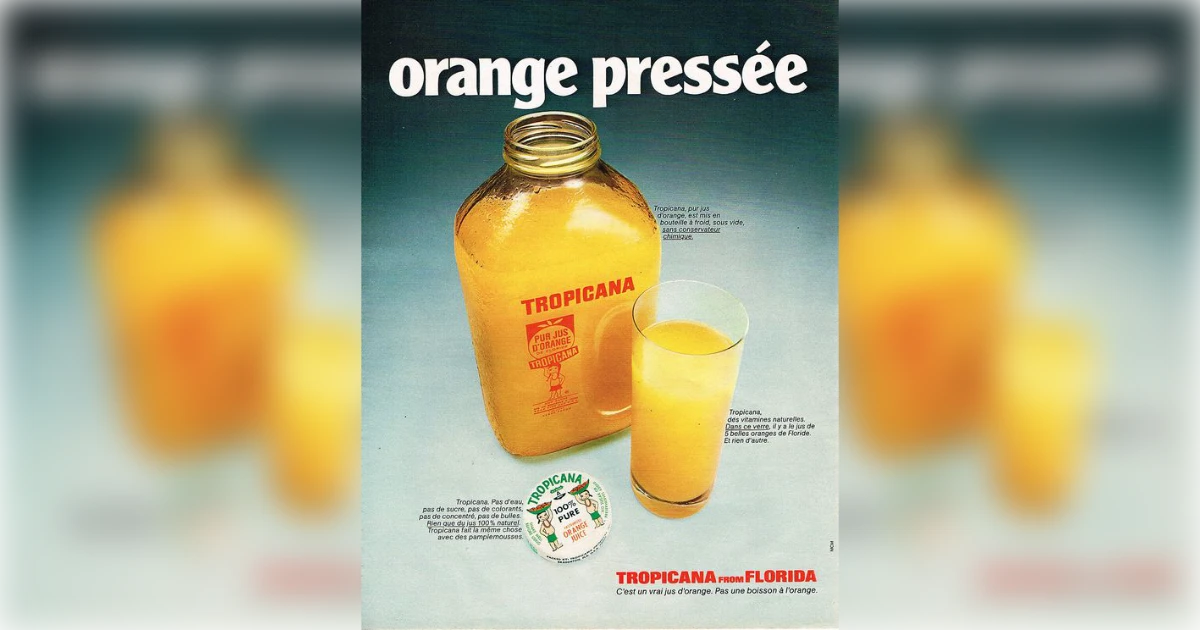
PepsiCo begins transformational expansion beyond soft drinks and snacks by acquiring brands like fruit juice titan Tropicana (1998) and New Age beverage company Izze.
Pepsi Crystal is discontinued.
Pepsi partners with Unilever to package and distribute Lipton Iced tea.
1990s — Quaker Oats
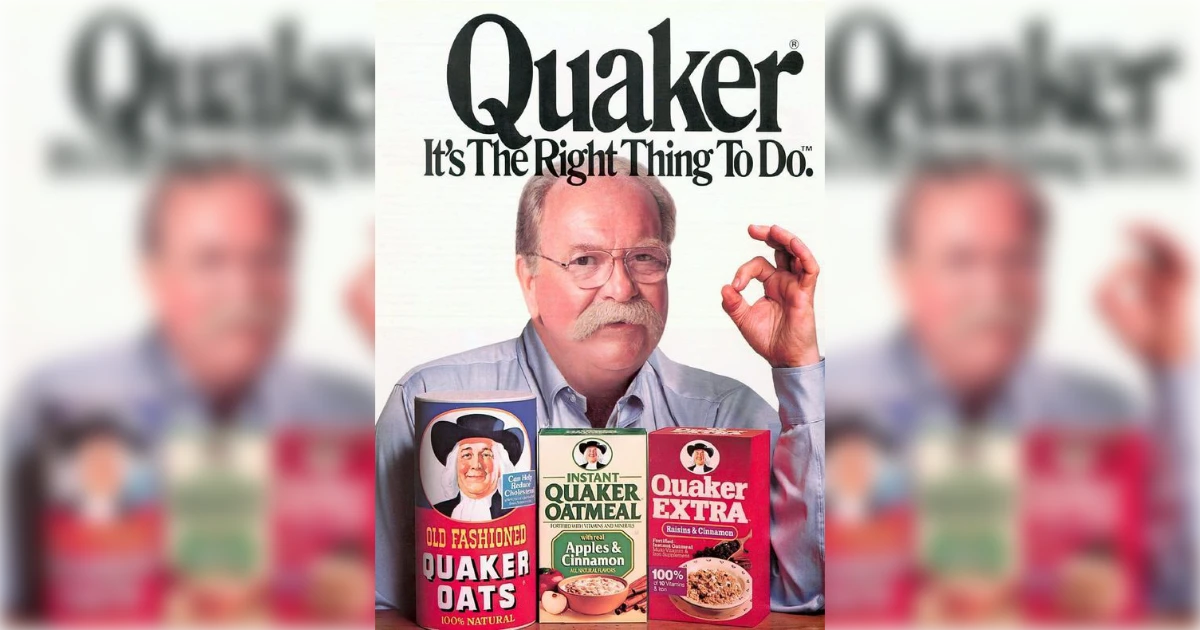
Wanting to acquire the popular sports drink Gatorade - Pepsico acquires the parent company Quaker Oats, giving it other brands like Life Cereal and Cap’n Crunch.
Pepsi buys Soviet warships for Vodka.
PepsiCo releases its flagship bottled wate r brand “Aquafina”.
Pepsi launches it’s youth oriented “Gotta Have It” ad campaign.
2000 — SoBe
PepsiCo acquires juice start-up SoBe.
2004 — Ocean Spray
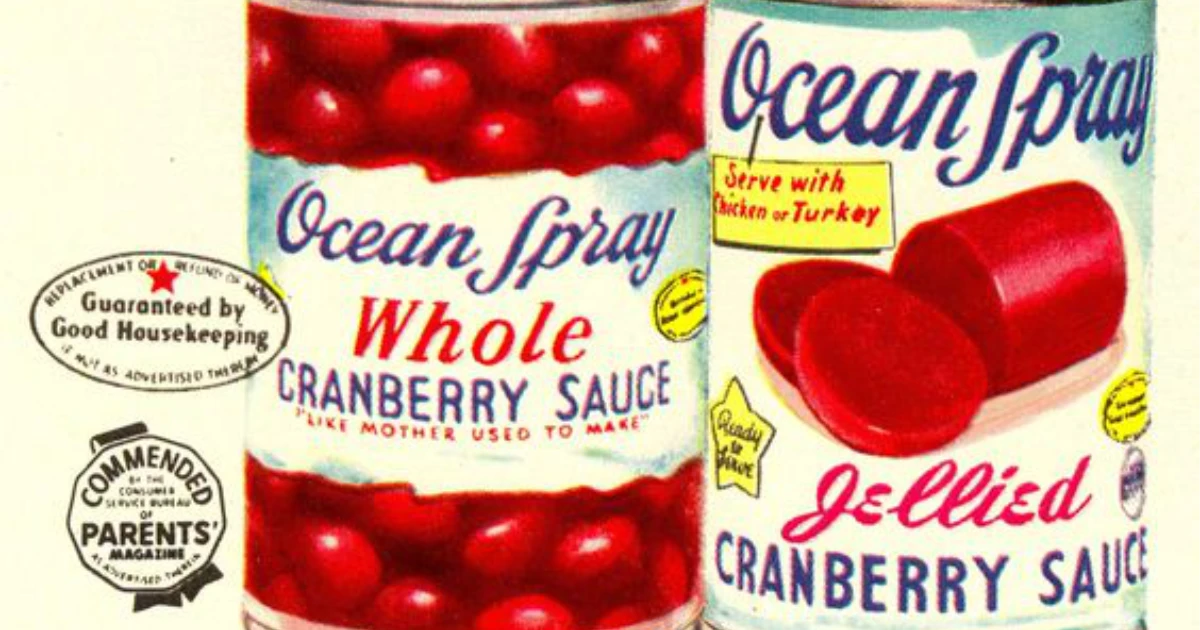
Ocean Spray turns down a $100 million joint venture deal with PepsiCo.
Pepsi Blue is discontinued.
2006 — Naked Juice
PepsiCo acquires Naked Juice.
2008 — Pepsi Raw
Pepsi introduces an all natural soda in the UK called Pepsi Raw.
2010s — More Acquisitions
PepsiCo continues health positioning via takeovers of plant-based food/drink companies Bare Foods and KeVita.
Pepsi One is discontinued.
Pepsi Next is introduced.
2018 — SodaStream
Purchases at-home carbonated drink maker SodaStream for $3.2 billion to eco-friendly product options.
PepsiCo launches it’s own sparkling water brand “Bubly”.
2018 — Live for Now
Pepsi pulls it’s Kendall Jenner “Live for Now” ad after receiving major protests.
2019 — Muscle Milk
PepsiCo acquires Muscle Milk for $465 million.
2020 — Rockstar
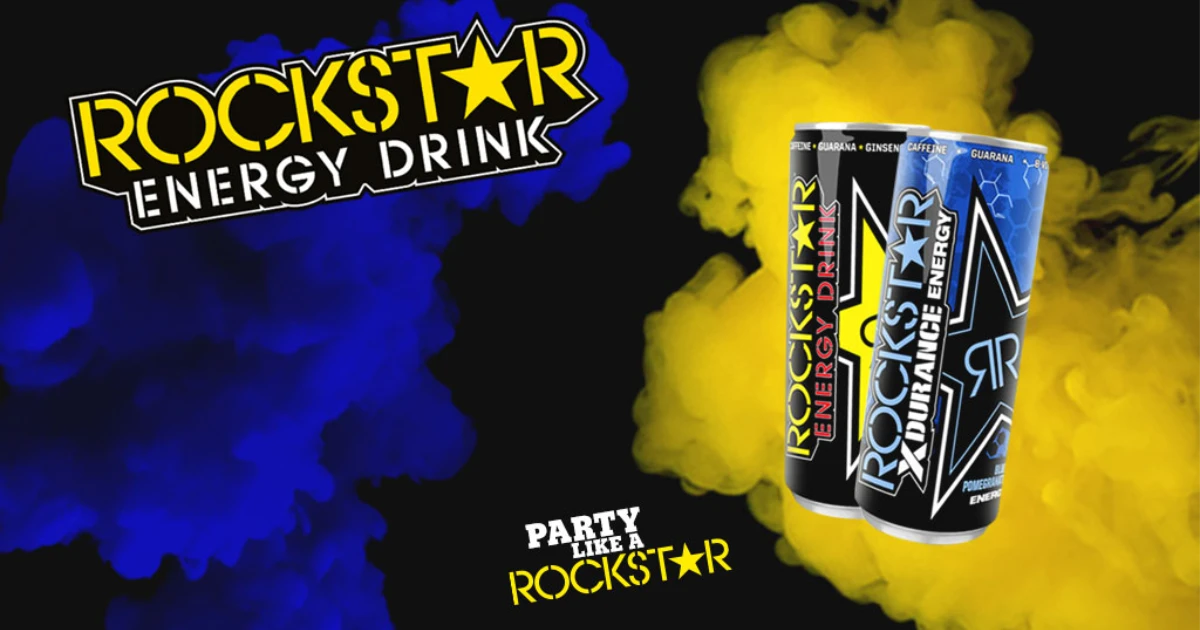
Acquires fast-growing energy drink Rockstar for $3.85 billion entering high-growth category dominated by Red Bull.
Pepsi launches latest slogan, “That’s What I Like”.
2021 — Net-Zero Pledge
With society increasingly valuing corporate responsibility, PepsiCo pledges to achieve net-zero GHG emissions across operations by 2040.
2022 — Halftime Show
Signs expanded sponsorship bringing Pepsi Halftime Show back to NFL Super Bowl through 2026.
Early 2023 — Logo Upgrade
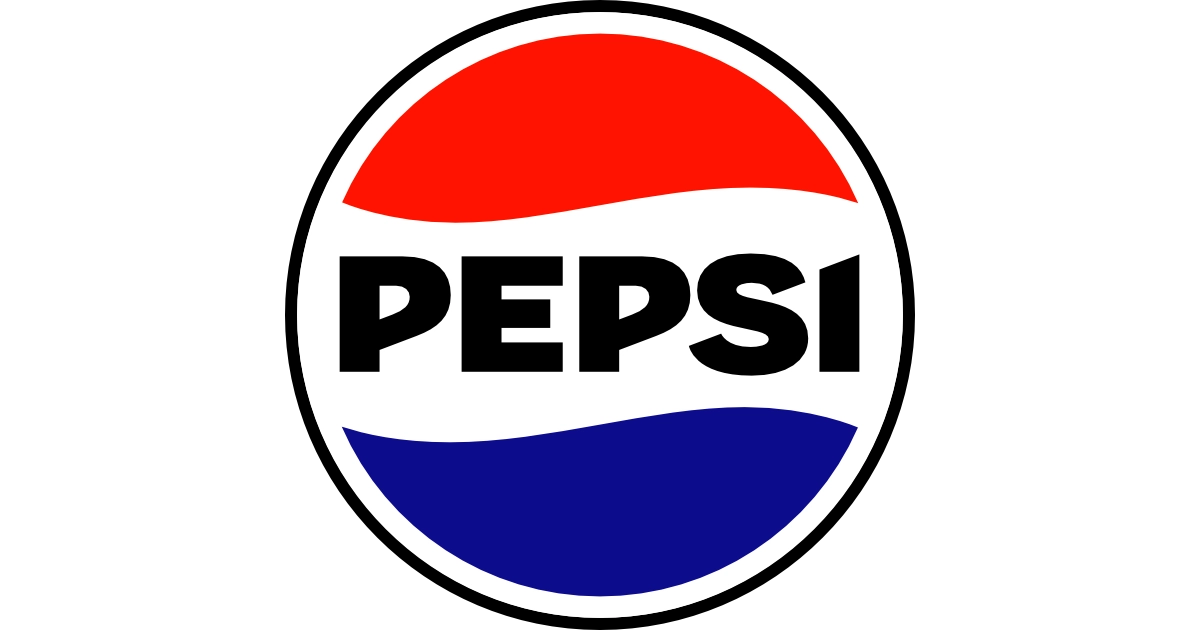
Rolls out visual brand identity refresh including modernized Pepsi Globe logo—the first major update in over two decades.
Discontinuation of Sierra Mist and replaced by Starry.
Mid 2023 — Sugar Content
Announces plans to cut sugar content substantially across core carbonated drink portfolio as consumer preferences evolve.
Rebrands “Pepsi Zero Sugar” variant as simply “Pepsi”.